
A life-saving procedure, bone marrow transplant comes with significant risks. The mortality rate varies based on several factors. Despite its ability to cure certain diseases, the process is fraught with complications Bone marrow transplant risks.
The risks of this procedure can be immediate or long-term. They can affect a patient’s quality of life and survival. It’s important for patients and healthcare providers to understand these risks.
Key Takeaways
- The mortality rate for bone marrow transplants varies based on several factors.
- Immediate complications can occur during the transplant process.
- Long-term effects can significantly impact a patient’s quality of life.
- Understanding the risks is key for making informed decisions.
- Patients and healthcare providers must carefully weigh the benefits and risks.
The Life-Saving Nature of Bone Marrow Transplants
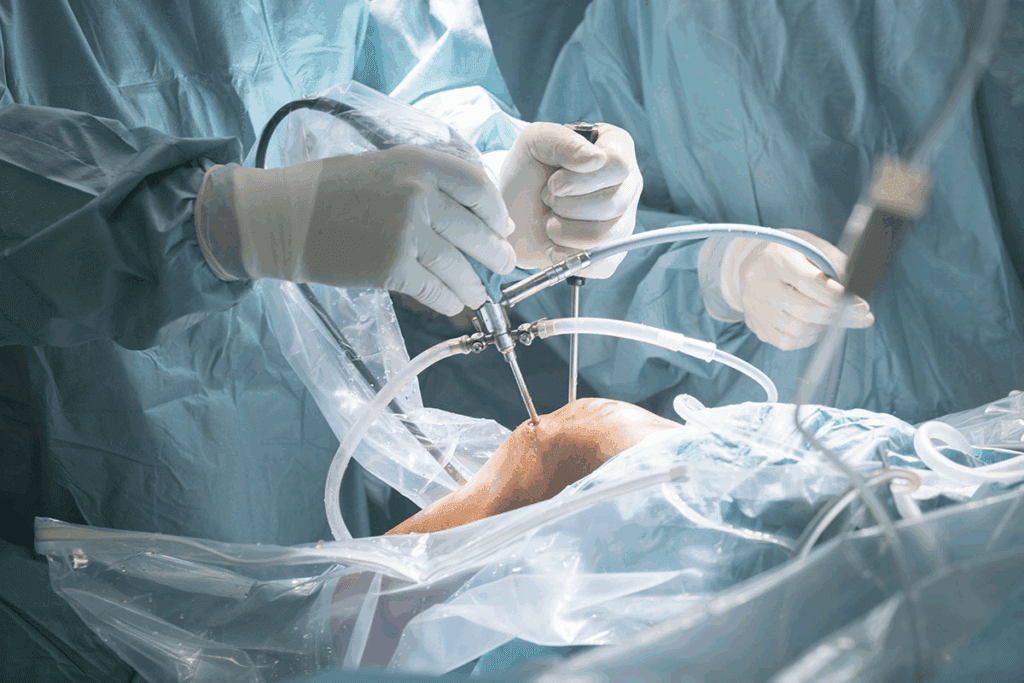
Bone marrow transplants can save lives for people with serious diseases. Bone marrow is the soft tissue in bones that makes blood cells. It’s key for making red blood cells, white blood cells, and platelets.
These cells carry oxygen, fight off infections, and help blood clot. Knowing how bone marrow works helps us see why transplants are so important.
What is bone marrow and its function
Bone marrow is vital for making blood cells. It creates hematopoietic stem cells that turn into different blood cells. Understanding its role is key to seeing the value of bone marrow transplants.
Types of bone marrow transplants
There are two main types of bone marrow transplants: autologous and allogeneic. Autologous transplants use the patient’s own cells. Allogeneic transplants use cells from a donor. Each has its own uses and benefits.
| Transplant Type | Description | Indications |
| Autologous | Uses the patient’s own cells | Certain cancers, like multiple myeloma |
| Allogeneic | Uses a donor’s cells | Leukemia, aplastic anemia, and other blood disorders |
Conditions requiring transplantation
Bone marrow transplants help treat serious diseases like leukemia, lymphoma, and aplastic anemia. These diseases often harm the bone marrow. A transplant is needed to fix this and make blood cells again.
Bone Marrow Transplant Risks: An Overview

It’s important to know the risks of bone marrow transplants before deciding on this treatment. This procedure replaces a patient’s bone marrow with healthy marrow. This can come from a donor or the patient’s own marrow.
Short-term vs. long-term risks
Bone marrow transplant risks fall into two categories: short-term and long-term. Short-term risks happen during and right after the transplant. Long-term risks can show up years later.
- Short-term risks include infection, graft-versus-host disease (GVHD), and organ damage.
- Long-term risks may involve chronic GVHD, secondary cancers, and organ damage.
Risk factors that increase complications
Several factors can make bone marrow transplant complications more likely. These include:
- Age: Older patients face higher risks.
- Health status: Existing health issues can make recovery harder.
- Donor match quality: A better match lowers GVHD risk.
Transplant mortality rates
The death rate from bone marrow transplants varies. It depends on the condition being treated, the donor match, and the patient’s health.
Patients and doctors should talk about these risks to make the best decision about a bone marrow transplant.
The Conditioning Process: Preparing the Body
Before a bone marrow transplant, patients go through a tough conditioning process. This involves high-dose chemotherapy and/or radiation therapy. The goal is to wipe out the bad bone marrow.
High-dose Chemotherapy Risks
High-dose chemotherapy is key in the conditioning process. It kills off diseased cells but also carries big risks. These include severe infections and organ damage.
The strong chemotherapy can mean long hospital stays. Patients often need a lot of support during this time.
Radiation Therapy Complications
Radiation therapy in the conditioning process can cause problems. Patients might feel fatigue, nausea, and organ toxicity. How bad these effects are depends on the dose and where the radiation is aimed.
Organ Toxicity from Pre-transplant Treatments
The conditioning process can harm organs like the liver, kidneys, and lungs. It’s important to watch and manage these risks for the transplant to work.
“The conditioning regimen is a double-edged sword; it’s necessary for a successful transplant but comes with its own set of risks,” as noted by medical professionals in the field.
Donor Matching Complications
Finding a compatible donor is a big challenge in bone marrow transplants. The quality of the donor match greatly affects the risk of complications. So, finding a good match is key to a successful transplant.
HLA Typing and Compatibility Factors
HLA (Human Leukocyte Antigen) typing is vital for matching donors. It looks at specific genes that control the immune system. A close match between donor and recipient lowers the risk of graft-versus-host disease (GVHD) and other issues.
When looking at HLA typing, the number of matching alleles matters. A 10/10 match is best, but sometimes a 9/10 match is okay, depending on other factors.
Related vs. Unrelated Donors
Donors can be related or unrelated to the recipient. Related donors, like siblings, have a better chance of being a good match. But, only about 30% of patients have a fully matched related donor.
Unrelated donors are found through registries. They might not be as closely matched, but better HLA typing has improved transplant outcomes for them.
Haploidentical and Cord Blood Transplants
For those without a fully matched donor, haploidentical transplants and cord blood transplants are options. These alternatives make more patients eligible for transplants.
But, these options come with risks like GVHD or graft failure. Yet, new techniques are being developed to lessen these risks.
Graft Versus Host Disease: When Donor Cells Attack
When donor cells from a bone marrow transplant see the recipient’s body as foreign, a serious condition called graft versus host disease can happen. This is a big worry for those getting allogeneic transplants.
Acute GVHD: Symptoms and Dangers
Acute GVHD usually starts within a few months after the transplant. Its symptoms can be mild or severe. They include skin rashes, liver problems, and stomach issues like diarrhea and pain.
Quick diagnosis and treatment are key to avoiding serious problems.
Chronic GVHD: Long-term Implications
Chronic GVHD can start after a few months and last for years. It can harm different organs, causing skin scarring, dry eyes, and lung issues. Taking care of chronic GVHD for a long time is necessary.
Prevention Strategies and Treatments
Stopping GVHD and treating it involves many steps. Immunosuppressive medications are often used to lower the immune system’s response and prevent GVHD. New treatments, like cellular therapy, are being looked into to help more.
Immunosuppressive Medications
Drugs like cyclosporine and tacrolimus help keep the immune system in check and lower GVHD risk. But, these medicines can have big side effects, so they need careful handling.
Emerging Therapies
New treatments, like mesenchymal stem cells and other cellular therapies, are being studied. They might help prevent and treat GVHD.
“The development of novel therapies is critical for better patient outcomes with GVHD,”
research says.
Infection Risks During Immune Suppression
After a transplant, the body’s immune system is weakened. This makes it easier for infections to take hold. It’s important to take steps to prevent these infections.
Bacterial Infections Post-Transplant
Bacterial infections are a big worry after a transplant. Gram-positive bacteria and Gram-negative bacteria can both cause serious problems. Doctors often use antibiotics to help prevent these infections.
Viral Reactivation Concerns
Viruses like Cytomegalovirus (CMV) and Epstein-Barr Virus (EBV) can wake up and cause illness. It’s important to watch for signs and start treatment early.
Fungal Infection Threats
Fungal infections, like those from Candida and Aspergillus, are also a big risk. To fight these, doctors use antifungal medicines and treat infections quickly.
Preventive Measures and Protocols
Preventing infections requires a few key steps:
- Prophylactic medications (antibiotics, antivirals, antifungals)
- Strict infection control protocols
- Monitoring for early signs of infection
- Education on avoiding exposure to pathogens
By knowing the risks and taking these steps, we can lower the chance of infections. This helps transplant patients have better outcomes.
Organ Damage and Toxicity Concerns
The process for bone marrow transplants can harm organs and cause toxicity. This can affect the liver, kidneys, lungs, and heart. These issues can come from the treatment itself, infections, or Graft Versus Host Disease (GVHD).
Liver Veno-Occlusive Disease
Liver veno-occlusive disease (VOD) is a serious problem. It happens when the liver’s small blood vessels get damaged by the treatment. Symptoms include weight gain, ascites, and jaundice.
Kidney Damage Risks
Kidney damage is a big worry. It often comes from the toxic effects of chemotherapy and other drugs used in the transplant. Acute kidney injury can happen, so it’s important to watch and manage it closely.
Pulmonary Complications
Pulmonary issues can also occur after the transplant. These include idiopathic pneumonia syndrome and diffuse alveolar hemorrhage. These problems can be very serious and deadly, so lung care is critical.
Cardiac Effects
Cardiac toxicity is another risk, mainly from certain drugs and radiation. Cardiac dysfunction can cause heart failure or arrhythmias. This means the heart needs to be closely monitored over time.
| Organ | Potential Complications |
| Liver | Veno-occlusive disease, liver dysfunction |
| Kidneys | Acute kidney injury, chronic kidney disease |
| Lungs | Idiopathic pneumonia syndrome, diffuse alveolar hemorrhage |
| Heart | Cardiac dysfunction, heart failure, arrhythmias |
Transplant Rejection and Graft Failure
Graft failure is a serious risk with bone marrow transplants. It happens when the transplanted cells don’t stick or lose their hold. This issue can be split into two main types: primary and secondary graft failure.
Primary Graft Failure
Primary graft failure means the cells never stick. This can be because of inadequate conditioning regimens, HLA mismatch, or immunosuppressive drugs.
Secondary Graft Failure
Secondary graft failure is when the cells that did stick are lost. It can be caused by infections, GVHD, or certain drugs that harm the bone marrow.
Management and Second Transplants
Handling graft failure means fixing the root cause. This might include supportive care, adjusting immunosuppressive therapy, or a second transplant. A second transplant is risky but can save lives for some patients.
| Type of Graft Failure | Causes | Management |
| Primary | Inadequate conditioning, HLA mismatch | Supportive care, second transplant |
| Secondary | Infections, GVHD, immunosuppressive drugs | Immunosuppressive therapy adjustments, second transplant |
Deciding on a second transplant is complex. It depends on the patient’s health, the graft failure cause, and donor availability.
Immune System Recovery Challenges
Recovering the immune system after a bone marrow transplant is slow and complex. It involves growing back immune cells and getting immune function back. This is key for fighting infections and living a long life.
Timeline for Immune Reconstitution
Immune reconstitution takes months to years. The time frame depends on several things. These include the transplant type, donor-recipient HLA matching, and immunosuppressive therapy use.
Vaccination Requirements Post-Transplant
Vaccines are very important for post-transplant patients to avoid infections. Vaccination usually starts 6-12 months after the transplant. A series of vaccines helps build immunity against common pathogens.
Persistent Immune Deficiencies
Even with slow immune recovery, some patients face ongoing immune weaknesses. This makes them more likely to get opportunistic infections. To lower this risk, doctors use prophylactic antimicrobials and keep a close eye on patients.
Strategies to Support Immune Recovery
Doctors use several ways to help the immune system recover. They try to reduce immunosuppression, use growth factors to boost immune cell production, and focus on nutrition. These steps help improve immune function and lower infection risks.
- Minimizing immunosuppression to promote immune recovery
- Using growth factors to stimulate the production of immune cells
- Providing nutritional support to enhance overall health
Understanding the challenges of immune system recovery is key. By using the right strategies, healthcare providers can help bone marrow transplant patients do better.
Special Considerations for Pediatric Transplants
Children getting bone marrow transplants need special care because their bodies are growing. This part talks about the special challenges and long-term effects of these transplants on kids.
Growth and Development Concerns
Kids getting bone marrow transplants face big risks to their growth. The treatment can mess with their hormones, leading to growth problems and other issues.
Growth monitoring is key to catch any growth issues early. Also, kids might have trouble with fertility, so talking about saving their fertility before the transplant is important.
Unique Pediatric Complications
Kids getting bone marrow transplants can face problems that adults don’t. Graft-versus-host disease (GVHD) is one, and it needs special treatment in kids.
Another big worry is infections. Kids’ immune systems are not fully grown, making them more likely to get sick. Viral reactivation and fungal infections are very dangerous and need careful watching and prevention.
Long-term Effects on Children
The long-term effects of bone marrow transplants on kids can be huge. They can affect many parts of the body and how well a kid lives. Survivors might face late effects like new cancers, organ problems, and mental health issues.
| Long-term Effect | Description | Management Strategy |
| Secondary Malignancies | Increased risk of new cancers | Regular screening and follow-up |
| Organ Dysfunction | Potential for liver, kidney, or heart problems | Monitoring of organ function, lifestyle adjustments |
| Psychological Challenges | Anxiety, depression, and other mental health issues | Psychological support, counseling |
Knowing these risks and following up with care is key to lessening long-term effects. It helps improve the life quality of kids who have had bone marrow transplants.
Long-Term Survivorship Challenges
The journey doesn’t end with a successful bone marrow transplant. Survivors face many challenges that can affect their quality of life and health.
Fertility Impacts and Options
One big challenge is the impact on fertility. Both men and women may struggle with infertility because of the treatment before the transplant. There are options like sperm banking and egg freezing for those who want to have children in the future.
Secondary Malignancies
Survivors are at higher risk for secondary malignancies, or cancers that come after the transplant. It’s important to have regular check-ups to watch for these risks.
Chronic Health Conditions
Survivors may deal with chronic health issues like organ damage and graft-versus-host disease. These conditions need ongoing care from doctors.
Quality of Life Considerations
The quality of life for survivors can be impacted by physical, emotional, and social challenges. Support systems and rehabilitation programs are key in helping survivors adjust.
| Long-Term Challenge | Impact on Survivors | Management Strategies |
| Fertility Issues | Infertility due to conditioning regimen | Sperm banking, egg freezing |
| Secondary Malignancies | Increased risk of new cancers | Regular follow-up care, monitoring |
| Chronic Health Conditions | Persistent organ damage, GVHD | Ongoing medical care, management |
Conclusion: Balancing Risks and Benefits
Bone marrow transplants are complex and can save lives. They come with big risks, but it’s key to weigh these against the benefits. This is important for both patients and doctors.
Thanks to progress, more people survive transplants. But, the transplant can also have serious side effects. It’s vital to manage these risks well to help patients recover better and avoid problems.
Those getting bone marrow transplants face many challenges. These include graft-versus-host disease, infections, and damage to organs. Yet, thanks to new medical tech and treatments, many patients beat these hurdles and do well.
In the end, making the right choice about bone marrow transplants means knowing the risks and benefits well. By talking closely with doctors, patients can make smart decisions. This way, they can go through the transplant process with hope and confidence.
FAQ
What is bone marrow and what is its function?
Bone marrow is the soft tissue inside bones like hips and thighbones. It makes blood cells. These cells are vital for the immune system and overall health.
What are the different types of bone marrow transplants?
There are several types of bone marrow transplants. These include using the patient’s own marrow (autologous), marrow from a donor (allogeneic), and marrow from an identical twin (syngeneic). Each type has its own benefits and risks.
What are the risks associated with high-dose chemotherapy?
High-dose chemotherapy can cause side effects like nausea, vomiting, and hair loss. It can also lead to infections, organ damage, and cancer.
What is graft versus host disease (GVHD)?
GVHD is a complication of allogeneic bone marrow transplants. It happens when the donor’s immune cells attack the recipient’s body. It can affect the skin, liver, and gut.
How can infections be prevented after a bone marrow transplant?
To prevent infections, patients may take antibiotics, antivirals, and vaccines. They should also avoid sick people to stay safe.
What are the risks of organ toxicity after a bone marrow transplant?
Organ toxicity is a risk with bone marrow transplants, mainly with high-dose treatments. Organs like the liver, kidneys, lungs, and heart can be affected.
What is graft failure, and how is it managed?
Graft failure means the transplanted marrow doesn’t make blood cells. It can happen early or later. Treatment options include a second transplant, immunosuppressive therapy, or supportive care.
How long does it take for the immune system to recover after a bone marrow transplant?
The time it takes for the immune system to recover varies. It depends on the transplant type and the patient’s health. Recovery can take months to years.
What are the long-term effects of bone marrow transplants on children?
Children may face long-term effects like growth issues, increased cancer risk, and organ damage. These effects can impact their health and development.
What are the challenges faced by long-term survivors of bone marrow transplants?
Survivors may deal with fertility issues, cancer, chronic health problems, and quality of life concerns. Ongoing medical care and support are key to managing these challenges.
What is the mortality rate associated with bone marrow transplants?
The mortality rate varies based on the transplant type, patient health, and disease being treated.
What are the risks of relapse after a bone marrow transplant?
Relapse is a risk, mainly for those with cancer. The risk depends on the disease type, stage, and treatment used.
How can chronic GVHD be managed?
Chronic GVHD is managed with immunosuppressive drugs like corticosteroids. Patients also need to avoid infections and manage symptoms.
What are the benefits of bone marrow transplants?
Bone marrow transplants can save lives for diseases like leukemia and lymphoma. They offer a chance for cure or long-term control, improving quality of life for patients.
References
Can An Infant Bone Marrow Transplant Be Done? Bone Marrow Transplant Risks https://pubmed.ncbi.nlm.nih.gov/9156419/