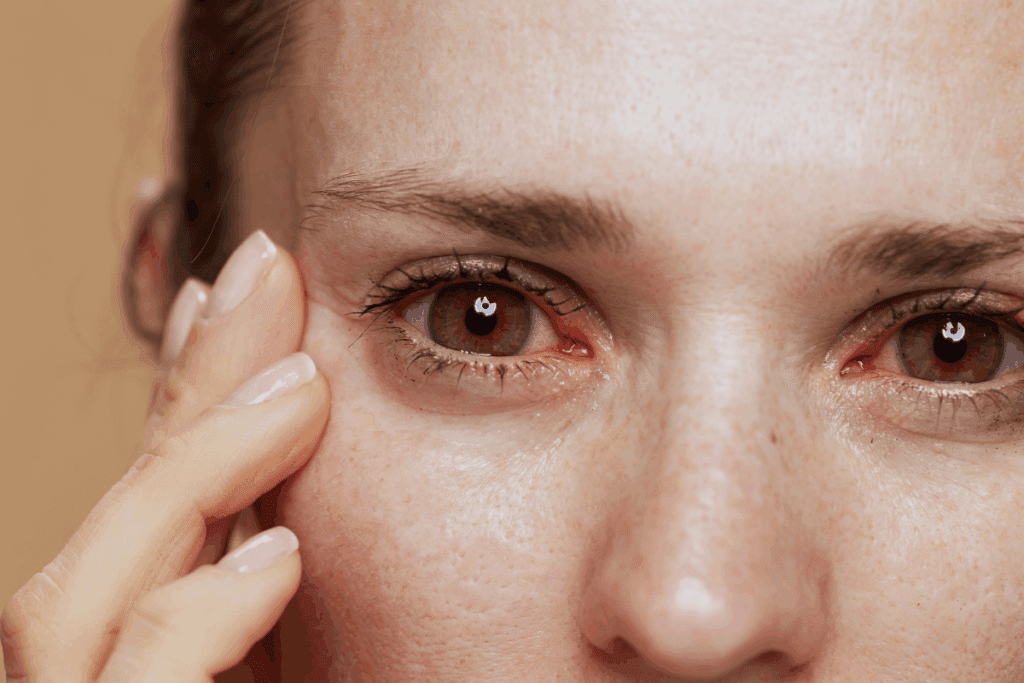
Feeling pain when you move your eyes can be scary and affect your daily life. At Liv Hospital, we’ve seen many people dealing with this issue. It can be anything from a little discomfort to sharp pains.
Pain behind the eyeballs when moving them can have many causes. These include sinus infections, optic neuritis, eye strain, and neurological conditions. Eye strain is often seen in people who look at screens a lot, read, or drive for hours.
It’s important to know what’s causing the pain to find the right treatment. Our team of eye care experts is here to help. We offer support and advanced treatments for patients from around the world.
Key Takeaways
- Pain behind the eyeballs during eye movement is a common complaint that can range from mild to severe.
- Eye strain is a common cause, specially among individuals who spend extended periods looking at screens.
- Various factors can contribute to this condition, including sinus infections, optic neuritis, and neurological conditions.
- Understanding the underlying causes is key to finding the right treatment and relief.
- Comprehensive support and advanced medical treatments are available for international patients at Liv Hospital.
Understanding Retrobulbar Pain

Retrobulbar pain is a feeling of discomfort behind the eyeball. It can happen when you move your eyes. This pain might be a sign of many things, like sinus infections, optic neuritis, or even migraines.
The area behind the eyeball is complex. It has nerves, muscles, and sinuses. If any of these get inflamed, it can cause pain. For example, optic neuritis can make the eye hurt, more so when you move it.
What Happens When Eye Movement Causes Pain
Eye movement can make retrobulbar pain worse. This is because it puts stress on the nerves and muscles around the eye. When you move your eyes, you’re stretching the optic nerve. This can hurt if the nerve is inflamed.
Eye movement can also be linked to sinus infections. Sinusitis, like sphenoid sinusitis, can make the eyes feel sore. The sphenoid sinus is close to the optic nerve and can irritate it when it’s inflamed.
Differentiating Between Types of Eye Pain
Eye pain can vary, and knowing the difference is key. Sharp, stabbing pain might mean something different than dull, aching pain. It’s important to understand the type of pain you’re feeling.
Type of Eye Pain | Possible Causes | Characteristics |
Sharp, Stabbing Pain | Optic neuritis, sinusitis | Worsens with eye movement |
Dull, Aching Pain | Eye strain, migraines | May be accompanied by headache or blurred vision |
Knowing about retrobulbar pain and its causes is important. It helps doctors find the right treatment. By figuring out the cause, doctors can help you feel better.
“Accurate diagnosis is the cornerstone of effective treatment for retrobulbar pain. A thorough check-up can show what’s causing the pain and help find the right treatment.”
Why the Back of Eyeballs Hurt: Common Symptoms

When the back of our eyeballs hurt, it can feel different. The symptoms can range from mild to severe. Knowing these symptoms helps us figure out why we’re in pain.
Mild to Severe Pain Sensations
The pain can feel like a dull ache or a sharp stab. Some people feel throbbing eye pain behind the right eye or pain behind the left eye with movement. The pain’s intensity can change based on eye movement, light, or the time of day.
Some might feel a dull ache behind the eyes all the time or sometimes. Others might get sharp pains when they move their eyes. These different feelings suggest different causes.
Pain Characteristic | Possible Causes |
Dull ache | Eye strain, sinus pressure |
Sharp, stabbing pain | Optic neuritis, eye injury |
Throbbing pain | Migraine, sinusitis |
Associated Symptoms to Watch For
Other symptoms can include red, watery, irritated eyes. You might also feel tired or aching eyelids and have trouble focusing. Symptoms of eye strain often come from too much screen time or vision problems.
“Eye strain is a common condition in today’s digital age, where prolonged screen time can lead to discomfort and pain in the eyes.”
Medical Expert, Ophthalmologist
Other signs can be sensitivity to light, blurred vision, or headaches. It’s important to notice these symptoms. They can help us find out why we’re in pain.
How Pain Patterns Differ Between Conditions
The way pain feels can change a lot between conditions. For example, sinusitis pain might get worse with changes in pressure or when lying down. On the other hand, optic neuritis pain might also cause vision problems.
Knowing the details of the pain and symptoms helps doctors find the cause. It’s key to see a healthcare professional to figure out why the back of our eyeballs hurt.
Sinus Infections and Eye Pain
Sinus infections and eye pain are closely linked. This is because the sinuses are near the eyes. When sinuses get inflamed, it can hurt around the eyes.
How Sinusitis Affects the Eyes
Sinusitis can make pain behind the eyes when moving them worse. This is because the sinuses and eyes share nerve paths. When sinuses get inflamed, it puts pressure on the eyes.
The sinuses are air-filled spaces around the nasal passages. There are four pairs, some near the eyes. Inflammation from sinusitis can cause aching behind the eyes. This pain gets worse when you move your eyes.
Sphenoid Sinusitis: The Hidden Cause of Eye Pain
Sphenoid sinusitis is a rare but serious cause of eye pain. The sphenoid sinuses are near the base of the skull. They’re close to the optic nerve and other important structures.
When these sinuses get inflamed, it can cause severe hurt behind the eyes. You might also have headaches and vision problems.
Distinguishing Sinus-Related Eye Pain
Telling sinus-related eye pain from other causes can be hard. But, there are clues. For example, sinus pain often comes with other symptoms like nasal congestion and headaches.
- Sinus-related eye pain gets worse with movements that increase sinus pressure, like bending or straining.
- The pain is often a dull ache or pressure around the eyes.
- You might also have fever, nasal discharge, and facial tenderness.
Knowing how sinus infections and eye pain are connected helps in finding the right treatment. If you have persistent or severe eye pain, see a doctor. They can figure out what’s causing it.
Neurological Conditions Causing Retrobulbar Pain
It’s important to know the neurological causes of pain behind the eyes. This pain can be linked to several disorders. We’ll look at these conditions to understand their symptoms and treatments.
Multiple Sclerosis and Eye Movement Discomfort
Multiple sclerosis (MS) is a chronic disease that affects the central nervous system. It can cause pain behind the eyes, known as retrobulbar pain. Optic neuritis, an inflammation of the optic nerve, can also cause this pain and vision problems, worse with eye movement.
A study in Neurology showed optic neuritis is common in MS patients. The inflammation can make the eye hurt more when moving. Medical Expert, “Optic neuritis is a big reason for vision loss in young adults and is often linked to MS.”
“The pain from optic neuritis can be very bad and feels like a dull ache behind the eye. It gets worse with eye movement.”
Medical Expert, Neurology Journal
Optic Neuritis: Inflammation of the Optic Nerve
Optic neuritis is when the optic nerve gets inflamed, causing pain and vision issues. It can be linked to MS, other autoimmune diseases, or infections. Symptoms include:
- Pain behind the eye, worse with eye movement
- Vision loss or blurred vision
- Reduced color vision
- Blind spots or loss of peripheral vision
Treating optic neuritis means fixing the cause, which might include corticosteroids. Sometimes, vision can get better, but it might come back.
Condition | Symptoms | Treatment |
Optic Neuritis | Pain with eye movement, vision loss | Corticosteroids, addressing underlying cause |
Multiple Sclerosis | Retrobulbar pain, vision problems, neurological symptoms | Disease-modifying therapies, symptom management |
Migraine-Related Eye Pain Patterns
Migraines can also cause eye pain, feeling like a throbbing or pulsating sensation. This pain can be part of other symptoms like:
- Nausea and vomiting
- Sensitivity to light and sound
- Visual disturbances, including auras
Treating migraines involves lifestyle changes, preventive meds, and treatments for symptoms during an attack. Understanding and managing triggers is key to managing migraines.
By understanding these neurological conditions, we can better diagnose and manage pain behind the eyes. This improves patient outcomes and quality of life.
Digital Eye Strain and Vision Problems
More and more, we use digital screens for work and fun. This has made digital eye strain a big worry. It includes eye and vision issues from too much computer, phone, and device use.
How Extended Screen Time Affects Eye Comfort
Long screen time can make our eyes uncomfortable. This is because our eyes have to work harder to see digital screens. They’re not as clear as printed stuff, so our eyes get tired.
Factors contributing to digital eye strain include:
- Prolonged screen time without breaks
- Poor lighting conditions
- Inadequate viewing distances
- Uncorrected vision problems
Uncorrected Vision Issues Contributing to Pain
Eye problems not fixed can make screen time hurt. If you have nearsightedness, farsightedness, or astigmatism, your eyes have to work extra hard. This makes eye strain worse.
Common vision issues that can contribute to eye strain include:
- Myopia (nearsightedness)
- Hyperopia (farsightedness)
- Astigmatism
- Presbyopia
Preventing Digital Eye Strain
There are ways to stop or lessen digital eye strain. By using these tips, you can make your eyes feel better when using digital devices.
Prevention Strategy | Description |
Follow the 20-20-20 Rule | Every 20 minutes, look away from your screen and focus on something 20 feet away for 20 seconds. |
Adjust Display Settings | Make sure your screen’s brightness and contrast are comfy for your eyes. |
Position Your Screen Correctly | Put your screen right in front of you, 20-25 inches away, and at a 90-degree angle. |
Blink Regularly | Try to blink while using digital devices to avoid dry eyes. |
Knowing why digital eye strain happens and how to prevent it can help. We can lessen eye discomfort from screens and keep our eyes healthy.
Inflammatory Eye Conditions
When the eyes get inflamed, it can hurt, more so when you move them. These conditions can cause a lot of pain and might even harm your vision if not treated right.
Corneal Abrasions and Surface Injuries
Corneal abrasions are scratches on the eye’s clear outer layer. They hurt and can make pain behind the eye worse when you move it. You might see redness, tear a lot, and feel light hurts your eyes. To fix it, keep the eye clean and might need antibiotic ointment to stop infection.
Uveitis: When Blood Vessels in the Eye Become Inflamed
Uveitis is when the eye’s middle layer gets inflamed. It can make pain behind the eye and light sensitivity. It might be linked to other diseases or infections. Treatment depends on the cause and often includes corticosteroids to reduce swelling.
Orbital Inflammation and Its Effects
Orbital inflammation, or orbital cellulitis, is an infection or swelling around the eye. It can cause a lot of pain, swelling, and might mess with eye movement. You need to see a doctor fast to avoid serious problems.
Condition | Symptoms | Treatment |
Corneal Abrasions | Pain, redness, tearing, sensitivity to light | Keeping the eye clean, antibiotic ointment |
Uveitis | Pain behind the eye, sensitivity to light | Corticosteroids, treating underlying cause |
Orbital Inflammation | Pain, swelling, affected eye movement | Prompt medical attention, antibiotics |
It’s key to know about these eye problems to get the right treatment and avoid lasting damage. If you have pain behind the eyes when moving them a lot, see an eye doctor.
Headache Disorders Affecting the Eyes
Headache disorders can really hurt the eyes. They cause pain behind the eyes and discomfort in the back of the eyeballs. We’ve looked at many conditions that lead to eye pain, like sinus infections and neurological disorders.
Migraines and cluster headaches are two types that hurt a lot. Migraines cause throbbing pain on one side of the head. Cluster headaches happen in cycles or clusters. Tension headaches can feel like a band or squeezing around the head, affecting the eyes.
Knowing about these headache disorders is key to figuring out eye pain. By finding the cause, we can find a good treatment. This helps to ease the pain behind the eyes and stop it from coming back.
FAQ
What is retrobulbar pain?
Retrobulbar pain is discomfort or pain felt behind the eyeball. It can be caused by many things, like sinus infections, optic neuritis, eye strain, and neurological conditions.
Why does the back of my eyeballs hurt when I move them?
Pain when moving your eyeballs can be due to several reasons. These include sinusitis, optic neuritis, or eye strain. Knowing the cause is key to finding the right treatment.
How do sinus infections cause eye pain?
Sinus infections, like sphenoid sinusitis, can cause eye pain. This is because the sinuses are close to the eyes. The inflammation from sinusitis can spread to the area behind the eyeballs.
What are the symptoms associated with pain behind the eyeballs?
Symptoms can range from mild to severe pain. They may include headache, blurred vision, or sensitivity to light. This depends on the cause.
Can digital eye strain cause pain behind the eyes?
Yes, digital eye strain from too much screen time can cause discomfort and pain behind the eyes. Uncorrected vision issues can also contribute to this pain.
How can I prevent digital eye strain?
To prevent digital eye strain, take regular breaks from screens. Adjust your device settings and make sure your vision is corrected if needed.
What neurological conditions can cause retrobulbar pain?
Conditions like multiple sclerosis, optic neuritis, and migraines can cause retrobulbar pain. These conditions affect the nerves and can lead to pain behind the eyeballs.
What is the difference between optic neuritis and other causes of eye pain?
Optic neuritis is inflammation of the optic nerve, leading to pain and vision problems. It’s different from other causes of eye pain because it directly affects the optic nerve.
Can headache disorders cause eye pain?
Yes, headache disorders like migraines, cluster headaches, and tension headaches can cause eye pain. These conditions often have distinct characteristics and patterns.
What are inflammatory eye conditions that can cause pain?
Conditions like corneal abrasions, uveitis, and orbital inflammation can cause significant eye pain. These conditions involve inflammation or injury to different parts of the eye.
How can I differentiate between types of eye pain?
To differentiate between types of eye pain, understand the nature of the pain, associated symptoms, and triggers. This helps identify the underlying cause.
What should I do if I experience persistent or severe eye pain?
If you have persistent or severe eye pain, seek a healthcare professional for a proper diagnosis and treatment plan.
Can stabbing eye pain behind the eye be a sign of a serious condition?
Yes, stabbing eye pain can be a symptom of serious conditions like optic neuritis or other neurological disorders. It’s important to seek medical attention if you experience sudden or severe pain.
Is throbbing eye pain behind the right eye always related to sinus issues?
Not always. While sinus issues can cause throbbing pain, other conditions like migraines or eye strain can also be responsible. A thorough diagnosis is necessary.
Can pain behind the eyelids be a sign of an underlying condition?
Yes, pain behind the eyelids can indicate conditions like sinusitis, eye strain, or inflammatory eye diseases. Understanding the cause is key to appropriate treatment.
How does pain behind the eyes when moving them relate to neurological conditions?
Pain behind the eyes when moving them can be associated with neurological conditions like multiple sclerosis or optic neuritis. These conditions affect the nerves controlling eye movement.
What is the relationship between sphenoid sinusitis and eye pain?
Sphenoid sinusitis can cause eye pain because of its location near the eyes. Inflammation from this condition can radiate to the area behind the eyeballs.
Can uncorrected vision issues lead to discomfort behind the eyes?
Yes, uncorrected vision issues can contribute to eye strain, leading to discomfort and pain behind the eyes.
References
National Center for Biotechnology Information. Eye Movement Pain: Causes and Management. Retrieved from https://pmc.ncbi.nlm.nih.gov/articles/PMC7574141/