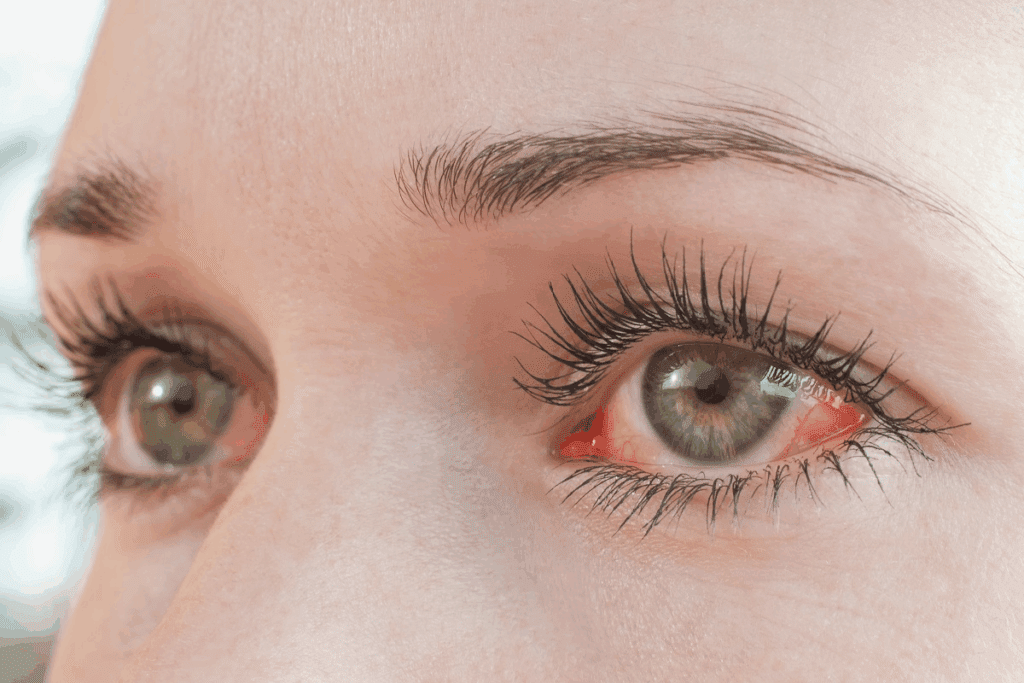
Feeling pain or discomfort in the eye socket area can be scary and disrupt your day. The orbit, made up of seven bones, protects the eyeball. Pain here can come from many sources, like injuries, infections, or health issues.
At Liv Hospital, we know how complex and sensitive orbital disorders are. Our team focuses on giving you care that’s centered on you. We aim to find and fix the cause of your pain.
Orbital pain can be a symptom of many things, from small injuries to serious infections or diseases. Knowing what’s causing your pain is key to getting the right treatment.
Key Takeaways
- Eye socket pain can result from multiple underlying conditions.
- The orbit is a complex structure that protects the eyeball.
- Pain can be caused by trauma, infections, or medical conditions.
- Understanding the causes is critical for the right medical care.
- Liv Hospital provides patient-centered diagnostic care.
Understanding the Anatomy of the Eye Socket

The eye socket, or orbit, is a complex structure that protects the eye. It is made of seven bones that form a protective cavity around the eyeball and its structures.
Structure of the Seven Orbital Bones
The orbit is composed of seven bones: the frontal, sphenoid, zygomatic, ethmoid, lacrimal, palatine, and maxillary bones. Each bone is important in forming the orbital cavity.
Bone | Contribution to the Orbit |
Frontal Bone | Forms the roof of the orbit |
Sphenoid Bone | Contributes to the posterior part of the orbit |
Zygomatic Bone | Forms part of the lateral wall and floor |
Ethmoid Bone | Separates the orbit from the nasal cavity |
Lacrimal Bone | Contains the lacrimal sac fossa |
Palatine Bone | Contributes to the floor of the orbit |
Maxillary Bone | Forms the majority of the floor |
Function and Protection of the Eye
The orbit’s main function is to protect the eye. It provides a safe space for the eyeball, shielding it from harm. It also houses the extraocular muscles, blood vessels, and nerves that support the eye’s functions.
Surrounding Tissues and Nerves
The orbit is not just bones; it’s also filled with soft tissues. It has the optic nerve and the extraocular muscles. These can be affected by conditions, causing pain in the eye orbit.
Knowing the eye socket’s anatomy is key to understanding orbital bone pain. The bones, tissues, and nerves work together, making the orbit sensitive to many factors.
Common Symptoms of Bone Pain Around Eye

Pain in the orbital area can show up in different ways, causing discomfort. Bone pain around the eye is often a sign of an underlying issue. The symptoms can vary in intensity and character, helping us identify the cause.
Types of Pain Sensations
The pain around the eye socket can be described in several ways, including:
- Sharp, stabbing sensations
- Dull, aching feelings
- Pressure or tightness around the eyes
These sensations can range from mild to severe and can be constant or intermittent. Sharp pains might be associated with specific actions like moving the eye or applying pressure, while dull aches can be more persistent and bothersome.
Associated Symptoms
In addition to the pain itself, there are often other symptoms that can accompany bone pain around the eye. These may include:
Symptom | Description |
Swelling or redness | Inflammation around the eye |
Double vision | Disturbances in vision |
Numbness or tingling | Sensory disturbances around the eye |
Differentiating Eye Pain from Orbital Pain
It’s important to tell the difference between pain from the eye itself and pain from the orbital bone. Eye pain can be related to issues like dry eye or conjunctivitis. Orbital pain might be due to problems with the bone structure or surrounding tissues.
Understanding the nature of the pain and associated symptoms can help in determining whether the issue is related to the eye or the orbit. If you’re experiencing persistent or severe pain, it’s essential to consult with a healthcare professional for a proper diagnosis and treatment plan.
Traumatic Causes of Orbital Bone Pain
Traumatic injuries often cause pain in the orbital socket area. The eye socket is a complex structure that can easily get hurt. This pain needs quick medical help.
About 85 percent of eye injuries come from accidents. The orbital bones protect the eye. Damage to these bones can cause serious problems.
Orbital Fractures
Orbital fractures are serious from face trauma. They can happen in car accidents, sports, or direct face hits. These fractures can lead to pain, double vision, or vision loss if not treated.
Sports-Related Injuries
Sports injuries also cause orbital bone pain. High-speed balls and contact sports can hurt the orbital area. Athletes in hockey, football, or basketball are at high risk.
Car Accidents and Falls
Car accidents and falls also hurt the orbital bones. The impact can cause fractures or injuries. The injury’s severity depends on the impact’s force and nature.
Foreign Body Injuries
Foreign body injuries are another cause of orbital pain. When something enters or hits the orbital area, it can damage bones or soft tissues. Quick medical care is key to avoid infections and other issues.
In summary, orbital bone pain can come from many injuries. These include orbital fractures, sports injuries, car accidents, falls, and foreign body injuries. Knowing these causes helps in getting the right treatment and care.
Infectious and Inflammatory Causes
Pain in the orbital bone can come from infections and inflammation. It’s important to find out the cause for the right treatment. These issues can cause a lot of pain and serious problems if not treated fast.
Orbital Cellulitis
Orbital cellulitis is a serious infection around the eye. It affects the skin, fat, and muscles. It’s more common in kids under 7 and can cause vision loss if not treated quickly.
Symptoms include pain, swelling, redness, and fever. Prompt antibiotic treatment is essential to prevent long-term damage.
Sinusitis and Sinus Infections
Sinusitis, like frontal sinusitis, often causes eye socket pain. The sinuses are close to the orbit, so infections can spread. Symptoms include headache, nasal congestion, and purulent discharge.
Treating sinusitis often involves addressing the underlying infection with antibiotics or decongestants.
Dacryocystitis and Lacrimal Gland Inflammation
Dacryocystitis is an infection of the lacrimal sac, often due to a blockage in the tear drainage system. It causes pain, swelling, and redness near the inner corner of the eye. Lacrimal gland inflammation affects the gland that makes tears, leading to pain and swelling in the outer part of the upper eyelid.
Both conditions require medical evaluation to determine the appropriate treatment, which may include antibiotics or surgical intervention.
Orbital Pseudotumor
Orbital pseudotumor is a condition with inflammation of the tissues around the eye without a known cause. It can look like other orbital diseases, making diagnosis hard. Symptoms include pain, swelling, and limited eye movement.
Treatment typically involves corticosteroids to reduce inflammation.
Understanding these causes of orbital bone pain is key for healthcare providers. By recognizing symptoms and causes, we can treat them effectively. This helps to reduce pain and prevent serious problems.
Neurological Causes of Eye Socket Pain
It’s important to know why eye socket pain happens. Neurological issues can cause a lot of discomfort. They often lead to pain under the eye bone or socket.
Trigeminal Neuralgia
Trigeminal neuralgia is a chronic pain condition. It affects the trigeminal nerve, which is near the eye socket. This pain can be sharp and stabbing, even from simple actions like eating or talking.
Treatment options include pain medication and sometimes surgery.
Cluster Headaches and Migraines
Cluster headaches and migraines are severe neurological attacks. They can cause pain in the brow bone and eye socket. Cluster headaches happen in cycles, often at the same time each night.
Migraines can cause throbbing pain, light sensitivity, and vision problems. Effective management includes lifestyle changes, medication, and avoiding triggers.
Optic Neuritis
Optic neuritis is inflammation of the optic nerve. It can cause pain and vision issues. This condition is often linked to multiple sclerosis.
Symptoms include blurred vision, loss of color vision, and pain when moving the eyes. Prompt medical attention is key to prevent vision damage.
Referred Pain from Dental Issues
Referred pain from dental problems can feel like it’s in the eye socket. Issues like tooth abscesses or TMJ disorders can cause orbital pain. Dental examination is vital to find the source of pain and treat it.
In conclusion, eye socket pain has many neurological causes. Each condition needs a specific approach for diagnosis and treatment. Understanding these causes helps healthcare providers give better care to those with eye socket pain.
Systemic Diseases Affecting the Orbital Bone
Systemic diseases can deeply affect the orbital bone, causing eye socket pain. These conditions often spread beyond the eye, impacting overall health.
Thyroid Eye Disease (Graves’ Ophthalmopathy)
Thyroid Eye Disease, or Graves’ Ophthalmopathy, is linked to Graves’ disease. It causes inflammation and swelling around the eye, including the orbital bone. Symptoms include pain at the top of the eye socket and bulging eyes.
“The inflammation from Thyroid Eye Disease can cause a lot of discomfort and change how the eyes look,” doctors say.
Autoimmune Conditions
Autoimmune conditions make the body attack its own tissues. They can affect the orbital bone, causing inflammation and pain in the eye socket. Conditions like rheumatoid arthritis and lupus are examples.
Bone Disorders and Tumors
Bone disorders, like Paget’s disease, and tumors can harm the orbital bone. They cause pain and changes in the eye area.
Treatment depends on the condition and its severity.
Vascular Abnormalities
Vascular abnormalities, such as orbital varices, can lead to eye socket pain and swelling. These involve unusual blood vessel formations around the eye.
Imaging studies help diagnose these conditions.
It’s important to understand these diseases and their effects on the orbital bone. If you have under eye socket pain or pain at the top of the eye socket, see a healthcare professional.
Diagnosis of Eye Socket Tenderness and Pain
Figuring out why your eye socket hurts starts with a detailed check-up. Finding out what’s causing the pain is key to treating it right.
Physical Examination Techniques
A detailed physical check is the first step to find out why your eye socket hurts. We look at your vision, how your eyes move, and the tissues around them to spot any issues.
- Visual acuity tests to check for any changes in vision
- Eye movement tests to assess the range of motion
- Palpation of the orbital area to check for tenderness
Imaging Tests
Imaging tests are vital in figuring out why your eye socket hurts. We use different tests to see the orbital structures.
Common imaging tests include:
- Computed Tomography (CT) scans to assess bone structures
- Magnetic Resonance Imaging (MRI) to evaluate soft tissues
- X-rays to check for fractures or foreign bodies
Laboratory Tests and Procedures
Laboratory tests help us find out what’s causing your eye socket pain. These tests might include blood work to check for infections or inflammation.
Additional procedures may involve:
- Biopsy to examine tissue samples
- Cultures to identify infectious agents
Differential Diagnosis Considerations
Differential diagnosis is important to pinpoint the exact cause of your eye socket pain. We look at many possible causes and rule out other conditions that might seem similar.
Key considerations include:
- Traumatic injuries
- Infections and inflammatory conditions
- Neurological causes
- Systemic diseases
Treatment Options for Orbital Pain
Dealing with orbital pain starts with finding the cause. It’s important to know if it’s from an infection, trauma, or another issue. This knowledge helps in choosing the right treatment.
Medical Treatments
For infections, antibiotics are often the first choice. Corticosteroids can help with swelling and pain in inflammatory conditions. We also use pain management medications to ease discomfort.
Some treatments include:
- Antibiotics for bacterial infections
- Antiviral medications for viral infections
- Corticosteroids for inflammatory conditions
- Immunosuppressive drugs for autoimmune-related orbital pain
Surgical Interventions
When pain is due to fractures, tumors, or structural issues, surgical intervention might be needed. Surgery can fix broken bones, remove tumors, or drain abscesses.
Some surgical options are:
- Orbital fracture repair
- Tumor removal
- Abscess drainage
- Decompression surgery for conditions like Graves’ disease
Home Remedies and Self-Care Strategies
There are also home remedies and self-care strategies for orbital pain. Using cold compresses can reduce swelling. Warm compresses might help with pain.
Other self-care tips are:
- Getting plenty of rest
- Avoiding strenuous activities
- Using over-the-counter pain relievers as directed
- Maintaining good hygiene to prevent infections
Prevention of Recurrent Pain
To prevent orbital pain from coming back, it’s important to address the cause and make lifestyle changes. Regular check-ups with healthcare providers can help manage symptoms early.
Preventive measures include:
- Protective eyewear during sports or hazardous activities
- Managing chronic conditions like diabetes or autoimmune diseases
- Avoiding known triggers for conditions like migraines or sinusitis
- Maintaining a healthy lifestyle with a balanced diet and regular exercise
Conclusion: When to Seek Medical Help
If you’re feeling pain in your eye socket, it’s key to know when to get medical help. Keep an eye on your symptoms. If the pain is severe or lasts a long time, get help right away.
Signs like blurry vision, intense pain, high fever, bulging eyes, or long-lasting pain mean you need to see a doctor fast. Wondering why your eye socket hurts? Look out for these signs.
Going to a healthcare place for a check-up and early treatment can really help. Our team is ready to give you top-notch care and support, no matter where you’re from.
Knowing your symptoms and getting medical help quickly is the best way to handle your condition. If you’re worried about your eye socket pain, talk to a doctor.
FAQ
What causes pain in the eye socket?
Eye socket pain can come from many sources. This includes injuries, infections, and diseases. Knowing the cause is key to treating it right.
How does trauma affect the eye socket?
Eye socket trauma can lead to fractures and swelling. It might happen from sports injuries, car accidents, or falls. It can hurt the bones and tissues around the eye.
What are the symptoms of orbital cellulitis?
Orbital cellulitis shows as pain, swelling, and redness around the eye. It can also cause fever and trouble moving the eye. Seeing a doctor quickly is important to avoid serious problems.
Can sinusitis cause eye socket pain?
Yes, sinusitis can lead to eye socket pain. The sinuses are near the nose, and infection can spread pain to the eye area. This is often with nasal congestion and facial pressure.
What is the difference between eye pain and orbital pain?
Eye pain is in the eyeball itself. Orbital pain is around the eye, including bones and tissues. Knowing this helps find the right treatment.
How is the cause of eye socket pain diagnosed?
Finding the cause of eye socket pain involves a detailed check-up. Tests like CT scans or MRI might be needed. Lab tests can also help find infections or inflammation, leading to the right treatment.
What are the treatment options for orbital pain?
Treatment for orbital pain varies based on the cause. It might include medicines like antibiotics or anti-inflammatory drugs. Surgery might be needed for fractures or tumors. Home remedies can also help manage pain.
Can systemic diseases cause orbital bone pain?
Yes, diseases like thyroid eye disease and autoimmune conditions can cause orbital bone pain. Bone disorders and vascular issues can also affect the area, leading to pain.
When should I seek medical help for eye socket pain?
You should see a doctor for eye socket pain that’s severe, doesn’t go away, or gets worse. This is true if you also have vision problems, fever, or other symptoms that worry you. Getting help quickly is important for the right care.
What is orbital pseudotumor?
Orbital pseudotumor is inflammation of the eye area’s tissues. It causes pain, swelling, and eye movement problems. It’s often treated with corticosteroids.
Can dental issues cause referred pain to the eye socket?
Yes, dental problems like abscesses can cause pain in the eye socket. This is because of shared nerves. A full check-up is important to find the cause.
References
Government Health Resource. Eye Socket Pain: Causes and Origins. Retrieved from https://www.nature.com/articles/6702383