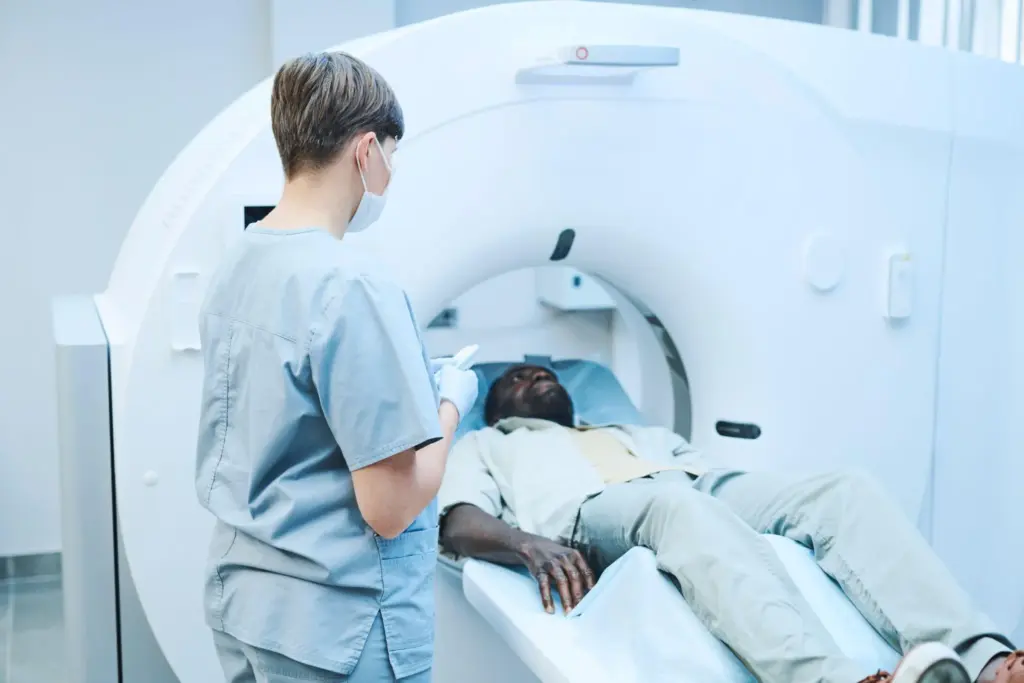
A full body nuclear scan, like a whole-body PET/CT, is a test that gives detailed images. These images are key for finding and understanding complex health issues.
A bone scan is a quick and detailed way to check your skeletal health. Find out exactly how long the full body imaging process takes today.
Studies show that over 20 million nuclear medicine scans are done every year in the US. This shows how important these tests are for diagnosing diseases.
The scan has two main parts: getting the tracer and the imaging. Knowing how long and what a full body nuclear scan involves helps patients get ready and know what to expect.
Key Takeaways
- A full body nuclear scan is a diagnostic test that provides high-resolution images.
- The process involves tracer injection and scan imaging.
- Over 20 million nuclear medicine scans are performed annually in the US.
- The scan helps diagnose complex medical conditions.
- Understanding the process can help patients prepare.
What Are Full Body Nuclear Scans?
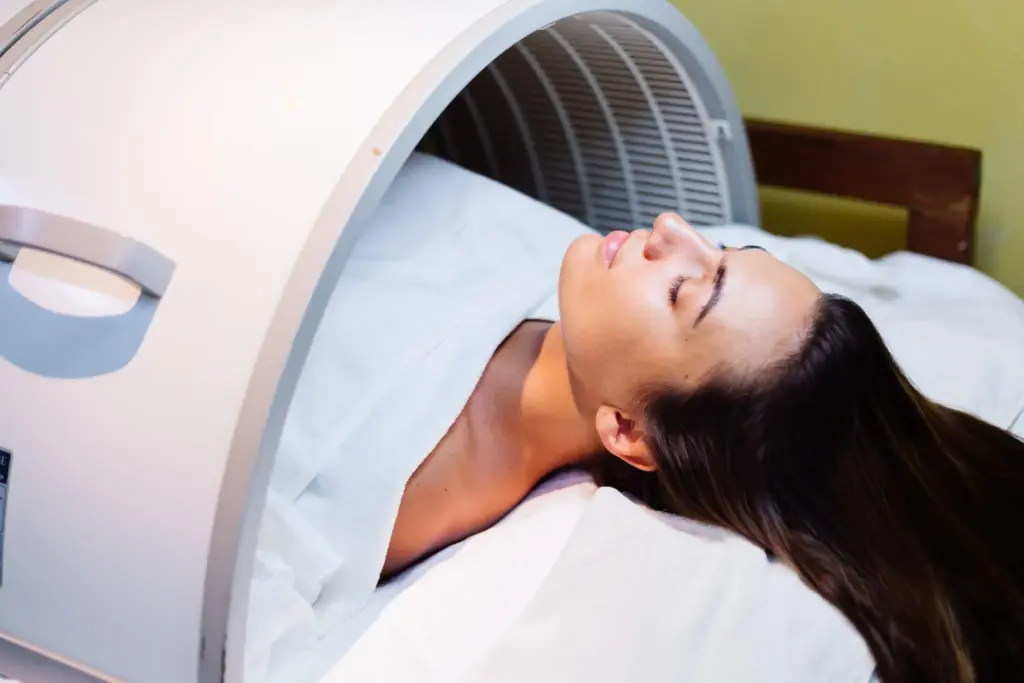
Nuclear medicine has changed how we find and treat diseases. Full body nuclear scans give us deep insights into the body’s inner workings.
Definition and Purpose of Nuclear Medicine
Nuclear medicine uses tiny amounts of radioactive materials to diagnose and treat diseases. It aims to show detailed images of the body’s inside parts. This helps doctors check how well different body systems work. Nuclear scans are key in oncology, cardiology, and other fields where catching diseases early is vital.
Common Applications in Modern Medicine
Full body nuclear scans have many uses in today’s medicine. They are often used in diagnostic tests for cancer to spot it and track its spread. In cardiology, they help check the heart’s function and find heart disease. They also help in neurology to find and track neurological problems. Their wide range of uses makes them a critical tool in modern medicine.
Nuclear medicine scans give detailed info on how the body works. This helps doctors make better choices for patient care. They can tailor treatments to fit each person’s needs.
Types of Nuclear Imaging Procedures
There are many types of nuclear imaging procedures. Each one gives unique insights into health and disease. These tools are key in modern medicine, helping doctors see inside the body.
Whole-Body PET/CT Scans
PET/CT scans mix Positron Emission Tomography (PET) and Computed Tomography (CT). They show how the body works and its structure. This method is great for finding cancer, checking how treatments work, and tracking disease.
Bone Scintigraphy
Bone scintigraphy, or bone scan, checks bone health. It uses a tiny bit of radioactive material that goes to the bones. This scan finds bone problems like fractures, infections, and cancer spread.
SPECT Scans
SPECT scans (Single Photon Emission Computed Tomography) give detailed views of the body’s inside. They’re used to see blood flow to the heart, find some cancers, and check bone issues.
Gallium Scans
Gallium scans use a radioactive gallium form to see tumors, infections, and inflammation. This test is good for finding and tracking diseases like lymphoma and infections.
Nuclear imaging is very important for diagnosing and treating many health issues. It gives doctors the information they need to make better treatment plans and help patients get better.
The Complete Bone Scan Procedure
The bone scan procedure is a detailed test for bone health. It uses small amounts of radioactive material. This helps diagnose and monitor bone diseases.
What is a Bone Scan?
A bone scan, or bone scintigraphy, is a special imaging technique. It shows detailed images of the bones. It finds areas of abnormal bone activity, which can mean fractures, infections, or tumors.
Medical Conditions Diagnosed
Bone scans help find many medical conditions. These include:
- Cancer that has spread to the bones
- Osteoporosis
- Infections in the bones
- Fractures that are not visible on X-rays
The table below shows the main differences between bone scans and other tests:
|
Diagnostic Test |
Purpose |
Key Features |
|---|---|---|
|
Bone Scan |
Detects bone activity and abnormalities |
Uses radioactive tracers, sensitive to early changes in bone metabolism |
|
Bone Density Test |
Measures bone mineral density |
Assesses risk of osteoporosis, uses X-rays |
Difference Between Bone Scans and Bone Density Tests
Bone scans and bone density tests are different. A bone density test checks the bones’ mineral content. It’s used to find osteoporosis. On the other hand, a bone scan looks for abnormal bone activity. It can find many conditions, not just osteoporosis.
Knowing the differences between these tests is key. It helps doctors make the right diagnosis and treatment plan.
The Timeline of a Full Body Nuclear Scan
Getting a full body nuclear scan can seem complex. But knowing the timeline makes it easier. Patients usually spend 2 to 4 hours at the imaging center.
Pre-Appointment Preparation
Before the scan, there are steps to take. You might need to follow a special diet or avoid certain medicines. Also, remove any metal items or jewelry to avoid scan interference.
Day-of-Scan Schedule
On the day of the scan, you’ll arrive and check in. Then, you’ll get a radiotracer, a small radioactive material. This helps doctors see inside your body.
After getting the radiotracer, you’ll wait. This lets your body absorb it. Then, you’ll have the scan.
|
Procedure Step |
Approximate Time |
|---|---|
|
Check-in and Preparation |
15-30 minutes |
|
Radiotracer Administration |
5-10 minutes |
|
Waiting Period |
60-120 minutes |
|
Scan Procedure |
30-60 minutes |
|
Total Time Commitment |
2-4 hours |
Total Time Commitment (2-4 Hours)
The scan’s total time can vary. But, plan to spend 2 to 4 hours at the facility. This includes preparation, waiting, and the scan itself.
Phase One: Radiotracer Administration
The first step in a nuclear scan is using radiotracers. These substances emit radiation. This radiation is then caught by special equipment to show detailed images of the body’s inside.
Types of Radiotracers Used
There are many types of radiotracers for different scans. For example, Fluorodeoxyglucose (FDG) is used in PET scans to see how active cells are. This is often for finding cancer. On the other hand, Tc-99m is used in bone scans to spot bone problems.
The Injection Process
The radiotracer is given through an IV. This is quick and might feel a bit like getting a blood test. The injection is usually in the arm. After, patients are watched for any bad reactions.
Duration of This Phase
This part of the scan is short, taking just a few minutes. But, the time can change a bit based on how ready the patient is and other factors.
The Critical Waiting Period
The waiting period after getting a radiotracer is key in nuclear imaging. It lets the tracer spread out in the body. This is where it builds up in the areas to be scanned.
Why Patients Wait 60-120 Minutes
Patients usually wait 60 to 120 minutes after getting the radiotracer. This time is important. It lets the tracer reach its highest concentration in the target areas. This makes the images clear and useful for diagnosis.
The wait time can change based on the scan type and the tracer used. Some tracers need more time to get the best images.
Tracer Distribution and Uptake
During the wait, the tracer moves through the blood to different body parts. How fast and how much it spreads depends on the tracer’s properties and the patient’s metabolism.
As the tracer builds up in the target tissues, it sends signals. These signals are caught by the scanner. The quality of the images depends on how well the tracer spreads and is taken up.
Activities Permitted During Wait Time
While waiting, patients can move around but should avoid hard activities. Some places have waiting areas for patients to relax or read.
It’s important to follow any specific rules given by the healthcare provider or the imaging center about what to do during the wait.
Hydration Requirements
Drinking water is key before, during, and after the wait. It helps get rid of the radiotracer. It also lowers the chance of side effects.
But, it’s important to follow the exact water instructions from the healthcare team.
In summary, the wait after getting the radiotracer is a critical part of nuclear imaging. Knowing why we wait, how the tracer works, what we can do, and the need for water helps prepare for the scan.
Phase Two: The Imaging Process
After the radiotracer is given, the imaging process starts. This step is key to getting the images doctors need to diagnose health issues.
Scanner Equipment and Setup
The imaging happens in a top-notch nuclear medicine scanner. This machine finds the radiation from the radiotracer in the body. It’s a big, cylindrical device with a tunnel for the patient to slide into.
Patient Positioning Requirements
Patients must be placed right in the scanner for clear images. They lie on a table that moves into the scanner. The tech makes sure the right part of the body is in view.
Duration of Image Acquisition
Getting the images takes 30 to 60 minutes. This depends on the scan type and area. The scanner takes pictures from different angles to make detailed images.
Staying Stil During the Scan
It’s important for patients to stay very quiet and not move. Any movement can mess up the images. Doctors tell patients how to breathe and stay calm during the scan.
|
Scan Type |
Typical Duration |
Patient Requirements |
|---|---|---|
|
Whole-Body PET/CT |
30-60 minutes |
Lie straight, arms up or down as told |
|
Bone Scintigraphy |
30-60 minutes |
Stay very quiet, might need to move |
|
SPECT Scan |
30-90 minutes |
Lie straight, might need special poses |
Knowing about the imaging process helps patients get ready for their scan. It makes the whole thing go smoother and better.
Factors That Affect Scan Duration
The time it takes for a nuclear scan can change a lot. Knowing what affects it helps patients get ready and know what to expect. It’s about how long they’ll need to spend.
Type and Scope of Nuclear Scan
The type and scope of the nuclear scan really matter. Scans like PET/CT, bone scintigraphy, or SPECT scans need different things. For example, a whole-body PET/CT scan takes longer than a bone scan because it covers more area.
Patient-Specific Considerations
Patient-specific factors also play a big role. Things like the patient’s health, how mobile they are, and if they can stay calm during the scan matter. Some medical conditions or being claustrophobic might need extra time or special help.
Facility Protocols and Equipment
The facility’s setup and tools also affect the scan time. New, efficient scanners can do scans faster than old ones. Places with quick patient prep and imaging can also save time.
Knowing these things helps patients get ready for their scan. They can understand how long it might take.
Advancements in Nuclear Imaging Technology
Nuclear imaging is getting a big boost. New total-body PET/CT systems are leading the way. They’re changing how we diagnose diseases.
New-Generation Total-Body PET/CT Systems
These systems give us clearer and more precise images. They help doctors spot problems better. This means better care for patients.
Improved Detection Efficiency
New systems can find issues more easily. This is key for catching diseases early. It helps doctors plan treatments more effectively.
Reduced Radiation Exposure
The latest tech also means less radiation for patients. These systems aim to keep doses low while keeping image quality high. This makes scans safer.
Faster Scan Times
Scans now take less time. This makes them more comfortable for patients. It also reduces the chance of blurry images from movement.
These advances in nuclear imaging will keep coming. Researchers are working hard to make scans even better and safer for everyone.
Patient Preparation for Nuclear Scans
To get accurate results, patients need to prepare well before a nuclear scan. This preparation includes several important steps. These steps are key for the scan’s success.
Dietary Restrictions
Patients might need to follow special diets before a nuclear scan. This could mean fasting or avoiding certain foods and drinks. It’s important to follow the instructions from the healthcare facility or nuclear medicine department.
Medication Considerations
Patients should tell their healthcare provider about all medications they take. Some medications might need to be stopped or changed before the scan. This includes over-the-counter drugs, supplements, and vitamins.
Clothing and Accessories
On the day of the scan, wear comfortable, loose clothes. You might need to change into a hospital gown for some scans. Also, avoid jewelry, glasses, or other items that could get in the way.
Disclosure of Medical History
It’s important to share your full medical history with your healthcare provider. This includes any allergies, past reactions to contrast agents, and current health conditions. This helps ensure your safety during the procedure.
The Patient Experience During a Bone Scan
Getting a bone scan can be scary for many. But knowing what to expect can make things easier. A bone scan checks for bone problems and is usually simple. Yet, patients might worry about what happens during it.
Comfort Considerations
Comfort is key during a bone scan. You’ll lie on a table that might move. The scanner moves around you but doesn’t touch. Wear comfy clothes and you might get blankets or pillows to help.
Managing Claustrophobia
Some people worry about being in small spaces. But new bone scan machines are designed to be open. If you’re scared, tell the tech before. They can help, like letting someone stay with you or teaching you to relax.
Communication with Technologists
Talking to the techs is important. Let them know if you’re uncomfortable or have questions. They’re there to help and make sure you’re okay.
What You’ll Feel During the Procedure
You won’t feel pain during a bone scan. You’ll lie on a table while images are taken. You might feel a bit uncomfortable from staying very quiet or from the table. But the scan itself doesn’t hurt, and any discomfort goes away after it’s done.
Post-Scan Procedures and Safety
The time after a scan is key for patient safety and knowing what comes next. After a full body nuclear scan, many steps are taken to keep patients safe and help them recover well.
Recovery Time
Most patients don’t need a lot of time to recover after a scan. They can usually go back to their usual activities right away, unless their doctor says not to.
Radiation Safety Measures
Radiation safety measures are put in place to protect others from radiation. Patients are told to drink lots of water to help get rid of the tracer.
When to Resume Normal Activities
Patients can usually start normal activities right after the scan. But, they should listen to their doctor about any special rules.
Follow-up Instructions
After the scan, patients get follow-up instructions on when to get their results and what to do next. It’s important to follow these steps to make sure the diagnostic process goes smoothly.
By following the right steps after a scan, patients can stay safe and get accurate results.
Understanding Your Nuclear Scan Results
Getting to know your nuclear scan results is key to figuring out and treating health issues. After a scan, many patients wonder about their results and what comes next.
Timeframe for Results
How long it takes to get your scan results varies. It depends on the scan type and the place you got it done. Usually, you’ll get your results in a few hours or days. Your doctor will tell you when to expect them.
How Images Are Interpreted
Specialized radiologists interpret nuclear scan images. They look for any unusual patterns in the tracer uptake. These images help show how well your body’s organs and tissues are working.
Normal vs. Abnormal Findings
Normal results mean the tracer spread as it should, without any odd patterns. But, if there are abnormal findings, it might mean something’s off. This could be signs of cancer, infection, or inflammation.
Follow-up Testing
If your scan shows something unusual, your doctor might suggest more tests. This could be more imaging, biopsies, or other tests to find out what’s going on.
Understanding your nuclear scan results is a big part of your health journey. Your healthcare team will help you through it. They’ll explain what your results mean for your health.
Comparing Nuclear Scans to Other Imaging Methods
Nuclear scans have special abilities that set them apart from MRI, CT, and ultrasound. Knowing these differences helps doctors choose the best test for each patient.
Nuclear Scans vs. MRI
MRI is great for detailed images of soft tissues. But, nuclear scans look at how the body works, like metabolism. MRI is better for seeing structures, while nuclear scans check on cells.
Nuclear Scans vs. CT
CT scans show detailed pictures of the body’s inside. They’re good for finding structural problems. Nuclear scans, on the other hand, show how organs and tissues work.
Nuclear Scans vs. Ultrasound
Ultrasound uses sound waves to see inside the body. It’s safe and good for live images. But, it can’t compare to nuclear scans in showing how the body works.
When Nuclear Imaging is the Preferred Choice
Nuclear scans are key for finding and treating diseases like cancer and heart problems. They give important information about how the body functions.
|
Imaging Modality |
Primary Use |
Key Benefits |
|---|---|---|
|
Nuclear Scans |
Functional imaging, metabolic activity |
Early detection of disease, assessment of organ function |
|
MRI |
Soft tissue imaging, structural abnormalities |
High-resolution images, detailed anatomy |
|
CT |
Structural imaging, cross-sectional views |
Quick and detailed, excellent for emergencies |
|
Ultrasound |
Real-time imaging, non-invasive |
No radiation, portable, cost-effective |
In conclusion, nuclear scans have special abilities that help with other imaging methods. Knowing what each can do helps doctors choose the best test for patients.
Nuclear Medicine Statistics in the United States
Over 20 million nuclear medicine scans are done every year. This shows how important it is for our healthcare. It helps diagnose and treat many medical issues.
Annual Nuclear Scan Volume
The U.S. does more than 20 million nuclear medicine procedures yearly. This highlights how key nuclear medicine is in today’s healthcare.
Growth Trends in Oncology and Cardiac Care
Nuclear medicine is growing fast, mainly in oncology and cardiac care. More cases of cancer and heart disease mean more need for these scans.
|
Application Area |
Growth Rate |
Primary Use |
|---|---|---|
|
Oncology |
8% annually |
Cancer diagnosis and staging |
|
Cardiac Care |
5% annually |
Heart disease diagnosis |
Insurance Coverage and Accessibility
Most U.S. insurance plans cover nuclear medicine. This makes it available to many patients. For more on nuclear medicine, check out The Cancer Imaging Archive.
Leading Facilities and Technologies
The U.S. has top nuclear medicine facilities with the latest tech. These places lead in nuclear medicine research and use.
Conclusion
Full body nuclear scans are key in nuclear medicine. They give deep insights into many health issues. This helps doctors find and treat diseases more effectively.
These scans use special tracers that are injected into the body. They help spot problems. The scan itself is quick, lasting 30-60 minutes. But, the whole visit might take a few hours.
Nuclear medicine has changed how we see inside the body. Full body scans are great for finding diseases like cancer and heart problems. They are very useful in many medical fields.
Knowing about full body nuclear scans helps patients understand their health tests better. As nuclear medicine grows, these scans will keep being a big help in finding and treating diseases.
FAQ
What is a full body nuclear scan?
A full body nuclear scan is a medical test that uses tiny amounts of radioactive material. It helps diagnose and treat diseases. The body absorbs a radiotracer, and a scanner detects the radiation it emits.
How long does a full body nuclear scan take?
A full body nuclear scan takes 2 to 4 hours. This includes preparation, the scan day, and the actual scan time.
What are the different types of nuclear imaging procedures?
There are many types of nuclear imaging, like whole-body PET/CT scans and bone scintigraphy. Each has its own uses and benefits.
What is the difference between a bone scan and a bone density test?
A bone scan finds bone problems like cancer or fractures. A bone density test checks for osteoporosis by measuring bone mineral density.
How do I prepare for a nuclear scan?
To prepare, you might need to follow a diet, share your medical history, and avoid certain clothes. Your doctor will give you specific instructions.
What can I expect during a bone scan?
During a bone scan, you’ll get a radiotracer injection. Then, you’ll wait before getting on a scanning table. The scanner will then detect the radiation from the tracer.
How long does it take to get the results of a nuclear scan?
It usually takes a few hours or days to get nuclear scan results. This is when the images are analyzed and a report is made.
What are the benefits of nuclear scans compared to other imaging methods?
Nuclear scans are very sensitive and specific. They can find diseases early and provide detailed body information.
Are nuclear scans safe?
Nuclear scans are mostly safe, but they involve some radiation. Your doctor will talk about the risks and benefits with you.
Can I resume normal activities after a nuclear scan?
Yes, you can usually go back to normal activities after a scan. But, you might need to avoid close contact with others for a bit.
How is a nuclear scan different from an MRI or CT scan?
Nuclear scans use radioactive material for functional body info. MRI and CT scans give anatomical details.
Is a nuclear scan covered by insurance?
Many insurance plans cover nuclear scans. But, coverage can vary based on your plan and the medical condition.
References
- CDC. Nuclear Medicine — Facts & Statistics. Retrieved from https://www.cdc.gov/radiation-health/data-research/facts-stats/nuclear-medicine.html
- The Cancer Imaging Archive. Healthy Total‑Body CTs Collection. Retrieved from https://www.cancerimagingarchive.net/collection/healthy-total-body-cts/
- U.S. FDA. Medical Imaging — Nuclear Medicine. Retrieved from https://www.fda.gov/radiation-emitting-products/medical-imaging/medical-x-ray-imaging/nuclear-medicine
- News‑Medical. Nuclear Scans for the Study of the Whole Body. Retrieved from https://www.news-medical.net/health/Nuclear-Scans-for-the-Study-of-the-Whole-Body.aspx
- PMC (NCBI). [Article in PMC]. Retrieved from https://www.ncbi.nlm.nih.gov/pmc/articles/PMC8860753/