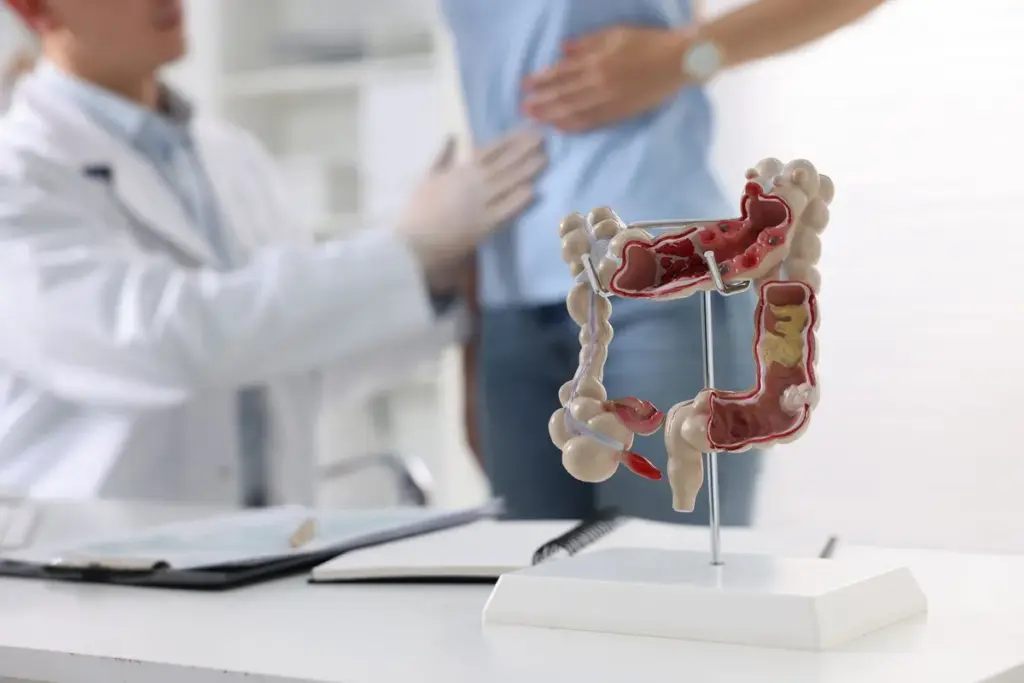
A healthy colon is key for our overall health. It means we have regular bowel movements without pain or unusual stool. Keeping our colon health in check is essential for a better digestive system.
Signs of colon issues might not show up early, but regular checks and healthy living are important. The latest studies show that CRC screening, like colonoscopy, hels find problems early. This ensures we have healthy digestion and good digestive health.
Key Takeaways
- Regular bowel movements are a sign of a healthy colon.
- Screening tests like colonoscopy can help in early detection of colon problems.
- Maintaining a healthy lifestyle is key for colon health.
- Early detection greatly improves outcomes in colorectal cancer.
- A healthy colon is vital for our digestive health.
Understanding Your Colon: Anatomy and Function
Knowing about the colon’s anatomy and function is key to a healthy digestive system. The colon, also known as the large bowel or large intestine, is vital. It absorbs water and electrolytes from waste material coming from the small intestine.
The Role of the Colon in Digestive Health
The colon is a key part of our digestive system. It absorbs water, stores, and eliminates waste. Its intestinal functions help keep our body’s fluid balance and electrolyte levels right. A healthy colon is important for avoiding digestive problems and staying well.
First, the colon absorbs water and electrolytes, making waste more concentrated. Then, its muscular walls move waste through the colon. This process is called peristalsis.
Normal Colon Structure and Size
A healthy colon is about five feet long. It’s a big part of our digestive tract. It’s split into sections: the ascending colon, transverse colon, descending colon, and sigmoid colon. Each part has its own job, helping waste move and get processed.
It’s important to know the normal size and shape of the colon. Changes can mean problems with how it works and our digestive health.
Signs of a Healthy Bowel System
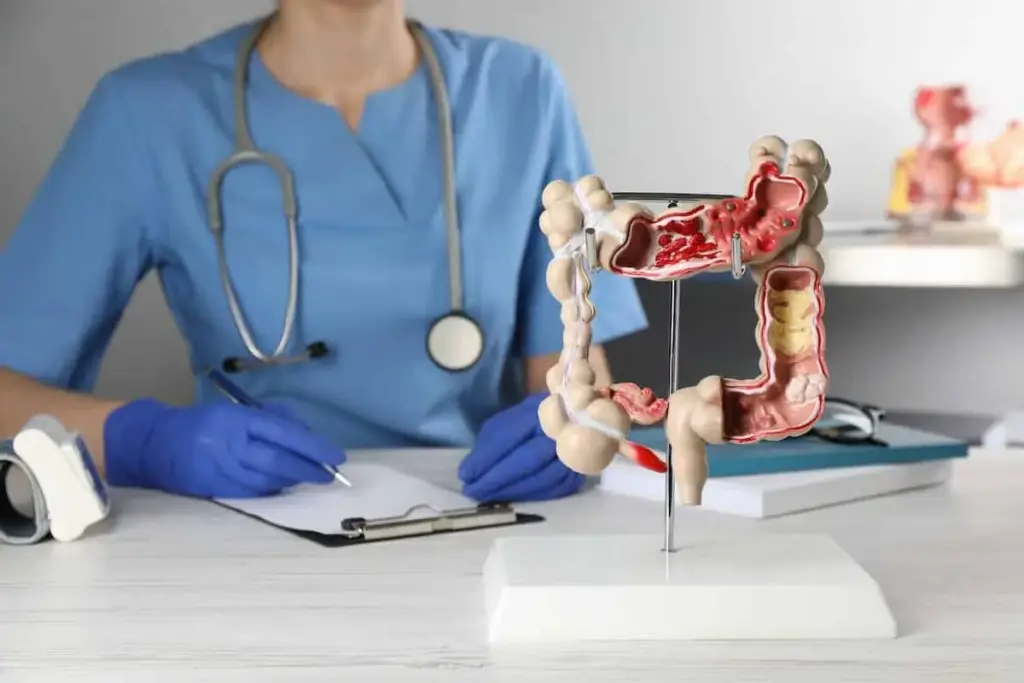
Keeping your bowel system healthy is key. Knowing its signs can greatly improve your digestive health. A healthy bowel system means regular bowel movements and good stool quality.
Regular Bowel Movement Patterns
Experts say a healthy bowel moves 3 times a day to 3 times a week. It’s okay if it varies. What matters most is that it’s regular and feels right.
Tracking your bowel movements with a bowel diary can help. It shows you what’s normal and when you might need to change things.
Characteristics of Healthy Stool
Healthy stool is brown, smooth or slightly rough, and well-shaped. It should also pass easily without pain or strain.
Stool color and texture can tell a lot about your digestive health. Hard or loose stool might mean you need to see a doctor.
|
Stool Characteristic |
Healthy Indicator |
|---|---|
|
Color |
Brown |
|
Texture |
Smooth or slightly rough |
|
Form |
Well-formed |
Self-Assessment Techniques
People can check their bowel health by watching their frequency, consistency, and any blood or mucus. Regular checks can spot problems early.
Notice any changes in your bowel habits or stool? If they keep happening, it’s time to talk to a doctor.
Understanding healthy bowel signs helps you keep your digestive health in check. This is good for your overall well-being.
Warning Signs of Colon Problems
Knowing the warning signs of colon problems is key to keeping your colon healthy. A healthy colon is vital for your overall health. Spotting colon distress symptoms early is important for quick action.
Common Symptoms of Colon Distress
Colon issues can show up in many ways, like stomach pain, changes in bowel movements, and blood in the stool. These signs might mean you have constipation, diarrhea, or even colorectal cancer.
Watch out for these symptoms:
- Persistent abdominal pain or cramping
- Changes in bowel habits, such as constipation or diarrhea
- Blood in the stool or black, tarry stools
- Unexplained weight loss
- Fatigue or weakness
Persistent Digestive Issues to Monitor
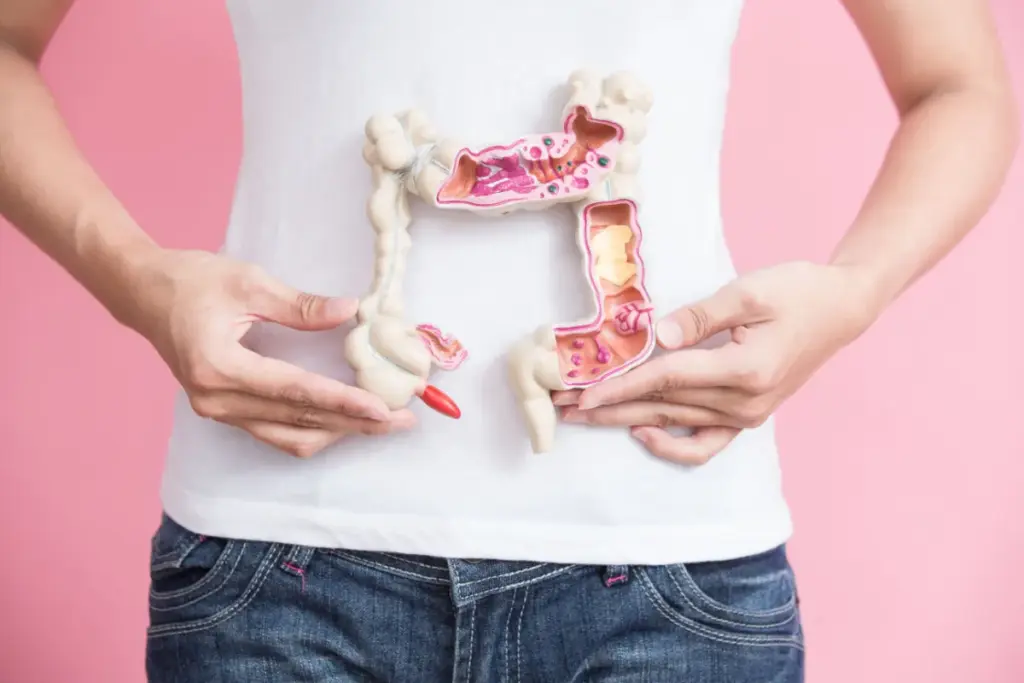
Long-lasting digestive problems might signal a colon issue. It’s important to keep an eye on symptoms like ongoing constipation or diarrhea. These can lead to serious problems if not treated.
If you have ongoing digestive issues, consider these steps:
- Keep a food diary to find dietary triggers
- Stay hydrated to manage symptoms
- Avoid foods that make digestive issues worse
When to Seek Medical Attention
It’s vital to know when to see a doctor for colon problems. If symptoms don’t go away or get worse, you should get medical help.
Seek immediate medical attention if you have:
- Severe abdominal pain
- Vomiting blood or passing black, tarry stools
- Significant changes in bowel habits
- Unexplained weight loss or loss of appetite
Early detection and treatment can greatly improve outcomes for colon health issues. Being aware of warning signs and taking action can help keep your colon healthy and your overall well-being in check.
The Bristol Stool Chart: A Visual Guide to Colon Health
The Bristol Stool Chart is a useful tool for checking colon health. It sorts stool into seven types. This gives insights into digestive health and possible problems.
Understanding the Seven Types of Stool
The Bristol Stool Chart divides stools into seven types. Types 1 and 2 show constipation. Types 6 and 7 point to diarrhea. Types 3 and 4 are normal, with Type 3 being slightly hard and Type 4 smooth.
- Type 1: Separate hard lumps, like nuts.
- Type 2: Sausage-shaped but lumpy.
- Type 3: Like a sausage but with cracks on the surface.
- Type 4: Like a smooth, soft sausage.
- Type 5: Soft blobs with clear-cut edges.
- Type 6: Fluffy pieces with ragged edges, a mushy stool.
- Type 7: Watery, no solid pieces.
What Your Stool Consistency Reveals About Your Colon
Stool consistency is key to colon health. Constipation, shown by hard stools (Types 1 and 2), might mean a low-fiber diet or not enough water. Diarrhea (Types 6 and 7) could point to infection, diet, or conditions like IBS.
Watching stool changes can spot colon problems early. For example, long-term constipation might cause hemorrhoids or diverticulitis if not treated.
Tracking Bowel Movements for Health Assessment
It’s important to watch bowel movements and stool type for colon health. Keeping a bowel diary tracks patterns and changes. This info is useful for doctors if you need medical help.
- Note the frequency of bowel movements.
- Record the consistency and type of stool.
- Document any associated symptoms like pain or bloating.
By understanding and tracking your bowel movements, you can take steps to keep your colon healthy. This helps your overall digestive health too.
Colorectal Cancer Screening: The Gold Standard for Colon Assessment
Regular colorectal cancer screening is key to keeping your colon healthy and lowering cancer risk. In recent years, more adults aged 50-75 are getting screened. This shows a big jump in preventive care efforts.
Current Screening Guidelines
Experts say adults should start screening at 50 and keep going until 75. This age range is when catching cancer early is most important. For more details, check out recent studies on colorectal cancer screening.
Types of Screening Tests Available
There are many tests for colorectal cancer, each with its own perks. Here are a few:
- Colonoscopy: It’s the top choice, letting doctors see the whole colon and take out polyps.
- Stool-Based Tests: These tests find blood or DNA in stool, hinting at colon cancer.
- Other Tests: Options like CT colonography and flexible sigmoidoscopy offer different ways to screen.
Choosing a test depends on your health history and what you prefer. Knowing your options helps you make the best choice for your colon health.
|
Screening Test |
Description |
Frequency |
|---|---|---|
|
Colonoscopy |
Visual examination of the colon; polyp removal |
Every 10 years |
|
Stool-Based Tests |
Detects blood or DNA in stool |
Annually |
|
CT Colonography |
Imaging test of the colon |
Every 5 years |
The Rising Trend in Colon Screening Rates
Colon screening rates have gone up a lot in recent years. This is a big step in the fight against colorectal cancer. It shows more people know about it and healthcare is pushing for early checks.
Colon screening is key for catching cancer early. New screening options have made more people get checked. This has helped boost the number of screenings.
Statistical Improvements in US Screening Rates (2005-2021)
Between 2005 and 2021, the US saw a big jump in colon screening rates. Reports show more adults are getting checked for colorectal cancer.
- More adults aged 50-75 got screened, going from 52% in 2005 to over 68% in 2021.
- Many different groups saw big increases in screening rates.
Barriers to Achieving the 80% National Screening Target
Even with progress, hitting the 80% screening goal is tough. Several issues make it hard for everyone to get screened.
- Some people don’t know how important it is.
- Others are scared or worried about the test.
- Cost and access are problems for some groups.
Impact of New Testing Methods on Participation
New tests like multitarget stool DNA (mt-sDNA) tests have helped more people get screened. These tests are easier than colonoscopies, making screening more attractive.
More people getting screened is key to better colon health. Understanding what affects screening rates helps healthcare come up with better plans. This way, they can get more people to meet the national screening goal.
Dietary Habits for Maintaining a Healthy Bowel
Diet is key to a healthy bowel. Eating right helps with regular bowel movements and prevents colon cancer. It also boosts digestive health.
High-Fiber Foods: The Colon’s Best Friend
Eating foods high in fiber is vital for a healthy colon. Fiber aids in regular bowel movements and prevents constipation. It also helps good gut bacteria grow. Foods rich in fiber include:
- Fruits such as apples, bananas, and berries
- Vegetables like broccoli, carrots, and leafy greens
- Legumes including beans, lentils, and peas
- Whole grains like brown rice, quinoa, and whole-wheat bread
Increasing fiber intake should be done slowly. This lets your gut adjust. Drinking plenty of water also helps fiber move through your system.
Limiting Red and Processed Meats
Eating too much red and processed meat may raise colon cancer risk. Cutting down on these foods supports colon health.
|
Red and Processed Meats |
Healthier Alternatives |
|---|---|
|
Beef burgers |
Turkey or veggie burgers |
|
Processed sausages |
Grilled chicken or fish |
|
Bacon |
Tofu or tempeh |
Hydration and Its Impact on Colon Function
Drinking enough water is essential for a healthy bowel. Water softens stool, making it easier to pass. It also lowers constipation risk. Aim for at least eight glasses of water daily.
Monitoring hydration levels is easy. Check your urine color. It should be pale yellow or clear. Dark yellow or amber means you need more water.
By eating more fiber, cutting down on red meat, and staying hydrated, you can keep your colon healthy. This supports a healthy bowel.
Obesity and Colon Health: Understanding the Connection
Obesity is linked to many colon health problems. It changes how we digest food, causes inflammation, and affects our metabolism. Knowing this helps us find ways to keep our colon healthy.
Impact of Excess Weight on Digestive Function
Being overweight can mess with our digestion. It can make bowel movements irregular, cause inflammation, and change our gut’s balance. These issues raise the risk of colon diseases.
Effective Weight Management for Colon Health
Keeping a healthy weight is key for colon health. Eating right and staying active helps prevent colon diseases, like cancer. Foods high in fiber, fruits, and veggies, along with enough water, keep our bowels working well.
Research Findings on Obesity and Colon Disease Risk
Many studies have looked into obesity’s effect on colon health. They found that being overweight increases the risk of colon cancer and other diseases. This includes conditions like diverticular disease.
|
Factor |
Impact on Colon Health |
|---|---|
|
Obesity |
Increased risk of colon cancer and other colon diseases |
|
Weight Management |
Reduces risk of colon diseases through healthy lifestyle choices |
|
Dietary Habits |
A balanced diet rich in fiber supports healthy bowel function |
Lifestyle Factors Affecting Your Colon
Lifestyle choices, like exercise and managing stress, greatly affect your colon’s health. Staying active and living a balanced life can help keep your colon healthy.
Exercise and Physical Activity Benefits
Regular physical activity is key for a healthy colon. Exercise boosts bowel movements, cutting down constipation and digestive problems. Studies show it also lowers colon cancer risk.
- Improves bowel function
- Reduces the risk of colon cancer
- Enhances overall digestive health
Try to do at least 30 minutes of moderate exercise daily. Brisk walking, cycling, or swimming are great choices.
Stress Management for Digestive Wellness
Managing stress well is vital for a healthy colon. Stress can cause digestive problems like IBS. Try meditation, yoga, or deep breathing to reduce stress.
- Practice mindfulness and meditation
- Engage in yoga or tai chi
- Utilize deep breathing exercises
Adding these stress-reducing activities to your day can boost your digestive health and colon wellness.
Sleep Quality and Colon Health Connection
Good sleep is key for health, including your colon. Bad sleep can mess with digestion, causing constipation or diarrhea. Go for 7-9 hours of sleep each night to support your colon.
- Establish a consistent sleep schedule
- Create a relaxing bedtime routine
- Avoid caffeine and electronics before bedtime
By focusing on sleep and a healthy lifestyle, you can greatly improve your colon health and overall well-being.
The Gut Microbiome: Your Colon’s Ecosystem
The gut microbiome is a complex ecosystem that greatly affects colon health. It’s home to trillions of microorganisms. These microbes are key for digestion, nutrient absorption, and keeping the immune system strong.
Beneficial Bacteria and Their Role
Beneficial bacteria in the gut are vital for breaking down food, absorbing nutrients, and making vitamins. They also help keep the colon lining strong and support the immune system.
Key functions of beneficial bacteria include:
- Carbohydrate fermentation
- Production of short-chain fatty acids
- Modulation of the immune response
- Maintenance of the gut barrier
Probiotics and Prebiotics for Colon Support
Probiotics are live microorganisms that offer health benefits when taken in the right amounts. Prebiotics are non-digestible fibers that feed beneficial bacteria, helping them grow and work better.
Combining probiotics and prebiotics can create a symbiotic effect, boosting colon health. Studies show this mix can improve digestion, strengthen the immune system, and even help make vitamins.
|
Probiotic Benefits |
Prebiotic Benefits |
|---|---|
|
Improves digestion |
Stimulates beneficial bacteria growth |
|
Boosts immune system |
Enhances mineral absorption |
|
Produces vitamins |
Supports healthy gut motility |
Diet Diversity for Microbiome Health
Eating a diverse diet with fruits, vegetables, whole grains, and legumes is key for a healthy gut microbiome. This variety ensures beneficial bacteria have what they need to thrive.
Dietary recommendations for microbiome health include:
- Consuming a variety of colorful fruits and vegetables
- Incorporating whole grains into daily meals
- Eating legumes and beans regularly
- Avoiding excessive intake of processed and high-sugar foods
By understanding and supporting the gut microbiome, individuals can take significant steps towards maintaining a healthy colon and overall well-being.
Common Colon Conditions and Their Symptoms
It’s important to know about common colon conditions to keep your digestive system healthy. The colon, or large intestine, is key in digestion. Different conditions can affect how it works.
Inflammatory Bowel Disease
Inflammatory Bowel Disease (IBD) is a group of conditions that cause long-term inflammation in the gut. The main types are Crohn’s disease and ulcerative colitis.
- Crohn’s disease can affect any part of the gut, from mouth to anus.
- Ulcerative colitis mainly affects the colon.
Symptoms include diarrhea, abdominal pain, and weight loss. Doctors often use medicine to reduce inflammation.
Irritable Bowel Syndrome
Irritable Bowel Syndrome (IBS) is a disorder that causes stomach pain and changes in bowel movements without a clear reason.
|
Symptom |
Description |
|---|---|
|
Abdominal Pain |
Recurring pain or discomfort in the abdomen |
|
Bloating |
Feeling uncomfortably full or swollen in the abdomen |
|
Bowel Habit Changes |
Diarrhea, constipation, or alternating between the two |
Managing IBS often involves changing your diet and managing stress.
Diverticular Disease
Diverticular disease is when small pouches form in the colon wall. Symptoms include abdominal pain and changes in bowel habits.
Eating a diet rich in fiber can help manage it.
Colorectal Cancer
Colorectal cancer is cancer in the colon or rectum. Early stages may not show symptoms. But as it grows, symptoms like blood in the stool, changes in bowel habits, and abdominal pain may appear.
Screening is key for catching it early. Knowing about these conditions and their symptoms can help you get medical help sooner. This can improve your chances of a better outcome.
Diagnostic Procedures for Assessing Colon Health
Knowing about colon health diagnostic procedures is key to good digestive health. There are many ways to check and keep the colon healthy. Each method has its own role in assessing and maintaining colon health.
Non-Invasive Testing Options
Non-invasive tests are often the first step in checking colon health. These include:
- Stool-based tests: These tests look for hidden blood or abnormal DNA in the stool. They can show signs of colon cancer or other problems.
- Fecal occult blood tests (FOBT): FOBT finds blood in the stool. This could mean colon cancer or polyps.
These tests are easy to do at home. They’re a good starting point for screening.
Endoscopic Procedures
Endoscopic procedures give a closer look at the colon. The most common one is:
- Colonoscopy: This uses a flexible tube with a camera to see inside the colon. It can also remove polyps or abnormal growths.
Colonoscopy is the top choice for colon cancer screening. It can both diagnose and treat problems.
Imaging Studies for Colon Evaluation
Imaging studies are another way to check colon health. These include:
- CT scans: CT colonography uses CT scans to make detailed images of the colon. It helps spot polyps or tumors.
- MRI: Magnetic Resonance Imaging can show the colon and the tissues around it.
These studies are great for getting a detailed look at the colon. They’re useful when other tests aren’t clear enough.
Understanding these diagnostic procedures helps people make better choices for their colon health. They can decide on the right screening and treatment options.
Age-Related Changes in Colon Function
As we get older, our colon function changes a lot. These changes affect our digestive health. It’s important to adjust our colon care routines to meet these new needs.
What to Expect as You Age
Older people often have fewer bowel movements. This can cause constipation if not managed. Also, the risk of colon diseases, like colorectal cancer, goes up with age.
Key age-related changes include:
- Reduced bowel movement frequency
- Increased risk of colon disease
- Potential for altered stool consistency
Adapting Your Colon Care Routine Over Time
To keep your colon healthy, you need to change your care routine as you age. This means:
- Staying hydrated to prevent constipation
- Engaging in regular physical activity to stimulate bowel movements
- Consuming a diet rich in fiber to support healthy digestion
Regular colon screenings are very important after 50. They help catch and prevent colon problems early.
Special Considerations for Seniors
Seniors need to pay extra attention to their colon health because of the higher risk of diseases. Regular check-ups and screenings are key. Also, a healthy lifestyle, including a balanced diet and exercise, helps a lot.
|
Age Group |
Recommended Colon Care Practices |
|---|---|
|
50-65 years |
Regular colon screenings, high-fiber diet, adequate hydration |
|
65+ years |
Continued screenings, physical activity, monitoring for signs of colon distress |
Conclusion: Maintaining a Healthy Colon Throughout Life
Keeping your colon healthy is key to feeling good all your life. Knowing the signs of a healthy colon and warning signs of problems helps. Regular screenings, as the American Cancer Society points out, are important for catching issues early.
Eating right, staying active, and drinking enough water are musts for a healthy gut. Avoiding red and processed meats, managing stress, and sleeping well also help. These habits can lower your risk of colon disease and keep your colon healthy.
Staying up-to-date with new research on colon health is important. By knowing what’s new and making healthy choices, you can keep your colon in top shape. This way, you can enjoy good health for years to come.
FAQ
References
National Center for Biotechnology Information. Evidence-Based Medical Insight. Retrieved from https://pubmed.ncbi.nlm.nih.gov/
What are the signs of a healthy colon?
A healthy colon means regular bowel movements. It also means no pain and normal stool.
How long is the colon?
The colon is about 5 feet long. It has sections like the ascending, transverse, descending, and sigmoid colon.
What is the Bristol Stool Chart used for?
The Bristol Stool Chart helps understand stool consistency. It shows if you have constipation or diarrhea.
At what age should I start getting colon screenings?
Start colon screenings at 50 and keep going until 75.
What dietary habits support colon health?
Eating fiber, fruits, and veggies helps. Avoid red and processed meats. Stay hydrated and avoid foods that upset your stomach.
How does obesity affect colon health?
Obesity raises the risk of colon disease, like cancer. It can change bowel movements and cause inflammation.
What lifestyle factors impact colon health?
Exercise, managing stress, and enough sleep are key. They help keep your colon healthy.
What is the role of the gut microbiome in colon health?
The gut microbiome is vital. It breaks down food, absorbs nutrients, and keeps the immune system in check.
What are common colon conditions?
Common issues include inflammatory bowel disease, irritable bowel syndrome, diverticular disease, and colorectal cancer.
What diagnostic procedures are used to assess colon health?
Tests include stool tests, colonoscopy, and CT scans. These help check colon health.
How do age-related changes affect colon function?
Older people might have fewer bowel movements. Their risk of colon disease goes up. They need to adjust their care routine.
What are the benefits of probiotics and prebiotics for colon health?
Probiotics and prebiotics help grow good bacteria in the gut. They support colon health.
How can I maintain a healthy colon throughout life?
Eat well, stay hydrated, exercise, manage stress, and get screenings. These habits keep your colon healthy.
The Lancet. Evidence-Based Medical Insight. Retrieved from