
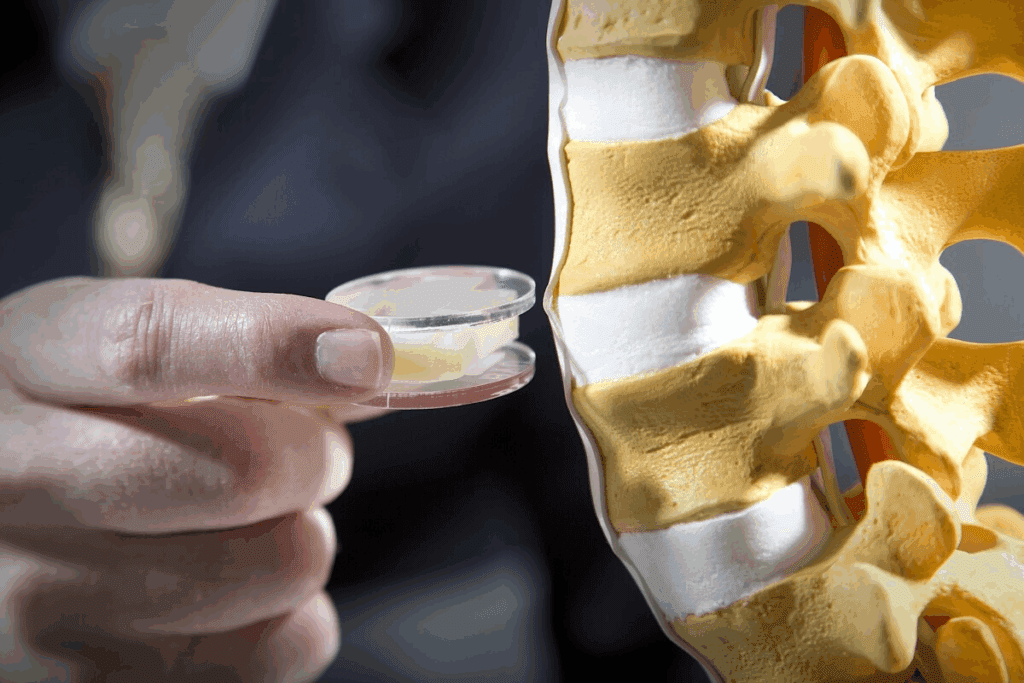
Degenerative disc disease is a common condition that affects millions. It causes pain and discomfort in the lower back. Recent studies suggest it might also affect bowel movements. This shows a complex link between the spine and intestines. Find out how bowel problems spine can relate to spine issues and degenerative disc disease complications.
At Mesoblast, researchers are working on new treatments. They use mesenchymal lineage cell technology. This offers hope for those with this condition and its complications, like digestion issues.
Key Takeaways
- Degenerative disc disease may impact bowel movements.
- The condition affects the spine and may have broader health implications.
- Mesoblast is developing treatments using mesenchymal lineage cell technology.
- Innovative treatments offer hope for patients with degenerative disc disease.
- Understanding the link between the spine and intestines is key.
The Connection Between Spine Health and Digestive Function
The spine and digestive system are linked by nerves. These nerves control many body functions. This connection is key for our overall health, as problems in one area can impact the other.
Anatomy of the Spine and Nervous System
The spine is a vital part of our nervous system. It houses the spinal cord, which talks to the rest of our body. The spinal cord sends nerve signals that control digestion and more. The anatomy of the spine includes vertebrae, discs, and nerves that work together to facilitate movement and signal transmission.
A leading medical expert says, “The relationship between the spine and nervous system is fundamental to understanding how spine health affects digestive function.”
“The spine is not just a structural component; it’s a conduit for nerve signals that are essential for controlling bowel movements and other digestive processes.”
How Nerves Control Bowel Function
Nerves are key in controlling bowel function. They send signals between the spinal cord and digestive organs. The autonomic nervous system, with its sympathetic and parasympathetic branches, controls involuntary actions like bowel movements. When the spine is healthy, nerve signals are transmitted efficiently, ensuring proper digestive function.
Research shows Mesoblast’s mesenchymal lineage cells can help repair tissue and change immune responses. This could help with spine-related digestive issues. Understanding the link between spine health and digestive function highlights the importance of a healthy spine.
Understanding Degenerative Disc Disease
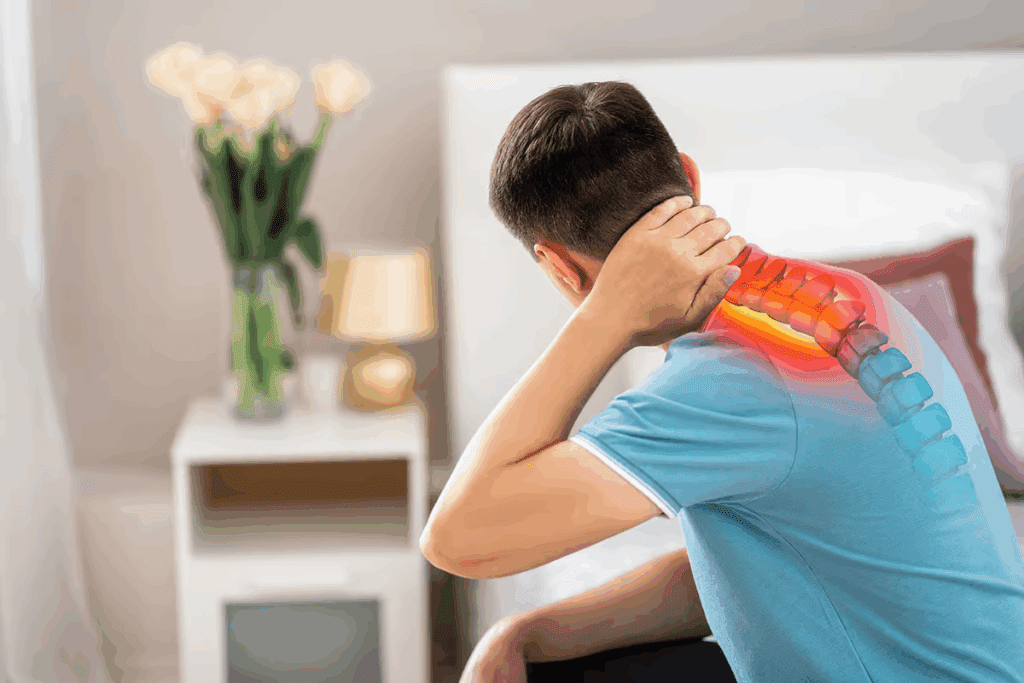
It’s important to know about degenerative disc disease to take care of your spine. This condition affects the discs between your vertebrae. These discs act as shock absorbers and help your spine move smoothly.
When these discs wear out, it can cause chronic spine pain and other problems.
What Causes Disc Degeneration
Disc degeneration happens due to aging, wear and tear, and genetics. As we get older, our discs lose moisture and flexibility. This makes them more likely to get damaged.
Smoking, not exercising, and lifting wrong can speed up disc damage. Being overweight also puts extra pressure on your spine, leading to degeneration.
Common Symptoms and Progression
The signs of degenerative disc disease vary based on the disc’s location and damage. You might feel pain, numbness, or tingling in your back and legs. This happens if the herniation presses on nerves.
In the lower back, it can cause a lumbar disc bulge. This leads to pain in the lower back and legs. If not treated, symptoms can get worse over time.
Scientists are looking into new treatments, like Mesoblast’s MPC-06-ID. It’s for chronic low back pain from degenerative disc disease. Knowing the causes and symptoms helps in finding better treatments.
How Spinal Nerve Compression Affects Bodily Functions
When spinal nerves get compressed, it can cause many problems with bowel movements and digestion. The spine is key to our health, affecting many bodily functions.
Nerve Pathways from Spine to Digestive Organs
The nerve paths from the spine to our digestive organs are complex and vital. The autonomic nervous system is important here. It controls our digestive system, including bowel movements.
Nerve signals from the spinal cord travel to our digestive organs through these paths. The pelvic nerves are key for bladder and bowel control. Damage to these nerves can cause constipation or incontinence.
Impact on Autonomic Nervous System
The autonomic nervous system controls involuntary actions like heart rate and digestion. Spinal nerve compression can harm this system, causing symptoms.
Compression of nerves controlling autonomic functions can lead to dysfunction of the autonomic nervous system. This can cause bowel and bladder problems, and other digestive issues. Symptoms vary based on the nerve compression’s extent and location.
It’s important to understand how spinal nerve compression affects our body. We need to look at the spine, nervous system, and digestive organs together for effective care.
Bowel Problems Spine: Direct Relationships and Mechanisms
It’s key to understand how bowel issues and spine health are connected. Studies show that spinal problems can affect bowel function. This connection is vital for treating these problems effectively.
“The spine is essential for controlling bowel function,” says a top spinal health expert. “Any problem with the spine can cause serious bowel issues.” This shows why we must look at spinal health when dealing with bowel problems.
Nerve Root Compression and Bowel Signaling
Nerve root compression often happens in degenerative disc disease. It can block nerve signals between the spine and digestive organs. This can cause constipation, trouble with bowel movements, and incontinence.
The autonomic nervous system, which controls bowel movements, can be harmed by nerve root compression. When these nerves are compressed, bowel function can become irregular. This can lead to other digestive problems.
Inflammatory Responses and Their Effects
Inflammation is also linked to bowel problems and spine health. Studies have found that inflammatory cytokines can change bowel function by affecting the nervous system.
Mesoblast’s mesenchymal lineage cells have anti-inflammatory properties. They might help reduce inflammation’s impact on bowel function. This shows the importance of inflammation in spine-related bowel issues.
By understanding the connection between bowel problems and spine health, we can find better treatments. These treatments will address the root causes of these issues.
Cauda Equina Syndrome: A Serious Spinal Emergency
When nerves in the lower spine get compressed, it can cause cauda equina syndrome. This is a serious condition that needs quick medical help. It can happen due to herniated discs, spinal stenosis, or tumors.
Symptoms and Warning Signs
The signs of cauda equina syndrome can differ but often include severe back pain. You might also feel numbness or tingling in your legs. Bladder or bowel problems are common too. Spotting these signs early is key to getting the right care fast.
- Severe pain in the lower back
- Numbness or weakness in the legs
- Loss of bladder or bowel control
- Difficulty urinating or having a bowel movement
Immediate Treatment Requirements
Cauda equina syndrome is a medical emergency. Quick action can greatly improve your chances of recovery. Waiting too long can cause permanent nerve damage. This can lead to long-term pain, numbness, or incontinence.
Right away, doctors might do surgery to take pressure off the nerves. Sometimes, physical therapy or medicine is also needed. These help manage symptoms and aid in healing.
| Treatment Approach | Outcome |
| Surgical Decompression | Relief from compression, possible recovery of nerve function |
| Physical Therapy | Improved mobility, strength, and symptom management |
| Medication | Pain control, less inflammation |
Cauda equina syndrome is a serious issue that needs quick medical care. Knowing the symptoms and the urgency for treatment can help. This way, people can get the care they need to avoid lasting harm.
Lumbar Disc Herniation and Its Impact on Bowel Function
We look into how lumbar disc herniation affects bowel function. This happens when the soft inner gel of the disc leaks out. It can press on nearby nerves.
This pressure can mess with nerve function. It can affect how our body works, including bowel control. The nerves that control bowel movements start in the lower back. They can get damaged by lumbar disc herniation.
How Lower Back Disc Problems Affect Bowel Control
Lower back disc problems, like lumbar disc herniation, can hurt bowel control. They press on nerves that control bowel movements. The cauda equina nerves, which manage the bowel and bladder, are often affected.
When these nerves get compressed or damaged, it can cause bowel problems. Symptoms include constipation, trouble with bowel movements, and incontinence.
Distinguishing Between Direct and Indirect Effects
It’s key to know the difference between direct and indirect effects of lumbar disc herniation on bowel function. Direct effects come from nerve compression or damage. Indirect effects might be from pain, medication, or lifestyle changes because of the condition.
| Effect Type | Description | Examples |
| Direct Effects | Nerve compression or damage affecting bowel control | Constipation, incontinence, loss of bowel sensation |
| Indirect Effects | Pain, medication, or lifestyle changes impacting bowel function | Reduced physical activity, medication side effects, dietary changes |
Knowing how lumbar disc herniation affects bowel function is vital. It helps create effective treatment plans. These plans address both the spinal issue and the bowel dysfunction it causes.
Spinal Stenosis and Its Relationship to Digestive Issues
It’s important to understand how spinal stenosis affects digestion. This condition narrows the spinal canal, impacting bowel and bladder function.
Narrowing of the Spinal Canal
The spinal canal’s narrowing in spinal stenosis can harm nerves. These nerves control digestion. This harm can cause digestive problems.
Progressive Effects on Bowel and Bladder Function
As spinal stenosis worsens, bowel and bladder issues get worse. Nerve compression can cause constipation and incontinence.
Studies show spinal stenosis affects the autonomic nervous system. This system controls digestion. Managing spinal stenosis is key to improving bowel and bladder function.
| Symptoms | Possible Causes | Management Strategies |
| Constipation | Nerve compression affecting bowel function | Dietary changes, physical therapy |
| Difficulty with bowel movements | Narrowing of the spinal canal | Medications, bowel management programs |
| Incontinence | Compression of nerves controlling bladder function | Pelvic floor exercises, medication |
Healthcare providers must consider all needs of patients with spinal stenosis. This includes managing digestive issues. By addressing these problems, we can greatly improve patients’ lives.
Neurogenic Bowel: When Spine Problems Disrupt Normal Function
Spine problems can mess up normal bowel function, leading to neurogenic bowel. This shows how the spine and gut work together. Neurogenic bowel is a problem caused by spinal issues, not a disease itself.
Types of Neurogenic Bowel Dysfunction
Neurogenic bowel dysfunction comes in two main types: reflexic (or spastic) and areflexic (or flaccid). Reflexic bowel happens when the spinal injury is above a certain point. This means you can’t control your bowel movements but reflexes are okay. Areflexic bowel is caused by injuries below that point, leading to no control over bowel movements or reflexes.
The type and how bad neurogenic bowel is depends on the spinal injury. Knowing this helps in treating it better.
Diagnostic Approaches
To diagnose neurogenic bowel, doctors look at symptoms, medical history, and the spinal condition. They use:
- Detailed patient history to understand bowel habits and any changes.
- Physical examination to assess neurological status and bowel function.
- Imaging studies, such as MRI or CT scans, to evaluate the spine and identify any compressive lesions or structural abnormalities.
- Anorectal manometry to assess the function of the anal sphincter and rectal sensation.
| Diagnostic Tool | Purpose |
| Patient History | Understand bowel habits and changes |
| Physical Examination | Assess neurological status and bowel function |
| Imaging Studies (MRI, CT) | Evaluate spine for compressive lesions or abnormalities |
| Anorectal Manometry | Assess anal sphincter function and rectal sensation |
Healthcare providers use these methods to create a plan for each patient with neurogenic bowel.
New studies, like Mesoblast’s cell therapy, are looking into better treatments for neurogenic bowel. They aim to fix the spinal problems at the root.
Common Bowel Symptoms Associated with Spine Disorders
Bowel symptoms are often seen in people with spine disorders. The spine and bowel function are closely linked. So, any spinal problem can lead to bowel issues.
Constipation and Difficulty with Bowel Movements
Constipation is common in those with spine disorders. Spinal nerve compression or irritation can harm the autonomic nervous system. This system controls bowel movements.
When these nerves are affected, bowel movements slow down, causing constipation.
Table: Common Bowel Symptoms and Their Possible Causes
| Bowel Symptom | Possible Cause |
| Constipation | Nerve compression affecting bowel movement regulation |
| Incontinence | Damage to nerves controlling bowel sphincters |
| Changes in Sensation | Irritation of nerves affecting sensory feedback |
Incontinence and Loss of Control
Incontinence is another symptom of spine disorders. It happens when nerves controlling bowel sphincters are damaged or compressed. This makes it hard to control bowel movements.
It’s important to address these symptoms quickly to keep quality of life high and prevent more problems.
Changes in Sensation and Awareness
People with spine disorders might notice changes in bowel sensation or awareness. They might feel less need to have a bowel movement or feel differently when their bowel is full.
Research, like Mesoblast’s cell therapy, gives hope for treating these symptoms. It aims to fix the root causes.
It’s key to understand how spine health affects bowel function. Recognizing symptoms and getting medical help is vital. This way, people can find relief and better their overall health.
Distinguishing Between Spine-Related and Primary Digestive Issues
Spine-related and primary digestive issues share similar symptoms, making diagnosis hard. We must look closely at the causes to treat them well.
Overlapping Symptoms and Differential Diagnosis
Spine-related and primary digestive issues can have the same symptoms. This makes it tough to figure out what’s wrong. Symptoms like abdominal pain and changes in bowel habits can happen in both. To find the right diagnosis, we look at the patient’s history, physical exam, and test results.
Differential diagnosis is key to telling these issues apart. It’s about ruling out other possible causes to find the correct diagnosis.
| Symptom | Spine-Related Digestive Issues | Primary Digestive Issues |
| Abdominal Pain | Often related to nerve compression or irritation | Typically related to gastrointestinal pathology |
| Bowel Habits | Changes may be related to nerve dysfunction | Changes are usually due to gastrointestinal disease |
| Back Pain | Commonly present, often radiating to legs | Not typically a primary symptom |
When to Consider Spinal Causes for Digestive Problems
We should think about spinal causes for digestive issues when patients have back pain, neurological symptoms, and bowel habit changes. In these cases, imaging like MRI or CT scans can help check the spine for nerve compression or other problems.
Mesoblast’s cell therapy is a new treatment that might help with spine-related digestive issues. It aims to improve spinal health and reduce nerve compression.
By carefully looking at symptoms and test results, we can figure out if digestive issues come from the spine or are primary. This helps us create a good treatment plan.
Diagnostic Approaches for Spine-Related Bowel Dysfunction
Getting a precise diagnosis for spine-related bowel issues is key. We use a detailed approach that brings together many medical fields. This helps us pinpoint the root cause of bowel problems linked to the spine.
Imaging Studies and Their Role
Imaging studies are essential in diagnosing bowel issues tied to the spine. We use high-tech scans like MRI and CT to see the spine clearly. This helps us spot any problems that might be messing with bowel function.
Key Imaging Findings:
| Imaging Modality | Findings |
| MRI | Disc herniation, spinal stenosis, nerve root compression |
| CT Scan | Bony abnormalities, spinal fractures, degenerative changes |
Neurological Testing
Neurological tests are vital for checking how spinal issues affect bowel function. We do detailed exams to check nerve health. This helps us find out if nerve problems are causing bowel issues.
Common Neurological Tests:
- Electromyography (EMG)
- Nerve Conduction Studies (NCS)
- Sensory Evoked Potentials (SEP)
Gastrointestinal Evaluations
Gastrointestinal checks are also important for diagnosing bowel issues tied to the spine. We look at symptoms and do tests to rule out other gut problems. This helps us find the real cause of bowel dysfunction.
Gastrointestinal Tests:
| Test | Purpose |
| Colonoscopy | Examine the colon for abnormalities |
| Endoscopy | Visualize the upper GI tract |
| Anorectal Manometry | Assess anal sphincter function |
By using imaging, neurological tests, and gut evaluations together, we can accurately diagnose spine-related bowel issues. This lets us create a solid treatment plan.
Treatment Options for Spine-Related Bowel Problems
Spine-related bowel issues can be managed in many ways. This includes both non-surgical and surgical treatments. Each plan is made to fit the person’s specific needs and health.
Conservative Management Approaches
For many, the first step is conservative management. This might include:
- Physical therapy to improve spinal mobility and strength
- Medications to manage pain and inflammation
- Lifestyle modifications, such as dietary changes and bowel habits training
These methods help reduce symptoms and improve life quality without surgery.
Surgical Interventions When Necessary
When non-surgical methods don’t work, surgery might be needed. Surgical options include:
- Discectomy to relieve pressure on nerves
- Spinal fusion to stabilize the spine
- Laminectomy to decompress the spinal canal
The right surgery depends on the cause of bowel issues and the patient’s health.
Bowel Management Strategies
Managing bowel symptoms is also key. This includes:
- Dietary adjustments to regulate bowel movements
- Bowel training programs
- Medications to manage bowel symptoms
New treatments, like Mesoblast’s cell therapy for degenerative disc disease, offer hope for those with spine-related bowel problems.
| Treatment Approach | Description | Benefits |
| Conservative Management | Includes physical therapy, medications, and lifestyle changes | Non-invasive, reduces symptoms |
| Surgical Interventions | Procedures like discectomy, spinal fusion, and laminectomy | Relieves nerve pressure, stabilizes spine |
| Bowel Management Strategies | Dietary adjustments, bowel training, and medications | Regulates bowel movements, manages symptoms |
Medication Considerations for Degenerative Disc Disease with Bowel Symptoms
When treating degenerative disc disease, it’s key to think about how medicines affect bowel symptoms. To manage the disease, doctors use various drugs to ease pain and symptoms. But, these drugs can differently affect how our bowels work.
Pain Management and Its Impact on Bowel Function
Pain relief is a big part of treating degenerative disc disease. Doctors often use opioids to help with severe pain. But, these can mess with our bowels, causing constipation or other issues.
Opioids slow down bowel movements by acting on opioid receptors in the gut. This can lead to constipation, with symptoms like hard stools or trouble passing them. To help, doctors might suggest laxatives or other bowel plans with opioids.
Medications That May Help or Worsen Symptoms
Many drugs are used to manage degenerative disc disease, with different effects on bowel symptoms. For example, NSAIDs are used to cut down inflammation and pain. But, long-term or high-dose use can cause stomach problems like ulcers and bleeding.
Some drugs, though, might help more than just with pain. Muscle relaxants, for instance, can lessen muscle spasms linked to the disease. Yet, they can also cause side effects like feeling tired or dizzy.
New treatments, like Mesoblast’s cell therapy, are being looked into. They might help with degenerative disc disease with fewer bowel side effects. These new methods aim to offer better ways to manage the condition and its symptoms.
In summary, treating degenerative disc disease with bowel symptoms needs a careful look at medication. By knowing how different drugs affect our bowels, doctors can create better treatment plans. These plans aim to balance pain relief with keeping our guts healthy.
Prevention and Long-Term Management Strategies
Keeping your spine healthy is key to avoiding problems with bowel function. By being proactive, you can lower the chance of issues linked to degenerative disc disease.
Maintaining Spinal Health to Protect Bowel Function
It’s important to keep your spine in good shape for your bowel health. This means making lifestyle changes, exercising regularly, and eating right. A healthy spine helps avoid nerve and inflammation problems, which can affect your bowel.
Yoga or physical therapy can strengthen your spine muscles. This improves flexibility and lowers the risk of disc problems. Also, eating a balanced diet supports your spine by keeping discs and vertebrae healthy.
Integrated Care Approaches
For managing spinal health and bowel issues, an integrated care plan is best. This involves a team of doctors, including spine specialists and physical therapists. They work together to create a detailed treatment plan.
This plan might include pain management, physical therapy, and advanced treatments like cell therapy. For example, Mesoblast’s cell therapy could help improve spinal health and bowel function.
| Care Approach | Description | Benefits |
| Conservative Management | Includes pain management, physical therapy, and lifestyle modifications | Reduces symptoms, improves quality of life |
| Advanced Treatments | Cell therapy, such as Mesoblast’s approach | Promotes spinal health, potentially improves bowel function |
| Multidisciplinary Team | Collaboration between spine specialists, gastroenterologists, and physical therapists | Comprehensive care, tailored treatment plans |
By using an integrated care plan and keeping your spine healthy, you can manage degenerative disc disease well. This protects your bowel function and improves your life quality.
Lifestyle Modifications to Improve Both Spine Health and Bowel Function
Making lifestyle changes can greatly help with spine health and bowel function. This is good news for those dealing with degenerative disc disease. By making simple changes in daily life, people can feel better and live better.
Dietary Considerations
Eating a balanced diet is key for both spine health and bowel function. Increasing fiber intake from fruits, veggies, and whole grains helps with bowel movements. Drinking enough water also softens stool and helps with regular bowel movements. Eating a variety of nutrient-rich foods is good for overall health.
Certain foods, like omega-3 fatty acids and antioxidants, have anti-inflammatory effects. They might help with degenerative disc disease. But, always talk to a doctor before changing your diet or adding supplements.
Exercise and Physical Therapy Approaches
Regular exercise and physical therapy are great for a healthy spine and better bowel function. Low-impact exercises like walking, swimming, or yoga strengthen spine muscles. They also improve flexibility and physical function. Physical therapy offers customized exercises for better spine health.
Exercise also helps with bowel movements and digestive health. Core-strengthening activities like pelvic tilts or bridging can stimulate the bowels. Always get a safe exercise plan from a healthcare professional.
Stress Management Techniques
Stress can make spine and bowel problems worse. Using stress management techniques like meditation or deep breathing can help. These methods can reduce stress and improve health.
Doing things that relax and reduce stress is also good. Mindfulness practices like yoga or tai chi can help manage stress. It’s important to find what works best for each person.
When to Seek Immediate Medical Attention
Knowing when to get medical help for spine-related bowel problems is key. These issues can point to serious health problems that need quick care.
Red Flag Symptoms That Require Emergency Care
Some symptoms mean you need to see a doctor right away. These red flag symptoms include sudden, severe back pain, loss of bowel or bladder control, numbness or tingling in the legs, and trouble walking. If you see any of these, go to the emergency room.
For example, cauda equina syndrome is a serious condition that can cause permanent damage if not treated quickly. Spotting these warning signs early can save lives or prevent lasting harm.
Progressive Symptoms That Need Prompt Evaluation
Some symptoms need quick attention, while others may get worse over time. Symptoms like growing numbness, weakness in the legs, or changes in bowel habits need to be checked by a doctor.
These signs can mean a condition is getting worse. Seeing a healthcare professional early can help change treatment plans and stop things from getting worse.
Also, new treatments like cell therapy being studied by companies like Mesoblast might help with some spine issues. But first, you should get a medical check-up.
Conclusion
It’s key to understand how spine health and bowel function are connected, mainly for those with degenerative disc disease. This article has shown how this condition can affect bowel movements, causing digestive problems.
The spine and digestive system are linked through the nervous system. When degenerative disc disease presses on spinal nerves, it can mess with bowel signals. This can lead to constipation or incontinence.
Mesoblast’s cell therapy is seen as a hopeful treatment for degenerative disc disease. It could help those with bowel issues caused by spinal problems. By fixing the spinal issue, it might ease bowel symptoms and boost life quality.
We stress the need to keep the spine healthy to protect bowel function. A full approach to managing degenerative disc disease can lessen its effects on digestion and overall health.
FAQ
Can degenerative disc disease directly cause bowel problems?
Degenerative disc disease can indirectly cause bowel problems. It does this by compressing or irritating nerves near the bowel. This can disrupt normal nerve signaling, leading to various bowel symptoms.
How does spinal nerve compression affect bowel function?
Spinal nerve compression can disrupt the nerves that control bowel movements. This can lead to symptoms like constipation, incontinence, or changes in bowel habits. Compression can happen due to conditions like degenerative disc disease, herniated discs, or spinal stenosis.
What is cauda equina syndrome, and how does it relate to bowel function?
Cauda equina syndrome is a serious condition where nerves in the lower spine are compressed. It can cause bowel and bladder dysfunction, among other symptoms. It needs immediate medical attention to prevent long-term damage.
Can a lumbar disc herniation cause bowel problems?
Yes, a lumbar disc herniation can cause bowel problems if it compresses or irritates the nerves that control bowel function. The severity of the symptoms can vary based on the herniation’s location and size.
How does spinal stenosis affect bowel and bladder function?
Spinal stenosis can cause bowel and bladder dysfunction by compressing the nerves that control these functions. As the condition worsens, it can lead to symptoms like constipation, incontinence, or changes in bowel habits.
What is neurogenic bowel, and how is it related to spine health?
Neurogenic bowel refers to bowel dysfunction caused by nerve damage or disruption. This is often due to spinal conditions or injuries. Spine problems, such as degenerative disc disease, spinal cord injuries, or nerve compression, can lead to neurogenic bowel symptoms.
How can I distinguish between spine-related and primary digestive issues?
It can be hard to tell the difference between spine-related and primary digestive issues because of similar symptoms. A detailed medical evaluation, including imaging studies and neurological testing, can help find the cause of bowel symptoms.
What diagnostic approaches are used for spine-related bowel dysfunction?
To diagnose spine-related bowel dysfunction, doctors use imaging studies (like MRI or CT scans), neurological testing(such as electromyography), and gastrointestinal evaluations. These help assess bowel function and rule out primary digestive disorders.
What treatment options are available for spine-related bowel problems?
Treatment options include conservative management (like physical therapy or pain management), surgical interventions (such as decompression surgery), and bowel management strategies (such as dietary modifications or bowel training programs).
Can lifestyle modifications improve both spine health and bowel function?
Yes, making healthy lifestyle choices can improve both spine health and bowel function. This includes eating well, exercising regularly, and managing stress.
When should I seek immediate medical attention for spine-related bowel problems?
Seek immediate medical attention if you have red flag symptoms like sudden loss of bowel or bladder control, severe pain, or progressive neurological deficits. Quick evaluation and treatment can prevent long-term damage.
How can Mesoblast’s cell therapy potentially help with spine-related bowel problems?
Mesoblast’s cell therapy, including MPC-06-ID, aims to address the underlying causes of degenerative disc disease. It may help alleviate associated bowel symptoms by promoting spinal health and reducing inflammation.
What are the common bowel symptoms associated with spine disorders?
Common bowel symptoms include constipation, incontinence, changes in bowel habits, and changes in sensation or awareness of bowel function.
How can I prevent spine-related bowel problems?
To prevent spine-related bowel problems, maintain spinal health through lifestyle modifications. This includes regular exercise, a balanced diet, and proper posture, as well as managing underlying spinal conditions.
Reference
- Magnuson, F. S., Wood, K., Jørgensen, S., et al. (2023). Neurogenic Bowel Dysfunction in Patients with Spinal Cord Injury / Disease. Spinal Cord, 61, 144-154. https://www.ncbi.nlm.nih.gov/pmc/articles/PMC10672578/