
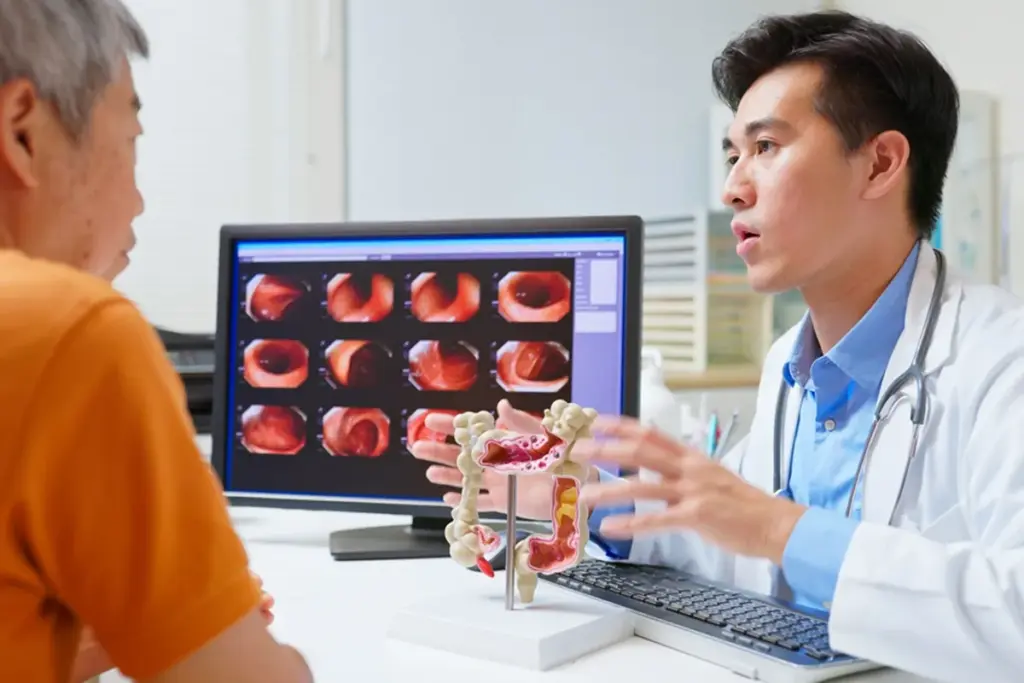
Colon resection is a big surgery that removes part of the colon. It’s a complex operation that can significantly impact a patient’s quality of life. In the United States, thousands of colon resections happen every year. Manage a bowel resection with best amazing relief. Learn incredible proven secrets for a successful and comfortable recovery today.
Having colon surgery can be scary, mainly because of the pain after. The pain level can change based on the surgery type and how well you handle pain.
Key Takeaways
- Colon resection is a major surgery that requires careful post-operative care.
- Pain management is a key part of getting better.
- The surgery method can affect how much pain you feel.
- How well you handle pain also matters.
- Knowing what to expect can help you recover better.
Understanding Colon Resection Surgery
Colon resection surgery is a treatment for colon problems. It’s important to know how it works and why it’s done.
Definition and Purpose
Colon resection surgery, or bowel resection, removes a part of the colon that’s sick or damaged. It’s done to treat colon cancer, diverticulitis, and inflammatory bowel disease (IBD). The goal is to get rid of the disease, ease symptoms, and fix bowel function.
The surgery not only removes the bad part but also connects the good parts back together. This is called anastomosis. It’s key to keep the gut working right after surgery.
Common Reasons for Undergoing the Procedure
People get colon resection for many reasons, mainly because of colon diseases. The main reasons include:
- Colon Cancer: Taking out the cancerous part is a big part of treating it.
- Diverticulitis: If diverticulitis gets worse or causes problems like abscesses or holes, surgery is needed.
- Inflammatory Bowel Disease (IBD): Severe damage from Crohn’s disease and ulcerative colitis might mean surgery is needed.
Knowing why someone needs this surgery helps both patients and doctors make better choices.
Types of Bowel Resection Procedures

There are many ways to do colon surgery, each with its own benefits and things to think about. The right surgery depends on the patient’s health, how far the disease has spread, and the surgeon’s skills.
Open Colon Resection
Open colon resection is a traditional method. The surgeon makes a big incision in the belly to get to the colon. This way, they can see and work on the problem area directly. It’s often used for complex or widespread diseases.
A surgical expert says, “Open colon resection is a key part of our surgery tools, mainly for tough cases.” We use it when it’s the best choice for our patients.
Laparoscopic Colon Resection
Laparoscopic colon resection is a minimally invasive surgery. It uses small cuts and special tools to work inside the body. This method causes less damage, less pain, and faster healing. It works well for many patients, but not for those with severe problems.
Robotic-Assisted Colon Resection
Robotic-assisted colon resection is the newest tech in surgery. It makes laparoscopic surgery even better by adding precision and control. The robotic system gives a 3D view and helps with detailed work, which can lead to better results in hard cases.
As we keep improving, robotic-assisted surgery is becoming a top choice for bowel resection. “Adding robotic tech to colon surgery has been a big leap forward,” says a top surgeon. “It could mean even better results for patients.”
Preparing for Your Colon Resection
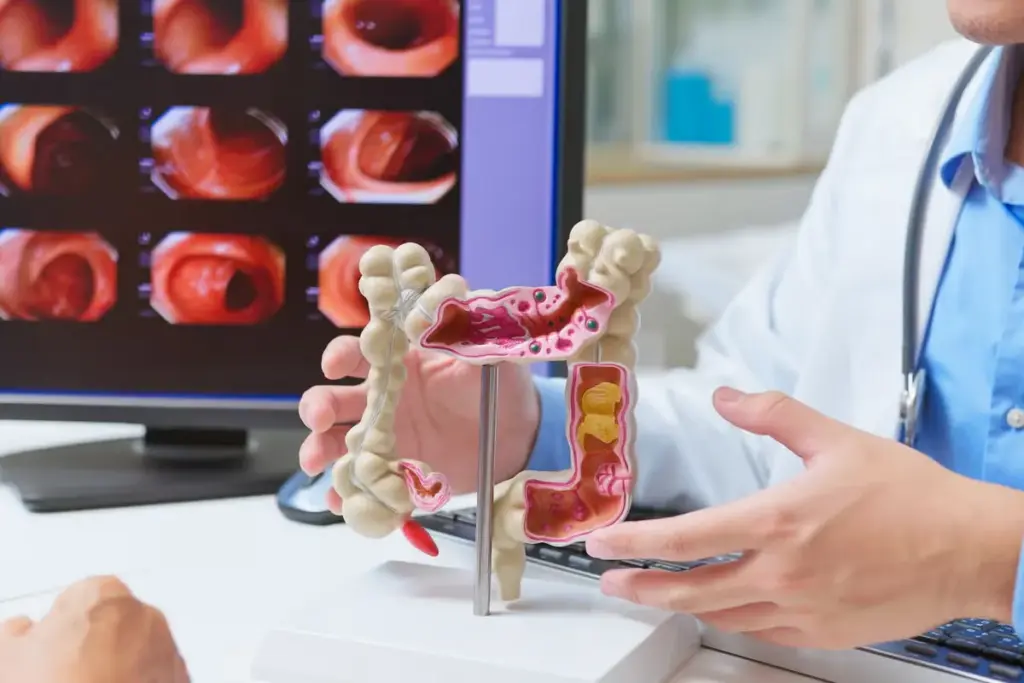
Colon resection surgery needs careful preparation. This includes pre-surgical consultations, dietary changes, and bowel prep. We aim to make sure you’re ready for a successful surgery and recovery.
Pre-Surgical Consultations
We schedule pre-surgical talks to discuss the surgery. Our team will explain the process, answer your questions, and outline what you need to do. “Good communication with your healthcare provider is key for a successful surgery,” they say.
These talks also cover your medical history, current health, and medications. It’s important to tell us about any allergies, past surgeries, or health issues to keep you safe.
Dietary Restrictions
Changing your diet is important before colon resection surgery. We might suggest a special diet a few days before to lower risks. This diet is usually low in fiber or liquid to reduce colon residue.
Key dietary tips include:
- Avoid high-fiber foods like nuts, seeds, and raw veggies
- Limit dairy if it bothers you
- Drink lots of clear fluids to stay hydrated
Bowel Preparation Process
The bowel prep is a key step before surgery. It cleanses your colon to lower infection risks. We’ll give you detailed instructions on how to prepare, which might include laxatives or enemas.
“Proper bowel prep is vital for a successful colon resection,” they stress. Following our instructions carefully is important for the best results.
As part of prep, you might need to:
- Drink a bowel prep solution to clean your colon
- Use laxatives or enemas as directed
- Stick to a clear liquid diet before surgery
By following these steps, you help ensure your surgery’s success and recovery. Our team is here to support you, making sure you have a great experience.
The Surgical Experience: What to Expect
When you have a colon resection, there are important things to know. Knowing these can help you feel less anxious and improve your recovery.
Anesthesia Administration
First, anesthesia administration is key. We use general anesthesia to keep you comfortable and pain-free. Our anesthesiologists watch your vital signs closely during the surgery.
Duration of the Procedure
The duration of a colon resection procedure varies based on the complexity of the case and the surgical method used. Usually, it takes 2 to 4 hours. We’ll tell you about the expected time during your pre-surgery talks.
Immediate Post-Operative Care
After surgery, you’ll go to the recovery room. Our team will watch over you closely during your postoperative recovery. We’ll manage your pain and address any concerns. Our aim is to help you smoothly move from surgery to recovery.
Understanding the surgical experience helps you prepare for the procedure and recovery. Our team is dedicated to giving you the best care during your colon surgery journey.
Pain Levels During the Immediate Recovery Period
Patients worried about pain after colon resection surgery often ask about it. Knowing what to expect can ease their worries. It helps them prepare for the recovery ahead.
First 24-48 Hours After Surgery
The first 24 to 48 hours are usually the most painful. Postoperative pain is a natural part of healing. We use medicines and other methods to manage it.
During this time, patients stay in the hospital. They get intravenous pain medication to ease their discomfort. Our goal is to keep the pain under control, so they can rest and start their recovery.
Pain Variation Based on Surgical Approach
The pain level can change based on the surgical approach. For example, laparoscopic surgery might cause less pain than open surgery. Robotic-assisted surgery could also lead to less pain and a faster recovery.
It’s important to know these differences. This helps set realistic expectations and choose the best pain management plan. We work with patients to find the right surgery for them.
We tailor pain management to each patient’s needs and surgery type. Our goal is to reduce discomfort and help with a smooth recovery.
Pain Management Strategies in the Hospital
After colon resection surgery, patients need good pain management in the hospital. It helps them breathe, cough, and move easily. This reduces risks like pneumonia and blood clots.
Medication Options
Medicine is key for managing pain after surgery. We use different types, including:
- Opioids: Good for severe pain but used carefully due to side effects and addiction risk.
- Non-opioid analgesics: Like acetaminophen and NSAIDs, used alone or with opioids for pain control.
- Adjuvant medications: Antidepressants and anticonvulsants for nerve pain.
Patient-Controlled Analgesia (PCA)
PCA lets patients control their pain with medication. It’s good for those with big surgeries.
Benefits of PCA include:
- Better pain control
- Less worry about asking for pain meds
- Potential for less total medication
Non-Pharmaceutical Approaches
There are also non-medication ways to manage pain:
- Breathing exercises and relaxation techniques: Help reduce stress and pain.
- Physical therapy: Gentle exercises improve circulation and reduce stiffness.
- Cold or heat therapy: Applying cold or heat to the area can ease pain.
Using these methods together helps manage pain well. It supports recovery and makes patients more comfortable in the hospital.
The First Week of Recovery: Pain Expectations
Starting your recovery after colon resection surgery, knowing what pain to expect in the first week is key. The first days are very important as your body starts to heal.
Typical Pain Progression
The pain level usually follows a pattern in the first week. ” As time goes on, the pain usually gets less as you heal.
It’s important to remember that everyone feels pain differently. Things like how big the surgery was, your health, and how you handle pain affect your recovery pain.
Warning Signs of Abnormal Pain
While some pain is normal, there are signs that mean you might have a problem. Severe, getting worse, or hard-to-manage pain could mean you need to see a doctor. Also, watch for pain with fever, chills, or trouble with bowel movements.
It’s very important to keep an eye on your pain and talk to your doctor if you have any worries. They can help you manage your pain and fix any problems quickly.
“Pain is a signal, and understanding its nuances can make a significant difference in recovery. It’s not just about tolerating pain but managing it effectively to ensure a smooth healing process,” notes a patient testimonial.
Knowing about typical pain and warning signs helps you get through the first week after colon surgery. Managing pain well is essential for a good recovery.
Managing Pain at Home After Discharge
After a bowel resection, managing pain at home is key. Having a plan for pain management is essential for a smooth recovery.
Prescribed Pain Medications
Your doctor will give you pain meds that fit your needs. It’s important to take them as directed. Never take more than you’re supposed to to avoid bad side effects.
Managing pain meds can be tough, but it’s a big part of getting better. If you have side effects or worries, talk to your doctor right away.
Over-the-Counter Options
Your doctor might also suggest OTC pain relievers. Always check with your doctor before taking OTC meds to make sure they won’t mix badly with your other meds.
OTC meds can help with mild pain. But, it’s important to follow the dosage and instructions carefully.
Physical Positioning and Activity Modifications
How you sit or lie down can help with pain. Find a comfortable position to ease discomfort.
Slowly getting more active, as your doctor suggests, can also help. Gentle movements and stretching can help your body heal and improve circulation.
To manage pain at home, use prescribed meds, OTC options (if advised), and the right positions and activities. If you’re worried or in a lot of pain, reach out to your healthcare provider for help.
Long-Term Pain Considerations After Bowel Resection
Understanding long-term pain after bowel resection is key for patients and doctors. We must tackle chronic pain and when pain will lessen. This is vital for recovery.
Chronic Pain Possibilities
Some patients face chronic pain after bowel resection. Many see pain lessen over time, but others may not. Factors influencing chronic pain include surgery extent, pain tolerance, and complications.
Studies show some patients face chronic pain due to nerve damage or adhesions. It’s important for patients to talk to their doctors about pain management. This helps manage chronic pain.
When Pain Should Resolve Completely
Pain usually decreases a lot in the weeks after surgery. The most intense pain is in the first few days. Knowing this helps manage expectations and spot issues early.
Most see pain lessen in 4 to 6 weeks. Recovery speed depends on surgery type, health, and complications. Understanding this helps manage pain better.
Knowing about chronic pain and recovery helps patients work with their healthcare team. This improves life quality after surgery.
Potential Complications That May Increase Pain
It’s important to know about the possible complications of bowel resection surgery. This knowledge helps manage pain after surgery. While the surgery is usually safe, some risks can make recovery more painful.
Infection and Abscess Formation
Infection is a big risk after bowel resection. It can show up as an abscess. Infections can make pain worse and slow down recovery. Look out for fever, more pain at the surgery site, and redness or swelling.
If an abscess forms, it might need to be drained. This could be done with a needle or surgery.
Anastomotic Leakage
Anastomotic leakage is a serious issue. It happens when the connection between bowel segments leaks. This can cause a lot of pain, infection, and even be life-threatening if not treated quickly. It’s key to catch it early.
Symptoms include stomach pain, fever, and changes in drainage from the surgery site.
Adhesions and Bowel Obstruction
Adhesions, or scar tissue, can form after surgery. They might block the intestine, causing a lot of pain, nausea, vomiting, and constipation. Following up with care is vital to watch for these issues.
|
Complication |
Symptoms |
Potential Treatment |
|---|---|---|
|
Infection/Abscess |
Fever, increased pain, redness/swelling |
Antibiotics, drainage |
|
Anastomotic Leakage |
Abdominal pain, fever, changes in drainage |
Surgical repair, antibiotics |
|
Adhesions/Bowel Obstruction |
Severe abdominal pain, nausea, vomiting, constipation |
Surgical intervention, bowel rest |
Knowing about these complications helps patients spot warning signs early. This can reduce pain and improve recovery after bowel resection surgery.
Factors That Influence Pain Severity
It’s important to know what affects pain after colon surgery. Many things can change how much pain a person feels after surgery.
Pre-existing Conditions
Health problems before surgery can change how much pain you feel. For example, diabetes can slow healing and make pain last longer. Doctors say that chronic conditions need a special care plan after surgery.
Conditions like arthritis or fibromyalgia can make you feel pain more. We help patients by understanding their health history. Then, we make a pain plan just for them.
Extent of Resection
The size of the surgery can also affect pain. Taking out more of the colon means more trauma and pain. Doctors aim to do precise surgeries to lessen this pain.
Doctors use new methods like laparoscopic and robotic surgeries. These methods cause less damage and help you heal faster. This means less pain and quicker recovery.
Individual Pain Tolerance
Everyone feels pain differently. This is because of genetics, mind, and body factors. Some people might feel more pain than others, even with the same surgery.
We look at each patient’s pain tolerance and what they prefer. We make a pain plan that includes medicine, therapy, and lifestyle changes. This helps manage pain during recovery.
Patient Testimonials: Real Experiences with Colon Resection Pain
Every patient’s journey through colon resection surgery is unique. Their stories offer hope and practical tips for managing pain and recovery. These personal accounts are invaluable.
Success Stories and Positive Outcomes
Many patients have shared their success stories after bowel resection surgery. One patient saw a big drop in pain within weeks. They credited effective pain management and a supportive team.
Another patient stressed the need to follow post-operative instructions. They said sticking to the recovery plan helped a lot. These stories show the power of a well-coordinated care plan.
|
Aspect of Recovery |
Patient Feedback |
|---|---|
|
Pain Levels |
Varied, but generally manageable with medication |
|
Recovery Time |
Several weeks to a few months for full recovery |
|
Support System |
Family and healthcare team were key |
Challenges and Coping Strategies
While many patients do well, others face challenges. Managing pain and adjusting to bowel changes can be tough. Patients have found ways to cope, like eating healthy and staying hydrated.
One patient praised patient-controlled analgesia (PCA) for pain management early on. Others found relief in gentle exercise and relaxation techniques.
We hope these real stories help you understand what to expect during recovery. They show the importance of personalized care for success.
When to Contact Your Doctor About Post-Operative Pain
Dealing with post-operative pain can be tough. Knowing when to call your doctor can really help your recovery.
After a bowel resection, some pain is normal. But, some signs might mean you need to see a doctor right away. Knowing these red flags can help you recover better.
Red Flags That Require Immediate Attention
If you notice any of these symptoms, call your doctor fast:
- Severe pain that your meds can’t handle
- Fever over 101.5°F (38.6°C)
- Swelling, redness, or discharge from the surgery area
- Nausea or vomiting that stops you from drinking fluids or taking meds
- Bleeding or signs of bleeding inside, like black or bloody stools
One patient said, “I was ready for some pain, but severe abdominal pain and fever scared me. I called my doctor right away and got the help I needed.” This shows how important it is to know the red flags and act quickly.
Questions to Ask During Follow-up Appointments
At your follow-ups, ask the right questions to help your recovery. Ask about:
- What pain levels are normal, and how to manage them?
- Any activities to avoid or change to prevent problems?
- How to tell normal pain from signs of complications?
- What infection or complication signs to watch for?
Being proactive and informed helps you feel confident in your recovery. Remember, your healthcare team is there to help you.
“The key to a successful recovery is not just following your doctor’s instructions but also being aware of your body’s signals and responding appropriately.”— Expert in Gastrointestinal Surgery
Advances in Pain Management for Gastrointestinal Surgery
Pain management for bowel resection and other surgeries is getting better. Thanks to new technology and methods, patients are recovering more comfortably and quickly.
Enhanced Recovery After Surgery (ERAS) Protocols
ERAS protocols are a big step forward in pain management. They aim to improve care before, during, and after surgery. This includes:
- Pre-operative counseling to get patients ready for surgery.
- Optimized anesthesia and pain management for each patient.
- Minimally invasive surgical techniques to heal faster.
- Early mobilization and nutrition to aid recovery.
ERAS protocols help reduce pain, lower complications, and shorten hospital stays.
New Medications and Techniques
New medicines and methods are also improving pain management. For example, multimodal analgesia uses different pain treatments together. This reduces opioid use and side effects.
Other new things include:
- Regional anesthesia techniques, like epidurals, for targeted pain relief.
- Lipid-free formulations of anesthetics to lower risks.
- Advanced drug delivery systems for better pain medication control.
These changes are making pain management for gastrointestinal surgery better. Patients are getting more tailored and effective care. As research keeps going, we’ll see even more improvements for patients.
Conclusion: Navigating the Pain of Colon Resection
Understanding the pain of colon resection is key. We’ve looked at the procedure and what happens after. This includes the types of colon surgery and how to manage pain effectively.
Pain levels can change a lot. This depends on the surgery, how much pain you can handle, and any health issues you have. Knowing these things helps you deal with the pain better.
New ways to manage pain are coming. Things like Enhanced Recovery After Surgery (ERAS) and new medicines are helping. Working with your healthcare team and following a good recovery plan can make your pain less. This helps you recover faster and more smoothly.
FAQ
What is a colon resection, and why is it performed?
A colon resection, also known as bowel resection, is a surgery to remove part of the colon. It treats conditions like colon cancer, diverticulitis, and inflammatory bowel disease.
What are the different types of bowel resection procedures?
There are several bowel resection procedures. These include open, laparoscopic, and robotic-assisted colon resections. Each has its own benefits and drawbacks, depending on the patient’s needs.
How painful is a colon resection?
Pain after a colon resection varies by person and surgery type. Most people feel moderate to severe pain in the first 24-48 hours. This pain can be managed with medication and other strategies.
What are the common pain management strategies used after a colon resection?
Common pain management strategies include medications and non-pharmaceutical methods. These include patient-controlled analgesia (PCA) and physical positioning.
How long does it take to recover from a colon resection?
Recovery time after a colon resection varies. Patients usually spend several days in the hospital and weeks at home recovering.
What are the common complications that may increase pain after a bowel resection?
Complications like infection, anastomotic leakage, and adhesions can increase pain. It’s important to recognize these signs and seek medical help quickly.
How can I manage pain at home after discharge?
To manage pain at home, use prescribed and over-the-counter medications. Also, try physical positioning and activity modifications. Always follow your doctor’s instructions and seek help if pain worsens.
When should I contact my doctor about post-operative pain?
Contact your doctor for severe or worsening pain, red flags like fever or bleeding, or recovery concerns. Asking questions during follow-up appointments is also important for a smooth recovery.
What are the latest advances in pain management for gastrointestinal surgery?
New advances include Enhanced Recovery After Surgery (ERAS) protocols and new medications. These aim to improve pain management and reduce complications.
Can I expect to experience chronic pain after a bowel resection?
While some may experience chronic pain, it’s not common. Most pain goes away within weeks or months. Discuss any concerns about chronic pain with your healthcare provider.