Last Updated on December 4, 2025 by Bilal Hasdemir

Having bowel surgery can be scary, and the recovery is tough too. At Liv Hospital, we focus on you and aim for the best. We help you through every healing step.Get 9 key facts for your bowel surgery recovery timeline. Our guide helps you understand the process for a smoother and faster healing.
The recovery timeline changes a lot. It depends on the surgery type and your health.
Key Takeaways
- Knowing your recovery journey is key for confidence and peace.
- The bowel surgery recovery timeline changes with your health.
- Our team gives full care and support all the way.
- Expert advice makes healing easier.
- Liv Hospital aims for top healthcare with support for international patients.
The Reality of Bowel Surgery Recovery: What to Expect

Recovering from bowel surgery means knowing what to expect. The time it takes to heal can change a lot. This depends on the surgery type and the patient’s health.
Different Types of Bowel Surgeries Explained
Bowel surgeries, like colon removal and resection, treat different issues. Colon removal, or colectomy, removes part or all of the colon. Colon resection removes the sick part and joins the healthy parts back together.
| Surgery Type | Description | Typical Recovery Time |
| Colon Removal (Colectomy) | Removal of a portion or the entire colon | 6-8 weeks |
| Colon Resection | Removal of the diseased portion of the colon with reconnection | 4-6 weeks |
Individual Factors That Influence Your Recovery
Many things can affect how fast you recover from bowel surgery. These include your health, age, any complications, and following doctor’s orders.
Usually, it takes 2 to 3 months to get back to normal after colon removal and colon resection.
Key Fact #1: Hospital Stay Duration Varies by Procedure
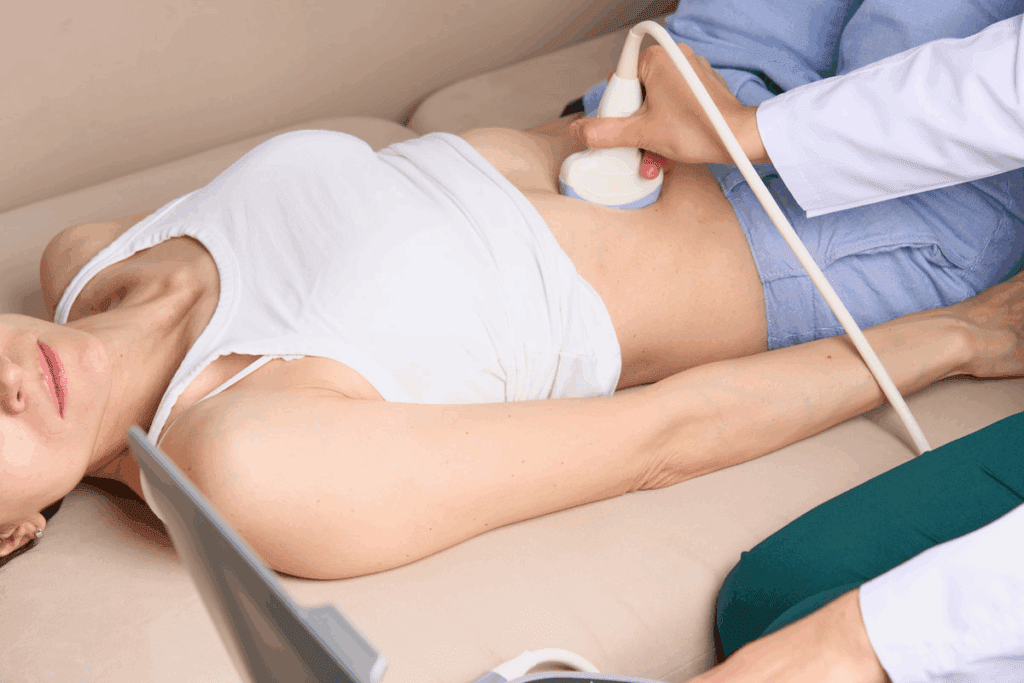
The time you spend in the hospital after colon surgery depends on the type of procedure and your health. Understanding colon operation recovery time is key. The surgery’s complexity greatly affects how long you’ll stay in the hospital.
Typical Hospital Stay for Colon Removal
For colon removal surgeries, you might stay in the hospital from 2 to 7 days. Doctors say most patients go home within 2 to 7 days after surgery. This time lets doctors watch your recovery and handle any issues that might come up.
Expected Discharge Timeline for Colon Resection
The recovery from colon surgery and when you can go home depends on several things. These include the surgery type and your health. Usually, people who have colon resection can go home in 2 to 7 days.
Keep in mind, the usual 2 to 7 days might change for you. Some people might leave the hospital sooner, while others might stay longer. Your healthcare team will guide you on what to expect during your hospital stay after bowel resection.
Key Fact #2: The First Week Is Critical for Bowel Surgery Recovery
The first week after bowel surgery is very important. It sets the stage for a good recovery. Your healthcare team will watch your progress closely. They will help manage your pain and guide you back to normal activities.
Days 1-3: Immediate Post-Operative Care
In the first few days, managing pain and preventing problems are key. You’ll get pain medicine in different ways, like epidural or patient-controlled analgesia.
Early mobility is also important. It helps prevent blood clots and aids in healing. Your team will help you move around, even just to the bathroom.
Days 4-7: Early Mobility and Diet Milestones
Days 4-7 bring more movement and solid foods. Early mobility after bowel surgery is vital. It helps avoid complications and smooths out your recovery after colon resection.
| Day | Mobility Milestones | Dietary Progress |
| 4 | Short walks around the hospital room or ward | Clear liquids, gradually introducing thicker liquids |
| 5 | Increased walking distance, possibly with assistance | Introduction to soft, easily digestible foods |
| 6-7 | More independent mobility, possibly climbing stairs | Gradual introduction to more solid foods, depending on tolerance |
Knowing the bowel resection recovery timeline helps you prepare. By following your healthcare team’s advice and reaching these early goals, you’re on the path to a successful recovery.
Key Fact #3: Recovery Time Differs Between Surgical Approaches
The time it takes to recover from bowel surgery depends on the type of surgery. This includes open surgery or minimally invasive methods. The choice of surgery depends on the patient’s health, the surgery’s complexity, and the surgeon’s opinion.
Open Surgery: 6-8 Week Recovery Timeline
Open surgery, or laparotomy, uses a bigger cut to reach the bowel. It’s chosen for more complicated cases. Recovery from open surgery usually takes 6 to 8 weeks.
During this time, patients must be careful with their movements. They also need to follow a detailed care plan after surgery.
Minimally Invasive Procedures: 2-4 Week Recovery Advantage
Minimally invasive surgeries, like laparoscopic or robotic-assisted ones, use smaller cuts. They cause less damage to the body. This leads to a quicker recovery.
Patients who have these surgeries can recover in as little as 2 to 4 weeks. They experience less pain, smaller scars, and less disruption to their body’s functions.
Even though these surgeries recover faster, not everyone can have them. The choice of surgery depends on the patient’s situation and the surgery’s needs. It’s best to talk to a healthcare provider about the best option.
Key Fact #4: Pain Management Evolves Throughout Recovery
Pain management changes a lot after bowel surgery. It’s key for a smooth recovery. Knowing the different ways to manage pain helps patients get ready.
Hospital-Based Pain Control Methods
In the hospital, pain care is intense and watched closely. Common methods include:
- Patient-controlled analgesia (PCA) pumps
- Epidural anesthesia
- Intravenous pain medications
Transitioning to Home Pain Management
When patients leave the hospital, their pain care changes. They move from hospital methods to home care. This change includes:
- Switching to oral pain medications
- Gradually reducing pain medication frequency and dosage
- Using non-pharmacological methods like heat therapy or relaxation exercises
| Method | Description | Benefits |
| Oral Pain Medications | Pills or liquids taken by mouth to manage pain | Easier to manage at home, less invasive |
| Heat Therapy | Applying heat to the affected area to reduce pain | Non-invasive, can be used alongside medication |
| Relaxation Exercises | Techniques such as deep breathing or meditation to reduce stress and pain | Reduces stress, can decrease pain perception |
When Pain Indicates a Potential Complication
Some pain after bowel surgery is normal. But, certain pain or pain that doesn’t follow the expected pattern might mean a complication. Patients should get medical help right away if they have:
- Severe or worsening pain
- Pain with fever, chills, or vomiting
- Pain that doesn’t get better with medicine
Knowing these signs helps patients get the care they need quickly. This makes recovery smoother.
Key Fact #5: Dietary Progression Follows a Specific Pattern
We help our patients move from clear liquids to solid foods after bowel surgery. This ensures a smooth transition.
The journey from clear liquids to solid foods is key to recovery. At first, patients stick to clear liquids. Then, they start eating soft, bland foods as their body heals.
Clear Liquids to Solid Foods: The Typical Timeline
The move from clear liquids to solid foods has a set timeline. Here’s what happens:
- Clear liquids are the first choice for the first few days after surgery.
- When the body starts healing, soft, bland foods are introduced.
- Later, the diet expands to include more solid foods, getting closer to a normal diet.
| Stage | Dietary Recommendations | Timeline |
| 1 | Clear Liquids | First 2-3 days |
| 2 | Soft, Bland Foods | 3-7 days post-surgery |
| 3 | Gradual Introduction of Solid Foods | 1-2 weeks post-surgery |
Long-term Dietary Adjustments After Bowel Resection
Some patients need to change their diet long-term after bowel surgery. These changes help manage their condition and improve life quality.
It’s crucial for patients to work with their healthcare provider. Together, they create a diet plan that fits their nutritional needs and supports recovery.
Key Fact #6: Blood in Stool After Colon Resection: Normal vs. Concerning
Seeing blood in your stool after colon surgery can be scary. It’s key to know if it’s normal or if you should worry. Watching your symptoms closely is important for your safety and health.
Expected Post-Surgical Bleeding Patterns
Some bleeding is normal after colon surgery. You might see blood in your stool, from a few drops to more. Usually, this bleeding gets less over time and stops in a few weeks. But, how fast it stops can differ for everyone.
The color and texture of the blood can tell a lot. Bright red blood means fresh bleeding. Darker or black stools show older blood. Watching these changes helps your doctors see how you’re doing.
When to Seek Immediate Medical Attention
Even though some bleeding is okay, some situations need quick medical help. If you see any of these, get help right away:
- Heavy or ongoing bleeding that doesn’t get better
- Seeing big clots or having bad stomach pain
- Fever, chills, or signs of infection
- Dizziness, fainting, or a fast heartbeat
It’s always safer to be cautious with your health. If you’re not sure about your symptoms, call your doctor for advice.
Knowing what’s normal and what’s not after colon surgery helps you feel more confident in your recovery. Remember, your healthcare team is there to help you every step of the way.
Key Fact #7: Complete Healing Takes Longer Than You Might Expect
The journey to full recovery after colon resection is longer than many think. The initial healing might seem quick, but the body keeps healing and getting stronger for months. Knowing this timeline helps manage your expectations and ensures a smooth recovery.
Colon Resection Healing Time: The Complete Timeline
The healing process after colon resection has several phases:
- Immediate Recovery (0-2 weeks): This is the initial hospital stay and immediate post-operative period where the focus is on managing pain and basic bodily functions.
- Early Healing (2-6 weeks): During this phase, patients typically start to regain strength and resume light activities.
- Advanced Healing (6-12 weeks): Most patients can return to their normal activities, though some may still experience fatigue.
- Complete Healing (3-6 months): It may take several months for the body to fully recover and for internal wounds to heal completely.
Signs That Your Recovery Is Progressing Normally
As you recover from colon resection, look out for these signs that your healing is on track:
- Gradual Reduction in Pain: While some discomfort is normal, a steady decrease in pain levels is a good sign.
- Return of Appetite: As your body heals, your appetite should return, and you should be able to tolerate a normal diet.
- Increased Energy Levels: It’s normal to feel tired initially, but as you heal, your energy levels should improve.
- Normal Bowel Movements: Your bowel habits may be irregular at first, but they should gradually return to normal.
It’s crucial to follow your healthcare provider’s advice and report any concerns or unusual symptoms. By understanding the complete timeline for colon resection healing and recognizing the signs of normal recovery, you can navigate your recovery journey with confidence.
Key Fact #8: Returning to Normal Activities Is a Gradual Process
Getting back to daily life after bowel surgery takes time and planning. We’ll guide you through the recovery, covering timelines for work, driving, and exercise. You’ll also learn about long-term lifestyle changes.
Work, Driving, and Exercise: Realistic Timelines
Going back to work after surgery depends on your job and surgery type. Desk jobs might take 2-4 weeks, while physically demanding jobs could take 6-8 weeks or more.
Driving should wait until you’re off pain meds and can sit comfortably in a car. This usually happens in 2-4 weeks post-surgery.
Exercise is key for recovery, but start slow. Begin with short walks and gentle stretches. Gradually increase activity over 6-8 weeks. Avoid high-impact exercises and heavy lifting for up to 3 months.
| Activity | Typical Recovery Time | Notes |
| Returning to desk work | 2-4 weeks | May vary based on individual recovery |
| Returning to physical labor | 6-8 weeks | Depends on the extent of surgery and job demands |
| Resuming driving | 2-4 weeks | When no longer on narcotic pain medication |
| Starting vigorous exercise | 6-8 weeks | Gradually increase intensity |
Life After Bowel Resection: Long-term Adjustments
After surgery, some lifestyle changes may be needed. This includes dietary changes, managing bowel habits, and dealing with complications like ostomy care.
Dietary adjustments might mean eating smaller meals more often. Avoid foods that cause discomfort. Stay hydrated and eat a balanced diet.
Emotional support is key. Joining support groups or counseling can help with emotional recovery.
Understanding the gradual return to normal activities and making long-term adjustments can help with a smoother recovery after bowel resection surgery.
Key Fact #9: Emotional Recovery Is Just as Important as Physical Healing
Recovering from bowel surgery is not just about getting better physically. It’s also about feeling emotionally well. We must recognize the importance of emotional recovery in our overall health.
Common Psychological Challenges During Recovery
Recovering from bowel surgery can be tough on the mind. Patients often deal with anxiety, depression, and feeling lonely. It’s key to know these challenges exist.
Anxiety and depression are common after bowel surgery. The surgery itself, along with the discomfort and lifestyle changes, can cause these feelings. It’s important for patients to be aware and seek help.
Effective Coping Strategies and Support Resources
There are many ways to cope with the emotional side of recovery. These include:
- Counseling or therapy sessions to address anxiety and depression
- Support groups, either in-person or online, to connect with others who have undergone similar experiences
- Relaxation techniques, such as meditation or deep breathing exercises, to manage stress
- Family and friends who can provide emotional support and practical assistance
Using these resources can help patients manage their emotional challenges. This improves their overall well-being.
Let’s look at some key statistics about the emotional challenges of recovery.
| Psychological Challenge | Percentage of Patients Affected | Common Coping Strategies |
| Anxiety | 40% | Counseling, relaxation techniques |
| Depression | 25% | Therapy, support groups |
| Feelings of Isolation | 30% | Support groups, family support |
Understanding these challenges and using effective coping strategies can improve emotional recovery. This, in turn, helps with the overall healing process.
Conclusion: Navigating Your Bowel Surgery Recovery Journey
Recovering from bowel surgery needs a lot of support and guidance. We’ve shared 9 key facts to help make your healing smoother. With this knowledge and the right resources, you can confidently move through your recovery.
Getting the right care and support is key to a successful recovery. Our team is here to help you every step of the way. We’ll guide you through the recovery timeline, managing pain, and getting back to normal activities.
With the right support, you can beat the challenges of bowel surgery and have a successful recovery. We’re committed to helping you through this journey and ensuring you get the best care possible.
FAQ
What is the typical recovery time for bowel surgery?
Recovery times for bowel surgery vary. It depends on the surgery type and your health. It usually takes 2 to 8 weeks.
How long is the hospital stay after colon removal or colon resection?
Hospital stays for colon removal and resection vary. They can last from 2 to 7 days. This depends on the surgery method and your health.
What can I expect during the first week after bowel surgery?
In the first week, you’ll focus on managing pain and avoiding complications. As you get better, moving around and eating will become important.
How does the surgical approach impact recovery time?
Open surgery recovery is longer, often 6 to 8 weeks. Minimally invasive surgeries can recover faster, in 2 to 4 weeks.
What are the dietary adjustments after bowel resection?
Your diet will start with clear liquids and then move to solid foods. After bowel resection, you might need to make long-term diet changes for health.
Is blood in stool after colon resection normal?
Seeing blood in stool after colon resection is scary. It’s important to know what’s normal and when to worry. Some bleeding is okay, but seek help if it’s too much.
How long does it take for complete healing after bowel surgery?
Healing from bowel surgery, especially colon resection, takes time. Knowing the healing timeline and recognizing normal recovery signs is key.
When can I resume normal activities after bowel surgery?
Getting back to normal after bowel surgery is slow. Timelines for work, driving, and exercise vary. You might need to make long-term changes after bowel resection.
What are the common psychological challenges during bowel surgery recovery?
You might face anxiety and depression during recovery. There are ways to cope and support available to help you through these challenges.
What is the recovery time for laparoscopic diverticulitis surgery?
Laparoscopic diverticulitis surgery recovery is shorter. It usually takes 2 to 4 weeks.
How long does it take to recover from intestinal resection?
Intestinal resection recovery takes weeks, usually 4 to 8 weeks. It depends on your health and the surgery’s complexity.
What are the long-term adjustments after bowel resection?
Life after bowel resection might need long-term changes. You’ll need to adjust your diet and lifestyle for a lasting recovery and well-being.
References
Khalil, H. M., et al. (2021). Biliary leakage following cholecystectomy: A prospective population study. Journal of Research in Medical and Dental Science, 9(5), 289-296. Retrieved from https://www.jrmds.in/articles/biliary-leakage-following-cholecystectomy-a-prospective-population-study-84919.html