Last Updated on December 5, 2025 by Bilal Hasdemir
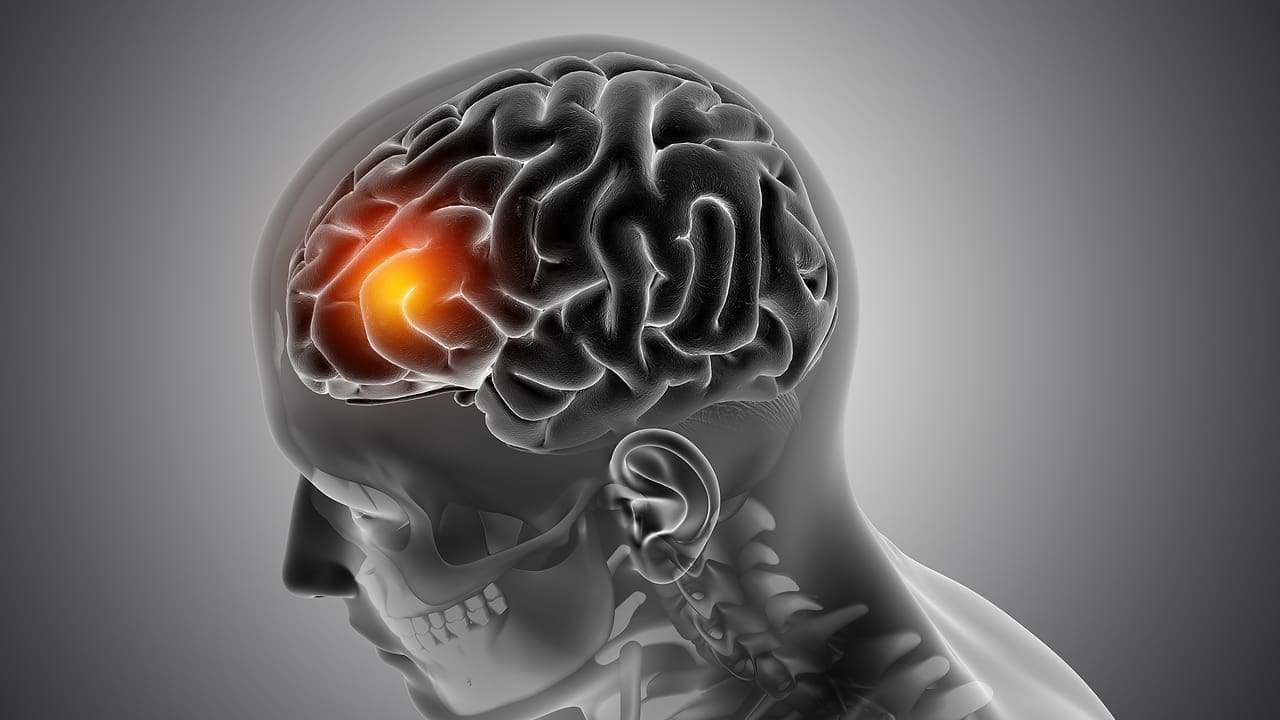
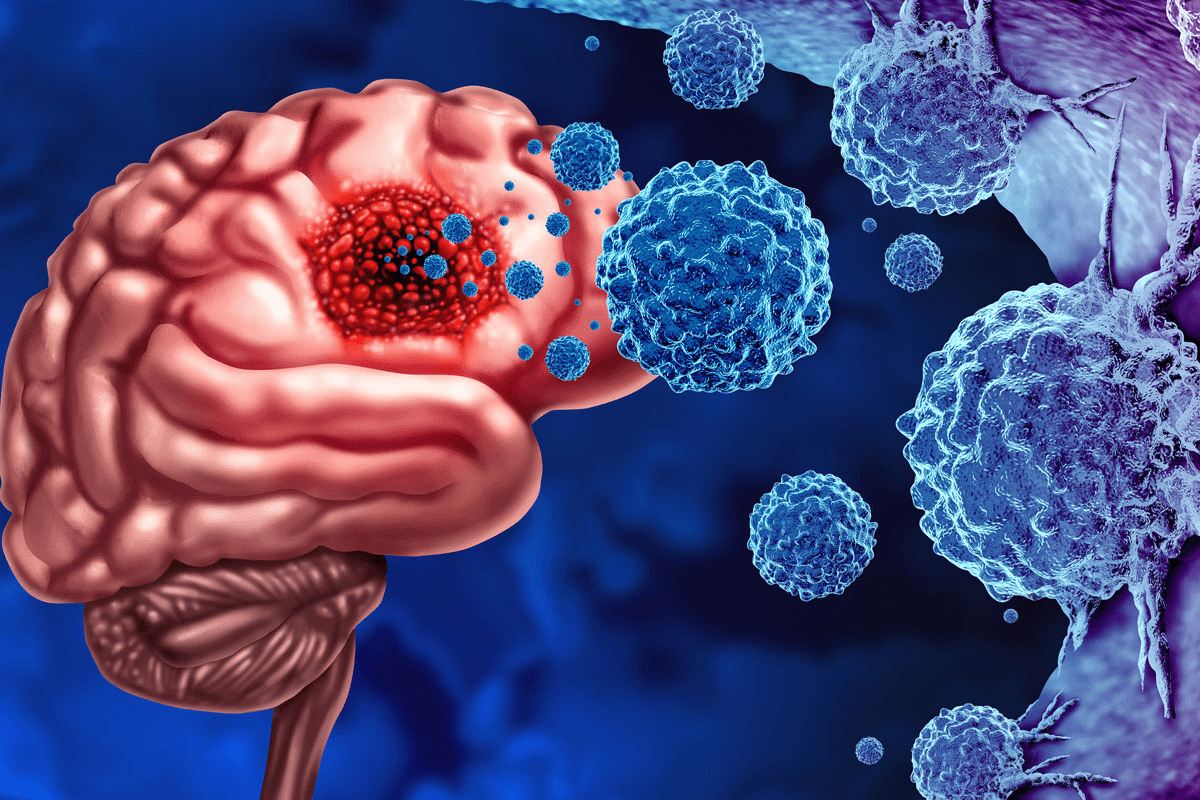
Knowing about brain cancer survival rates is key for patients and their families. At Liv Hospital, we offer top-notch healthcare for international patients. The chance of surviving brain cancer depends on age, tumor size, and type.
Recent numbers show that the 5-year net survival for all brain and central nervous system tumors is 22% in Canada. This gives a general idea, but survival rate brain cancer can change a lot. We’ll look at the main points that affect brain cancer survival statistics. This helps patients and their families make better choices about their care.
Key Takeaways
- Age, tumor size, and type greatly affect brain cancer survival rates.
- The overall 5-year net survival rate for brain and central nervous system tumors is a key statistic.
- Each person’s situation can make survival rate brain cancer different.
- Liv Hospital is committed to giving full care to international patients.
- Knowing brain cancer survival statistics helps in making smart choices.
The Current State of Brain Cancer Survival
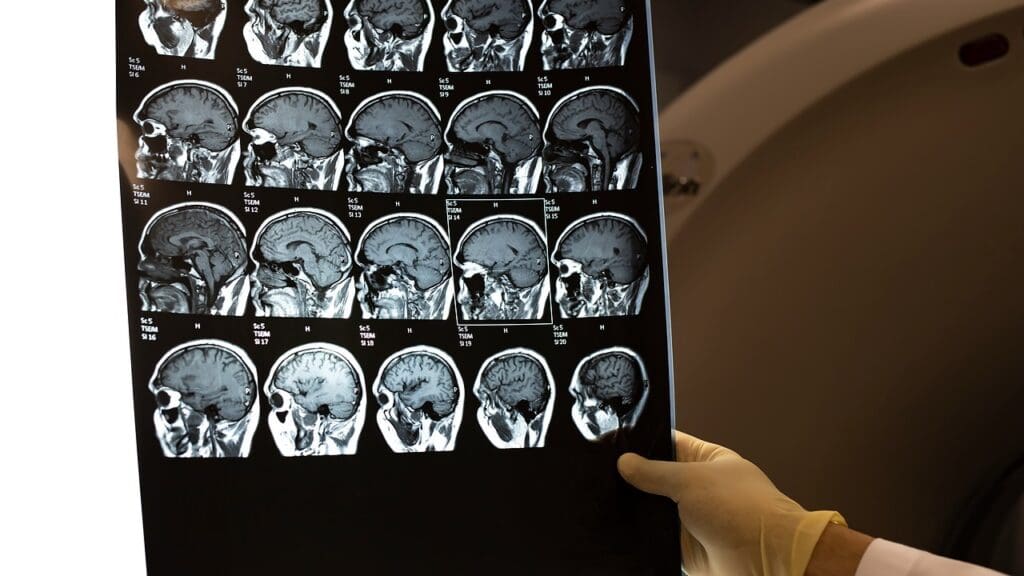
It’s important for patients and their families to know about brain cancer survival rates. These rates have improved over time. But, the overall outlook is a concern.
Overall 5-Year Survival Rate for Brain and Nervous System Cancers
The 5-year survival rate for brain and nervous system cancers is key. In the United States, this rate is about 33 percent. In Canada, it’s around 22% for all brain and central nervous system tumors. These numbers show survival rates vary by region.
How Survival Statistics Are Measured and Interpreted
Survival stats are based on patients living for a certain time after being diagnosed. The 5-year survival rate shows how many live at least 5 years after diagnosis. Many things affect these rates, like the cancer type, age, and treatment.
| Region | 5-Year Survival Rate |
|---|---|
| United States | 33% |
| Canada | 22% |
To understand these stats, we need to know the context and what affects them. We’ll look at these factors in more detail later.
Can You Survive Brain Cancer? Understanding the Odds
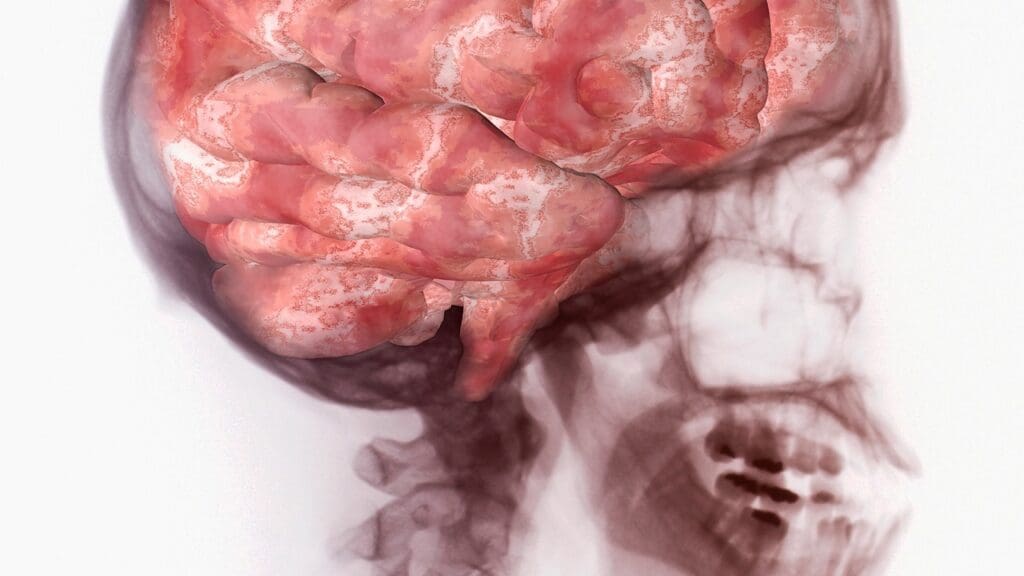
The odds of beating brain cancer depend on many things. It’s not just the type of tumor. Age, tumor size, and health also play big roles.
What Are the Chances of Surviving Brain Tumor?
Survival rates for brain tumors change based on the tumor type and grade. Recent statistics show that adults in the U.S. have a 36% 5-year survival rate for brain and nervous system cancers.
Factors That Influence Survival Chances
Many things can affect your chances of surviving brain cancer. These include:
- Age: Younger patients usually have better survival rates.
- Tumor Type and Grade: Some tumors, like glioblastoma, are harder to beat than others, like meningioma.
- Tumor Size and Location: Smaller tumors in easier-to-reach spots often lead to better outcomes.
Stories of Long-term Survivors
There are many stories of people who have survived brain cancer for a long time. These stories show how important early detection, good treatment, and a positive attitude are.
| Tumor Type | 5-Year Survival Rate |
|---|---|
| Glioblastoma | 6.8% |
| Meningioma | 91.8% |
| Pilocytic Astrocytoma | 93.9% |
Knowing the survival odds for brain cancer helps patients and their families make better choices. By looking at the factors that affect survival, patients can find the best treatment paths.
Fact #1: Age Significantly Impacts Brain Cancer Prognosis
Age plays a big role in how well someone can fight brain cancer. It’s not just a number; it’s a key factor in treatment success and survival.
Brain Tumor Elderly Survival Rate
Older adults face tougher challenges when it comes to brain tumors. The brain tumor elderly survival rate is much lower than for younger people. This is because older folks often have other health problems and aren’t as strong, making treatment harder.
Survival Differences Across Age Groups
People under 65 tend to do better with brain cancer. Survival rates change a lot with age. Younger patients usually do better because they’re healthier and can handle treatments better.
Why Age Matters in Treatment and Recovery
Age affects how well treatments work. Older adults might not be able to handle some treatments as well. Their health can be weakened by age-related issues. It’s important to understand this to create better treatment plans.
| Age Group | 5-Year Survival Rate | Treatment Tolerance |
|---|---|---|
| 0-19 years | 85% | High |
| 20-64 years | 65% | Moderate to High |
| 65+ years | 30% | Low to Moderate |
The table shows how age affects survival and treatment tolerance. It highlights the need for personalized care. Healthcare providers can improve outcomes by tailoring treatments to each patient’s needs.
Fact #2: Tumor Type Determines Brain Cancer Survival Statistics
The type of tumor greatly affects brain cancer survival rates. Different brain tumors have unique traits that impact survival. We’ll look at how glioblastoma and meningioma influence survival rates.
Glioblastoma: Understanding the Challenging Prognosis
Glioblastoma is the most aggressive and common primary brain tumor. It has a poor prognosis with a low survival rate. Its aggressive growth and treatment resistance make it hard to treat.
Researchers are working hard to improve glioblastoma treatment. They aim to enhance surgery, radiation, and chemotherapy. Yet, glioblastoma remains a deadly brain cancer.
Meningioma and Other More Treatable Types
Meningioma is a more treatable brain tumor compared to glioblastoma. Meningiomas are often benign and can be removed by surgery. Patients with meningioma usually have a better survival rate.
Other brain tumors, like acoustic neuromas and pituitary adenomas, have different prognoses. Knowing the tumor type is key to choosing the right treatment and predicting outcomes.
How Tumor Grade Affects Outcomes
The tumor grade is another important factor in patient outcomes. Tumors are graded from I to IV based on how much they resemble normal cells. Higher grades mean more aggressive tumors.
- Grade I tumors are benign and have a good prognosis.
- Grade II tumors are low-grade and slightly more aggressive.
- Grade III tumors are malignant and more likely to grow and come back.
- Grade IV tumors, like glioblastoma, are the most aggressive and have the worst prognosis.
Knowing the tumor type and grade is vital for effective treatment planning and predicting survival statistics.
Fact #3: How Deadly Is Brain Cancer Based on Tumor Size
The size of a brain tumor greatly affects survival rates and treatment plans. Knowing how tumor size impacts prognosis is key for both patients and doctors.
3 cm Brain Tumor Survival Rate
A 3 cm brain tumor is relatively small. Smaller tumors often have better outcomes because they’re easier to remove. They also cause less damage to the brain. The survival rate for a 3 cm tumor varies by tumor type and location, but it’s generally better than for larger tumors.
4 cm Brain Tumor Survival Rate
A 4 cm tumor is larger and presents more challenges. The survival rate for a 4 cm tumor depends on several factors, including tumor type and the patient’s health. A 4 cm tumor is considered moderate in size, and treatment outcomes can vary widely.
6 cm Brain Tumor Survival Rate
A 6 cm tumor is large and can significantly affect treatment plans and outcomes. Larger tumors are harder to treat because of their size and impact on the brain. The survival rate for a 6 cm tumor is generally lower than for smaller tumors.
Why Size Matters in Treatment Planning
Tumor size is key in planning the best treatment. Larger tumors may need more aggressive treatments like surgery, radiation, and chemotherapy. Knowing how tumor size affects survival helps doctors tailor treatments to each patient’s needs.
| Tumor Size | Typical Survival Rate | Treatment Complexity |
|---|---|---|
| 3 cm | Higher | Less complex |
| 4 cm | Moderate | Moderately complex |
| 6 cm | Lower | More complex |
Life expectancy with brain cancer varies a lot based on tumor size and other factors. It’s important to understand these dynamics to make informed treatment decisions.
Fact #4: Tumor Location and Its Impact on Brain Tumor Prognosis
The place where a tumor grows in the brain is very important. It affects how well a patient will do and what treatments they can get. We’ll look at how different spots in the brain change the outlook and treatment plans.
Critical vs. Accessible Brain Regions
Some parts of the brain are very important and hard to treat. Tumors near the brainstem or areas that control movement and speech are tough. But, tumors in easier-to-reach spots might have better surgery options. This could help patients live longer.
How Location Affects Treatment Options
Where a tumor is located affects what treatments are possible. Tumors in hard-to-reach spots might not get surgery. But, tumors in easier spots might get more surgery. This can change how well a patient does and their quality of life.
Tumors on the Brain Prognosis by Location
The place of a brain tumor matters a lot for its prognosis. For example, meningiomas near the brain’s surface usually do better than glioblastomas in deeper, critical areas. Knowing where and what kind of tumor a patient has is key to finding the best treatment and guessing their life expectancy.
In short, where a brain tumor is located is very important. It affects how well a patient will do and what treatments they can get. While some spots are harder to treat, new medical tech and treatments are helping more patients. It’s important for patients to talk to their doctors to understand their situation and options.
Fact #5: Is Brain Cancer Fatal? The Truth About Malignancy
Whether brain cancer is fatal depends on several factors. These include the type and how serious the tumor is. Not all brain tumors are fatal, but malignant ones often are. It’s important to know the difference between benign and malignant tumors to understand the prognosis.
Distinguishing Between Benign and Malignant Tumors
Benign brain tumors are usually not cancerous and less likely to be fatal. They grow slowly and don’t spread to other tissues. On the other hand, malignant brain tumors are cancerous, grow fast, and can spread to nearby brain tissue. The seriousness of a tumor greatly affects a patient’s survival chances.
Survival Rates for Different Malignancy Types
Survival rates change a lot based on the tumor’s seriousness. For example, patients with low-grade gliomas (less serious tumors) have better survival rates. Those with high-grade glioblastomas (very serious tumors) have lower survival rates. Below is a table showing survival rates for different brain tumors.
| Tumor Type | 5-Year Survival Rate |
|---|---|
| Low-grade glioma | 73.1% |
| Glioblastoma | 6.8% |
| Meningioma (benign) | 91.8% |
When Brain Tumors Are Not Fatal
When brain tumors are benign or have low seriousness, the outlook is better. Thanks to medical progress, more people are surviving brain tumors. Early detection and the right treatment can greatly improve survival chances.
Being told you have brain cancer is tough. But, many patients are beating the disease. Early detection and tailored care are key to survival.
Fact #6: Treatment Options and Their Effect on Life Expectancy with Brain Cancer
Treatment options are key in determining life expectancy with brain cancer. The choice of treatment depends on several factors. These include the tumor’s type, size, and location, as well as the patient’s health.
Surgery: Complete vs. Partial Resection Outcomes
Surgery is often the first step in treating brain cancer. The goal is to remove as much of the tumor as possible. Complete resection gives patients the best chance of long-term survival. On the other hand, partial resection can help manage symptoms and improve quality of life.
Studies show that patients who undergo complete resection tend to have better outcomes. This is compared to those who have partial resection.
Radiation Therapy Success Rates
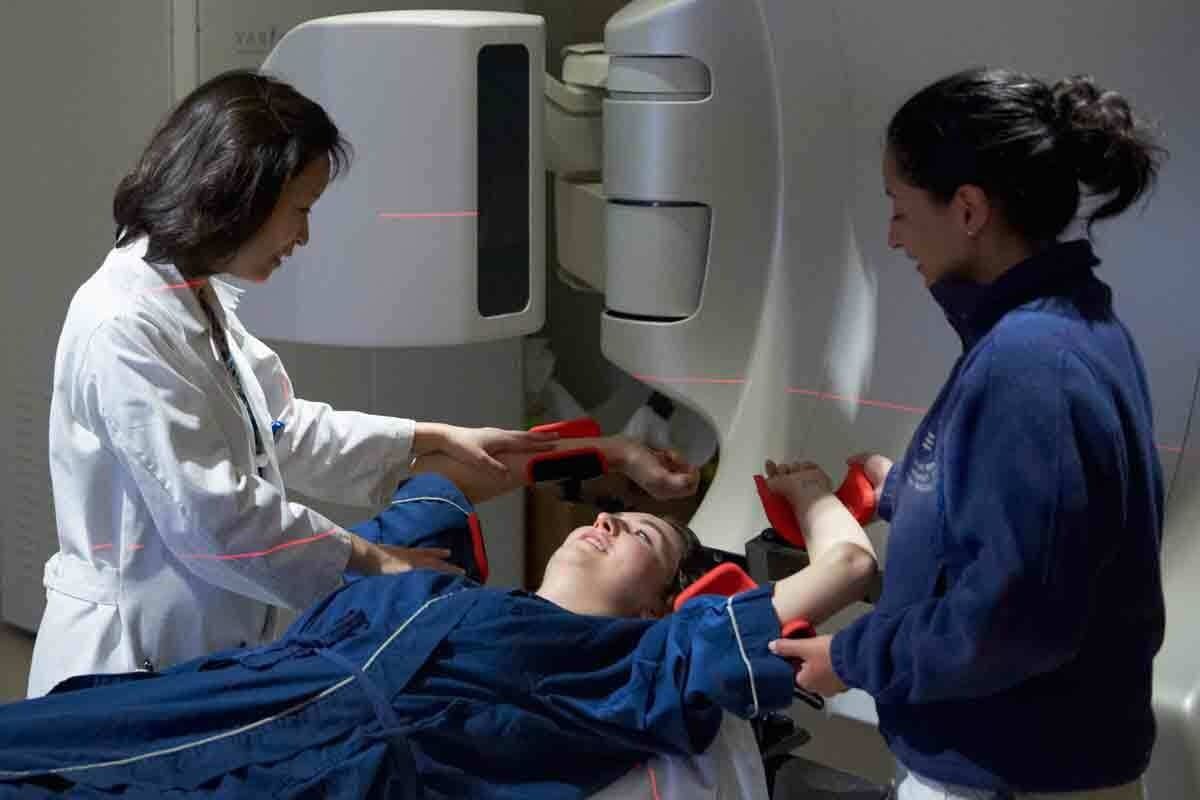
Radiation therapy is another common treatment for brain cancer. It uses high-energy beams to kill cancer cells. Success rates vary depending on the type and stage of cancer.
Radiation therapy can be used alone or with surgery and chemotherapy. Advances in this therapy have improved outcomes for brain cancer patients.
Chemotherapy and Targeted Treatments
Chemotherapy and targeted treatments are also used to treat brain cancer. Chemotherapy uses drugs to kill cancer cells. Targeted treatments focus on specific molecules involved in cancer growth.
These treatments can be used with surgery and radiation therapy to improve outcomes.
Emerging Therapies Changing the Landscape
Emerging therapies, such as immunotherapy and gene therapy, are being investigated in clinical trials. These innovative treatments offer new hope for brain cancer patients. Immunotherapy harnesses the power of the immune system to fight cancer. Gene therapy aims to repair or replace genes that contribute to cancer growth.
By understanding the various treatment options available, patients can make informed decisions about their care. Life expectancy with brain cancer is closely linked to the effectiveness of treatment. Ongoing research continues to improve outcomes for patients.
Fact #7: Brain Cancer Survival Statistics Over Time
Brain cancer survival rates have been getting better over time. This is thanks to new medical technology and better treatment plans. These changes come from hard work in research, finding tumors early, and trying new treatments.
Historical Trends in Survival Rates
Brain cancer used to be a big worry because of how fast tumors grow. But, in the last few decades, survival rates have gone up. This is seen in the data from many years of tracking and studying.
Recent Improvements in Treatment Outcomes
New treatments like surgery, radiation, and chemo have made a big difference. Targeted therapies and immunotherapies are also showing great promise. Our doctors are using these new methods to help patients live longer.
What the Future Holds for Brain Cancer Patients
The outlook for brain cancer patients is looking up. Scientists are studying brain tumors to find even better treatments. Some of the main areas of research include:
- Personalized medicine that fits each patient’s needs
- New, less invasive surgery methods
- Drugs that target specific tumor traits
As research keeps moving forward, we expect to see even better survival rates. This brings hope to patients and their families.
Conclusion: Making Sense of Brain Cancer Survival Data
Understanding brain cancer survival data is key for patients and their families. We’ve looked at how age, tumor type, and size affect survival rates. Knowing these details helps patients make better treatment choices.
Brain cancer’s prognosis varies a lot. For example, glioblastoma is tough to beat, but meningioma and other types have better chances. The tumor’s location and the patient’s health also matter a lot.
Treatment options like surgery, radiation, and chemotherapy are very important. New treatments are giving patients hope. By knowing about brain tumor survival rates, patients can handle their diagnosis and treatment better.
As we move forward in oncology, staying updated on brain cancer treatment is vital. We aim to offer top-notch healthcare to international patients seeking advanced treatments.
FAQ
What is the overall 5-year survival rate for brain and nervous system cancers?
The 5-year survival rate for brain and nervous system cancers varies. It depends on age, tumor type, and size. Survival rates have improved, but there’s more work to do.
How do tumor type and grade affect brain cancer survival statistics?
Tumor type and grade greatly affect survival rates. For instance, glioblastoma is tough to beat, but meningioma and other types have better chances. Higher-grade tumors have worse survival rates.
What is the impact of age on brain cancer prognosis?
Age is a big factor in brain cancer survival. Older adults face tougher challenges. This is why age is important in treatment and recovery.
How does tumor size affect brain cancer survival rates?
Tumor size is key in survival rates. Smaller tumors tend to have better outcomes. Larger tumors face tougher challenges. Size is critical in planning treatment.
What is the difference between benign and malignant brain tumors?
Knowing the difference between benign and malignant tumors is vital. Benign tumors are usually non-cancerous and have better survival rates. Malignant tumors are cancerous and have poorer outcomes.
How does tumor location impact brain tumor prognosis?
Tumor location greatly affects prognosis. Tumors in critical areas have poorer outcomes. Location impacts treatment options and outcomes.
What are the treatment options for brain cancer, and how do they affect life expectancy?
Treatments for brain cancer include surgery, radiation, chemotherapy, and new therapies. The chosen treatment affects life expectancy. Each treatment has its success rates.
Are brain tumors fatal, and what are the chances of surviving brain cancer?
Brain tumors can be fatal, but survival chances depend on several factors. Age, tumor type, size, and location all play a role. There are stories of long-term survivors.
What are the recent improvements in brain cancer treatment outcomes?
Recent years have seen improvements in brain cancer treatment. Advances in surgery, radiation, and chemotherapy have helped. New therapies offer hope for patients.
What does the future hold for brain cancer patients?
The future looks promising for brain cancer patients. Ongoing research and new treatments offer hope. We’re committed to providing top-notch care for international patients.
FAQ
What is the overall 5-year survival rate for brain and nervous system cancers?
The 5-year survival rate for brain and nervous system cancers varies. It depends on age, tumor type, and size. Survival rates have improved, but there’s more work to do.
How do tumor type and grade affect brain cancer survival statistics?
Tumor type and grade greatly affect survival rates. For instance, glioblastoma is tough to beat, but meningioma and other types have better chances. Higher-grade tumors have worse survival rates.
What is the impact of age on brain cancer prognosis?
Age is a big factor in brain cancer survival. Older adults face tougher challenges. This is why age is important in treatment and recovery.
How does tumor size affect brain cancer survival rates?
Tumor size is key in survival rates. Smaller tumors tend to have better outcomes. Larger tumors face tougher challenges. Size is critical in planning treatment.
What is the difference between benign and malignant brain tumors?
Knowing the difference between benign and malignant tumors is vital. Benign tumors are usually non-cancerous and have better survival rates. Malignant tumors are cancerous and have poorer outcomes.
How does tumor location impact brain tumor prognosis?
Tumor location greatly affects prognosis. Tumors in critical areas have poorer outcomes. Location impacts treatment options and outcomes.
What are the treatment options for brain cancer, and how do they affect life expectancy?
Treatments for brain cancer include surgery, radiation, chemotherapy, and new therapies. The chosen treatment affects life expectancy. Each treatment has its success rates.
Are brain tumors fatal, and what are the chances of surviving brain cancer?
Brain tumors can be fatal, but survival chances depend on several factors. Age, tumor type, size, and location all play a role. There are stories of long-term survivors.
What are the recent improvements in brain cancer treatment outcomes?
Recent years have seen improvements in brain cancer treatment. Advances in surgery, radiation, and chemotherapy have helped. New therapies offer hope for patients.
What does the future hold for brain cancer patients?
The future looks promising for brain cancer patients. Ongoing research and new treatments offer hope. We’re committed to providing top-notch care for international patients.
References
- American Cancer Society (Cancer Facts & Figures 2025 PDF) : https://www.cancer.org/content/dam/cancer-org/research/cancer-facts-and-statistics/annual-cancer-facts-and-figures/2025/2025-cancer-facts-and-figures-acs.pdf
- SEER Cancer Statistics (Brain and Other Nervous System) : https://seer.cancer.gov/statfacts/html/brain.html
- ACS Journals Online Library : https://acsjournals.onlinelibrary.wiley.com/doi/10.3322/caac.21871
- National Brain Tumor Society (Brain Tumor Facts) : https://braintumor.org/brain-tumors/about-brain-tumors/brain-tumor-facts
- PubMed/NCBI : https://pubmed.ncbi.nlm.nih.gov/40410639