Brain Disorders: Types, Causes, Symptoms, and Treatment Options
Brain disorders encompass a wide spectrum of conditions that can profoundly impact an individual’s physical, cognitive, and emotional health. These disorders may arise from various causes, including genetic factors, infections, traumatic injuries, vascular problems, or degenerative changes in brain tissue. Some brain disorders are present from birth, while others develop later in life as a result of aging, lifestyle habits, or exposure to environmental toxins.
The effects of brain disorders can vary widely depending on the specific condition and the areas of the brain involved. They may lead to difficulties with movement, speech, memory, behavior, or mood, significantly affecting daily life and overall well-being. Conditions such as stroke, epilepsy, Alzheimer’s disease, Parkinson’s disease, multiple sclerosis, and brain tumors represent some of the most common and serious brain-related illnesses seen worldwide.
Early diagnosis and appropriate treatment are essential to managing symptoms and improving quality of life. Modern medicine offers a range of diagnostic tools, including MRI and CT scans, electroencephalograms (EEG), and genetic testing, which help specialists identify the root cause of neurological problems. Treatment may include medications, physical or occupational therapy, surgical interventions, or lifestyle modifications, depending on the condition and its severity.
Below, you will find a detailed overview of the common causes, types, symptoms, and treatment options for brain disorders, along with insights into prevention and the importance of early medical evaluation for maintaining long-term neurological health.
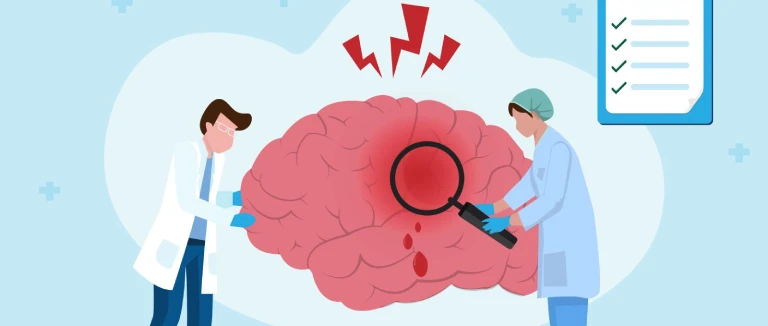
What are Brain Disorders?
Brain disorders are conditions that interfere with the normal functioning of the brain. They can result from a variety of factors, including genetics, trauma, infections, or lifestyle choices. These disorders come in many forms, such as brain injuries, brain tumors, neurodegenerative diseases, mental health conditions, developmental disorders, genetic disorders, and infectious diseases affecting the brain.
Types of Brain Disorders
As mentioned above, there are different types of brain disorders based on their underlying causes and symptoms. The major types include:
Brain Injuries: Brain injuries result from trauma, causing damage to brain tissue, neurons, and nerves. Known examples can be listed as hematomas, blood clots, contusions (bruising), cerebral edema (swelling), concussions, and strokes. Symptoms for these diseases can vary but mostly include vomiting, speech difficulties, numbness, headaches, memory loss, and problems with concentration.
Brain Tumors: Brain tumors can be primary (originating in the brain) or secondary (spreading from other parts of the body). And there are two kinds of tumors; malignant (cancerous) or bening (noncancerous). Common symptoms for brain tumors are headaches, seizures, numbness, nausea, changes in personality, and difficulties with movement, speech, or vision.
Neurodegenerative Diseases: These type of diseases can cause your brain and nerves to deteriorate over time. They can change your personality and cause confusion.Examples for this type are Alzheimer’s disease, Parkinson’s disease, Huntington’s disease, ALS, and various forms of dementia. Symptoms may include memory loss, mood changes, anxiety, agitation, and a loss of inhibition.
Causes of Brain Disorders
Brain disorders can arise from a variety of factors, including genetics, trauma, infections, neurodegeneration, autoimmune conditions, and environmental influences. Because the underlying cause can be complex, it is important to consult a healthcare professional for an accurate diagnosis and appropriate guidance.
Symptoms of Brain Disorders
Symptoms of brain disorders can differ greatly depending on the specific condition. They often present as changes in behavior, cognition, mood, motor skills, or sensory perception. Common symptoms include headaches, seizures, memory loss, speech difficulties, mood swings, and challenges with movement or coordination.
Diagnosing and Treating Brain Disorders
Diagnosing brain disorders requires a comprehensive approach, including a review of medical history, physical and neurological exams, and imaging studies such as CT scans, MRI, or PET scans. Treatment options vary based on the specific disorder, its severity, and the individual’s overall health. These may include medication, therapy, lifestyle changes, and, in some cases, surgery. Early diagnosis and intervention are essential for effective management and better outcomes.
* Liv Hospital Editorial Board has contributed to the publication of this content .
* Contents of this page is for informational purposes only. Please consult your doctor for diagnosis and treatment. The content of this page does not include information on medicinal health care at Liv Hospital .
For more information about our academic and training initiatives, visit Liv Hospital Academy
Frequently Asked Questions
What causes brain disorders?
Brain disorders can develop from genetics, head injuries, infections, autoimmune reactions, poor circulation, or exposure to toxins and harmful substances.
What are the most common brain disorders?
Common disorders include stroke, epilepsy, Alzheimer’s disease, Parkinson’s disease, multiple sclerosis, and brain tumors.
What are early warning signs of a brain disorder?
Early signs may include persistent headaches, confusion, memory loss, seizures, speech problems, mood swings, and difficulty with movement or coordination.
How are brain disorders diagnosed?
Diagnosis involves neurological exams, imaging tests such as MRI or CT scans, EEG, and sometimes blood or genetic testing to identify the root cause.
Can brain disorders be cured?
Some conditions, like infections or mild injuries, can be treated fully, while chronic or degenerative disorders may require long-term management.
How can I reduce the risk of brain disorders?
Maintaining a healthy lifestyle, eating nutritious foods, staying mentally active, managing blood pressure, and wearing head protection can reduce risk.
Why choose Liv Hospital for brain disorder treatment?
Liv Hospital in Turkey offers advanced neurological diagnostics, expert multidisciplinary care, and personalized treatment plans for all types of brain disorders.