Last Updated on November 27, 2025 by Bilal Hasdemir

Are you worried about strange symptoms or sudden changes in how you think or move? At Liv Hospital, we know how vital it is to spot brain lesions early. A brain lesion is damaged brain tissue, caused by injury, disease, infection, or birth defects.
We aim to offer top-notch healthcare, fully supporting our international patients. Our focus on you helps you grasp what brain lesion symptoms mean. We believe knowing them early can greatly improve your health.
Key Takeaways
- Understanding brain lesions is key for early diagnosis and treatment.
- Brain lesions can stem from many causes, like injury and disease.
- Spotting symptoms early can greatly improve patient outcomes.
- Liv Hospital is committed to providing quality care for brain lesion patients.
- Our international standards ensure full support for all patients.
Understanding Brain Lesions
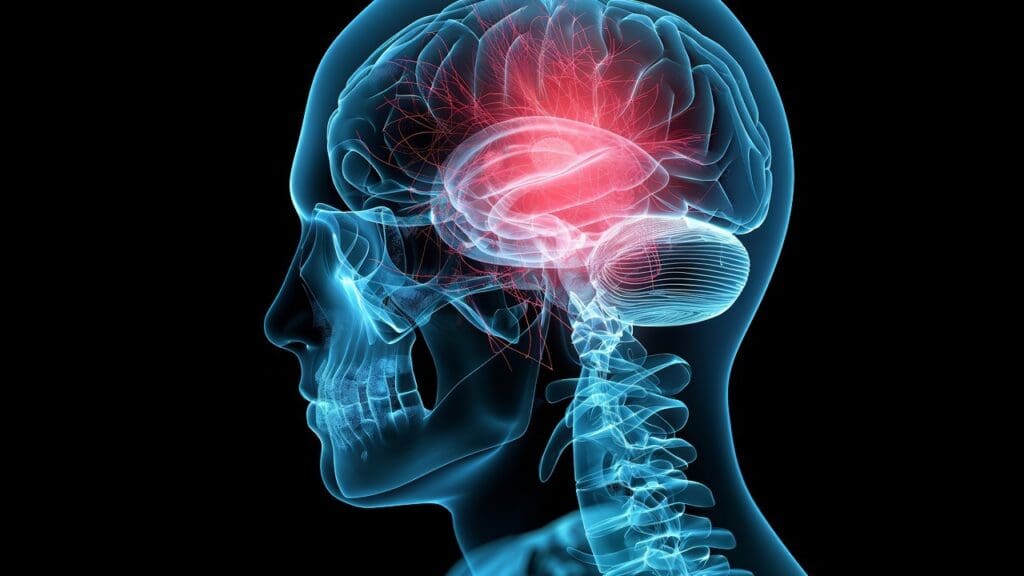
It’s important to understand brain lesions to diagnose and treat neurological symptoms. Brain lesions are damage or disease in brain tissue. They can come from many different causes.
What Is a Brain Lesion?
A brain lesion is an abnormal area in the brain. It can be caused by injury, infection, or disease. These lesions can be harmless or serious and affect brain function differently.
Malformations of cortical development are rare disorders that can cause brain lesions. This shows how complex the causes can be.
Common Causes of Brain Lesions
Brain lesions can be caused by many things. Traumatic brain injuries, infections, and diseases like Alzheimer’s disease are common causes. Other causes include stroke, tumors, and vascular malformations.
Each cause can lead to different types of lesions. These lesions can affect brain function in various ways.
How Brain Lesions Affect Neural Function
The effect of a brain lesion on neural function depends on its location, size, and cause. Lesions can disrupt brain activity, causing neurological symptoms. For example, lesions in motor control areas can cause muscle weakness or paralysis.
Lesions in cognitive areas can lead to memory and cognitive impairment.
The Impact of Brain Lesion Location
Knowing where brain lesions are is key for the right diagnosis and treatment. The brain’s complex layout means different lesions can cause many symptoms. We’ll look at how lesions in different brain areas affect patients.
Frontal Lobe Lesions
Lesions in the frontal lobe can change a person’s personality, behavior, and how they move. They might struggle with making decisions, planning, and solving problems. These lesions can also affect how someone feels and acts socially.
Temporal Lobe Lesions
The temporal lobe is important for hearing and memory. Lesions here can cause hearing hallucinations, memory loss, and trouble understanding language.
Parietal Lobe Lesions
Parietal lobe lesions can mess with how we sense things and understand space. People might find it hard to navigate, sense their body, and see things clearly. In some cases, they might ignore one side of their body or the world around them.
Occipital Lobe Lesions
Lesions in the occipital lobe mainly affect vision. Patients might see things that aren’t there, have blind spots, or struggle with seeing things clearly. How bad these symptoms are depends on the size and location of the lesion.
Cerebellum and Brain Stem Lesions
Lesions in the cerebellum and brain stem can really mess with how we move and keep our body working. People might have trouble with balance, speaking clearly, and moving smoothly. Lesions in the brain stem can be very serious because they affect important functions like breathing and heart rate.
| Brain Region | Common Symptoms of Lesions |
|---|---|
| Frontal Lobe | Personality changes, motor dysfunction, decision-making difficulties |
| Temporal Lobe | Auditory hallucinations, memory impairments, language comprehension issues |
| Parietal Lobe | Sensory processing issues, spatial awareness difficulties, hemineglect |
| Occipital Lobe | Visual field defects, visual hallucinations, visual processing difficulties |
| Cerebellum and Brain Stem | Ataxia, dysarthria, coordination and balance issues, vital function disturbances |
The location of brain lesions is very important for understanding symptoms and outcomes. Getting the right diagnosis and treatment is key to managing these effects well.
12 Common Brain Lesion Symptoms and Their Significance
Brain lesions can show up in many ways, each hinting at the lesion’s location and type. Spotting these signs early is key for quick medical help and better care.
1. Persistent Headaches
Headaches that won’t go away are a sign of brain lesions. They happen when there’s too much pressure inside the skull. These headaches can get worse if not treated.
2. Seizures and Convulsions
Seizures happen when a brain lesion messes with the brain’s electrical signals. The kind and how bad the seizures are depend on where the lesion is.
3. Changes in Mood and Behavior
Lesions can mess with parts of the brain that control feelings and actions. This can lead to mood swings or big changes in behavior. How noticeable these changes are depends on the lesion’s size and where it is.
4. Muscle Weakness or Paralysis
Lesions in the brain’s motor areas can cause muscles to weaken or even stop working. How much weakness or paralysis there is depends on the lesion’s location and the affected nerves.
5. Vision Problems
Problems with vision, like blurry or double vision, can happen if a lesion affects the brain’s visual paths or the occipital lobe.
6. Speech and Language Difficulties
Lesions in areas of the brain that handle language can cause trouble speaking or understanding language. This can include aphasia.
7. Memory and Cognitive Impairment
Lesions in the brain, like those in the temporal lobe, can mess with memory and thinking skills. This is because these areas are key for processing memories.
8. Balance and Coordination Issues
Problems with balance and coordination can happen if a lesion affects the cerebellum or its connections. This makes everyday tasks hard to do.
9. Sensory Changes
Sensory changes, like numbness or tingling, can occur if a lesion impacts the brain’s sensory pathways. The specific change depends on the lesion’s location.
10. Fatigue and Weakness
Feeling tired all the time or being weak is common in people with brain lesions. This might be because the body is reacting to the lesion or because of increased pressure inside the skull.
11. Nausea and Vomiting
Nausea and vomiting can be signs of increased pressure inside the skull due to a brain lesion. These symptoms are serious and need attention if they don’t go away or get worse.
12. Changes in Consciousness
In severe cases, brain lesions can cause changes in how aware someone is. This can range from feeling confused to being in a coma, depending on the size and location of the lesion.
The table below lists the 12 common symptoms of brain lesions and what they might mean:
| Symptom | Significance |
|---|---|
| Persistent Headaches | Increased intracranial pressure |
| Seizures and Convulsions | Disruption of normal electrical activity |
| Changes in Mood and Behavior | Affect on emotional regulation areas |
| Muscle Weakness or Paralysis | Lesion in motor areas |
| Vision Problems | Affect on visual pathways or occipital lobe |
| Speech and Language Difficulties | Lesion in language processing areas |
| Memory and Cognitive Impairment | Lesion in temporal lobe or memory processing areas |
| Balance and Coordination Issues | Affect on cerebellum or its connections |
| Sensory Changes | Lesion affecting sensory pathways |
| Fatigue and Weakness | Body’s response to lesion or increased intracranial pressure |
| Nausea and Vomiting | Increased intracranial pressure |
| Changes in Consciousness | Severe lesion affecting consciousness centers |
When Brain Lesion Symptoms Require Immediate Medical Attention
It’s key to spot serious brain lesion signs early for quick medical help. Brain lesions can show different symptoms, some needing urgent care.
Warning Signs of Serious Complications
Some symptoms mean serious trouble from brain lesions. Look out for severe headaches, vomiting, and changes in how you think or feel. Being alert to these signs is vital for quick medical help.
Emergency Symptoms Not to Ignore
Some symptoms are very serious and need fast action. These include:
- Severe headache or sudden confusion
- Weakness or numbness in parts of the body
- Difficulty speaking or understanding speech
- Vision changes, including double vision or loss of vision
- Seizures or convulsions
Traumatic brain injuries can get worse fast if not treated right away. Here’s a table of emergency symptoms and what they might mean:
| Emergency Symptom | Potential Implication |
|---|---|
| Severe Headache | Increased intracranial pressure |
| Weakness or Numbness | Motor function impairment |
| Speech Difficulties | Damage to language centers |
Seek medical help right away if you see any of these emergency symptoms. Quick action can make a big difference for people with brain lesions.
Diagnosing Brain Lesions
Diagnosing brain lesions needs a mix of tools and techniques. We use clinical checks, neuroimaging, and lab tests to find and manage brain lesions.
Initial Assessment and Physical Examination
The first step is a detailed medical history and physical check. We look at brain function, thinking, movement, and senses. This helps spot any signs of a brain lesion.
Neuroimaging Techniques
Neuroimaging is key in finding brain lesions. We use different imaging methods to see the brain and find lesions.
MRI Scans
Magnetic Resonance Imaging (MRI) is great for spotting brain lesions. It gives clear pictures of the brain, showing where, how big, and what kind of lesions are there.
CT Scans
Computed Tomography (CT) scans are also vital. They’re fast and give clear images of the brain, perfect for urgent cases.
PET Scans
Positron Emission Tomography (PET) scans show how the brain works and what it’s doing. They help tell apart different kinds of brain lesions and see how active they are.
Laboratory Tests and Procedures
We also do lab tests to help diagnose. These include blood tests, cerebrospinal fluid analysis, and more. They help find the cause of brain lesions.
| Diagnostic Tool | Description | Primary Use |
|---|---|---|
| MRI | Magnetic Resonance Imaging | Detailed imaging of brain structures |
| CT Scan | Computed Tomography | Quick imaging in emergencies |
| PET Scan | Positron Emission Tomography | Assessing brain function and metabolism |
Types of Brain Lesions and Their Specific Symptoms
It’s important to know about the different brain lesions to diagnose and treat them well. Lesions can come from tumors, stroke, injuries, infections, or vascular malformations. Each one has its own symptoms, affecting treatment and patient care.
Tumors (Benign and Malignant)
Brain tumors can cause headaches, seizures, and changes in thinking. A tumor in the frontal lobe might affect movement or personality. A tumor in the temporal lobe can mess with memory and language.
Stroke-Related Lesions
Lesions from stroke happen when blood flow to the brain stops. This can lead to weakness, trouble speaking, and vision changes. The symptoms depend on where and how much of the brain is affected.
Traumatic Brain Injuries
Traumatic brain injuries (TBI) happen when the brain gets hurt from outside forces. Symptoms can be mild, like headaches, or severe, like long-term unconsciousness. The symptoms vary based on the injury’s type and location.
Infectious Lesions
Infectious brain lesions are caused by germs like bacteria or viruses. Symptoms include fever, headache, confusion, and seizures. The symptoms and how severe they are depend on the infection and where in the brain it is.
Multiple Sclerosis Plaques
Multiple sclerosis (MS) causes plaques in the brain. Symptoms can be vision problems, muscle weakness, balance issues, and thinking difficulties. The symptoms vary because MS can affect different parts of the brain in different ways.
Vascular Malformations
Vascular malformations, like arteriovenous malformations (AVMs), can cause seizures, headaches, and other neurological problems. They can also bleed, which is a big concern.
| Type of Lesion | Common Symptoms |
|---|---|
| Tumors | Headaches, seizures, cognitive changes |
| Stroke-Related | Weakness, numbness, speech difficulties |
| Traumatic Brain Injuries | Headaches, dizziness, cognitive impairment |
| Infectious Lesions | Fever, headache, confusion, seizures |
| Multiple Sclerosis Plaques | Vision problems, muscle weakness, balance issues |
| Vascular Malformations | Seizures, headaches, neurological deficits |
Brain lesions and their symptoms are complex and varied. Knowing these differences helps doctors give the right treatment. By understanding each type of lesion, doctors can tailor care to meet each patient’s needs.
Treatment Approaches for Brain Lesions
When treating brain lesions, a personalized plan is key for the best results. The treatment depends on the cause, location, and size of the lesion.
Medication Options
For some, medication is the main treatment. This can include steroids to reduce swelling, drugs to stop seizures, or chemotherapy for tumors.
Surgical Interventions
Surgery is often needed for serious symptoms or life-threatening lesions. The goal is to remove or shrink the lesion to ease pressure.
Radiation Therapy
Radiation therapy is used for hard-to-reach lesions or when surgery isn’t an option. It uses beams to shrink the lesion.
Rehabilitation Strategies
Rehabilitation is vital after treatment. It includes physical, occupational, and speech therapy to help with cognitive and functional issues.
Emerging Treatments and Clinical Trials
The field of brain lesion treatment is always growing. New therapies and technologies are being researched. Patients might join clinical trials for innovative treatments.
Healthcare providers use a variety of treatments to offer personalized care. This approach improves outcomes and quality of life for patients.
Advanced Care for Brain Lesions at Specialized Centers
At specialized centers, patients with brain lesions get care that meets international standards. We create a detailed treatment plan for each patient’s unique needs.
Multidisciplinary Approach to Treatment
Our team includes neurosurgeons, neurologists, radiologists, and rehabilitation specialists. They work together to make a treatment plan just for you. This multidisciplinary approach considers all parts of your condition for better care.
International Standards and Protocols
We follow internationally recognized protocols for treating brain lesions. This ensures our patients get the highest quality care. Our commitment to these standards means you can trust your treatment.
Patient-Centered Care and Support Services
At Liv Hospital, we know brain lesion treatment is tough for patients and their families. That’s why we offer patient-centered care and support services. These help you through the treatment process.
Conclusion
It’s important to know the signs of brain lesions early. These signs can change based on where and what kind of lesion it is. Finding and treating brain lesions quickly can really help patients.
At Liv Hospital, we focus on top-notch care for brain lesion patients. Our team of experts works together to create treatment plans that fit each patient. We use the latest in neuroimaging and lab tests to find and treat brain lesions accurately.
Knowing the symptoms of brain lesions and getting help fast is key. If you’re worried or see any signs, talk to our specialists. We’re here to support you every step of the way, from the first visit to ongoing care.
FAQ
What is a brain lesion?
A brain lesion is damaged brain tissue. It can happen from injury, infection, or disease. We use advanced imaging to find and treat these lesions.
What are the common symptoms of brain lesions?
Symptoms include headaches, seizures, mood changes, and muscle weakness. You might also have vision problems, speech issues, and memory loss. Balance and coordination problems, fatigue, and nausea are also common. We help manage these symptoms.
How are brain lesions diagnosed?
We diagnose brain lesions with a physical exam and imaging like MRI or CT scans. Lab tests also play a role. Our team works together to find the right diagnosis and treatment.
What are the treatment options for brain lesions?
Treatment depends on the cause. It might include medication, surgery, radiation, or rehabilitation. We tailor care to meet each patient’s needs.
Can brain lesions be treated at specialized centers like Liv Hospital?
Yes, places like Liv Hospital offer advanced care for brain lesions. We use a team approach and follow international standards. We also support patients and their families.
What are the warning signs of serious complications from brain lesions?
Look out for severe headaches, confusion, and trouble speaking. Also, watch for weakness, vision changes, and changes in consciousness. If you see these signs, get medical help right away.
How do brain lesions affect neural function?
Lesions can damage brain tissue, causing cognitive, emotional, and physical symptoms. We aim to understand the impact and develop a treatment plan.
What are the different types of brain lesions?
Lesions can be tumors, stroke-related, from injury, infection, or diseases like multiple sclerosis. We diagnose and treat all types.
References
- WebMD (Brain Lesions: Causes, Symptoms, Treatments) : https://www.webmd.com/brain/brain-lesions-causes-symptoms-treatments
- https://www.google.com/search?q=Scan.com (What Do Lesions on a Brain MRI Mean?) : https://uk.scan.com/health-hub/what-do-lesions-on-a-brain-mri-mean
- eMedicineHealth (Brain Lesions) : https://www.emedicinehealth.com/brain_lesions_lesions_on_the_brain/article_em.htm
- Main Line Health (Brain Lesion) : https://www.mainlinehealth.org/conditions-and-treatments/conditions/brain-lesion
- National Brain Tumor Society (Signs and Symptoms) : https://braintumor.org/brain-tumors/diagnosis-treatment/signs-symptoms