
What are the key brain metastases symptoms? Learn the warning signs that indicate cancer may have spread to the brain.
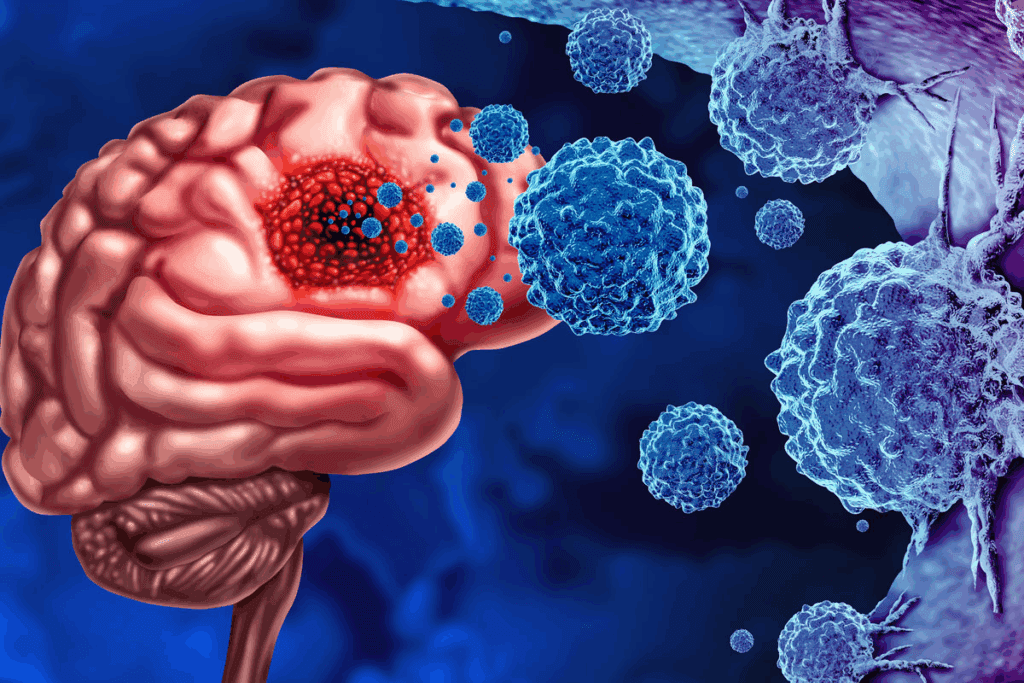
When cancer spreads, the brain becomes a critical concern for many patients. At Liv Hospital, we understand the importance of early detection and compassionate care. Brain metastases happen when cancer cells from other parts of the body travel to the brain, forming secondary tumors.
The most common cancers that spread to the brain include lung, breast, melanoma, and colon cancer. Recognizing the signs and symptoms early is critical for timely medical intervention. We combine international medical excellence with patient-focused care to detect and treat brain metastases early.
Key Takeaways
- Approximately 150,000 to 200,000 people are diagnosed with brain metastases annually in the United States.
- Any cancer can spread to the brain, but lung, breast, colon, kidney, and melanoma are the most common types.
- Early detection of brain metastases is critical for effective treatment.
- Recognizing the signs and symptoms early can be lifesaving.
- Liv Hospital provides compassionate care for patients with brain metastases.
Understanding Brain Metastases
It’s important for patients and their families to understand brain metastases. This is when cancer cells spread from their original place to the brain. Brain metastases are secondary tumors in the brain caused by cancer cells from other parts of the body.
Definition and Development Process
Brain metastases happen when cancer cells break away and travel to the brain. They go through the bloodstream or lymphatic system. This journey involves several steps, like invasion, circulation, and settling in the brain tissue.
Studies show that about one-third of cancer patients will get brain metastases. As cancer cells adapt to the brain, they can cause various neurological symptoms.
Difference Between Primary Brain Tumors and Metastases
It’s key to know the difference between primary brain tumors and metastases. Primary brain tumors start in the brain. Metastases, on the other hand, are secondary tumors from cancer cells spreading from other parts of the body.
- Primary Brain Tumors: Start in the brain, like gliomas and meningiomas.
- Brain Metastases: Come from cancer cells spreading from places like the lung, breast, or skin (melanoma).
How Cancer Cells Travel to the Brain
Cancer cells can reach the brain through the bloodstream or lymphatic system. The journey includes several steps:
- Cancer cells break away from the primary tumor.
- They enter the bloodstream or lymphatic system.
- They travel through the circulatory system until they reach the brain.
- They colonize the brain tissue, forming metastases.
Knowing how cancer cells get to the brain is vital for finding effective treatments. Research is ongoing to better understand metastasis and improve patient care.
Prevalence and Risk Factors

It’s important to know about brain metastases to catch them early. They are a big worry in cancer care, hitting many patients each year.
We’ll look at how often they are found in the U.S., who is more at risk, and why. This info helps doctors and patients a lot.
Annual Diagnosis Rates in the United States
About 150,000 to 200,000 people in the U.S. get brain metastases each year. This shows how big of a problem it is.
A study found that more people are getting brain metastases. This is because cancer treatments are getting better, helping people live longer.
“The increasing incidence of brain metastases presents a growing challenge for oncologists and neurologists alike.”
Age-Related Risk Factors
After 45, the chance of getting brain metastases goes up a lot. It gets even higher after 65. This makes it key to watch older adults closely.
Older people are more likely to get brain metastases. This is because they have more genetic changes and their immune system gets weaker with age.
| Age Group | Risk Level | Annual Incidence |
| 0-44 | Low | 5,000-10,000 |
| 45-64 | Moderate | 40,000-60,000 |
| 65+ | High | 100,000-150,000 |
Patient Groups at Higher Risk
Some groups face a higher risk of brain metastases. These include people with a history of cancer, like lung, breast, or melanoma.
Key risk factors include the type of cancer, how advanced it is, and if there are other metastases. Knowing these helps spot and manage brain metastases early.
For example, lung cancer patients are at a very high risk. Some studies say up to 40% might get brain metastases. It’s vital to catch them early and plan treatment well.
Common Primary Cancers That Spread to the Brain
The brain is a common site for metastasis from various primary cancers. Some types are more aggressive than others. It’s important to know which cancers often spread to the brain for effective management and treatment.
Lung Cancer
Lung cancer is notorious for spreading to the brain, with about 50% of patients developing brain metastases. The lungs’ proximity to the brain and lung cancer’s aggressive nature contribute to this high rate. A leading oncologist notes,
“Lung cancer’s propensity to spread to the brain makes it a significant concern for patients and clinicians alike.”
Breast Cancer
Breast cancer also commonly metastasizes to the brain. Certain subtypes, like HER2-positive and triple-negative breast cancer, have a higher risk. Early detection and treatment can reduce the risk of brain involvement.
Melanoma
Melanoma, a type of skin cancer, has a high propensity to metastasize to the brain. Its aggressive nature makes treatment challenging once it reaches the central nervous system. Prompt treatment and monitoring are essential for managing melanoma’s spread to the brain.
Colon Cancer
Colon cancer, while less commonly associated with brain metastasis, can spread to the brain, mainly in advanced stages. Understanding the risk factors and monitoring for metastasis are key for effective management.
In conclusion, identifying the primary cancer type is vital for managing brain metastases effectively. By understanding the common primary cancers that spread to the brain, healthcare providers can develop targeted treatment strategies to improve patient outcomes.
Brain Metastases Symptoms: An Overview
Brain metastases symptoms can vary a lot from person to person. This is because the tumor can put pressure on the brain and cause swelling. This swelling can affect how the brain works.
Why Symptoms Occur
The main reason for symptoms is the tumor’s pressure on the brain. This pressure makes the brain swell and increases the pressure inside the skull. This can mess up how the brain functions, leading to different symptoms.
Factors Affecting Symptom Presentation
Several things can change how symptoms show up. For example, where the tumor is, how big it is, and how fast it grows. Tumors near important brain parts can cause big symptoms early on.
Some common things that can affect symptoms include:
- Tumor location: Tumors near areas that control movement can cause symptoms like weakness or numbness.
- Tumor size: Bigger tumors put more pressure on the brain, leading to more symptoms.
- Growth rate: Tumors that grow fast can cause symptoms to appear sooner.
Symptom Progression Timeline
How fast symptoms get worse can vary a lot. Some people might see symptoms quickly, while others might notice them slowly.
| Symptom | Early Stage | Advanced Stage |
| Headaches | Mild, occasional | Severe, frequent |
| Seizures | Absent or rare | More frequent |
| Cognitive Changes | Subtle, often unnoticed | Noticeable, impacting daily life |
Knowing about symptoms and how they change is key for both patients and doctors. It helps in managing brain metastases better.
Headaches and Pain Patterns
When cancer spreads to the brain, headaches are a common symptom. These headaches are a sign that something serious is happening in the body. They need immediate medical attention.
Characteristics of Brain Metastases Headaches
Headaches from brain metastases are unique. They often get worse in the morning and can make you feel sick to your stomach. The pain feels like a dull ache or pressure in your head.
Key Features:
- Morning worsening
- Association with nausea and vomiting
- Dull ache or pressure sensation
Response to Pain Medication
Managing headaches from brain metastases can be tough. They usually don’t get better with common pain meds. This means they need special treatments.
| Medication Type | Effectiveness |
| Over-the-counter pain relievers | Limited effectiveness |
| Prescription pain management medications | More effective, but with possible side effects |
Differentiating from Other Types of Headaches
Telling apart headaches from brain metastases from other types is key. The pattern, how bad it is, and other symptoms help doctors figure it out.
Keeping a headache diary is important. It helps track when headaches happen, how bad they are, and what makes them better or worse.
Neurological and Physical Symptoms
Patients with brain metastases face many symptoms that affect their life quality. These symptoms change based on the tumor’s size, location, and number in the brain.
Seizures and Seizure Management
Seizures are a big worry for those with brain metastases. They happen when the tumor irritates the brain. Managing seizures is key and often involves special drugs. We’ll talk more about this later.
| Symptom | Description | Management Approach |
| Seizures | Can occur due to tumor irritation | Antiepileptic drugs |
| Balance and Coordination Problems | Affects mobility and daily activities | Physical therapy, balance exercises |
| Weakness or Numbness in Limbs | Impacts motor function and sensation | Physical therapy, occupational therapy |
| Nausea and Vomiting | Can be associated with increased intracranial pressure | Antiemetic medications, hydration management |
Balance and Coordination Problems
Many patients with brain metastases struggle with balance and coordination. This makes it hard to move around and do everyday tasks. Physical therapy and balance exercises can help.
Weakness or Numbness in Limbs
Weakness or numbness in limbs is common. It happens when the tumor affects the brain’s motor and sensory paths. Physical and occupational therapy can help keep limbs strong and functional.
Nausea and Vomiting
Nausea and vomiting are also common symptoms. They can be caused by increased pressure in the brain. Antiemetic medications and staying hydrated are important in managing these symptoms.
Understanding and treating these symptoms can greatly improve the lives of patients with brain metastases.
Cognitive and Behavioral Changes
Patients with brain metastases often face cognitive and behavioral changes. These can include memory issues and changes in behavior. Such changes can be hard for both patients and their families.
Memory and Concentration Issues
Memory loss is a common issue. Patients might find it hard to remember recent events or learn new things. Memory and concentration issues can make daily life tough and lower quality of life.
Personality and Mood Alterations
Brain metastases can also cause personality changes and mood swings. Patients might become more irritable, anxious, or depressed. These changes can be hard for family and caregivers to handle.
Speech and Language Difficulties
Patients may have speech and language difficulties due to brain metastases. This can include slurred speech, trouble finding words, or understanding language.
Decreased Level of Consciousness
In severe cases, brain metastases can lead to a decreased level of consciousness. This can range from drowsiness to coma. Such a condition is serious and needs immediate medical help.
| Cognitive Change | Description | Impact on Patient |
| Memory Loss | Difficulty recalling recent events or learning new information | Impacts daily activities and quality of life |
| Personality Changes | Increased irritability, anxiety, or depression | Affects relationships with family and caregivers |
| Speech Difficulties | Slurred speech, difficulty finding the right words | Impacts communication and social interactions |
Visual and Sensory Disturbances
Brain metastases can cause many sensory changes. This includes vision problems and other disturbances. These happen because the tumor affects the brain’s areas for sensing.
Vision Changes and Visual Field Defects
Vision changes are common in brain metastases patients. Depending on where the tumor is, patients might lose part of their vision. This makes it hard to see objects or people on one side.
Other vision issues include blurred vision, double vision, or losing clear vision. These problems can make daily tasks very hard.
Hearing Alterations
Hearing changes can also happen in brain metastases patients. Tumors in the hearing pathways can cause tinnitus (ringing in the ears), hearing loss, or being too sensitive to sound.
Other Sensory Disruptions
Other sensory issues can also occur. These include numbness or tingling in the limbs. This happens because the tumor affects the sensory pathways.
| Sensory Disturbance | Possible Symptoms | Impact on Daily Life |
| Vision Changes | Blurred vision, double vision, visual field defects | Difficulty with reading, driving, and recognizing faces |
| Hearing Alterations | Tinnitus, hearing loss, sound sensitivity | Challenges with communication, increased stress levels |
| Other Sensory Disruptions | Numbness, tingling, altered sensation | Difficulty with fine motor tasks, discomfort |
It’s important to understand these sensory disturbances. This helps manage symptoms and improve life quality for patients with brain metastases.
Diagnosis and Medical Intervention
When cancer spreads to the brain, quick diagnosis and treatment are key. Spotting symptoms early can greatly improve treatment and care.
When to Seek Medical Attention
If you notice unusual or ongoing symptoms, get medical help. This is true if you’ve had cancer before. Symptoms like severe headaches, seizures, or changes in thinking are urgent.
Key indicators to seek medical help include:
- Severe or worsening headaches
- Seizures or convulsions
- Confusion or difficulty in concentrating
- Weakness or numbness in limbs
- Vision changes or visual disturbances
Diagnostic Procedures
Diagnosing brain metastases uses both clinical checks and imaging. The main tools are:
| Diagnostic Tool | Description | Use in Brain Metastases Diagnosis |
| MRI (Magnetic Resonance Imaging) | Uses magnetic fields to create detailed images of the brain. | High sensitivity for detecting brain metastases. |
| CT Scan (Computed Tomography) | Uses X-rays to create cross-sectional images of the brain. | Quick and effective for emergency situations. |
| Biopsy | Involves taking a sample of tissue for pathological examination. | Confirms the presence of cancer cells in the brain. |
Treatment Approaches
Treatment for brain metastases varies by patient. It might include surgery, radiation, or chemotherapy. The choice depends on several factors like the metastases’ number and location, the cancer type, and the patient’s health.
Symptom Management Strategies
Managing symptoms is vital for patients with brain metastases. This includes medicines for seizures, headaches, and nausea. Supportive therapies also help improve life quality.
Knowing about diagnosis and treatment helps patients and families make informed care choices.
Conclusion: Living with Brain Metastases
Living with brain metastases needs a mix of medical care, symptom management, and emotional support. Getting a diagnosis of brain mets can be tough. But, with the right care, patients can live better lives.
We aim to give top-notch healthcare and support to patients from around the world. Knowing the signs and symptoms of metastatic cancer is key. It helps patients get the right treatment on time.
Palliative care is very important for brain metastases. It helps ease symptoms and stress. We focus on meeting our patients’ physical, emotional, and social needs. This way, they can face this tough condition with dignity.
FAQ
What are the common signs that cancer has spread to the brain?
Signs include headaches, seizures, and changes in thinking. You might also notice speech or sensory issues. Balance and vision problems are common too.
How do brain metastases develop?
Cancer cells from other parts of the body travel to the brain. They go through the blood or lymphatic system. This is how brain metastases form.
What are the most common primary cancers that spread to the brain?
Lung, breast, melanoma, and colon cancers are the most common. They often spread to the brain.
Why do headaches occur in patients with brain metastases?
Tumors press on brain tissue, causing swelling. This leads to headaches. Morning headaches are common and don’t always respond to pain meds.
Can brain metastases cause cognitive and behavioral changes?
Yes, they can. Changes include memory loss, trouble concentrating, and mood swings. Personality changes are also possible.
How are brain metastases diagnosed?
Doctors use clinical evaluation and imaging like MRI and CT scans. These tests confirm the presence of brain metastases.
What are the treatment approaches for brain metastases?
Treatments include surgery, radiation, and chemotherapy. Each approach is tailored to the patient. Managing symptoms is also key.
What are the risk factors for developing brain metastases?
Older adults, over 65, are at higher risk. Certain cancers, like lung, breast, melanoma, and colon, also increase the risk.
Can brain metastases cause visual and sensory disturbances?
Yes, they can. Visual field defects and hearing changes are common. Sensory disruptions vary by tumor location.
How can patients with brain metastases manage their symptoms?
Managing symptoms involves medical treatment and strategies. Emotional support is also important to improve quality of life.
When should patients seek medical attention for brain metastases?
Seek medical help for symptoms like headaches, seizures, or cognitive changes. Visual disturbances are also a reason to see a doctor, if you have a cancer history.
What is the prognosis for patients with brain metastases?
Prognosis depends on the cancer type, metastasis number and location, and overall health. Treatment is tailored to each patient’s needs.
References
National Center for Biotechnology Information. (2025). What Are the Signs That Cancer Has Spread. Retrieved from https://www.ncbi.nlm.nih.gov/pmc/articles/PMC11274762/