Last Updated on December 3, 2025 by Bilal Hasdemir

Nearly 1 million Americans have brain surgery each year. The recovery process changes a lot. It depends on the surgery type and the person’s health. Learn what is the recovery time for neurosurgery. Understand the typical phases of brain surgery recovery clearly.
Having brain operation can be scary. Knowing what to expect during recovery is key for patients and their families.
The time to recover from brain surgery can be weeks or months. How long it takes depends on the surgery’s complexity, the patient’s health, and post-operative care quality.
Key Takeaways
- Recovery time varies based on the type of neurosurgery performed.
- Post-operative care significantly influences the recovery timeline.
- Understanding the recovery process can help manage patient expectations.
- Individual health factors play a critical role in recovery.
- Complex surgeries typically require longer recovery periods.
Understanding Neurosurgery and Recovery Expectations

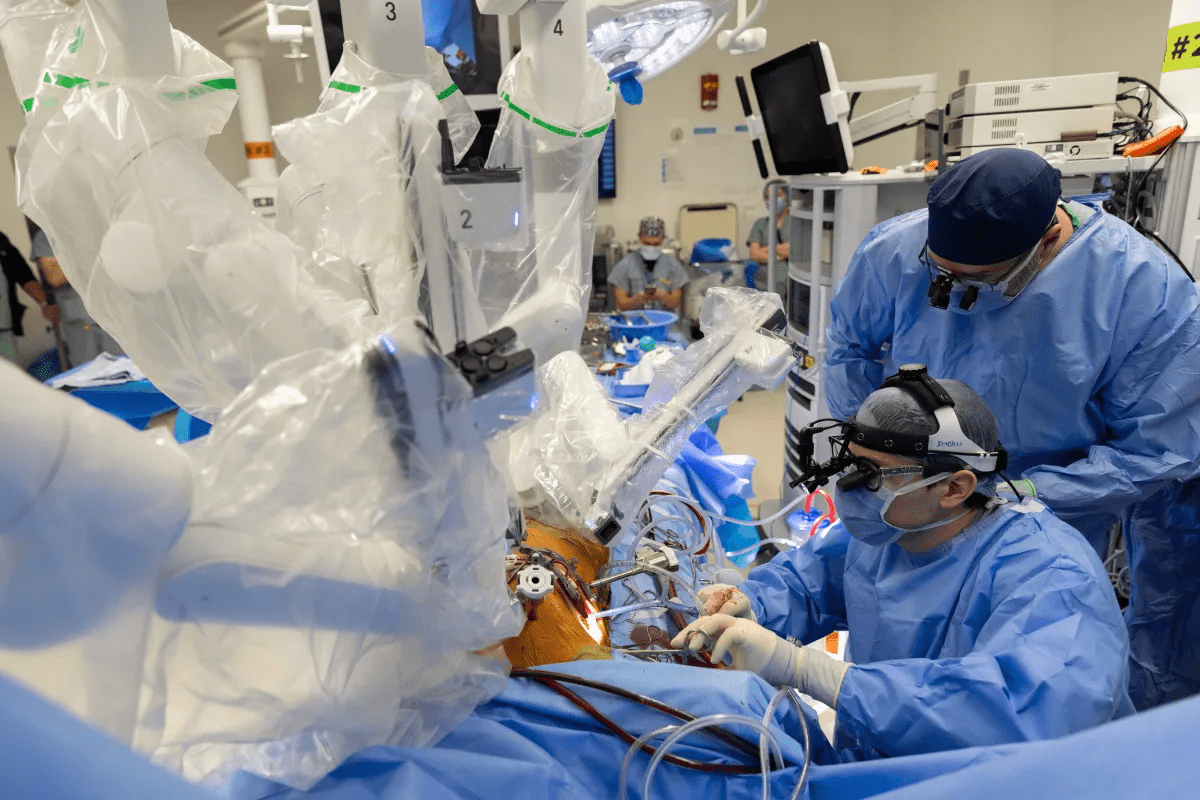
Recovering from neurosurgery starts with knowing what the surgery is and what to expect after. Neurosurgery includes many procedures, like removing brain tumors or fixing aneurysms. Each surgery has its own path to recovery.
Types of Neurosurgical Procedures
Neurosurgery can be divided into several types, based on where in the brain or nervous system they are done. These include:
- Cranial Surgeries: These are in the skull and brain, like removing tumors or clipping aneurysms.
- Spinal Surgeries: These are for the spine, treating issues like herniated discs or scoliosis.
- Neuroendovascular Procedures: These are minimally invasive surgeries for vascular conditions in the brain.
Knowing the type of neurosurgery you had is important for understanding your recovery.
Why Recovery Times Vary Significantly
Recovery times can differ a lot. This depends on the surgery, your health, age, and any other health issues you might have. For example, a younger person with fewer health problems might heal faster than an older person with more issues.
| Factor | Influence on Recovery |
| Age | Older patients may have slower recovery due to decreased physiological reserve. |
| Overall Health | Patients with fewer comorbidities tend to recover more quickly. |
| Type of Procedure | More complex surgeries often require longer recovery periods. |
Setting Realistic Expectations
It’s important to have realistic expectations for recovery. Knowing the risks, benefits, and typical recovery time for your surgery helps. This knowledge can reduce anxiety and help you follow your doctor’s instructions better.
Understanding neurosurgery and what affects recovery helps patients and their families prepare. It’s key to follow your doctor’s advice and have support during recovery.
Factors That Influence Neurosurgery Recovery Time
Knowing what affects neurosurgery recovery time is key. Recovery after neurosurgery is different for everyone. It’s a complex journey.
Many factors influence how long it takes to get better after neurosurgery. We’ll look at these factors closely. This will help us understand the recovery process better.
Patient Age and Overall Health
Patient age and health are big factors in recovery time. Younger patients with fewer health problems usually recover faster. Older patients or those with many health issues take longer.
Studies show that age, health, and existing conditions greatly affect recovery. For example, older adults might need more time to heal. This is because they have less energy and may have other health issues.
Type and Location of the Procedure
The type and location of the neurosurgery also matter. Different surgeries have different levels of complexity. This affects how the body heals.
For example, surgeries in certain brain areas may have different recovery times. The location and the surgical method used can affect tissue damage. This, in turn, affects how long it takes to recover.
Surgical Approach and Technique
The surgical method used also impacts recovery. Minimally invasive surgeries usually have shorter recovery times. This is compared to more traditional open surgeries.
New surgical techniques and technology have improved outcomes. They have also made recovery faster for many patients. The surgical approach is chosen based on the patient’s condition and the surgery’s needs.
Pre-existing Conditions
Existing health conditions can make recovery harder. Conditions like diabetes, high blood pressure, or heart disease can slow healing. They also increase the risk of complications.
It’s important to manage these conditions before, during, and after surgery. “Good preoperative care and postoperative care can reduce risks,” say medical experts.
The Typical Timeline for Brain Surgery Recovery
Recovery from brain surgery varies from person to person. It depends on the surgery type, health, and age. Most patients go through several recovery phases.
Immediate Post-Operative Period (1-3 Days)
The first few days after surgery are critical. Patients stay in the ICU for close monitoring. They might feel pain, swelling, and discomfort, which doctors manage with medicine.
Early Recovery Phase (1-2 Weeks)
After ICU, patients start the early recovery phase. This lasts about 1 to 2 weeks. They may feel tired, have headaches, and struggle with thinking. It’s key to follow the post-operative instructions to recover well. Slowly, they regain strength and start doing normal activities again.
Intermediate Recovery (2-8 Weeks)
The next phase, lasting 2 to 8 weeks, sees big improvements. Patients can do more activities but should avoid heavy tasks. Regular check-ups with the neurosurgeon are important to track progress and address any issues.
Long-Term Recovery (3-12 Months)
The long-term recovery phase can last from 3 to 12 months. Here, patients see more improvements in thinking and physical strength. Some may need ongoing rehab. With doctor’s advice, they can gradually return to their pre-surgery life, including work and exercise.
Recovery Time for Common Neurosurgical Procedures
Knowing how long it takes to recover from neurosurgery can ease worries for patients and their families. Each surgery has its own recovery pace. Being well-informed can help reduce stress and improve recovery.
Craniotomy Recovery Timeline
A craniotomy, which temporarily opens the skull to reach the brain, takes several weeks to months to recover from. Immediate post-operative care is key, with hospital stays from 4 to 7 days. It can take up to 8 weeks to fully recover, with symptoms like fatigue, headaches, and cognitive changes.
Brain Tumor Removal Recovery
The time to recover from brain tumor surgery depends on the tumor’s size, location, and the patient’s health. Hospital stays usually last 2 to 5 days. Post-operative symptoms like swelling, pain, and neurological issues often improve in a few weeks. Full recovery can take months, with some needing ongoing rehab.
Arachnoid Cyst Surgery Recovery Time in Adults
Arachnoid cyst surgery, which drains or removes the cyst, has a shorter recovery time than more invasive surgeries. Most patients are discharged in 1 to 3 days. Recovery times vary, but most return to normal in 2 to 6 weeks.
Endoscopic and Transnasal Approaches
Endoscopic and transnasal surgeries are less invasive, leading to shorter recovery times. These procedures, like those for pituitary tumors, have shorter hospital stays (1 to 2 days) and less discomfort. Patients usually get back to their routine in a few weeks.
| Procedure | Typical Hospital Stay | Full Recovery Time |
| Craniotomy | 4-7 days | Up to 8 weeks |
| Brain Tumor Removal | 2-5 days | Several months |
| Arachnoid Cyst Surgery | 1-3 days | 2-6 weeks |
| Endoscopic/Transnasal Surgery | 1-2 days | A few weeks |
The Hospital Stay: What to Expect After Brain Surgery
The time in the hospital after brain surgery is key for getting better and handling any issues. Our team watches over patients closely. They tackle any immediate problems to help the recovery go smoothly.
Intensive Care Unit Monitoring
Patients usually go to the ICU after surgery. Here, a team of nurses and doctors keep a close eye on them. They watch the patient’s brain health, vital signs, and any possible problems. Continuous monitoring helps us act fast if the patient’s condition changes.
Pain Management Protocols
Managing pain is a big focus during the hospital stay. We use different medicines and methods to keep patients comfortable. Our pain plans are made just for each patient, based on their surgery and how they handle pain.
Initial Mobility and Activity Restrictions
Patients are told to avoid heavy lifting, bending, or hard activities at first. This helps prevent problems and helps healing. Our team guides on safe moving and slowly increases activity as recovery allows.
Preparing for Discharge
As recovery goes on, we start getting ready for discharge. We teach patients and their caregivers about caring for the wound, managing medicines, and when to come back for check-ups. Clear instructions and support help make the transition home easy.
Cognitive and Neurological Recovery After Neurosurgery
Recovering from neurosurgery is a complex journey. Each person’s brain heals differently. We’ll look at how memory, speech, and concentration change, and how to help with cognitive rehab.
Memory and Concentration Changes
Patients often notice changes in memory and focus after surgery. These can be small or big. The surgery type, brain area, and health play a role. Most of these changes are temporary and get better as the brain heals.
To cope with these changes, keeping a diary and using reminders can help. Cognitive rehab programs can also be customized to improve focus and memory.
Speech and Language Recovery
Neurosurgery can sometimes impact speech and language. Speech therapy is often suggested to help. The therapy’s type and length depend on the patient’s needs and surgery extent.
We team up with speech-language pathologists to create therapy plans. These plans might include exercises for better speaking and understanding. Starting therapy early is important for the best results.
Cognitive Rehabilitation Approaches
Cognitive rehab is key after neurosurgery. It uses various therapies to help regain lost functions. Teams of neurologists, psychologists, and specialists work together to make plans.
These plans are made just for the patient. They might include training, memory strategies, and ways to make up for lost abilities. The aim is to help patients do daily tasks better and live a better life. A whole-person approach to rehab helps patients reach their best recovery.
Brain Surgery Recovery: Rehabilitation Programs and Therapies
Recovering from brain surgery is more than just the surgery itself. It’s also about the rehabilitation that follows. This phase is key to helping patients regain their strength and independence. Rehabilitation is essential in supporting the recovery process, helping patients overcome the challenges they face after surgery.
Physical Therapy Interventions
Physical therapy is a vital part of rehabilitation after brain surgery. It helps patients improve their mobility, strength, and balance. Physical therapists create personalized exercise programs for each patient. These programs focus on improving flexibility, coordination, and overall physical function.
Physical therapy offers many benefits, including:
- Improved mobility and reduced risk of complications like deep vein thrombosis
- Enhanced strength and flexibility
- Better balance and coordination
Occupational Therapy for Daily Activities
Occupational therapy is key for patients to perform daily activities and regain independence. Occupational therapists help patients identify areas where they need help. They develop strategies to overcome these challenges, which may involve adapting daily routines or using assistive devices.
The goals of occupational therapy include:
- Improving self-care activities like bathing and dressing
- Enhancing functional abilities for daily tasks
- Promoting independence and reducing caregiver support
Speech and Language Therapy
Speech and language therapy is vital for patients with communication challenges after brain surgery. Speech-language pathologists assess patients’ communication skills and create targeted therapy plans. This helps address specific needs.
Speech and language therapy focuses on:
- Improving speech clarity and articulation
- Enhancing language comprehension and expression
- Developing strategies for cognitive-communication challenges
Neuropsychological Rehabilitation
Neuropsychological rehabilitation addresses cognitive and emotional challenges after brain surgery. Neuropsychologists identify areas of cognitive difficulty and create personalized rehabilitation plans. This helps patients overcome these challenges.
The goals of neuropsychological rehabilitation include:
- Improving cognitive function, including attention, memory, and executive functions
- Addressing emotional and behavioral challenges
- Enhancing overall quality of life and functional abilities
Brain Surgery Recovery Timeline: Returning to Normal Activities
After brain surgery, getting back to normal is a big step. Patients and their families often wonder when they can start their daily routines again. They also want to know when they can go back to work or school and start exercising.
Resuming Work and School
The time it takes to go back to work or school varies. It depends on the surgery, the patient’s health, and their job or studies. Usually, it takes several weeks before patients can return to their duties.
For jobs that are physically demanding, it might take longer. This is to avoid any complications.
You should talk to your neurosurgeon before going back to work.They will consider your recovery and job needs. It’s important to balance going back to normal with avoiding too much stress or risk.
Driving Restrictions After Brain Surgery
Driving after brain surgery is usually not allowed for a few weeks to several months. This depends on the surgery and how well the patient is recovering. Doctors usually advise against driving until they say it’s okay.
- Patients should avoid driving until they are off narcotic pain medications.
- They should be free from seizures for a period specified by their doctor.
- Vision and cognitive functions should be sufficiently recovered.
Physical Exercise and Sports
Starting to exercise again is important, but do it slowly. At first, avoid hard activities, heavy lifting, and bending. As you get better, you can do more.
Recommended activities include:
- Short walks
- Gentle stretching
- Low-impact aerobics
Avoid high-impact sports and activities that could hurt your head until your doctor says it’s okay.
Travel Considerations Post-Neurosurgery
Talking to your neurosurgeon about travel plans is important. This is true for long trips or big changes in environment. Think about medical care at your destination and the risk of problems during travel.
By following these guidelines and working with your healthcare team, you can safely get back to your normal activities. This way, you can return to your life with confidence.
Emotional and Psychological Aspects of Recovering from Brain Surgery
Recovering emotionally and psychologically is key after brain surgery. Patients face big emotional and mental changes after surgery. These changes are part of the healing process.
Depression and Anxiety After Brain Surgery
Many patients feel depressed and anxious after brain surgery. These feelings come from the surgery, their health issues, or adjusting to a new life. It’s important to tackle these feelings as part of getting better.
Several things can lead to depression and anxiety:
- Medication adjustments: Changes in meds can mess with mood and emotions.
- Physical limitations: Being unable to do things can make people feel stuck and helpless.
- Uncertainty about the future: Worries about recovery and health can cause a lot of anxiety.
Personality Changes and Emotional Regulation
Brain surgery can sometimes change a person’s personality or how they handle emotions. These changes might be because of the surgery or the health issue. Such changes can upset both patients and their families.
Here are ways to deal with these changes:
- Cognitive rehabilitation: Special therapies can help improve thinking and emotional control.
- Supportive counseling: Professional help can offer emotional support and advice.
- Family education: Teaching family about the changes and how to support is key.
Support Groups and Counseling Options
Support groups and counseling are very important for brain surgery recovery. They offer a place to share, get support, and learn from others facing similar issues.
It’s good to look into different support options, like:
- Online forums: Good for those who like online support or have trouble moving.
- In-person support groups: Great for meeting others and building a community.
- Professional counseling: Offers personalized help and therapy.
By understanding the emotional and mental sides of recovery and using support, patients can better handle their journey.
Potential Complications That May Extend Recovery Time
Knowing about possible problems after neurosurgery is key to a smooth recovery. Neurosurgery is often needed for many brain conditions. But, it comes with risks that can slow down healing.
Infection and Wound Healing Issues
Infections are a big worry after neurosurgery. They can make recovery longer and hospital stays longer. We use antibiotics and careful wound care to prevent infections. If an infection happens, we treat it quickly with antibiotics or surgery.
Signs of infection include redness, swelling, more pain, and fever. It’s important to watch for these signs to catch and treat infections early.
Cerebrospinal Fluid Leaks
A CSF leak is another problem that can happen after surgery. It occurs when the dura mater tears, letting CSF leak out. We treat CSF leaks with rest, drainage, or sometimes surgery to fix the leak.
Seizures and Neurological Complications
Seizures can be a problem after brain surgery, mainly if the surgery touched areas that control movement or other functions. We keep a close eye on patients for seizures and use medicines to control them when needed.
Other brain problems like weakness, numbness, or changes in thinking can happen. These are usually short-term but can sometimes last forever, depending on the surgery and the person’s health.
Blood Clots and Stroke Risk
Blood clots and stroke are dangers after surgery, including neurosurgery. We use stockings and blood thinners to lower these risks. Moving around soon after surgery also helps prevent blood clots.
If a blood clot or stroke happens, we need to act fast to lessen damage. We watch for signs like sudden weakness or trouble speaking.
| Complication | Signs and Symptoms | Management Strategies |
| Infection | Redness, swelling, pain, fever | Antibiotics, wound care, possible additional surgery |
| CSF Leak | Clear fluid drainage from wound or nose | Bed rest, drainage procedures, additional surgery |
| Seizures | Convulsions, loss of consciousness | Antiepileptic medications |
| Blood Clots/Stroke | Sudden weakness, difficulty speaking | Blood thinners, compression stockings, early mobilization |
Knowing about these possible problems helps us care for patients better and manage their recovery. By recognizing signs and symptoms, patients can get help quickly if they have any unusual issues after surgery.
Nutrition and Lifestyle Factors for Optimal Brain Healing
Recovering from brain surgery is not just about medical care. It also needs good nutrition and lifestyle habits. Eating right and managing stress and sleep are key to healing.
Dietary Recommendations for Neural Recovery
Eating a balanced diet is vital for brain healing. Focus on foods with antioxidants, omega-3s, and fiber. Antioxidant-rich foods like berries and leafy greens help fight stress. Omega-3 fatty acids in fish and nuts are good for the brain.
Drinking enough water is also important. Staying hydrated helps the brain work right and heal.
Sleep Optimization Strategies
Sleep is key for recovery. It lets the brain heal and recharge. Try to sleep at the same time every night and make your bedroom sleep-friendly. Avoid caffeine and screens before bed.
Stress Management Techniques
Too much stress can slow healing. Try meditation, deep breathing exercises, or yoga to manage stress. Relaxing activities can also help.
With a good diet, enough sleep, and stress control, you can help your brain heal after surgery.
When to Contact Your Neurosurgeon During Recovery
Recovering from neurosurgery is more than just healing. It’s about listening to your body and knowing when to reach out to your neurosurgeon. Being aware can greatly affect your recovery.
Warning Signs and Red Flags
It’s important to know the warning signs that might mean you need urgent care. These include:
- Severe headache or a headache that gets worse
- Fever over 38.6°C (101.5°F)
- Confusion or changes in how you think
- Weakness or numbness in any part of your body
- Seizures or convulsions
- Difficulty speaking or swallowing
- Vision changes, like double vision or losing vision
If you notice any of these symptoms, it’s key to contact your neurosurgeon or get medical help right away.
Follow-up Appointment Schedule
Follow-up appointments are key to your recovery. They let your neurosurgeon check on your healing, answer questions, and change your treatment if needed. Usually, the first follow-up is within 1-2 weeks after surgery. But, it depends on your surgery and how fast you recover.
“Regular follow-up appointments are vital for ensuring that the recovery process is proceeding as expected and for addressing any complications early on.”
Questions to Ask at Follow-up Visits
Preparing a list of questions for your follow-up visits is helpful. You might ask about:
- How your recovery is going and any worries your neurosurgeon has
- Medications, like pain relief and possible side effects
- When you can start doing normal things again
- Any signs of complications or things to watch for
- Future appointments and when you’ll fully recover
Being proactive and informed can help your recovery go smoothly. It also lets you address any concerns quickly with your neurosurgeon.
Conclusion:
As we wrap up our look at neurosurgical recovery, it’s clear that a full approach is key for the best results. We’ve talked about how recovery time is influenced, the usual timeline for brain surgery recovery, and the role of rehabilitation and therapies. Knowing the details of neurosurgical recovery helps patients and their families know what to expect. By focusing on nutrition, lifestyle, and emotional health, people can help their brain heal and live better. As patients go through their recovery, it’s important to keep talking with their healthcare team. Following up and asking for help when needed is vital. This way, they can have a smooth recovery and avoid problems. In the end, every person’s neurosurgical recovery is different, needing a tailored and wide-ranging approach. With medical help, supportive care, and education, we can help people get back to their health and well-being.
FAQ
How long does it take to recover from brain surgery?
Recovery time for brain surgery varies. It depends on the surgery type, your health, and surgery complexity. Patients usually spend weeks to months recovering.
What is the typical recovery timeline for brain surgery?
The recovery timeline has several stages. First, there’s the immediate post-op period (1-3 days). Then, an early recovery phase (1-2 weeks) follows. Next, there’s an intermediate recovery (2-8 weeks). Lastly, long-term recovery (3-12 months) is the final stage.
How long does a craniotomy surgery take to recover from?
Craniotomy recovery takes weeks to months. You’ll stay in the hospital for 3-7 days. Full recovery can take up to 6-8 weeks or longer.
What are the factors that influence neurosurgery recovery time?
Several factors affect recovery time. These include your age, health, the procedure type and location, and the surgical approach. Your pre-existing health conditions also play a role.
How long does it take to recover from brain tumor removal surgery?
Recovery from brain tumor removal surgery varies. It depends on the tumor size, location, and your health. Recovery can take several weeks to months.
What can I expect during my hospital stay after brain surgery?
In the hospital, you’ll be in the ICU. You’ll get pain management and mobility restrictions. Your team will also prepare you for discharge.
How can I manage cognitive and neurological changes after brain surgery?
Managing changes involves cognitive rehabilitation. This includes memory and concentration exercises, speech therapy, and neuropsychological rehabilitation.
What rehabilitation programs are available after brain surgery?
Available programs include physical, occupational, speech, and neuropsychological therapy. These help with recovery.
When can I resume normal activities after brain surgery?
Resuming activities varies by surgery type and recovery. You can start with work, school, driving, and exercise in weeks to months.
How can I manage emotional and psychological changes after brain surgery?
Emotional and psychological changes can be managed. Support groups, counseling, and stress management help. It’s important to address depression, anxiety, and personality changes with a healthcare professional.
What are the possible complications after brain surgery?
Complications include infection, cerebrospinal fluid leaks, seizures, and blood clots. Watch for warning signs and contact your neurosurgeon if you notice anything unusual.
How can nutrition and lifestyle impact brain healing after surgery?
A balanced diet, sleep, and stress management support brain healing. A healthcare professional can give personalized advice on diet and lifestyle.
When should I contact my neurosurgeon during the recovery period?
Contact your neurosurgeon for severe headache, fever, or neurological changes. Schedule follow-up appointments and ask questions during recovery.
References
National Center for Biotechnology Information. Evidence-Based Medical Insight. Retrieved from https://www.ncbi.nlm.nih.gov/pmc/articles/PMC7271514/