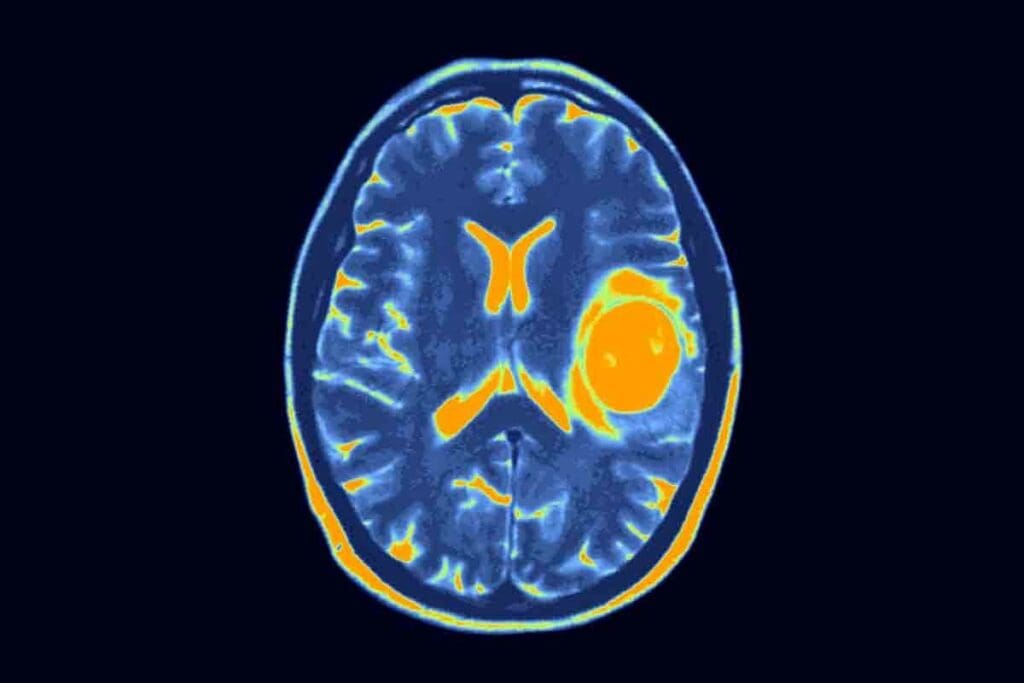
Spotting the early signs of a brain tumor can save lives. These symptoms often seem like normal issues. At Liv Hospital, we focus on both learning and caring for our patients. We look into twelve key signs and personal stories that could change everything. Discover 12brain tumor early symptoms, how they feel, and when to seek medical help for possible warning signs.
Brain tumors grow in the nervous system or the spinal foramina. Their symptoms depend on the tumor’s location, size, and type. It’s important to know these subtle symptoms for early detection and treatment.
Key Takeaways
- Understanding brain tumor symptoms can aid in early detection.
- Symptoms can vary based on the tumor’s location and size.
- Headaches, vision disturbances, and seizures are common early signs.
- Mood changes and cognitive difficulties can also be indicative.
- Early identification is key because brain tumors have high mortality rates.
Understanding Brain Tumor Early Symptoms and Warning Signs

Brain tumors can cause many symptoms that are often missed or thought of as something else. It’s key to spot these signs early for quick medical help.
Why Symptoms Can Be Easily Overlooked
The first signs of brain tumors can be tricky to spot because they’re similar to other illnesses. For example, headaches or feeling tired can happen in many diseases, not just brain tumors. This makes it hard to figure out what’s wrong early on.
Common early symptoms include headaches, feeling sick, and changes in how you think. These signs can be mild and come and go, making it tough to catch them early.
How Tumor Location Affects Symptom Presentation
The spot where a brain tumor grows changes the symptoms it causes. Tumors in different parts of the brain lead to different problems. For instance, tumors in the frontal lobe can mess with your personality, choices, and how you move. Tumors in the temporal lobe can affect your memory, how you speak, and your mood.
- Tumors in the frontal lobe: personality changes, motor deficits
- Tumors in the temporal lobe: memory issues, language difficulties
- Tumors in the cerebellum: balance and coordination problems
Knowing how tumor location affects symptoms helps doctors diagnose and plan treatment faster. Doctors need to think about where the tumor is when they look at symptoms.
Persistent Headaches: The Most Common Warning Sign

One of the earliest signs of brain tumors is persistent headaches. These headaches are different from usual tension headaches or migraines. They have unique features that make them stand out.
Morning Intensity and Waking Patterns
Brain tumor headaches are often worse in the morning. This is because lying down can increase pressure inside the skull. This makes the headache worse when you wake up.
As you get up and move, the pressure might decrease a bit. This can give you some relief.
Key Characteristics:
- More severe in the morning
- Worsens with straining or position changes
- Often accompanied by other symptoms like nausea or vomiting
Resistance to Over-the-Counter Medications
Unlike usual headaches, brain tumor headaches don’t respond well to over-the-counter pain meds. This lack of response is a warning sign of something serious.
It’s important to remember that most headaches are not due to brain tumors. But if you have persistent and severe headaches that don’t get better with standard treatments, you should see a doctor.
| Headache Type | Response to Medication | Morning Intensity |
| Brain Tumor Headache | Resistant | More Severe |
| Typical Tension Headache | Responsive | Variable |
| Migraine | Variable Response | Variable |
What Does a Brain Tumor Headache Feel Like?
Brain tumor headaches can feel different. They might feel like a dull, pressure-like sensation or a sharp, piercing pain. Where the headache hurts can depend on where the tumor is in the brain.
It’s important to know how brain tumor headaches feel. If you have headaches that are worse in the morning or don’t get better with usual meds, see a doctor.
Vision Disturbances: From Blurriness to Double Vision
Brain tumors can cause vision problems, from mild blurriness to severe double vision. These issues can affect daily life. They can be an early sign of a brain tumor. Knowing about these symptoms is key to early detection and treatment.
Types of Visual Disruptions by Tumor Location
The type and severity of vision problems depend on the tumor’s location. Tumors near the optic nerve or pathways can lead to:
- Blurred vision
- Double vision (diplopia)
- Loss of peripheral vision
- Visual field defects
A tumor on the optic nerve can cause blurred vision or vision loss in one eye. “The first symptom I noticed was blurred vision in my left eye,” says a brain tumor survivor. “It started gradually, and at first, I thought it was just fatigue.”
How Vision Changes Progress Over Time
Vision problems from brain tumors can get worse over time if not treated. At first, symptoms might be mild but get worse as the tumor grows. The speed of this change depends on the tumor’s growth rate and location.
Monitoring vision changes is key to early detection. Patients should see a doctor if they notice persistent or worsening vision issues.
Survivor Stories: First Visual Symptoms
Survivor stories offer insights into the first visual symptoms patients notice. Many report sudden vision changes as their first symptom. For example, a survivor might say,
“I woke up one morning with double vision. It was alarming and prompted me to seek medical help immediately.”
These stories show how important it is to be aware of vision disturbances. If unusual symptoms persist or worsen, seek medical evaluation.
Unexplained Seizures in Adults Without Epilepsy History
Adults who have never had epilepsy might suddenly start having seizures. This could mean they have a brain tumor. Seizures are a common sign, often seen in gliomas and metastatic tumors. Knowing the different types of seizures and what to watch for after one is key to catching and treating the problem early.
Types of Tumor-Related Seizures
Seizures caused by tumors can show up in many ways. Simple partial seizures might make a part of your body twitch or feel numb. Complex partial seizures can make you lose consciousness and might make you do things without thinking, like smacking your lips or moving your hands in a loop. Generalized seizures, like tonic-clonic seizures, affect both sides of the brain. They can make you convulse, lose consciousness, and feel confused after.
Post-Seizure Symptoms to Monitor
After a seizure, watch for symptoms like confusion, headache, and tiredness. These can last from a few minutes to hours. Paying attention to how long and how bad these symptoms are can help figure out what’s causing them and if it’s a brain tumor.
Some people might get Todd’s paralysis, which feels like a stroke and can make one side of the body weak or paralyzed. This usually goes away on its own, but seeing a doctor is important to make sure it’s not something more serious.
How Seizures Feel According to Survivors
People who have had seizures from brain tumors say they feel different things. Some feel a lot of fear or anxiety before it happens, called an aura. Others say it feels like losing control or a “wave” of strange brain activity. Everyone’s experience is different, but common feelings include feeling detached and overwhelmed.
“The seizure felt like a freight train coming through my brain. It was intense and frightening, but it was over quickly.” – A brain tumor survivor
Knowing how seizures feel can help doctors give better care. It shows how important it is to support people who have seizures from tumors.
Mood and Personality Changes That Others Notice
When a brain tumor develops, it can lead to noticeable shifts in behavior and emotional regulation. These changes can be subtle or dramatic and are often first observed by family members, friends, or colleagues.
Subtle vs. Dramatic Behavioral Shifts
Mood and personality changes associated with brain tumors can vary widely in their intensity and impact. Some individuals may experience subtle changes that are barely noticeable, while others may exhibit dramatic shifts in behavior that are more pronounced.
For instance, tumors affecting the frontal lobe can lead to significant personality changes, including apathy, irritability, and emotional flatness. These changes can be challenging for both the individual and their loved ones.
Emotional Regulation Difficulties
Emotional regulation is the ability to manage and modulate emotional responses to various situations. Brain tumors can disrupt this ability, leading to difficulties in managing emotions effectively.
Individuals with brain tumors may experience mood swings, becoming easily irritated or upset. In some cases, they may also exhibit uncharacteristic behaviors, such as sudden outbursts of anger or inappropriate emotional responses.
When Personality Changes Signal Brain Tumors
Personality changes can be an early indicator of a brain tumor. While these changes can be caused by various factors, persistent and significant alterations in behavior or emotional regulation warrant medical attention.
To better understand the relationship between brain tumors and personality changes, let’s examine some key data:
| Brain Tumor Location | Common Personality Changes |
| Frontal Lobe | Apathy, irritability, emotional flatness |
| Temporal Lobe | Mood swings, depression, anxiety |
| Parietal Lobe | Changes in emotional regulation, confusion |
Understanding these changes and their possible causes can help individuals and their loved ones seek appropriate medical care when needed.
Weakness and Numbness: One-Sided Body Symptoms
Weakness and numbness on one side of the body might mean a brain tumor. This happens when a tumor presses on or grows into the brain paths for movement or feeling.
Patterns of Neurological Deficits
Brain tumors can cause different kinds of weakness and numbness. Where the tumor is in the brain affects which part of the body is affected. For example, a tumor in the motor cortex can lead to weakness or paralysis on the opposite side.
Common patterns include:
- One-sided weakness or numbness
- Difficulty with coordination and balance
- Changes in sensation, such as tingling or pain
How Numbness Progresses and Fluctuates
Numbness from a brain tumor can get worse slowly or stay the same for a while. How fast it gets worse depends on how fast the tumor grows and how it affects the brain around it. Sometimes, numbness can change because of changes in pressure or swelling around the tumor.
Factors influencing the progression of numbness include:
- Tumor growth rate
- Edema and pressure fluctuations
- Response to treatment
Distinguishing from Other Neurological Conditions
Telling if weakness and numbness are from a brain tumor or another condition can be hard. Conditions like stroke, multiple sclerosis, and peripheral neuropathy can have similar symptoms.
Key differences include:
| Condition | Typical Symptoms | Progression |
| Brain Tumor | One-sided weakness, numbness, seizures | Gradual, sometimes fluctuating |
| Stroke | Sudden weakness, numbness, speech difficulties | Sudden onset |
| Multiple Sclerosis | Vision problems, muscle weakness, coordination issues | Relapsing-remitting or progressive |
Cognitive Changes: Memory Loss and Mental Fog
Cognitive changes like memory loss and mental fog can signal a brain tumor. They are different from normal aging. Tumors on cognitive pathways can cause memory, concentration, and executive function problems.
It’s key to know how these symptoms differ from aging. We’ll look at the cognitive changes from brain tumors and how they affect daily life.
Executive Function Difficulties
Executive function is about controlling behavior through cognitive processes. It includes attention, memory, and flexibility.
Brain tumors can disrupt these processes. This leads to trouble with planning, decision-making, and controlling emotions. For example, someone might struggle with simple tasks or making decisions.
Concentration and Attention Problems
Brain tumors can also affect concentration and attention. People might find it hard to focus or follow conversations.
These issues can be mistaken for fatigue or stress. But if they persist, it could be a sign of a brain tumor. It’s important to notice when these problems don’t get better with usual treatments.
How Cognitive Symptoms Feel Different from Normal Aging
Cognitive symptoms from brain tumors are different from aging. Aging might slow down cognitive functions, but tumors cause more and faster changes.
Memory loss from a tumor might be more frequent than with aging. Forgetting names, dates, or recent events can be a big problem.Memory difficulties can greatly affect daily life. If you notice these changes, getting a medical check-up is important.
| Cognitive Symptom | Brain Tumor | Normal Aging |
| Memory Loss | Rapid onset, significant impact on daily life | Gradual, less severe |
| Concentration Problems | Persistent, affecting multiple areas of life | Occasional, manageable |
| Executive Function | Notable decline in planning and decision-making | Some decline, but compensatory strategies are often used |
Speech and Language Difficulties as Brain Tumor Indicators
Speech and language problems can signal brain tumors. Tumors in the brain’s language areas cause various speech and language issues.
Word-Finding Problems and Aphasia
Word-finding problems, or anomia, are common with brain tumors. It’s hard to find the right words. Aphasia makes speaking, understanding, and reading tough.
“It’s like having a word on the tip of my tongue, but I just can’t say it,” a patient said. Aphasia affects speaking, understanding, and reading.
Changes in Speech Patterns and Fluency
Brain tumors can change how we speak. Dysarthria causes slurred or slow speech. It’s hard to speak clearly or at a normal speed.
How Speech Issues Manifest in Daily Conversations
Speech and language problems affect daily life. Simple tasks like ordering food become hard. For example, someone with aphasia might use long descriptions instead of specific words.
It’s important to notice these changes. If you or someone you know has speech or language issues, get medical help. Early diagnosis is key to better treatment.
Balance and Coordination Problems: Subtle to Severe
Brain tumors can affect how we move by impacting motor pathways or the cerebellum. This leads to balance and coordination issues. These problems can be mild or severe and are important signs that need attention.
Walking Difficulties and Gait Changes
Brain tumors can make walking hard and change how we walk. People might feel unsteady or like they’re leaning to one side. This happens because the tumor presses on the brain’s motor control areas.
Common gait changes include:
- Wide-based gait
- Unsteady or stumbling steps
- Difficulty with tandem walking (heel-to-toe)
Vertigo and Spatial Disorientation
Vertigo, feeling like you’re spinning, can be a sign of a brain tumor. It can also make it hard to know where you are in space. These symptoms can really affect your daily life.
Vertigo associated with brain tumors can manifest as:
- A spinning sensation
- Nausea or vomiting
- Difficulty maintaining posture
How Balance Issues Progress Over Time
Balance and coordination problems can get worse as the tumor grows. At first, symptoms might be mild and come and go. But over time, they can get more serious and last longer. It’s important to watch how these symptoms change to catch brain tumors early.
| Symptom Progression | Characteristics |
| Early Stage | Mild unsteadiness, occasional vertigo |
| Intermediate Stage | Noticeable gait changes, frequent vertigo episodes |
| Advanced Stage | Significant difficulty walking, persistent vertigo, and spatial disorientation |
Knowing how balance and coordination problems get worse can help find brain tumors early. If you or someone you know is having these symptoms, it’s important to see a doctor.
Unexplainable Fatigue That Rest Doesn’t Improve
Unexplainable fatigue is a common problem for people with brain tumors. It makes life harder and doesn’t get better with rest. This is different from regular tiredness.
Brain Tumor Fatigue vs. Normal Tiredness
Brain tumor fatigue makes it hard to do daily tasks. It’s not like regular tiredness, which goes away with sleep. This fatigue keeps going, even after resting enough.
Here’s a table to show the difference:
| Characteristics | Brain Tumor Fatigue | Normal Tiredness |
| Relieved by Rest | No | Yes |
| Impact on Daily Activities | Significant | Minimal |
| Duration | Persistent | Temporary |
Associated Sleep Disturbances
People with brain tumors often have trouble sleeping. This can make fatigue worse. Good sleep and energy levels are linked, but it’s hard to say which affects the other.
Some sleep issues seen in brain tumor patients include:
- Insomnia
- Sleep apnea
- Restless leg syndrome
- Excessive sleepiness
Energy Patterns Throughout the Day
Energy levels change a lot for those with brain tumors. Knowing these patterns helps manage fatigue. Energy is usually highest in the morning and goes down as the day goes on.
By understanding the difference between brain tumor fatigue and regular tiredness, we can tackle this symptom better. Knowing about sleep issues and energy patterns helps too.
Gender-Specific Symptoms: Differences in Presentation
It’s key to know the symptoms of brain tumors by gender for early treatment. Studies show that men and women show symptoms differently. Hormones and tumor types play a big role in these differences.
Brain Tumor Symptoms in Females
Women often get meningiomas, which are usually not cancerous but can cause symptoms. Symptoms in women include headaches, seizures, and changes in thinking. Hormonal changes can also affect how symptoms show up and how bad they are.
Some research says hormonal changes, like during the menstrual cycle or menopause, can affect brain tumors. This is why it’s important to think about hormones when treating female patients.
Hormonal Influences on Symptom Expression
Hormones have a big impact on how symptoms of brain tumors show up, mainly in women. Tumors with estrogen and progesterone receptors can grow and cause symptoms to change with hormone levels.
Knowing this helps doctors make treatment plans that fit each woman’s needs. This could lead to better results for them.
Meningiomas and Their Unique Symptom Patterns
Meningiomas grow from the meninges, which protect the brain and spinal cord. They are more common in women and have unique symptoms. These symptoms include mood changes, seizures, and problems with thinking.
The table below shows how symptoms differ between meningiomas and other brain tumors:
| Tumor Type | Common Symptoms | Gender Prevalence |
| Meningioma | Mood changes, seizures, cognitive disturbances | More common in females |
| Glioma | Headaches, seizures, neurological deficits | More common in males |
| Acoustic Neuroma | Hearing loss, tinnitus, and balance issues | No significant gender difference |
Knowing the differences in symptoms by gender helps doctors give better care. This not only helps in diagnosing but also improves treatment results for patients.
The Fluctuating Nature: Why Brain Tumor Symptoms Come and Go
It’s important to understand why brain tumor symptoms change. These symptoms can be hard to track, making it tough to diagnose. We’ll look at what causes these changes, helping both patients and doctors to spot patterns and get the right care.
Tumor Growth Patterns and Symptom Intensity
Brain tumors grow at different speeds, affecting how symptoms show up. Tumor growth can be unpredictable, with fast growth followed by slow periods. This unpredictability can make symptoms get better or worse.
For example, a tumor might start with mild symptoms that get worse as it grows. The speed of growth affects how fast symptoms get worse. Rapidly growing tumors can cause sudden, severe symptoms. Slower-growing tumors might lead to gradual changes.
| Tumor Growth Rate | Symptom Progression | Typical Symptoms |
| Rapid | Quick escalation | Severe headaches, seizures, and significant cognitive changes |
| Slow | Gradual progression | Mild cognitive changes, occasional headaches, subtle personality changes |
Edema and Pressure Fluctuations
Swelling around a brain tumor can change how symptoms appear. Edema can cause pressure changes in the brain, making symptoms worse or better. When swelling goes up, symptoms can get worse. When it goes down, symptoms might improve.
“The swelling around the tumor can press on adjacent brain structures, causing a range of symptoms from headaches to neurological deficits,” A neurosurgeon notes.
Recognizing Patterns in Intermittent Symptoms
Spotting patterns in brain tumor symptoms is key for diagnosis and treatment. Patients and caregivers should write down symptoms, when they happen, how bad they are, and what might trigger them.
Understanding these patterns helps doctors diagnose and treat brain tumors better.
If you have symptoms that come and go, it’s important to see a doctor. Early treatment can make a big difference in how well you do.
Conclusion: When to Seek Medical Attention
Knowing when to see a doctor is key to catching brain tumors early. We’ve talked about signs like headaches and changes in thinking that might mean a tumor.
If you or someone you know has these symptoms, it’s time to talk to a doctor. Finding a tumor early can greatly improve treatment chances. Spotting these signs can lead to getting help sooner.
It’s vital not to ignore symptoms that don’t go away or get worse. Knowing when to get medical help isn’t just about big problems. It’s also about noticing small changes that could be signs of trouble.
Being aware and proactive can help a lot. If you notice anything odd or persistent, see a doctor right away. Catching a brain tumor early can really change someone’s life for the better.
FAQ
What does a brain tumor headache feel like?
Brain tumor headaches are different from usual headaches. They often last longer and are worse in the morning. They also don’t get better with common pain relievers.
Can brain tumor symptoms come and go?
Yes, symptoms can change over time. This is because the tumor grows, swells, and pressure changes.
How do I know if I have a brain tumor?
Symptoms include headaches, vision problems, seizures, mood changes, and trouble thinking. If these get worse or last a long time, see a doctor.
What are the early symptoms of a brain tumor?
Early signs are headaches, vision changes, seizures, mood swings, and thinking problems. You might also notice speech issues, balance problems, and feeling very tired.
Can you feel a brain tumor on your head?
Sometimes, you can feel a tumor on your head. But many are deep inside and can’t be felt.
Do brain tumor symptoms differ between males and females?
Yes, symptoms can vary. Meningiomas, for example, are more common in women. Hormones can also play a role in how symptoms show up.
Can brain tumors cause seizures?
Yes, they can. This is more likely if the tumor is in areas that control movement or important functions.
How do brain tumors affect cognitive function?
They can lead to memory loss, feeling mentally foggy, trouble focusing, and problems with planning. These are not just signs of getting older.
Can brain tumors cause speech and language difficulties?
Yes, they can. You might have trouble finding words, experience aphasia, or notice changes in how you speak.
What should I do if I am experiencing symptoms that may be related to a brain tumor?
If symptoms don’t go away or get worse, see a doctor right away. Early treatment can make a big difference.
References
- Surveillance, Epidemiology, and End Results (SEER) Program. (n.d.). Cancer Stat Facts: Brain and other nervous system cancer. National Cancer Institute. https://seer.cancer.gov/statfacts/html/brain.html
American Cancer Society. (2023). Key statistics for brain and spinal cord tumours (adults). https://www.cancer.org/cancer/types/brain-spinal-cord-tumors-adults/about/key-statistics.html