Glioblastoma, a highly aggressive form of cancer, significantly impacts patients’ lives, particularly their cognitive function. We understand the challenges faced by patients and families dealing with this condition, and we’re committed to providing comprehensive care and support.
At Liv Hospital, we recognize the importance of understanding the links between glioblastoma and its symptoms, including cognitive impairment and memory issues. Research has shown that the tumor’s location and its impact on surrounding tissue contribute to these effects.
Key Takeaways
- Glioblastoma significantly affects patients’ cognitive function and memory.
- The tumor’s location plays a crucial role in determining the severity of symptoms.
- Understanding glioblastoma symptoms is essential for effective patient care.
- Liv Hospital provides patient-centered care for those affected by glioblastoma.
- Comprehensive support is critical for patients and families dealing with glioblastoma.
What Is Glioblastoma: Understanding This Aggressive Brain Cancer
Understanding glioblastoma is crucial for patients and their families to navigate the challenges posed by this condition. We will explore the definition, common locations, and diagnosis process of this complex brain cancer.
Defining Glioblastoma Multiforme (GBM)
Glioblastoma multiforme (GBM) is a highly aggressive and malignant form of brain cancer. It originates from the brain’s glial cells, which provide support and structure for neurons. GBM is characterized by its rapid growth and tendency to infiltrate surrounding brain tissue, making it a challenging condition to treat.
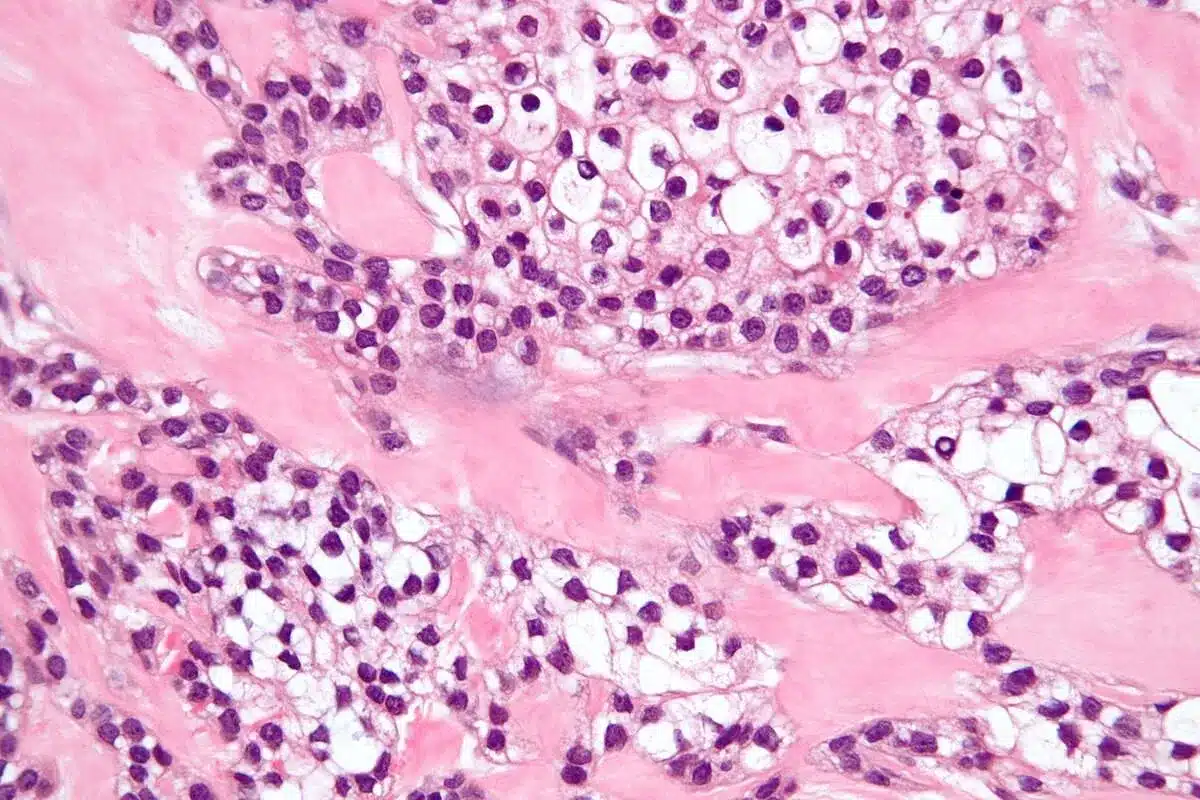
The World Health Organization (WHO) classifies GBM as a Grade IV astrocytoma, which is the most aggressive type of glioma. This classification is based on the tumor’s histological features, including its cellular density, nuclear atypia, and presence of necrosis.
Common Locations: Frontal and Temporal Lobes
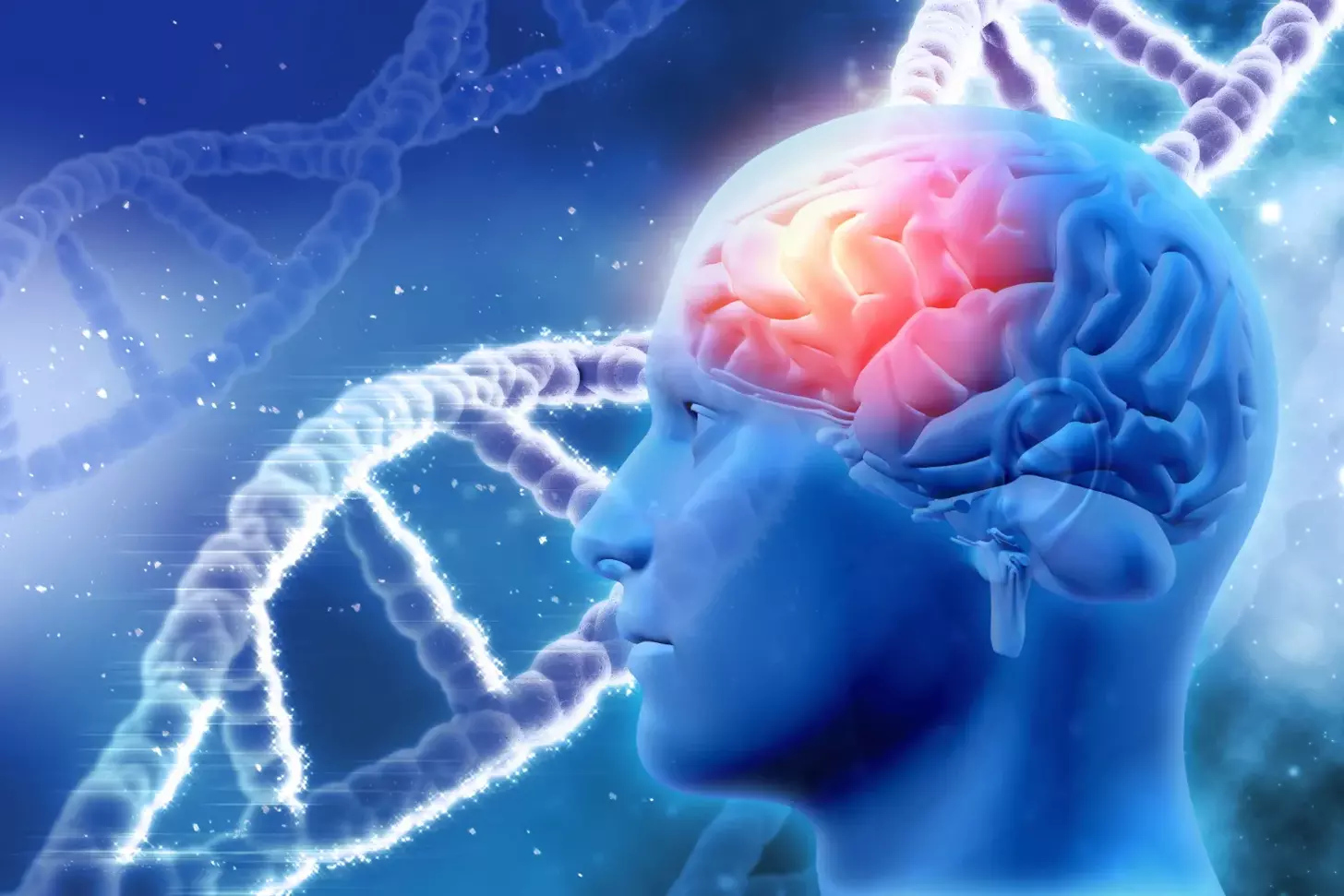
Glioblastoma can occur in various parts of the brain, but it most commonly affects the frontal and temporal lobes. These regions are involved in critical functions such as decision-making, language processing, and memory. The location of the tumor can significantly impact the symptoms and cognitive effects experienced by patients.
For instance, tumors in the frontal lobe may affect personality, judgment, and motor function, while those in the temporal lobe can impact memory, language, and emotional processing.
Initial Diagnosis and Staging
The diagnosis of glioblastoma involves a combination of imaging techniques and biopsy. Magnetic Resonance Imaging (MRI) and Computed Tomography (CT) scans are commonly used to visualize the tumor and assess its size and location.
A biopsy is then performed to confirm the diagnosis by examining the tumor tissue for characteristic features of GBM. After diagnosis, the tumor is staged based on its histological features and clinical presentation, which helps determine the prognosis and guide treatment decisions.
Brain Tumor Memory Loss: Cognitive Impact of Glioblastoma

The cognitive effects of glioblastoma, particularly memory impairment, are critical to understanding the full scope of the disease. Glioblastoma patients often experience significant cognitive changes, with memory loss being one of the most impactful symptoms.
Short-Term Memory Impairment Patterns
Glioblastoma can cause distinct patterns of short-term memory impairment. Patients may struggle to recall recent events, learn new information, or perform tasks that require working memory. This type of memory loss can be particularly challenging, as it affects daily functioning and the ability to engage in routine activities.
Research has shown that the location of the tumor within the brain can influence the type and severity of memory impairment. For instance, tumors located in the frontal or temporal lobes may have different effects on memory and cognitive function.
How Memory Loss Affects Daily Functioning
Memory loss associated with glioblastoma can significantly impact a patient’s daily life. Simple tasks, such as managing medications, keeping appointments, or even remembering to eat, can become challenging. This can lead to increased reliance on caregivers and support systems.
As one patient noted, “The hardest part is not being able to remember things that were once so easy. It’s like my brain is foggy all the time.”
“It’s not just about forgetting where you put your keys; it’s about forgetting who you are and what’s happening around you.”
Differences Between GBM Memory Loss and Other Conditions
Memory loss in glioblastoma patients can differ from that experienced in other neurological conditions. While Alzheimer’s disease, for example, typically involves gradual memory decline, glioblastoma-related memory loss can appear suddenly and progress rapidly.
- GBM memory loss is often more localized and related to tumor location.
- The progression of memory impairment can be more rapid in GBM compared to other dementias.
- Treatment effects, such as surgery, chemotherapy, and radiation, can also impact memory and cognitive function.
Understanding these differences is crucial for accurate diagnosis and effective management of glioblastoma-related memory loss.
Glioblastoma Personality Changes: Frontal and Temporal Lobe Effects
The location of glioblastoma within the brain, especially in areas like the frontal or temporal lobes, can lead to notable changes in personality and behavior. These changes can be challenging for both patients and their families, as they affect not only cognitive functions but also emotional and social interactions.
Frontal Lobe Tumors and Executive Function Changes
Glioblastoma in the frontal lobe can significantly impact executive function, leading to changes in decision-making, planning, and behavior control. Executive function deficits can manifest as:
- Difficulty in making decisions or judgments
- Impulsivity or disinhibited behavior
- Problems with planning and organization
- Reduced ability to multitask or switch between tasks
These changes can be particularly challenging as they affect a person’s ability to function independently and maintain their usual roles in personal and professional settings.
Temporal GBM and Emotional Processing Alterations
When glioblastoma affects the temporal lobe, it can alter emotional processing, resulting in mood swings, irritability, and other personality changes. Emotional processing alterations can include:
- Increased emotional reactivity or mood instability
- Difficulty in recognizing and interpreting emotional cues from others
- Changes in emotional expression, such as apathy or aggression
These changes can strain relationships and impact the overall quality of life for patients and their loved ones. Understanding the link between glioblastoma location and personality changes is crucial for providing appropriate support and care.
We recognize that glioblastoma personality changes can be complex and multifaceted. By acknowledging the specific effects of frontal and temporal lobe glioblastoma, we can better support patients through their journey, offering comprehensive care that addresses both medical and emotional needs.
Glioblastoma and Seizures: What to Expect
Understanding the relationship between glioblastoma and seizures is crucial for effective management and care. Seizures are a common symptom in patients with glioblastoma, affecting their quality of life and requiring comprehensive treatment strategies.
Types of Seizures in Glioblastoma Patients
Glioblastoma patients can experience various types of seizures, including generalized tonic-clonic seizures and focal seizures. Generalized tonic-clonic seizures involve both sides of the brain, causing convulsions and loss of consciousness. In contrast, focal seizures affect only one part of the brain, leading to symptoms like twitching, numbness, or altered emotions.
- Simple Focal Seizures: Patients remain conscious but may experience unusual sensations or movements.
- Complex Focal Seizures: Patients may have altered consciousness and perform repetitive movements.
Warning Signs and Triggers
Recognizing the warning signs and triggers of seizures is vital for glioblastoma patients. Common warning signs include:
- Aura or unusual sensations before the seizure
- Changes in mood or behavior
- Altered consciousness or confusion
Triggers can vary but often include stress, lack of sleep, and certain medications. Managing these triggers is part of seizure control.
“Seizure management is a critical aspect of caring for glioblastoma patients. By understanding the types of seizures and their triggers, healthcare providers can develop more effective treatment plans.”
Treatment Approaches for GBM-Related Seizures
Treating seizures in glioblastoma patients involves a multi-faceted approach. Antiepileptic drugs (AEDs) are commonly used to control seizure activity. The choice of AED depends on various factors, including the patient’s overall health, potential drug interactions, and side effect profiles.
- First-line AEDs: Medications like levetiracetam and valproate are often used as initial treatments.
- Alternative Therapies: In some cases, alternative treatments such as surgery or ketogenic diet may be considered for seizure control.
Monitoring and adjusting treatment plans are crucial for optimizing seizure management in glioblastoma patients.
Glioblastoma Recurrence Timeline: Why and When Tumors Return
Glioblastoma recurrence is a significant concern for patients and healthcare providers. We understand that dealing with the possibility of recurrence can be challenging, and it’s essential to be informed about what to expect.
Understanding the High Recurrence Rate
Glioblastoma has a high recurrence rate due to its aggressive nature and the difficulty in completely removing the tumor surgically. Even with comprehensive treatment, including surgery, radiation, and chemotherapy, recurrence is common.
Studies have shown that the majority of glioblastoma recurrences happen within a specific timeframe after initial treatment. This knowledge helps us tailor our follow-up care and monitoring strategies.
Typical Timeline After Initial Treatment
Most glioblastoma recurrences occur within 6 to 12 months after the initial treatment. However, the exact timeline can vary significantly from patient to patient, depending on various factors, including the extent of surgical resection and the patient’s overall health.
To better understand the typical recurrence timeline, let’s examine the data in the following table:
| Timeframe | Recurrence Rate |
|---|---|
| 6 months | 40-50% |
| 12 months | 70-80% |
| 2 years | 90% |
Monitoring and Surveillance Protocols
Regular monitoring and surveillance are crucial for detecting glioblastoma recurrence early. We use a combination of MRI scans and clinical assessments to monitor patients for signs of recurrence.
The frequency of MRI scans typically increases during the first year after treatment, as this is when the risk of recurrence is highest. By closely monitoring patients, we can identify recurrence at an early stage, when further treatment options may be more effective.
Early detection through regular surveillance is key to managing glioblastoma recurrence effectively. We work closely with our patients to ensure they receive the necessary care and support throughout their treatment journey.
Recognizing Glioblastoma Recurrence Symptoms
Identifying glioblastoma recurrence symptoms early can significantly impact the effectiveness of subsequent treatment. We will outline the key indicators that may signal the return of glioblastoma, enabling patients and caregivers to seek medical attention promptly.
Cognitive and Memory Changes Signaling Recurrence
Cognitive and memory changes are among the primary indicators of glioblastoma recurrence. Patients may experience worsening short-term memory loss, difficulty in concentrating, or confusion. These symptoms can be subtle at first, but they tend to progress over time. We recommend monitoring any changes in cognitive function closely, as early detection can lead to timely intervention.
In some cases, patients may exhibit personality changes or become increasingly irritable. These changes can be due to the tumor’s location and its impact on surrounding brain tissue. It’s essential for caregivers to document these changes and discuss them with the healthcare provider.
New or Worsening Seizure Activity
Seizure activity is a common symptom of glioblastoma recurrence. Patients may experience new onset seizures or an increase in frequency or severity of existing seizures. We advise patients and caregivers to keep a seizure diary to track the occurrence, duration, and characteristics of seizures. This information is invaluable for healthcare providers in assessing the situation and determining the best course of action.
It’s crucial to understand that seizure activity can be a sign of tumor recurrence or progression. If seizures become more frequent or severe, seeking immediate medical attention is paramount.
When to Seek Immediate Medical Attention
We emphasize the importance of being vigilant about the symptoms of glioblastoma recurrence. If patients or caregivers notice any of the following, they should seek medical help immediately: sudden worsening of cognitive or memory problems, new or increased seizure activity, severe headaches, or any other significant neurological deficits.
- New or worsening neurological symptoms
- Increased frequency or severity of seizures
- Sudden changes in cognitive function or memory
- Severe headache or vomiting
Prompt medical evaluation can lead to adjustments in treatment plans, potentially improving outcomes. We encourage patients and caregivers to maintain open communication with their healthcare team regarding any concerns or changes in symptoms.
Glioblastoma Stage 4: What to Expect After Surgery
After undergoing surgery for glioblastoma stage 4, patients often wonder what the road to recovery looks like. The journey to healing is multifaceted, involving not just the immediate post-surgical period but also subsequent treatments that play a crucial role in managing the disease.
Immediate Post-Surgical Recovery Period
The immediate recovery period after glioblastoma surgery is critical. Patients typically spend several days in the hospital under close observation to monitor for any complications and manage pain effectively. During this time, the medical team will also begin to assess the patient’s neurological function and overall health.
Key aspects of immediate recovery include:
- Managing post-operative pain and discomfort
- Monitoring for signs of neurological deficit or complications
- Initiating rehabilitation plans to regain strength and function
Adjuvant Treatments and Their Effects
Following surgery, adjuvant treatments such as chemotherapy and radiation therapy are commonly recommended to target any remaining cancer cells. These treatments can have significant effects on the patient’s quality of life and overall survival.
Chemotherapy is often used in conjunction with radiation therapy to enhance its effectiveness. The most common chemotherapy drug used for glioblastoma is temozolomide (Temodar). While effective, chemotherapy can cause side effects such as nausea, fatigue, and hair loss.
Radiation therapy is another crucial component of adjuvant treatment. It uses high-energy beams to target and kill cancer cells. Radiation can cause fatigue, scalp irritation, and hair loss, but these side effects are typically temporary.
Realistic Expectations for Function and Recovery
Understanding the potential outcomes after glioblastoma surgery is essential for setting realistic expectations. While some patients may experience significant improvement, others may face ongoing challenges due to the tumor’s location and the extent of surgery.
Rehabilitation plays a vital role in recovery, helping patients regain lost functions and adapt to any lasting changes. A multidisciplinary team of healthcare professionals, including physical therapists, occupational therapists, and speech therapists, work together to support the patient’s recovery journey.
By understanding what to expect after surgery for glioblastoma stage 4, patients and their families can better navigate the complex treatment landscape and make informed decisions about their care.
Living with Glioblastoma: Daily Challenges and Adaptations
Glioblastoma diagnosis initiates a complex journey involving daily adaptations, medical interventions, and emotional resilience for patients and caregivers alike. As we navigate the challenges of glioblastoma, it’s essential to understand the impact on daily life and the strategies that can help manage its effects.
Memory Compensation Strategies
One of the significant challenges faced by glioblastoma patients is memory loss. Memory compensation strategies can play a crucial role in managing this symptom. Patients can benefit from using calendars, reminders on their phones, and notes to keep track of daily tasks and appointments. Additionally, creating a routine can help in structuring the day and reducing the cognitive load.
It’s also beneficial to involve family members or caregivers in the memory compensation process. They can provide support by reminding patients of important tasks and helping them stay organized. For more information on managing brain cancer symptoms, you can visit ScienceAlert for resources on warning signs and early detection.
Support Resources for Patients and Caregivers
Living with glioblastoma requires not only medical treatment but also a robust support system. Support resources are vital for both patients and caregivers to cope with the emotional and practical challenges they face. Support groups, either in-person or online, can provide a platform for sharing experiences and gaining insights from others going through similar situations.
- National Brain Tumor Society (NBTS) offers resources and support for brain tumor patients.
- Cancer support groups, both local and online, can provide emotional support.
- Caregiver support services can help in managing the caregiving responsibilities.
Maintaining Quality of Life Despite Symptoms
Maintaining quality of life is a key goal for glioblastoma patients. Despite the challenges posed by the disease, there are several strategies that can help. Staying engaged in activities that bring joy and fulfillment is crucial. This could be hobbies, spending time with loved ones, or pursuing interests.
Additionally, managing symptoms effectively through medical treatment and lifestyle adjustments can significantly improve quality of life. It’s essential for patients and caregivers to work closely with their healthcare team to develop a comprehensive care plan that addresses their specific needs.
Conclusion: Navigating the Glioblastoma Journey
Glioblastoma is a challenging and aggressive form of cancer that significantly impacts patients and their loved ones. Throughout this article, we have explored the complexities of glioblastoma, including its symptoms, treatment options, and the importance of support systems.
Navigating the glioblastoma journey requires a comprehensive approach that encompasses medical care, emotional support, and access to resources. Understanding that glioblastoma is cancer and acknowledging its aggressive nature helps patients and families prepare for the challenges ahead.
As we conclude this article, we emphasize the importance of ongoing medical care and emotional support for those affected by glioblastoma. By providing patients and their loved ones with the necessary tools and resources, we can help them better navigate this complex journey.
FAQ
What is glioblastoma and how does it affect memory and cognition?
Glioblastoma is an aggressive brain cancer that can cause significant cognitive impairment, including memory loss. The tumor’s location and size can impact the type and severity of cognitive changes, affecting daily functioning and quality of life.
What are the common locations of glioblastoma in the brain?
Glioblastoma is commonly found in the frontal and temporal lobes of the brain, which can affect executive function, emotional processing, and memory.
How is glioblastoma diagnosed and staged?
Diagnosis typically involves imaging technologies such as MRI, followed by a biopsy to confirm the presence of glioblastoma. Staging is based on the tumor’s size, location, and extent of spread.
What are the typical symptoms of glioblastoma recurrence?
Symptoms of recurrence may include cognitive and memory changes, new or worsening seizure activity, and other neurological deficits. Prompt medical attention is essential if these symptoms occur.
How can patients manage seizures related to glioblastoma?
Treatment approaches for GBM-related seizures include anticonvulsant medications, lifestyle modifications, and other interventions to reduce seizure frequency and severity.
What can patients expect after surgery for glioblastoma?
The immediate post-surgical recovery period may involve adjuvant treatments such as radiation and chemotherapy. Patients should have realistic expectations for functional outcomes and recovery.
How can patients and caregivers cope with glioblastoma personality changes?
Understanding the relationship between tumor location and personality changes can help patients and families cope with these changes. Support resources and counseling may also be beneficial.
What are the daily challenges of living with glioblastoma?
Patients may experience memory loss, cognitive impairment, and other symptoms that impact daily functioning. Strategies for compensating for these changes and maintaining quality of life are essential.
How often does glioblastoma recur, and when is it most likely to happen?
Glioblastoma has a high recurrence rate, typically occurring within a certain timeframe after initial treatment. Regular monitoring and surveillance protocols can help detect recurrence early.
What support resources are available for glioblastoma patients and caregivers?
Various support resources, including counseling, support groups, and online resources, can help patients and caregivers navigate the challenges of glioblastoma.
FAQ
What is glioblastoma and how does it affect memory and cognition?
Glioblastoma is an aggressive brain cancer that can cause significant cognitive impairment, including memory loss. The tumor’s location and size can impact the type and severity of cognitive changes, affecting daily functioning and quality of life.
What are the common locations of glioblastoma in the brain?
Glioblastoma is commonly found in the frontal and temporal lobes of the brain, which can affect executive function, emotional processing, and memory.
How is glioblastoma diagnosed and staged?
Diagnosis typically involves imaging technologies such as MRI, followed by a biopsy to confirm the presence of glioblastoma. Staging is based on the tumor’s size, location, and extent of spread.
What are the typical symptoms of glioblastoma recurrence?
Symptoms of recurrence may include cognitive and memory changes, new or worsening seizure activity, and other neurological deficits. Prompt medical attention is essential if these symptoms occur.
How can patients manage seizures related to glioblastoma?
Treatment approaches for GBM-related seizures include anticonvulsant medications, lifestyle modifications, and other interventions to reduce seizure frequency and severity.
What can patients expect after surgery for glioblastoma?
The immediate post-surgical recovery period may involve adjuvant treatments such as radiation and chemotherapy. Patients should have realistic expectations for functional outcomes and recovery.
How can patients and caregivers cope with glioblastoma personality changes?
Understanding the relationship between tumor location and personality changes can help patients and families cope with these changes. Support resources and counseling may also be beneficial.
What are the daily challenges of living with glioblastoma?
Patients may experience memory loss, cognitive impairment, and other symptoms that impact daily functioning. Strategies for compensating for these changes and maintaining quality of life are essential.
How often does glioblastoma recur, and when is it most likely to happen?
Glioblastoma has a high recurrence rate, typically occurring within a certain timeframe after initial treatment. Regular monitoring and surveillance protocols can help detect recurrence early.
What support resources are available for glioblastoma patients and caregivers?
Various support resources, including counseling, support groups, and online resources, can help patients and caregivers navigate the challenges of glioblastoma.