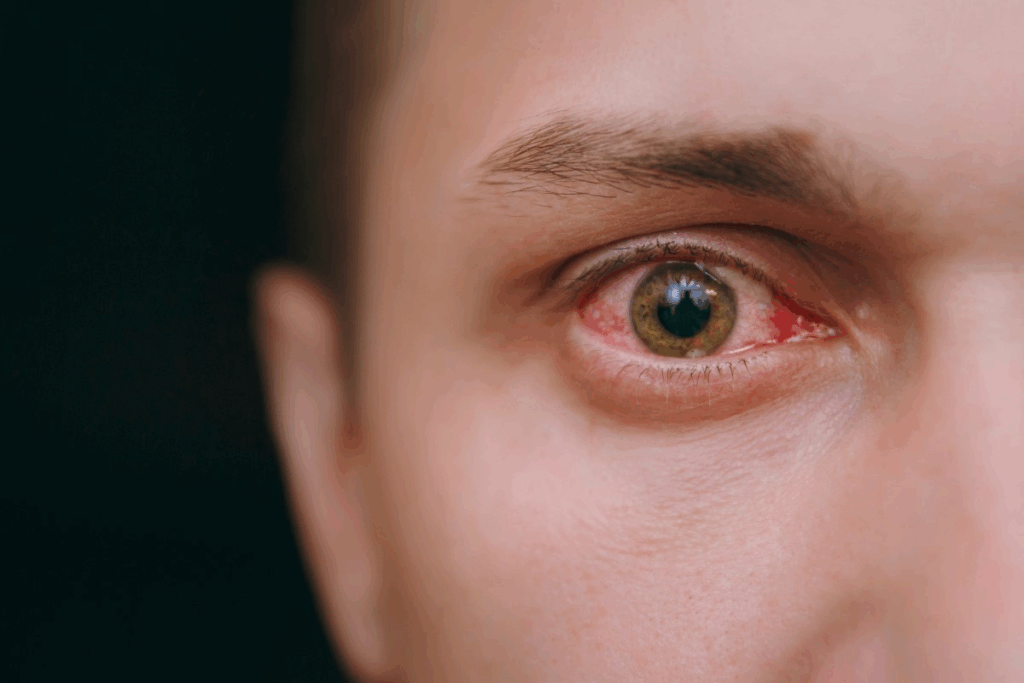
Branch Retinal Vein Occlusion (BRVO) is a sudden problem that can lead to vision loss. It’s the second most common retinal vascular disorder after diabetic retinopathy, affecting millions globally.
When a small vein in the retina gets blocked, it cuts down blood flow and oxygen. This often causes retinal swelling and changes in vision. Spotting BRVO symptoms early is key to avoiding serious vision loss.
At Liv Hospital, we blend international expertise with a focus on the patient. Knowing the signs of BRVO helps people get medical help fast.
Key Takeaways
- BRVO is a sudden vascular emergency that can cause vision loss.
- It is the second most common retinal vascular disorder after diabetic retinopathy.
- Recognizing BRVO symptoms is key for timely medical help.
- Less blood flow and oxygen can cause retinal swelling and vision changes.
- Liv Hospital offers a patient-centered approach to treating BRVO.
What Is Branch Retinal Vein Occlusion?

BRVO, or Branch Retinal Vein Occlusion, happens when a vein in the retina gets blocked. This can lead to vision loss. It’s a big worry for both patients and doctors because it affects how well someone can see and their overall quality of life.
Definition and Prevalence Statistics
Branch Retinal Vein Occlusion is when a vein in the retina gets blocked. This can cause bleeding, swelling, and vision problems. It’s the most common type of retinal vein blockage, affecting about 0.44% to 1.6% of people.
A big study found that BRVO affects about 0.442% of people. This shows it’s a big health issue. It’s also more common than other types of vein blockage in the retina.
How BRVO Differs from Other Retinal Conditions
BRVO is different from other eye problems because it’s caused by a blockage in a vein. It’s not like diabetic retinopathy, which is caused by diabetes. It’s also not the same as age-related macular degeneration, which happens as people get older.
The table below shows how BRVO is different from other eye problems:
Condition | Cause | Primary Symptoms |
BRVO | Vascular obstruction | Sudden painless vision loss, retinal hemorrhage |
Diabetic Retinopathy | Diabetes | Microaneurysms, retinal edema, vision disturbances |
Age-related Macular Degeneration | Aging | Macular degeneration, central vision loss |
Knowing how BRVO is different helps doctors diagnose and treat it better. This way, they can give the right care to those with BRVO.
Recognizing Branch Retinal Vein Occlusion Symptoms

It’s important to know the signs of Branch Retinal Vein Occlusion (BRVO) to get help fast. BRVO can cause sudden vision changes, affecting your daily life.
Sudden Painless Vision Loss
Sudden painless vision loss in one eye is a key sign of BRVO. This can happen slowly or quickly, based on the blockage. It can make everyday tasks hard because of blurred or distorted vision.
Visual Field Defects and Their Patterns
BRVO leads to visual field defects, where some vision areas are lost or not working right. These defects can show up in different ways, depending on where and how bad the blockage is. You might see altitudinal or arcuate patterns.
Identifying Scotomas (Blind Spots)
Scotomas, or blind spots, are another sign of BRVO. They can be full (absolute) or partial (relative) vision loss. These spots can make things like reading or driving hard.
The symptoms of BRVO can vary, but catching them early is key. Knowing these signs helps you get help quickly, which can save your vision.
Characteristic Eye Changes in BRVO
A thorough eye exam is key to spotting changes in BRVO. This exam reveals distinct retinal changes. These are vital for diagnosing and understanding the condition’s extent.
Flame and Dot-Blot Hemorrhages
Hemorrhages in the retina are a key sign of BRVO. There are two types: flame-shaped and dot-blot hemorrhages. Flame-shaped hemorrhages look like lines or flames in the retina’s surface. Dot-blot hemorrhages are small dots in the deeper layers.
Cotton-Wool Spots and Hard Exudates
BRVO also shows cotton-wool spots and hard exudates. Cotton-wool spots are white, fluffy areas showing retinal ischemia. They show the retina’s response to poor blood flow. Hard exudates are lipid deposits from chronic inflammation or edema.
Retinal Edema and Vascular Changes
Retinal edema is common in BRVO, caused by fluid buildup. This swelling can cause vision problems. Also, veins may become dilated and twisted, showing the retina’s effort to adapt.
Distribution Patterns of Branch Retinal Vein Occlusion
It’s key for eye doctors to know how Branch Retinal Vein Occlusion (BRVO) spreads. BRVO tends to hit certain spots in the retina more often.
Supertemporal Quadrant Predominance
Most BRVO cases happen in the superotemporal quadrant. Research shows this area is hit up to two-thirds of the time. This makes it a big clue for doctors to spot BRVO.
Why this area gets hit so much is complex. It might be because of how blood vessels cross over here. This can cause them to get blocked.
Other Affected Retinal Areas and Their Symptoms
But BRVO doesn’t just hit the superotemporal quadrant. The inferotemporal quadrant is also common, making up about 29% of cases. The nasal quadrants are less hit, making up about 12.9%.
The symptoms of BRVO vary based on where and how bad the blockage is. People might see:
- Sudden painless vision loss
- Visual field defects
- Scotomas (blind spots)
The severity of these symptoms depends on the area and how bad the blockage is. Knowing this helps doctors diagnose and treat BRVO better.
By understanding where BRVO usually happens, doctors can make better treatment plans. This helps patients get better faster.
Who Is at Risk for Developing BRVO?
Knowing the risk factors for Branch Retinal Vein Occlusion (BRVO) is key to catching it early. Some people are more likely to get it because of their age, health, and eye conditions.
Age and Demographic Risk Factors
Age is a big risk factor for BRVO. It’s more common in older adults. Studies show that BRVO risk goes up after 50.
Gender and ethnicity might also play a part, but results can vary.
Medical Conditions That Increase Risk
Some health issues raise the risk of BRVO. These include:
- Hypertension: High blood pressure is a known risk factor.
- Hyperlipidemia: High cholesterol and triglycerides can also increase risk.
- Diabetes Mellitus: Diabetes can harm the retina’s blood vessels, raising risk.
- Atherosclerosis: Arteries getting hard and narrow also raises risk.
Other conditions like hyperhomocysteinemia and anticardiolipin antibodies are linked to BRVO too.
Ocular Risk Factors and Previous Eye Conditions
Eye health also affects BRVO risk. Key factors include:
- Ocular Hypertension/Glaucoma: High eye pressure can increase risk.
- Previous Retinal Vein Occlusion: Having it in one eye raises risk in the other.
We’ve made a table below to summarize BRVO risk factors:
Risk Factor Category | Specific Risk Factors |
Demographic | Age, Gender, Ethnicity |
Medical Conditions | Hypertension, Hyperlipidemia, Diabetes Mellitus, Atherosclerosis |
Ocular Factors | Ocular Hypertension/Glaucoma, Previous Retinal Vein Occlusion |
Knowing these risk factors helps doctors spot who’s at higher risk for BRVO. They can then take steps to prevent and monitor it.
When to Seek Medical Attention for Possible BRVO
It’s important to know the signs of Branch Retinal Vein Occlusion (BRVO) to get help quickly. If your vision changes suddenly, like losing sight without pain, you need to see a doctor right away.
Emergency Warning Signs
If you notice any of these signs, get medical help fast:
- Sudden, painless loss of vision in one eye
- Blurred vision or blind spots
- Distorted vision, where straight lines appear wavy or crooked
- Floaters or flashes of light
These signs could mean a serious problem that needs quick attention from an eye doctor.
Differentiating Normal Vision Changes from BRVO
It can be hard to tell if your vision changes are normal or due to BRVO. But, if your vision changes suddenly, it’s more likely BRVO.
Symptom | Normal Vision Change | Possible BRVO |
Sudden Vision Loss | Uncommon | Common |
Blurred Vision | Gradual | Sudden |
Distorted Vision | Rare | Possible |
Knowing the difference can help you know when to see a doctor.
Finding the Right Eye Specialist
If you think you might have BRVO, see an eye specialist who knows about retinal problems. Here’s how to find one:
- Ask your primary care doctor for a referral.
- Check with your insurance for specialists in your network.
- Look online for retina specialists near you.
How Doctors Diagnose Branch Retinal Vein Occlusion
To diagnose Branch Retinal Vein Occlusion (BRVO), doctors use a mix of skills and tools. They check the patient’s vision and use special tests to find BRVO. This helps them understand how it affects the patient’s sight.
Clinical Eye Examination Procedures
Starting with a detailed eye check is key to finding BRVO. Doctors first ask about the patient’s health and symptoms. Then, they do:
- Visual acuity tests to see how sharp the vision is
- Ophthalmoscopy to look at the retina for signs like hemorrhages
- Slit-lamp biomicroscopy to check the front part of the eye
These steps help doctors spot BRVO and rule out other vision problems.
Advanced Imaging Studies
Special imaging tests are vital for confirming BRVO and seeing how bad it is. The main tests we use are:
Optical Coherence Tomography (OCT): OCT gives clear pictures of the retina. It shows how thick the retina is and if there’s swelling. This test is key for tracking the disease and seeing how well treatments work.
Fluorescein Angiography: This test uses dye to see the blood vessels in the retina. It shows where there’s no blood flow, leaks, or new blood vessels.
These tests give important details about the retina. They help doctors decide the best treatment.
Systemic Health Evaluation
BRVO can be linked to other health issues. So, doctors also check the patient’s overall health. They look at heart health, blood pressure, and blood sugar levels. Managing these conditions is important for better treatment results and to stop BRVO from coming back.
By using eye exams, imaging, and health checks, doctors can accurately find BRVO. They then create a treatment plan that fits the patient’s needs.
Potential Complications of Untreated BRVO
Branch Retinal Vein Occlusion (BRVO) can cause serious vision problems if not treated. These problems can greatly affect a person’s life. Getting medical help quickly is very important.
Macular Edema Development
Macular edema is a common issue with untreated BRVO. It happens when fluid builds up in the macula. The macula is key for clear vision. This can make it hard to read or drive.
Neovascularization and Its Consequences
BRVO can also cause new, weak blood vessels to grow. These vessels can leak or bleed. This can lead to serious problems like vitreous hemorrhage or neovascular glaucoma.
Neovascular glaucoma is a serious condition that can result in severe vision loss if not addressed promptly.
Long-term Vision Impairment Risks
Not treating BRVO can lead to lasting vision problems. Issues like macular edema and neovascularization can harm the retina. This can cause blind spots and poor vision.
Early diagnosis and treatment are critical to minimizing the risk of long-term vision impairment.
Knowing the risks of untreated BRVO is key. If symptoms get worse, seek medical help. Quick action can help avoid serious vision loss.
Treatment Approaches for Branch Retinal Vein Occlusion
BRVO treatment uses many methods, including medicine, laser, and surgery. The right treatment depends on how bad the symptoms are, if there are complications, and the patient’s health.
Medical Management Strategies
Medical care is key in treating BRVO, focusing on problems like macular edema. We use medicines like anti-VEGF agents and corticosteroids to lessen swelling and help eyesight.
- Anti-VEGF Agents: These drugs, like ranibizumab and bevacizumab, are injected into the eye to cut down on swelling and leakage.
- Corticosteroids: Injected into the eye, these can reduce swelling and inflammation. But, they might cause side effects like cataracts or high eye pressure.
Laser Therapy Options
Laser treatment is a common way to handle BRVO, mainly for swelling and new blood vessel growth. We use laser in a grid pattern to treat these issues.
“Laser photocoagulation has been a cornerstone in the treatment of BRVO, providing a focused way to lessen swelling and stop new blood vessel growth.”
— Ophthalmology Guidelines
Intravitreal Injections and Their Benefits
Intravitreal injections put medicine right into the eye. This method is great for treating swelling in the macula caused by BRVO.
- Quick improvement in vision
- Less swelling in the retina
- Chance for better long-term results with regular treatment
Surgical Interventions for Severe Cases
For serious problems like bleeding in the eye or retinal detachment, surgery might be needed. Surgery options include removing the vitreous and peeling off membranes.
We make a treatment plan that fits each patient’s needs, using different methods as needed. Regular check-ups are important to adjust the treatment as needed.
Prognosis and Long-term Outlook After BRVO
The future for people with Branch Retinal Vein Occlusion (BRVO) looks different based on several things. These include how bad the condition is and how well treatment works. Knowing these things helps doctors and patients plan the best care.
Recovery Timeline Expectations
How long it takes to get better from BRVO varies a lot. Some people see big improvements in a few months. But others might take longer. The first few months after finding out about BRVO are very important for seeing how well someone will do.
Key factors influencing the recovery timeline include:
- Severity of the occlusion
- Presence of macular edema
- Development of neovascularization
- Response to treatment
Factors Affecting Visual Outcome
Many things can change how well someone sees after BRVO. These include:
Factor | Impact on Visual Outcome |
Macular Edema | Presence and severity can significantly affect visual acuity |
Neovascularization | Can lead to complications such as vitreous hemorrhage |
Treatment Response | Effective management of BRVO can improve visual outcome |
The table shows that macular edema and neovascularization are big factors. But, good treatment can help a lot.
Quality of Life Considerations
Life after BRVO can be different for everyone. It depends on how well someone can see and if there are any problems. People who can’t see as well might need to change how they do things every day. They might also get help from low vision services.
Getting a BRVO diagnosis is tough, but with the right care, many people can live well. It’s important for patients to keep seeing their eye doctor. This helps keep an eye on the condition and deal with any problems fast.
Conclusion
Branch Retinal Vein Occlusion (BRVO) is a major cause of vision loss. It’s important to know its symptoms, risk factors, and treatment options. This knowledge helps manage the condition effectively.
The symptoms of BRVO include sudden vision loss without pain and visual field defects. Certain factors increase the risk of getting BRVO.
Getting a quick diagnosis is key. Doctors use clinical exams and advanced imaging to find BRVO. Then, they start the right treatment.
Treatments include medical management, laser therapy, and intravitreal injections. These aim to stop further damage and improve vision.
In short, knowing about BRVO is essential for both patients and doctors. Early recognition and medical care can help avoid long-term vision problems. This summary shows how important it is to be aware and proactive in managing BRVO to protect vision.
FAQ
What is Branch Retinal Vein Occlusion (BRVO)?
BRVO is a condition where veins in the retina get blocked. This leads to vision problems. It’s a common issue after diabetic retinopathy.
What are the symptoms of BRVO?
Symptoms include sudden vision loss without pain, blind spots, and visual field defects. These can really affect your life.
What are the characteristic eye changes seen in BRVO?
Eye changes include hemorrhages, cotton-wool spots, and hard exudates. These can be seen during an eye exam.
Which areas of the retina are most commonly affected by BRVO?
The top right part of the retina is most often affected. Other areas can also be involved.
Who is at risk for developing BRVO?
Older adults, people with high blood pressure, diabetes, and glaucoma are at higher risk. So are those with previous eye problems.
When should I seek medical attention for possible BRVO?
Seek medical help right away if you notice sudden vision loss or other symptoms. Quick action can prevent serious vision loss.
How is BRVO diagnosed?
Diagnosis involves a clinical exam and imaging like OCT and fluorescein angiography. A full health check is also done.
What are the treatment options for BRVO?
Treatments include medical management, laser therapy, injections, and surgery for severe cases. Each approach has its own benefits.
What is the prognosis and long-term outlook after BRVO?
The outcome depends on the condition’s severity, treatment success, and any underlying health issues. Knowing these factors helps manage expectations.
Can BRVO be prevented?
While full prevention is not possible, managing health conditions and regular eye exams can lower the risk.
How does BRVO differ from other retinal conditions?
BRVO has unique features that distinguish it from other retinal issues. Understanding these differences is key for proper diagnosis and treatment.
References
National Center for Biotechnology Information. Branch Retinal Vein Occlusion: Recognition and Vision Loss. Retrieved from https://pubmed.ncbi.nlm.nih.gov/19837169/)