
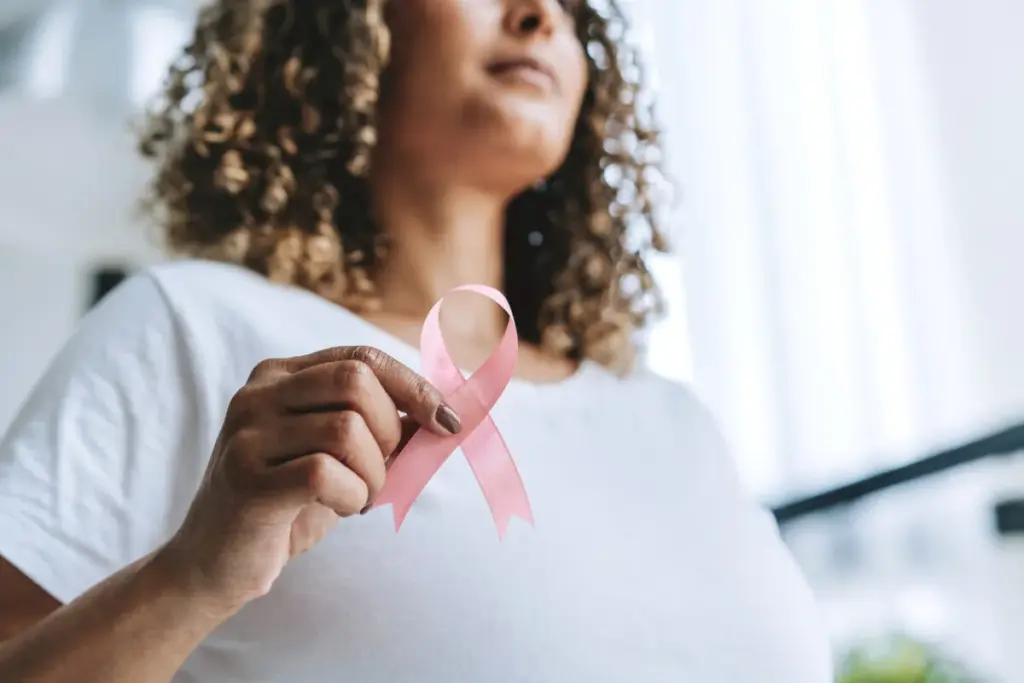
Recovering from breast cancer is a complex and highly individualized process. Advances in medical care have greatly improved outcomes. Yet, the journey is not always straightforward. The chance of full recovery depends on several factors.
These include the stage at diagnosis, the tumor’s biology, and access to advanced care.
Current data show a 5-year relative survival rate of 91.7%. This is a positive sign for many patients. But, the rate drops to 86% at 10 years and 81% at 15 years after diagnosis. This shows the need for long-term monitoring and follow-up care.
The breast cancer survival rate is reaching amazing new heights. Learn the essential facts about long-term recovery and living a powerful life.
Key Takeaways
- The 5-year relative survival rate for breast cancer is 91.7%.
- Survival rates decrease over time, with 86% at 10 years and 81% at 15 years.
- The stage at diagnosis significantly influences the likelihood of full recovery.
- Tumor biology plays a critical role in determining patient outcomes.
- Access to advanced care is essential for improving survival rates.
Understanding What “Full Recovery” Means in Breast Cancer

It’s essential for breast cancer patients to understand the distinctions between recovery, which means being cancer-free, and remission, which indicates controlled cancer. These terms are often mixed up, but they mean different things in medicine.
Medical Definition of Recovery vs. Remission
Recovery means a patient is cancer-free after treatment. Remission means the cancer is controlled, but it might not be gone for good. Remission can be partial or complete, with the latter meaning no detectable cancer but a risk of coming back.
Being in remission doesn’t always mean you’re cured. The chance of cancer coming back depends on the stage and type of cancer. For example, stage II breast cancer has a different outlook than stage III or triple-negative breast cancer.
|
Status |
Definition |
Implications |
|---|---|---|
|
Recovery |
Cancer-free after treatment |
No evidence of disease |
|
Remission |
Cancer is under control |
Risk of recurrence remains |
Physical vs. Emotional Recovery
Recovery from breast cancer is more than just being cancer-free. It’s also about healing physically and emotionally. Physical recovery means managing side effects, getting stronger, and improving health. Emotional recovery is about dealing with the mental effects of diagnosis and treatment, like anxiety or fear of cancer coming back.
Both physical and emotional healing are key for a patient’s well-being. Support from family, friends, and counselors is important for recovery.
Knowing the stage of breast cancer at diagnosis helps understand recovery. For example, the stage II breast cancer survival rate is often better than stage III, affecting treatment and recovery chances.
Also, the type of breast cancer, like triple-negative, affects recovery. Triple-negative breast cancer is aggressive and hard to treat. The triple-negative breast cancer survival rate has improved with new treatments, but it’s a tough cancer to manage.
Breast Cancer Survival Rate: Current Statistics
Breast cancer survival rates have gone up thanks to early detection and new treatments. This shows how far medical science has come and the value of acting fast.
Notable 5-Year Relative Survival Rate
The 5-year relative survival rate for breast cancer is 91.7%. This means women with breast cancer are 91.7% as likely as those without it to live at least 5 years after diagnosis. This is a big step forward and shows how well modern treatments work.
Long-Term Survival Statistics
Looking at longer periods, the 10-year relative survival rate is 86%, and the 15-year rate is 81%. These numbers show how much progress has been made in treating breast cancer. They also stress the need for ongoing care.
Factors Influencing Survival Statistics
Several things affect breast cancer survival rates, including:
- The stage at which breast cancer is diagnosed
- Tumor biology, such as hormone receptor status and HER2 status
- Access to advanced and personalized treatment options
- Patient’s overall health and response to treatment
Knowing these factors is key for both patients and doctors to make the best treatment choices.
How Cancer Stage Affects Recovery Prospects

It’s important for patients and doctors to know how cancer stage affects recovery. The stage of breast cancer diagnosis is key to recovery chances. Early detection is vital for better survival rates.
Early detection greatly improves survival chances. For localized breast cancer, the 5-year survival rate is over 99%. This shows how critical regular screenings and breast health awareness are. Early detection means treatments work better, and recovery chances are higher.
Early Detection Advantages
Early detection brings many benefits, including:
- Improved treatment outcomes: Early-stage breast cancer is more likely to be treated successfully, with a higher likelihood of complete recovery.
- Less aggressive treatment: Patients diagnosed early may need less intense treatments, keeping more of their quality of life.
- Better prognosis: Early-stage breast cancer has a more favorable prognosis, with higher survival rates.
The Importance of Staging in Treatment Planning
Accurate staging is key for effective treatment planning. It helps doctors understand the disease’s extent. This guides decisions on surgery, chemotherapy, radiation, or other treatments. Staging also helps predict outcomes and plan follow-up care.
We stress that knowing the stage of breast cancer is vital for treatment decisions. By understanding the stage, patients and their healthcare teams can create a treatment plan that meets their needs.
Stage 2 Breast Cancer Survival Rate
Knowing the survival rate for stage 2 breast cancer is key for patients and their families. It shows how well treatments work. Stage 2 is an early stage, and the survival rate is higher than in later stages.
Treatment Options for Stage 2
Patients with stage 2 breast cancer have many treatment choices. These depend on the tumor and the patient’s health. Treatments include surgery, chemotherapy, radiation, and hormone therapy.
Surgery: Surgery is often the first step. It aims to remove the tumor and affected lymph nodes. The surgery type, like lumpectomy or mastectomy, depends on the tumor’s size and location.
Chemotherapy: Chemotherapy might be used before or after surgery. It helps shrink the tumor or kill cancer cells. The choice of chemotherapy depends on the tumor and the patient’s health.
- Chemotherapy before surgery (neoadjuvant chemotherapy) can help reduce the tumor size, making it easier to remove surgically.
- Chemotherapy after surgery (adjuvant chemotherapy) aims to kill any cancer cells that might have spread beyond the original tumor site.
Radiation Therapy: Radiation therapy is often used after lumpectomy. It destroys any remaining cancer cells in the breast, reducing recurrence risk.
Long-term Prognosis and Recovery
The long-term outlook for stage 2 breast cancer patients is good. The 5-year survival rate is about 93%, says the American Cancer Society.
|
Treatment Modality |
Purpose |
Timing |
|---|---|---|
|
Surgery |
Remove tumor and affected lymph nodes |
First line of treatment |
|
Chemotherapy |
Shrink tumor or eliminate remaining cancer cells |
Before or after surgery |
|
Radiation Therapy |
Destroy remaining cancer cells in the breast |
After lumpectomy |
Recovering from stage 2 breast cancer means treating the cancer and managing treatment side effects. It also means keeping overall health good. Follow-up care is key to watch for recurrence and manage treatment effects.
Stage 3 Breast Cancer Survival Rate
When you’re diagnosed with stage 3 breast cancer, it’s a big deal. At this point, the cancer has grown and spread to nearby tissues or lymph nodes. But it hasn’t reached other parts of your body yet.
Understanding Locally Advanced Breast Cancer
Stage 3 breast cancer is more serious. It needs strong treatments because the cancer is bigger or in more lymph nodes.
Treatment typically includes:
- Neoadjuvant chemotherapy to shrink the tumor
- Surgery, which may involve mastectomy or lumpectomy with lymph node dissection
- Radiation therapy to eliminate any remaining cancer cells
- In some cases, targeted therapy or hormone therapy based on the tumor’s characteristics
Modern Treatment Approaches and Outcomes
Thanks to new treatments, stage 3 breast cancer survival rates have improved. Women diagnosed with stage 3 breast cancer have a 72% chance of surviving 5 years, says the American Cancer Society.
Let’s look at some survival and treatment data:
|
Treatment Approach |
5-Year Survival Rate |
Description |
|---|---|---|
|
Neoadjuvant Chemotherapy + Surgery + Radiation |
75% |
Combination therapy showing improved survival |
|
Surgery + Adjuvant Chemotherapy + Radiation |
70% |
Standard treatment approach with good outcomes |
|
Targeted Therapy + Hormone Therapy |
80% |
For patients with specific tumor characteristics |
These numbers show how important a custom treatment plan is. Your health, the cancer’s type, and how you react to treatment all affect your chances.
It’s key for patients to team up with their healthcare team. They can help figure out the best treatment plan for you.
Stage 4 Breast Cancer Survival Rate
Being diagnosed with stage 4 breast cancer is a big change. Knowing about survival rates and treatment goals is key. Stage 4 breast cancer, or metastatic breast cancer, means the cancer has spread to other parts of the body. This could be the bones, liver, lungs, or brain.
Understanding Metastatic Breast Cancer
Metastatic breast cancer is a tough condition. It needs a detailed treatment plan. The cancer cells have moved through the bloodstream or lymphatic system. They have formed new tumors in distant places.
Key aspects of metastatic breast cancer include:
- The cancer is no longer localized to the breast
- Multiple organs may be involved
- Treatment focuses on managing symptoms and slowing disease progression
Treatment Goals and Realistic Expectations
For stage 4 breast cancer patients, the main goals are to control the disease and improve quality of life. While a cure is rare at this stage, treatments can manage the condition well.
Realistic expectations include:
- Prolonging survival through effective treatment
- Managing pain and other symptoms
- Maintaining functional ability and independence
The 5-year relative survival rate for stage 4 breast cancer is about 32.6%. This means about 32.6% of women with stage 4 breast cancer are alive 5 years after diagnosis, compared to the general population.
|
Survival Period |
Relative Survival Rate |
|---|---|
|
1-year |
71.4% |
|
5-year |
32.6% |
|
10-year |
18.4% |
Survival rates are based on past data and may not show the latest treatment advances. Outcomes can differ a lot. This depends on overall health, how well the body responds to treatment, and the cancer’s specific traits.
Stage 4 Breast Cancer Survival Rate By Age
Knowing how age affects stage 4 breast cancer survival rates is key. It helps both patients and doctors make better choices. Age plays a big role in survival rates, with many factors at play.
Age as a Factor in Metastatic Outcomes
Studies show older patients often face tougher challenges. Comorbidities, or other health issues, can make treatment harder. Older patients might also get less aggressive treatments, which can hurt their chances of survival.
Age affects survival rates in complex ways. Health, comorbidities, and cancer type all play parts. Younger patients usually have fewer health problems and can handle stronger treatments better.
Treatment Considerations for Different Age Groups
Doctors must think about age, health, and what the patient wants when planning treatments. Treatment tolerance changes with age, with younger people often handling more intense treatments.
For older patients, treatments must be adjusted to fit their health. We work with patients and families to create plans that work for everyone. These plans aim to control cancer while keeping quality of life in mind.
By understanding age’s role in survival rates and tailoring treatments, we can help patients more. This approach improves outcomes and supports patients better during treatment.
Is Breast Cancer Curable? The Medical Perspective
To know if breast cancer is curable, we must look into the medical view. This includes what “cure” means in cancer treatment. The word “cure” is not simple. Doctors look at many things to decide if a patient is cured.
Defining “Cure” in Oncology
In cancer care, a “cure” means all cancer is gone for good. But, this can change based on the cancer type, how far it has spread, and the patient’s health. For breast cancer, finding a cure is tricky because of its many types and how it reacts to treatment.
a famous breast cancer doctor and researcher, says, “” This shows we need to understand what it means to be “cured” of breast cancer better.
When Doctors Consider Patients Cancer-Free
Doctors look at several things to decide if a patient is cancer-free. These include:
- The type and stage of breast cancer at diagnosis
- The success of the treatment plan
- The patient’s overall health and how well they respond to treatment
- If there are any leftover cancer cells
Patients are seen as cancer-free when there’s no sign of disease (NED) after treatment. But, being cancer-free doesn’t always mean they’re “cured.” Cancer can come back even years later.
“” saysa top oncologist. “It’s important to keep up with follow-up care to watch for any signs of cancer coming back.”
It’s key for patients to know the difference between being “cancer-free” and “cured.” This helps them have the right expectations and make smart choices about their care.
Metastatic Breast Cancer Survival Rate
For those with metastatic breast cancer, knowing the survival rate is key. This cancer has spread to other parts of the body. Thanks to new treatments, survival rates and quality of life have improved.
Latest Statistics on Metastatic Disease
The 5-year survival rate for metastatic breast cancer is about 32.6%. This means 32.6% of patients live 5 years after diagnosis. Remember, survival rates are averages and can’t predict your outcome. But, research and new treatments are making these numbers better.
Here are the latest stats:
|
Year |
5-Year Survival Rate |
10-Year Survival Rate |
|---|---|---|
|
2010 |
24.3% |
12.4% |
|
2020 |
32.6% |
18.5% |
Quality of Life During Treatment
Survival rate is important, but quality of life matters too. Patients with metastatic breast cancer face big challenges. Our goal is to improve their life quality through care.
Key factors influencing quality of life include:
- Effective symptom management: Keeping symptoms under control for a better life.
- Personalized treatment plans: Customizing treatment to fit each patient’s needs.
- Emotional and psychological support: Helping patients deal with the emotional side of the disease.
We focus on these areas to boost life quality for metastatic breast cancer patients. Our goal is to provide top-notch healthcare and support for patients worldwide.
Triple Negative Breast Cancer Survival Rate
The outlook for triple negative breast cancer has improved thanks to new treatments. This type of breast cancer is aggressive and has a poor prognosis. It doesn’t have estrogen or progesterone receptors, and too much HER2 protein. This makes it hard to treat, leading to lower survival rates. But, new treatments are giving TNBC patients hope.
Why This Subtype Has Different Outcomes
One big reason TNBC has a poor prognosis is the lack of targeted treatments. Unlike other breast cancers, TNBC doesn’t respond to hormone or HER2-targeting therapies. So, chemotherapy is often the main treatment. Also, TNBC is often found at a later stage and is more common in young women and those with BRCA1 mutations.
Key factors influencing TNBC outcomes include:
- Aggressive tumor biology
- Lack of targeted treatment options
- Higher likelihood of diagnosis at an advanced stage
Latest Advances in Treatment
New treatments are bringing hope to TNBC patients. Immunotherapy, like atezolizumab, has shown promise when used with chemotherapy. Also, research on PARP inhibitors for BRCA mutation carriers is ongoing.
Current treatment strategies include:
- Immunotherapy with checkpoint inhibitors
- Targeted therapies for specific genetic mutations
- Enhanced chemotherapy regimens
The Long Shadow: Risk of Recurrence After Treatment
Breast cancer survivors often worry about recurrence. It’s important to know the risks. The journey after treatment is just the start, filled with vigilance and sometimes fear.
Understanding recurrence patterns and risk factors is key. This knowledge helps both patients and healthcare providers. We’ll look at when recurrence is most likely and what increases the risk.
Early vs. Late Recurrence Patterns
Recurrence can be early or late, based on when it happens after treatment. Early recurrence usually happens within five years. It’s often linked to aggressive tumors.
Late recurrence occurs after five years. It’s influenced by the tumor’s biology and treatments. Knowing these patterns helps tailor follow-up care.
Factors That Increase Recurrence Risk
Several factors can raise the risk of recurrence. These include:
- The stage of cancer at diagnosis
- The tumor’s type and characteristics
- The treatments received
- Patient-related factors like age and health
Knowing these risk factors helps tailor follow-up care. It aims to lower recurrence risk.
Understanding recurrence and its factors helps support survivors. We can provide the care and info they need to face challenges.
Racial Disparities in Breast Cancer Mortality Rate
Racial disparities in breast cancer mortality rates are a big concern. Despite progress in treatment, the gap in mortality rates between races is huge.
Understanding the Survival Gap
There’s a big difference in survival rates between Black and white women with breast cancer. This gap is often due to differences in access to care and treatment quality.
Several factors contribute to this gap, including:
- Limited Access to Healthcare: Black women face more barriers to healthcare, like lack of insurance and higher costs.
- Delayed Diagnosis: Black women are often diagnosed later, partly because of less screening.
- Biological Differences: Certain aggressive types of breast cancer are more common in Black women.
Addressing Systemic Barriers to Care
To reduce racial disparities in breast cancer mortality, we must tackle systemic barriers. This means:
- Improving Healthcare Access: Increase insurance coverage, lower costs, and add more healthcare providers in underserved areas.
- Enhancing Patient Education: Teach patients about the importance of early screening and treatment.
- Promoting Cultural Competence: Make sure healthcare providers understand and meet the needs of diverse patients.
By tackling these barriers, we can work towards closing the survival gap and reducing racial disparities in breast cancer mortality rates.
|
Racial/Ethnic Group |
5-Year Relative Survival Rate (%) |
Mortality Rate (per 100,000) |
|---|---|---|
|
White |
91.7 |
20.4 |
|
Black |
78.8 |
30.4 |
|
Hispanic |
84.8 |
14.2 |
|
Asian/Pacific Islander |
92.2 |
11.4 |
|
American Indian/Alaska Native |
83.2 |
17.3 |
This table shows the survival and mortality rate gaps among different racial and ethnic groups. It highlights the need for targeted efforts to address these disparities.
Long-term Monitoring: Why It’s Essential
Long-term monitoring is key to helping breast cancer patients live longer. After treatment, survivors need regular check-ups. These can greatly improve their life quality and chances of survival.
Recommended Follow-up Protocols
We suggest a detailed follow-up plan for breast cancer survivors. It includes:
- Regular mammograms: These are vital for spotting any breast tissue changes.
- Clinical exams: A healthcare provider’s regular breast exams can find physical changes or signs of recurrence.
- Imaging tests: Depending on risk or symptoms, tests like ultrasound or MRI might be suggested.
- Monitoring for symptoms: Survivors should watch for signs like new lumps, bone pain, or unexplained weight loss.
These steps help catch issues early. This allows for quick action and treatment.
Warning Signs that Require Immediate Attention
Breast cancer survivors need to know about warning signs. These include:
- New breast lumps or changes in the breast tissue
- Unexplained bone pain or fractures
- Shortness of breath or difficulty breathing
- Unexplained weight loss or loss of appetite
- New neurological symptoms such as headaches or dizziness
If these symptoms show up, survivors should see their doctor right away. Early action can greatly improve outcomes.
By sticking to follow-up plans and watching for warning signs, survivors can lower their risk of recurrence. This can also improve their long-term survival chances.
Advanced Treatment Approaches Improving Recovery
The field of breast cancer treatment is changing fast. New methods are making a big difference in how well patients do. As we learn more about breast cancer, we’re finding new ways to fight it.
Personalized Medicine and Genomic Testing
Personalized medicine is changing how we treat breast cancer. Genomic testing lets doctors find out what’s causing the cancer in each patient. This helps create treatments that really work.
Doctors use genomic testing to find the cancer’s weak spots. This makes treatments more effective and cuts down on side effects.
Immunotherapy and Emerging Treatments
Immunotherapy is a big hope for breast cancer treatment. It uses the body’s immune system to attack cancer. Different types of immunotherapy are being tested and show great promise.
- Checkpoint inhibitors: These drugs help the immune system fight cancer better.
- Cancer vaccines: Scientists are working on vaccines to prevent or treat cancer by boosting the immune system.
- Adoptive T-cell therapy: This involves changing T-cells to recognize cancer cells and then putting them back in the body.
These new treatments offer hope for patients with tough-to-treat breast cancer.
International Treatment Standards
As treatments get better, international standards are updated too. This makes sure patients everywhere get the best care.
Groups like the National Cancer Network and the European Society for Medical Oncology help set these standards. They make sure doctors can give patients the best care possible.
“Keeping treatment guidelines up to date is key to giving patients the best care,” saysa top oncologist.
By using the latest treatments, we’re not just helping patients recover faster. We’re also making their lives better. As research keeps moving forward, we’ll see even more ways to help patients.
Exceptional Cases: Longest Survivors and Success Stories
People who have survived breast cancer, including those with HER2 positive cancer, inspire us. They also help researchers learn more about fighting cancer. These survivors have beaten the odds and helped us find better treatments.
Remarkable Recovery Stories
Long-term survivors remind us of the progress in fighting breast cancer. For example, new treatments like targeted therapy have greatly improved survival rates. Targeted therapy is a big help for HER2 positive breast cancer patients, making treatments more precise and effective.
One inspiring story is of a woman with stage III HER2 positive breast cancer. She got better with a mix of chemotherapy, surgery, and targeted therapy. Her story shows how important personalized medicine and genetic testing are in finding the best treatments.
Longest HER2 Breast Cancer Survivors
HER2 positive breast cancer is now more treatable thanks to new treatments. Long-term survivors prove that modern therapies work well. For example, trastuzumab has greatly increased survival chances for these patients.
|
Treatment |
Survival Rate Improvement |
Key Benefits |
|---|---|---|
|
Trastuzumab |
Significant improvement in survival rates |
Targets HER2 protein |
|
Pertuzumab |
Improved outcomes when combined with trastuzumab |
Dual HER2 blockade |
|
Ado-trastuzumab emtansine |
Effective for patients with residual disease |
Combines antibody with chemotherapy |
What We Can Learn from Outliers
Outliers give us clues about what makes treatment successful. By studying them, researchers find effective strategies. For example, genomic testing helps tailor treatments to each patient.
“The study of exceptional cases and long-term survivors will continue to inform and improve our treatment approaches, giving new hope to patients worldwide.”
These stories also show the need for a complete care plan. This includes emotional and psychological support. Patients who get full care, including counseling and support groups, often do better and live better lives.
In summary, the stories of breast cancer survivors, including those with HER2 positive cancer, are inspiring and very helpful. By learning from these outliers, we can keep improving treatments and give hope to those diagnosed with breast cancer.
Conclusion: The Journey of Breast Cancer Recovery
Breast cancer recovery is a complex journey. It depends on the cancer’s stage, treatment, and the patient’s health. Advances in medicine, like personalized treatments and immunotherapy, are boosting survival rates.
Recovery is not just about living longer. It’s also about enjoying life during and after treatment. Knowing what affects survival and recovery helps patients and families better understand their journey.
As we keep improving in breast cancer research and treatment, patients have a brighter future. Early detection and new treatments have greatly improved survival rates. We’re committed to top-notch healthcare and support for all patients, ensuring they get the best care.
Patients can better navigate their recovery by staying informed and supported. We aim to provide the resources and support needed for the best outcomes in fighting breast cancer.
FAQ
References
- National Cancer Institute (SEER). (n.d.). Breast cancer (SEER StatFacts). Retrieved from https://seer.cancer.gov/statfacts/html/breast.html
- American Cancer Society. (2024). Breast Cancer Facts & Figures 2024–2025. Retrieved from https://www.cancer.org/content/dam/cancer-org/research/cancer-facts-and-statistics/breast-cancer-facts-and-figures/2024/breast-cancer-facts-and-figures-2024.pdf
- Breast Cancer Research Foundation. (n.d.). Breast cancer survival rates. Retrieved from https://www.bcrf.org/about-breast-cancer/breast-cancer-survival-rates/
- BBC News. (2021, August 23). Why breast cancer survival differs around the world. Retrieved from https://www.bbc.com/news/health-58096414
- Szybowska, P., Wiedlocha, A., Janusz, M. K., Wesche, J., & Haugsten, E. M. (2019). Deregulation of FGFR2 signaling by loss of a negative feedback mechanism. Cells, 8(6), Article 518. https://doi.org/10.3390/cells8060518 (PMC6627556) PMC
What is the current 5-year relative survival rate for breast cancer?
The 5-year survival rate for breast cancer is 91.7%. This means patients with breast cancer have a 91.7% chance of living 5 years after diagnosis. This is compared to people without breast cancer.
How does the stage at diagnosis affect breast cancer survival rates?
The stage at diagnosis greatly affects survival rates. Early detection, at stages 1 or 2, leads to better survival chances. Later stages, like 3 or 4, have lower survival rates.
What is the difference between recovery and remission in breast cancer?
Recovery means a patient is cancer-free. Remission means the cancer is controlled. Both physical and emotional recovery are key for patients’ well-being.
What are the survival rates for different stages of breast cancer?
Survival rates vary by stage. Stage 2 breast cancer has a high survival rate due to early treatment. Stage 3 has a lower rate but treatment has improved it. Stage 4, or metastatic, has the lowest rate, with treatment focusing on quality of life.
How does age affect the survival rate for stage 4 breast cancer?
Age is a big factor in stage 4 breast cancer survival. Older patients often face more health challenges. This can affect their treatment and survival rate.
Is breast cancer curable?
The idea of a “cure” in breast cancer is complex. Doctors look at many factors, like cancer type and treatment response, to determine if a patient is cancer-free.
What is the survival rate for metastatic breast cancer?
Metastatic breast cancer has a lower survival rate than earlier stages. But, new treatments have improved patients’ quality of life. Ongoing research aims to better treatment options.
What is the survival rate for triple negative breast cancer?
Triple negative breast cancer has a poorer prognosis. But, new treatments like immunotherapy are improving outcomes for patients.
What is the risk of recurrence after breast cancer treatment?
Recurrence is a big worry for breast cancer survivors. Knowing when and why recurrence happens helps patients and their families.
Are there racial disparities in breast cancer mortality rates?
Yes, racial disparities in breast cancer mortality rates exist. Black women have lower survival rates. It’s important to address care barriers to close this gap.
Why is long-term monitoring essential for breast cancer survivors?
Long-term monitoring is key for survivors. It helps catch recurrence early and treat it quickly.
What advanced treatment approaches are improving recovery rates for breast cancer patients?
New treatments like personalized medicine and immunotherapy are boosting recovery rates. These advancements are improving outcomes for patients.
What can we learn from exceptional cases of long-term survivors of HER2 breast cancer?
Exceptional cases, like long-term HER2 breast cancer survivors, teach us about effective treatments. They show us what contributes to their success.