

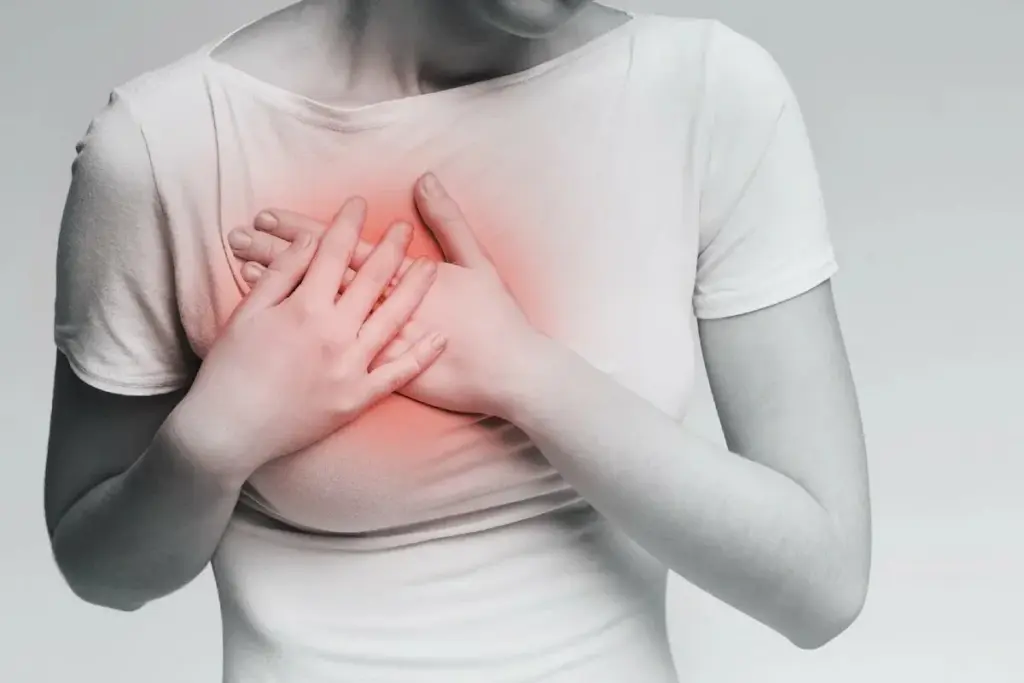
Up to 70% of women experience breast pain at some point in their lives, making it a common concern.
This discomfort can come from many things, like hormonal changes, injuries, or other medical conditions. It’s important to know why tender breast pain happens. This helps figure out when to see a doctor.
Is chest pain among breast cancer symptoms? Discover the vital causes of discomfort and the powerful steps to take for your health.
Feeling an ache or tenderness in the breast can be scary. But, it’s key to remember that it’s not always a sign of serious problems like breast cancer.
Key Takeaways
- Breast pain affects a significant percentage of women worldwide.
- Hormonal fluctuations can cause breast tenderness.
- Injuries or certain medical conditions can also lead to breast pain.
- Understanding the causes helps in determining the need for medical attention.
- Not all breast pain is related to cancer.
Understanding Breast Pain: An Overview
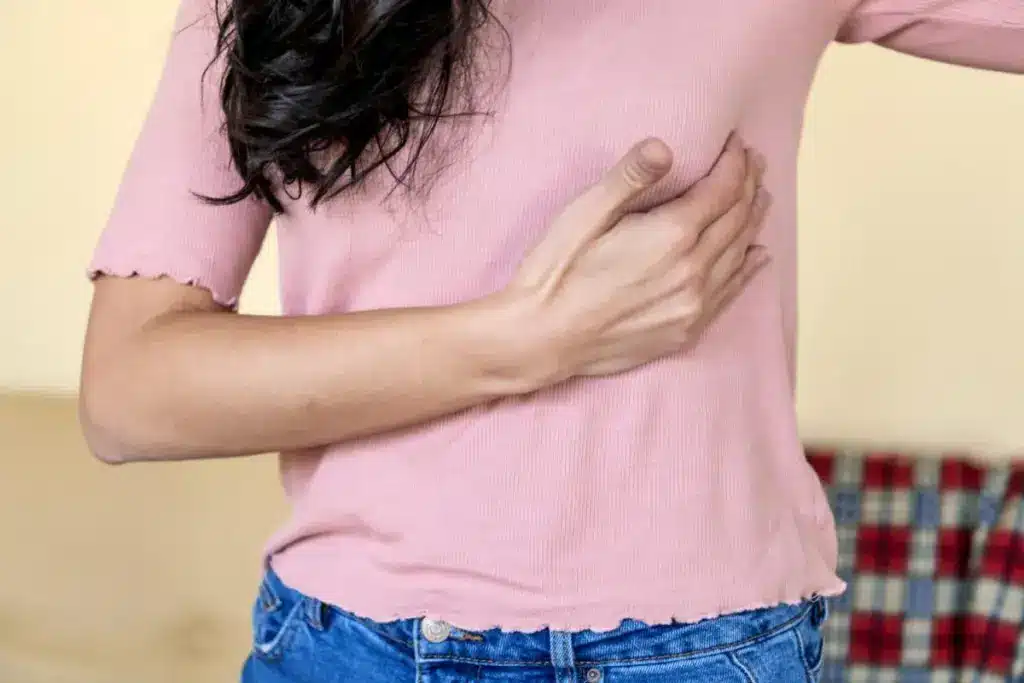
Breast pain, also known as mastalgia, is a common issue for many women. It’s estimated that up to 70% of women worldwide experience breast pain at some point. This pain can feel like a dull ache, a sharp stab, or tenderness in one or both breasts.
Definition and Prevalence of Breast Pain
Breast pain or mastalgia is any discomfort or pain in the breast tissue. It’s a symptom, not a diagnosis, and can have many causes. Many women of different ages and backgrounds are affected by breast pain. It’s a top reason women see doctors for breast issues.
“Breast pain is a frequent complaint among women, with cyclical breast pain being the most common type, often associated with the menstrual cycle.”
Types of Breast Pain
Breast pain is mainly divided into two types: cyclical and non-cyclical. Cyclical breast pain is linked to the menstrual cycle and hormonal changes. It usually happens in the luteal phase and stops with menstruation. Non-cyclical breast pain, by contrast, isn’t tied to the menstrual cycle. It can be due to injury, infection, or structural issues in the breast.
Knowing the type of breast pain is key to finding the right treatment. Cyclical pain is often managed with simple steps. But non-cyclical pain might need more investigation to find the cause.
Common Causes of Breast Pain When Pressed
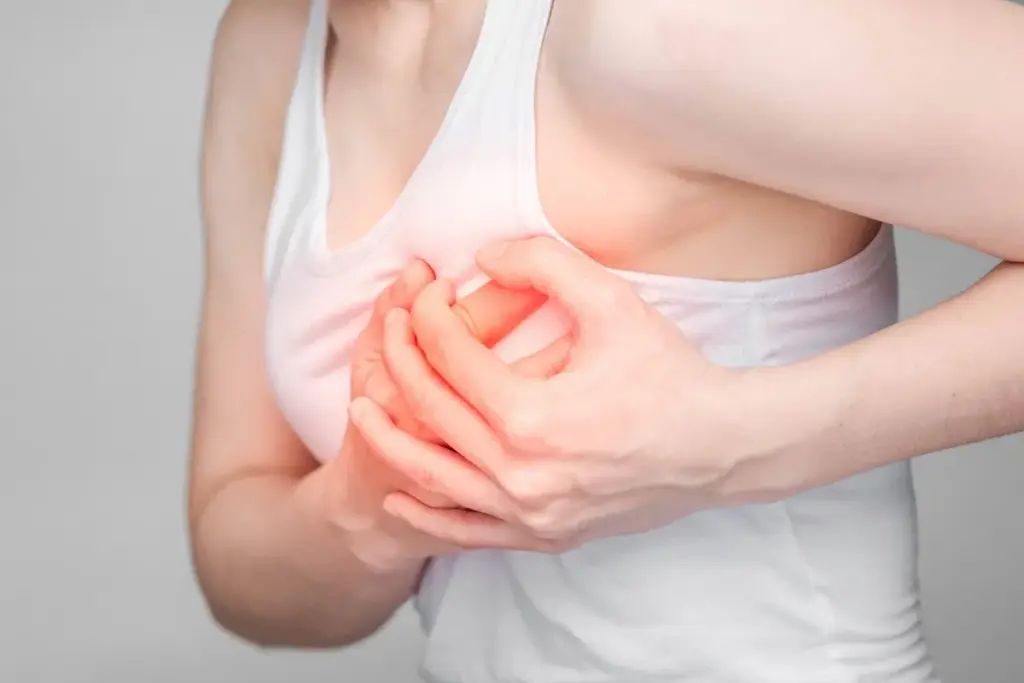
Breast pain when pressed is a common issue for women. Knowing what causes it is key to managing it. Breast tenderness can stem from normal changes or serious health issues.
Normal Breast Tissue Sensitivity
Normal breast tissue sensitivity often leads to breast pain. The breast has glands, ducts, and connective tissue. These can be sensitive to hormones and pressure. Normal breast tissue sensitivity can be triggered by hormonal shifts during the menstrual cycle, pregnancy, or menopause.
Managing breast tenderness from normal tissue sensitivity can be done through simple changes. Wearing a bra that fits well and cutting down on caffeine can help.
Pressure-Related Discomfort
Pressure-related discomfort is another reason for breast pain. This happens when the breast tissue feels external pressure, like from tight clothes or during exercise. Pressure-related discomfort can get worse with ill-fitting bras, causing friction and irritation.
To reduce pressure-related discomfort, women can wear supportive bras. They should also avoid tight clothes and pay attention to their posture.
Understanding the reasons behind breast pain when pressed helps women take action. They can manage their symptoms and boost their breast health.
Cyclical Breast Pain: Hormonal Influences
The link between cyclical breast pain and hormones is complex. It’s closely tied to the menstrual cycle. This type of breast pain gets worse just before your period and gets better once you start bleeding.
Menstrual Cycle Connection
Cyclical breast pain is mainly caused by changes in estrogen and progesterone levels. The rise in estrogen can make breasts tender. Then, the increase in progesterone can make pain worse. Knowing this helps manage symptoms.
Premenstrual Breast Tenderness
Premenstrual breast tenderness is common. Hormonal changes before your period can cause swelling and discomfort. This tenderness can be mild or severe and affects both breasts.
Spontaneous Resolution and Recurrence Rates
About 20–30% of cyclic breast pain goes away on its own. But, up to 60% of women see it come back. The table below shows how often this happens.
|
Outcome |
Percentage |
|---|---|
|
Spontaneous Resolution |
20-30% |
|
Recurrence |
Up to 60% |
Knowing how often it goes away and comes back helps. It helps women and doctors plan better treatments.
Non-Cyclical Breast Pain: Physical Causes
Non-cyclical breast pain doesn’t follow a menstrual cycle. It can come from many factors. This pain can be steady or come and go. It might be in one spot or cover the whole breast.
Breast Cysts and Fibroadenomas
Breast cysts are fluid-filled sacs, and fibroadenomas are benign tumors. Both can cause pain and a lump. Doctors say these are usually not harmful but can hurt a lot.
|
Condition |
Characteristics |
Symptoms |
|---|---|---|
|
Breast Cysts |
Fluid-filled sacs |
Pain, lumpiness |
|
Fibroadenomas |
Benign tumors |
Painless or painful lump |
Mastitis and Breast Infections
Mastitis is an inflammation of the breast tissue, often from infection. It causes pain, swelling, and redness. It’s more common in breastfeeding women but can happen to anyone.
Symptoms of Mastitis:
- Breast pain or tenderness
- Swelling or redness
- Fever or chills
Breast Injuries and Trauma
Breast injuries or trauma can also cause non-cyclical breast pain. This can happen from accidents, sports injuries, or tight clothes. The pain can start right away or take time to show up.
Understanding the causes of non-cyclical breast pain is key to managing it. If you have ongoing or severe pain, see a doctor. They can help figure out what’s wrong and how to treat it.
Breast Cancer Symptoms: When to Be Concerned
Breast pain is common, but knowing the difference between normal and cancer-related pain is key. Being aware of breast cancer symptoms is vital for early detection and treatment.
Distinguishing Cancer Pain from Common Breast Pain
Breast pain by itself is rarely a sign of breast cancer. Yet, it’s important to know the difference between normal pain and pain that might be cancer-related. Cancer pain is often a persistent, localized discomfort or a feeling of pressure that doesn’t follow the menstrual cycle.
On the other hand, common breast pain is usually cyclical and linked to hormonal changes. It affects both breasts. If you have persistent or unexplained pain, seeing a healthcare professional is a must.
Warning Signs That Shouldn’t Be Ignored
There are other signs that could point to breast cancer. These include:
- A new lump or thickening in the breast or underarm area
- Changes in the size or shape of the breast
- Dimpling or puckering of the skin
- Redness or scaliness of the skin
- Nipple discharge or inversion
It’s essential to be aware of these signs and seek medical attention if you notice any unusual changes.
Statistical Likelihood of Cancer vs. Benign Causes
Most breast-related symptoms are due to benign conditions. Yet, the chance of cancer increases with age. Most breast cancers are found in women over 50.
The American Cancer Society says about 1 in 8 women will get breast cancer. This might sound scary, but finding cancer early can greatly improve treatment chances.
Extramammary Causes of Breast Area Pain
Pain in the breast area can come from outside the breast itself. This pain often affects the chest wall, muscles, and nerves. These areas can cause discomfort in the breast area.
Costochondritis and Chest Wall Pain
Costochondritis is when the cartilage between the ribs and sternum gets inflamed. This can lead to sharp pains in the chest. It might feel like breast pain, making it hard to tell the difference.
- Sharp pain or tenderness in the chest area
- Pain that worsens with movement or deep breathing
- Tenderness upon applying pressure to the affected area
Chest wall pain, like costochondritis, can be treated. This includes pain meds and physical therapy.
Muscle Strain and Injury
Pain in the breast area can also come from muscle strain or injury. Heavy lifting, bending, or sudden movements can cause this.
Common causes of muscle strain include:
- Overexertion during exercise or physical activity
- Lifting heavy objects improperly
- Sudden or severe twisting movements
Rest, ice, compression, and elevation (RICE) help with muscle strain. Sometimes, physical therapy is needed to avoid future injuries.
Referred Pain from Other Areas
Referred pain feels like it’s in the breast but comes from somewhere else. It can be from heart issues, stomach problems, or muscle conditions.
- Cardiac issues, such as angina or myocardial infarction
- Gastrointestinal problems, like gallstones or gastritis
- Musculoskeletal conditions, including thoracic outlet syndrome
Finding the cause of referred pain takes a detailed medical check-up. Treatment depends on the actual cause.
Knowing about extramammary causes of breast pain helps doctors diagnose and treat better. This way, they can give more complete care.
Lifestyle Factors That May Contribute to Breast Pain
Changing your lifestyle can help with breast pain. It’s important to know what affects it. By changing daily habits, you can feel better.
Caffeine and Diet Considerations
Caffeine and diet can impact breast pain. Some research links high caffeine to more tenderness. Cutting down on caffeine might help. Also, eating less fat and avoiding inflammatory foods can ease symptoms.
- Limiting caffeine intake to see if it reduces breast pain
- Avoiding foods high in saturated fats and sugars
- Increasing consumption of fruits, vegetables, and whole grains
Impact of Ill-Fitting Bras
Wearing the wrong bra can hurt your breasts. A good bra supports your breasts well. This reduces pain. Get a professional bra fitting for the best fit.
Key considerations for a well-fitting bra include:
- The band should be snug but not too tight
- The cups should fully enclose the breasts without spillage or gapping
- The straps should be adjustable and not dig into the shoulders
Exercise-Related Breast Discomfort
Exercise is good, but some activities can hurt your breasts. A supportive sports bra helps a lot.
“A good sports bra can reduce breast movement by up to 70%, significantly reducing discomfort during high-impact activities.”
By making smart lifestyle choices, you can manage breast pain. Adjust your diet, wear the right bra, and think about your exercise. These steps help your breast health.
Diagnosing the Cause of Breast Pain
To find out why someone has breast pain, doctors use a few key steps. They look at the patient’s medical history, do a physical exam, and use imaging tests. This helps them figure out what’s causing the pain.
Medical History and Physical Examination
The first step is a detailed medical history. Doctors ask about symptoms, menstrual cycle, and any past breast issues. Then, they do a physical examination to check for lumps or tenderness.
Understanding the pain’s nature is key. Doctors want to know if it’s linked to the menstrual cycle. The physical exam helps spot any unusual masses or tenderness.
Imaging Tests: Mammograms, Ultrasounds, and MRIs
If the history and exam suggest more testing, imaging tests are done. These include:
- Mammograms: An X-ray for women over 40 to find abnormalities.
- Ultrasounds: Sound waves to see breast tissue, helping to tell if it’s a cyst or solid mass.
- MRIs: Detailed images of breast tissue, useful when other tests are unclear.
The right test depends on the patient’s age, symptoms, and what the doctor suspects.
When Biopsy Might Be Necessary
If tests show something odd, a biopsy might be needed. It takes a sample of tissue for a closer look. This is to check for cancer cells or other issues.
|
Diagnostic Step |
Purpose |
|---|---|
|
Medical History |
Understand symptoms and possible causes |
|
Physical Examination |
Look for any unusual feelings or lumps |
|
Imaging Tests (Mammogram, Ultrasound, MRI) |
See the breast tissue to find any problems |
|
Biopsy |
Check the tissue for cancer or other issues |
This careful process helps doctors find the cause of breast pain. Then, they can suggest the right treatment.
Treatment Options for Different Types of Breast Pain
It’s important to know the different ways to treat breast pain. The right treatment depends on what’s causing the pain. There are many strategies to choose from.
Over-the-Counter Pain Relief
Many women start with over-the-counter (OTC) pain relief medications. Ibuprofen and acetaminophen are common choices. They help with both types of breast pain. Always follow the dosage and talk to a doctor if the pain doesn’t go away.
Prescription Medications
If OTC meds don’t work, prescription medications might be needed. For cyclical pain, birth control pills or hormone therapy could help. Non-cyclical pain might need other prescription drugs or treatments.
Lifestyle Modifications
Changing your lifestyle can also help with breast pain. Wearing a good bra, cutting down on caffeine, and eating differently can make a difference. Some women find relief by eating less fat or salt before their period.
Medical Interventions for Specific Conditions
For pain caused by certain conditions, medical interventions are needed. For example, if cysts are the problem, they might need to be drained or removed. Mastitis usually requires antibiotics. For severe pain, more advanced treatments might be considered.
Some women also try acupuncture or relaxation techniques for extra relief. But, it’s important to talk to a doctor before trying these to make sure they’re safe.
- Over-the-counter pain relief medications
- Prescription medications for hormonal or pain management
- Lifestyle modifications including dietary changes and proper bra fitting
- Medical interventions for specific underlying conditions
By exploring these treatment options, women can find relief from breast pain. This can greatly improve their life quality.
Home Remedies and Self-Care for Breast Pain
Managing breast pain is easier with the right home remedies and self-care. Simple steps can make a big difference in how you feel. They help reduce pain and make you more comfortable.
Heat and Cold Therapy
Heat or cold therapy is a simple way to ease breast pain. Heat therapy like a warm bath or a heating pad can relax muscles and improve blood flow. Cold therapy, like an ice pack wrapped in cloth, can reduce swelling and numb the pain.
Supportive Garments
A well-fitting, supportive bra is key for managing breast pain. It helps reduce breast movement and discomfort. Getting a professional bra fitting is important for the right size and style.
Supportive garments offer physical comfort and boost your mood. They are vital for your overall health.
Massage and Relaxation Techniques
Massage and relaxation techniques are great for reducing breast pain. Gentle massage improves circulation and eases muscle tension. Deep breathing, meditation, and yoga help manage stress and pain.
- Gentle circular motions with the fingertips can be used to massage the breasts.
- Relaxation techniques, such as progressive muscle relaxation, can help reduce overall body tension.
Adding these home remedies and self-care to your daily routine can help manage breast pain. It improves your quality of life.
When to Seek Medical Attention for Breast Pain
Most breast pain is not serious, but sometimes you need to see a doctor. It’s important to know when common pain turns into something more serious.
Red Flag Symptoms
Some symptoms with breast pain mean you should go to the doctor right away. These include:
- Severe pain that doesn’t get better with over-the-counter pain relievers
- Pain with a lump or thickening in the breast
- Changes in breast appearance, like dimpling or redness
- Nipple discharge, if it’s bloody or happens without squeezing the nipple
Persistent or Worsening Pain
If breast pain keeps coming back or gets worse, see a doctor. This could mean there’s an issue that needs to be found and treated.
Pain with Other Concerning Symptoms
When breast pain comes with symptoms like fever, swelling, or warmth, you should see a doctor. These signs could mean an infection or something serious.
Here’s a table to help you decide when to see a doctor:
|
Symptom |
Possible Cause |
Action |
|---|---|---|
|
Severe breast pain |
Injury, infection, or cyst |
Seek medical attention |
|
Pain with nipple discharge |
Hormonal imbalance or ductal issue |
Consult a doctor |
|
Breast lump or thickening |
Cyst, fibroadenoma, or potentially cancer |
Schedule a medical evaluation |
In summary, most breast pain is not a big deal. But knowing the signs that mean you should see a doctor is key to keeping your breasts healthy.
Breast Pain in Special Populations
Breast pain affects different groups in unique ways. This includes pregnant, breastfeeding, menopausal, and male individuals. It’s important to understand how breast pain varies in these groups to manage it effectively.
Breast Pain During Pregnancy and Breastfeeding
During pregnancy, breast tenderness is common due to hormonal changes. Estrogen and progesterone levels rise, causing pain or discomfort. Other changes like breast enlargement and darker nipples may also occur.
Breastfeeding can also lead to pain, often from engorgement or sore nipples. Using correct latching techniques and feeding frequently can help. If mastitis occurs, antibiotics might be needed.
Breast Pain in Menopausal Women
Menopause brings hormonal changes that can affect the breasts. Lower estrogen levels can cause pain and changes in breast density. Some women may consider hormone replacement therapy (HRT) to ease symptoms.
Women experiencing breast pain during menopause should talk to their healthcare provider. This is to rule out other causes and find the best treatment.
Breast Pain in Men
Men can also have breast pain, often due to gynecomastia. This is when breast tissue grows in men, possibly due to hormonal imbalances or certain medications. Other health issues can also cause it.
Male breast pain can also stem from muscle strain or injury. If pain persists or is severe, a healthcare provider should be consulted. They can find the cause and suggest treatment.
In summary, breast pain in special populations needs a detailed understanding of causes and management. Whether it’s related to pregnancy, menopause, or other conditions, seeking medical evaluation is key for proper care and relief.
Psychological Impact of Breast Pain and Cancer Anxiety
Breast pain can really affect a woman’s life. About 20% of women with breast pain go to the doctor. And of those, 20% have symptoms that really mess up their day.
Breast pain can make women worry a lot about cancer. This worry can create a cycle of fear and distress. It’s important to treat both the physical and mental sides of breast pain.
When to Seek Mental Health Support
If breast pain is really bothering you or getting in the way of your daily life, you might need to see a mental health professional. Mental health professionals can teach you ways to handle anxiety and improve how you cope.
Here are some signs you might need mental health help:
- Persistent feelings of fear or anxiety related to breast pain
- Difficulty sleeping or concentrating because of breast pain worries
- Avoiding activities because of breast pain or fear of cancer
Impact on Quality of Life
Breast pain can really hurt your quality of life. It can mess with your relationships, work, and overall happiness. It’s key to understand this impact to offer the right support and treatment.
By recognizing the mental effects of breast pain and providing support, healthcare providers can help women manage their symptoms better. This can improve their quality of life.
Preventive Measures and Regular Screening
Keeping your breasts healthy and catching problems early is key. By following certain steps, you can lower your risk of serious breast issues.
Breast Self-Examination Techniques
Breast self-examination (BSE) is a simple way to get to know your breasts. It’s done monthly and can spot changes or problems early.
- Perform BSE in front of a mirror, inspecting for any visible changes.
- Lie down and use the pads of your fingers to feel for lumps or thickening.
- Check for nipple discharge or changes in nipple position.
Tips for Effective BSE:
- Be thorough and systematic in your examination.
- Use a consistent pattern, such as circular motions.
- Don’t forget to check the armpit area.
Clinical Breast Exams
A clinical breast exam (CBE) is done by a doctor and is more detailed than a self-exam. Women should get a CBE every three years from 20 to 39, and every year after 40.
|
Age Group |
Recommended Frequency of CBE |
|---|---|
|
20-39 years |
Every 3 years |
|
40 years and above |
Annually |
It’s essential to discuss your individual risk factors and screening schedule with your healthcare provider.
Combining BSE with clinical exams and other screenings can greatly improve your chances of finding breast problems early.
Conclusion: Understanding Your Breast Health
Knowing about breast pain is key to good breast health. We’ve looked at why breast pain happens, from hormones to injuries. We also talked about when you should see a doctor.
It’s important to know the signs of serious problems. Paying attention to your body and its changes helps you stay healthy. This way, you can take care of your breasts better.
Regular check-ups, self-exams, and a healthy lifestyle are important. They help you understand and handle breast pain. With the help of doctors, you can take great care of your breast health.
Learning about breast pain and its reasons helps you make smart health choices. This leads to a more active approach to staying well.
FAQ
What are the common causes of breast pain when pressed?
Breast pain can be caused by many things. This includes normal sensitivity, pressure, and hormonal changes. It can also be due to cysts, fibroadenomas, mastitis, infections, or injuries.
How can I distinguish between cyclical and non-cyclical breast pain?
Cyclical pain is linked to your menstrual cycle. It usually happens before your period. Non-cyclical pain is not tied to your cycle. It can be caused by cysts or injuries.
Can breast pain be a sign of breast cancer?
Breast pain is not usually a main sign of cancer. But, if you notice a lump, nipple discharge, or skin changes, see a doctor.
What are the warning signs that should not be ignored when it comes to breast pain?
Don’t ignore signs like a new lump, nipple discharge, or skin changes. Also, watch for redness or swelling. These need a doctor’s check.
How can lifestyle factors contribute to breast pain?
Your lifestyle can affect your breasts. Too much caffeine, tight bras, or exercise can cause pain.
What are the treatment options for different types of breast pain?
There are many ways to treat breast pain. You can try over-the-counter pain meds, prescription drugs, or change your lifestyle. For specific problems like cysts or mastitis, you might need medical help.
When should I seek medical attention for breast pain?
See a doctor if you have red flag symptoms, pain that won’t go away, or if pain comes with other worrying signs.
How can I manage breast pain at home?
To ease pain at home, try heat or cold packs, wear supportive clothes, and use massage and relaxation techniques.
What is the importance of breast self-examination and clinical breast exams?
Doing regular self-exams and getting clinical exams is key. They help find problems early and keep your breasts healthy.
Can men experience breast pain?
Yes, men can have breast pain. It’s often due to gynecomastia or injuries.
How does breast pain affect quality of life?
Breast pain can really affect your life. It can cause discomfort, worry, and make daily tasks hard. Getting medical help is important.
What are the stages of breast cancer and their symptoms?
Breast cancer has stages from 0 to IV. Symptoms vary by stage. They can include lumps, nipple discharge, and skin changes.
How can I reduce my risk of breast cancer?
To lower your risk, live a healthy life. Eat well, exercise, and get regular screenings.
References
National Center for Biotechnology Information. Evidence-Based Medical Insight. Retrieved from

























