
Breast cancer is a big worry for women all over the world. It has a big impact in the United States. In 2025, about 42,170 women will die from breast cancer. This shows we need to keep working on awareness and better treatments.
Even with the tough fight, survival rates have gotten better. This is thanks to finding cancer early and new treatments. It gives hope to millions of women. Knowing the latest on death rates, treatments, and getting care is key for making smart health choices.
Key Takeaways
- Breast cancer mortality rates are a significant concern in the U.S.
- Advances in early detection and treatment have improved survival rates.
- Access to care plays a critical role in breast cancer outcomes.
- Understanding breast cancer statistics is vital for women’s health.
- Latest data on mortality rates and treatment options can inform health decisions.
The Global Impact of Breast Cancer Mortality
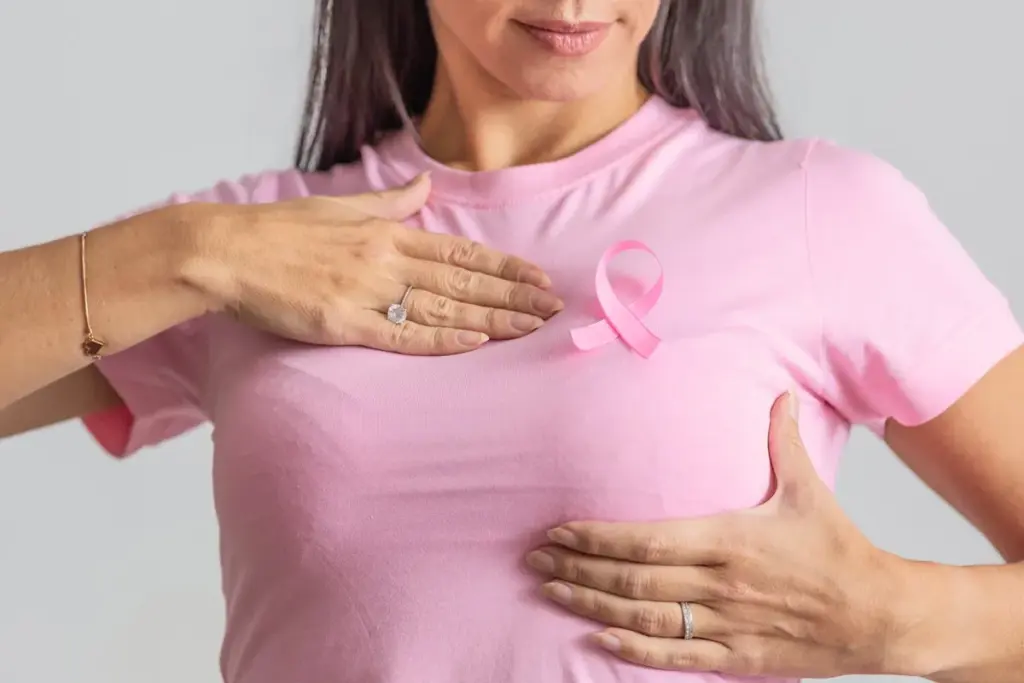
Breast cancer is a big problem worldwide, causing many deaths among women. It affects mortality rates globally, with different factors playing a role in its spread and outcomes.
Breast cancer is the second leading cause of cancer death among women globally. This shows how serious the disease is and its big impact on health worldwide. The death rates from breast cancer vary a lot in different places and among different groups.
Breast Cancer as the Second Leading Cancer Killer
The numbers on breast cancer deaths are scary, making it the second most common cause of cancer deaths in women. We need to keep working on research, early detection, and treatment to lower death rates.
Regional Variations in Mortality Rates
There are big differences in breast cancer death rates around the world. These differences come from things like healthcare, access to screening and treatment, and lifestyle. Knowing these differences helps us find ways to improve outcomes.
Looking at how breast cancer affects the world and what causes it helps us understand the challenges and chances to fight it. We must focus on early detection, treatment, and support for patients to tackle the global issue of breast cancer.
Current Breast Cancer Death Statistics in the United States

It’s important to understand the current state of breast cancer deaths in the U.S. This health issue affects many women. The death rates vary based on age, race, and ethnicity.
Annual Mortality Numbers and Projections
Every year, a lot of women in the U.S. die from breast cancer. It’s estimated that 42,170 women will die from it in 2025. This shows how big of a challenge breast cancer is.
Recent Statistics: Breast cancer is a big reason for cancer deaths in women.
Comparing Breast Cancer to Other Cancer Fatalities
Breast cancer is a top cause of death among women, but how does it stack up against other cancers? Here’s a comparison with other common cancers.
|
Cancer Type |
Estimated Deaths in 2025 |
Percentage of Total Cancer Deaths |
|---|---|---|
|
Breast Cancer |
42,170 |
15% |
|
Lung Cancer |
116,870 |
22% |
|
Colorectal Cancer |
52,550 |
10% |
The table shows that while breast cancer is a big killer, lung cancer has even higher rates.
The Declining Trend in Breast Cancer Deaths
There has been a big drop in breast cancer deaths starting from 1989. This change is due to many factors that have helped more people survive breast cancer.
44% Reduction in Mortality
The 44% drop in breast cancer deaths is a big win. It means thousands of lives are saved every year.
This drop is thanks to better ways to find and treat cancer early. Early detection through screenings helps doctors catch cancer when it’s easier to treat.
Key Factors Driving the Decline
Several important factors have led to fewer breast cancer deaths. These include:
- Advances in Treatment Options: New surgical methods, targeted treatments, and better chemotherapy have helped patients live longer.
- Early Detection through Screening: Regular mammograms and other tests help find cancer early, which greatly improves chances of survival.
- Increased Awareness: Awareness campaigns have taught women about the value of breast cancer screenings and early detection.
Together, these factors have led to fewer breast cancer deaths. They bring hope to patients and their loved ones.
Understanding Breast Cancer Survival Rates
It’s key for patients and doctors to know about breast cancer survival rates. These rates tell us a lot about how well patients can do after treatment.
5-Year Relative Survival Rate Explained
The 5-year relative survival rate compares breast cancer patients to the general population. It shows how well patients are likely to do. In the U.S., the 5-year relative survival rate for all stages of breast cancer is 91%. This shows a big improvement in treatment results.
10-Year and 15-Year Survival Statistics
Looking at 10-year and 15-year survival rates gives us more insight. These rates depend on when the cancer was found, the type, and the treatment. For example, people with cancer found early have a much better chance of survival.
How Survival Rates Are Calculated
Survival rates come from cancer registries that track patient data. They look at the cancer stage and treatment. This helps us understand how well patients might do.
|
Stage at Diagnosis |
5-Year Relative Survival Rate |
10-Year Relative Survival Rate |
|---|---|---|
|
Localized |
99% |
95% |
|
Regional |
86% |
72% |
|
Metastatic |
32% |
13% |
These numbers highlight the need for early detection and effective treatment. They show how important it is to catch cancer early and treat it well.
How Cancer Stage Affects Mortality Risk
Knowing the stage of breast cancer at diagnosis is key to understanding the patient’s risk of death. The stage shows how far the cancer has spread. This affects treatment choices and how long a person might live.
Localized Breast Cancer: High Survival Rate
Localized breast cancer has a 5-year survival rate of 99%. This is because the cancer is only in the breast. It hasn’t spread to other parts of the body. This makes it easier to treat with surgery or other local methods.
Regional Spread: Moderate Survival Reduction
Regional breast cancer has spread to nearby lymph nodes or tissues. The survival rate for this stage is lower than for localized cancer. Early detection is very important here. The 5-year survival rate for regional cancer is much higher than for metastatic cancer.
Metastatic Breast Cancer: Lower Survival Rate
Metastatic breast cancer has spread to distant parts of the body. The 5-year survival rate for this stage is 32%. This stage is the hardest to treat. The cancer has spread beyond the breast and lymph nodes to other organs. It needs more aggressive and systemic treatments.
|
Cancer Stage |
5-Year Survival Rate |
|---|---|
|
Localized |
99% |
|
Regional |
85% |
|
Metastatic |
32% |
The big difference in survival rates shows how important early detection and treatment are. Knowing these numbers helps patients and doctors make better choices about screening, diagnosis, and treatment.
Different Types of Breast Cancer and Their Mortality Rates
It’s important to know the different types of breast cancer to understand mortality rates and treatment plans. Breast cancer is a complex disease with many subtypes. Each subtype has its own biological features and outcomes.
Hormone Receptor-Positive Cancers
Hormone receptor-positive (HR+) breast cancers make up about 70-80% of cases. These cancers grow because of estrogen or progesterone. They have a better prognosis because of targeted therapies.
The death rate for HR+ breast cancer is lower than others. Treatments like tamoxifen or aromatase inhibitors can greatly improve survival chances.
HER2-Positive Breast Cancer
HER2-positive breast cancers have too much of the HER2 protein. They make up about 20% of cases. These cancers grow fast and are more likely to spread.
Thanks to targeted therapies like trastuzumab, HER2-positive cancer patients have better chances. Despite being aggressive, treatments have lowered the death rate.
Triple-Negative Breast Cancer
Triple-negative breast cancer (TNBC) lacks estrogen, progesterone receptors, and HER2 protein. It’s about 10-15% of cases and is very aggressive. It has a higher risk of coming back.
Because of limited treatments, TNBC’s death rate is higher. Chemotherapy is often used, and researchers are working on new therapies.
In summary, the type of breast cancer greatly affects mortality rates and treatment success. Knowing these differences is key to creating personalized treatment plans and improving survival rates.
Lifetime Risk of Dying from Breast Cancer
Breast cancer is a worry for many, with about 1 in 39 women facing it. The lifetime risk of dying from breast cancer is around 2.5%, or 1 in 39. This number comes from data that looks at different risk factors and demographic info.
The 1 in 39 Statistic Explained
The 1 in 39 statistic shows the lifetime risk of dying from breast cancer for women. It’s based on current death rates and can change with new data and evolving rates. Remember, this is an average risk, and your risk can be different based on many factors.
Contextualizing Risk Factors
Many things can affect your lifetime risk of breast cancer, like family history, genetic mutations (such as BRCA1 and BRCA2), lifestyle, and other health issues. Knowing these risk factors is key to understanding your personal risk. It helps you make smart choices about prevention and early detection.
|
Risk Factor |
Description |
Impact on Lifetime Risk |
|---|---|---|
|
Family History |
Having close relatives with breast cancer |
Increases risk |
|
Genetic Mutations |
Presence of BRCA1 and BRCA2 mutations |
Significantly increases risk |
|
Lifestyle Factors |
Diet, exercise, alcohol consumption |
Can influence risk |
By knowing these risk factors and how they work together, you can better understand your personal risk. You can then work with your healthcare team to create a plan for early detection and prevention.
Age-Related Factors in Breast Cancer Mortality
The impact of age on breast cancer mortality is key to understanding the disease. As women get older, their risk of getting and dying from breast cancer changes. This is due to biological, environmental, and healthcare factors.
Death Rates Across Different Age Groups
Breast cancer mortality rates change with age. Older women often get diagnosed with more advanced disease. This leads to higher death rates.
Women aged 70 and older face the highest breast cancer mortality rates. This is because they often have more health issues and may not get as aggressive treatments.
How Age at Diagnosis Affects Prognosis
The age at diagnosis greatly impacts a woman’s prognosis. Younger women often have more aggressive tumors but can handle treatments better. They also have fewer health issues.
Older women, on the other hand, are more likely to have cancers that are less aggressive but may have other health problems. These can make treatment harder.
|
Age Group |
5-Year Survival Rate |
Mortality Rate |
|---|---|---|
|
20-39 years |
85% |
12 per 100,000 |
|
40-59 years |
88% |
25 per 100,000 |
|
60-79 years |
83% |
45 per 100,000 |
|
80+ years |
75% |
100 per 100,000 |
It’s important to understand these age-related factors. This helps in creating targeted interventions. It aims to improve breast cancer outcomes for all ages.
Racial and Ethnic Disparities in Breast Cancer Outcomes
Racial and ethnic disparities in breast cancer outcomes are a big issue in the U.S. healthcare system. Even though breast cancer deaths have gone down, some groups are not doing as well as others.
Disparities in Survival Rates
Black women face lower survival rates for breast cancer than White women. This gap is due to several reasons. These include differences in when they find out they have cancer, the type of cancer they have, and how easy it is for them to get medical care.
Recent data shows that Black women have a lower 5-year survival rate for breast cancer than White women. This shows we need to focus on helping Black women get the care they need sooner and better.
Socioeconomic and Healthcare Access Factors
Socioeconomic factors and how easy it is to get healthcare play big roles in these disparities. Problems like not having insurance, high costs, and not having doctors nearby can lead to late diagnoses and bad treatments.
- Lack of Insurance: People without insurance or with bad insurance don’t get checked for cancer as often or treated as quickly.
- Socioeconomic Status: Being poor means you might not have access to good healthcare and have worse health outcomes.
- Healthcare Provider Shortages: Not having enough doctors, specially in minority areas, makes things worse.
We need to tackle these issues to make sure everyone gets fair treatment for breast cancer, no matter their race or ethnicity.
How Early Detection Reduces Breast Cancer Deaths
Finding breast cancer early is key to lowering death rates. Screening guidelines play a big role in this fight. Early detection through screenings helps catch cancer when it’s easier to treat, boosting survival chances.
Screening Guidelines and Their Impact
Women in certain age groups should get regular mammograms. These guidelines have helped cut down on breast cancer deaths. Research shows that sticking to these guidelines can lead to finding cancer early, which helps with treatment.
Following screening guidelines is very important. It helps in finding cancer early. This means more treatment options are available, many of which work better when cancer is caught early.
The Critical Importance of Timely Diagnosis
Getting a cancer diagnosis quickly is vital for treatment. Early detection means better treatment chances. This highlights the need for not just screening but also for follow-up tests to confirm any doubts from initial screenings.
Acting fast after a screening shows something odd can be life-saving. So, understanding the value of quick diagnosis and taking action early can greatly improve breast cancer outcomes.
By focusing on early detection through screenings and quick diagnosis, we can keep cutting down on breast cancer deaths. This approach not only saves lives but also makes treatment better and less invasive for those with breast cancer.
Treatment Advances That Have Lowered Breast Cancer Mortality
The way we treat breast cancer has changed a lot, helping more people live longer. New medical tools and a better understanding of the disease have led to better treatments.
Surgical Approaches
Surgery for breast cancer has evolved, moving towards less invasive and more precise methods. Breast-conserving surgery is now an option for many, reducing the need for mastectomies. Also, sentinel lymph node biopsy helps avoid removing too many lymph nodes, cutting down on side effects.
These new surgical methods have made a big difference. They help patients recover faster and have fewer complications. This means better outcomes and a better quality of life after surgery.
Personalized Medicine Approaches
Personalized medicine has changed breast cancer treatment by making it more tailored to each patient. Genetic profiling and molecular diagnostics help doctors find the best treatments. This could be targeted therapy, hormone therapy, or chemotherapy.
The creation of targeted therapies has greatly helped patients with certain types of breast cancer. This approach makes sure patients get the right treatment. It has led to better survival rates and lower death rates.
Modern Medical Approaches to Breast Cancer Treatment
Modern medicine has changed how we treat breast cancer. It now uses new strategies. Breast cancer is complex, so it needs a team effort from many medical fields.
Multidisciplinary treatment teams are key to good breast cancer care. These teams include surgeons, medical oncologists, and radiation oncologists. They work together to create a treatment plan that fits each patient’s needs.
Multidisciplinary Treatment Teams
Having a good team is important for care. These teams usually have:
- Surgeons who specialize in breast cancer surgery
- Medical oncologists who give chemotherapy and other treatments
- Radiation oncologists who do radiation therapy
- Pathologists who study tissue samples
- Nurses and counselors for support
This teamwork makes sure all parts of a patient’s care are covered. This leads to better treatment results.
LIV Hospital’s Innovative Protocols and Standards
LIV Hospital is dedicated to top-notch breast cancer care. It follows up-to-date academic protocols and international best practices. This means patients get the best care possible.
LIV Hospital uses new treatment plans, advanced surgery, and the latest in radiation therapy. The hospital also values strong ethics, ensuring patients are treated with kindness and respect.
By using teams and new approaches, LIV Hospital offers a caring and complete way to treat breast cancer.
Preventing Breast Cancer Deaths Through Risk Reduction
To prevent breast cancer deaths, we need to act early. This means making lifestyle changes and using medical strategies. By knowing what increases breast cancer risk, we can lower our chances of getting it and dying from it.
Lifestyle Modifications That Lower Mortality Risk
Changing our lifestyle can greatly reduce breast cancer risk. Keeping a healthy weight is key, as too much fat increases risk, mainly after menopause. Staying active helps with weight and also lowers cancer risk.
Drinking less alcohol is also important, as it raises cancer risk. The American Cancer Society suggests women drink no more than one drink a day. Eating lots of fruits, veggies, and whole grains is good for health and might help indirectly.
Genetic Testing and Preventive Interventions
Some people might find out they’re at high risk through genetic tests, like BRCA1 and BRCA2. For them, preventive steps might be needed. This could be removing breasts or getting more mammograms or MRI scans.
Chemoprevention is another choice for high-risk women. Tamoxifen or raloxifene can lower cancer risk. Deciding on genetic tests and preventive actions should be done with a doctor, based on health and risk.
By making lifestyle changes and using medical help, we can greatly lower breast cancer death risk. This approach saves lives and improves life quality for those at risk.
Conclusion: The Changing Landscape of Breast Cancer Mortality
The fight against breast cancer is changing fast. Thanks to better early detection, treatment, and awareness, more lives are being saved. In the U.S., breast cancer deaths have dropped by 44% from 1989.
Research and awareness are key to keep reducing deaths and helping patients. Early diagnosis, tailored treatments, and team care are essential. They make a big difference in survival rates.
We must tackle the challenges ahead, like racial and ethnic disparities in breast cancer care. More people need access to screenings and treatments. This will help us save even more lives.
Keeping the focus on breast cancer awareness and research is critical. It drives progress and helps patients. With continued effort, we can make breast cancer mortality even lower in the future.
FAQ
What are the current breast cancer death statistics in the United States?
Breast cancer is a major cause of death among women in the U.S. There are many deaths each year.
How has the breast cancer mortality rate changed over time?
From 1989 to now, breast cancer deaths have dropped by 44%. This is thanks to better early detection and treatment.
What is the 5-year relative survival rate for breast cancer, and how is it calculated?
The 5-year survival rate shows how many women live 5 years after being diagnosed. It compares them to the general population. It’s based on data from cancer registries and considers the cancer’s stage at diagnosis.
How does the stage of breast cancer at diagnosis affect mortality risk?
The cancer’s stage at diagnosis greatly affects survival chances. Early-stage cancer has a 99% survival rate. But, advanced cancer’s survival rate is only 32%.
What are the different types of breast cancer, and how do they impact mortality rates?
Breast cancer types include hormone receptor-positive, HER2-positive, and triple-negative. Each type has its own survival rate and treatment.
What is the lifetime risk of dying from breast cancer, and what are the contributing risk factors?
The risk of dying from breast cancer is about 1 in 39. Many factors increase this risk, like genetic mutations and lifestyle choices.
How do age-related factors impact breast cancer mortality, and what are the differences in death rates across age groups?
Age is a big factor in breast cancer death rates. Younger women tend to have better survival rates than older women.
What are the racial and ethnic disparities in breast cancer outcomes, and what are the underlying socioeconomic and healthcare access factors?
There are big racial and ethnic differences in breast cancer survival. Black women often have lower survival rates than White women. This is mainly due to socioeconomic and healthcare access issues.
How does early detection through screening impact breast cancer mortality, and what are the recommended screening guidelines?
Early detection through screening greatly lowers breast cancer death rates. Women should start regular mammograms at age 40 or 45.
What treatment advances have contributed to the decline in breast cancer mortality, and what are the current treatment approaches?
New surgical methods, personalized medicine, and team care have helped lower death rates. Today, treatments focus on tailored therapies and new protocols.
What lifestyle modifications and preventive interventions can help reduce the risk of breast cancer death?
Healthy lifestyle choices like a good weight, exercise, and less alcohol can lower breast cancer death risk. Genetic testing and preventive measures like mastectomy or chemoprevention are also options for high-risk individuals.
What is the role of LIV Hospital in breast cancer treatment, and what innovative protocols do they offer?
LIV Hospital is dedicated to top-notch breast cancer care. They use team care and the latest treatments, including personalized medicine and advanced surgery.
References
National Center for Biotechnology Information. Evidence-Based Medical Insight. Retrieved from