

Breast cancer is a big health problem worldwide. It gets a lot of attention because it happens a lot. Every year, over 2.3 million people get diagnosed with it.
Awareness campaigns are very important in fighting this disease. They teach people about the need for early detection. They also help those who are affected.
Understanding why breast cancer gets so much attention is key. It’s a major health issue. We need to keep supporting awareness efforts to save lives.
Key Takeaways
- Breast cancer is the world’s most commonly diagnosed cancer.
- Over 2.3 million new cases are diagnosed annually.
- Awareness campaigns are key in fighting breast cancer.
- Early detection is vital for better survival rates.
- Global support for breast cancer awareness keeps growing.
The Global Prevalence of Breast Cancer
Breast cancer is a big health problem worldwide, with over 2.3 million new cases every year. This shows we need to keep working on awareness and research.
Worldwide Statistics and Incidence Rates
Breast cancer is very common, with rates changing in different places and groups. The world faces a big challenge with 2.3 million new cases each year.
The 2.3 Million Annual Cases Worldwide
Every year, 2.3 million new cases of breast cancer show its big impact. These numbers help us see the problem’s size and plan for healthcare.
Demographic Distribution Across Populations
Breast cancer hits many different groups around the world. Age, genetics, and lifestyle play big roles in who gets it.
Comparison to Other Cancer Types
Breast cancer is the top cancer for women, with more cases than many others. Knowing this helps us focus our health efforts.
Relative Frequency Among Women
For women, breast cancer is a big part of all cancer cases. It’s more common than lung, colorectal, and cervical cancer.
Male Breast Cancer Awareness
Male breast cancer is less common but just as important. We need to spread the word for early detection and treatment in men.
|
Cancer Type |
Estimated New Cases (Annual) |
Relative Frequency Among Women |
|---|---|---|
|
Breast Cancer |
2.3 Million |
Most Common |
|
Lung Cancer |
1.8 Million |
Less Common |
|
Colorectal Cancer |
1.9 Million |
Less Common |
The Historical Evolution of Breast Cancer Awareness
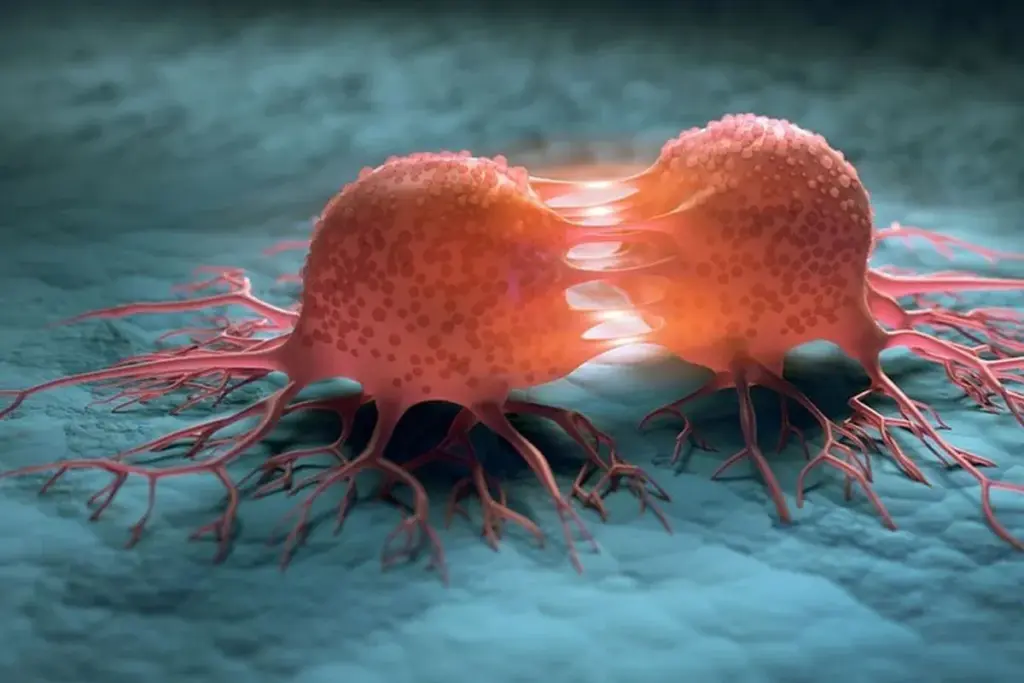
The journey of breast cancer awareness has been long and winding. It has changed from a stigmatized topic to a globally recognized cause. This change came from pioneering advocates and organized awareness movements.
From Stigma to Open Discussion
Historically, breast cancer was shrouded in silence and stigma. Breaking the Silence Around Breast Cancer was a key step. Advocates worked hard to bring the issue into the open, encouraging open discussions and reducing stigma.
Breaking the Silence Around Breast Cancer
Early advocates played a big role in changing public views. They shared their personal stories, making the disease more relatable and fostering a supportive community.
Pioneering Advocates and Their Impact
Pioneering advocates, like those who started early support groups and awareness organizations, have had a lasting impact. Their work laid the groundwork for today’s awareness campaigns and inspires new advocates.
The Birth of Organized Awareness Movements
The shift from individual advocacy to organized movements was a turning point. Early Foundations and Organizations were key in mobilizing resources and people.
Early Foundations and Organizations
Organizations focused on breast cancer awareness and research started to form. They provided a framework for advocacy efforts. These organizations were vital in coordinating campaigns, supporting research, and pushing for policy changes.
Development of the Pink Ribbon Symbol
The pink ribbon’s introduction as a symbol of breast cancer awareness was a significant moment. It gave a visual identity that could be recognized worldwide, linking it to the cause.
|
Year |
Event |
Impact |
|---|---|---|
|
1980s |
Emergence of breast cancer advocacy groups |
Increased awareness and support for patients |
|
1990s |
Introduction of the pink ribbon symbol |
Global recognition of breast cancer awareness |
|
2000s |
Expansion of awareness campaigns and research funding |
Improved early detection and treatment options |
Why Breast Cancer Awareness Campaigns Succeed

The success of breast cancer awareness campaigns comes from strategic marketing and branding. They use many marketing strategies to reach lots of people and spread their message.
Strategic Marketing and Branding
Branding is a big reason these campaigns do well. They use:
- The Power of the Color Pink: Pink is now linked with breast cancer awareness. It’s easy to spot and remember.
- Memorable Slogans and Messaging: Slogans like “Think Pink” stick in your mind. They make the campaign’s message clear and lasting.
Corporate Partnerships and Sponsorships
Corporate partnerships are key to these campaigns’ success. They include:
- Cause-Related Marketing Success Stories: Companies tie breast cancer awareness to their marketing. This boosts both their brand and the cause.
- Celebrity Endorsements and Testimonials: Working with famous people helps spread the campaign’s message. It reaches more people.
By mixing strategic marketing, branding, and corporate partnerships, breast cancer awareness campaigns have made a big impact. They’ve done more than many other health awareness efforts.
The Impact of Breast Cancer Awareness Month
Every October, the world comes together for Breast Cancer Awareness Month. This campaign has changed how we see and act towards breast cancer. It’s a time for learning, standing up for causes, and raising money.
Global Participation and Events
Breast Cancer Awareness Month is filled with events all over the world. Walks, runs, and community activities help raise money and awareness. They bring people together, showing strength in numbers.
Walks, Runs, and Community Activities
These events do more than just raise money. They teach people about breast cancer. For example, joining in advocacy events boosts awareness and encourages early checks.
Media Coverage and Public Engagement
Media coverage is key in spreading the word about Breast Cancer Awareness Month. More media attention means more people hear the message. This boosts public involvement.
Measurable Outcomes During October
The effects of Breast Cancer Awareness Month are clear in October. More people get screened and donations go up. These signs show the campaign is working.
Increased Screening Appointments
Research proves that awareness leads to more screenings. This means catching breast cancer early. It can lead to better treatment and outcomes.
Donation Spikes and Fundraising Success
The campaign also brings in a lot of money. Donations help fund research and support for patients. Looking back, Breast Cancer Awareness Month clearly makes a difference.
Innovative Communication in Breast Cancer Education
Innovative communication is changing how we learn about breast cancer. It makes learning more accessible and effective. We’re seeing big changes in how we share and get information about breast cancer.
The ‘Know Your Lemons’ Campaign
The ‘Know Your Lemons’ campaign is a great example of new ways to teach about breast cancer. It uses simple images to explain complex symptoms.
Visual Metaphors for Symptom Recognition
The campaign uses lemons to represent breasts. This makes it easier to remember the signs of breast cancer. It has been effective in making symptoms easier to recognize.
77.5% Increase in Symptom Awareness
Studies show that campaigns like ‘Know Your Lemons’ really work. There was a 77.5% increase in people knowing the symptoms after the campaign.
Storytelling as an Educational Tool
Storytelling is also a powerful tool in teaching about breast cancer. Personal stories make complex information easier to understand and more engaging.
Personal Narratives and Their Reach
Stories from breast cancer survivors and patients add a personal touch to education. These stories can reach many people through digital platforms.
Digital Storytelling Platforms
Digital platforms have made it easier to share personal stories in breast cancer education. A study found that new approaches to awareness campaigns are working well.
|
Campaign |
Method |
Outcome |
|---|---|---|
|
Know Your Lemons |
Visual Metaphors |
77.5% Increase in Symptom Awareness |
|
Storytelling |
Personal Narratives |
Enhanced Engagement |
How Breast Cancer Awareness Saves Lives
By raising awareness about breast cancer, we can save many lives. Awareness campaigns teach people about the importance of catching cancer early. They also show how to protect their health.
Early Detection Through Education
Early detection is key to beating cancer. Education helps by teaching people about self-examination practices and recognizing warning signs.
Self-Examination Practices
Regular self-exams can spot problems early. It’s important to know what your breasts normally look and feel like. This way, you can spot any changes quickly.
Recognizing Warning Signs
Knowing the signs of breast cancer is vital. Look out for lumps, changes in shape, or nipple discharge. If you see any of these, get medical help right away.
The 20% Mortality Reduction Effect
Public awareness campaigns can cut mortality by up to 20%. This is thanks to early detection, regular screenings, and self-exams. It shows how vital awareness efforts are.
Screening Participation Statistics
More awareness means more people get screened. Here’s a table showing this trend:
|
Year |
Screening Participation Rate (%) |
Mortality Rate Reduction (%) |
|---|---|---|
|
2010 |
40 |
5 |
|
2015 |
60 |
12 |
|
2020 |
80 |
20 |
Stage at Diagnosis Improvements
Early detection means better survival rates and less harsh treatments. As awareness grows, more cancers are caught early. This leads to better health outcomes.
In summary, breast cancer awareness is a lifesaver. It promotes early detection through education and self-exams. The big drop in mortality rates shows how critical these efforts are.
The Funding Landscape for Breast Cancer
Understanding the funding landscape for breast cancer is key to seeing how far research and treatment have come. A lot of money has been put into breast cancer research. This has led to better treatments and higher survival rates.
Research Investment Compared to Other Cancers
Breast cancer gets a lot of research attention, more than many other cancers. This is shown in studies like the RESPONDER trial. It looked at how well Vacuum-Assisted Biopsy (VAB) works to find or rule out cancer after treatment.
Government Funding Allocations
Government funding is vital for breast cancer research. The National Cancer Institute (NCI) gives a lot of money to support studies. These studies aim to improve how we diagnose and treat breast cancer.
Private Sector and Foundation Support
Private groups and foundations also help a lot with breast cancer research. The Breast Cancer Research Foundation (BCRF) is a big example. They fund research that helps us understand and treat breast cancer better.
Return on Investment in Breast Cancer Research
The money spent on breast cancer research has paid off big time. This is seen in better treatments and more people surviving. Early detection through screening and education has been a big help.
Treatment Advancements
New treatments and surgery methods have made a big difference for patients. For example, VAB, as studied in the RESPONDER trial, might help avoid some surgeries. This is good news for patients.
Survival Rate Improvements
Thanks to better treatments and early detection, more people are surviving breast cancer. The 5-year survival rate has gone up. This shows the good work of research and funding.
We need to keep investing in breast cancer research. It’s important to work together with government, private groups, and foundations. This way, we can keep making progress in treating breast cancer and help more patients.
Multidisciplinary Approaches to Breast Cancer Care
Multidisciplinary approaches have changed how we treat breast cancer. They have made survival rates better and improved life quality for patients. At the center of this change are treatment centers that use a team of experts for care.
Comprehensive Treatment Centers
Comprehensive treatment centers are key in breast cancer care. They use team-based care models. Here, surgeons, oncologists, and others work together to create treatment plans for each patient.
Team-Based Care Models
Team-based care models make sure all parts of a patient’s care are looked at and planned together. This way, healthcare providers can talk easily with each other. It helps avoid mistakes and makes treatments work better.
Patient Navigation Services
Patient navigation services are also very important. They help patients understand their care in the complex healthcare system. Navigators explain diagnoses, treatment choices, and follow-up care, giving patients the support they need.
Institutional Commitment to Excellence
Institutions like Liv Hospital show a strong commitment to top-notch care. They focus on quality and outcomes, showing their dedication to excellence.
Quality Metrics and Outcomes
Quality metrics and outcomes help check if breast cancer care is working well. By watching these, places can find ways to get better and keep improving.
Continuous Improvement Initiatives
Keeping care up to date is essential. Continuous improvement initiatives help keep breast cancer care leading in medical science. They encourage innovation and excellence, helping patients and their families.
Conclusion: The Ongoing Importance of Breast Cancer Awareness
Breast cancer awareness is key in the battle against this disease. In Canada, about 8,600 young people, aged 15 to 39, will be diagnosed with cancer each year. Breast cancer is a big part of this, showing we need to keep spreading the word and teaching others.
The world sees a lot of breast cancer cases, affecting health everywhere. This makes breast cancer awareness even more important. Young women with breast cancer often face more stress, which means we need to focus on helping them more.
Efforts like the Team Shan campaign have helped young women. They show how important it is to keep working on awareness. We must keep building on these successes and teach everyone about breast cancer risks and facts.
This way, we can lower the number of cases and deaths from breast cancer. It will help make life better for those dealing with this disease.
FAQ
What are the common symptoms of breast cancer?
Symptoms of breast cancer include a new lump or thickening. You might notice a change in the size or shape of your breast. Look out for dimpling or puckering of the skin, redness, or scaliness.
Also, watch for nipple discharge or pain. These signs can indicate breast cancer.
How can I reduce my risk of developing breast cancer?
To lower your risk, keep a healthy weight and exercise often. Limit your alcohol intake and avoid smoking. Breastfeeding can also help.Talk to your doctor about genetic testing if you have a family history of breast cancer.
What is the significance of Breast Cancer Awareness Month?
Breast Cancer Awareness Month, in October, raises awareness globally. It promotes early detection and supports those affected. It encourages fundraising and volunteer work to fight breast cancer.
How effective is early detection in treating breast cancer?
Early detection is key in treating breast cancer. It increases the chances of successful treatment and survival. Mammograms and self-examinations are vital for early detection.
What are the benefits of multidisciplinary approaches to breast cancer care?
Multidisciplinary care involves a team of healthcare professionals. They work together to provide tailored treatment. This includes surgery, chemotherapy, and supportive care, all based on the patient’s needs.
How is breast cancer research funded, and what are the outcomes?
Research is funded by government grants, private donations, and fundraising. This investment has led to better treatments and higher survival rates. It has also improved our understanding of the disease.
What is the role of corporate partnerships in breast cancer awareness?
Corporate partnerships are vital in raising awareness. They provide financial support and promote campaigns. They also encourage employees to get involved in fundraising.This helps spread the message and reach more people.
How can I get involved in breast cancer awareness and support?
You can help by joining fundraising events and volunteering. Use social media to spread awareness. Supporting research and advocacy efforts is also important.
References
JMIR Cancer: https://cancer.jmir.org/2024/1/e49197



 Departments
 Related Videos
 Our Doctors
 News
News