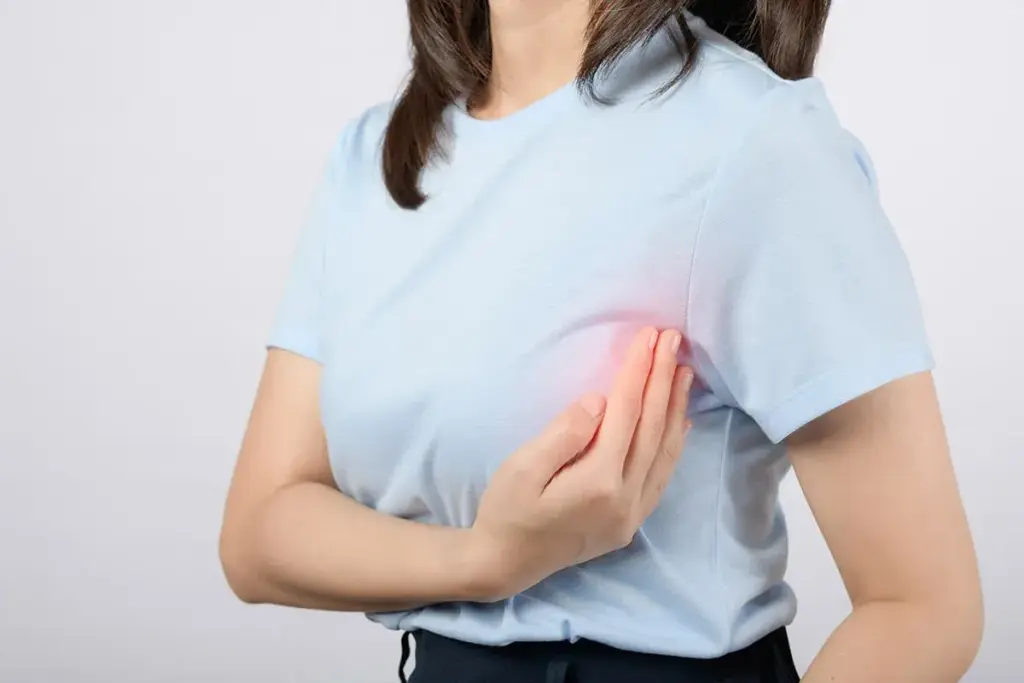
Finding breast cancer early is key to good treatment. A simple self-check at home can alert you to see a doctor. It helps you notice important changes in your body.
Doing a breast self-examination (BSE) often helps you know what your breasts usually look and feel like. This makes spotting unusual changes easier. Studies show early detection is vital, with a 99% survival rate for localized breast cancer.
Up to 75% of breast cancers are found by women themselves. This shows how important it is to be proactive about your health. Regular breast cancer screening is essential for women’s health.
Key Takeaways
- Regular breast self-examination can help detect breast cancer early.
- Early detection significantly improves the five-year survival rate.
- Women can play an active role in detecting breast cancer through self-exams.
- Breast cancer screening is vital for women’s health.
- A simple self-check at home can signal when to consult a doctor.
Understanding Breast Cancer and Early Detection
Finding breast cancer early can greatly improve treatment success and survival chances. It’s a complex disease that needs a deep understanding for effective care.
What is Breast Cancer?
Breast cancer happens when breast cells grow wrong and form a tumor. It’s a common cancer in women, affecting their lives a lot. Understanding the basics of breast cancer is crucial for effective early detection and treatment.
The Importance of Early Detection
Early detection is key in treating breast cancer. If caught early, breast cancer is more likely to be treated well, boosting survival rates. Regular screenings and self-exams are important for finding breast cancer early.
Survival Rates and Statistics
The five-year survival rate for breast cancer caught early is about 99%. This shows how vital early detection is. Here’s a table comparing survival rates by detection stage:
|
Stage at Diagnosis |
5-Year Survival Rate |
|---|---|
|
Localized |
99% |
|
Regional |
86% |
|
Distant |
28% |
These numbers show how important early detection is for better breast cancer survival rates. By learning about breast cancer and how to detect it, people can take steps to protect their health.
The Role of Breast Self-Examination in Cancer Detection
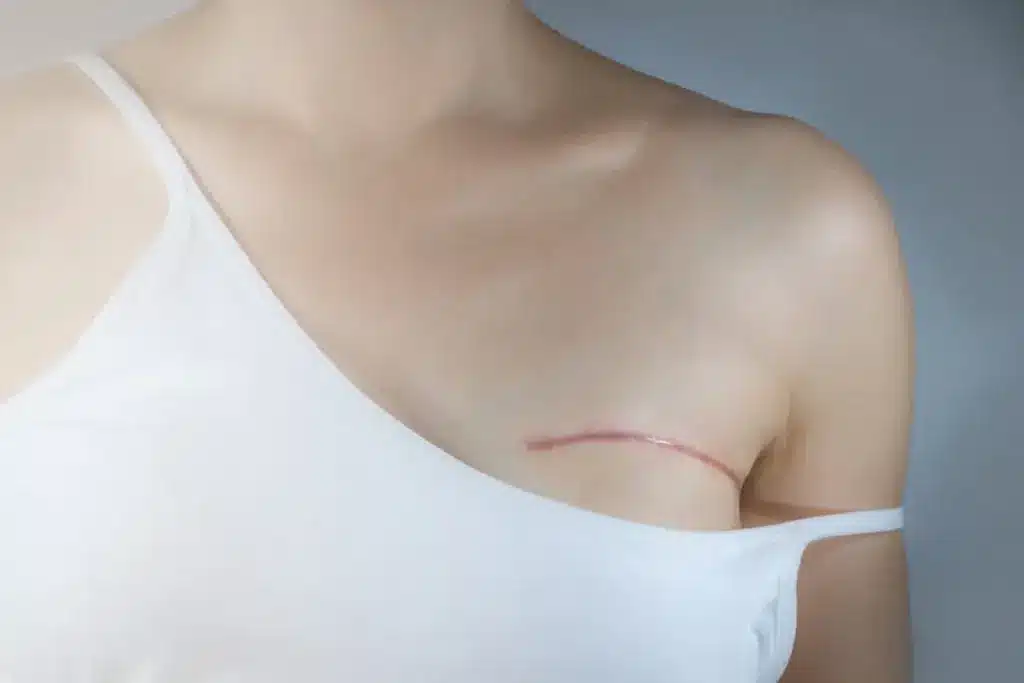
Many people talk about the role of breast self-examination in finding breast cancer. This simple method lets women get to know their breasts. It helps them spot any changes early on.
Current Medical Perspectives on BSE
Doctors have different views on BSE. Some say it’s good for breast awareness. Others doubt it lowers cancer death rates. Yet, BSE is seen as a way to get women involved in their breast health.
Self-Detection Statistics
Studies show women find up to 75% of breast cancers themselves. This highlights BSE’s role in catching cancer early. Here’s a table showing how self-detection matters:
|
Detection Method |
Percentage of Breast Cancers Detected |
|---|---|
|
Self-Detection |
Up to 75% |
|
Clinical Breast Examination |
Approximately 15-20% |
|
Mammography |
Remaining percentage, varying by age and risk factors |
BSE as a Complementary Screening Tool
BSE shouldn’t be the only way to find breast cancer. It’s best used with clinical exams and mammograms. This combo boosts the chances of finding cancer early.
In summary, even though doctors debate BSE’s value, it’s clear it helps with breast awareness. Knowing about BSE, its benefits, and how it fits with other tests helps women take care of their breasts.
When and How Often to Examine Your Breasts
Knowing when to do a breast self-examination is key for good breast health. The right time can make a big difference.
Optimal Timing During Menstrual Cycle
The best time for a breast self-examination is when your breasts are less sensitive. This is usually 7-10 days after your period starts. At this time, hormonal changes have settled down, making it easier to spot any unusual changes.
Recommended Frequency
Experts say to do BSE once a month. This helps you keep track without worrying about normal monthly changes.
Creating a Regular Schedule
To make BSE a regular part of your routine, set a specific date. You could do it on the first day of each month or when your period starts. Being consistent helps you get to know your breasts better. This makes it easier to notice any odd changes.
|
Timing |
Recommendation |
Benefits |
|---|---|---|
|
7-10 days after period start |
Perform BSE when breasts are less tender |
Easier to identify unusual changes |
|
Once a month |
Consistent monitoring |
Becomes familiar with normal breast changes |
|
First day of the month |
Easy to remember |
Creates a routine |
By knowing the best time and how often to do BSE, you can keep an eye on your breast health. This way, you can catch any problems early.
Preparing for a Breast Self-Examination
Starting a breast self-examination right is key. It makes sure you do it well and feel less stressed. It also makes the whole thing more comfortable.
Creating the Right Environment
For a good breast self-examination, you need a calm place. Pick a quiet spot where you can relax without any distractions. Good lighting is essential; stand in front of a mirror where you can clearly see your breasts. Make sure you have enough time without feeling rushed.
Mental Preparation
Mental prep is as important as the physical setup. Take a few moments to breathe deeply and relax. It’s normal to feel a bit nervous, but try to know your body’s normal state. Knowing what to expect can make it less scary.
Tools That May Help
While your hands and eyes are all you need, some tools can help. A mirror is key for the visual part. You might also find a chart or guide helpful for the steps and what to look for. Some women use a breast model or educational materials to understand better.
By getting ready both physically and mentally, you can make your breast self-examination a meaningful and empowering experience.
Visual Inspection: The First Step in Breast Self-Examination
Start with a visual inspection of your breasts. This first step helps you know what your breasts usually look like. It makes it easier to spot any changes.
Examining in Front of a Mirror
Stand in front of a mirror with your arms relaxed. Look at your breasts and notice any differences in size, shape, or contour. Then, raise your arms overhead and check your breasts again. This can show you any changes in shape or contour.
Different Positions for Visual Inspection
Try different positions to see your breasts from all angles. Place your hands on your hips and press down to flex your chest muscles. This can help you notice any changes in the breast tissue. You can also lean forward to see how your breasts hang.
What Changes to Look For
Look for any changes in breast size, shape, or skin texture. Watch for dimpling, puckering, or redness. Also, check the nipples for any changes in position, shape, or discharge. Some changes are normal, but others might need more checking.
By doing a visual inspection, you can better understand your breast health. You might catch issues early.
How to Properly Palpate Your Breasts During Self-Examination
Learning the right way to feel your breasts is key for finding problems early. Palpation means using your hands to check your breasts for any unusual lumps or changes. It’s important to know how to use your hands, apply the right amount of pressure, and follow a specific pattern.
The Correct Hand Technique
To feel your breasts right, start with the pads of your fingers. These are the fleshy parts, not the tips. Use your middle three fingers (index, middle, and ring fingers) to check your breasts. Keep your fingers flat and together, and press gently in a circular motion.
Key steps for the correct hand technique:
- Use the pads of your middle three fingers.
- Keep your fingers flat and together.
- Apply gentle pressure in a circular motion.
Pressure Levels to Apply
Using the right amount of pressure is important. You need to use three different levels of pressure to check your breasts well:
- Light pressure to feel the tissue closest to the skin.
- Medium pressure to examine the tissue in the middle of your breasts.
- Deep pressure to feel the tissue closest to the chest wall.
It’s important to use these different pressures to get a full feel of your breast tissue.
Systematic Examination Patterns
To make sure you check the whole breast, follow a specific pattern. One good way is the circular pattern, where you move your fingers in a circle, starting from the outside and moving inwards towards the nipple. Another way is the linear or vertical strip pattern, where you move your fingers up and down in straight lines across your breast.
Example of a systematic examination pattern:
|
Pattern |
Description |
|---|---|
|
Circular |
Move fingers in a circular motion from outside to inside. |
|
Linear/Vertical Strip |
Move fingers up and down in straight lines across the breast. |
By using the right hand technique, the right pressure, and a specific pattern, you can check your breasts well during self-examination. Regular practice will make you more comfortable and confident in finding any changes or problems.
Examining the Often-Overlooked Areas of the Breasts
Breast cancer can show up in different parts of the breast tissue. It’s important to check not just the breasts but also the areas around them during a breast self-examination (BSE).
Checking the Armpit Region
The armpit, or axillary region, has lymph nodes that can be affected by breast cancer. To check this area, gently press your fingers into the armpit. Look for any lumps or abnormalities.
Examining the Collarbone Area
The area above the collarbone, or supraclavicular region, also has lymph nodes that can be involved in breast cancer. To examine this area, tilt your head to one side. Then, use your fingers to feel for any lumps or tenderness above the collarbone.
Inspecting the Breast Tail
The breast tail, or axillary tail of Spence, is a part of the breast tissue in the armpit. It’s important to include this area in your BSE. Use a gentle, circular motion with your fingers to feel for any abnormalities in this region.
To summarize, checking often-overlooked areas is key for a complete BSE. The table below shows the areas to check and how to do it:
|
Area to Examine |
Technique |
|---|---|
|
Armpit Region |
Gently press fingers into the armpit to feel for lumps or abnormalities. |
|
Collarbone Area |
Tilt head to one side and feel for lumps or tenderness above the collarbone. |
|
Breast Tail |
Use a gentle, circular motion to feel for abnormalities in the breast tissue extending into the armpit. |
By checking these often-overlooked areas in your BSE, you can spot changes or abnormalities early.
Nipple Examination Techniques and What to Look For
Checking your nipples regularly can help spot issues early. Knowing how to examine your nipples is key in a breast self-examination.
Visual Signs of Concern
Look for visual changes that might mean trouble. These include:
- Changes in nipple direction: If a nipple becomes inverted or points differently than usual.
- Scaling or crusting: Unusual scaling, crusting, or redness around the nipple.
- Rashes or sores: Rashes or sores that don’t heal.
Checking for Discharge
Nipple discharge can signal a problem. Here’s how to check for it:
- Gently squeeze the nipple between your thumb and index finger.
- See if there’s any discharge and note its color and consistency.
- Compare both nipples.
Clear or milky discharge might be okay, if you’re breastfeeding or have recently stopped. But bloody, yellow, or green discharge is not normal and needs a doctor’s check.
Feeling for Abnormalities
Feeling for abnormalities is also important. Gently feel the nipple and the area just beneath it with your fingers. Look out for:
- Lumps or thickening: Any unusual lumps or thickening in or around the nipple.
- Pain or tenderness: Unusual pain or tenderness when touching the nipple.
Regularly checking your nipples helps you know what’s normal for you. This makes it easier to notice any changes.
Understanding Normal Changes in Your Breasts
Breast changes are a natural part of life. They are influenced by menstruation, pregnancy, and aging. Knowing these changes is key to keeping your breasts healthy and spotting problems early.
Cyclical Changes During Menstruation
Hormonal shifts during the menstrual cycle can change your breasts. Many women feel their breasts get tender or swell before their period. This is because progesterone levels rise, making breasts feel fuller and more sensitive.
These changes usually go away once your period starts. It’s important to know what’s normal for you. This helps you tell the difference between usual changes and something that might not be right.
Pregnancy and Breastfeeding Changes
Pregnancy makes big changes in your breasts, getting them ready for milk. Hormones cause your breasts to grow, and the areola may darken. These changes are a normal part of pregnancy.
When you’re breastfeeding, your breasts keep changing. They might feel full and tender. Knowing these changes helps new moms take care of their breasts after giving birth.
Age-Related Changes
As women get older, their breasts naturally change. With menopause, estrogen levels drop, making breasts less dense and firm. This is a normal part of aging.
It’s important for women to know about these changes. This way, they can tell if something is not normal. Regular self-checks and doctor visits can help spot any issues early.
Recognizing Potencial Warning Signs in Your Breasts
Knowing the warning signs in your breasts can help find breast cancer early. It’s important to know what’s normal for you and what might be a problem.
Types of Lumps and Their Characteristics
Not all lumps are cancer. But some signs might mean you need to see a doctor. Lumps can hurt or not hurt, and feel different.
- Fibroadenomas: These are benign tumors common in younger women. They are firm, smooth, and move easily.
- Cysts: Fluid-filled sacs that can be tender and change with your menstrual cycle.
- Cancerous lumps: Often hard, irregular, and stuck to the tissue around them.
Skin Changes That May Indicate Cancer
Skin changes can signal breast cancer. Look out for:
- Thickening or swelling of part of the breast
- Dimpling or puckering of the skin
- Redness or scaliness
These signs can also mean inflammatory breast cancer, a rare but aggressive disease.
Nipple Abnormalities to Watch For
Nipple changes can be a warning sign. Watch for:
- Nipple inversion or retraction
- Unusual discharge, like blood, without squeezing the nipple
- Changes in the nipple’s position or shape
Pain and Tenderness Concerns
Pain is not usually a sign of breast cancer. But, if you have persistent or severe pain, it’s important to check it out. Tenderness can also mean different things.
|
Symptom |
Possible Causes |
Action |
|---|---|---|
|
Lump or thickening |
Cysts, fibroadenomas, cancer |
Consult a healthcare provider |
|
Skin changes |
Infection, inflammatory breast cancer |
Seek medical evaluation |
|
Nipple discharge |
Hormonal changes, infection, cancer |
Discuss with a healthcare provider |
Being alert to these signs and talking to a doctor if you notice anything unusual can help find and treat breast cancer early.
Self-Examination for Different Breast Types and Body Sizes
It’s important to know that breast self-examination (BSE) methods can vary for different breast types and sizes. This is key for spotting breast cancer early. Women with different breast sizes or densities might need to tweak their BSE approach.
Techniques for Large Breasts
Women with bigger breasts might find it hard to check the whole breast. To help, use a firmer touch. Also, try using both hands on one breast. One hand should support the breast, while the other feels it.
Approaches for Small or Dense Breasts
Women with smaller or denser breasts should use a lighter touch. It’s also good to check the breasts in different ways. This helps get a full feel of the tissue.
Adaptations for Physical Limitations
People with physical issues, like limited mobility or arthritis, can adapt. Use a softer touch or check the breasts in a warm shower. Having someone help can also be very helpful.
By adjusting BSE techniques for your breast type and size, and any physical issues, you can better watch your breast health. This way, you can spot any problems early.
What to Do If You Find Something Unusual
Seeing something odd in your breast can worry you. But, it’s key to stay calm and know what to do next. If you notice something different during your self-exam, it’s important to understand the right steps to take.
Staying Calm and Focused
The first thing is to stay calm and not worry too much. It’s normal to feel scared, but too much worry can mess with your thinking. Take a few deep breaths and remember, most breast issues aren’t cancer.
” “Most lumps and changes are not serious, and catching them early is key for treatment if it is cancer.”
Documenting Your Findings
After finding something odd, write down all the details. Note where it is, how big and shaped it is, and any other important details. This info will help a lot when you talk to a doctor.
- Location of the abnormality
- Size and shape
- Any changes in the skin or nipple
- Date and time of the examination
When to Contact a Healthcare Provider
If you find something odd, it’s best to talk to your doctor right away. They can look at your findings, give advice, and set up more tests if needed.
Don’t wait to see a doctor if you notice:
- A new lump or thickening
- Changes in the shape or size of your breast
- Nipple discharge or changes
- Skin changes, such as dimpling or redness
Acting fast and being informed is key. By being proactive, you can manage your breast health better.
Additional Screening Methods Beyond Self-Examination
There are many ways to find breast cancer early, not just self-exams. While BSE helps people know their breast health, other methods find problems more thoroughly.
Clinical Breast Examinations
A healthcare professional does a clinical breast exam (CBE) to look for lumps or texture changes. It’s done during routine visits and helps with BSE. Women should get a CBE every three years starting at 20, and every year after 40.
Mammography Guidelines
Mammography uses X-rays to check the breast tissue. It finds cancer early, often before symptoms show. Women 45 to 54 should get a mammogram every year. Women 55 and older can get them every two years or yearly. Women 40 to 44 can choose to start screening.
Other Imaging Technologies
Other imaging tools help check breast health, too. These include:
- Ultrasound: Helps tell if a mass is solid or filled with fluid.
- MRI (Magnetic Resonance Imaging): Good for those at high risk of breast cancer.
- 3D Mammography (Tomosynthesis): Gives a clearer view of breast tissue.
These methods, used right, help find and diagnose breast cancer better. Women should talk to their doctors about their risk and the best screening plan.
Maintaining Healthy Breasts Through Lifestyle Choices
Keeping your breasts healthy is key to your overall well-being. It’s all about making smart choices in your diet, staying active, and avoiding harmful substances.
Dietary Considerations
Eating a balanced diet is essential for your health, including your breasts. Include lots of fruits, veggies, and whole grains. Foods like berries and leafy greens are packed with antioxidants, which fight cancer.
Don’t forget to add healthy fats to your meals. Nuts, seeds, and olive oil are great choices. Try to cut down on processed foods and saturated fats.
Physical Activity Benefits
Staying active is good for your health and your breasts. Exercise helps control hormones, boosts your immune system, and keeps you at a healthy weight. All these factors can lower your risk of breast cancer.
Try to do at least 150 minutes of moderate exercise each week. Activities like brisk walking, cycling, or swimming are great. Adding strength training can also improve your health.
Limiting Alcohol and Avoiding Tobacco
Drinking too much alcohol can increase your risk of breast cancer. It’s best to stick to one drink a day for women.
Quitting tobacco is also vital. Tobacco use raises the risk of many cancers. There are resources and support available to help you quit.
By making these lifestyle changes, you can help keep your breasts healthy and lower your risk of breast cancer.
Conclusion
Teaching women about breast health is key in the battle against breast cancer. Knowing how to check your breasts regularly helps you find problems early. This way, you can take charge of your how to check your breasts is important. Women can spot changes and get help fast. This can lead to better treatment and higher survival rates.Breast awareness means more than just checking yourself. It’s about living a healthy lifestyleand getting regular check-ups. By doing these things, women can keep their breasts healthy and lower their cancer the end, knowing about breast health empowers women. By spreading the word and teaching others, we help women take care of their health. This leads to finding problems early and better health outcomes.
FAQ
What is the best time to perform a breast self-examination?
The best time is 7-10 days after your period starts. Your breasts are less tender and lumpy then.
How often should I perform a breast self-examination?
Do it once a month, at the same time. This helps you know what’s normal for your breasts.
What are the signs of breast cancer that I should look for during a self-examination?
Look for new lumps, thickening, or swelling. Also, watch for skin changes like redness or dimpling. Check for nipple changes, pain, or tenderness.
How do I properly palpate my breasts during a self-examination?
Use your finger pads to feel the tissue in a pattern. You can do this in circles or lines from the nipple to the edge.
What should I do if I find a lump during a breast self-examination?
If you find a lump, stay calm. Document it and contact a healthcare provider for evaluation.
Are there any lifestyle changes that can help reduce my risk of breast cancer?
Yes, eat healthy, stay active, limit alcohol, and avoid tobacco. These can lower your risk.
What is the difference between a clinical breast examination and a mammogram?
A clinical exam is done by a healthcare provider. A mammogram is an X-ray test for breast abnormalities.
Can breastfeeding reduce the risk of breast cancer?
Yes, breastfeeding can lower your risk, more so with longer durations.
How can I adapt breast self-examination techniques if I have large or dense breasts?
Use a firmer touch for large or dense breasts. Examine in sections and use a mirror for better views.
Are there any tools that can help me perform a breast self-examination?
A mirror and a quiet space can be helpful, but not necessary.
Can I stil perform a breast self-examination if I have breast implants?
Yes, you can. Adjust your technique to feel the implant and surrounding tissue.
How does age affect breast tissue and self-examination?
Older women’s breast tissue may be less dense but more prone to sagging. Be more aware of changes.
References
National Center for Biotechnology Information. Evidence-Based Medical Insight. Retrieved from https://www.ncbi.nlm.nih.gov/books/NBK565846/



 Departments
 Related Videos
 Our Doctors
 News
News