Recovering from surgery can be tough and scary. Nearly 50% of patients undergoing orthopaedic surgery experience significant pain during recovery. This shows how important good pain management is. Starting your Brielle Ortho recovery? This critical guide provides the powerful steps you need for a smooth healing journey.
The road to recovery depends on many things. These include the surgery type, your health, and the care you get. Orthopaedics surgery is complex, with knee revisions needing skilled knee revision surgeons.
Key Takeaways
- Orthopaedics surgery can be a complex and challenging field.
- Effective pain management is key for a good recovery.
- The surgery type and your health affect how hard recovery is.
- Getting care from experienced surgeons is critical.
- Good care and rehab programs help a lot in recovery.
Understanding Surgical Recovery Challenges
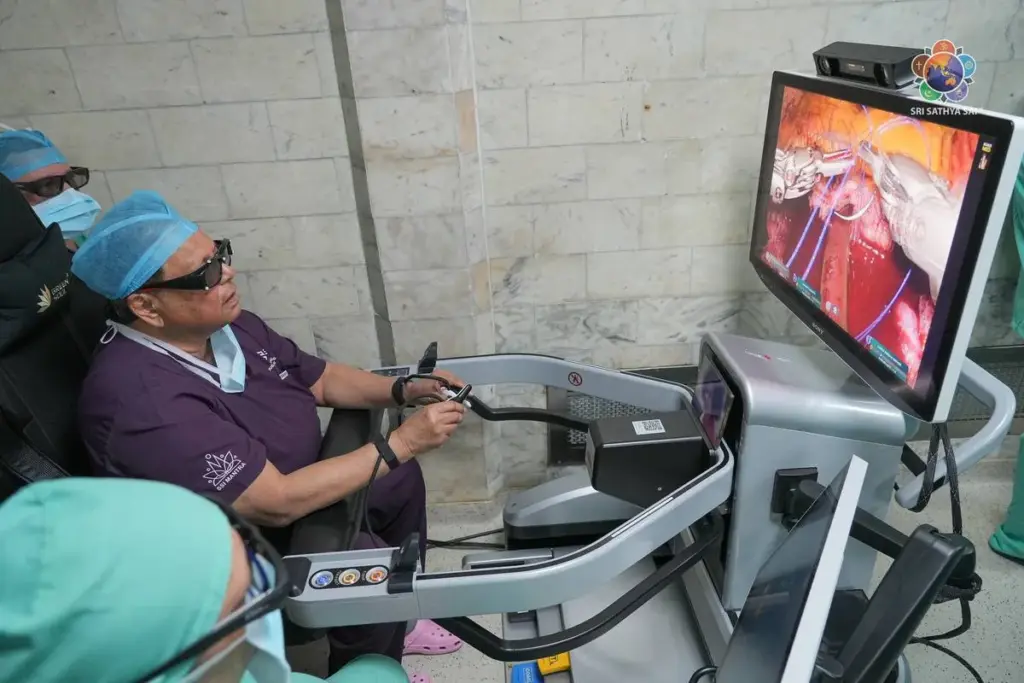
Recovery from surgery varies greatly. It depends on many factors. At our institution, we create personalized care plans for each patient.
Factors That Influence Recovery Difficulty
Many things affect how hard it is to recover from surgery. These include the surgery type, the patient’s health, age, and any other health issues. For example, surgeries at the Bronson orthopedic surgery center have different recovery times based on the surgery and the patient’s health.
“The recovery process is highly individualized,” says a leading orthopedic surgeon. “What’s hard for one patient might be easier for another, even if they have the same surgery.”
How Surgeons Measure Recovery Complexity
Surgeons look at several things to figure out how hard recovery will be. They consider the patient’s medical history, the surgery’s extent, and the patient’s condition after surgery. This helps them predict challenges and plan how to overcome them.
For example, surgeries in the top 10 most painful surgery recovery list need more pain management and longer rehab.
The Role of Patient-Specific Variables
Each patient’s situation affects their recovery. Age, nutrition, and chronic conditions are key factors. For instance, patients with the most painful surgery to recover from might need extra support.
Healthcare providers can improve outcomes by understanding these factors. They can tailor care to meet each patient’s needs, reducing complications.
Top 10 Most Painful Surgeries to Recover From

Recovering from some surgeries can be very painful. The recovery time and pain level vary a lot. Knowing which surgeries are the most painful helps both patients and doctors prepare better.
Ranking Surgeries by Pain Intensity
Doctors and patients rank surgeries by how much pain they cause. Spinal fusion surgery and total hip replacement are often at the top. This is because they involve a lot of tissue damage and bone changes.
Here’s a list of the top 10 most painful surgeries to recover from, based on patient-reported pain intensity:
- Spinal fusion surgery
- Total hip replacement
- Knee replacement surgery
- Complex shoulder reconstructions
- Thoracic surgery
- Open-heart surgery
- Hysterectomy
- C-section
- Masectomy
- Plastic surgery reconstructions
Recovery Duration Comparisons
The time it takes to recover from these surgeries varies a lot. For example, spinal fusion surgery can take 6 to 12 months. On the other hand, total hip replacement and knee replacement surgery usually take 3 to 6 months.
|
Surgery Type |
Average Recovery Time |
|---|---|
|
Spinal Fusion Surgery |
6-12 months |
|
Total Hip Replacement |
3-6 months |
|
Knee Replacement Surgery |
3-6 months |
Patient Reported Experiences
Patients’ experiences with pain and recovery are different. For instance, some people with knee replacement surgery feel a lot of pain at first. Others feel it more as they start physical therapy.
It’s important to understand these differences. This helps doctors give better care and support during recovery.
Spinal Fusion Surgery: A Long Road to Recovery
Spinal fusion surgery is a long and tough recovery. It aims to stabilize the spine by fusing vertebrae together. This helps to ease pain and stabilize the spine. We know the recovery path can be tough, but with the right care, patients can get through it.
Why Spinal Fusion Recovery Is Particularly Challenging
Recovering from spinal fusion surgery is hard because it’s a big surgery. It changes the body’s muscles and bones a lot. Managing these changes is key to a good recovery.
Typical Recovery Timeline and Milestones
The time it takes to recover from spinal fusion surgery varies. But, most people follow a similar path. First, there’s a lot of rest, then slowly getting back to normal. Physical therapy is very important in this phase. It helps regain strength and flexibility.
Patients usually hit big recovery milestones in 3 to 6 months. But, it can take up to a year or more to fully recover.
Managing Complications During Recovery
Handling complications is a big part of recovery. Issues like infection, hardware failure, or ongoing pain can happen. We stress the need for follow-up care and watching for these problems. It’s important for patients to tell their doctors about any unusual symptoms. This helps avoid bigger problems and makes recovery smoother.
Getting better from spinal fusion surgery takes time, effort, and the right support. Knowing what to expect helps patients prepare. We’re here to give the best care and advice during the recovery.
Total Hip Replacement: Balancing Mobility and Healing
Recovering from total hip replacement is a balance between getting mobile and healing right. It’s key to know the special challenges of hip replacement surgery.
Recovery Challenges Unique to Hip Replacement
Total hip replacement surgery is very effective in reducing pain and improving life quality. But, it comes with its own set of recovery challenges. One big worry is dislocation, which means careful movement in the early stages. Patients also face post-operative pain, swelling, and the slow build-up of strength and mobility.
Every patient’s recovery is different, based on health, age, and other conditions. So, a tailored rehabilitation plan is essential.
Rehabilitation Protocols and Timelines
Rehab after total hip replacement follows a structured plan that changes over time. First, it focuses on managing pain, wound care, and gentle movement. Later, it moves to strengthening, improving range of motion, and getting back to normal activities.
|
Rehabilitation Phase |
Timeline |
Key Activities |
|---|---|---|
|
Immediate Post-Surgery |
0-2 weeks |
Pain management, wound care, gentle mobilization |
|
Early Rehabilitation |
2-6 weeks |
Strengthening exercises, improving range of motion |
|
Advanced Rehabilitation |
6-12 weeks |
Progressive strengthening, functional activities |
When Hip Revision Surgery Becomes Necessary
Some patients might need hip revision surgery. This is when the parts of a previous hip replacement need to be replaced or fixed. This could be due to loosening, wear, or dislocation.
Deciding on revision surgery can be tough. But, with new surgical methods and implants, many see big improvements in their life quality.
Knee Replacement Surgery: Pain and Persistence
Recovering from knee replacement surgery is tough. It involves a lot of pain and requires a lot of effort from the patient. This surgery is usually a last resort when other treatments don’t work. It’s often needed for severe knee pain and mobility problems caused by arthritis or damage.
Pain Factors in Knee Replacement Recovery
The recovery from knee replacement surgery is painful. This is because the surgery damages tissue and changes the bone. Pain management is key to recovery. We use a mix of medicines, physical therapy, and other methods to help with pain and healing.
The pain comes from the surgery cut, the body’s reaction to the implant, and the rehab. It’s important to manage pain well to help patients feel better and recover better.
Physical Therapy Requirements and Progression
Physical therapy is very important after knee replacement surgery. It helps get the knee working again, improves movement, and strengthens muscles. The therapy plan is made just for the patient and gets harder as they get stronger.
Therapy starts soon after surgery and goes on for weeks or months. It includes exercises to improve knee movement and strength. It also helps with balance and moving around. Following the physical therapy plan is key to getting the best results.
|
Phase |
Timeline |
Physical Therapy Focus |
|---|---|---|
|
Immediate Post-Surgery |
0-2 weeks |
Pain management, initial mobility exercises |
|
Early Recovery |
2-6 weeks |
Range of motion exercises, strengthening |
|
Advanced Recovery |
6-12 weeks |
Progressive strengthening, functional activities |
Comparing Primary vs. Revision Knee Replacement Recovery
Recovery from primary and revision knee replacement surgeries is different. Primary surgery is for first-time patients. Revision surgery is for fixing or replacing a previous knee implant.
Revision surgery recovery is harder. This is because of scar tissue, bone loss, or removing the old implant. Revision surgery often takes longer and needs more intense rehab.
It’s important to know these differences to manage patient expectations and plan their recovery. We work with patients to make a care plan that fits their surgery type.
Complex Shoulder Reconstructions and Rotator Cuff Repairs
Patients with complex shoulder reconstructions and rotator cuff repairs face a tough recovery. At Brielle Ortho, we know how hard these surgeries are. We also know how challenging the recovery can be.
Mobility Limitations During Recovery
One big challenge is managing how much you can move your shoulder. Right after surgery, you might not be able to move it much. This is because of pain, swelling, and the need to protect the repair.
“The first part of recovery is very important,” says our orthopedic specialist. “Patients need to be careful not to strain their shoulders too much. We create special rehab plans to help them move again slowly and safely.”
Timeline for Returning to Normal Activities
The time it takes to get back to normal varies for everyone. But here are some general steps:
- 0-6 weeks: You’ll have to move very little, focusing on pain control and healing.
- 6-12 weeks: You’ll start physical therapy to improve how far you can move and get stronger.
- 3-6 months: You’ll do more strengthening and start doing activities again.
- 6-12 months: You’ll likely be back to most of your normal activities. But heavy lifting or sports might take longer.
Healing Process for Shoulder Surgery Scars
Scars from shoulder surgery go through different stages. At first, they might look red and raised. But they usually get flatter and less noticeable over time. Taking good care of the wound and using the right scar treatments can help.
Good ways to manage scars include:
- Keeping the incision clean and moisturized.
- Using silicone gel or sheeting to make the scar less noticeable.
- Gently massaging the scar once it’s fully healed.
At Brielle Ortho, we offer more than just physical care. We also focus on emotional and mental support. Our team is here to help you through every step of your recovery. We want to make sure you get the best care possible.
Joint Replacement Surgeries Beyond Hip and Knee
Joint replacement surgeries are not just for hips and knees. They cover a wide range of orthopedic procedures. Advances in orthopedic surgery let us replace other joints too. This helps patients with severe joint problems live better lives.
Hand and Finger Joint Replacements
Hand and finger joint replacements help those with severe arthritis or hand injuries. These surgeries swap out damaged joints for artificial ones. This brings back function and cuts down on pain.
Because of the hand’s complex structure, hand surgery needs great precision. We use the latest techniques and materials for these replacements. After surgery, patients go through physical therapy and rehab to get their strength and dexterity back.
|
Joint Replaced |
Common Conditions |
Recovery Time |
|---|---|---|
|
Metacarpophalangeal (MCP) |
Rheumatoid Arthritis, Osteoarthritis |
6-8 weeks |
|
Proximal Interphalangeal (PIP) |
Osteoarthritis, Trauma |
8-12 weeks |
Ankle and Foot Joint Replacements
Ankle and foot joint replacements are less common but very important. They help restore mobility and ease pain. These surgeries are for those with severe arthritis in their ankles or feet.
Ankle replacement surgery, or ankle arthroplasty, replaces the damaged ankle joint with an artificial one. It greatly improves life for those with ankle arthritis.
High-Precision Joint Surgery Techniques
New joint surgery techniques have changed orthopedics. Technology like computer-assisted surgery and 3D printing helps surgeons do complex surgeries more accurately.
- Computer-assisted surgery helps plan and do surgeries with precision.
- 3D printing makes custom implants that fit the patient’s body perfectly.
- Minimally invasive methods cut down on recovery time and scarring.
We use the latest in joint replacement surgeries to give our patients the best results. By combining cutting-edge techniques with full care, we aim to improve our patients’ lives.
Multiple Trauma Reconstruction: The Most Complex Recovery Journey
The road to recovery after multiple trauma reconstruction is long and hard. It involves many stages and considerations. Patients often face a tough and complex rehabilitation process.
Staged Surgical Approaches
Multiple trauma reconstruction uses a staged surgical approach. The team performs operations in a specific order for the best recovery. This staged approach helps surgeons tackle multiple injuries safely. The first stage usually stabilizes the patient, followed by surgeries to repair damaged tissues.
In cases with many fractures, the first surgery might stabilize critical fractures. Later surgeries address other injuries. This careful planning helps manage pain, reduce infection risk, and aid healing.
|
Surgical Stage |
Primary Objectives |
Typical Interventions |
|---|---|---|
|
Initial Stage |
Stabilize patient’s condition, address life-threatening injuries |
Emergency surgeries, fracture stabilization |
|
Secondary Stage |
Repair or reconstruct damaged tissues and structures |
Orthopedic repairs, soft tissue reconstruction |
|
Tertiary Stage |
Rehabilitation and functional restoration |
Physical therapy, occupational therapy |
Psychological Aspects of Long-Term Recovery
The psychological impact of multiple trauma reconstruction is significant. Patients may feel anxious, fearful, frustrated, or depressed. A supportive care team, including mental health professionals, is key in helping patients manage these feelings. Counseling, support groups, and stress management can greatly improve mental well-being during recovery.
Rehabilitation Strategies for Multiple Injuries
Rehabilitation after multiple trauma reconstruction is tailored to each patient. It considers the specific injuries and the patient’s health. A detailed rehabilitation plan may include physical therapy, occupational therapy, and pain management strategies. The aim is to restore function, reduce pain, and enhance quality of life.
- Physical therapy to regain strength and mobility
- Occupational therapy to improve daily functioning
- Pain management through medication and alternative therapies
By using a multidisciplinary approach to rehabilitation, healthcare providers can guide patients through the complex recovery journey after multiple trauma reconstruction.
Brielle Ortho: Specialized Care for Complex Surgical Recovery
Brielle Ortho focuses on giving detailed care to those with complex surgeries. We know every patient’s path is different. So, we tailor our care to meet their unique needs.
Comprehensive Approach to Difficult Recoveries
Our team at Brielle Ortho creates a comprehensive care plan for complex surgeries. We assess each patient’s condition, make a personalized rehab plan, and offer ongoing support.
We use state-of-the-art technology and proven methods to give our patients top care. Our goal is to avoid complications, cut down recovery time, and boost success rates.
Patient Support Systems and Resources
At Brielle Ortho, we know a strong support system is key in recovery. We provide many resources and services to help our patients through tough times.
- Personalized counseling and guidance
- Access to support groups
- Educational materials on recovery and rehabilitation
Advanced Rehabilitation Techniques
Our rehab programs aim to help patients regain strength and function. We use advanced rehabilitation techniques like physical and occupational therapy. These are tailored to each patient’s needs.
By combining the latest technology with caring service, we help our patients reach their best outcomes. They can get back to their lives quickly and safely.
Orthopedic Subspecialties and Their Most Challenging Procedures
Orthopedic surgery covers many areas, each with its own tough procedures. These subspecialties focus on different parts of the musculoskeletal system. Knowing about these areas and their challenges helps both doctors and patients.
Sports Medicine Surgical Challenges
Sports medicine deals with injuries from sports. It involves surgeries that need precise techniques to fix problems. For example, arthroscopic surgeries like ACL reconstruction are tricky because of the knee’s complexity.
Some big challenges in sports medicine surgery are:
- Meniscal repairs
- Ligament reconstructions
- Cartilage restoration procedures
|
Procedure |
Complexity Level |
Recovery Time |
|---|---|---|
|
ACL Reconstruction |
High |
6-9 months |
|
Meniscal Repair |
Medium |
3-6 months |
|
Cartilage Restoration |
High |
6-12 months |
Trauma Orthopedics Recovery Complexities
Trauma orthopedics treats serious injuries from accidents. These injuries are often severe, leading to long and complicated recoveries. Patients might need many surgeries.
Big challenges in trauma orthopedics include:
- Managing complex fractures
- Dealing with soft tissue damage
- Preventing infection
Pediatric Orthopedic Surgery Considerations
Pediatric orthopedic surgery treats kids’ musculoskeletal issues. It must consider the child’s growth and development. This affects how surgeries are planned and done.
Important things in pediatric orthopedic surgery are:
- Growth and development
- Age and stage of development
- Family support and following instructions
Understanding each orthopedic subspecialty’s challenges helps prepare patients for recovery. This includes not just the surgery but also home modifications and teaching patients. This ensures a smooth and effective recovery.
Pain Management Strategies for Challenging Recoveries
Dealing with the tough parts of surgical recovery needs strong pain management plans. It’s not just about easing pain. It’s key to a full recovery, affecting both body and mind.
Medication Approaches and Considerations
Medicine is a big part of managing pain after surgery. Opioids are sometimes used for sharp pain, but doctors are careful because of addiction risks. Other medicines like NSAIDs, acetaminophen, and gabapentin are also options, based on the surgery and patient’s health.
It’s vital to listen to your doctor about medicines. They know what’s best for you, based on your health history and current situation.
|
Medication Type |
Common Use |
Considerations |
|---|---|---|
|
Opioids |
Acute pain management |
Risk of dependency, side effects |
|
NSAIDs |
Inflammation, pain relief |
Gastrointestinal side effects |
|
Acetaminophen |
Pain relief, fever reduction |
Liver toxicity risk with overdose |
Non-Pharmaceutical Pain Management
There are many ways to manage pain without medicine. Physical therapy is a big help, helping you move better and feel less pain. Cognitive-behavioral therapy (CBT) helps you deal with pain, and acupuncture is also used by some to ease pain.
When to Seek Help for Pain Control Issues
If your pain isn’t getting better with your treatment, or if you’re worried about side effects, talk to your doctor. Signs you might need to change your pain plan include more pain, trouble doing everyday things, and side effects from medicine.
By working with your doctor and using both medicine and other methods, you can manage your pain better during recovery.
Psychological Aspects of Difficult Surgical Recovery
Recovering from surgery is not just about getting better physically. It also needs mental strength. The mental effects of a tough surgery can really impact a person’s health and how well they recover.
Managing Expectations and Disappointment
Setting the right expectations is key in recovery. Patients often have ideas about how they’ll feel after surgery. But, if things don’t go as expected, it can lead to disappointment. It’s important to have realistic hopes and be ready for any challenges that come up.
Setting realistic goals helps keep a positive mindset. Knowing how long recovery will take, possible problems, and the importance of rehab is essential.
Coping Strategies for Extended Recovery Periods
Dealing with a long recovery needs a mix of strategies. Patients must find ways to take care of their body and mind. Some good ways include:
- Mindfulness and meditation to lower stress
- Doing things that make you happy and take your mind off pain
- Having a strong support network of family, friends, and groups
Having support from loved ones is very important. It helps with emotional support and practical help, like getting around and doing chores.
Support Groups and Mental Health Resources
Support groups and mental health services are very helpful for those with tough recoveries. They offer a place to share experiences, get support, and learn from others facing similar issues.
|
Resource Type |
Description |
Benefits |
|---|---|---|
|
Support Groups |
Groups of individuals sharing similar experiences |
Emotional support, shared coping strategies |
|
Mental Health Professionals |
Trained therapists or counselors |
Personalized guidance, stress management |
|
Online Resources |
Websites, forums, and online communities |
Accessibility, anonymity, diverse perspectives |
We understand the importance of mental support in recovery. We aim to give care that meets both physical and emotional needs of our patients.
Nutrition and Lifestyle Factors That Impact Recovery
Recovering from surgery is more than just the surgery itself. Nutrition and lifestyle are key. Understanding how our daily choices affect healing is vital.
Optimal Nutrition for Healing
Nutrition is key in the recovery process. Eating foods rich in nutrients helps the body heal faster. Proteins are vital for tissue repair, and vitamins and minerals boost bodily functions during recovery.
A balanced diet with proteins, vitamins (like Vitamin C and D), and minerals like zinc can cut down recovery time. It also improves outcomes.
Sleep, Stress, and Recovery Outcomes
Getting enough sleep is critical for recovery. It lets the body fix and grow tissues. Stress management techniques also help by reducing stress’s negative effects on the body.
Meditation, deep breathing, and progressive muscle relaxation can lower stress. This creates a better recovery environment.
Physical Activity Guidelines During Recovery
Starting physical activity can help recovery. It’s important to follow a healthcare provider’s guidelines to keep activity levels right for recovery stages.
Rest is key early on, but a planned exercise routine can help regain strength and mobility. This supports a successful recovery.
Finding the Right Orthopedic Surgeon for Complex Cases
Finding the right surgeon for a complex orthopedic case can be tough. The success of your surgery depends a lot on your surgeon’s skill and knowledge. So, choosing wisely is key.
Questions to Ask Your Surgeon
It’s important to ask the right questions to feel confident in your choice. First, ask about their experience with cases like yours. Find out their surgical approach and how they keep up with new methods. Also, talk about your recovery expectations and how they support you after surgery.
Some important questions are: “What experience do you have with this procedure?” “Can you share any success stories?” “How do you handle unexpected problems during surgery?”
Evaluating a Surgeon’s Experience and Success
Checking a surgeon’s experience and success rates is essential. Look for their success rates and how often complications happen. Ask about their experience with revision surgeries, which shows they can handle tough cases. Peer-reviewed publications and conference presentations also show their expertise.
A good surgeon will openly share their success rates. A good surgeon is not just about the surgery. It’s about care before, during, and after.
“A good surgeon must have an eagle’s eye, a lion’s heart, and a lady’s hand.” – Unknown
The Importance of Subspecialty Expertise
Orthopedic surgery has many subspecialties, each needing its own expertise. For complex cases, finding a surgeon with subspecialty expertise is critical. Whether it’s sports medicine, joint reconstruction, or spine surgery, a specialist knows the best approach.
For example, a joint replacement specialist is better equipped for complex joint issues. They know the latest implant technologies and techniques, ensuring you get the best care.
Preparing for a Difficult Surgical Recovery
Getting ready for a tough recovery is key to success. It’s important to be proactive and well-informed. This helps us get the best results.
Home Modifications and Assistive Devices
Changing your home to fit your needs is a big part of recovery prep. This might mean:
- Putting handrails in places like bathrooms and stairs
- Setting up a comfy spot for recovery with easy access to things like water and meds
- Using tools like walkers or wheelchairs to help move around
These changes can lower the chance of problems and make recovery better.
Building Your Support Network
A strong support system is key for recovery. It can include:
- Family or friends for emotional and practical help
- Professional caregivers for extra care at home
- Groups or online forums for sharing experiences
Having a “support system can make all the difference in the recovery process”. So, don’t be shy about building yours.
“Recovery is not a solo journey; it’s about having the right people around you to support you through the tough times.”
An Orthopedic Surgeon
Setting Realistic Recovery Goals
Setting achievable goals is important for a positive recovery. This means:
- Knowing how long recovery usually takes for your surgery
- Breaking big goals into smaller, easier ones
- Checking how you’re doing and adjusting goals as needed
By setting realistic expectations, we can avoid stress and stay focused on getting better.
In summary, getting ready for a tough recovery needs a few key steps. These include making home changes, building a support network, and setting achievable goals. By doing these things, we can make our recovery smoother and more successful.
Conclusion: Navigating the Journey Through Difficult Surgical Recovery
Recovering from complex surgeries is a tough journey. It involves physical, emotional, and psychological challenges. Surgeries like spinal fusion, total hip replacement, and knee replacement are among the most difficult.
It’s important to understand what affects recovery. This includes the patient’s health and the surgery’s complexity. Knowing this helps create better recovery plans.
Healthcare providers play a big role in recovery. They offer personalized care and support. This makes the recovery process smoother.
A team approach to care is key. This includes managing pain, guiding nutrition, and providing psychological support. This way, patients can face their recovery with less stress and better outcomes.
Recovering from surgery is a long and challenging path. But with the right care and support, patients can overcome it. They can regain their quality of life and move forward.
FAQ
What is the most difficult surgery to recover from?
The hardest surgery to get better from changes with each person. But, surgeries like spinal fusion, fixing multiple injuries, and complex joint replacements are often tough.
How do surgeons assess recovery complexity?
Doctors look at many things to figure out how hard recovery will be. They check the patient’s health, age, the surgery type, and other personal details. Then, they make a care plan that fits the patient’s needs.
What are the top 3 most painful surgeries to recover from?
Pain is different for everyone, but some surgeries hurt a lot. Spinal fusion, knee replacement, and complex shoulder repairs are often very painful. They need special pain management plans.
How long does it take to recover from spinal fusion surgery?
Spinal fusion surgery recovery takes months. First, the body heals, then comes rehabilitation. Slowly, you can get back to doing normal things.
What are the challenges of hip replacement surgery and rehabilitation?
Hip replacement surgery and rehab are tough. You have to balance moving and healing, watch for problems, and follow rehab plans. This helps you get the best results.
Why is knee replacement recovery often painful?
Knee replacement recovery hurts because of the surgery itself, swelling, and how the body reacts to the implant. Good pain management and physical therapy help a lot.
What are the differences between primary and revision knee replacement recoveries?
First-time knee replacement recovery is usually easier. But, if you need a second surgery, it’s harder. This is because of scar tissue, bone loss, or if the first implant failed.
How can patients manage complications during recovery?
To deal with problems during recovery, follow your doctor’s advice closely. Go to all follow-up visits and tell your doctor about any issues or symptoms right away.
What role does physical therapy play in recovery?
Physical therapy is key in getting better. It helps you build strength, move better, and deal with pain and other surgery challenges.
How can patients prepare for a difficult surgical recovery?
To get ready for a tough recovery, make your home safe, build a support network, set realistic goals, and follow your doctor’s advice on getting ready and rehabbing.
What are the benefits of seeking care from a specialized orthopedic center like Brielle Ortho?
Places like Brielle Ortho offer full care, new rehab methods, and support. They create a caring space for complex recoveries.
How can patients find the right orthopedic surgeon for their complex case?
To find the right surgeon, ask about their experience, look at their success stories, and check if they specialize in your needs. This ensures you get the best care.
What lifestyle factors impact recovery?
Your diet, sleep, stress, and activity level all affect how you recover. Listen to your doctor on how to improve these areas for the best recovery.
References
National Center for Biotechnology Information. Evidence-Based Medical Insight. Retrieved from https://www.ncbi.nlm.nih.gov/pmc/articles/PMC6347732/