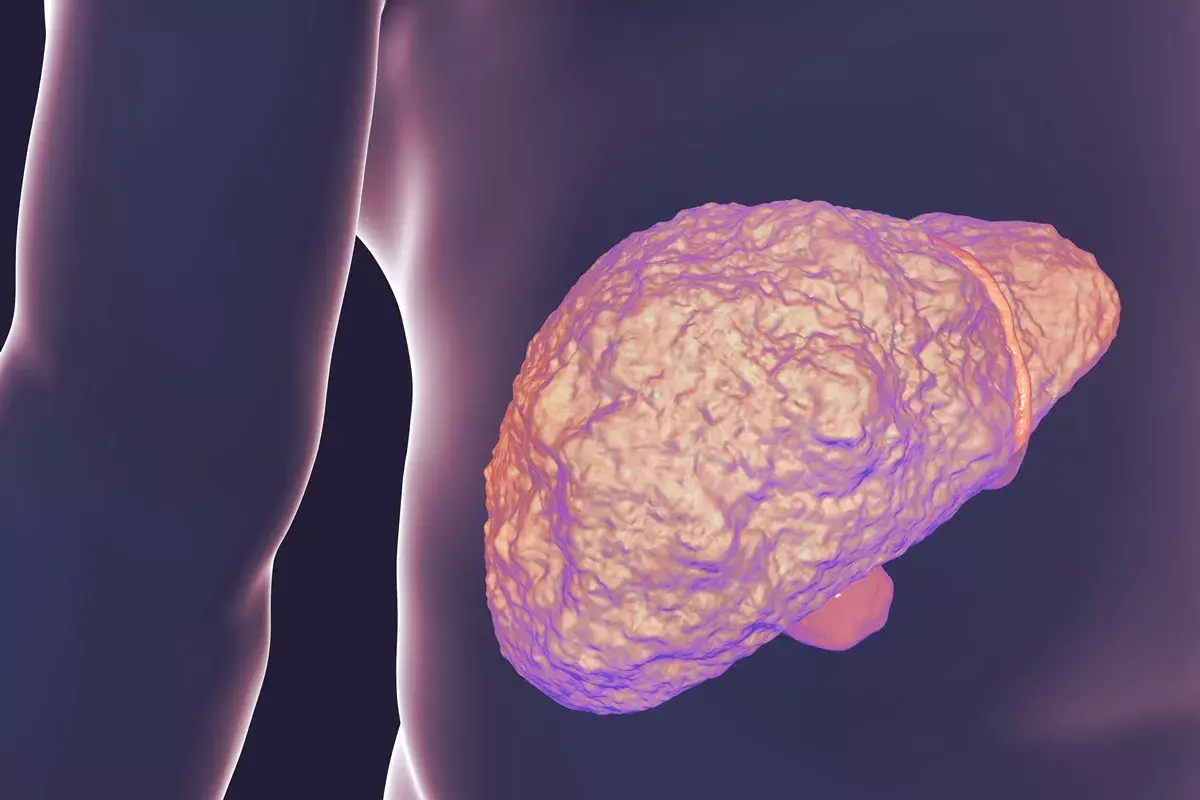
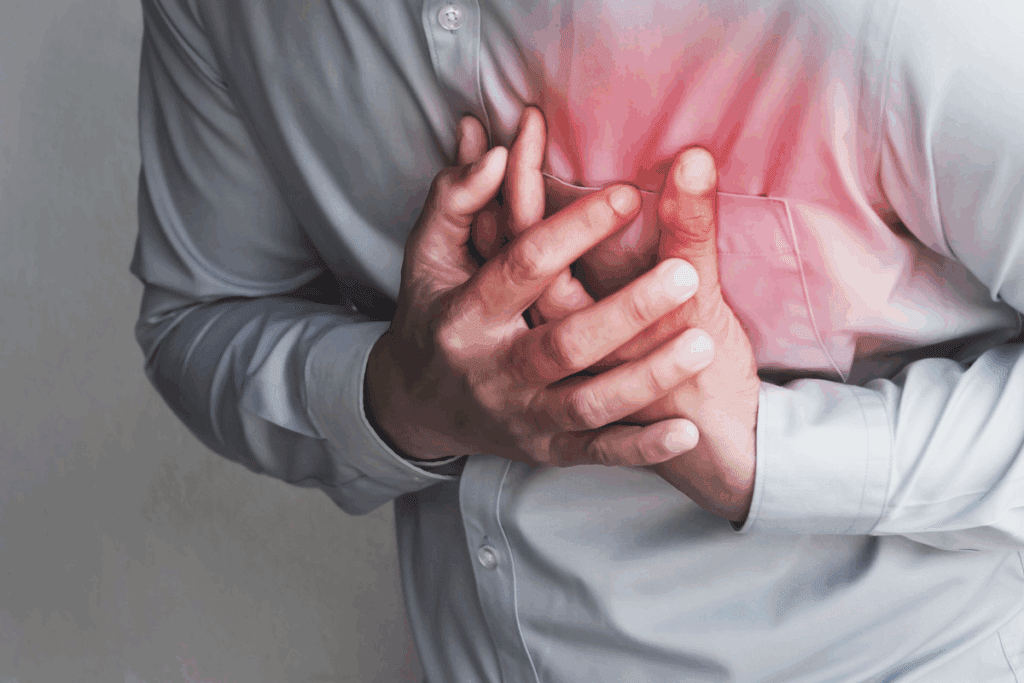
A sudden burning sensation in your chest can be scary. But, not all chest pain means you’re having a heart attack. At Liv Hospital, we know how important it is to tell the difference between heartburn and a serious heart problem.
Heartburn, caused by gastroesophageal reflux disease, feels like a burning pain. It’s often mistaken for a heart attack. Knowing the difference is key to getting the right treatment.
We’re here to give you the right diagnosis and care. If you’re not sure if you have heartburn or something more serious, get medical help right away.
A burning sensation in middle of chest is alarming. This guide covers 5 critical causes, from GERD (heartburn) to a life-threatening heart attack.
Key Takeaways
- Distinguishing between heartburn and a heart attack is key for your safety.
- Heartburn symptoms can look like a heart attack, making it hard to diagnose.
- Knowing the difference can save your life.
- Liv Hospital is committed to accurate diagnosis and care.
- If you’re unsure about your symptoms, seek medical attention.
Understanding Chest Pain: A Critical Distinction
Chest pain can mean different things, from mild to serious health issues. It’s a big reason people go to the emergency room. In the U.S., over eight million visits happen every year.
It’s hard to tell what’s causing chest pain. This is a big challenge. Every year, more than 6.5 million Americans go to the emergency room for it. But, most of the time, it’s not a big deal.
Heartburn and heart attacks can feel the same. This makes it hard to figure out what’s wrong.
The Prevalence of Chest Pain Emergencies
Chest pain emergencies are very common. Many times, they’re not heart-related. More than half the time, heartburn is mistaken for heart problems. This shows how important it is to get a proper diagnosis.
Women often have heart attacks without typical symptoms. Almost 40 percent of women have symptoms like heartburn or indigestion before a heart attack. This makes understanding chest pain even more complex.
Why Misdiagnosis Happens
Misdiagnosis of chest pain is a big issue. Symptoms can look the same for different problems. It’s hard to tell if it’s heartburn or a heart attack. This is key for the right treatment.
There are many reasons for misdiagnosis. Women often have atypical symptoms that can be confusing. By understanding these, we can improve diagnosis and get patients the right care faster.
What Causes a Burning Sensation in Middle of Chest?
A burning sensation in the chest can come from many sources. It might be due to gastroesophageal reflux disease (GERD) or heart problems. Knowing the cause is key to finding the right treatment.
Gastroesophageal Reflux Disease (GERD)
GERD is a top reason for chest burning. It happens when stomach acid goes back up into the esophagus. This can hurt the esophagus’s lining, causing pain.
Heartburn is a sign of acid reflux. It feels like burning in the chest or throat. It’s caused by stomach acid moving up into the esophagus. Heartburn symptoms chest can be set off by food, lying down after eating, and being overweight.
Cardiac Conditions
GERD isn’t the only reason for chest burning. Cardiac conditions can also cause chest pain. A heart attack, for example, can feel like burning in the chest. It often comes with other signs like trouble breathing, nausea, and pain in the arms or jaw.
It’s important to know that acid reflux heart attack can seem similar. But, a heart attack is a serious emergency that needs quick help.
Other Possible Causes
Other things can also cause chest burning. These include esophageal inflammation, costochondritis (inflammation of the cartilage between ribs and sternum), and stress or anxiety. These can make the chest feel tight or sore.
It’s important to know what might be causing chest burning. If symptoms don’t go away or are very bad, see a doctor. They can figure out what’s wrong and help you feel better.
Heartburn: Symptoms and Characteristics
Heartburn is a common issue that many people face. It causes discomfort and a burning feeling in the chest. Let’s dive into the symptoms and traits of heartburn to better understand it.
The Burning Sensation Explained
The main symptom of heartburn is a burning feeling in the chest. This happens when stomach acid flows back into the esophagus. Foods and drinks can trigger this, like spicy or acidic foods.
This burning can feel intense and might taste sour or bitter. Heartburn usually starts one to two hours after eating. It gets worse when you lie down or bend over.
Common Triggers for Heartburn
Some foods and drinks can make heartburn worse. Citrus fruits, tomatoes, and caffeinated drinks are common culprits. Also, alcohol and big meals can trigger it.
Duration and Pattern of Symptoms
How long and often heartburn happens can vary. Some people get it now and then, while others have it a lot. Knowing your heartburn pattern helps you find what triggers it and manage it better.
By understanding heartburn symptoms, we can tackle this condition better. If you have heartburn often or it’s really bad, see a doctor for help.
Heart Attack: Recognizing the Warning Signs
Knowing the signs of a heart attack can save lives. A heart attack happens when blood flow to the heart stops. It’s key to spot these signs to get help fast.
Classic Symptoms of a Heart Attack
The main signs of a heart attack are crushing pain or pressure in the center of the chest. This pain can spread to the arms, back, neck, jaw, or stomach. It feels like pressure, tightness, or squeezing, not sharp pain. Other signs include:
- Shortness of breath
- Cold sweats
- Nausea or lightheadedness
- Fatigue or weakness
These symptoms can vary and may come and go. It’s important to remember that not everyone has the classic signs. Some people may have atypical presentations.
Atypical Presentations
Some groups, like women, older adults, and people with diabetes, often have different symptoms. These can include:
- Discomfort or pain in the upper body, including the arms, back, neck, jaw, or stomach
- Trouble breathing or feeling winded
- Pain or discomfort in the chest that’s not severe
It’s vital to recognize these atypical symptoms. They can be just as dangerous as the classic signs.
The Importance of Immediate Action
For a heart attack, time is of the essence. Quick medical treatment can save lives and reduce heart damage. If you or someone else has heart attack symptoms, call emergency services right away.
Here’s a quick comparison of heartburn and heart attack symptoms:
Pressure, tightness, or squeezing
| Symptoms | Heartburn | Heart Attack |
|---|---|---|
| Chest Discomfort | Burning sensation | |
| Radiation of Pain | Typically localized to the chest | May radiate to the arms, back, neck, jaw, or stomach |
| Associated Symptoms | Nausea, bloating | Shortness of breath, cold sweats, nausea, lightheadedness |
By knowing the signs of a heart attack and when to get help, we can prevent serious problems and save lives.
Key Differences Between Heartburn and Heart Attack
Heartburn and heart attacks share some similar symptoms. But, there are important differences to know. These differences help ensure the right diagnosis and care.
Location and Radiation of Pain
Heartburn and heart attacks have different pain locations. Heartburn pain is usually felt below or behind the breastbone. Heart attack pain, on the other hand, is in the chest’s center.
Here’s a table to show the differences:
| Characteristic | Heartburn | Heart Attack |
|---|---|---|
| Location of Pain | Below or behind the breastbone | Center of the chest |
| Radiation of Pain | Typically does not radiate | Often radiates to arm, neck, or jaw |
Associated Symptoms
Heartburn and heart attacks also have different symptoms. Heartburn often comes with a sour taste and food coming back up. A heart attack might include shortness of breath, nausea, and feeling dizzy.
Relief Factors
What helps the pain also varies. Antacids or sitting up can ease heartburn. But, these don’t help heart attack pain.
Onset and Duration
The timing and length of symptoms are also telling. Heartburn can start after eating and last from minutes to hours. Heart attacks can happen anytime and the pain lasts longer, often coming and going.
Knowing these differences helps people understand their symptoms better. It guides them to get the right medical help when needed.
Special Considerations for Women
Women face unique challenges when it comes to heart health. Almost 40 percent of women who had heart attacks said they felt like they had heartburn or indigestion before it happened. This can make it hard to know when to seek help.
Why Women Experience Different Symptoms
Women often have symptoms that are not typical of heart attacks. These can include chest pain, but also pain in the arms, back, neck, jaw, or stomach. It’s important to remember these symptoms and not think they’re just indigestion or heartburn.
Indigestion as a Warning Sign
Indigestion or heartburn-like symptoms can signal a heart attack in women. We should take these symptoms seriously, along with signs like shortness of breath or cold sweats. Remember, indigestion can sometimes mean something more serious.
The Danger of Dismissing Symptoms
Ignoring symptoms of heartburn or indigestion can be risky. Women need to listen to their bodies and watch for warning signs. If symptoms are persistent or severe, it’s best to get medical help.
Some symptoms to watch for include:
- Discomfort or pain in the chest, arms, or back
- Shortness of breath or difficulty breathing
- Nausea or vomiting
- Lightheadedness or dizziness
- Cold sweats
Knowing these symptoms can help in getting early treatment.
Diagnostic Approaches and Management
Getting a correct diagnosis is key to treating chest pain. It could be from heartburn or a heart attack. A detailed diagnostic process is needed to find out why you’re feeling chest pain.
Tests to Diagnose Heartburn
To figure out heartburn, doctors use a few tests. An endoscopy lets them see inside your esophagus and stomach. This helps spot any damage or issues. Another tool is the esophageal pH monitoring, which checks acid levels in your esophagus over time.
As a medical expert notes, “A proper diagnosis is key to managing heartburn effectively.”
“The diagnosis of heartburn involves a combination of clinical evaluation, patient history, and diagnostic tests,” says a gastroenterologist. “This approach ensures patients get the right treatment.”
Cardiac Diagnostic Tests
For a heart attack, specific tests are vital. An electrocardiogram (ECG) records your heart’s electrical activity. It helps spot any irregular rhythms or signs of a heart attack. Blood tests also check troponin levels, which show heart damage.
Treatment Options for Each Condition
Heartburn and heart attack treatments are quite different. For heartburn, changes in diet, losing weight, and avoiding triggers are often recommended. Medications like antacids and proton pump inhibitors (PPIs) can also help.
Heart attack treatment, on the other hand, requires quick medical action. This might include thrombolysis or percutaneous coronary intervention (PCI) to get blood flowing again. Long-term, you might need medications and lifestyle changes to prevent future attacks.
It’s important to know the differences in diagnosis and treatment for heartburn and heart attacks. The right tests lead to the right treatment, helping patients get better.
When to Seek Emergency Medical Attention
Knowing the difference between heartburn and a heart attack is critical. If you feel chest pain or heartburn, it’s important to check how bad it is and what it feels like.
Red Flag Symptoms That Warrant Immediate Care
Some symptoms with chest pain need you to get help right away. These include:
- Uncomfortable pressure, squeezing, fullness, or pain in the center of your chest that lasts more than a few minutes.
- Difficulty breathing or shortness of being t, which could be a sign of a acid reflux heart attack.
- Pain or discomfort that radiates to your arm, back, neck, jaw, or stomach.
- Lightheadedness, dizziness, or fainting.
- A cold sweat or nausea.
If you or someone you’re with has these symptoms, call 911 or your local emergency number right away.
Better Safe Than Sorry: The ER Decision
It’s always better to be safe when dealing with chest pain or heartburn. If you’re not sure if it’s heartburn or something serious, get medical help.
Remember, ignoring a heart attack can have serious consequences. A false alarm is a small price to pay compared to that.
What to Tell Emergency Responders
When you call emergency services or get to the ER, tell them as much as you can about your symptoms. This includes:
- The nature and duration of your chest pain or discomfort.
- Any factors that relieve or make your symptoms worse.
- Your medical history, including any heart conditions or risk factors.
- Any medications you’re currently taking.
Telling emergency responders everything will help them give you the right care.
Conclusion: Staying Safe and Informed
It’s key to know the difference between heartburn and a heart attack. Both can cause a burning feeling in the chest. But, knowing the signs can save lives.
Heartburn usually feels like a burning that can be triggered by food or lying down. A heart attack, on the other hand, is more serious. It can cause pain that spreads to other parts of the body.
Being aware of our bodies is important for our health. If you feel a burning in your chest, think about what else you’re feeling. If unsure, always get medical help right away.
Looking out for our health is everyone’s job. We should watch for signs of trouble and get help when needed. This way, we can get the right care, whether it’s for heartburn or something more serious.
FAQ
What is the main difference between heartburn and a heart attack?
Heartburn is a symptom of GERD that feels like a burning in the chest. A heart attack happens when the heart doesn’t get enough blood. Knowing the difference is key to staying safe.
Can indigestion be a sign of a heart attack?
Yes, many women who have had heart attacks felt like they had indigestion or heartburn before it happened. It’s important not to ignore these symptoms.
What are the common triggers for heartburn?
Eating spicy or acidic foods can trigger heartburn. Symptoms usually start a few hours after eating.
How can I tell if I have heartburn or a heart attack?
Look at where the pain is, what else you feel, and how long it lasts. If you’re not sure, it’s best to get checked by a doctor.
What are the classic symptoms of a heart attack?
A heart attack often feels like a heavy, crushing pain in the chest. Women might feel different symptoms, like indigestion.
Can heartburn be a sign of a heart attack in women?
Yes, women might feel heartburn or indigestion, which could mean a heart attack is coming.
What are the red flag symptoms that warrant immediate medical attention?
Severe chest pain or trouble breathing are signs to get help right away. Don’t wait.
How is heartburn diagnosed?
Doctors check your symptoms and medical history. They might also do an endoscopy to find out.
What are the treatment options for heartburn and heart attack?
For heartburn, you might change your diet and take medicine. Heart attack treatment includes emergency care, medicine, and sometimes surgery.
Can acid reflux cause a heart attack?
Acid reflux can’t directly cause a heart attack. But, its symptoms might be mistaken for a heart attack, or vice versa.
What’s the difference between heartburn and acid reflux?
Heartburn is a symptom of acid reflux. It happens when stomach acid goes back up into the esophagus, causing chest pain.
How does heartburn feel like in the chest?
Heartburn feels like a burning in the middle of the chest. It can be uncomfortable and is often triggered by food.
References:
National Center for Biotechnology Information. Evidence-Based Medical Guidance. Retrieved from https://www.ncbi.nlm.nih.gov/pmc/articles/PMC6233740/