
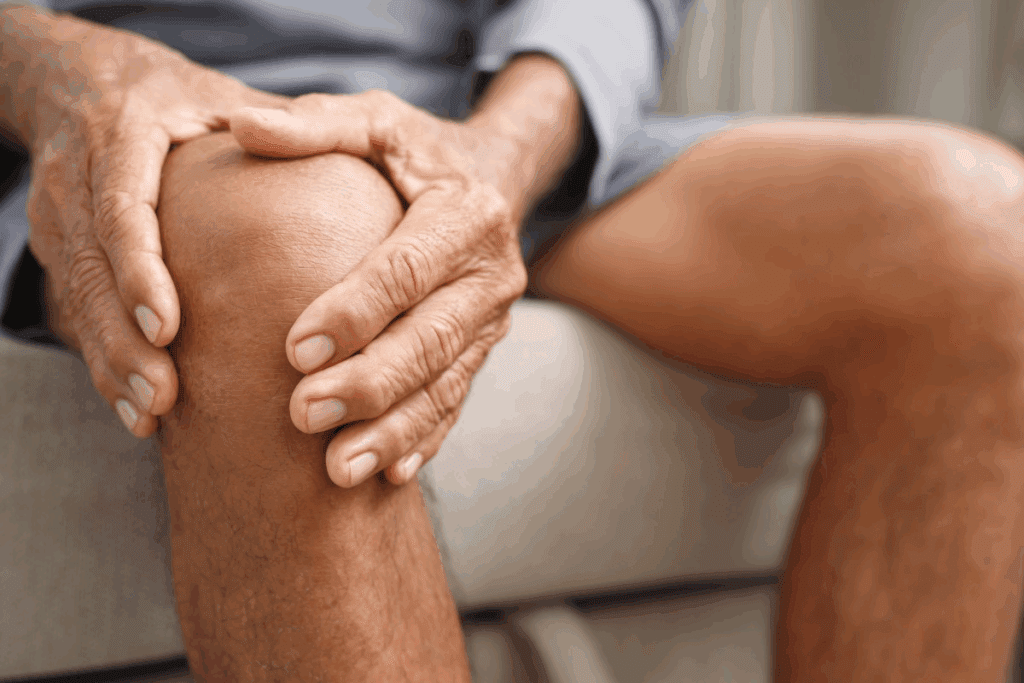
Bursitis in the knee feel can vary from mild tenderness to severe pain and swelling. Many people describe bursitis in the knee as a burning or aching sensation that worsens with movement or pressure. It’s important to understand how bursitis in the knee feels to get the right diagnosis and treatment.
Knee bursitis is a painful condition characterized by swelling around the knee joint. Bursitis in the knee feel often depends on which bursa is affected and what caused the inflammation. For example, bursitis below the knee can make simple tasks difficult and painful. It’s like a small, irritated bubble pressing on surrounding tissues.
We’ll explore the symptoms, causes, and effective treatments. Understanding bursitis in the knee feel is key to helping those with it find relief and recover faster.
Key Takeaways
- Bursitis in the knee feel includes pain, swelling, and tenderness around the knee joint.
- Symptoms vary based on the affected bursa and cause of inflammation.
- Early care and treatment can greatly improve recovery.
- Understanding how bursitis in the knee feels helps manage pain effectively.
The Nature of Knee Bursitis
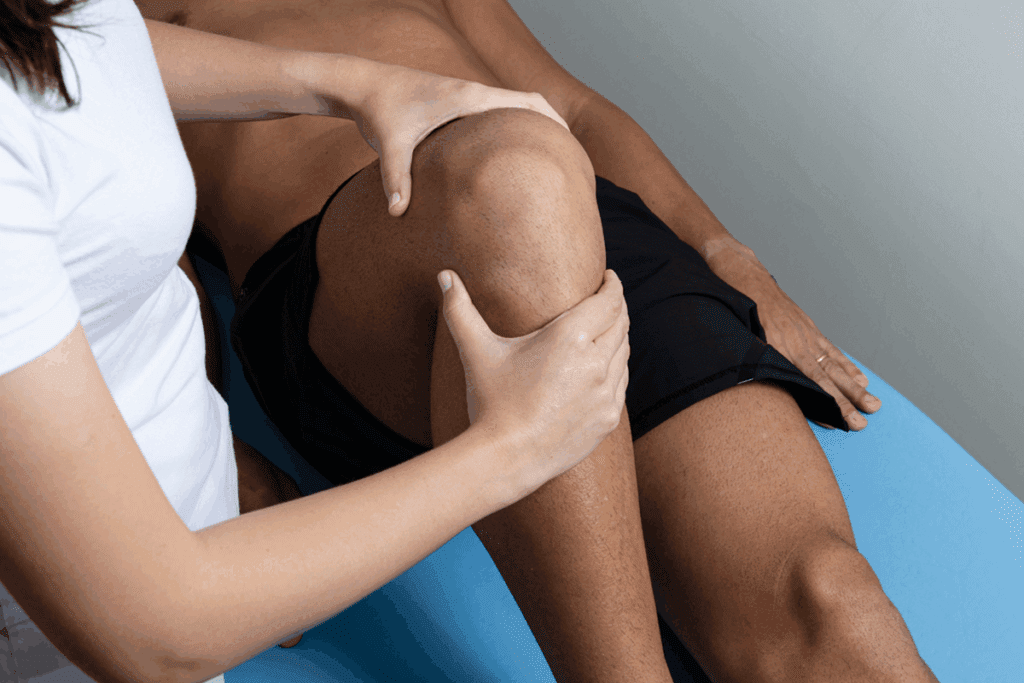
To understand knee bursitis, we need to know about the bursae in the knee. Bursae are small, fluid-filled sacs that cushion the knee. They help reduce friction between bones, tendons, and skin.
Definition and Anatomy of Knee Bursae
The knee has several bursae, with key ones around the patella (kneecap). These bursae are crucial for reducing friction between the patella and soft tissues. The prepatellar bursa, at the front of the knee, often gets inflamed from kneeling.
“The bursae act as cushions, allowing for smooth movement of the knee joint,” as noted by medical professionals. There are over 10 bursae around the knee, but not all are equally prone to inflammation.
Functions of Bursae in Joint Movement
Bursae are vital for smooth and efficient joint movement. They reduce friction between moving parts, making knee bending and straightening pain-free. They also distribute pressure evenly, preventing joint wear.
- Reducing friction between bones, tendons, and skin
- Cushioning the knee joint
- Facilitating smooth movement
Symptoms of knee bursitis include pain, swelling, and noticeable changes in the appearance.
The Glass Bubble Sensation: Why Bursitis Feels This Way
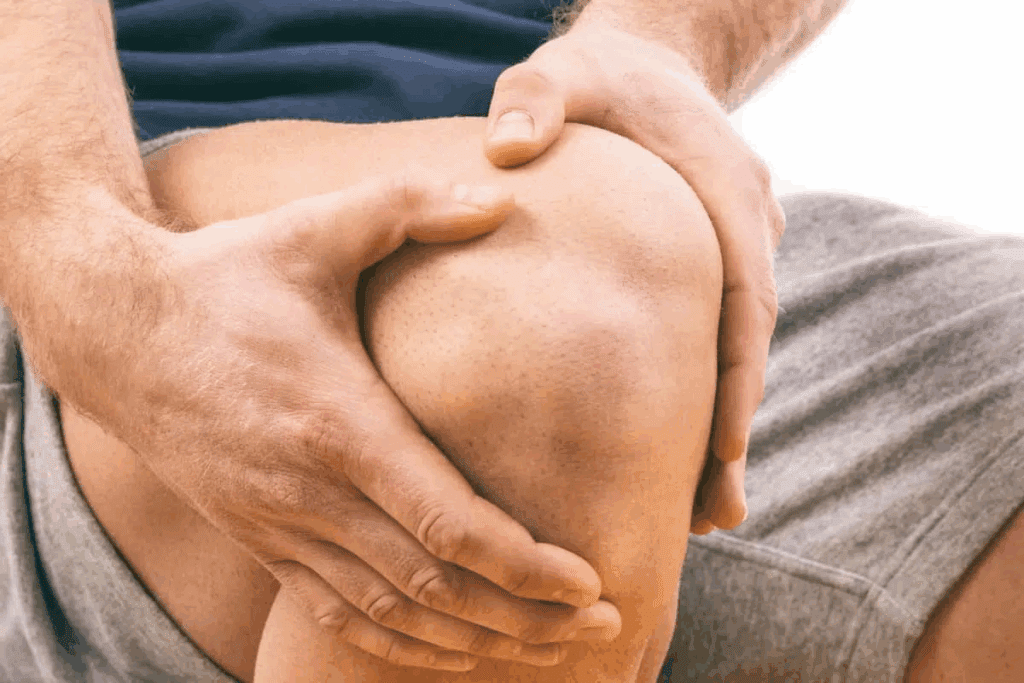
Knee bursitis feels like a glass bubble. This is because of fluid buildup in the bursa. It’s a strange and worrying feeling for those who experience it.
To grasp why knee bursitis feels like a glass bubble, we must look at the bursae’s role in the knee. Bursae are small, fluid-filled sacs. They cushion the joints, reducing friction between bones, tendons, and skin.
The Fluid-Filled Sac Resembling a Glass Bubble
The inflamed bursa turns into a fluid-filled sac that feels like a distinct, rounded thing under the skin. This sac holds fluid that can be clear or slightly cloudy, depending on inflammation or infection.
The glass bubble sensation comes from the pressure of this fluid buildup. As the bursa inflates, it presses against nearby tissues. This creates a feeling of tension or fullness.
Pressure and Transparency Similarities
The glass bubble feeling isn’t just about pressure. It’s also about the transparency and smooth, rounded shape of the inflamed bursa. The skin over the bursa gets stretched and tight. This adds to the sensation of having a smooth, glass-like thing under the skin.
Understanding these factors helps us see why knee bursitis feels like a glass bubble. Fluid buildup, pressure, and the bursa’s anatomy all play a part in this unique sensation.
Symptoms of knee bursitis include pain, swelling, and noticeable changes in the appearance.
Symptoms of knee bursitis include pain, swelling, and noticeable changes in the appearance. These signs can affect how much you can do every day.
Pain Characteristics and Patterns
Pain is a key symptom of knee bursitis. Knowing what the pain feels like can help doctors diagnose it.
- Location: Pain usually happens around the bursa.
- Intensity: Pain can be mild or very strong, based on how inflamed the bursa is.
- Pattern: Pain might be constant or only happen when you move your knee or apply pressure.
Understanding the pain pattern is crucial for diagnosing knee bursitis accurately.
Swelling and Visual Changes
Swelling and changes in how the knee looks are big symptoms of knee bursitis. These happen because the bursa gets inflamed.
- Swelling: The area around the bursa can swell up because of fluid buildup.
- Redness: The skin over the bursa might turn red and feel warm.
- Visible Deformity: Sometimes, swelling can make the knee look different.
These changes can be upsetting and might make you want to see a doctor.
Different Types of Knee Bursitis and Their Distinct Feelings
Knee bursitis can show up in various ways, depending on where it is and which bursa is affected. This makes it hard to diagnose, but knowing the signs of each type can help figure out what’s wrong.
Prepatellar Bursitis (Front of Knee)
Prepatellar bursitis is at the front of the kneecap. It’s common in people who kneel a lot. Symptoms include swelling, redness, and tenderness at the front of the knee.
Knee bursitis is a painful condition characterized by swelling around the knee joint.
Infrapatellar Bursitis (Below Kneecap)
Knee bursitis is a painful condition characterized by swelling around the knee joint.
The pain’s location helps identify infrapatellar bursitis. People often feel pain when standing up from a squatting position.
Anserine Bursitis (Inner Side of Knee)
Anserine bursitis is on the inner side of the knee, about 2 inches below the joint. It’s common in runners or those who bend their knees a lot. Symptoms include pain and tenderness in the inner knee, which gets worse with activity.
A key feature of anserine bursitis is pain at night, especially when the leg is crossed over the other. Climbing stairs or standing for a long time can also trigger pain.
Popliteal Bursitis (Back of Knee)
Popliteal bursitis, also known as Baker’s cyst when swollen, is located at the back of the knee. It causes swelling and discomfort in the popliteal fossa. Symptoms range from a dull ache to sharp pain, especially when bending the knee.
The swelling from popliteal bursitis can feel like a lump behind the knee. Sometimes, it can go down into the upper calf, causing tightness or discomfort in the lower leg.
Knowing about the different types of knee bursitis and their symptoms is key to a correct diagnosis and treatment. Each type needs a specific approach to manage symptoms and prevent future problems.
Bursitis Below Knee: Specific Symptoms and Sensations
The area below the kneecap is often affected by bursitis, known as infrapatellar bursitis. This happens when the infrapatellar bursa gets inflamed. It causes pain and swelling below the kneecap.
Identifying Infrapatellar Bursitis
Knee bursitis is a painful condition characterized by swelling around the knee joint.
We figure out infrapatellar bursitis by looking at physical signs, medical history, and sometimes imaging tests.
Common symptoms include:
- Pain below the kneecap
- Swelling or redness in the affected area
- Increased pain when kneeling or jumping
- Tenderness to the touch
How It Affects Daily Activities
Infrapatellar bursitis can really mess with daily life, especially if you kneel, climb stairs, or lift heavy things. Even simple tasks like gardening, praying, or standing up can hurt because of the pain.
Changing how you do daily activities and taking care of your knees can help manage symptoms. Try to avoid things that make it worse and use knee pads when kneeling.
Pain Inner Knee When Bending: Bursitis vs. Other Conditions
Pain on the inner side of the knee when bending is a symptom that needs checking. It can really affect your daily life. So, it’s important to know why it happens.
How Bursitis Affects Knee Flexion
Bursitis on the inner knee can make bending painful. The bursae in the knee are fluid-filled sacs. They help reduce friction between bones, tendons, and ligaments.
When these bursae get inflamed, they can hurt, especially when you bend. This pain can be sharp or dull. It often comes with swelling, too.
Differentiating from Meniscus or Ligament Issues
Telling bursitis apart from other knee problems is key. Meniscal tears or ligament sprains can also hurt the inner knee, especially when bending.
The pain’s location and feel can help tell them apart. Bursitis pain is usually right over the bursa and gets worse with movement. Meniscus or ligament problems might cause pain that spreads or changes with movement.
| Condition | Pain Characteristics | Swelling |
| Bursitis | Localized pain over the bursa, worse with movement | Swelling directly over the bursa |
| Meniscus Issues | Diffuse pain, pain with specific movements | Variable swelling, sometimes minimal |
| Ligament Issues | Pain along the ligament, instability | Swelling around the ligament |
Knowing these differences is key to figuring out why you have pain in your knee. Getting the right diagnosis is the first step to feeling better.
What the Back of the Knee Called: Popliteal Region Explained
Understanding the back of the knee, or the popliteal region, is key to diagnosing and treating related disorders. This area can be affected by conditions like Baker’s cyst and popliteal bursitis.
Anatomy of the Popliteal Space
The popliteal space, or popliteal fossa, is a diamond-shaped area at the back of the knee joint. It’s bounded by muscles and contains important structures like the popliteal artery, vein, and tibial nerve. The anatomy of this region is intricate, with multiple layers of tissue that can be affected by inflammation or injury.
This space is clinically significant because it’s a common site for conditions like Baker’s cyst and popliteal bursitis. These conditions can cause pain, swelling, and limited mobility, impacting a person’s quality of life.
Baker’s Cyst vs. Popliteal Bursitis
Knee bursitis is a painful condition characterized by swelling around the knee joint.
Knee bursitis is a painful condition characterized by swelling around the knee joint.
- A Baker’s cyst is often related to underlying knee conditions.
- Popliteal bursitis is usually caused by repetitive motion or direct pressure.
- Both conditions can benefit from appropriate medical evaluation and treatment.
Accurate diagnosis is essential for effective management. We will discuss the diagnostic approaches in subsequent sections.
Swelling Under the Knee: Causes and Physical Sensations
Swelling under the knee can be a worrying sign, often linked to knee bursitis. This happens when the bursae, fluid-filled sacs around joints, get inflamed. We’ll look at how this leads to swelling you can see and feel, and what it feels like for those with knee bursitis.
How Bursitis Creates Visible and Palpable Swelling
Bursitis under the knee causes swelling because of fluid buildup in the bursae. This swelling can be seen and felt when you touch it. It might be in one spot or spread out, based on how bad the bursitis is.
Characteristics of swelling caused by bursitis include:
- Localized redness and warmth
- Tenderness to the touch
- A soft, fluid-filled sensation under the skin
- Visible puffiness or bulging
The Feeling of Fluid Accumulation
The feeling of fluid buildup under the knee is unique. People might say it feels full or pressurized. Sometimes, the swelling is so bad that it makes moving the knee hard, leading to stiffness or pain.
The experience of swelling can vary a lot from person to person. Things like the size of the bursa, how much fluid there is, and how sensitive someone is to pain play a role. Knowing these things helps doctors figure out what’s wrong and how to treat it.
We’ll keep looking into what knee bursitis means in the next parts, including how doctors diagnose it and what treatments are available. For now, it’s key to notice signs like swelling under the knee and get medical help.
Why Are My Knees Always Red: Inflammatory Signs of Bursitis
Red knees can be a worry for those with bursitis. It might mean there’s inflammation or infection. Redness around the knee is not just about looks. It can show serious health issues that need a doctor’s care.
The Relationship Between Inflammation and Skin Color
Inflammation is how our body reacts to injury or infection. When bursitis strikes, the bursa swells, bringing more blood to the area. This can make the skin around the knee look red or inflamed.
The redness can get worse based on how bad the inflammation is.
Factors contributing to inflammation and redness include:
- Infection within the bursa
- Irritation or repetitive motion injuries
- Underlying inflammatory conditions, such as rheumatoid arthritis
When Redness Indicates Infection
Redness can mean inflammation, but it’s key to tell if it’s from bursitis or an infection. An infected bursa can cause more serious symptoms like more redness, warmth, swelling, and pain. If you see these signs, it might mean you have a bacterial infection that needs a doctor’s help.
| Signs | Inflammation due to Bursitis | Infection |
| Redness | Present, variable intensity | Often more pronounced |
| Swelling | Common | Usually more severe |
| Warmth | May be present | Typically present |
| Pain | Variables can be managed with REST | Often severe, persistent |
Knowing why your knees are red is key to handling them right. If the redness doesn’t go away or gets worse, see a doctor. They can figure out what’s wrong and help you get better.
Why Is My Right Knee Swollen: Unilateral Bursitis Factors
Swelling in just one knee can be worrying. It’s important to know why it happens. Unilateral knee swelling means one knee is swollen, but the other isn’t. This can be due to how active you are or the shape of your knee.
Activity-Related Causes of One-Sided Bursitis
Doing different activities with each knee can cause swelling. For example, sports that favor one leg can lead to bursitis. Repetitive motion or overuse can also cause inflammation, leading to swelling and pain.
Activities that might cause one-sided bursitis include:
- Cycling or running on uneven terrain can put additional stress on one knee.
- Participating in sports that involve frequent turning or pivoting, such as soccer or tennis, can strain one knee more than the other.
- Jobs or tasks that require repetitive kneeling or crawling can irritate the bursae in one knee.
Anatomical Factors Contributing to Asymmetrical Symptoms
Being different in body shape can also cause swelling in one knee. For example, if one leg is longer, it can put more stress on that knee. Muscle strength, how you walk, or the alignment of your joints can also affect your knees.
“Understanding the anatomical and biomechanical factors that contribute to unilateral bursitis is crucial for developing an effective treatment plan.” – Orthopedic Specialist.
To fix these issues, you might need to change how you move, use supports, or see a physical therapist. This can help balance the stress on your knees.
Swelling of the Knee Without Injury: Silent Causes of Bursitis
Knee bursitis is a painful condition characterized by swelling around the knee joint.
Repetitive Microtrauma and Overuse
Repetitive microtrauma is small injuries from overuse or repetitive actions. It can cause bursitis and swelling. Activities like kneeling, crawling, or jumping can lead to this.
People in sports or jobs that involve kneeling are at risk. This is because of the repetitive stress on the knee.
Overuse also causes knee swelling. When the knee is stressed too much without rest, it swells. This often happens in athletes or those who suddenly start exercising more.
Systemic Inflammatory Conditions
Conditions like rheumatoid arthritis or gout can also cause knee bursitis. These conditions cause body-wide inflammation. This can swell and cause pain in the knee bursae.
Managing these conditions is vital for treating knee bursitis. Working with a healthcare provider is essential. They can help diagnose and manage the condition, along with treating the bursitis.
Understanding causes like repetitive microtrauma, overuse, and systemic conditions helps. It allows for the prevention and management of knee swelling. This improves overall well-being.
Ground Swelling: How Bursitis Develops and Progresses
It’s important to know how bursitis gets worse to manage it well. Bursitis in the knee can start in different ways. But it usually gets worse in a similar way.
The Gradual Onset of Symptoms
Bursitis starts with small swelling or discomfort in the knee. This swelling, called ground swelling, starts old but can grow. As it gets worse, the swelling gets bigger, causing more pain and less movement.
Tracking the Evolution of Bursitis
Knee bursitis is a painful condition characterized by swelling around the knee joint.
Important things to watch include:
- The rate at which swelling increases
- Changes in pain levels or characteristics
- Impact on daily activities and mobility
By keeping an eye on these, patients and doctors can understand bursitis better. They can then change treatment plans as needed.
Diagnosing Knee Bursitis: The Medical Approach
Healthcare providers use a mix of physical exams and imaging to diagnose knee bursitis. This method ensures they get the diagnosis right and can treat it properly.
Physical Examination Techniques
First, a doctor will check your knee for swelling, redness, and tenderness. They’ll also see how well your knee moves and do special tests to find the pain’s source.
Key components of the physical examination include:
- Visual inspection for swelling or deformity
- Palpation to identify tender areas
- Assessment of knee mobility and flexibility
- Special tests to isolate the bursa involved
Imaging Studies and Their Findings
Imaging tests are key to confirming the diagnosis and ruling out other issues. X-rays, ultrasound, and MRI are the most commonly used.
| Imaging Modality | Symptoms of knee bursitis include pain, swelling, and noticeable changes in the appearance. | Key Findings |
| X-ray | Rules out bone-related issues | May show calcifications or bone spurs |
| Ultrasound | Directly visualizes bursae and fluid | Can detect bursal thickening or effusion |
| MRI | Provides detailed soft tissue images | Can identify bursitis and associated conditions |
Laboratory Tests When Infection Is Suspected
If infection is thought to be present, lab tests are vital. These include blood tests for infection signs and bursa aspiration for culture.
Laboratory tests help in:
- Confirming the presence of infection
- Identifying the causative organism
- Guiding antibiotic therapy
Treatment Options for the Glass Bubble in Your Knee
Knee bursitis treatment has many options, from simple steps to surgery. The right choice depends on how bad it is, the type, and your health.
Conservative Management Approaches
First, treatments often start with simple steps. These include:
- Rest and changing how you move to avoid making it worse
- Applying ice to lessen pain and swelling
- Using compression bandages or wraps for support
- Elevating the leg to cut down swelling
- Using over-the-counter pain relievers, like NSAIDs, for pain and swelling
Medical Interventions and Medications
If simple steps don’t work, doctors might suggest more. This could be:
- Stronger anti-inflammatory medicines
- Corticosteroid injections to lower inflammation
- Physical therapy to make the knee move better and stronger
Comparison of Treatment Options
| Treatment | Description | Benefits |
| Conservative Management | Rest, ice, compression, elevation, NSAIDs | Non-invasive, cost-effective |
| Medical Interventions | Corticosteroid injections, physical therapy | Effective for reducing inflammation, improving mobility |
| Aspiration and Injection | Draining fluid from the bursa, sometimes followed by corticosteroid injection | Provides immediate relief, can be diagnostic |
| Surgical Options | Bursectomy or removal of the inflamed bursa | Long-term solution for recurrent or severe cases |
Aspiration and Injection Procedures
When there’s a lot of fluid, doctors might drain it. Then, they might inject corticosteroids to reduce swelling.
Surgical Options for Severe or Recurrent Cases
For very bad or ongoing knee bursitis, surgery might be needed. This usually means removing the inflamed bursa.
Dealing with knee bursitis can be tough. Finding the right treatment is key. By looking at all options, patients and doctors can find a good plan.
Preventing Recurrence of Knee Bursitis
To prevent knee bursitis, a mix of protective gear, exercise tweaks, and fixing body issues is key. This approach helps avoid knee bursitis coming back. It’s all about using the right gear, adjusting how you exercise, and fixing any body problems.
Protective Equipment for High-Risk Activities
Knee bursitis is a painful condition characterized by swelling around the knee joint.
For those who kneel a lot, knee pads with gel or foam offer extra protection. They spread out the pressure better. It’s important to pick the right gear for your activity and how much of protection you need.
Exercise Modifications and Proper Techniques
Changing exercises to ease knee stress is also key. Lowering workout intensity and frequency can help avoid bursitis. This makes it less likely to irritate the bursae.
Using the right exercise techniques is also crucial. Avoiding deep knee bends or lunges helps avoid putting too much pressure on the knee bursae. Getting help from a fitness expert to create a safe workout plan is a good idea.
Addressing Underlying Anatomical Issues
Fixing body issues that lead to bursitis is a smart move. Orthotics or shoe inserts can fix gait problems that stress the knee. This helps prevent bursitis.
For those with leg length differences or other body issues, seeing a healthcare professional or physical therapist is wise. They can suggest fixes to ease knee stress.
| Preventive Measure | Description | Benefit |
| Protective Equipment | Knee pads or sleeves for cushioning and shock absorption | Reduces direct impact on the knee |
| Exercise Modifications | Adjusting the intensity and frequency of workouts | Minimizes stress on the knee joint |
| Addressing Anatomical Issues | Orthotics or shoe inserts for correcting gait abnormalities | Alleviates undue stress on the knee |
Conclusion: Living With and Managing Knee Bursitis
Managing knee bursitis well means knowing what it is and making lifestyle changes. We’ve looked at its symptoms, how it’s diagnosed, and treatment choices.
To live with knee bursitis, you need a plan. This includes using protective gear for risky activities and changing how you exercise. Fixing any underlying issues can also help prevent it from coming back.
Handling knee bursitis right can make your life better by cutting down pain and swelling. It’s key to see a doctor if your symptoms don’t get better or get worse.
Being proactive in managing knee bursitis helps you take back control. It keeps your knees healthy. Our talk shows how important a full plan is for dealing with knee bursitis.
FAQ
What is knee bursitis, and how does it feel?
Knee bursitis occurs when the fluid-filled sacs around the joints get inflamed. These sacs, called bursae, cushion the joints and reduce friction. It feels like a glass bubble or a swollen, tender area around the knee.
What are the primary symptoms of knee bursitis?
Symptoms of knee bursitis include pain, swelling, and noticeable changes in the appearance.
What is infrapatellar bursitis, and how does it affect daily activities?
Knee bursitis is a painful condition characterized by swelling around the knee joint.
How does bursitis affect knee flexion, and what are the differences between bursitis and other causes of inner knee pain?
Bursitis makes bending the knee painful and stiff. But it’s different from other knee problems like meniscus or ligament issues. Bursitis is inflammation of a specific bursa, while other issues might damage the knee joint.
What is the popliteal region, and what conditions affect it?
Knee bursitis is a painful condition characterized by swelling around the knee joint.
Why does bursitis lead to swelling under the knee?
Bursitis causes fluid to build up in the affected bursa. This leads to visible and palpable swelling under the knee. The swelling can be tender to the touch and gets worse with movement.
Why are my knees always red, and is it related to bursitis?
Redness around the knee can mean inflammation, a sign of bursitis. But it could also mean infection. So, it’s important to see a healthcare professional for a proper check-up.
Why is my right knee swollen, and what are the factors contributing to unilateral bursitis?
Unilateral bursitis can be caused by repetitive strain or overuse. It can also be due to anatomical factors that affect one knee more than the other.
Can knee bursitis occur without injury, and what are the silent causes?
Yes, knee bursitis can happen without injury. Silent causes include repetitive microtrauma, overuse, and systemic inflammatory conditions that can lead to bursitis.
How is knee bursitis diagnosed, and what medical approaches are used?
Diagnosing knee bursitis involves physical exams, imaging studies (like ultrasound or MRI), and lab tests when infection is suspected.
What are the treatment options for knee bursitis, and how can it be managed?
Treatment options include rest, ice, compression, and elevation. There are also medical interventions like anti-inflammatory medications, aspiration, and injection. For severe or recurrent cases, surgery may be needed.
How can I prevent the recurrence of knee bursitis?
To prevent recurrence, use protective gear, modify exercises and techniques, and address any underlying anatomical issues that may contribute to bursitis.
What is the role of glass art and glass design in knee bursitis treatment?
Glass art and design have no direct role in treating knee bursitis. However, the term “glass bubble” is sometimes used to describe the sensation of a swollen bursa.
References
- Reid, D. (2019). The management of septic bursitis. Current Sports Medicine Reports, *18*(11), 409-415. https://pubmed.ncbi.nlm.nih.gov/31702723/



 Departments
 Related Videos
 Our Doctors
 News
News