When a varicose vein bursts internally, it can lead to serious complications. This includes significant internal bleeding and large bruises. Internal bleeding can be life-threatening if not addressed promptly. Varicose veins are bulging, swollen, and twisted veins visible just under the skin. They are caused by damaged valves within the veins.
If a varicose vein ruptures internally, the increased pressure can cause the vein’s walls to stretch, weaken, and rupture. This can lead to hemorrhagic shock. People on blood thinners are at a higher risk of vein rupture and spontaneous bleeding from minimal trauma or injury.
Key Takeaways
- A burst varicose vein can cause significant internal bleeding.
- Immediate medical attention is critical to prevent severe outcomes.
- Elevating the leg and applying pressure are recommended first steps.
- People on blood thinners are at higher risk of complications.
- Internal symptoms include bruising, dizziness, and fainting.
Understanding Varicose Veins and Their Anatomy
To understand varicose veins, we need to know their structure and role. These veins are big and twisted, often in the legs. They happen when vein walls or valves get weak or damaged.
Normal Vein Function vs. Varicose Veins
Normal veins have valves that keep blood flowing to the heart. But varicose veins have broken valves. This causes blood to pool and the veins to get big. The structure of veins is key to their work, and damage can cause varicose veins.
Common Locations for Varicose Veins
Varicose veins often show up in the legs, mainly in the calf and thigh. This is because these veins face more pressure from gravity and body weight. Getting varicose veins can be more likely with age, genetics, and lifestyle.
The Mechanism of Internal Varicose Vein Rupture
Internal varicose vein rupture happens when the vein’s structure fails. This can lead to serious problems. Varicose veins are big and twisted because their walls are weak and their valves don’t work right.
These veins are more likely to burst because of their weak structure. The high pressure inside them, along with their thin walls, increases the risk of bleeding.
Structural Weaknesses in Varicose Veins
Varicose veins have several weaknesses that make them prone to bursting:
- Thin and Fragile Walls: Their walls are thinner and more fragile than normal veins, making them more likely to burst.
- Valve Dysfunction: The valves in varicose veins don’t work well, causing more pressure inside the vein.
- Increased Pressure: The high pressure inside varicose veins, due to gravity and other factors, puts more stress on their weak walls.
|
Structural Feature |
Normal Veins |
Varicose Veins |
|---|---|---|
|
Vein Wall Thickness |
Normal thickness |
Thin and fragile |
|
Valve Function |
Functional |
Dysfunctional |
|
Internal Pressure |
Normal pressure |
Increased pressure |
How Internal Rupture Differs from External Bleeding
Internal rupture of a varicose vein is different from external bleeding. External bleeding is easy to see and notice right away. But internal rupture causes bleeding inside the tissue, which is harder to spot.
Internal bleeding can cause a lot of blood loss without any visible signs. It’s very important to diagnose and treat it quickly.
It’s key for doctors to understand these differences to treat varicose vein ruptures well.
Causes of Internal Varicose Vein Rupture
Varicose vein rupture can happen without warning, leading to serious health issues. We’ll look at why internal varicose veins burst, both on their own and due to injury. We’ll also talk about what each cause means for your health.
Spontaneous Rupture (89% of Cases)
About 89% of internal varicose vein ruptures happen without any outside cause. This is because varicose veins are weak and can burst even under normal pressure. Things that might make a vein burst include:
- Prolonged venous hypertension
- Chronic inflammation within the vein walls
- Degenerative changes in the vein structure
If you have varicose veins, it’s important to watch them closely.
Trauma-Related Rupture (11% of Cases)
Only about 11% of internal varicose vein ruptures are caused by injury. These ruptures can happen due to:
- Direct blows to the affected area
- Surgical complications
- Severe physical strain
These ruptures are dangerous because they can cause a lot of bleeding inside the body. Getting medical help right away is very important.
Knowing why internal varicose veins burst is key to preventing and treating it. By understanding the risks and taking steps to avoid them, you can lower your chance of a rupture.
The Bursting of Blood Vessels: Immediate Physiological Response
When blood vessels burst inside the body, it starts a chain reaction. The body tries to stop the bleeding. This reaction is key to how serious the problem is and what happens next.
Internal Bleeding Patterns
Internal bleeding from a burst varicose vein can happen in different ways. It can be slow and steady or rapid and profuse. This affects how the body reacts and the symptoms that show up.
The body’s first move is to change its physiology. It tries to stop the bleeding and keep blood pressure stable. It does this by tightening blood vessels and starting the blood clotting process.
The Body’s Initial Response to Vascular Rupture
When a varicose vein bursts, the body’s first defense is to tighten the blood vessel. This tightening, called vasoconstriction, cuts down blood flow to the area. It helps reduce blood loss.
At the same time, the body starts the coagulation cascade. This is a complex process that leads to blood clotting. It’s a vital response to stop the bleeding.
In summary, the body’s immediate reaction to blood vessel rupture is complex. It’s important to understand this to see how serious the problem is. And why quick medical help is needed.
Primary Symptoms of Internal Varicose Vein Rupture
It’s important to know the signs of an internal varicose vein rupture. This can help get the right medical care quickly. When a varicose vein bursts inside, it can cause several symptoms that need quick action.
Pain and Swelling Manifestations
Pain is a key sign of an internal varicose vein rupture. The pain can be sharp and sudden, and it might make the affected limb swell. The pain’s intensity can differ, but it’s usually sharp and stabbing. Swelling happens because blood builds up around the broken vein.
At times, the pain and swelling can make it hard to move. It’s important to watch how these symptoms change.
Bruising and Discoloration Patterns
Bruising and discoloration are also important signs. The bruising can be mild or severe and may grow over time. Discoloration happens when blood leaks into the tissues, making the skin look blue or purple.
The way bruising and discoloration show can tell us how bad the rupture is. Sometimes, the bruising can also feel warm or tender to the touch.
|
Symptom |
Description |
Severity |
|---|---|---|
|
Pain |
Sharp and stabbing, often sudden |
Variable, can be severe |
|
Swelling |
Due to blood accumulation in tissues |
Can be significant |
|
Bruising |
Ranging from mild to severe |
Can spread over time |
|
Discoloration |
Skin appears blue or purple |
Dependent on blood leakage |
Knowing these main symptoms is key for catching internal varicose vein rupture early. If you or someone you know shows these signs, getting medical help right away is vital.
Severe Complications and Life-Threatening Risks
Internal varicose vein rupture is a serious condition. It can cause hemorrhagic shock and even death. When a varicose vein bursts inside, it can lead to a lot of blood loss.
Hemorrhagic Shock Development
Hemorrhagic shock happens when too much blood loss affects the heart. It can start quickly, often in just minutes. Symptoms include a rapid heart rate, weak pulse, shallow breathing, and low blood pressure.
If not treated right away, it can cause organ failure and death. Medical studies show that quick action is key to avoid fatal outcomes.
Fatal Hemorrhage Timeline
In severe cases, fatal hemorrhage can happen in 5 to 20 minutes. How fast the blood loss is and how the body reacts can affect the outcome. If you think you have an internal varicose vein rupture, get medical help fast.
The severity of the hemorrhage and the patient’s health matter a lot. Quick medical care, like fluid resuscitation and surgery, can help save lives.
High-Risk Populations for Severe Outcomes
It’s key to know which groups face a higher risk of serious problems. Some factors like age and health can greatly raise the chance of bad outcomes from varicose vein rupture.
Elderly and Socially Isolated Individuals
The elderly are more at risk because they might move less, have other health issues, and not bounce back as well. Being alone can make things worse by making it harder to get help.
Older people might not show symptoms in the usual way. Quick action is vital to avoid serious problems.
|
Risk Factor |
Elderly Population |
General Population |
|---|---|---|
|
Delayed Diagnosis |
High |
Low |
|
Comorbidities |
High |
Variable |
|
Social Isolation |
High |
Low |
Patients with Pre-existing Conditions
Those with heart disease, diabetes, or other long-term health issues are at a higher risk. These conditions can make things harder and affect how well treatments work.
Managing these health problems well is key to reducing the risk of serious issues. We should look at the patient’s overall health to make the best treatment plans.
The table shows how the elderly face more risks than others. Knowing these risks helps doctors create better plans to help these groups.
Deep Vein Thrombosis as a Secondary Complication
After an internal varicose vein rupture, deep vein thrombosis (DVT) can occur. DVT is when a blood clot forms in a deep vein, usually in the legs. People who have had an internal varicose vein rupture are at a higher risk of getting DVT.
Increased Risk
Research shows that those with varicose veins face a higher risk of DVT. The rates go from 1.23 to 6.55 per 1000 person-years. This big jump highlights the need to watch for DVT signs in patients with varicose veins, even more so after a rupture.
|
Population |
DVT Incidence Rate (per 1000 person-years) |
|---|---|
|
Without Varicose Veins |
1.23 |
|
With Varicose Veins |
6.55 |
Recognizing DVT
It’s vital to know the signs of DVT. Symptoms include swelling, pain, or tenderness in the leg. Also, look for warmth or redness in the affected area. Healthcare providers should teach patients about these signs and why they need to see a doctor right away if they happen.
Spotting and treating DVT early can prevent serious problems like pulmonary embolism. So, staying alert and aware is important in managing DVT risk after an internal varicose vein rupture.
Recognizing an Internal Varicose Vein Rupture Emergency
Knowing the early signs of an internal varicose vein rupture can save lives. We will outline the critical symptoms to watch for. We will also guide you on when to seek immediate medical help.
Early Warning Signs
The early warning signs include severe pain, swelling, and bruising in the affected area. Severe pain is often the first indicator, which can be sudden and intense. Swelling occurs due to internal bleeding, and bruising becomes visible as blood leaks into the surrounding tissues.
Other symptoms may include a feeling of pressure or tightness in the leg, skin discoloration, and warmth or tenderness around the varicose vein. It’s important to watch these symptoms closely, as they can get worse quickly.
When to Call 911 vs. Seeking Urgent Care
Knowing when to call 911 versus seeking urgent care is vital. If you or someone else is experiencing severe symptoms such as heavy bleeding, difficulty breathing, or severe chest pain, call 911 immediately. These could be signs of a life-threatening condition.
For less severe but concerning symptoms like increasing pain, swelling, or bruising, seek urgent care. It’s always better to err on the side of caution with vascular emergencies. We recommend having a plan in place and knowing the nearest healthcare facility.
In conclusion, being informed about the early warning signs and knowing when to seek help can significantly impact the outcome of an internal varicose vein rupture. Stay vigilant and take proactive steps to ensure your safety and the safety of those around you.
Diagnostic Procedures for Internal Varicose Vein Rupture
Diagnosing an internal varicose vein rupture involves several steps. These include imaging techniques and laboratory tests. It’s important to use a detailed approach to understand the rupture’s extent. This helps in making the right treatment choices.
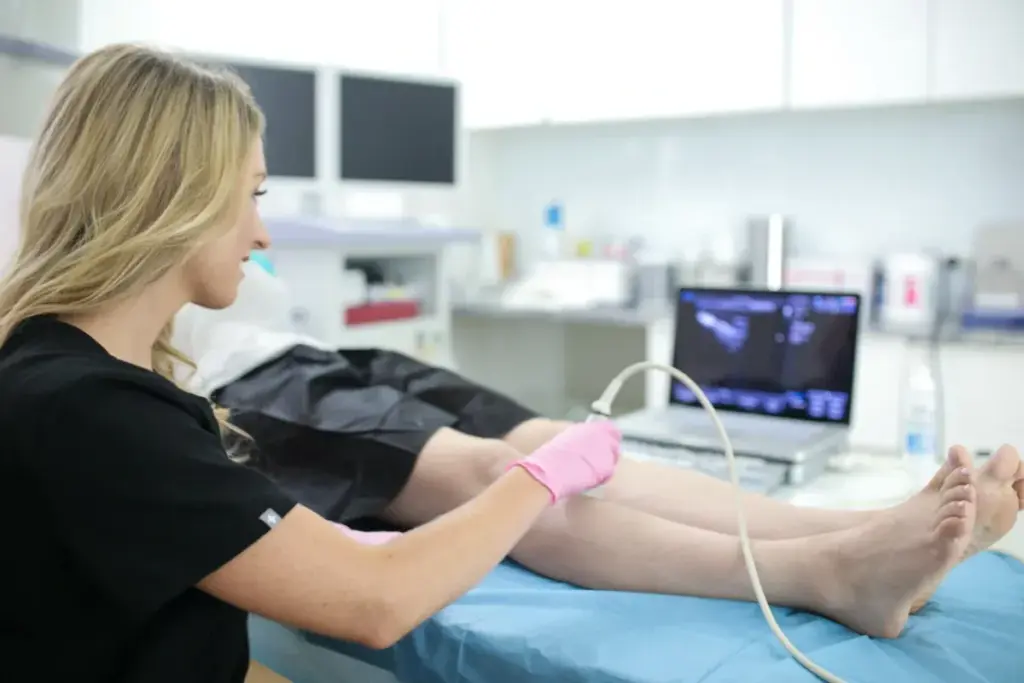
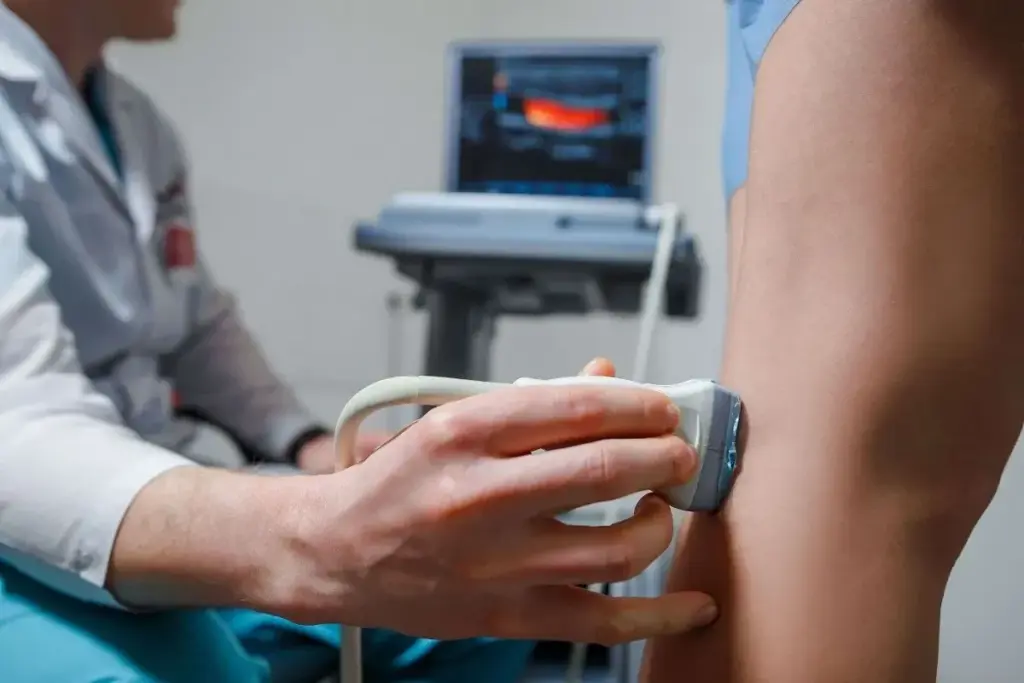
Imaging Techniques
Imaging is key in finding internal varicose vein ruptures. The main methods used are:
- Ultrasound: Uses sound waves to show vein images and check blood flow.
- CT (Computed Tomography) Scan: Gives detailed body images to see the rupture and tissues around it.
- MRI (Magnetic Resonance Imaging): Provides clear images of veins and nearby areas, helping to judge the rupture’s severity.
Laboratory Tests
Laboratory tests are vital to see how the rupture affects the body, like blood loss. Important tests include:
- Complete Blood Count (CBC): Checks blood cell counts and hemoglobin levels to show blood loss severity.
- Blood Chemistry Tests: Looks at blood factors that might change due to the rupture, like electrolytes.
The choice of test depends on the patient’s situation and the doctor’s decision. For example, in urgent cases, a quick ultrasound might be chosen because it’s fast and can be done at the bedside.
Emergency Medical Interventions
Emergency medical care is key in handling internal varicose vein ruptures. It’s vital to act fast to avoid serious problems. We’ll cover the important steps and treatment choices for this urgent situation.
First Aid and Stabilization Measures
First aid and stabilization are the first steps for an internal varicose vein rupture. Apply compression and elevate the limb to slow blood flow. It’s important to stay calm and get medical help right away. Doctors say, “Quick action is essential to avoid serious issues”.
At the hospital, doctors will check the rupture’s severity and start the right care. This might include oxygen, pain control, and watching vital signs.
Surgical and Non-Surgical Treatment Options
Treatment for internal varicose vein rupture depends on the situation. Non-surgical methods like sclerotherapy or laser therapy might be used. For serious cases, surgery like vein removal or ligation might be needed.
Doctors choose between surgery and non-surgery based on the case. Sometimes, both are used for the best results.
“Effective management of varicose vein rupture requires a complete plan, including immediate care and long-term strategies.”
– Medical Expert
It’s important for patients to know about treatment options and their effects. We’ll look at recovery and long-term care next.
Recovery and Long-term Management
Recovering from an internal varicose vein rupture is complex. It needs both quick hospital care and ongoing checks on vascular health. Knowing the hospital recovery timeline and long-term management strategies is key.
Hospital Recovery Timeline
The first few days in the hospital are vital. They help stabilize the patient and prevent more problems. Usually, this phase lasts from a few days to a week. It depends on how bad the rupture is and the patient’s health.
- Initial stabilization: This involves controlling the bleeding and managing pain.
- Diagnostic tests: Further imaging and laboratory tests are conducted to assess the extent of the rupture and the patient’s vascular health.
- Treatment interventions: This may include surgical or non-surgical procedures to address the ruptured vein and prevent future occurrences.
Long-term Vascular Health Monitoring
After leaving the hospital, keeping an eye on vascular health is important. Regular check-ups with a healthcare provider are needed. This helps monitor the patient’s condition and adjust treatment plans as needed.
Key aspects of long-term management include:
- Compression therapy: Using compression stockings to improve circulation and reduce pressure on the veins.
- Lifestyle modifications: Adopting a healthier lifestyle, including regular exercise, a balanced diet, and avoiding prolonged standing or sitting.
- Medication management: Adhering to prescribed medications to manage symptoms and prevent complications.
Understanding the recovery process and following long-term management plans can greatly improve outcomes. It also reduces the risk of future vascular problems.
Preventing Future Internal Varicose Vein Ruptures
Preventing future internal varicose vein ruptures is key to better health. We know it takes both lifestyle changes and medical steps to prevent these issues.
Lifestyle Modifications and Compression Therapy
Making lifestyle changes is vital in preventing vein ruptures. Regular exercise, staying at a healthy weight, and not sitting or standing for too long can help. Compression therapy also plays a big role. It uses stockings or sleeves to improve blood flow and lower vein pressure.
It’s also important to watch what you eat and drink. Eating foods high in fiber and antioxidants helps your veins. Drinking enough water is also key for good blood flow.
Medical and Surgical Prevention Strategies
There are also medical and surgical ways to prevent vein ruptures. Sclerotherapy and endovenous laser therapy are safe, non-invasive treatments. They can help fix varicose veins and lower the risk of rupture.
For some, surgical intervention might be needed. Vein stripping and ligation are surgical options. We help choose the best treatment for each patient based on their health and needs.
- Regular check-ups with a healthcare provider to keep an eye on vein health.
- Following the treatment plan, including wearing compression garments.
- Making lifestyle changes to ease the strain on veins.
By using these methods together, we can greatly lower the chance of vein ruptures. This improves health outcomes for our patients.
Conclusion
It’s important to know about the dangers of varicose veins, like when they burst. We’ve looked into how varicose veins work and what happens when they burst. This can lead to serious problems.
Spotting signs like pain, swelling, and bruising is key. If you see these, get help right away. Making healthy lifestyle choices and using compression can help prevent problems.
Quick action from doctors can make a big difference. It helps avoid serious issues and even life-threatening situations. Knowing about varicose veins and how to prevent them is vital.
By focusing on your vascular health, you can lower the chance of a vein bursting. This is important for your overall health. Early action and prevention are the best ways to stay healthy.
FAQ
What are the symptoms of a burst varicose vein?
Symptoms include pain, swelling, and bruising. If you notice these signs, get help right away.
Can a burst varicose vein be life-threatening?
Yes, it can be very dangerous. It might cause a lot of bleeding. This can lead to serious health issues.
How is a burst varicose vein diagnosed?
Doctors use ultrasound, CT, and MRI scans. They also check blood loss with lab tests.
What are the treatment options for a burst varicose vein?
Treatment includes first aid and surgery. There are also non-surgical options.
How can I prevent future varicose vein ruptures?
Make lifestyle changes and use compression therapy. There are also medical and surgical ways to prevent it.
What are the risks associated with varicose veins?
Varicose veins can burst easily. This can cause serious bleeding and health problems.
Who is at high risk for severe outcomes from a burst varicose vein?
Older people and those who are lonely are at higher risk. So are those with health problems.
Can deep vein thrombosis occur after an internal varicose vein rupture?
Yes, it’s a possible complication. The risk is higher than usual.
When should I call 911 for a burst varicose vein?
Call 911 for severe symptoms like a lot of pain or trouble breathing. If unsure, go to urgent care.
What is the recovery process like after treatment for a burst varicose vein?
Recovery involves hospital care and monitoring your health. This helps manage the condition and prevent future problems.
Can a burst blood vessel in the leg be treated?
Yes, treatment is available. It includes emergency care and both surgical and non-surgical options.
What causes blood vessels to burst?
They can burst due to weakness, trauma, or spontaneous rupture.
How can I recognize the early warning signs of an internal varicose vein rupture?
Look for pain, swelling, and bruising. If you see these signs, get medical help fast.
National Center for Biotechnology Information. Evidence-Based Medical Insight. Retrieved from