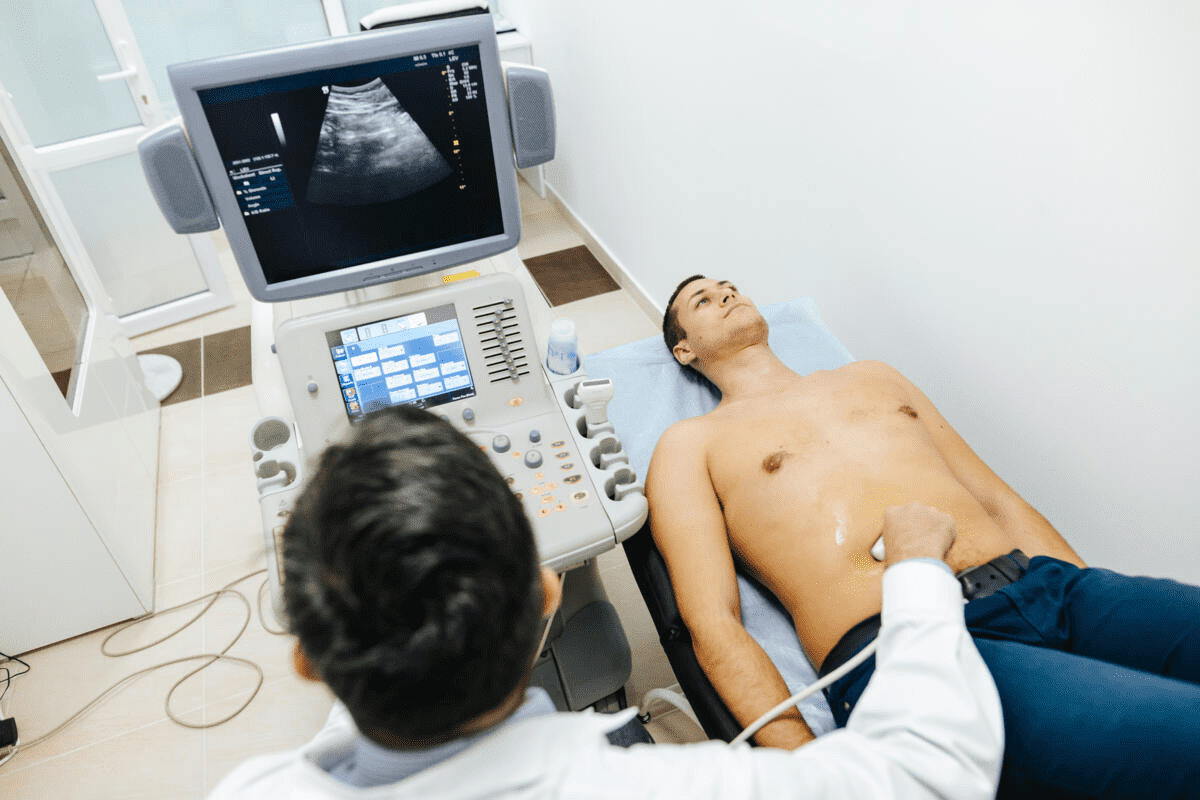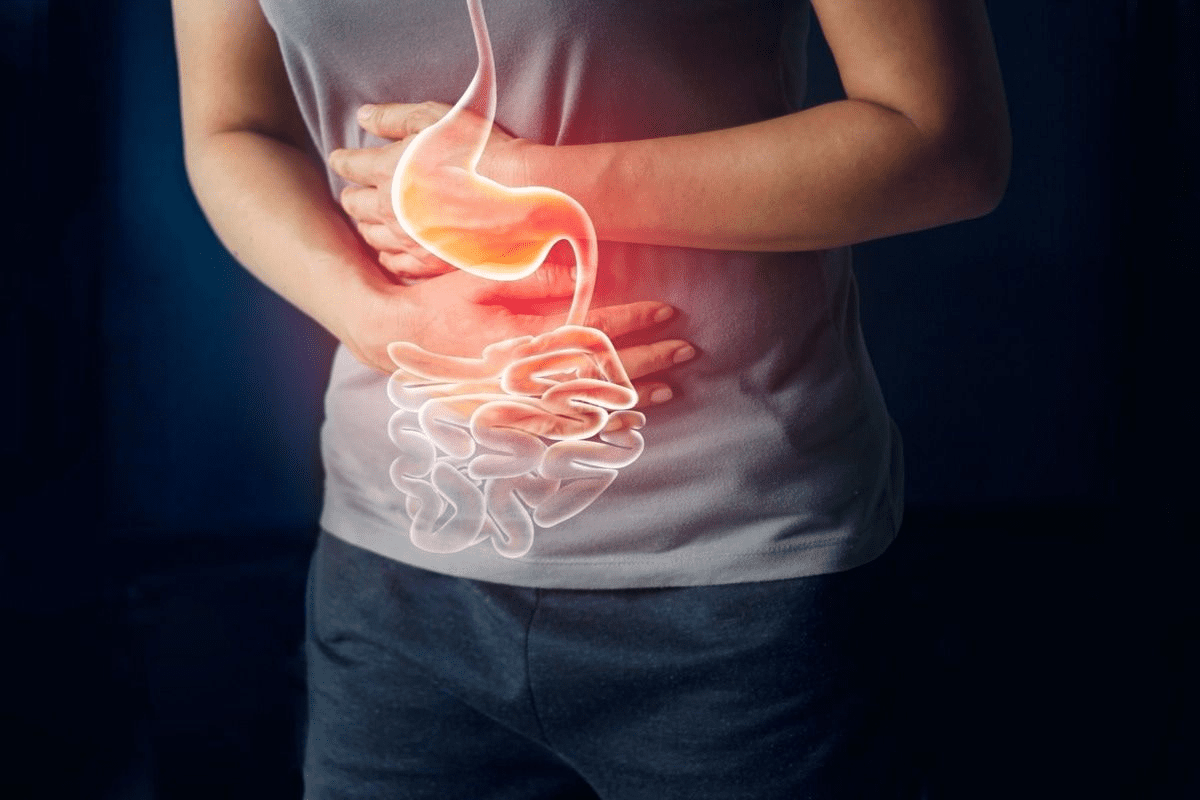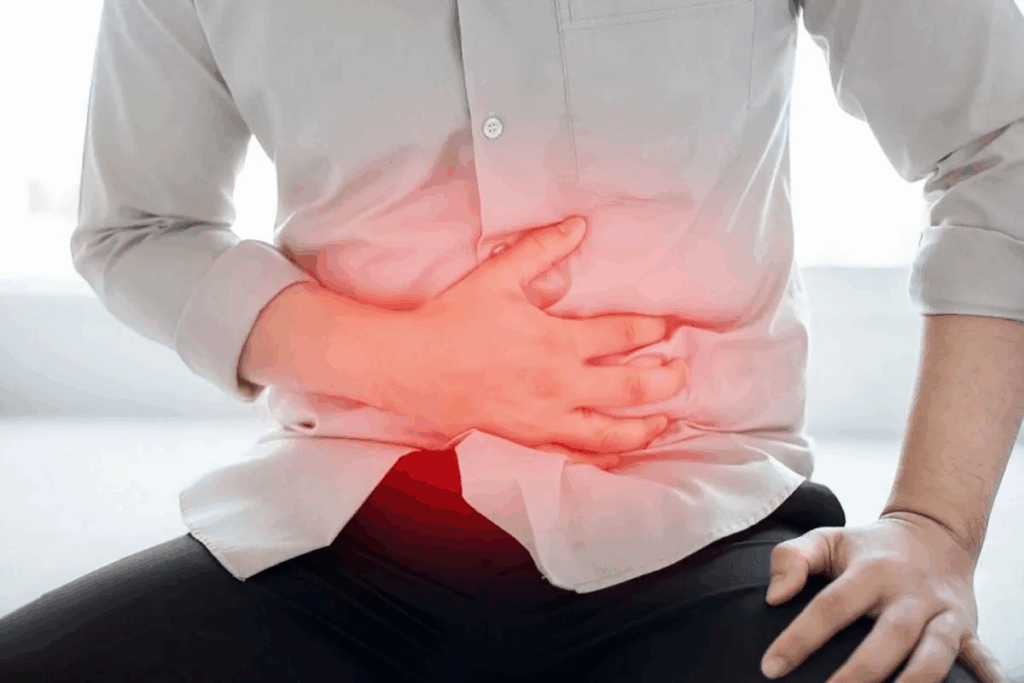
Feeling buttock pain that lasts and doesn’t get better with rest or simple treatments might not just be muscle strain. While buttock pain is often not a sign of cancer, some symptoms need quick medical check-ups.
At Liv Hospital, we focus on a detailed check-up to find the real cause of pain. Knowing when buttock pain could mean a serious issue is key for catching it early and treating it right.
Key Takeaways
- Recognizing the warning signs of buttock pain that may indicate cancer.
- Understanding the importance of timely medical intervention.
- Identifying symptoms that require immediate medical evaluation.
- Comprehensive patient assessment for accurate diagnosis.
- Early detection and treatment of underlying malignancies.
Understanding Buttock Pain and Its Possible Causes
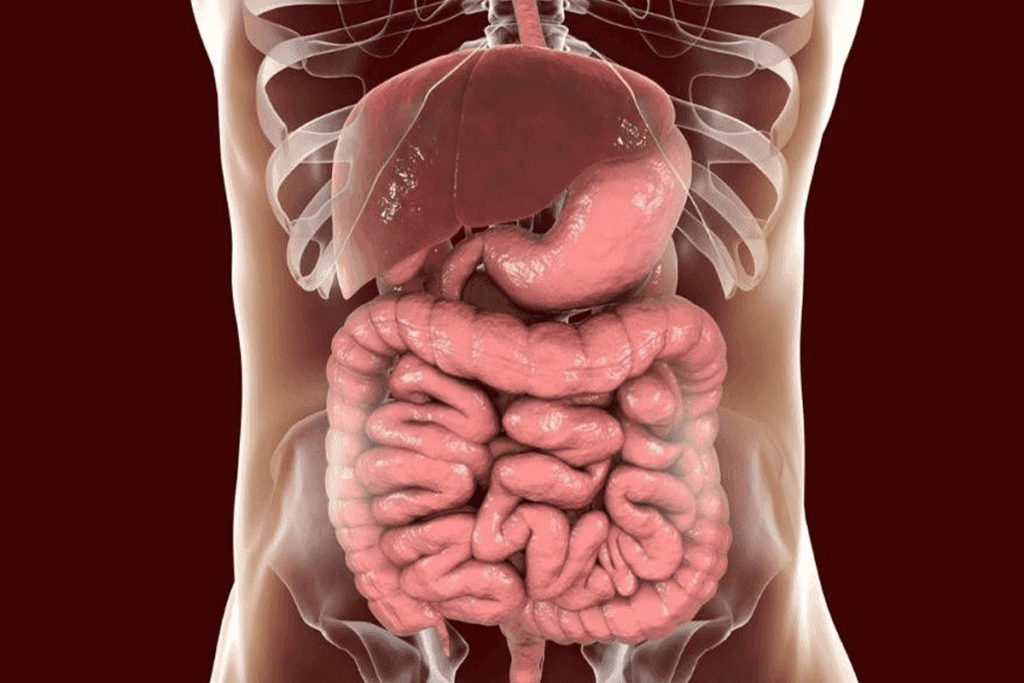
Buttock pain can really affect your daily life. It has many possible causes that we need to look into. We’ll explore the different factors that lead to buttock pain. This will help you know when it might be a sign of something serious.
Common Benign Causes of Buttock Pain
Most buttock pain comes from benign conditions. These can usually be treated without major surgery. Common causes include:
- Muscle strain or overuse
- Piriformis syndrome
- Sciatica
- Hip osteoarthritis
These issues can be quite painful but are usually not dangerous. Knowing what’s causing your pain helps you and your doctor find the right treatment.
When to Consider More Serious Conditions
But, sometimes buttock pain can be a sign of a more serious underlying condition. For example, cancers in the anal or colorectal area can cause buttock pain. It’s important to know the difference between common pain and something more serious.
If your buttock pain is constant, getting worse, or very bad, see a doctor. Catching serious conditions early can make a big difference in treatment and outcome.
Buttock Pain Cancer Symptoms: An Overview
It’s important to know the signs of buttock pain that might mean cancer. We’ll look at the differences between pain that’s not serious and pain that could be cancer. This helps both patients and doctors know when to look deeper.
Differentiating Between Benign and Malignant Pain Patterns
Buttock pain can come from many things, like muscle strain or sciatica. But sometimes, it can be a sign of cancer. The main thing is to know the difference between pain that’s not serious and pain that might be cancer.
Here are some signs of pain that might be serious:
- Persistent pain that doesn’t get better with rest or simple treatments
- Progressive pain that gets worse over time
- Pain with other symptoms like weight loss or feeling very tired
It’s important to remember that these signs don’t always mean cancer. But they do mean you need to see a doctor to find out what’s causing the pain.
Pain Characteristics That Warrant Concern
Some pain signs need more checking. These include:
- Pain that worsens at night or at rest, which might mean something serious
- Pain that radiates to other areas, like the perineal region, which could mean nerves are involved
- Pain with bowel or bladder changes, which could point to cancers like colorectal, prostate, or gynecological ones
Knowing these signs can help find and treat problems early. If you’re feeling any of these, see a doctor right away for a full check-up.
Symptom 1: Persistent and Progressive Pain
Persistent and progressive pain in the buttock area is a serious symptom that needs medical attention. Pain that doesn’t go away or gets worse over time needs to be checked out.
Duration and Intensity Patterns
The pain in the buttock can vary a lot from person to person. Persistent pain that lasts for weeks or months is a warning sign. We should watch how the pain changes, if it’s always there or comes and goes, and if it happens when we do certain things.
- Pain that lasts for more than a few weeks
- Pain that gets worse over time
- Pain that messes up our daily activities or sleep
Knowing how the pain changes can help find out what’s causing it. For example, pain that gets worse at night or when we’re resting is very concerning. It might mean there’s a serious problem.
Pain That Doesn’t Respond to Conservative Treatment
It’s also important to see how the pain reacts to treatments like rest, physical therapy, or medicine. Pain that doesn’t get better with these treatments might mean there’s a more complex or serious issue. We should be careful if pain keeps going even after trying usual ways to manage it.
- Pain that doesn’t get better with rest
- No improvement from physical therapy or exercises
- No relief from pain medicine
If buttock pain doesn’t change with these treatments, it’s very important to get a doctor’s opinion. They can find out what’s causing the pain and how to treat it.
Symptom 2: Pain That Worsens When Sitting
Pain that gets worse when sitting is a sign that needs attention. Many people feel more pain in their buttocks when sitting. This pain can be linked to certain cancers.
Connection to Anal and Rectal Cancers
Anal cancer often causes pain that gets worse when sitting. Medical studies show that “anal cancer often presents with pain that intensifies when sitting or during bowel movements.” This type of pain is a red flag symptom that should prompt further investigation. Rectal cancer can also cause discomfort, mainly if the tumor is big or if there’s a lot of inflammation.
The anal and rectal areas are closely related. Cancers in these spots can cause pain by pressing on nerves or nearby structures. This pain is usually due to the tumor’s growth.
Distinguishing Features from Benign Conditions
Pain that gets worse when sitting can be linked to anal or rectal cancers. But, it can also be caused by less serious issues like hemorrhoids or anal fissures. Knowing the differences can help figure out if it’s something serious.
- Pain from cancer usually doesn’t go away and keeps getting worse.
- It might come with other signs like bleeding, changes in bowel habits, or unexpected weight loss.
- The pain from cancer is often sharp or stabbing and can be very severe.
It’s important to see a doctor if you have pain that gets worse when sitting, and it doesn’t go away. This is true if you also have other worrying symptoms. Finding and treating cancer early is key to managing it well.
“The presence of pain that intensifies when sitting should prompt a thorough evaluation for underlying malignancies, particular in high-risk populations.”
Seeing a healthcare professional for a detailed check-up is a good idea. They can find out why you’re in pain and suggest the right treatment.
Symptom 3: Radiating Pain to the Perineal Area
Pain in the perineal area can be a sign of a serious problem. This area is between the genitals and anus. It has many nerve endings. Pain here might mean pelvic cancers or other health issues.
Nerve Involvement in Pelvic Cancers
Pelvic cancers, like anal, rectal, prostate, and gynecological cancers, can cause pain in the perineal area. This happens because the tumors press on or invade nearby nerves. This leads to pain that spreads along the nerves.
Nerve involvement is a critical factor in the pain’s severity and type. For example, anal cancer can cause pain that spreads to the perineum. This is because it’s close to nerves in the pelvic area.
Associated Sensory Changes
People with these cancers might also feel numbness, tingling, or be overly sensitive in the perineal area. These feelings come from nerves being compressed or invaded by the tumor.
Sensory Change | Description | Possible Cause |
Numbness | Reduced sensation in the perineal area | Nerve compression by tumor |
Tingling | A “pins and needles” sensation | Nerve irritation or damage |
Hypersensitivity | Increased sensitivity to touch | Nerve involvement or damage |
These changes can really affect a person’s life. It’s important to see a doctor if these symptoms don’t go away or get worse.
While pain in the perineal area can mean pelvic cancers, it can also be from other problems. A detailed medical check is needed to find out what’s causing it.
Symptom 4: Deep Aching Sensation in the Buttocks
A deep aching in the buttocks needs to be checked out. This pain can be from many causes, some serious.
Bone Metastasis and Deep Tissue Involvement
This pain might mean cancer has spread to the pelvic bones. It’s a deep ache.
Cancers like prostate, breast, and lung can cause this. The pain gets worse over time.
Distinguishing from Muscular Pain
It’s important to tell if the pain is from bone issues or muscle strain. Muscle pain usually goes away with rest.
Pain from bone issues doesn’t get better with usual treatments. You need a doctor to figure out why you hurt.
Characteristics | Muscular Pain | Pain from Bone Metastasis |
Duration | Typically temporary, related to activity | Persistent, worsening over time |
Response to Treatment | Often relieved with rest or conservative treatment | May not respond to typical pain relief measures |
Knowing what causes buttock pain is key. If you feel a deep ache, see a doctor.
Symptom 5: Pain Associated with Bowel or Bladder Changes
Changes in bowel or bladder habits with pain can signal serious health issues. Certain cancers can cause pain during bowel movements or urination.
Colorectal Cancer Warning Signs
Colorectal cancer can show up with bowel changes and pain. Symptoms to watch out for include persistent abdominal pain, changes in bowel habits, and blood in the stool. These signs can mean a tumor or lesion in the colon or rectum.
Early stages of colorectal cancer might not show symptoms. But as it gets worse, symptoms like pain in the lower abdomen or buttock area become more obvious. This is because the cancer has spread to nearby tissues or nerves.
Prostate and Gynecological Cancer Indicators
Pain during urination or bowel movements can be a sign of prostate cancer in men. This is true if the cancer has grown and is pressing on nerves or has spread to nearby structures. Gynecological cancers in women, like cervical or ovarian cancer, can also cause pelvic pain. This pain can get worse with bowel or bladder activities.
Key indicators for these cancers include pelvic pain, abnormal vaginal bleeding, and changes in urinary or bowel habits. If you notice these symptoms, you need to see a doctor right away.
We stress the need to know these symptoms and get medical help if they don’t go away or get worse. Early detection and diagnosis are key to managing and treating these conditions well.
Symptom 6: Night Pain and Pain at Rest
Pain that gets worse at night or when you’re resting might mean something serious. People with this pain worry about what’s causing it.
Night pain is a big warning sign. It’s different from day pain, which might come from activity. Night pain can keep you awake and signal a problem.
Significance of Pain That Disrupts Sleep
Pain that keeps you awake is not just annoying. It can also mean there’s a serious health issue. It can make you tired, weaken your immune system, and cause more problems.
Key factors to consider when evaluating night pain include:
- Intensity: Is the pain severe enough to wake you up or keep you awake?
- Duration: How long have you been experiencing night pain?
- Location: Where is the pain located, and does it radiate to other areas?
Inflammatory Markers of Malignancy
Cancer can cause chronic inflammation and pain. Inflammatory markers show if there’s inflammation in the body. High levels of these markers can mean cancer is present.
“The presence of systemic inflammation can be a hallmark of cancer, and pain that disrupts sleep can be an early warning sign.”
In conclusion, night pain and pain at rest are serious signs. If you have pain that keeps you awake or happens when you’re resting, see a doctor. They can find out what’s causing it.
Symptom 7: Pain Accompanied by Unexplained Weight Loss or Fatigue
Buttock pain with unexplained weight loss or fatigue could mean a serious issue. These signs might point to cancer. It’s important to check them out thoroughly.
Systemic Symptoms of Cancer
Unexplained weight loss and fatigue are signs of advanced cancer. Losing more than 5% of body weight in 6-12 months without dieting is a red flag. Feeling tired all the time and not having energy for daily tasks is another warning sign.
Cancer can mess with how our bodies work. It can cause changes in metabolism and inflammation. This leads to weight loss and fatigue. Some cancers even make our bodies burn more calories, even when we’re resting.
The Importance of Reporting Multiple Symptoms
Telling your doctor about all symptoms is key for a correct diagnosis. They use this information to spot patterns that might mean cancer or another serious problem.
When looking at buttock pain, it’s important to see the whole picture. A detailed history and physical exam, along with tests, can find the cause of symptoms.
Symptom Combination | Potential Concern | Recommended Action |
Buttock pain with unexplained weight loss | Cancer, including colorectal or metastatic disease | Seek medical evaluation; may require imaging and biopsy |
Buttock pain with persistent fatigue | Cancer, chronic infection, or inflammatory conditions | Consult a healthcare provider; may involve blood tests and imaging |
Buttock pain with both weight loss and fatigue | Advanced cancer or other serious systemic conditions | Urgent medical consultation; thorough diagnostic workup |
Knowing the importance of these symptoms and telling your doctor can help. Early treatment can make a big difference in how well you do.
Types of Cancer That Cause Buttock Pain
Many cancers, like those in the anal, rectal, colorectal, prostate, and gynecological areas, can lead to buttock pain. It’s important to know about these cancers and their symptoms. This knowledge helps in catching them early and treating them effectively.
Anal and Rectal Cancer
Anal and rectal cancers can cause pain in the buttocks because they are close to nerves and structures there. You might feel pain when you have a bowel movement, see blood, or notice changes in how you go to the bathroom. It’s vital to catch these cancers early for the best treatment.
- Pain during bowel movements
- Bleeding or discharge
- Changes in bowel habits
Colorectal Cancer
Colorectal cancer, affecting the colon and rectum, can also lead to buttock pain. This is more likely if the cancer has spread to nearby tissues or nerves. Look out for changes in your bowel habits, blood in your stool, and stomach pain.
- Changes in bowel habits
- Blood in the stool
- Abdominal pain or cramping
Prostate Cancer
Prostate cancer in men can cause buttock pain, often when the cancer has grown and reached the bones or surrounding tissues. You might find it hard to urinate, feel pain while doing so, or have issues with sex.
- Difficulty urinating
- Pain during urination
- Sexual dysfunction
Gynecological Cancers
Gynecological cancers, like cervical, ovarian, and uterine cancers, can also cause buttock pain. This is more likely if they have spread to the pelvic wall or nearby areas. Look out for abnormal vaginal bleeding, pelvic pain, and changes in your bowel or bladder habits.
It’s key to remember that buttock pain can be a sign of serious conditions. If you have persistent or severe pain in your buttocks, or other symptoms like unexplained weight loss or changes in bowel habits, get medical help right away.
Conclusion: When to Seek Medical Help for Buttock Pain
Knowing when to get medical help for buttock pain is key. It can signal many issues, including cancer. We’ve talked about seven signs that mean you should see a doctor: pain that doesn’t go away, gets worse when sitting, or spreads to the perineal area.
Other signs include deep pain in the buttocks, pain with bowel or bladder changes, night pain, and pain with unexplained weight loss or fatigue. If you notice any of these, it’s time to talk to a healthcare professional.
Most buttock pain isn’t serious, but some signs need quick attention. Getting help early can make a big difference, like if it’s cancer. It’s vital to listen to your body and seek help when you need it.
Getting medical help for buttock pain is a smart move for your health. If your pain is constant or getting worse, don’t wait to see a doctor. They’ll check you out, run tests, and create a plan just for you.
FAQ
What are the common causes of buttock pain?
Buttock pain can come from many sources. It might be from muscle strain, piriformis syndrome, or bursitis. Sometimes, it can also be a sign of serious conditions like cancer.
Can buttock pain be a symptom of cancer?
Yes, buttock pain can be a sign of cancer. This includes anal, rectal, colorectal, prostate, and gynecological cancers. If the pain doesn’t go away or gets worse, you should see a doctor.
What are the characteristics of cancer-related buttock pain?
Pain from cancer in the buttocks often has specific signs. It might be constant and get worse when sitting. It can also spread to the perineal area and feel deep and aching. Changes in bowel or bladder function can also be a sign.
How can I differentiate between benign and malignant buttock pain?
Most buttock pain is not serious. But, some signs can mean it’s more serious. Look out for pain that doesn’t get better, doesn’t respond to treatment, or comes with other symptoms like weight loss or fatigue. If you notice these, see a doctor.
What types of cancer can cause buttock pain?
Several cancers can cause buttock pain. This includes anal, rectal, colorectal, prostate, and gynecological cancers. Each has its own signs and symptoms. A doctor needs to diagnose it properly.
What is the significance of night pain and pain at rest?
Night pain and pain when resting can mean cancer. They often disrupt sleep and are linked to cancer markers. If you have pain that gets worse at night or when resting, talk to a doctor.
Should I be concerned about buttock pain if I’m experiencing unexplained weight loss or fatigue?
Yes, if you have buttock pain and unexplained weight loss or fatigue, see a doctor. These symptoms can mean cancer. Telling your doctor about all your symptoms is important.
Can coccyx pain be related to bowel cancer?
Yes, coccyx pain can be linked to bowel cancer, like colorectal cancer. If you have persistent coccyx pain or changes in bowel function, get checked by a healthcare professional.
What should I do if I’m experiencing persistent or worsening buttock pain?
If your buttock pain doesn’t go away or gets worse, you need to see a doctor. They can check your symptoms, do tests, and find out what’s wrong. Then, they can help you get better.
References:
National Center for Biotechnology Information. Buttock Pain: Cancer Symptoms and When to Seek Care. Retrieved from https://www.ncbi.nlm.nih.gov/pmc/articles/PMC5056333/