

Coronary Artery Bypass Grafting (CABG) is a surgery to help blood flow to the heart. CABG failure can happen, causing serious problems. About 50% of saphenous vein grafts used in CABG may fail within 10 years bypass graft meaning.
CABG uses grafts to bypass blocked or narrowed arteries. The type of graft used affects the procedure’s success. Knowing the risks and complications of CABG is important for both patients and healthcare providers.
Key Takeaways
- CABG is a surgical procedure to improve blood flow to the heart.
- The failure rate of CABG varies depending on the type of graft used.
- Saphenous vein grafts have a higher failure rate compared to arterial grafts.
- Understanding CABG complications is key for patient care.
- CABG failure can lead to serious health complications.
Understanding CABG Surgery: What It Is and Why It’s Performed

CABG surgery is key for those with severe heart disease. It’s a surgery to ease chest pain, stop heart attacks, and boost survival chances. It’s for those with serious heart artery problems.
The Anatomy of Coronary Arteries
The coronary arteries are essential for the heart. They carry oxygen and nutrients. But, they can get blocked by plaque, leading to heart issues.
Indications for CABG Surgery
CABG is indicated for complex heart disease that is not alleviated by other treatments, depending on symptoms, severity of disease, and overall health.
The main reasons for CABG include:
- Significant blockage in multiple coronary arteries
- Blockage in the left main coronary artery
- Failed angioplasty or stenting
- Severe angina that persists despite medical therapy
|
Indication |
Description |
|---|---|
|
Multi-vessel disease |
Significant blockages in multiple coronary arteries |
|
Left main disease |
Blockage in the left main coronary artery, which supplies a large portion of the heart |
|
Failed PCI |
Previous angioplasty or stenting that has failed, leading to recurrent symptoms |
CABG surgery is complex and requires careful thought. Knowing about coronary arteries and CABG helps patients understand its benefits and risks.
Bypass Graft Meaning: Types of Grafts Used in CABG
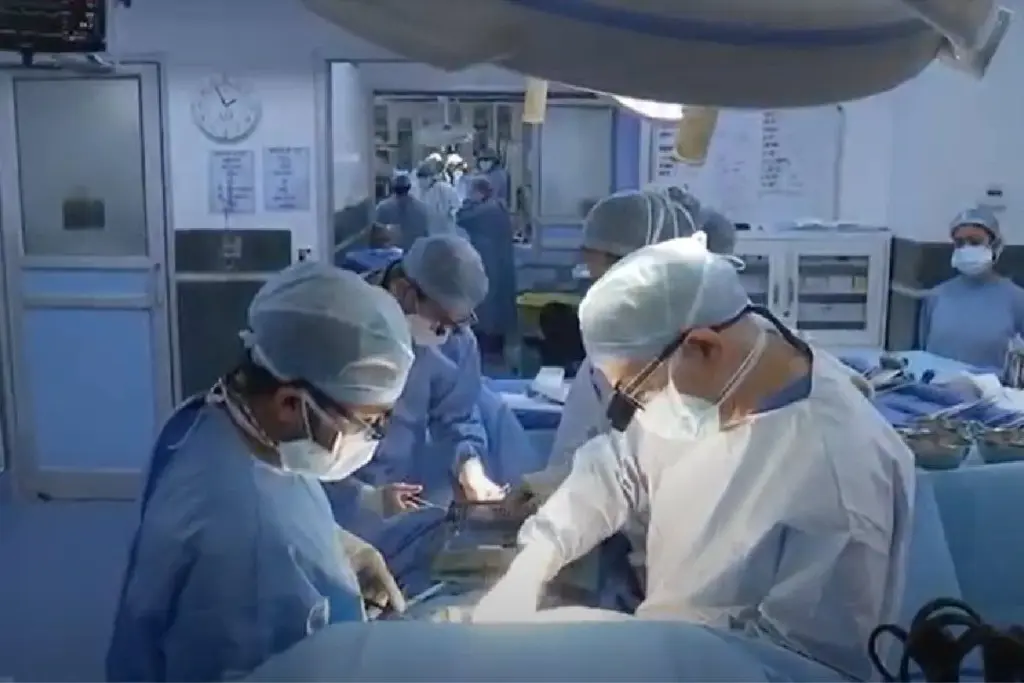
It’s important to know about the different grafts used in CABG. CABG, or Coronary Artery Bypass Grafting, helps improve blood flow to the heart. It does this by bypassing blocked or partially blocked coronary arteries.
The grafts in CABG are mainly two types: saphenous vein grafts and arterial grafts. Each type has its own benefits and drawbacks. These are key to the surgery’s success.
Saphenous Vein Grafts
Saphenous vein grafts come from the patient’s leg, usually the greater saphenous vein. They are often used in CABG because they are easy to get and work well.
- Advantages: They are simple to take from the leg and can be long enough for many grafts.
- Disadvantages: They tend to close off more often than arterial grafts, mainly because of atherosclerosis.
Arterial Grafts: Internal Mammary, Radial, and Others
Arterial grafts, like the internal mammary artery (IMA) and radial artery, last longer than saphenous vein grafts. They are better because they don’t get clogged as easily.
Arterial grafts are chosen for their strength and resistance to clogging. The left internal mammary artery (LIMA) is a top choice because it’s close to the heart and works well over time.
- Internal Mammary Artery Grafts: They have better long-term results, with higher success rates and more survival benefits.
- Radial Artery Grafts: Though they can be used, they are less common because of possible hand problems at the harvest site.
Choosing between saphenous vein grafts and arterial grafts depends on many factors. These include the patient’s health, the extent of heart disease, and the surgeon’s choice.
In summary, knowing about the grafts in CABG is vital for both patients and doctors. The choice of graft can greatly affect the surgery’s success and the patient’s life after surgery.
Overall Success Rates of CABG Surgery
It’s important to know how well CABG surgery works. CABG, or Coronary Artery Bypass Grafting, helps the heart by bypassing blocked arteries. This improves blood flow.
Success in CABG surgery is seen in both the short and long term. Short-term success means how well you do right after surgery. Long-term patency rates show how long the grafts stay open.
Short-term Success Statistics
Right after surgery, most people feel a lot better. They often don’t have symptoms like angina anymore. The death rate right after surgery is low, between 1-3%.
The skill of the surgical team and good care after surgery are key. Better surgery techniques and care have led to better results.
Long-term Patency Rates
Long-term success is about how long the grafts stay open. The type of graft used is very important.
|
Graft Type |
1-Year Patency Rate |
5-Year Patency Rate |
10-Year Patency Rate |
|---|---|---|---|
|
Internal Mammary Artery (IMA) |
95-98% |
90-95% |
80-90% |
|
Saphenous Vein Graft (SVG) |
80-90% |
60-70% |
50-60% |
|
Radial Artery Graft |
85-95% |
70-80% |
60-70% |
The table shows graft types have different long-term success rates. Arterial grafts like the Internal Mammary Artery do better than vein grafts.
Many things affect how long grafts stay open. These include your lifestyle, taking medicine, and health problems. Regular check-ups are key to keeping an eye on your grafts and heart health.
Early CABG Failure: Incidence and Causes
Early failure of Coronary Artery Bypass Grafting (CABG) worries both patients and surgeons. Knowing why it happens is key to better care.
Technical Failures During Surgery
Technical mistakes during CABG are a big reason for early graft failure. Problems like inadequate graft harvesting, poor anastomotic technique, and incomplete revascularization can occur. It’s important to focus on precise surgical methods to lower these risks.
The table below shows common technical mistakes during CABG and their effects:
|
Technical Failure |
Potential Consequence |
|---|---|
|
Inadequate graft harvesting |
Graft failure due to poor quality |
|
Poor anastomotic technique |
Leakage or thrombosis at the graft site |
|
Incomplete revascularization |
Continued ischemia in affected areas |
Acute Thrombosis
Acute thrombosis is a major cause of early CABG failure. It happens when a blood clot blocks the graft. Reasons include hypercoagulability, graft damage, and inadequate antiplatelet therapy.
It’s vital to understand and tackle these causes. This helps reduce early CABG failure and improves patient care in the long run.
Late CABG Failure: Statistics and Timeframes
Late CABG failure is a serious issue that can happen years after surgery. It affects patient outcomes and quality of life. Knowing the statistics and timeframes helps manage patient expectations and improve care.
Late CABG failure is often caused by intimal hyperplasia and atherosclerosis in grafts. These conditions narrow or block grafts, reducing blood flow to the heart.
Intimal Hyperplasia (1-3 Years)
Intimal hyperplasia is a big reason for graft failure in the first few years. It makes the graft’s inner layer thick, causing narrowing. Up to 20% of vein grafts can be affected in the first year.
Atherosclerosis in Grafts (Beyond 3 Years)
Atherosclerosis is a major factor in late CABG failure, mainly after three years. It causes plaque buildup, narrowing, and blockage in grafts. This is similar to coronary artery disease but is more aggressive in grafts.
Symptoms of graft failure include recurrent angina, shortness of breath, and less ability to exercise. Catching these symptoms early is key to preventing more problems and improving outcomes.
Knowing the causes and timeframes of late CABG failure is vital. It helps doctors develop better follow-up plans. It also helps patients understand the risks and symptoms.
Risk Factors for CABG Failure
It’s key to know what can lead to CABG failure to better care for patients. This failure can come from the patient’s health and the surgery itself.
Patient-Related Factors
How well a patient does after CABG surgery depends a lot on them. Important factors include:
- Age: Older patients face more risks and graft failure chances.
- Diabetes: Diabetics are at higher risk because of vascular problems.
- Smoking: Smoking harms graft health and heart health.
- Hyperlipidemia: High cholesterol can shorten graft life.
- Renal Dysfunction: Kidney disease increases the risk of problems.
Managing health issues and lifestyle changes are vital for better CABG results.
Surgical and Procedural Factors
How well a CABG goes depends a lot on the surgery itself. Important points include:
- Graft Selection: The type of graft used affects long-term success.
- Surgical Technique: The surgeon’s skill and method matter a lot.
- Intraoperative Factors: How the surgery is managed affects graft success.
Knowing these factors helps in planning and care before, during, and after surgery. This can lower the chance of CABG failure.
Heart Bypass Graft Failure Symptoms
Heart bypass graft failure shows up in different ways, needing quick medical care. It’s key for those who’ve had CABG to know when something’s off.
Recurrent Angina
Recurrent angina is a main sign of graft failure. It’s chest pain or discomfort from less blood to the heart. This pain feels like the angina before surgery and can happen with exercise or stress.
Other Clinical Manifestations
Other signs of graft failure include shortness of breath, feeling tired, and irregular heartbeats. In serious cases, there might be swelling in the legs or sudden weight gain from fluid buildup.
Patients should watch for these signs and get medical help if they see them. Catching and treating graft failure early can greatly improve outcomes.
Diagnosing Failed CABG Grafts
Diagnosing CABG graft failure needs a mix of clinical checks and advanced tests. It’s key to find the right treatment and avoid more heart problems.
Imaging Techniques
Imaging is key in spotting graft failure. Many methods help see the grafts and check if they’re open.
- Coronary Angiography: Seen as the top method, it shows clear images of the grafts and main heart arteries.
- Computed Tomography Angiography (CTA): A non-invasive option that gives detailed pictures of the heart arteries and grafts.
- Cardiac Magnetic Resonance Imaging (MRI): Good for checking graft openness and heart function without radiation.
Functional Testing
Functional tests are also vital to see how graft failure affects the heart.
- Stress Testing: Shows how the heart works under stress, helping understand graft failure’s impact.
- Fractional Flow Reserve (FFR): Measures pressure drop in a narrowed area, showing its effect on blood flow.
By using imaging and functional tests together, doctors can fully diagnose and treat CABG graft failure. This helps improve patient care.
Complications of CABG Surgery Beyond Graft Failure
CABG surgery is a lifesaving procedure for many. But, it comes with various complications that can affect patient outcomes. Knowing these complications is key to managing patient care well.
Perioperative Complications
Perioperative complications happen during or shortly after CABG surgery. These can include:
- Bleeding and hemorrhage: Excessive bleeding is a big risk during and after CABG surgery.
- Stroke and neurological complications: The risk of stroke goes up during CABG due to embolism or hypoperfusion.
- Cardiac complications: Myocardial infarction, arrhythmias, and cardiac arrest are possible complications.
- Infection: Surgical site infections and other infections like pneumonia can happen.
Long-term Complications
Long-term complications of CABG surgery can greatly affect a patient’s quality of life. These include:
- Recurrent angina and ischemia: Symptoms can come back due to graft failure or native coronary disease.
- Heart failure: CABG surgery does not stop heart failure from getting worse.
- Arrhythmias: Atrial fibrillation is a common complication in both the short and long term.
|
Complication Type |
Short-term/Long-term |
Potential Impact |
|---|---|---|
|
Bleeding |
Short-term |
Requires immediate intervention, can lead to significant morbidity |
|
Stroke |
Short-term |
Can cause significant neurological impairment |
|
Recurrent Angina |
Long-term |
Affects quality of life, may need further intervention |
|
Heart Failure |
Long-term |
Is a progressive condition needing ongoing management |
It’s vital to understand these complications for patient education and management. By knowing the risks and taking steps to reduce them, healthcare providers can improve CABG patient outcomes.
Understanding Multiple Bypass Surgeries
In the world of heart surgery, multiple bypass surgeries are key for those with severe heart disease. This complex surgery fixes many heart arteries to improve blood flow. It helps ease symptoms and boosts patient health.
What Does a Triple Bypass Mean?
A triple bypass surgery is a type of CABG where three heart arteries are fixed. It’s needed when there are blockages in multiple arteries. The surgery involves:
- Finding and fixing the blocked heart arteries
- Taking grafts from other body parts
- Using these grafts to bypass the blockages
The goal is to make sure the heart gets enough blood. This reduces the risk of heart attacks and other heart problems.
Key aspects of triple bypass surgery include:
- Using a heart-lung machine to keep blood flowing during surgery
- Picking the right grafts for long-term success
- Watching the grafts after surgery to catch any issues
5 Bypass Heart Surgery: Complexity and Outcomes
A 5 bypass heart surgery is even more complex, fixing five heart arteries. It’s for those with very bad heart disease. The results depend on many things, like:
- The patient’s health and other health issues
- The skill of the surgical team
- How well the patient recovers and follows up care
Even though it’s riskier, a 5 bypass surgery can greatly improve life for the right patients.
It’s important for both patients and doctors to understand the details of multiple bypass surgeries. Knowing the complexity and possible results helps make better choices about treatment.
Treatment Options for Failed Grafts
There are many ways to treat failed CABG grafts. The right choice depends on the patient’s health, how bad their symptoms are, and how much the graft has failed.
Percutaneous Coronary Intervention
Percutaneous coronary intervention (PCI) is a small procedure to open blocked arteries. It’s used when CABG grafts fail. PCI helps blood flow through the graft or the artery itself.
PCI is less invasive than redo CABG surgery. It might mean less recovery time and fewer risks.
Redo CABG Surgery
Redo CABG surgery is when you have to do the bypass surgery again. This is needed when PCI doesn’t work or isn’t possible. It’s for patients who need more surgery to feel better.
Redo CABG is more complicated and risky. It’s harder because of scar tissue and changes in the heart from previous surgeries.
Medical Management
Medical management is key for failed CABG grafts, when you can’t or don’t want to do more surgery. It’s about managing symptoms and improving heart health with medicine and lifestyle changes.
Doctors use medicines like antiplatelets, beta-blockers, and statins. These help prevent more heart problems and slow graft disease.
In summary, treating failed CABG grafts needs a plan made just for each patient. A team of doctors and surgeons works together to find the best treatment.
Leg Bypass Failure vs. Cardiac Bypass Failure
Leg bypass and cardiac bypass surgeries are both lifesaving but have different failure modes and consequences. It’s important for patients and healthcare providers to understand these differences. This helps manage expectations and make informed decisions.
Comparing Peripheral and Coronary Bypass Procedures
Peripheral bypass procedures, like leg bypass, aim to improve blood flow to the limbs. This is to alleviate symptoms of peripheral artery disease (PAD). On the other hand, cardiac bypass, or coronary artery bypass grafting (CABG), aims to improve heart blood flow by bypassing blocked arteries.
The grafts used in these surgeries differ. CABG uses both arterial and venous grafts, with arterial grafts showing better long-term success rates. Leg bypass graft choice depends on the patient’s anatomy and disease extent.
What Happens When Leg Bypass Fails
Leg bypass graft failure can cause a return of symptoms like leg pain at rest or during exercise (claudication). In severe cases, it can lead to critical limb ischemia (CLI), a condition that may require amputation if not treated promptly.
The consequences of leg bypass failure are significant, often requiring additional surgeries or interventions. Managing failed leg bypass grafts involves a team effort from vascular surgeons, interventional radiologists, and other specialists.
|
Complications |
Leg Bypass Failure |
Cardiac Bypass Failure |
|---|---|---|
|
Primary Symptoms |
Claudication, Rest Pain |
Angina, Heart Attack |
|
Potential Outcomes |
Critical Limb Ischemia, Amputation |
Myocardial Infarction, Heart Failure |
|
Management Approach |
Vascular Surgery, Endovascular Intervention |
PCI, Redo CABG, Medical Management |
It’s vital to understand the differences between leg bypass and cardiac bypass failures. This knowledge is key to developing effective treatment plans and improving patient outcomes. While both surgeries are lifesaving, their failure modes and consequences demand unique management strategies.
Is a Triple Bypass Serious? Patient Concerns Addressed
The term ‘triple bypass’ might sound scary, but knowing what it is can help. It’s a big surgery that fixes multiple heart arteries to get blood flowing better. This surgery is needed to keep the heart healthy.
Mortality and Morbidity Statistics
Even though it’s a big surgery, thanks to new tech and skills, it’s getting safer. Mortality rates for this surgery have gone down. Studies show the hospital death rate is about 2-3%.
But, this rate can change based on the patient’s health and how urgent the surgery is. It’s good to know these numbers to understand the risks.
Also, fewer people are getting sick after the surgery. Atrial fibrillation, infection, and kidney failure are some of the possible problems. Knowing these risks helps patients make better choices about their care.
What Causes a Triple Bypass to Be Necessary
A triple bypass is needed when many heart arteries are blocked. This usually happens because of coronary artery disease (CAD). CAD causes plaque to build up, blocking blood flow and leading to heart problems.
Doctors choose this surgery after trying other treatments first. They look at how bad the symptoms are, how much disease is in the arteries, and the patient’s overall health.
Preventing CABG Failure: Best Practices
Preventing CABG failure needs a mix of medical care, lifestyle changes, and regular check-ups. Knowing what causes CABG failure helps patients and doctors work together. This way, they can lower risks and get better results.
Medication Adherence
It’s key to take your medicines as told to avoid CABG failure. Antiplatelet therapy, statins, and beta-blockers are important. They help keep the graft healthy.
A study in the Journal of the American College of Cardiology showed taking antiplatelet drugs helps. It lowers the chance of graft failure and heart problems.
“Adherence to evidence-based medications is key to preventing CABG failure and better patient outcomes.”
Cardiothoracic Surgeon
Lifestyle Modifications
Changing your lifestyle is also important. Eating well, exercising, and quitting smoking are good steps. A diet full of fruits, veggies, and whole grains can help prevent graft failure.
|
Lifestyle Modification |
Benefits |
|---|---|
|
Smoking Cessation |
Reduces risk of graft failure and heart problems |
|
Regular Exercise |
Boosts heart health and lowers graft failure risk |
|
Healthy Diet |
Reduces graft failure and heart event risks |
Regular Follow-up Care
Seeing your doctor regularly is critical. It helps keep an eye on graft health and tackles any issues early.
A study in the Journal of Thoracic and Cardiovascular Surgery showed regular visits improve graft health. It also lowers heart event risks.
Conclusion: The Future of CABG and Patient Outlook
Advances in CABG techniques and post-operative care are making a big difference. Medical technology keeps getting better, which means a brighter future for CABG. We can look forward to fewer complications and better graft success rates.
It’s important to know about the risks of heart bypass graft failure symptoms and CABG complications. This knowledge helps doctors create better care plans. It improves the outlook for patients.
The future of CABG is all about research and new ideas in heart surgery. As new methods and tools come along, patients will see better results. This means a better quality of life after CABG surgery.
FAQ
What is CABG surgery, and why is it performed?
CABG, or coronary artery bypass grafting, is a surgery to improve heart blood flow. It bypasses blocked or narrowed arteries. This surgery relieves symptoms like angina and lowers heart attack risk.
What are the types of grafts used in CABG surgery?
CABG uses grafts like the saphenous vein from the leg and arteries like the internal mammary artery. Each graft has its benefits and drawbacks. The choice depends on the patient’s health and artery condition.
How often does CABG fail, and what are the causes of failure?
CABG failure rates vary. Early failures often stem from technical issues or clotting. Late failures can be due to graft thickening or artery disease. Knowing these causes helps in managing and preventing failure.
What are the symptoms of heart bypass graft failure?
Symptoms include angina, shortness of breath, and fatigue. Spotting these symptoms early is key for timely treatment.
How is CABG graft failure diagnosed?
Diagnosis uses imaging like angiography and functional tests like stress tests. These help check graft patency and heart function.
What are the complications of CABG surgery beyond graft failure?
Complications include bleeding, infection, stroke, and kidney disease. Knowing these risks helps in making informed decisions.
What does a triple bypass mean, and is it serious?
A triple bypass means bypassing three coronary arteries. It’s a big surgery, but outcomes have improved with new techniques and care. Its seriousness depends on the patient and the surgery’s complexity.
How can CABG failure be prevented?
Prevention involves sticking to medication, making lifestyle changes, and regular check-ups. These help monitor graft health and heart function.
What are the treatment options for failed CABG grafts?
Options include PCI to open the graft, redo CABG, or managing symptoms with medication. Each approach depends on the situation.
How does leg bypass failure compare to cardiac bypass failure?
Leg bypass failure affects grafts for peripheral artery disease, while cardiac bypass failure affects coronary artery disease grafts. Each has unique challenges and management strategies.
What causes a triple bypass to be necessary?
A triple bypass is needed when three coronary arteries are severely blocked or diseased. Surgery is required to restore blood flow to the heart.
What is 5 bypass heart surgery?
5 bypass heart surgery is a complex procedure where five coronary arteries are bypassed. It’s for patients with severe coronary artery disease and carries higher risks and complexity.
References
New England Journal of Medicine. Evidence-Based Medical Insight. Retrieved from https://www.nejm.org/doi/10.1056/NEJMoa1511756