


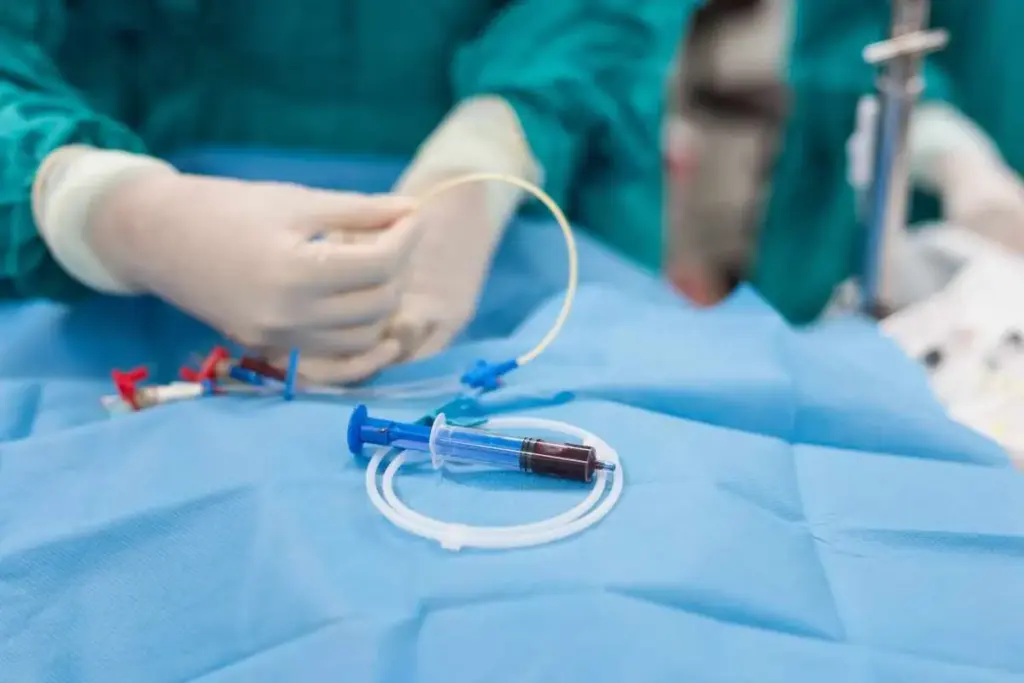
Coronary artery disease is a complex condition that needs personalized treatment. The number of coronary artery bypass grafts (CABGs) a patient can get depends on the blocked arteries and their anatomy.
Usually, CABG surgery uses 2 to 4 grafts. But, some cases might need more. Our medical team looks at the disease’s severity and the patient’s anatomy to choose the best treatment.
We tailor our care to meet each patient’s unique needs. This way, we ensure effective and complete care for those having CABG surgery.
Key Takeaways
- The number of CABGs depends on the extent of blocked arteries and individual anatomy.
- The typical number of grafts used in CABG surgery ranges from 2 to 4.
- Complex cases may require more grafts.
- Personalized treatment approaches are key for effective care.
- Our medical experts consider various factors to determine the best course of treatment.
Understanding Coronary Artery Bypass Surgery

CABG surgery, also known as bypass surgery, helps restore blood flow to the heart. It’s done to ease symptoms of coronary artery disease. This disease happens when the heart’s arteries get narrowed or blocked.
What is CABG Surgery?
Coronary artery bypass grafting is a surgery. It involves grafting a vessel to bypass a blocked or narrowed artery. This surgery helps restore blood flow to the heart muscle. It also lowers the risk of heart attack and other heart problems.
The Purpose of Coronary Revascularization
The main aim of CABG surgery is to improve blood flow to the heart. This is key to relieving symptoms like angina. It also improves the patient’s quality of life.
The benefits of this surgery include:
- Reduced symptoms of angina
- Improved survival rates
- Enhanced physical capability
Historical Development of CABG
CABG surgery has seen a lot of progress over the years. It started with the first successful surgery and has grown to include modern techniques. These advancements have made CABG a safe and effective treatment for heart disease.
Learning about CABG surgery helps patients understand its importance. It shows how this procedure has evolved to save lives.
What Are Bypass Grafts?

In CABG surgery, bypass grafts reroute blood flow around blocked arteries. Bypass grafts are taken from other body parts. They create a detour around blocked or narrowed coronary arteries. This restores blood flow to the heart muscle.
Definition and Function of Grafts
Bypass grafts act as conduits to redirect blood flow. They ensure the heart muscle gets the oxygen and nutrients it needs. The grafts are chosen and implanted to fit the patient’s anatomy and condition.
How Grafts Restore Blood Flow
By bypassing the blocked artery, grafts restore normal blood flow to the heart. This relieves symptoms like chest pain and shortness of breath. Effective grafting greatly improves the patient’s quality of life.
The Importance of Graft Selection
The choice of graft is critical. It depends on the patient’s health, the extent of coronary artery disease, and the surgeon’s preference.
Matching Grafts to Patient Needs
Surgeons evaluate the patient’s condition to pick the best graft. This ensures the best outcomes.
Considerations for Graft Viability
Graft viability depends on the graft’s source, the patient’s vascular health, and post-operative care. Ensuring graft viability is key for CABG surgery success.
A leading cardiac surgeon says, “Choosing the right graft is vital in CABG surgery. It affects the patient’s recovery and long-term health.”
“The art of graft selection lies in understanding the unique needs of each patient and choosing the graft that will provide the best outcome.”
Typical Number of Bypass Grafts in CABG Surgery
Knowing how many bypass grafts are used in CABG surgery is key for patients. We look at clinical data to share insights on the average number of grafts. We also explore what affects this number.
Statistical Averages from Clinical Data
Recent studies have looked at data from over 50,000 patients. They wanted to find out the average number of bypass grafts in CABG surgery. This big study gives us important info on common graft setups.
Analysis of 50,000+ Patient Outcomes
The study found that 2-graft and 3-graft procedures are the most common. This info helps us understand what CABG surgery usually involves.
|
Number of Grafts |
Percentage of Patients |
|---|---|
|
1 Graft |
15% |
|
2 Grafts |
40% |
|
3 Grafts |
30% |
|
4 or More Grafts |
15% |
Most Common Graft Configurations
The left internal thoracic artery (LITA) and saphenous vein grafts are most used. They are chosen for their lasting quality and success.
Single vs. Multiple Bypass Procedures
Choosing between single or multiple bypass procedures depends on the disease’s extent. More grafts are needed for complex cases.
Complex Cases Requiring More Grafts
In complex cases, more grafts are used to ensure good blood flow. These cases often involve widespread disease or previous surgeries.
Understanding the usual number of bypass grafts in CABG surgery helps us see its complexity and variety. It’s a life-saving procedure with many factors at play.
Types of Bypass Grafts and Their Longevity
In CABG surgery, picking the right bypass graft is key. Each graft type has its own success rate over time. How long a graft lasts is very important for the surgery’s success.
Left Internal Thoracic Artery (LITA) Grafts
LITA grafts are the top choice for CABG surgery. They are known for their high success rate over time.
90% Long-term Patency Rate
Research shows LITA grafts work well for about 90% of patients. This makes them a top choice for fixing heart blood flow.
Radial Artery Grafts
Radial artery grafts are another option for CABG surgery. They’re used when LITA grafts aren’t possible.
79% Long-term Patency Rate
Radial artery grafts work for about 79% of patients. While not as good as LITA grafts, they’re a solid choice.
Right Internal Thoracic Artery Grafts
Right internal thoracic artery grafts are used too. They’re often chosen for patients needing more than one graft.
76% Long-term Patency Rate
These grafts last about 76% of the time. They’re a good option for CABG surgery.
Saphenous Vein Grafts
Saphenous vein grafts come from the leg. They’re used when other grafts aren’t available.
74% Long-term Patency Rate
These grafts last about 74% of the time. While not as good as artery grafts, they’re a valuable choice.
A study found that the graft type greatly affects CABG surgery outcomes.
“Arterial grafts, like LITA, last longer than saphenous vein grafts.”
This shows why choosing the right graft is so important. It depends on the patient’s needs and body.
Factors Determining the Number of Bypass Grafts
The number of bypass grafts needed for CABG surgery depends on several key factors. It’s important for both surgeons and patients to understand these factors. This helps them see how complex and unique each CABG procedure is.
Extent of Coronary Artery Disease
The severity of coronary artery disease (CAD) is a major factor. Patients with more widespread CAD often need more grafts. This is to ensure enough blood flow to the heart muscle. A study on the National Center for Biotechnology Information website highlights the importance of CAD extent in surgery.
Patient’s Individual Anatomy
Every patient’s anatomy is different. The size and condition of their coronary arteries affect graft numbers. Surgeons must carefully plan based on these anatomical details before surgery.
Surgeon’s Assessment and Approach
The surgeon’s expertise and approach are also key. They consider the patient’s health, any other health issues, and the CAD specifics. This helps them decide on the best surgical plan.
Pre-operative Diagnostic Findings
Diagnostic tests before surgery are essential. They help determine how many grafts are needed. Important tests include:
Angiography Results
Angiography gives detailed images of the coronary arteries. This helps surgeons plan the grafting strategy.
Cardiac Function Evaluation
Checking the heart’s function is also important. It helps surgeons understand if the heart can handle the surgery. This affects how many grafts are needed.
The Complete Bypass Surgery Process
Coronary artery bypass grafting (CABG) has many steps, from the first check-up to aftercare. We know this complex process can be scary for patients. So, let’s look at the main parts of bypass surgery.
Pre-surgical Evaluation
The first step is a detailed check-up before surgery. This includes tests to see how bad the heart disease is and the patient’s health. Our team works together to figure out the best surgery plan for each patient.
Harvesting Graft Vessels
During surgery, we take graft vessels from other parts of the body. We usually use veins from the legs or arteries from the chest or arms. The choice depends on the patient’s body and the surgeon’s choice.
Creating the Bypass Connections
After getting the graft vessels, the surgeon makes the bypass connections. This means attaching the grafts to the heart’s arteries, skipping the blocked parts to get blood flowing again.
Completing the Procedure
After making the bypass connections, the team finishes the surgery. They close the cut and watch the patient closely right after.
Closing the Surgical Site
Closing the cut means sewing or stapling it shut. This makes sure the wound is safe and lowers the chance of problems.
Immediate Post-operative Monitoring
Watching the patient closely right after surgery is key. Our team keeps an eye on the patient’s health and signs of trouble in the intensive care unit.
Knowing all about bypass surgery helps patients get ready for what’s coming. Our team is here to offer caring support at every step.
Double, Triple, and Quadruple Bypass: What’s the Difference?
Coronary artery bypass grafting (CABG) is a surgery that can use different numbers of grafts. This leads to terms like double, triple, and quadruple bypass. The number of grafts needed depends on how bad the coronary artery disease is and the patient’s body.
Double Bypass Explained
A double bypass surgery makes two bypass grafts to help blood flow to the heart. This is for two blocked or narrowed coronary arteries. The goal is to improve blood flow and reduce symptoms of coronary artery disease.
Triple Bypass Procedures
In a triple bypass surgery, three grafts are used to bypass three blocked or narrowed coronary arteries. This is a more complex procedure than a double bypass. The use of three grafts allows for a more complete restoration of blood flow to the heart muscle.
Quadruple Bypass and Beyond
A quadruple bypass involves four grafts to bypass four separate blockages in the coronary arteries. This is a more extensive procedure and is typically used in patients with severe coronary artery disease. In some complex cases, even more grafts may be required.
Five or More Grafts in Complex Cases
In certain situations, patients may require five or more grafts due to the complexity and severity of their coronary artery disease. These cases are less common and are typically associated with more advanced disease. Our surgical team carefully evaluates each patient’s condition to determine the best approach.
Naming Conventions in Bypass Surgery
The naming conventions for bypass surgeries are based on the number of grafts performed during the procedure. For instance, a double bypass involves two grafts, while a triple bypass involves three. This naming system helps in understanding the extent of the surgery and the complexity of the coronary artery disease being treated.
|
Type of Bypass |
Number of Grafts |
Description |
|---|---|---|
|
Double Bypass |
2 |
Two grafts to bypass two blockages |
|
Triple Bypass |
3 |
Three grafts to bypass three blockages |
|
Quadruple Bypass |
4 |
Four grafts to bypass four blockages |
As we have seen, the difference between double, triple, and quadruple bypass surgeries lies in the number of grafts used to restore blood flow to the heart. Understanding these differences is important for both patients and healthcare providers.
Clinical Outcomes Based on Number of Bypass Grafts
The results of CABG surgery change with the number of bypass grafts used. It’s key for patients and doctors to understand these outcomes.
Survival Rates and Graft Numbers
Research shows that survival rates don’t really change much with more grafts. This is true with today’s surgery methods.
Quality of Life After Multiple Grafts
People with more grafts see big boosts in quality of life. They feel better and can do more physically.
Long-term Patency Considerations
How well a graft lasts is key to CABG success. Things like graft type, patient health, and lifestyle play a big role.
Factors Affecting Graft Durability
Several things can make a graft last longer. These include the graft type, patient health, and care after surgery.
Modern Protocols Improving Outcomes
New surgery methods, like using more grafts, have made CABG better for patients.
|
Graft Type |
5-Year Patency Rate |
10-Year Patency Rate |
|---|---|---|
|
LITA |
95% |
90% |
|
Saphenous Vein |
80% |
60% |
|
Radial Artery |
85% |
70% |
Liv Hospital’s Approach to Bypass Surgery
At Liv Hospital, we’re all about top-notch care in bypass surgery. We follow the world’s best standards. Our cardiac surgery team uses the latest tech for precise surgeries.
International Standards and Protocols
We stick to the newest academic and ethical guidelines in our surgeries. This way, we aim for the best results for our patients. Our commitment to international standards means our patients get the best care.
Multiarterial Grafting Expertise
Our surgeons are pros at multiarterial grafting. This method leads to better long-term results for our patients. It lets us customize care for each patient’s needs.
Patient-Centered Care Philosophy
At Liv Hospital, we put patients first. Our patient-centered care means we focus on each patient’s unique needs. From personalized treatment planning to comprehensive follow-up care, we’re all about you.
Personalized Treatment Planning
We know every patient is different. So, we create personalized treatment plans just for them. Our team works closely with patients to meet their specific needs.
Comprehensive Follow-up Care
Our care doesn’t stop after surgery. We offer comprehensive follow-up care for a smooth recovery. This ongoing support is key to our patient-centered care.
Conclusion: The Future of Bypass Surgery
Coronary artery bypass grafting (CABG) surgery has grown a lot over time. How many grafts a patient needs depends on their disease and body shape.
New surgical methods and rules are making CABG better. The future of bypass surgery is bright, with more tech and skill helping patients. We can look forward to even better care.
At Liv Hospital, we aim to give top-notch healthcare to all patients. Our team works hard to offer care that fits each patient’s needs. We use the newest CABG surgery methods to help our patients get the best results.
The future of bypass surgery will bring more new ways to operate and care for patients. We’re all about keeping up with these changes. Our goal is to give our patients the best care and support every step of the way.
FAQ
What is CABG surgery?
CABG (Coronary Artery Bypass Grafting) surgery is a way to fix blocked heart arteries. It improves blood flow by bypassing the blocked parts.
How many bypass grafts can a patient have?
The number of grafts varies. It depends on how bad the heart disease is and the patient’s body. Usually, it’s between one and five grafts.
What determines the number of bypass grafts needed?
Several things decide how many grafts are needed. These include how bad the heart disease is, the patient’s body, and what the doctor finds before surgery. Tests like angiography and checking the heart’s function are important.
What are the different types of bypass grafts used in CABG surgery?
There are different grafts used. These include the Left Internal Thoracic Artery (LITA) grafts, Radial Artery grafts, Right Internal Thoracic Artery grafts, and Saphenous Vein grafts. Each has its own success rate over time.
What is the difference between double, triple, and quadruple bypass surgeries?
Double, triple, and quadruple bypass surgeries mean different numbers of grafts. Double uses two, triple uses three, and quadruple uses four. Each addresses different levels of heart disease.
How does graft selection impact the outcome of CABG surgery?
Choosing the right graft is key. It affects how well the surgery works in the long run. The choice depends on the graft’s health, the patient’s body, and the surgeon’s preference.
What is the typical process of bypass surgery?
Bypass surgery starts with tests before surgery. Then, grafts are taken and the bypasses are made. After that, the surgery is finished. The patient is then watched and cared for after surgery.
What are the clinical outcomes based on the number of bypass grafts?
The number of grafts affects how well the patient does. More grafts are used for more complex cases. This can lead to better survival rates and quality of life.
How does Liv Hospital approach bypass surgery?
Liv Hospital follows international standards. They use advanced grafting techniques and focus on the patient. This ensures each patient gets the best care and follow-up.
What is the future of bypass surgery?
Bypass surgery is getting better. New techniques and care methods are being developed. This could lead to even better results for patients in the future.
What is coronary artery bypass grafting?
Coronary artery bypass grafting is a surgery. It bypasses blocked heart arteries with grafts. This restores blood flow to the heart.
What is the role of angiography in CABG surgery?
Angiography is very important. It helps find heart disease and plan surgery. It shows detailed images of the arteries and where blockages are.
How does the extent of coronary artery disease affect CABG surgery?
The extent of heart disease affects the surgery. More disease means more grafts and complex surgery. This makes the surgery more challenging.
References
National Center for Biotechnology Information. Evidence-Based Medical Insight. Retrieved from https://pmc.ncbi.nlm.nih.gov/articles/PMC1767742/



 Departments
 Related Videos
 Our Doctors
 News
News


