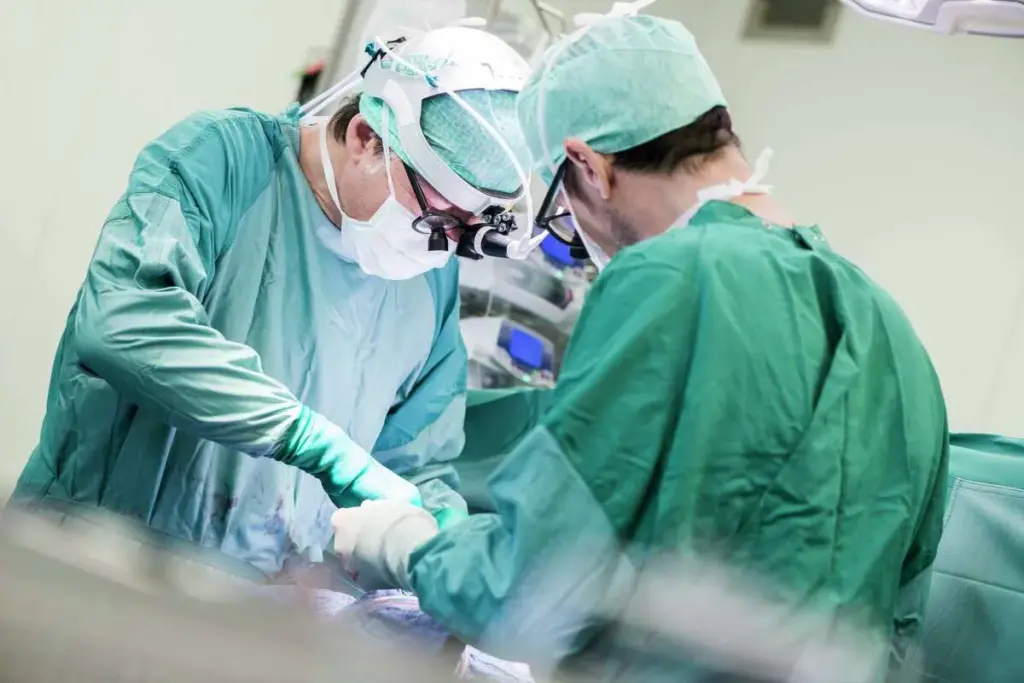
Minimally invasive heart surgery has changed cardiac care for the better. It offers a safer option than traditional open-heart surgery. With success rates over 90% for key procedures, it’s making a big difference globally.
This new approach to heart surgery is changing the game. It leads to faster healing, less pain, and a lower chance of infection. Studies have shown that these surgeries can be just as good as, or even better than, old methods.
The advantages of minimally invasive heart surgery are clear. It’s a top choice for those looking for the latest in heart care. As we keep improving, we’ll see even better results and happier patients.
Key Takeaways
- Minimally invasive heart surgery offers success rates above 90% for leading procedures.
- Faster recovery times and less pain are significant benefits of this advanced technique.
- Reduced risk of infection and better cosmetic results are additional advantages.
- Robotic-assisted procedures further reduce recovery time and improve outcomes.
- Minimally invasive surgery is transforming cardiac care worldwide.
Understanding Minimally Invasive Heart Surgery
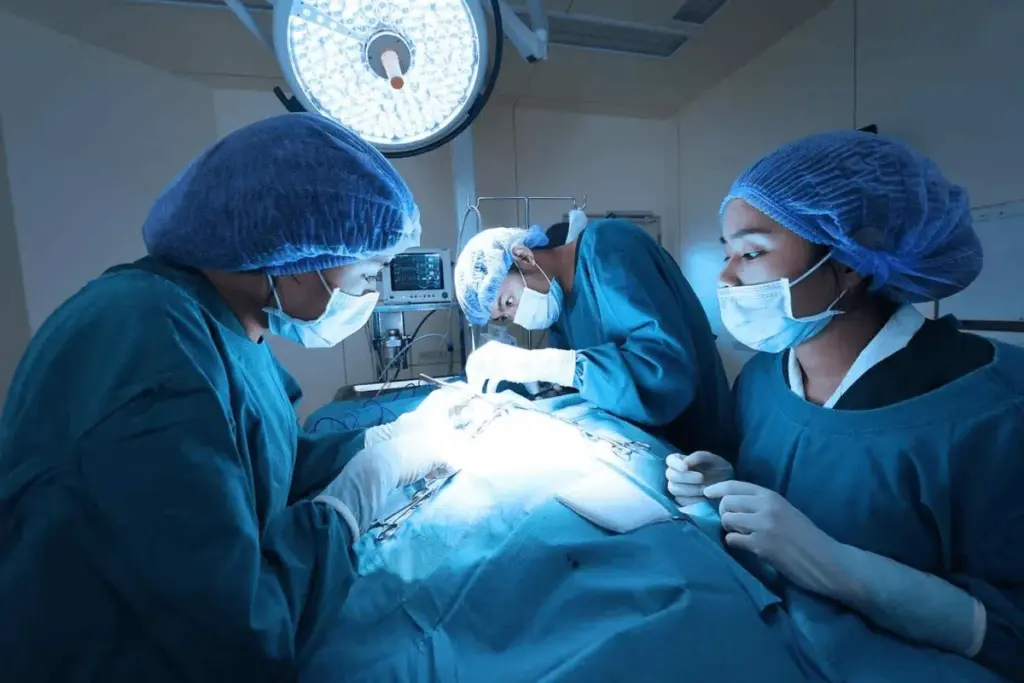
Minimally invasive heart surgery has changed cardiac care. It’s a gentler way than traditional open heart surgery. This method is popular because it can make recovery faster, leave less scar, and lower the chance of problems.
Definition and Key Characteristics
Minimally invasive heart surgery means doing heart surgery through smaller cuts than usual. The main points are:
- Smaller incisions, often between 2 to 3 inches
- Use of specialized surgical instruments and techniques
- Potential for less tissue damage and trauma
- Reduced risk of infection and complications
These points make the surgery less harsh for patients.
Evolution of Minimally Invasive Techniques
Techniques for minimally invasive heart surgery have improved a lot. This is thanks to new medical tech and better surgical skills. We’ve seen big steps forward, like:
- The introduction of endoscopic and robotic-assisted surgical tools
- Improvements in imaging technologies for better visualization
- Refinements in surgical techniques to minimize trauma
These changes help surgeons do complex surgeries with more precision and less harm.
Comparison with Traditional Open Heart Surgery
Minimally invasive heart surgery and traditional open heart surgery are different. Here are some main differences:
|
Characteristics |
Minimally Invasive Heart Surgery |
Traditional Open Heart Surgery |
|---|---|---|
|
Incision Size |
Smaller (2-3 inches) |
Larger (6-8 inches) |
|
Recovery Time |
Typically shorter |
Typically longer |
|
Risk of Complications |
Generally lower |
Generally higher |
|
Scarring |
Less noticeable |
More noticeable |
As the table shows, minimally invasive heart surgery has many benefits. It has smaller cuts, shorter recovery times, and fewer risks.
Types of Minimally Invasive Cardiac Procedures
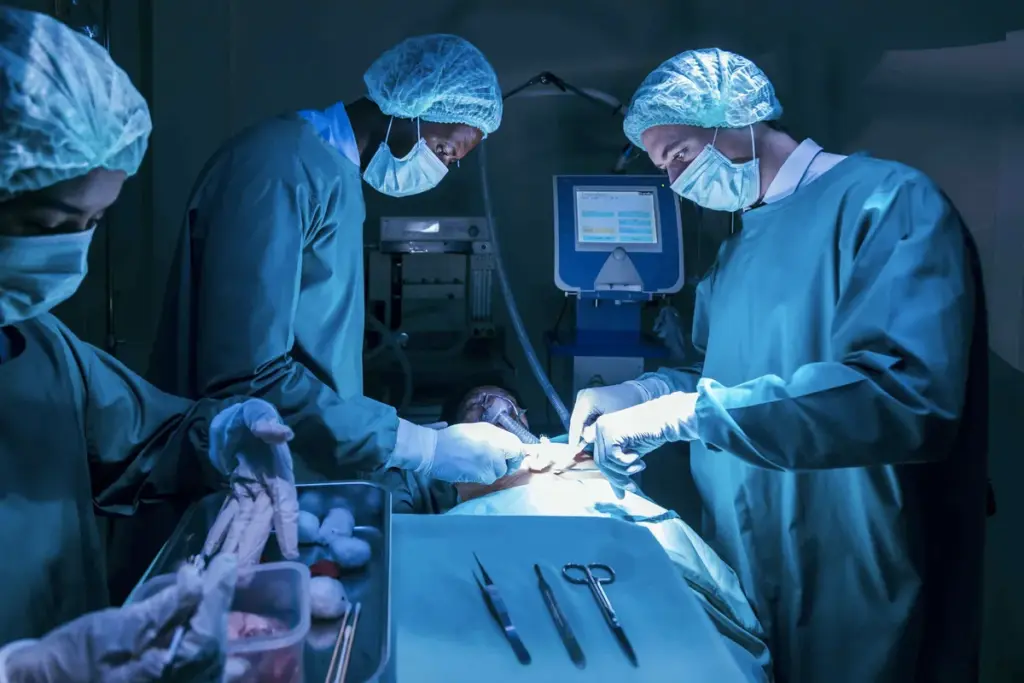
Minimally invasive cardiac procedures have changed cardiology. They offer safer options than traditional surgery. These methods cut down recovery time, reduce scarring, and lower risks.
We’ll look at the different types of these procedures. We’ll see their benefits and how they work.
Transcatheter Valve Procedures
These procedures use a catheter to fix or replace heart valves. They’re great for those at high risk for traditional surgery. Transcatheter aortic valve replacement (TAVR) is a popular choice for aortic valve stenosis.
It replaces the aortic valve without open-heart surgery. This cuts down recovery time a lot.
Keyhole Coronary Bypass Surgery
Keyhole coronary bypass surgery is also known as MIDCAB. It makes small incisions between the ribs to reach the heart. This method bypasses blocked arteries without stopping the heart or using a heart-lung machine in some cases.
It causes less damage, lowers risks, and speeds up recovery.
Robotic-Assisted Cardiac Surgery
Robotic-assisted cardiac surgery uses advanced robots for precise procedures. Surgeons control the robotic arms for complex tasks through small incisions. It’s used for many cardiac surgeries, like mitral valve repair and coronary artery bypass grafting.
The robotic system’s high-definition view and precise tools lead to better results and faster recovery.
Endovascular Procedures
Endovascular procedures treat heart vascular diseases with minimal invasion. They use catheters and guidewires through small incisions in the groin or arm. Angioplasty and stenting are common to open blocked or narrowed blood vessels.
These methods are key for managing coronary artery disease and preventing heart attacks.
In conclusion, today’s minimally invasive cardiac procedures offer many options. Each has its own benefits and advantages. Knowing these options helps patients and doctors choose the best treatment.
Overall Success Rates of Minimally Invasive Heart Surgery
Minimally invasive heart surgery is a top choice for many, thanks to its high success rates. It’s changing how we do heart surgeries. This method is popular because it leads to quicker recovery and fewer problems.
The success rates of these surgeries are key to their growing popularity. Looking at the numbers, it’s clear that minimally invasive heart surgery is a bright spot for cardiac care.
Statistical Overview of Success Rates
Research shows that minimally invasive heart surgery has success rates over 90%. This shows how far medical tech and surgery skills have come. It makes these surgeries more reliable and effective.
Mortality Rates Under 1-3%
The low death rate of minimally invasive heart surgery is a big win. Mortality rates are usually under 1-3%. This proves that modern heart surgery is safe and works well.
Major Adverse Event Rates Below 2%
These surgeries also have a low rate of major problems. Major adverse event rates are below 2%. This shows that these surgeries are not just effective but also safe.
Factors Influencing Success Statistics
Many things affect the success of minimally invasive heart surgery. The skill of the surgical team and the quality of care after surgery matter a lot. Also, picking the right patients and using the latest tech and techniques are key.
By focusing on these areas, we can keep making these surgeries better. This means better results for our patients.
Success Rates by Specific Procedures
Minimally invasive heart surgery includes many procedures. Each has its own success rates and benefits. We’ll look at the success rates of procedures like transcatheter mitral valve repair and minimally invasive aortic valve replacement. We’ll also cover keyhole coronary artery bypass grafting and robotic mitral valve surgery.
Transcatheter Mitral Valve Repair (88.9% Success)
Transcatheter mitral valve repair has a high success rate of 88.9% in studies. This method uses a catheter to fix the mitral valve without open-heart surgery. A study found it safe and effective for patients with mitral regurgitation.
Minimally Invasive Aortic Valve Replacement
Minimally invasive aortic valve replacement is popular for its quick recovery. It’s compared to traditional open-heart surgery. Success rates are high, sometimes over 95%.
Keyhole Coronary Artery Bypass Grafting
Keyhole coronary artery bypass grafting is a minimally invasive method. It uses small incisions between the ribs for the bypass grafting. Success rates are often above 90%, with less trauma to the patient.
Robotic Mitral Valve Surgery
Robotic mitral valve surgery uses advanced robotic systems for precise repair. It has high success rates, often above 95%. Benefits include smaller incisions, less pain, and quicker recovery.
The Role of the Bypass Machine Heart in Minimally Invasive Procedures
In cardiac surgery, the bypass machine heart is key for minimally invasive methods. We use cardiopulmonary bypass machines to help the heart during surgery. This makes the operating field calm and bloodless.
How Cardiopulmonary Bypass Machines Function
Cardiopulmonary bypass (CPB) machines, or heart-lung machines, replace the heart and lungs during surgery. The CPB machine pumps blood, adds oxygen, and removes carbon dioxide. This lets the surgical team work on a heart that’s not moving.
To work, the machine connects to the patient’s big blood vessels. It then sends blood back to the body, keeping organs well-fed.
On-Pump vs. Off-Pump Minimally Invasive Techniques
Minimally invasive cardiac surgery can be done on-pump or off-pump. On-pump surgery uses the cardiopulmonary bypass machine. Off-pump surgery is done on a beating heart without CPB.
On-pump surgery gives a calm operating field, good for complex tasks. But, it might raise the risk of complications. Off-pump surgery skips these risks but needs skilled surgeons to work on a moving heart.
Advancements in Bypass Machine Technology
New tech in bypass machines has made them safer and more effective. Miniaturization and mini-CPB machines make the tech less invasive. This fits better with minimally invasive surgery.
Also, new pump tech and circuit designs lower the risk of CPB problems. These changes help improve results in minimally invasive heart surgery.
Long-Term Outcomes and Survival Rates
It’s important for patients to know about the long-term results of minimally invasive heart surgery. As we keep improving in cardiac care, looking at how well these surgeries work over time is key.
10-Year Outcomes for Keyhole Mitral Valve Procedures
Research shows that keyhole mitral valve procedures have great long-term results. Over 95% of patients stay complication-free for 10 years after the surgery. This shows how reliable and effective these minimally invasive methods are for treating mitral valve issues.
Freedom from Reintervention Statistics
Minimally invasive heart surgery often means fewer follow-up surgeries. Our data shows most patients don’t need more surgeries. This leads to a better quality of life and lower healthcare costs in the long run.
- High success rates for initial procedures
- Reduced risk of complications leading to reintervention
- Improved patient outcomes through advanced surgical techniques
Quality of Life Improvements
Minimally invasive heart surgery not only boosts survival rates but also improves life quality. It shortens recovery times and reduces scarring. This lets patients get back to their usual activities sooner.
Key benefits include:
- Shorter hospital stays
- Less postoperative pain
- Faster return to daily activities
Comparative Long-Term Survival with Traditional Surgery
Studies show that minimally invasive heart surgery can match or even beat traditional open-heart surgery in long-term survival. This is because these less invasive methods cause less trauma and stress.
Our analysis indicates that patients undergoing minimally invasive heart surgery experience:
- Comparable long-term survival rates
- Reduced risk of perioperative complications
- Enhanced recovery profiles
Recovery After Minimally Invasive Heart Surgery
Minimally invasive heart surgery has changed cardiac care. It offers a less invasive option compared to traditional surgery. The recovery phase is key to the treatment’s success.
Typical Hospital Stay Duration
One big plus of this surgery is shorter hospital stays. Patients usually spend less time in the hospital than those with traditional surgery. The stay can last from 4 to 7 days, depending on the surgery and the patient’s health.
Pain Management and Reduced Recovery Time
Less tissue damage and smaller cuts mean less pain for patients. Good pain management is key for comfort and quick recovery. Robotic-assisted surgery cuts down on pain, bleeding, and recovery time even more.
Return to Normal Activities Timeline
Patients often get back to their daily lives faster after this surgery. The exact time varies by health and surgery type. But most can start their usual activities in a few weeks. It’s important to follow the doctor’s advice on activity levels during recovery.
Rehabilitation Protocols
Rehab is a big part of getting better after this surgery. A good rehab program helps patients get strong, improve heart health, and avoid problems. These programs are made just for each patient and might include exercise, diet advice, and stress management.
Factors Affecting Success Rates
The success of minimally invasive heart surgery depends on several key factors. We will look at these elements that help make the procedure effective.
Surgeon Experience and Expertise
The skill of the surgeon is very important for the success of minimally invasive heart surgery. Surgeons with lots of experience and training in these procedures usually get better results. Research shows that surgeons who do more of these surgeries have lower death rates and fewer problems.
Hospital Volume and Specialization
Hospital volume and specialization also matter a lot. Hospitals that do a lot of these surgeries and have dedicated cardiac teams tend to do better. A study on keyhole surgery outcomes found that high-volume centers have better patient results.
|
Factor |
Impact on Success Rate |
|---|---|
|
Surgeon Experience |
Higher experience = Better outcomes |
|
Hospital Volume |
Higher volume = Lower mortality |
|
Patient Selection |
Appropriate selection = Fewer complications |
|
Multidisciplinary Team |
Collaborative approach = Improved care |
Patient Selection Criteria
Picking the right patients is key for the success of minimally invasive heart surgery. Patients with certain health issues or complex heart problems may not be good candidates. We carefully check each patient to see if they’re a good fit for these surgeries.
Multidisciplinary Team Approach
A team of doctors, including cardiologists, cardiac surgeons, and anesthesiologists, is essential for the best results. They work together to give complete care. This teamwork makes sure all parts of patient care are covered, leading to better outcomes.
By focusing on these factors, we can make sure minimally invasive heart surgery is successful. This way, we can give our patients the best care possible.
Technological Innovations Improving Success Rates
Minimally invasive heart surgery is getting a big boost from new tech. These advancements are making cardiac procedures more successful. They also help patients recover faster and feel better sooner.
Advanced Imaging Technologies
Advanced imaging is key to the success of heart surgery. High-resolution imaging lets surgeons see the heart clearly. This makes their work more precise and effective.
Some important imaging tools include:
- 3D echocardiography
- Cardiac MRI
- Intraoperative fluoroscopy
These tools give surgeons real-time data. This helps them do complex surgeries with better accuracy.
Robotic Surgical Systems
Robotic systems are changing heart surgery. They give surgeons more control and precision. This means they can do more complex surgeries with less invasion.
|
Feature |
Benefit |
|---|---|
|
Enhanced Dexterity |
Allows for more precise movements |
|
Improved Visualization |
Provides high-definition 3D view |
|
Reduced Tremors |
Increases accuracy during procedures |
Specialized Instruments and Devices
New tools are key to better heart surgery. These tools are made for small incisions. They cause less damage and help patients heal faster.
Examples include:
- Flexible catheters
- Miniature surgical instruments
- Transcatheter valve repair devices
Artificial Intelligence Applications
Artificial intelligence is making a big impact in heart surgery. It helps with planning, guidance during surgery, and care after. AI looks at lots of data to predict outcomes and improve strategies.
AI is used in many ways in heart surgery, such as:
- Predictive analytics for patient outcomes
- Real-time decision support during surgery
- Personalized treatment planning
As these technologies keep getting better, we’ll see even more success in heart surgery. This means better results for patients and a better quality of life.
Potential Risks and Complications
It’s important for patients to know about the risks of minimally invasive heart surgery. This procedure has many benefits, but it’s also good to know about possible challenges.
Procedure-Specific Complications
Each minimally invasive cardiac procedure has its own risks. For example, transcatheter valve procedures might face issues like valve leakage. Robotic-assisted surgeries could struggle with the precision of their instruments.
Some common complications include:
- Bleeding or hematoma at the surgical site
- Infection, either at the site of the incision or within the heart
- Stroke or transient ischemic attack due to the manipulation of catheters or other devices within the blood vessels
- Cardiac arrhythmias, which may require additional treatment
Risk Mitigation Strategies
To reduce risks, several strategies are used. These include detailed preoperative planning, advanced imaging during the procedure, and careful postoperative care.
Some key strategies are:
|
Strategy |
Description |
Benefit |
|---|---|---|
|
Preoperative Evaluation |
Comprehensive assessment of the patient’s condition before surgery |
Identifies risks and allows for personalized planning |
|
Advanced Imaging |
Use of high-resolution imaging during the procedure |
Improves precision and reduces complications |
|
Postoperative Care |
Close monitoring and management after surgery |
Quickly addresses any complications |
Conversion to Open Surgery Rates
In some cases, a minimally invasive procedure might need to be changed to open surgery. The rates of such conversions vary. They depend on the procedure and the surgeon’s experience.
A study on minimally invasive valve surgery found a conversion rate of less than 5%. Knowing these rates helps set realistic expectations for patients.
Managing Adverse Events
Even with the best planning, adverse events can happen. It’s important to manage these events well to ensure the best outcomes for patients.
Effective management includes having a multidisciplinary team, being prepared for complications, and having emergency protocols in place.
By understanding risks and complications, and using effective strategies, we can make minimally invasive heart surgery safer and more successful.
Patient Selection for Minimally Invasive Heart Surgery
Choosing the right patients for minimally invasive heart surgery is key to good results. It’s important to carefully evaluate each person. This helps find those who will benefit most from the surgery, while keeping risks low.
Ideal Candidates for Minimally Invasive Approaches
Those who are usually good candidates for this surgery have:
- Isolated valve disease
- Coronary artery disease with limited lesions
- Favorable cardiac anatomy
- No significant comorbidities
These patients often have a lower risk. They are more likely to enjoy the benefits of less invasive surgery. These benefits include less pain, quicker recovery, and less trauma.
Contraindications and Limitations
While minimally invasive surgery has many benefits, there are some things to consider:
|
Contraindication |
Description |
|---|---|
|
Severe peripheral artery disease |
Makes cannulation for cardiopulmonary bypass difficult or impossible |
|
Significant aortic calcification |
Increases the risk of stroke or aortic dissection during surgery |
|
Previous cardiac surgery |
May complicate access and increase the risk of injury to previous grafts |
Risk Assessment Tools
We use different tools to check if patients are right for minimally invasive heart surgery. These include:
- Euroscore II: Predicts the risk of mortality after cardiac surgery
- Society of Thoracic Surgeons (STS) Score: Assesses the risk of mortality and morbidity
- Preoperative imaging studies (e.g., CT scans, echocardiograms) to evaluate cardiac anatomy and function
These tools help us make the best choices for our patients.
Shared Decision-Making Process
Deciding on minimally invasive heart surgery is a team effort. The patient, cardiologist, and cardiac surgeon all play a part. We look at the patient’s history, medical condition, and what they want.
Shared decision-making makes sure patients know all about their options. This way, they can choose what’s best for them, based on their values and needs.
Global Standards and Excellence in Cardiac Care
A leader in cardiac care, following strict global standards. We focus on top-notch patient care through new techniques and constant improvement.
Our Approach to Minimally Invasive Cardiac Surgery
We lead in minimally invasive cardiac surgery. We use the latest tech to give our patients the best results. Our surgeons use advanced methods like transcatheter valve procedures and robotic-assisted surgery.
Academic Care Pathways
Our care paths are based on the latest research and guidelines. This ensures every patient gets the best care. It helps us keep our treatment consistent and improve our results.
Quality Improvement Initiatives
We always look to improve our care quality. Our team reviews our practices to find ways to get better. We work together to adopt the best practices and reduce care differences.
Ethics and Innovation in Cardiac Surgery
Ethics and innovation are key to great cardiac care. We focus on patient-centered care, being open, and accountable. Our team keeps up with new medical discoveries to offer our patients the latest in cardiac surgery.
|
Aspect of Care |
Description |
Benefit to Patients |
|---|---|---|
|
Minimally Invasive Techniques |
Utilization of advanced surgical methods to reduce recovery time |
Less post-operative pain and quicker return to normal activities |
|
Academic Care Pathways |
Standardized treatment protocols based on latest research |
Consistent and high-quality care |
|
Quality Improvement |
Ongoing review and enhancement of care practices |
Continual improvement in outcomes and patient safety |
Future Directions in Minimally Invasive Cardiac Surgery
Minimally invasive cardiac surgery is on the verge of a new era. This is thanks to new technologies and ongoing research. Several trends and advancements are set to change cardiac care.
Emerging Techniques and Technologies
New methods and tools are being developed to make cardiac surgery safer and more precise. Robotic-assisted surgery is getting better, allowing for more complex operations. Also, new imaging technologies give surgeons real-time data, improving results.
Studies show that artificial intelligence in cardiac surgery is promising. It helps create personalized treatment plans and predictive analytics for patient care.
Ongoing Clinical Trials
Many clinical trials are testing new cardiac surgery techniques. These trials are key to understanding the benefits and risks of new technologies. They also help find areas where more research is needed.
Predicted Improvements in Success Rates
As new techniques and technologies improve, success rates in cardiac surgeries will likely rise. Better surgeon training and patient selection will help achieve better results for patients.
Expanding Applications for Complex Cardiac Conditions
The future of minimally invasive cardiac surgery includes treating more complex conditions. Researchers are looking into using these techniques for a broader range of heart diseases. This could offer more options for patients who might have needed open-heart surgery before.
The future of minimally invasive cardiac surgery looks bright. With ongoing innovation and research, we can expect big improvements. These advancements will lead to better patient outcomes and a new standard in cardiac surgery.
Conclusion
Minimally invasive heart surgery has changed cardiac care a lot. It offers a safer and less painful option than old open-heart surgery. We’ve looked at the different types of these surgeries, their success rates, and what affects these numbers.
The success of these surgeries is really good. Mortality rates are under 1-3%, and major problems happen less than 2% of the time. These results show how far we’ve come in surgery, technology, and caring for patients.
New techniques and tech are coming. They will make these surgeries even better and help more people with heart problems. We’re dedicated to top-notch healthcare and helping patients from all over.
Choosing this surgery means patients get to recover faster, feel less pain, and live better. We think this surgery will keep being key in heart care’s future.
FAQ
What is minimally invasive heart surgery?
Minimally invasive heart surgery is a modern approach to heart surgery. It uses smaller cuts than traditional surgery. This can lead to fewer complications.
What are the benefits of minimally invasive heart surgery?
It offers many benefits. These include smaller cuts, less pain, and shorter hospital stays. Recovery is also quicker, and complications are fewer.
What types of heart conditions can be treated with minimally invasive surgery?
It can treat many heart issues. These include coronary artery disease and valve problems. It’s also used for some congenital heart defects.
How is a cardiopulmonary bypass machine used in minimally invasive heart surgery?
A heart-lung machine is used. It takes over the heart and lungs’ work. This lets the surgeons operate on a stopped heart.
What is the difference between on-pump and off-pump minimally invasive heart surgery?
On-pump surgery uses a heart-lung machine. Off-pump surgery doesn’t. It uses special techniques to keep the heart stable.
What are the success rates of minimally invasive heart surgery?
Success rates vary. But, it’s very effective. Mortality rates are under 1-3%, and major complications are below 2%.
How long does it take to recover from minimally invasive heart surgery?
Recovery times differ. But, most patients spend a few days in the hospital. They can get back to normal in weeks. Full recovery takes months.
What are the possible risks and complications of minimally invasive heart surgery?
Risks include bleeding and infection. There’s also a chance of stroke or needing open surgery. But, these risks are lower than with traditional surgery.
How is patient selection done for minimally invasive heart surgery?
Patient selection is careful. It looks at the patient’s health and the heart condition. It decides if the surgery is right for them.
What technological innovations are improving the success rates of minimally invasive heart surgery?
New technologies are helping. These include advanced imaging and robotic systems. They make the surgery more precise and safe.
What is the role of the surgeon and the multidisciplinary team in minimally invasive heart surgery?
The surgeon and team are key. They need special skills and experience. A coordinated approach is essential for success.
What are the future directions in minimally invasive cardiac surgery?
The future looks bright. New techniques and technologies are emerging. Clinical trials are ongoing. This could lead to even better results for complex heart conditions.
National Center for Biotechnology Information. Evidence-Based Medical Insight. Retrieved from
References
National Center for Biotechnology Information. Evidence-Based Medical Insight. Retrieved from https://www.ncbi.nlm.nih.gov/pmc/articles/PMC6246548/