
Learning about coronary artery bypass grafting (CABG) can seem overwhelming, but with the right guidance, you can feel confident and prepared for this important medical step.
At Liv Hospital, we’re dedicated to providing the highest quality care for every bypass surgery heart operation. This life-saving procedure creates a new route for blood to reach the heart by using a healthy blood vessel to bypass a blocked artery.
Every year, about 400,000 people undergo a bypass surgery heart operation, making it one of the most common open-heart procedures worldwide. Our guide will help you understand the CABG procedure — including its purpose, risks, benefits, preparation steps, and recovery process — so you can be fully informed and ready for your surgery.
Key Takeaways
- Understanding the CABG procedure and its benefits
- Preparation is key to a successful surgery
- Liv Hospital provides complete care and support
- Knowing the risks and benefits helps in making informed decisions
- A step-by-step guide to the recovery process
What Is Coronary Artery Bypass Graft (CABG) Surgery?
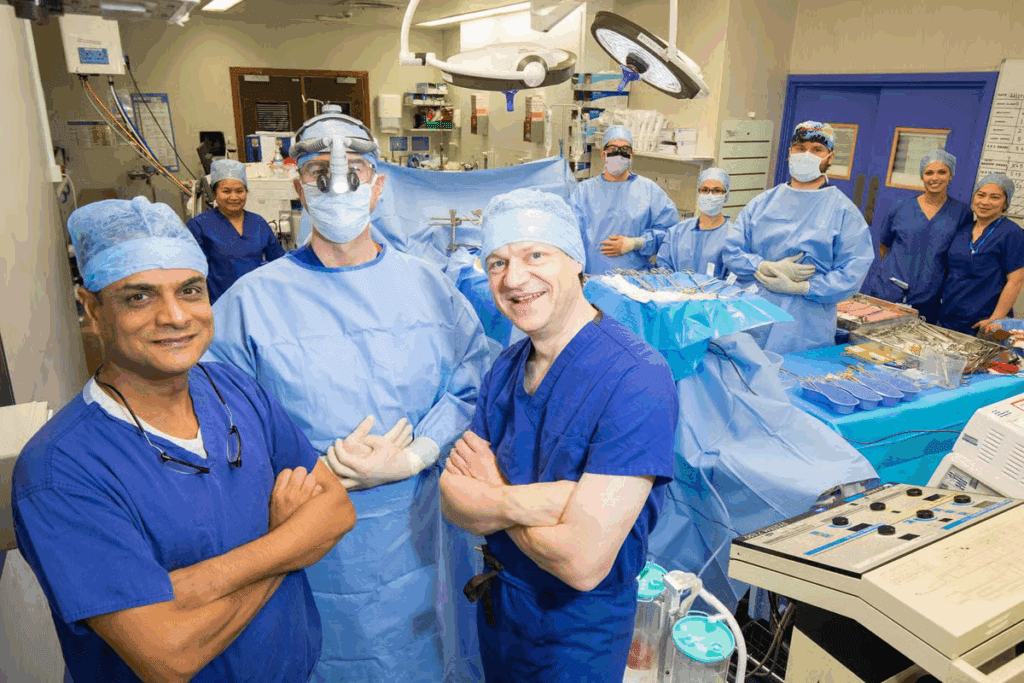
CABG, or Coronary Artery Bypass Grafting, is a surgery to fix heart blood flow. It uses grafts to bypass blocked arteries caused by disease.
Definition and Purpose of CABG
The main goal of CABG surgery is to improve heart blood flow. It does this by bypassing narrowed or blocked arteries. This helps reduce chest pain and shortness of breath, improving life quality.
A surgeon uses a healthy blood vessel as a bypass. This new path helps blood reach the heart, lowering heart attack risks.
Common Terminology: What CABG Abbreviation Stands For
The term CABG means Coronary Artery Bypass Grafting. It’s a key term in medicine, often called “heart bypass surgery.” Knowing this helps patients understand their treatment.
Frequency and Success Rates of the Procedure
CABG surgery is a common and effective treatment for heart disease. Studies show it has a high success rate, improving survival and life quality for many.
| Procedure | Success Rate | Complication Rate |
| CABG Surgery | 90-95% | 5-10% |
| On-Pump CABG | 85-90% | 10-15% |
| Off-Pump CABG | 80-85% | 15-20% |
The table shows success and complication rates for CABG surgery. It shows CABG is effective in treating heart disease.
Understanding the Need for Bypass Surgery Heart Operation

For those with coronary artery disease, knowing when CABG surgery is needed can save lives. CABG is a major surgery that fixes blocked heart arteries. It aims to get blood flowing to the heart again.
Coronary Artery Disease and Blood Flow Obstruction
Coronary artery disease (CAD) happens when heart arteries get narrowed or blocked. This is due to a buildup called atherosclerosis. It can cause chest pain, shortness of breath, and other symptoms. If not treated, it can lead to a heart attack.
The main worry with CAD is the blockage of blood flow. As the disease gets worse, the blockage can severely harm the heart. At this point, medicines or angioplasty might not be enough to fix the problem.
When CABG Becomes Necessary
CABG surgery is needed when CAD causes big blockages in heart arteries. Other treatments might not work or have failed. Doctors decide on CABG after checking with tests like angiograms to see how bad the blockages are.
The table below shows what makes CABG surgery necessary:
| Factor | Description | Implication for CABG |
| Extent of Blockage | Multiple or severe blockages in coronary arteries | Indicates a higher need for CABG to bypass blocked arteries |
| Previous Treatments | Failure or inadequacy of medications or angioplasty | Suggests CABG as a more effective long-term solution |
| Overall Heart Health | Presence of other heart conditions or reduced heart function | May require CABG to improve heart function and reduce risk |
Alternatives to CABG Surgery
While CABG is a top choice for CAD, there are other options. These depend on the disease’s severity and the patient’s situation. These alternatives include:
- Medications: To manage symptoms and slow disease progression.
- Angioplasty and Stenting: Minimally invasive procedures to open blocked arteries.
- Lifestyle Changes: Dietary changes, exercise, and quitting smoking to boost heart health.
Knowing about these options and when CABG is best can help patients make better choices for their care.
Types of Heart Grafts and Bypass Graft Meaning
It’s key to know about the heart grafts used in CABG surgery. The term ‘bypass graft meaning’ means arteries or veins used for blood flow. In CABG, these grafts help blood flow to the heart by bypassing blocked areas.
Saphenous Vein Grafts
Saphenous vein grafts are often used in CABG. They come from the leg. This graft is well-known but might have a higher risk of blockage than artery grafts.
Internal Mammary Artery Grafts
The internal mammary artery is a top choice for grafts. It’s inside the chest and close to the heart. It’s durable and has a high success rate, improving survival and reducing repeat surgeries.
Other Graft Sources
Other grafts include the radial artery from the forearm and the right gastroepiploic artery from the abdomen. The right graft depends on the patient’s health, disease extent, and the surgeon’s choice.
How Surgeons Determine the Best Graft for You
Surgeons look at several things to pick the best graft. These include:
- The patient’s overall health and vascular condition
- The extent and location of coronary artery blockages
- The availability of suitable graft material
- The patient’s lifestyle and anticipated physical demands post-surgery
By weighing these factors, surgeons pick the best grafts for CABG surgery success.
Different Approaches to CABG Surgery
It’s important for patients to know about the different CABG surgery techniques. Each method is chosen based on the patient’s specific needs and health condition.
Traditional On-Pump CABG
Traditional on-pump CABG uses a heart-lung machine to keep blood flowing during surgery. This makes it easier for surgeons to work on a stopped heart, which is helpful in complex cases.
The heart-lung machine takes over the heart’s job. This lets the surgical team stop the heart to do the bypass grafting. But, it might not be best for everyone, depending on their health.
Off-Pump or Beating Heart Surgery
Off-pump CABG is done without a heart-lung machine. The surgeon works on the beating heart.
This method might lower the risk of complications from the heart-lung machine. It could also mean less damage to the body. But, it needs a very skilled surgeon.
Minimally Invasive Direct Coronary Artery Bypass (MIDCAB)
MIDCAB is a less invasive CABG surgery. It uses smaller incisions, usually for the left anterior descending artery.
MIDCAB can cause less tissue damage and lower infection risk. It also leads to quicker recovery times compared to open-heart surgery.
Robotic-Assisted CABG
Robotic-assisted CABG is the most advanced minimally invasive surgery. It uses a robotic system to improve the surgeon’s skills. This allows for precise work through small incisions.
This technique offers the benefits of less pain and faster recovery. It keeps the high precision of surgery.
Risks, Benefits, and Expected Outcomes
When thinking about CABG surgery, it’s key to look at both the benefits and risks. CABG, or Coronary Artery Bypass Grafting, is a big surgery. It aims to improve heart blood flow by bypassing blocked arteries.
Short-term and Long-term Benefits
CABG surgery has many benefits. It can ease chest pain, boost heart function, and increase survival rates for those with severe heart disease. Right after surgery, patients often feel better, with less pain and more energy.
Over time, CABG can lower the risk of heart attacks and might even add years to a patient’s life. It’s very helpful for those with complex heart disease, often more than other treatments like angioplasty.
Potential Complications and Risks
Even though CABG is usually safe, it’s a big surgery with possible risks and complications. These can include bleeding, infection, stroke, and reactions to anesthesia. Some might also experience temporary brain fog after surgery.
Other risks include graft failure and needing more surgery. But, thanks to better surgery and care, these risks are now much lower.
Survival Rates and Quality of Life Improvements
The survival rates after CABG surgery are good, with many patients seeing big life improvements. For some, like those with severe heart disease, CABG can even increase long-term survival chances.
Patients often report feeling better after CABG. They have less chest pain, can do more, and feel happier overall. Cardiac rehab helps a lot, with exercise, education, and support.
Pre-Surgery Preparation: Medical Evaluation
Getting ready for CABG surgery means a detailed medical check-up. This step is key to spotting any risks and making sure you’re as healthy as possible before surgery.
Required Tests and Examinations
Before CABG surgery, you’ll need to do several tests. These include:
- Blood tests to check for infections, blood type, and overall health
- Electrocardiogram (ECG) to assess heart rhythm
- Echocardiogram to evaluate heart function
- Stress test to determine the heart’s ability to function under stress
- Coronary angiogram to visualize the coronary arteries
- Chest X-ray to examine the lungs and heart
These tests help the medical team understand your condition and plan the surgery.
Medication Adjustments
Changing your medications is a big part of getting ready for surgery. You might need to:
- Stop taking blood thinners a few days before surgery
- Adjust the dosage of medications for conditions like diabetes or high blood pressure
- Inform your doctor about all medications, including over-the-counter drugs and supplements
It’s important to follow your doctor’s advice on medication changes to reduce risks during surgery.
Lifestyle Modifications Before Surgery
Making some lifestyle changes can really help your surgery go well. You should:
- Quit smoking at least two weeks before surgery
- Eat a healthy diet full of fruits, vegetables, and whole grains
- Exercise as your doctor recommends
- Manage stress with techniques like meditation or deep breathing
These changes can boost your health and lower the chance of complications.
| Pre-Surgery Preparation | Description | Benefits |
| Medical Tests | Blood tests, ECG, echocardiogram, stress test, coronary angiogram | Identifies any risks, improves health |
| Medication Adjustments | Stopping blood thinners, adjusting dosages | Reduces surgical risks |
| Lifestyle Changes | Quitting smoking, healthy diet, regular exercise, stress management | Boosts health, lowers complications |
Emotional and Practical Preparation
Getting ready for CABG surgery is more than just medical prep. It also means getting emotionally and practically ready. Knowing these areas well can greatly affect your recovery and experience.
Managing Anxiety and Fear
Feeling anxious or scared about CABG surgery is normal. Talking to your healthcare provider about your worries can ease some of that fear. Also, thinking about counseling or joining a support group can offer emotional support and advice from others who’ve been through it.
Family Support and Communication
A strong support system is key during recovery. It’s good to have someone to drive you home and help with daily tasks. Being open with your family about what you need can make recovery smoother.
Financial and Insurance Considerations
Knowing your financial and insurance situation is vital. Check your insurance to understand what’s covered and what you’ll pay out of pocket. Talking to your healthcare provider or a financial advisor can clear up any financial worries and help you plan.
Preparing Your Home for Recovery
Getting your home ready for recovery can greatly improve your comfort and safety. Simple steps like rearranging furniture and stocking up on essentials can help. Also, having a plan for daily tasks and errands during recovery is important.
| Preparation Task | Description | Responsibility |
| Arrange for transportation | Ensure someone is available to drive you home from the hospital | Family/Friends |
| Stock up on essentials | Buy groceries, medications, and other necessary items | Patient/Family |
| Prepare recovery area | Set up a comfortable area for rest and recovery | Patient/Family |
The Procedure for CABG Surgery: What Happens in the Operating Room
Understanding CABG surgery is key to seeing its importance. It’s a complex process aimed at saving lives. The team works together to ensure the best results for the patient.
Anesthesia and Initial Setup
The first step is giving anesthesia to keep the patient comfortable. General anesthesia means the patient will be asleep. After that, the team sets up the chest for surgery and inserts monitoring lines.
Heart-Lung Machine Function
A heart-lung machine is often used in CABG surgeries. It takes over the heart and lungs’ functions. This machine is vital as it allows the surgeons to work on a bloodless and motionless heart.
Graft Harvesting Process
The team then harvests the grafts needed for the bypass. These grafts usually come from the patient’s leg or chest. The graft harvesting is a careful process to prepare the grafts for use.
Creating the Bypass
The main part of CABG surgery is creating the bypass grafts. The team connects the grafts to the coronary arteries, bypassing the blockages. This restores blood flow to the heart, improving the patient’s health and life quality.
| Step | Description | Purpose |
| Anesthesia Administration | General anesthesia is given to the patient. | To ensure the patient remains pain-free and asleep during the surgery. |
| Heart-Lung Machine Setup | The heart-lung machine is connected to the patient. | To circulate and oxygenate the blood while the heart is stopped. |
| Graft Harvesting | Grafts are taken from the patient’s body. | To use in bypassing the blocked coronary arteries. |
| Creating the Bypass | Grafts are attached to bypass blocked coronary arteries. | To restore blood flow to the heart muscle. |
Immediate Post-Operative Care and CABG Nursing
CABG nursing is key in caring for patients after heart bypass surgery. The first days after surgery are critical. They help watch for problems and manage pain well.
Intensive Care Unit Monitoring
Patients after CABG surgery are watched closely in the ICU. We check their heart function and watch for any issues. This helps us catch and fix problems fast.
The ICU team, including CABG nurses, work together to give the best care. They look for heart problems and are ready to act if needed.
Pain Management Strategies
Managing pain is important for comfort and healing. We use medicines and other methods to help with pain. This includes changing how patients sit and using deep breathing exercises.
CABG nurses help figure out how much pain patients have. They work with the team to make sure patients are comfortable without too many side effects.
Common Complications to Watch For
Even though CABG surgery is safe, some problems can happen. These include:
- Bleeding or hemorrhage
- Infection
- Cardiac arrhythmias
- Respiratory complications
CABG nurses know how to spot these problems early. Acting fast can make a big difference in how well patients do.
Transition to Regular Hospital Room
When patients are doing well, they move from the ICU to a regular room. This is a big step towards getting better. Patients start to feel stronger and more able to move.
In the regular room, CABG nurses keep up the care. They focus on pain, wound care, and teaching patients and their families. They help get ready for going home and teach about after-care.
CABG nursing is very important in the recovery process. Nurses watch over patients, manage pain, and look out for problems. They play a big role in helping patients get better.
Recovery Timeline and Rehabilitation
Recovering from CABG surgery is a journey with several steps. It starts in the hospital and continues at home and through rehab programs. Knowing what to expect helps patients get the best results.
Hospital Recovery Phase
The first step is in the hospital. Here, patients are watched closely for any issues and helped with pain. They usually spend a day or two in the ICU before moving to a regular room.
Early mobilization is key to avoid problems like blood clots and pneumonia. Doctors will teach patients simple exercises to keep blood flowing and muscles strong.
First Weeks at Home
After leaving the hospital, patients start their recovery at home. It’s important to follow the post-operative instructions from their healthcare team. This includes taking medicine, caring for the wound, and knowing how much activity is okay.
In the first weeks at home, patients should:
- Rest enough to heal
- Start to move more as their doctor advises
- Eat well to support their healing
Cardiac Rehabilitation Programs
Cardiac rehab is a big part of getting better. It helps patients get stronger, improves heart health, and lowers the chance of future heart issues. These programs include:
| Program Component | Description | Benefits |
| Exercise Training | Supervised exercise sessions tailored to the patient’s condition | Improves cardiovascular health, increases stamina |
| Nutritional Counseling | Guidance on healthy eating habits and meal planning | Supports heart health, aids in weight management |
| Stress Management | Techniques to manage stress and anxiety | Enhances mental well-being, reduces risk of depression |
Being in cardiac rehab can greatly improve life after CABG surgery. It boosts both quality of life and survival rates.
Long-term Recovery Expectations
Long-term recovery from CABG surgery means making lifestyle changes and following medical advice. Patients will see their symptoms improve and health get better over time. Many can get back to their usual activities in a few months.
It’s important for patients to keep a heart-healthy lifestyle. This includes eating right, exercising regularly, and managing stress. These habits help support long-term recovery and heart health.
Conclusion: Life After CABG Surgery
Understanding life after CABG surgery helps patients prepare for the future. Most people feel better after recovering from CABG surgery. Some are symptom-free for many years. We will explore the expected outcomes and long-term recovery to give you a complete understanding of your journey after CABG surgery.
Life after CABG surgery is often marked by significant improvements in overall health and quality of life. Studies have shown that CABG surgery outcomes are generally positive. Many patients experience reduced symptoms and improved heart function. Long-term recovery involves lifestyle adjustments and ongoing medical care to maintain the benefits of the surgery.
As you move forward, it’s essential to follow your healthcare provider’s guidance on medication, diet, and exercise. Cardiac rehabilitation programs can also play a critical role in your recovery. They help you regain strength and confidence. By understanding what to expect, you can take an active role in your long-term recovery. This way, you can enjoy a healthier, more fulfilling life after CABG surgery.
FAQ
What does CABG stand for?
CABG stands for Coronary Artery Bypass Grafting. It’s a surgery to fix blocked heart arteries.
What is a coronary artery bypass graft?
A coronary artery bypass graft is a special graft. It helps bypass blocked arteries to the heart.
Why is CABG surgery necessary?
CABG surgery is needed to treat heart disease. It helps restore blood flow and lowers heart attack risk.
What are the different types of heart grafts used in CABG surgery?
CABG surgery often uses two main grafts. These are saphenous vein grafts and internal mammary artery grafts.
What is the difference between on-pump and off-pump CABG surgery?
On-pump CABG uses a heart-lung machine. Off-pump CABG is done without one, keeping the heart beating.
What are the benefits of CABG surgery?
CABG surgery improves heart blood flow. It also lowers heart attack risk and boosts quality of life.
What are the risks and possible complications of CABG surgery?
CABG surgery can have risks like bleeding and infection. Stroke is also a possibility. We’ll discuss these with your doctor.
How long does it take to recover from CABG surgery?
Recovery from CABG surgery varies. Most patients spend weeks in the hospital and at home.
What is cardiac rehabilitation, and is it necessary after CABG surgery?
Cardiac rehab helps patients recover from heart surgery. It’s often recommended to improve heart health and prevent future problems.
Will I need to make lifestyle changes after CABG surgery?
Yes, you’ll need to make lifestyle changes. Eating healthy, exercising, and quitting smoking can help your recovery.
Can CABG surgery be performed using minimally invasive techniques?
Yes, some CABG surgeries use minimally invasive methods. This includes MIDCAB and robotic-assisted CABG.
How will I be prepared for CABG surgery?
You’ll go through tests and exams. You’ll also adjust medications and make lifestyle changes to prepare for surgery.
What happens during the CABG surgery procedure?
During CABG surgery, you’ll get anesthesia. The team will then take grafts and create bypasses to fix the heart.
What kind of care can I expect after CABG surgery?
After surgery, you’ll get close monitoring in the ICU. Then, you’ll move to a regular room and eventually home to recover.
References:
- Hawkes, A. L., Lo, S. K., & Tunstall-Pedoe, H. (2006). Outcomes of coronary artery bypass graft surgery. PubMed Central (PMC). https://www.ncbi.nlm.nih.gov/pmc/articles/PMC1994021/
- Delimanoli, E., Muurlink, O., Myrianthefs, P., & Korompeli, A. (2024). Cardiac rehabilitation after open heart surgery: A narrative systematic review. Journal of Cardiovascular Development and Disease, 11(11), 376.https://www.mdpi.com/2308-3425/11/11/376
- Pezeshki, P. S., et al. (2023). 7-Year outcomes in diabetic patients after coronary artery bypass graft surgery. BMC Cardiovascular Disorders. https://bmccardiovascdisord.biomedcentral.com/articles/10.1186/s12872-023-03279-8 BioMed Centr