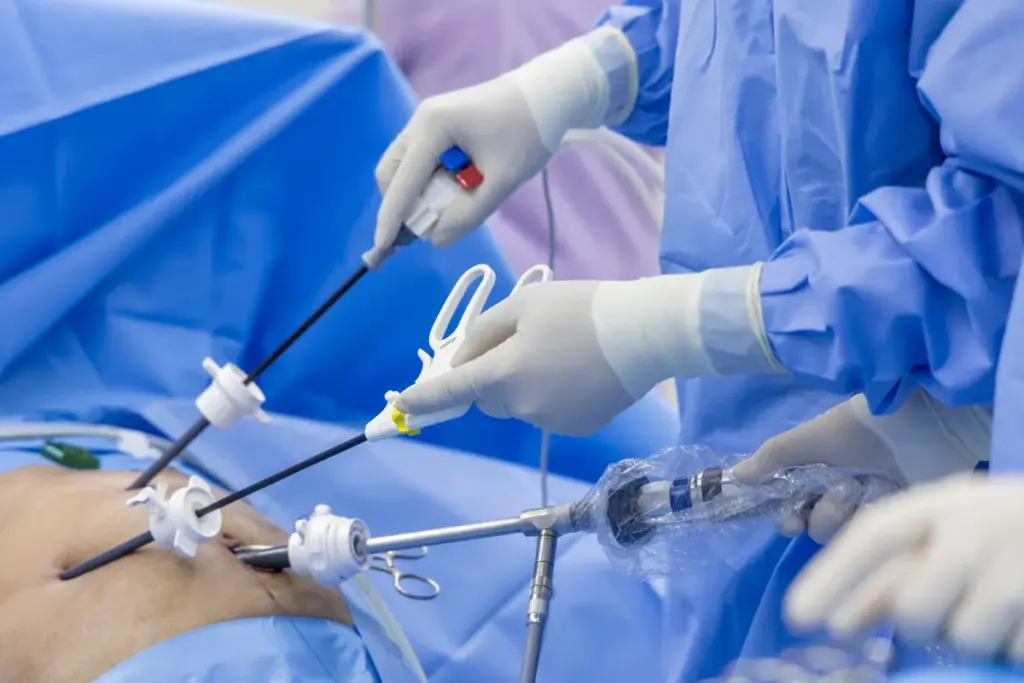
Getting ready for coronary artery bypass graft (CABG) surgery is a detailed process. It includes medical checks, teaching patients, and improving their lifestyle. This helps make the surgery go smoothly and be successful.
Prepare for your cabbage procedure correctly. Learn vital medical steps and amazing ways to ensure a brilliant and safe heart surgery.
Having CABG surgery is a big deal, and being well-prepared is key for the best results. The Centers for Medicare & Medicaid Services (CMS) Transforming Episode Accountability Model (TEAM) works to make care better and cut down on costs for surgeries like CABG.
By mixing medical knowledge with care focused on the patient, we can lower risks and help patients recover faster. Our aim is to offer top-notch healthcare and full support to international patients going through bypass surgery preparation.
Key Takeaways
- Comprehensive preparation is vital for successful CABG surgery.
- Medical checks, teaching patients, and improving their lifestyle are important.
- The CMS TEAM model aims to improve care quality and reduce costs.
- Patient-centered protocols improve surgical results.
- Good preparation cuts down risks and speeds up recovery.
Understanding the CABG Procedure: What is Coronary Artery Bypass Graft Surgery
Learning about CABG surgery is key for those about to undergo it. CABG surgery is a detailed operation. It involves grafting bypasses to the coronary arteries to boost blood flow to the heart.
Definition and Purpose of the CABG Procedure
The CABG procedure is a surgery to help with coronary artery disease. It aims to bypass blocked or obstructed coronary arteries. The main goal is to improve blood flow to the heart muscle, easing symptoms like chest pain and boosting quality of life.
The surgery uses a graft, often from the leg or chest, to bypass the blockage. This graft is connected above and below the blockage. This allows blood to flow around the blockage.
Common Indications for Bypass Surgery
CABG surgery is often needed for those with severe coronary artery disease. It’s for those who haven’t improved with other treatments like angioplasty. Common reasons include:
- Multiple blockages in the coronary arteries
- Blockages in critical areas, such as the left main coronary artery
- Failed angioplasty or stenting procedures
- Severe angina that significantly impacts quality of life
About 25% of CABG patients are 75 or older. This shows the importance of careful geriatric risk assessment and tailored care plans.
Types of Bypass Surgeries
There are different CABG surgeries, including:
- Traditional CABG: This stops the heart and uses a heart-lung machine for circulation.
- Off-Pump CABG: This method does the surgery on a beating heart, possibly reducing complications.
- Minimally Invasive CABG: This uses smaller incisions, leading to less trauma and quicker recovery.
Hospitals in innovative care models, like the CMS TEAM model, focus on better care coordination and cost reduction. This can lead to better patient outcomes and faster recovery.
The Importance of Proper Preparation for Bypass Surgery

Getting ready for bypass surgery is very important. We help patients prepare for coronary artery bypass graft (CABG) surgery. This preparation is key for the best results.
Impact on Surgical Outcomes and Statistics
Research shows that well-prepared patients do better after CABG surgery. This preparation includes many steps and education. It helps patients feel and be better before surgery.
Pre-CABG programs can make patients ready for discharge faster and lower complication rates. These programs involve many healthcare professionals. They include cardiologists, surgeons, nurses, and more.
Reduction in Complication Rates by 15-25%
Proper preparation can cut down on surgery complications. Studies show a 15-25% reduction in CABG surgery complications. This is a big win for patients, as it means better health and shorter hospital stays.
|
Preparation Aspect |
Complication Rate Reduction |
|---|---|
|
Preoperative Education |
18% |
|
Cardiac Rehabilitation |
22% |
|
Nutritional Optimization |
20% |
Improved Recovery Times
Proper preparation also leads to improved recovery times. Research shows a 30% reduction in ICU stay durations and 20% shorter hospital stays for well-prepared patients. This is good for patients and saves healthcare costs.
By focusing on proper preparation, we can improve surgery results, lower complication rates, and speed up recovery.
Initial Consultation and Evaluation Process
The journey to CABG surgery begins with an initial consultation. This is a detailed evaluation that prepares the way for the procedure. It’s where patients learn about their surgical options and the possible risks.
Meeting with Your Cardiac Surgeon
At the initial consultation, patients talk with their cardiac surgeon about their condition and treatment. This is a chance for patients to ask questions and get the surgeon’s view on their case. Effective communication between the patient and surgeon is key for a good outcome.
Comprehensive Medical History Review
The patient’s medical history is thoroughly reviewed to spot any factors that might affect the surgery or recovery. This includes looking at past medical conditions, allergies, and medications. Accurate information is essential to prepare the surgical team for any possible issues.
Discussion of Surgical Options and Risks
The cardiac surgeon will talk about the surgical options and the risks during the consultation. They explain the CABG procedure, possible complications, and what to expect during recovery. Patients are urged to ask questions to make informed choices about their care.
By the end of the initial consultation, patients should know what to expect from their CABG surgery. This step is vital for patient education. It helps individuals make informed decisions about their care, following the CMS TEAM model’s focus on care coordination and patient education for better surgical outcomes.
Preoperative Medical Testing and Assessment

To get ready for CABG surgery, patients go through a detailed check-up. This includes many medical tests and assessments. It’s a key step to find out any risks and make sure the surgery goes well.
Blood Tests and Laboratory Work
Blood tests are very important in the pre-op check-up. They give us important info about the patient’s health. Tests like a complete blood count (CBC), blood chemistry tests, and coagulation studies are used. These help us see if there’s a risk of bleeding or blood clots during surgery.
Key Blood Tests:
- Complete Blood Count (CBC)
- Blood Chemistry Tests
- Coagulation Studies
Cardiac Imaging Studies
Cardiac imaging studies are key to check the heart’s shape and how it works before CABG surgery. Tests like echocardiography, cardiac catheterization, and coronary angiography are used. They help us see how bad the heart disease is and plan the surgery.
Pulmonary Function Tests
Pulmonary function tests (PFTs) check how well the lungs work. These tests are very important for people with lung problems. They help us see if there’s a risk of breathing problems after surgery and how to avoid them.
|
Pulmonary Function Test |
Purpose |
|---|---|
|
Spirometry |
Measures lung function and capacity |
|
Lung Volume Measurements |
Assesses lung volume and capacity |
|
Diffusing Capacity |
Evaluates gas exchange in the lungs |
Additional Diagnostic Procedures
Other tests might be needed to check the patient’s health before surgery. These could include an electrocardiogram (ECG), chest X-rays, and other special tests. They help us make sure the patient is ready for surgery.
By doing a complete pre-op check-up, we can find any risks and plan the best way to help CABG patients. This makes sure the surgery is successful.
Pre-CABG Programs and Their Benefits
Pre-CABG programs offer many benefits. They help make surgery better and recovery faster. These programs prepare patients in a structured way.
Structured Preparation Programs
Structured preparation is key in pre-CABG programs. It helps patients know what to expect before, during, and after surgery. This includes learning, getting fit, and eating right to lower risks and speed up recovery.
Research shows these programs lead to better results. For example, a study found a 15-25% drop in complications for those who took part. This is compared to those who didn’t.
Multidisciplinary Approach
Pre-CABG programs use a team effort. Doctors, nurses, and specialists work together. They check the patient’s health, make a plan, and watch progress.
“The team effort in pre-CABG programs makes sure all health aspects are covered. This leads to better preparation and surgery results.”
A Cardiothoracic Surgeon
Improved Discharge Readiness
Pre-CABG programs also make it easier to go home after surgery. They teach patients and families about care at home. This includes managing meds, watching for problems, and caring for wounds.
Being ready to go home improves patient happiness and lowers readmission rates. Studies show those in these programs are more likely to leave on time and have fewer readmissions within 30 days.
Program Components and Timeline
Pre-CABG programs have many parts, like checking health, learning, getting fit, and eating well. They start a few weeks before surgery.
|
Program Component |
Description |
Timeline |
|---|---|---|
|
Initial Assessment |
Comprehensive evaluation of the patient’s health status. |
2-4 weeks before surgery |
|
Patient Education |
Education on preoperative and postoperative care. |
Ongoing |
|
Physical Preparation |
Guided exercise program to improve physical condition. |
2-4 weeks before surgery |
|
Nutritional Counseling |
Dietary guidance to optimize nutritional status. |
2-4 weeks before surgery |
Knowing about pre-CABG programs helps patients prepare better. This leads to better surgery results and a smoother recovery.
Managing Existing Medical Conditions Before Surgery
CABG surgery needs careful planning for those with pre-existing conditions. This helps lower risks and improves results. Good preoperative care can cut down on complications and speed up recovery.
Diabetes Management Protocols
It’s key to manage diabetes before surgery. Patients should work with their doctors to control blood sugar. This might mean changing medications, checking blood sugar often, and adjusting diets.
A study in the Journal of Thoracic and Cardiovascular Surgery showed tight blood sugar control before CABG surgery cuts down on complications after surgery.
“Tight glycemic control in the perioperative period is associated with reduced morbidity and mortality after cardiac surgery.”
Journal of Thoracic and Cardiovascular Surgery
|
Diabetes Management Aspect |
Preoperative Recommendation |
|---|---|
|
Blood Glucose Monitoring |
Frequent monitoring to achieve target ranges |
|
Medication Adjustment |
Adjustments as necessary to maintain optimal control |
|
Dietary Changes |
Personalized dietary plans to support glycemic control |
Hypertension Control Strategies
Hypertension needs attention before CABG surgery. We suggest patients work with their doctors to control blood pressure. This can be through lifestyle changes or medication.
Key strategies include:
- Monitoring blood pressure regularly
- Adopting a low-sodium diet
- Engaging in regular physical activity
- Managing stress through relaxation techniques
Addressing Respiratory Issues
Respiratory conditions, like COPD, can affect surgery results. We advise thorough evaluation and improvement of respiratory health before surgery.
This might include lung function tests, smoking cessation programs, and other steps to enhance lung function and overall health.
Benefits of preoperative respiratory optimization include:
- Reduced risk of postoperative respiratory complications
- Improved oxygenation and overall health
- Better tolerance of the surgical procedure
By managing existing medical conditions well, patients can greatly improve their surgery outcomes and lower complication risks.
Medication Adjustments Prior to Bypass Surgery
Before you have coronary artery bypass graft (CABG) surgery, changing your medications is key. This helps lower the chance of bleeding and other problems during and after surgery. We will help you review your medications and make the right changes.
Blood Thinners and Anticoagulants
Blood thinners and anticoagulants stop blood clots. They are important for some heart conditions but can make bleeding more likely during surgery.
Cardiac Medications
Cardiac medications, like beta-blockers and ACE inhibitors, help manage heart issues. We will decide if you need to adjust or stop these before surgery.
Over-the-Counter Drugs and Supplements
Drugs and supplements you buy without a prescription, like aspirin and ibuprofen, can affect your surgery. Some might need to be stopped a few days before to reduce risks.
|
Medication Type |
Potential Action |
Reason |
|---|---|---|
|
Blood Thinners |
Stop 5-7 days before surgery |
Reduce risk of bleeding |
|
Cardiac Medications |
Adjust or continue as directed |
Manage heart condition |
|
Over-the-Counter Drugs |
Stop as directed (varies by medication) |
Minimize risk of bleeding or interaction |
It’s very important to follow what your healthcare team says about changing your medications. Proper management of your medications before CABG can greatly lower the risk of complications and improve your results.
Lifestyle Modifications for Optimal Surgical Outcomes
Before CABG surgery, making lifestyle changes can greatly improve your outcome and recovery. Adopting healthier habits can lower the risk of complications. This makes your surgical experience better.
Smoking Cessation Requirements
Stopping smoking is key for CABG surgery prep. Quitting smoking 4-6 weeks before surgery cuts down on respiratory and wound risks. We suggest working with your doctor to quit, using counseling, nicotine replacement, or medication.
There are many programs to help you quit smoking. Quitting not only improves your surgery results but also boosts your heart health.
Alcohol Consumption Guidelines
Alcohol intake is also important before CABG surgery. While some drinking is okay, too much can cause problems. We tell patients to limit or avoid alcohol before surgery.
Less alcohol means less bleeding risk and other surgery problems. Talk to your doctor about your drinking to get advice.
Physical Activity Recommendations
Regular exercise is good for CABG surgery prep. Moderate exercise, like walking, boosts heart health. Aim for 30 minutes of moderate activity daily.
But, avoid hard workouts or heavy lifting before surgery. Talk to your doctor to create a safe exercise plan for you.
By making these lifestyle changes, you can improve your surgery results and recovery.
Nutritional Optimization Before the CABG Procedure
A good nutrition plan before CABG surgery can greatly help with recovery and health. It’s key to improve surgical results and lower risks. We’ll cover the main points of pre-surgery nutrition.
Dietary Guidelines and Restrictions
Eating a balanced diet is essential before CABG surgery. Focus on whole foods like fruits, veggies, whole grains, lean proteins, and healthy fats. Try to avoid foods high in sugar, salt, and unhealthy fats.
A diet full of antioxidants and fiber can boost health and lower surgery risks. We suggest talking to a dietitian or healthcare provider for a personalized diet plan.
Nutritional Supplements
Some supplements might be good before surgery, but always check with your doctor first. Omega-3s, vitamin D, and probiotics can help, but they must fit your specific needs.
It’s important to be open about any supplements or medications you’re taking. This helps avoid any problems during surgery.
Fasting Requirements
Following pre-surgery fasting rules is key for safety during CABG. Patients usually fast to lower the risk of aspiration.
We give clear fasting instructions, including timing and dietary limits before surgery. It’s vital to stick to these to get the best results.
By focusing on nutrition, we can work together for the best surgical outcomes and a smooth recovery.
Respiratory Preparation and Breathing Exercises
Breathing exercises are key to better lung function before bypass surgery. They can greatly affect your surgery’s success and how well you recover.
Incentive Spirometry Training
Incentive spirometry helps improve lung function by promoting deep breaths. It uses a device called an incentive spirometer. This device shows how much air you breathe in, helping you breathe better.
Benefits of Incentive Spirometry:
- Enhances lung expansion
- Improves oxygenation
- Reduces the risk of respiratory complications
Deep Breathing Techniques
Deep breathing exercises are simple but very effective. They help prepare your lungs for surgery. By breathing slowly and deeply, you increase your lung capacity and breathing efficiency.
To perform deep breathing exercises:
- Sit comfortably or lie on your back
- Inhale slowly through your nose, filling your lungs completely
- Hold your breath for a few seconds
- Exhale slowly through your mouth
Coughing Exercises
Coughing exercises are also very important. They help clear your airways and lower the chance of respiratory infections after surgery.
Effective Coughing Techniques:
- Take a few deep breaths before coughing
- Cough deeply and effectively to clear your airways
- Use a pillow or your hands to support your chest or abdomen while coughing
By adding these exercises to your pre-surgery routine, you can improve your lung function. This can help prevent complications. Always work with your healthcare team to create a plan that fits your needs.
Psychological and Emotional Preparation
Getting ready for CABG surgery starts with mental and emotional prep. It’s key to understand how mental readiness affects the surgery’s success. This prep is a big part of the journey to a good outcome.
Managing Anxiety and Stress
Many people feel anxious or stressed before CABG surgery. It’s important to manage these feelings well. This can help improve how the surgery goes.
There are many ways to deal with anxiety and stress. You might try:
- Meditation, deep breathing, or cognitive-behavioral therapy
- Looking into different stress management methods
- Using relaxation techniques like progressive muscle relaxation
Support Systems and Resources
Having a strong support system is key for CABG surgery patients. This includes family, friends, and healthcare teams. They offer emotional support and help with daily tasks during recovery.
|
Support System |
Description |
Benefits |
|---|---|---|
|
Family and Friends |
Emotional support and practical help |
Less loneliness, help with daily tasks |
|
Support Groups |
Community of people with similar experiences |
Understanding, shared coping strategies |
|
Healthcare Professionals |
Medical guidance and reassurance |
Addressing concerns, medical care |
Mental Health Considerations
Mental health is very important, even more so before major surgeries like CABG. If you have mental health issues, managing them before surgery is critical. This helps ensure the best results.
Key Considerations:
- Telling your healthcare team about mental health conditions
- Changing medications as needed with doctor’s advice
- Doing things that help reduce stress and improve mental health
By focusing on mental and emotional prep, patients can get ready better for CABG surgery. This leads to better results and an easier recovery.
Special Considerations for Elderly Patients
About a quarter of CABG patients are 75 or older. This shows we need to carefully assess their risks. As more people live longer, more elderly patients are getting CABG. We must tailor their care before surgery to get the best results.
Geriatric Risk Assessment for Patients 75 and Older
Assessing geriatric risks is key for elderly patients. It helps find who might face more problems during surgery. This check looks at how well they can do daily tasks, their thinking skills, and any health issues they have.
|
Assessment Component |
Description |
Importance |
|---|---|---|
|
Functional Status |
Evaluation of the patient’s ability to perform daily activities |
Predicts postoperative recovery and the need for rehabilitation |
|
Cognitive Function |
Assessment of the patient’s mental status and risk for postoperative delirium |
Helps plan the right care after surgery |
|
Comorbidities |
Evaluation of existing health conditions that could impact surgery |
Crucial for managing risks and improving health before surgery |
Age-Specific Preparation Protocols
Elderly patients need special preparation because of their unique health needs. This includes managing their medicines, improving their nutrition, and getting ready for surgery challenges.
Key components of age-specific preparation include:
- Medication review and adjustment
- Nutritional optimization
- Preoperative physical conditioning
- Planning for postoperative care and rehabilitation
Additional Support Requirements
Elderly patients often need extra help before, during, and after surgery. This support can include social services, physical therapy, and counseling. It helps with the emotional and mental effects of surgery.
Good preparation and support can greatly improve outcomes for elderly CABG patients.
Preparing Your Home for Post-Surgery Recovery
Before CABG surgery, getting your home ready is key. A well-prepared home can help avoid complications and speed up healing. We’ll show you how to make your home safe and comfy for recovery.
Setting Up a Recovery Space
Choosing a specific recovery area is important. It should be quiet, comfy, and easy to get to. Set up a cozy room with:
- A comfortable bed or recliner
- Easy access to essentials like water, meds, and a phone
- A nearby bathroom or bedside commode if you can’t move much
Having what you need close by means less moving around. This helps avoid strain or injury early on.
Essential Items to Purchase Before Surgery
Getting essential items before surgery can greatly improve your recovery. Some must-haves include:
- Comfortable clothes that are easy to wear and remove
- Prescription meds and any medical gear you need
- Non-slip mats or rugs to prevent falls
- Things to do like books, magazines, or a tablet
Having these items ready can ease your mind and let you focus on getting better.
Home Safety Modifications
Making your home safe is critical for a smooth recovery. Think about these changes:
- Clearing clutter and securing rugs or cords to avoid tripping
- Installing handrails in places like bathrooms and stairs
- Improving lighting in hallways and bathrooms
These changes can greatly lower the chance of accidents and injuries. They make your recovery space safer.
Preparing your home before CABG surgery is important. It helps create a healing environment and lowers complication risks. We’re here to support you every step of the way.
The Day Before Surgery: Final Preparations
As we get closer to your CABG surgery day, it’s key to make final preparations. These steps will help make your surgery go smoothly. We know this time can be stressful, but with the right help, you’ll feel ready and confident.
Last-Minute Instructions
It’s important to follow your healthcare team’s instructions carefully. This includes medication adjustments and any special diet rules. If you’re not sure about anything, don’t hesitate to ask. A study on PubMed Central shows that good preparation can lower the chance of problems.
Check the list of medicines you should take or avoid before surgery. This might include blood thinners, antibiotics, or other drugs. Make sure you have all your medicines and know how much to take.
Hygiene and Infection Prevention Measures
Keeping clean is key to avoid infections. We suggest taking a shower or bath with antiseptic soap the night before or morning of surgery. Make sure to clean your chest area well.
Also, keep your living space clean and free from germs. Wash your clothes and bedding in hot water. Make sure anyone around you is healthy and free from infections.
What to Bring to the Hospital
Bringing the right things to the hospital can improve your comfort and recovery. You’ll need comfortable clothes, personal hygiene items, and important documents like insurance cards and ID.
|
Category |
Items to Bring |
|---|---|
|
Clothing |
Comfortable clothes, slippers |
|
Personal Hygiene |
Toothbrush, toothpaste, deodorant |
|
Documents |
Insurance cards, ID, medical records |
By following these steps, you’ll be well-prepared for your CABG surgery. You can then focus on your recovery with confidence.
Conclusion: Approaching Your CABG Surgery with Confidence
Preparing well is essential for a successful CABG surgery. Knowing what to do before surgery helps patients feel more confident and in charge. This knowledge is key to a smooth surgery day.
Being well-prepared boosts confidence and improves surgical results. Research shows that prepared patients face fewer problems and recover faster. This is a big advantage.
We urge patients to follow the advice in this article to get ready for CABG surgery. Doing so lets them face surgery with confidence and hope. They’ll know they’ve done everything to get the best results.
FAQ
What is CABG surgery?
CABG, or Coronary Artery Bypass Grafting, is a surgery. It makes new paths for blood to flow to the heart. This is done by using grafts from other parts of the body.
Why is preparation important for CABG surgery?
Getting ready for CABG surgery is key. It helps improve results, lowers risks, and speeds up recovery. This includes medical checks, learning about the surgery, and making lifestyle changes.
What are the common indications for bypass surgery?
Bypass surgery is often needed for a few reasons. These include big blockages in heart arteries, chest pain that doesn’t get better with medicine, and heart attacks.
What preoperative medical tests are required for CABG?
Tests before CABG surgery include blood work and heart scans. You might also have lung tests. These help doctors understand your health and heart function.
How can I manage my existing medical conditions before CABG?
Before CABG, managing health conditions is important. This means controlling diabetes, blood pressure, and breathing problems. It helps ensure a good outcome.
What lifestyle modifications are recommended before CABG?
Lifestyle changes before CABG are suggested. Quit smoking, drink alcohol responsibly, and stay active. These steps help improve your surgery results.
How should I prepare my medications before CABG?
Adjusting medications before CABG is critical. This includes changing blood thinners and managing heart medicines. Be careful with over-the-counter drugs too.
What nutritional optimization is recommended before CABG?
Eating right before CABG is important. Follow dietary advice, consider supplements, and fast as instructed. It helps with recovery.
Why are breathing exercises important before CABG?
Breathing exercises are vital before CABG. They include deep breathing and coughing. They help your lungs and reduce breathing problems.
How can I prepare psychologically and emotionally for CABG?
Preparing mentally for CABG is important. Manage stress, use support systems, and address mental health. It helps with recovery.
What are the special considerations for elderly patients undergoing CABG?
Elderly patients need special care before CABG. This includes assessing risks, following age-specific plans, and getting extra support. It ensures a safe surgery.
How should I prepare my home for post-CABG recovery?
Get your home ready for recovery after CABG. Set up a recovery area, buy essential items, and make your home safe. It helps with a smooth recovery.
What are the final preparations to make the day before CABG?
The day before CABG, follow last-minute instructions. Practice good hygiene and know what to bring to the hospital. It makes the surgery day smoother.
What is the benefit of pre-CABG programs?
Pre-CABG programs offer structured preparation. They have a team approach and help with discharge planning. It all aims to improve surgery results and recovery.
How is a CABG procedure performed?
CABG surgery is done by a cardiac surgeon. They use grafts to bypass blocked arteries. The surgery is usually done under general anesthesia and with a heart-lung machine.
References
National Center for Biotechnology Information. Evidence-Based Medical Insight. Retrieved from
https://pmc.ncbi.nlm.nih.gov/articles/PMC12615029/