Comparing CABG vs stent? Find out which is the best choice for you based on our expert analysis. Make an informed decision. Every year, about 300,000 heart valve replacement surgeries are done worldwide. This shows how common and vital this surgery is.
Heart valve replacement surgery is a way to fix damaged heart valves. It replaces them with artificial ones. This is key for people with serious heart valve problems like stenosis and regurgitation. These issues can really hurt how well the heart works and the person’s life quality.
This surgery fixes valve problems. It makes the heart work better and lets patients live more active lives. We aim to offer top-notch care and support to those from other countries who need this surgery.
Key Takeaways
- Heart valve replacement surgery is a critical treatment for severe heart valve disease.
- The procedure involves replacing a diseased valve with a prosthetic one.
- Conditions such as stenosis and regurgitation necessitate this surgery.
- The operation can significantly improve heart function and quality of life.
- Advanced medical care and support are key for international patients undergoing this procedure.
Understanding Heart Valves and Their Function
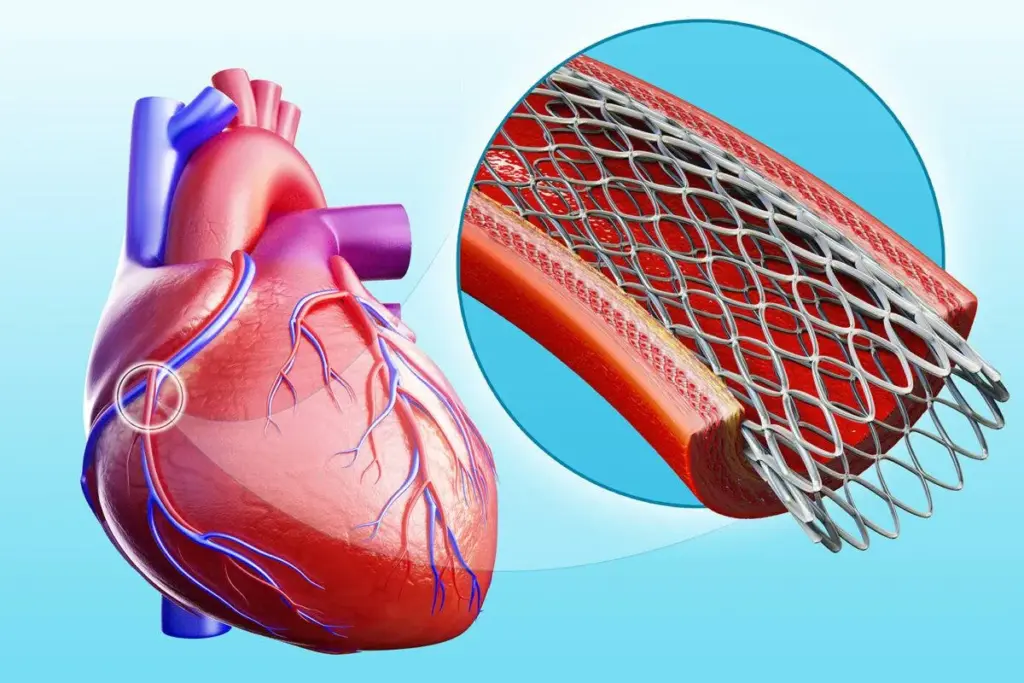
Heart valves are key parts that control blood flow in the heart. The heart has four valves. They work together to make sure blood flows the right way, stopping it from going back.
The Four Heart Valves and Their Roles
The four heart valves are the mitral, tricuspid, pulmonary, and aortic valves. Each one has its own job:
- The mitral valve is between the left atrium and left ventricle.
- The tricuspid valve is between the right atrium and right ventricle.
- The pulmonary valve is between the right ventricle and pulmonary artery.
- The aortic valve is between the left ventricle and aorta.
These valves help blood move through the heart and into the body.
How Valves Maintain Proper Blood Flow
The heart valves open and close with each heartbeat. When they open, blood flows through. When they close, it stops blood from going back. This is key for good blood flow and heart health.
Signs of Valve Dysfunction
Valve problems can show up in different ways, like:
- Valve Stenosis: The valve opening gets narrow, blocking blood flow.
- Valve Regurgitation: The valve leaks, letting blood flow back.
Signs of valve problems include shortness of breath, chest pain, feeling tired, and irregular heartbeats. If you notice these, see a doctor right away.
|
Valve Name |
Location |
Function |
|---|---|---|
|
Mitral Valve |
Between left atrium and left ventricle |
Regulates blood flow between left atrium and ventricle |
|
Tricuspid Valve |
Between right atrium and right ventricle |
Regulates blood flow between right atrium and ventricle |
|
Pulmonary Valve |
Between right ventricle and pulmonary artery |
Regulates blood flow to the lungs |
|
Aortic Valve |
Between left ventricle and aorta |
Regulates blood flow to the body |
Knowing about heart valves and their role is key to treating valve issues. Recognizing valve problems and getting help early can help keep your heart healthy.
Common Heart Valve Conditions Requiring Replacement
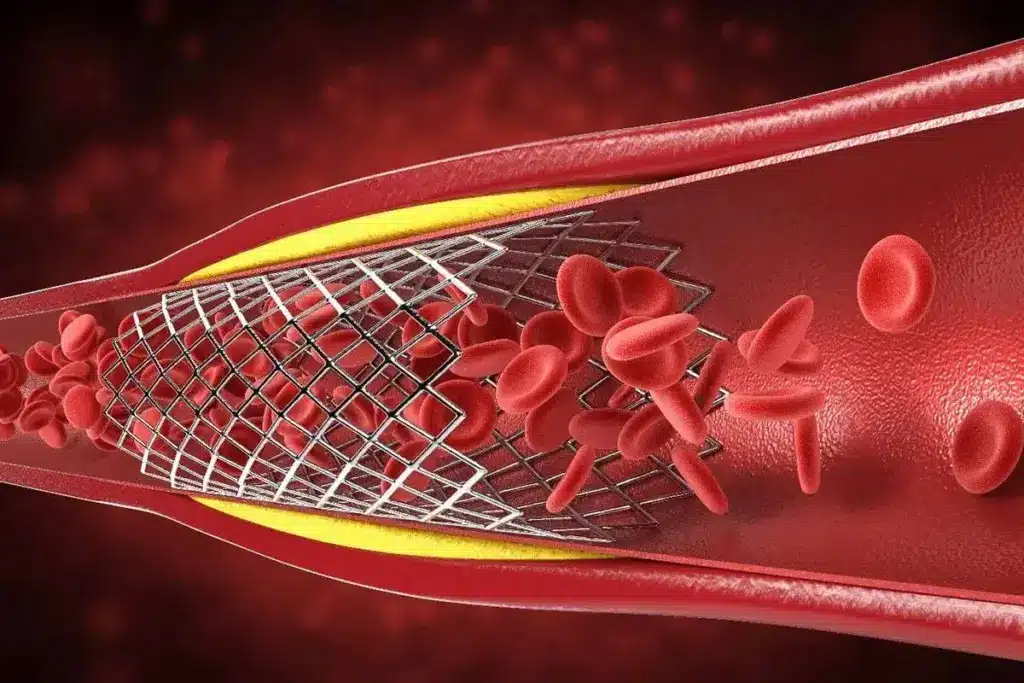
There are many heart valve conditions that might need surgery, like replacement. Heart valves are key for blood flow in the heart. If they get sick or damaged, it can cause big health problems.
Valve Stenosis
Valve stenosis happens when the valve opening gets too narrow. This blocks blood flow. It can be caused by age, birth defects, or other reasons. Symptoms include chest pain, trouble breathing, and feeling very tired.
If not treated, severe stenosis can cause heart failure.
Valve Regurgitation
Valve regurgitation, or insufficiency, is when a valve doesn’t close right. This lets blood leak back. It can be due to damage, or other reasons.
This can put too much work on the heart. If not fixed, it can lead to heart failure.
Congenital Valve Defects
Congenital valve defects are heart valve problems from birth. They can be mild or severe and affect one or more valves. Some might not be found until later, while others need early treatment.
Thanks to new surgery methods, people with these defects can get better.
Endocarditis and Valve Damage
Endocarditis is an infection of the heart valves. It can seriously damage them. This happens when bacteria or other germs infect the valve.
It’s very serious and can be deadly. Often, it needs surgery, like replacing the valve.
Knowing the exact problem is key to finding the right treatment. This includes deciding if surgery, like valve replacement, is needed.
Diagnosing Valve Problems Before Surgery
Diagnosing heart valve problems involves a few steps. First, we do a physical check-up. Then, we use advanced imaging tests to see how well the valves work. This helps us decide if surgery is needed.
Physical Examination and Symptoms
We start by checking the patient’s body and listening to their heart. We look for signs of valve issues. We also ask about their health history and any symptoms they might have.
Diagnostic Tests and Imaging
To check the valves, we use different tests. Echocardiography is key, as it uses sound waves to show the heart’s images. We might also do ECGs, chest X-rays, and cardiac catheterization to get a full picture.
Determining Surgical Candidacy
After tests show a valve problem, we check if surgery is right for the patient. We look at their overall health and any other health issues. We also think about what the patient wants and their lifestyle.
By combining physical checks, tests, and patient info, we can find the best treatment. This ensures patients get the care they need for their condition.
Heart Valve Replacement Surgery: An Overview
For those with severe heart valve problems, surgery is a hope. Heart valve replacement surgery is a detailed process. It has evolved to help those with severe valve disease.
When Surgery Becomes Necessary
Surgery is needed when valve disease is severe and daily life is affected. Symptoms like shortness of breath, chest pain, or fainting are common. The aim is to act early to avoid worse problems.
“The timing of surgery is critical; it’s about finding the balance between operating too early and waiting too long.” This shows how important it is to plan carefully for surgery.
Goals of Valve Replacement
The main goal of surgery is to improve heart function and quality of life. Replacing the damaged valve with a new one helps blood flow better. This reduces symptoms of valve disease.
With better heart function, patients often feel more energetic and breathe easier. They can do more and enjoy life more fully.
Surgical Approaches
There are different ways to do heart valve replacement surgery. These include traditional open-heart surgery and less invasive options. The choice depends on the patient’s condition and health.
Less invasive surgery means smaller cuts and possibly less recovery time. But, it’s not for everyone. The team will decide the best method for each patient.
Expected Outcomes
Most people see big improvements after heart valve replacement surgery. It can save lives for those with severe disease.
Like any big surgery, there are risks. But, thanks to better techniques and care, outcomes have gotten much better.
Types of Heart Valve Replacement Surgery
Heart valve replacement surgery has changed a lot. Now, there are many techniques to choose from. Each one has its own good points and things to think about. The right surgery depends on the patient’s health, the valve problem, and the surgeon’s skills.
Traditional Open-Heart Surgery
Open-heart surgery is the most common way to replace heart valves. It involves cutting the chest to get to the heart. The surgeon stops the heart and uses a machine to keep blood flowing. This method lets the surgeon see the valve clearly and work on it precisely.
Minimally Invasive Procedures
Minimally invasive surgery uses smaller cuts. This means less damage to the body and a quicker recovery. But, it’s important to check if this surgery is right for each patient based on their health and condition.
Transcatheter Valve Replacement
Transcatheter valve replacement is a less invasive option. It uses a catheter to put in a new valve. This is good for people who can’t have open-heart surgery. Many patients have seen big improvements with this method.
Robotic-Assisted Valve Surgery
Robotic-assisted surgery is a type of minimally invasive surgery. It uses robots to help the surgeon. This makes the surgery more precise and can lead to faster recovery. Robots can also reduce the trauma to the patient.
|
Surgical Approach |
Benefits |
Considerations |
|---|---|---|
|
Traditional Open-Heart Surgery |
Direct access to the valve, precise repair or replacement |
Longer recovery time, larger incision |
|
Minimally Invasive Procedures |
Smaller incisions, less pain, faster recovery |
Not suitable for all patients, requires specialized expertise |
|
Transcatheter Valve Replacement |
Less invasive, beneficial for high-risk patients |
Limited to specific valve conditions, requires precise imaging |
|
Robotic-Assisted Valve Surgery |
Enhanced precision, reduced recovery time |
Requires specialized training, higher costs |
Prosthetic Valve Options
Choosing a prosthetic valve is a big decision in heart valve replacement surgery. There are many options to fit different needs. Age, lifestyle, and health are key factors in making this choice.
Mechanical Valves
Mechanical valves are very durable and last a long time. They’re made from materials like titanium or carbon. But, they require lifelong anticoagulation therapy to prevent blood clots.
Advantages: Long-lasting, durable
Disadvantages: Requires lifelong anticoagulation therapy
Biological/Tissue Valves
Biological or tissue valves are made from animal tissue, often from cows or pigs. They’re treated to be safe for humans. These valves don’t last as long as mechanical ones but have a lower risk of clotting. This means less need for long-term anticoagulation therapy.
Advantages: Reduced risk of clotting, less need for anticoagulation therapy
Homografts and Autografts
Homografts are valves from human donors, and autografts use the patient’s own tissue. These options are less common but offer benefits like lower rejection risk and fewer complications.
Choosing the Right Valve Type
Choosing a prosthetic valve depends on many factors, including age, lifestyle, and other health conditions. A detailed talk between the patient and their healthcare provider is essential to pick the best valve.
|
Valve Type |
Durability |
Anticoagulation Therapy |
|---|---|---|
|
Mechanical Valves |
High |
Lifelong |
|
Biological/Tissue Valves |
Moderate |
Short-term or none |
|
Homografts/Autografts |
Varies |
Varies |
Preparing for Heart Valve Replacement Surgery
To get the best results from heart valve replacement surgery, you need to prepare well. This involves several important steps. These steps help make sure the surgery goes smoothly and is successful.
Medical Evaluations and Tests
Before the surgery, we do many medical tests. These tests check your health and your heart’s condition. You might have:
- Electrocardiogram (ECG): This checks your heart’s rhythm and finds any problems.
- Echocardiogram: It looks at your heart valves’ structure and function.
- Cardiac Catheterization: This examines your coronary arteries and heart chambers.
- Blood Tests: These check for infections, kidney function, and blood clotting ability.
Medication Adjustments
We might change your medications before surgery. This is to make sure they won’t get in the way of the surgery or your recovery. We might:
- Adjust Anticoagulants: We might change or stop these to lower bleeding risks during surgery.
- Adjust Antiplatelet Drugs: Similar to anticoagulants, these might need to be changed or stopped.
- Review Other Medications: We’ll check all your medications, including over-the-counter ones and supplements, to make sure they’re safe during surgery.
Lifestyle Preparations
Changing your lifestyle can help a lot with your surgery and recovery. We suggest:
- Quitting Smoking: Stopping smoking is key because it can slow healing and increase risks.
- Eating Well: Eating a balanced diet can improve your health.
- Exercising: Doing moderate exercise, as advised, can make you physically better.
Mental and Emotional Readiness
Getting ready mentally and emotionally is just as important as physical preparation. We recommend:
- Seeking Support: Talk to family, friends, or support groups to deal with emotional challenges.
- Managing Stress: Use meditation, deep breathing, or yoga to handle stress and anxiety.
- Learning About Surgery: Knowing what to expect can reduce fears and worries.
The Heart Valve Replacement Procedure Step by Step
Learning about the heart valve replacement procedure can ease worries. The surgery has key steps to replace the damaged valve successfully.
Anesthesia and Initial Setup
The first step is giving anesthesia. General anesthesia keeps the patient pain-free and calm. We also put in lines and catheters to watch the patient’s heart and vital signs.
Accessing the Heart
We make a cut in the chest to get to the heart. The size and type of cut depend on the surgery and the patient’s body. Traditional open-heart surgery needs a bigger cut, while minimally invasive procedures use smaller ones. The choice depends on the patient’s health and the surgeon’s choice.
Cardiopulmonary Bypass
Next, we connect the patient to a cardiopulmonary bypass (CPB) machine. This machine acts like the heart and lungs. It lets us stop the heart and work on it while keeping blood flowing and oxygen in the body.
Removing the Damaged Valve
With the heart stopped and the CPB machine running, we take out the bad valve. We carefully cut it from the tissue around it and remove it. Then, we get ready the area for the new valve, making sure it fits well.
The steps in heart valve replacement surgery are detailed and need great care. By knowing these steps, patients can see the complexity and attention their treatment gets.
Immediate Post-Operative Care
Effective post-operative care is key for patients after heart valve replacement surgery. We make sure they recover well and safely. In the Intensive Care Unit (ICU), we watch over patients closely. We manage any complications and help with pain.
Intensive Care Unit Monitoring
In the ICU, we keep a close eye on patients’ vital signs. This includes heart rate, blood pressure, and oxygen levels. This way, we can spot and fix any issues fast, giving patients the care they need.
Pain Management
Managing pain is a big part of post-operative care. We use medicines and other methods to keep patients comfortable. Our aim is to reduce pain and help them recover quickly.
Initial Movement and Activity
We encourage patients to move early to avoid problems like blood clots. We help them start with simple movements and gradually increase activity. This helps improve circulation and overall health.
Monitoring for Complications
We watch for signs of complications like bleeding, infection, or valve problems. Finding and treating these issues quickly is vital for the best results.
With thorough post-operative care, we can greatly improve patient outcomes. This helps ensure a successful recovery from heart valve replacement surgery.
Recovery Timeline After Heart Valve Replacement
Recovering from heart valve replacement surgery takes time. It starts with a hospital stay and then healing at home. Knowing the recovery timeline helps patients plan and return to normal life smoothly.
Hospital Stay Duration
How long you stay in the hospital after surgery varies. Usually, it’s a few days to a week. Medical staff watch over you, manage pain, and look out for complications. Managing pain well and moving early are important in the hospital to avoid problems and speed up healing.
First Few Weeks at Home
After leaving the hospital, you’ll recover at home. You need to rest but also do some activities. It’s important to follow your doctor’s advice on medicine, wound care, and how much to do. You’ll likely feel better in the first few weeks, but full recovery takes longer.
- Rest and avoid hard activities
- Follow your medicine instructions carefully
- Watch your surgical wound for infection signs
Returning to Normal Activities
As you get better, you can start doing more things. This includes starting with light exercise like walking and then doing harder activities when your doctor says it’s okay. When you can go back to work depends on your health and job type.
“The key to a successful recovery is patience and following your rehabilitation plan,” says a cardiac rehabilitation specialist. “By sticking to your healthcare team’s advice, you can safely and effectively get back to your normal life.”
Long-Term Recovery Milestones
Long-term recovery means your heart keeps getting better and your health improves. Cardiac rehabilitation programs are key in this phase, providing exercise and education. Staying healthy with a good diet and regular exercise also helps your long-term recovery.
By understanding the recovery timeline and following your healthcare team’s advice, you can have a good outcome after heart valve replacement surgery.
Potential Risks and Complications
It’s important for patients and their families to know about the risks of heart valve replacement surgery. This surgery can save lives, but it’s key to understand the possible risks.
Surgical Risks
Heart valve replacement surgery can come with risks like bleeding, infection, and reactions to anesthesia. These risks are common with big surgeries. They can be managed with careful care and precautions.
- Bleeding and Hematoma: There’s a risk of too much bleeding during or after surgery. Hematoma can also happen.
- Infection: As with any surgery, there’s a chance of infection with heart valve replacement. This can be managed with antibiotics.
- Adverse Reactions to Anesthesia: Some patients may have bad reactions to the anesthesia used during surgery.
Valve-Specific Complications
Complications specific to the valve can include problems with the prosthetic valve. This might show up as valve stenosis or regurgitation. It’s important to watch for these issues early on.
- Prosthetic Valve Dysfunction: Mechanical or biological valves can malfunction, needing more treatment.
- Valve Stenosis or Regurgitation: The valve can narrow or leak, affecting how well it works.
Long-Term Complications
Long-term issues can include bleeding from anticoagulants, valve thrombosis, and endocarditis. Proper management and follow-up care can help reduce these risks.
- Anticoagulant-Related Bleeding: Patients on anticoagulant therapy are at risk of bleeding complications.
- Valve Thrombosis: Blood clots can form on the valve, potentially leading to serious complications.
- Endocarditis: Infection of the heart valve can occur, requiring prompt treatment.
Managing and Minimizing Risks
Managing and minimizing risks involve a few key steps. These include a thorough pre-operative check-up, careful surgical technique, and good post-operative care. It’s also important for patients to stay informed and follow up with their doctors.
- Pre-Operative Evaluation: A detailed check-up before surgery helps spot any risks.
- Surgical Technique: New surgical methods have made outcomes better and reduced complications.
- Post-Operative Care: Keeping a close eye on patients after surgery is key for catching any problems early.
By knowing about these risks and complications, patients can make better choices about their care. It’s a team effort between healthcare providers and patients to get the best results.
Life After Heart Valve Replacement Surgery
Recovering from heart valve replacement surgery needs careful management. Patients must follow medical advice closely. They should know how different factors affect their recovery and long-term health.
Medication Requirements
Patients often need to take medications after surgery. Anticoagulant medications help prevent blood clots on the new valve. The type and amount of medication depend on the valve type and patient’s risk factors.
- Anticoagulants: To prevent blood clots
- Anti-arrhythmics: To manage irregular heartbeats
- Medications to control blood pressure and cholesterol levels
Follow-Up Care Schedule
Regular check-ups with healthcare providers are key. Typically, patients have follow-up echocardiograms to check the valve’s performance and heart health.
- Initial follow-up: Usually within a few weeks after surgery
- Regular check-ups: Scheduled every 6-12 months
- Monitoring for possible complications
Lifestyle Adjustments
Healthy lifestyle choices are important for recovery. Patients should eat a heart-healthy diet with lots of fruits, vegetables, and whole grains. Walking is recommended, but talk to a healthcare provider about the right amount of exercise.
Long-Term Prognosis
The long-term outlook is usually positive. Most patients see big improvements in symptoms and quality of life. But, it depends on overall health, valve type, and following post-surgery care.
- Improved symptoms and quality of life
- Potential for increased life expectancy
- Importance of ongoing medical care and monitoring
Understanding medication, follow-up care, and lifestyle changes helps patients after surgery. This way, they can enjoy a healthier, more fulfilling life.
Advancements in Heart Valve Replacement Technology
Heart valve replacement surgery has seen big changes. New valve designs and surgical methods are making the surgery safer and more effective. This means better results for patients.
Latest Valve Designs
New valve designs are a big step forward. Modern prosthetic valves are stronger and fit better with the body. For example, biological valves are made from animal tissues. They are treated to lower the chance of rejection and last longer.
“The latest valve designs are a game-changer for patients needing heart valve replacement,” says a leading cardiac surgeon. “These advancements are not only improving survival rates but also making life better for our patients.”
Innovative Surgical Techniques
Surgical methods have also improved a lot. Now, we use minimally invasive procedures and robotic-assisted surgery. These methods cause less damage and lead to faster recovery and fewer problems.
- Minimally invasive valve replacement makes the incision smaller, causing less damage and scarring.
- Robotic-assisted surgery gives surgeons better precision and control, making the procedure more accurate.
- Transcatheter valve replacement is a new method that lets doctors replace valves without open-heart surgery.
Future Directions in Valve Replacement
The future of heart valve replacement looks bright. Scientists are working on biodegradable valves and tissue-engineered valves. These could grow and change with the patient.
“The future of heart valve replacement lies in the integration of technology and biology,” notes a renowned cardiologist. “We are moving towards a new era where valves can be personalized and tailored to the individual needs of each patient.”
As these new technologies come along, patients will see even better results and a better quality of life after surgery.
Cost and Insurance Considerations for Valve Surgery
It’s important for patients to understand the financial side of heart valve replacement surgery. The cost can change a lot based on several things. These include the surgery type, the hospital, and where you live.
Average Costs in the United States
In the United States, the cost of heart valve replacement surgery varies. Recent data shows the costs include hospital stay, surgical fees, and follow-up care.
|
Cost Component |
Average Cost |
Range |
|---|---|---|
|
Hospital Stay |
$50,000 |
$30,000 – $70,000 |
|
Surgical Fees |
$20,000 |
$15,000 – $30,000 |
|
Follow-Up Care |
$5,000 |
$2,000 – $10,000 |
|
Total |
$75,000 |
$47,000 – $110,000 |
These are just estimates, and actual costs can differ. It’s key for patients to talk to their healthcare provider and insurance company for a more precise estimate.
Insurance Coverage
Most health insurance plans cover heart valve replacement surgery. But, how much they cover can vary. Patients should check their insurance policy to know what’s covered and what they might have to pay out of pocket.
Key factors to consider:
- Pre-approval requirements
- Network providers
- Out-of-pocket maximums
- Follow-up care coverage
Financial Assistance Programs
For those facing financial challenges with heart valve replacement surgery, there are financial help programs. These can cover medication costs, travel, and other related expenses.
We suggest patients look into these options. They should talk about their financial situation with their healthcare provider or a financial counselor.
Conclusion
Heart valve replacement surgery is a life-saving procedure. It greatly improves heart function and quality of life for those with severe valve disease. We’ve looked into the complexities of heart valve conditions, how they are diagnosed, and the different surgical options.
Choosing to have heart valve replacement surgery is a big decision. It involves looking at the patient’s health, how severe their valve condition is, and the surgery’s benefits. We’ve talked about the advancements in cardiac surgery. These include less invasive procedures and new valve designs, giving patients more options.
While heart valve replacement surgery has risks, it offers new chances for patients. It can improve their overall well-being and life expectancy. With the right care and support, patients can get through the recovery and live a better life.
FAQ
What is heart valve replacement surgery?
Heart valve replacement surgery is a procedure. It replaces a damaged heart valve with a new one. This new valve helps blood flow properly and improves heart function.
Why is heart valve replacement surgery necessary?
This surgery is needed when a heart valve is badly damaged. Damage can be due to stenosis, regurgitation, congenital defects, or endocarditis. It affects heart function and overall health.
What are the different types of heart valve replacement surgery?
There are several types of surgery. These include traditional open-heart surgery and minimally invasive procedures. There’s also transcatheter valve replacement and robotic-assisted surgery. Each has its own benefits and considerations.
How do I prepare for heart valve replacement surgery?
Preparing involves medical evaluations and adjusting medications. You’ll also make lifestyle changes and get mentally ready. This ensures a successful surgery.
What are the risks and complications associated with heart valve replacement surgery?
Risks include surgical complications and valve-specific issues. Long-term complications can also occur. Proper care and follow-up can help manage these risks.
What is the recovery process like after heart valve replacement surgery?
Recovery starts with a hospital stay. Then, you recover at home. Gradually, you return to normal activities. Ongoing care and lifestyle adjustments are key.
How long does it take to recover from heart valve replacement surgery?
Recovery time varies. You’ll likely stay in the hospital for several days to a week. Then, several weeks at home and months to fully recover.
What are the benefits of minimally invasive heart valve replacement surgery?
Minimally invasive surgery offers smaller incisions and less pain. It also means shorter hospital stays and quicker recovery times compared to traditional surgery.
What are the different types of prosthetic heart valves available?
There are mechanical, biological, homograft, and autograft valves. Each has its own characteristics and advantages. The right one depends on your health and needs.
How do I choose the right type of prosthetic heart valve?
Choosing depends on your age, lifestyle, and the type of valve disease. Discussing with a healthcare provider helps find the best option for you.
What are the costs associated with heart valve replacement surgery?
Costs vary widely. Factors include location, hospital charges, and surgeon fees. Insurance coverage also plays a role, with costs in the U.S. varying greatly.
Does insurance cover heart valve replacement surgery?
Many insurance plans cover this surgery. But, coverage details and out-of-pocket costs can vary. It’s important to check with your insurance provider.
Are there financial assistance programs available for heart valve replacement surgery?
Yes, there are programs to help with costs. These include hospital aid, non-profit organizations, and government programs.
What is the long-term prognosis after heart valve replacement surgery?
The prognosis is generally positive. Most patients see improved heart function and quality of life. Ongoing care is necessary, though.
What lifestyle adjustments are needed after heart valve replacement surgery?
Adjustments include a heart-healthy diet and regular exercise. Managing stress and following medication regimens are also important for heart health.
Can I lead an active life after heart valve replacement surgery?
Yes, many patients lead active lives. The level of activity depends on your health and the type of valve used.
How often are follow-up appointments needed after heart valve replacement surgery?
Follow-ups are needed regularly. They help monitor valve function and adjust medications. The frequency depends on your healthcare provider.
References
ScienceDirect. Evidence-Based Medical Insight. Retrieved from https://www.sciencedirect.com/science/article/pii/B978032354695100061X