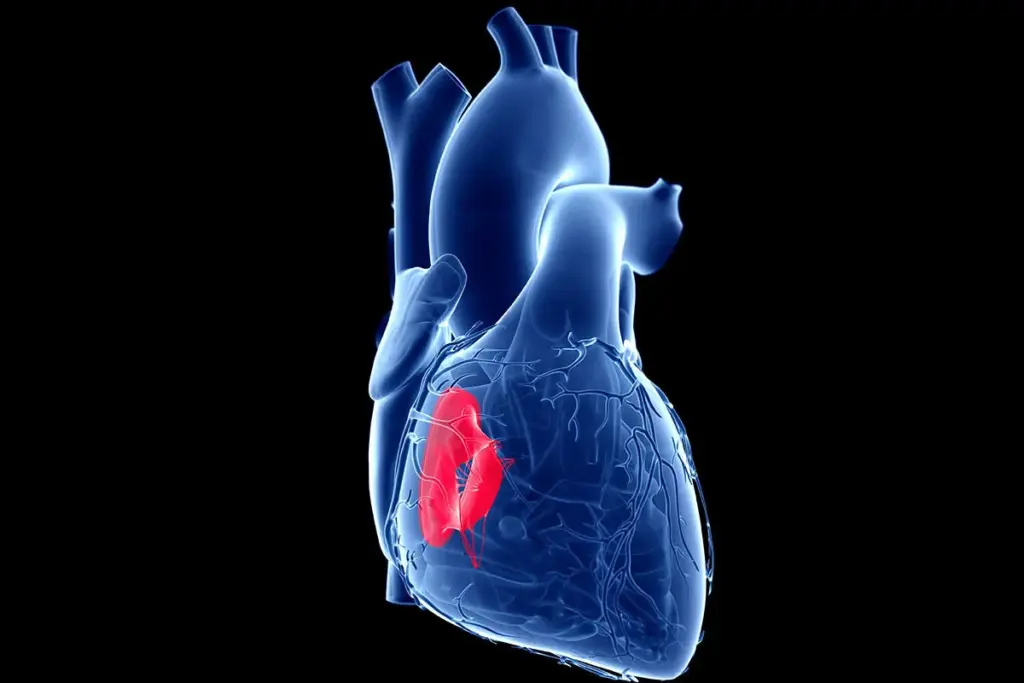
Nearly 1 in 5 adults over 65 have coronary artery calcification. This condition can greatly affect heart health.
Calcification in the heart means calcium builds up in arteries or valves. This can cause serious heart problems if not treated. We will look at what causes it, its symptoms, and how to treat it. This includes the use of cardiac catheterization and cath lab procedures.
Hard arteries? Calcification best heart severity facts. It indicates high risk. Take action now to prevent heart attacks in the future.
It’s important to know about heart calcification to keep your heart healthy. We aim to give you all the information and support you need.
Key Takeaways
- Coronary artery calcification is a common condition among older adults.
- Calcification can lead to serious heart health issues.
- Cardiac catheterization is a key diagnostic tool.
- Treatment options vary based on the severity of calcification.
- Maintaining heart health is key for overall well-being.
- Procedures in a cath lab can be lifesaving.
Understanding Calcification: Definition and Types

Cardiac calcification is a key indicator of heart disease. It happens when calcium builds up in the heart’s tissues. Doctors use cath or coronary artery calcium scoring during catheterization to spot it.
This buildup is linked to heart diseases like coronary artery disease. Studies show that how much calcification is present can tell us a lot about heart health risks.
What is Cardiac Calcification?
Cardiac calcification is when calcium settles in the heart’s tissues. This can make the heart stiffer and less efficient. It’s a complex process involving many cellular and molecular steps.
It’s more common as people get older. It often goes hand in hand with other heart disease risk factors like high cholesterol and high blood pressure.
Types of Calcification in the Heart
There are several types of heart calcification, each with its own impact on heart health:
- Coronary Artery Calcification: This is a common sign of coronary artery disease.
- Valvular Calcification: It can cause valve problems, needing medical treatment.
- Myocardial Calcification: Calcium deposits in the heart muscle, often linked to heart injury or infarction.
Knowing the different types of cardiac calcification is key to treating heart disease. It helps doctors create the right treatment plans to address the root causes and prevent complications.
Causes of Heart Calcification

It’s important to know why heart calcification happens. This condition, where calcium builds up in the heart, can be dangerous. We’ll look at what causes it and how to stop it.
Aging and Calcification
Getting older increases the chance of heart calcification. This is because the heart wears out over time. Older people are more likely to have calcium deposits in their hearts.
High Cholesterol’s Role
High cholesterol is a big factor in heart calcification. High levels of LDL cholesterol can cause artery plaques to form and harden. This is called atherosclerosis. Keeping cholesterol levels in check is key to preventing heart calcification.
Underlying Health Conditions
Some health issues can also lead to heart calcification. Diabetes and kidney disease, for example, raise the risk. These conditions can cause the heart to calcify. It’s important to manage these conditions to lower the risk of heart calcification.
Symptoms of Heart Calcification
Heart calcification symptoms can be subtle but serious. It happens when calcium builds up on the heart’s valves or arteries. This can lead to serious problems if not treated.
Recognizing Early Signs
In the early stages, heart calcification might not show obvious symptoms. But as it gets worse, people may feel shortness of breath, chest pain, or fatigue. These signs are important and should not be ignored.
Knowing these symptoms is key. Early detection can greatly improve treatment success. Regular health checks can spot heart calcification early.
Severe Symptoms to Watch For
As heart calcification gets worse, symptoms can worsen too. Severe signs include palpitations, dizziness, or syncope (fainting). These signs mean a serious problem that needs quick doctor help.
In severe cases, it can cause heart disease. This might need treatments done in a cath lab. Knowing how symptoms progress is key to managing the condition.
We stress the need to recognize both early and severe symptoms of heart calcification. This way, people can get medical help quickly. This can prevent serious problems and improve health outcomes.
Risk Factors for Calcification
Knowing the risk factors for calcification is key to preventing and managing it. Calcification of the heart is a complex issue. It’s influenced by many factors.
Lifestyle Influences
Lifestyle choices greatly affect the risk of calcification. Smoking and physical inactivity are big risks. A diet full of saturated fats and lacking in nutrients also increases the risk.
A study found that a sedentary lifestyle and a diet lacking fruits, vegetables, and whole grains raises the risk of heart calcification.
“Lifestyle modifications are key in preventing and managing heart calcification.”
Genetic Predispositions
Genetics also play a big role in calcification risk. People with a family history of heart disease or calcification are at higher risk. Research has found certain genetic markers that increase this risk.
Other Contributing Health Issues
Many health conditions can raise the risk of calcification. Hypertension, diabetes, and kidney disease are among them. Managing these conditions well is important to reduce the risk.
- Hypertension can put extra strain on the heart, leading to calcification.
- Managing diabetes is critical because high blood sugar can harm the heart.
- Kidney disease can cause an imbalance in calcium and phosphate, leading to calcification.
Understanding these risk factors enables proactive steps in preventing and managing calcification, ultimately enhancing heart health.
Diagnosis of Heart Calcification
Healthcare professionals use many tools to diagnose heart calcification. They look at a patient’s medical history and use advanced imaging. This helps them see the heart’s structure and find calcification.
Imaging Techniques Used
Several imaging techniques are key in diagnosing heart calcification. These include:
- Computed Tomography (CT) scans: CT scans are great at finding calcium deposits in the heart.
- Echocardiography: This ultrasound-based technique shows the heart’s structure and function, helping spot calcification.
- Coronary angiography: Often done in a cath lab, this procedure shows the coronary arteries. It helps find calcification in the arterial walls.
These imaging methods are essential for a correct diagnosis. They give detailed images of the heart and its structures.
Importance of Early Detection
Finding heart calcification early is key for managing it well. Early detection lets doctors start treatment early. This can slow the disease’s progress.
Early intervention improves patients’ lives and can save money. It reduces the need for expensive treatments later.
In conclusion, diagnosing heart calcification with advanced imaging is vital for heart health. Knowing about diagnosis and early detection helps patients and doctors work together. They can then create effective treatment plans.
Treatment Options for Calcification
Dealing with calcification needs a mix of medicines, lifestyle changes, and sometimes surgery. The right treatment depends on how bad the calcification is, your health, and other things.
Medications: What Can Help?
Many medicines can help with calcification. They work on related issues like high cholesterol, high blood pressure, and heart disease.
- Statins to lower cholesterol
- Beta-blockers to reduce blood pressure
- Aspirin for its antiplatelet effects
These drugs can slow down calcification and lower heart attack risks.
Lifestyle Changes for Heart Health
Changing your lifestyle is key to managing calcification and keeping your heart healthy.
|
Lifestyle Change |
Benefit |
|---|---|
|
Dietary adjustments (e.g., reducing saturated fats and sodium) |
Improves heart health and reduces calcification risk |
|
Regular physical activity |
Enhances cardiovascular health |
|
Smoking cessation |
Reduces cardiovascular risk |
Surgical Interventions
Surgery might be needed for severe calcification, like heart valve disease or coronary artery disease.
Operations like valve replacement or CABG can fix heart problems. They can also make life better for you.
Preventing Heart Calcification
Being proactive about heart health can greatly lower the risk of calcification. Understanding and using preventive steps can protect your heart. Preventing heart calcification requires lifestyle changes and health monitoring.
Dietary Recommendations
Eating a balanced diet is key to preventing heart calcification. Eating foods rich in omega-3 fatty acids, like salmon and sardines, can reduce inflammation. Also, eat a variety of fruits, vegetables, and whole grains. Avoid processed foods and those high in saturated fats.
- Incorporate leafy greens like spinach and kale into your diet.
- Enjoy nuts and seeds, such as almonds and flaxseeds, in moderation.
- Choose whole grains over refined grains.
Importance of Regular Exercise
Regular exercise is also vital in preventing heart calcification. Exercise keeps you at a healthy weight, improves blood flow, and strengthens your heart. Aim for 150 minutes of moderate activity or 75 minutes of vigorous activity each week.
- Engage in activities like brisk walking, cycling, or swimming.
- Incorporate strength training exercises into your routine at least twice a week.
- Find activities that you enjoy to make exercise a sustainable part of your lifestyle.
Monitoring Health Conditions
Regular health check-ups are essential for early detection and management of conditions that may lead to heart calcification. Monitoring blood pressure, cholesterol levels, and blood sugar can help identify issues early. Working closely with your healthcare provider to manage these conditions is vital.
- Schedule regular check-ups with your healthcare provider.
- Keep track of your health metrics, such as blood pressure and cholesterol levels.
- Adhere to your healthcare provider’s recommendations for managing health conditions.
Living with Calcification: Patient Perspectives
People with heart calcification face a journey that goes beyond just treatment. It’s about making lifestyle changes and staying emotionally strong. This section will look at personal stories and experiences. We’ll see how patients cope with their condition.
Personal Stories and Experiences
Diagnosis of heart calcification can be a shock. But, many patients find a way to manage it. They talk about changing their diet, exercising, and following medication plans. These stories show the strength of those dealing with heart calcification.
“After my diagnosis, I felt like my world had turned upside down. But as I learned more about heart calcification and started making changes, I began to feel more in control.” – a patient shares.
Coping Strategies for Patients
Dealing with heart calcification requires a variety of strategies. Patients find help in:
- Making dietary changes to reduce calcium intake and manage cholesterol levels.
- Engaging in regular physical activity tailored to their health status.
- Monitoring their condition through regular check-ups and screenings.
- Seeking support from family, friends, and support groups.
These methods help manage the physical and emotional sides of the condition.
|
Coping Strategy |
Description |
Benefit |
|---|---|---|
|
Dietary Changes |
Reducing calcium intake, managing cholesterol |
Slows progression of calcification |
|
Regular Exercise |
Physical activity tailored to health status |
Improves heart health, overall well-being |
|
Regular Check-ups |
Monitoring condition through screenings |
Early detection of changes, timely intervention |
Living with heart calcification needs a full approach. This includes medical care, lifestyle changes, and emotional support. By sharing stories and strategies, we aim to offer valuable insights and support.
The Connection Between Heart Calcification and Other Diseases
It’s important to know how heart calcification relates to other diseases. This knowledge helps in managing patients better. We’ll look at how it ties to heart disease, kidney disease, and diabetes. This shows why treating the whole body is key.
Heart Disease
Heart calcification is closely tied to heart disease. Coronary artery calcification is a sign of atherosclerosis. This is when plaque builds up in arteries, leading to heart attacks or strokes.
Calcification can make heart disease treatments harder. Knowing how much calcification is present is critical for effective treatment.
Kidney Disease
Kidney disease and heart calcification share common causes like high blood pressure and diabetes. Chronic kidney disease can increase the risk of heart calcification. This is because of changes in mineral levels.
People with kidney disease need to watch for heart calcification. Both conditions can greatly affect their health and treatment plans.
Diabetes and Calcification
Diabetes is also linked to heart calcification. People with diabetes are more likely to get heart calcification. This is due to insulin resistance and chronic inflammation.
Controlling diabetes is key to preventing heart calcification. This means keeping blood sugar levels in check, living a healthy lifestyle, and watching for heart problems.
|
Disease |
Link to Heart Calcification |
Common Risk Factors |
|---|---|---|
|
Heart Disease |
Calcification is a marker of atherosclerosis |
High cholesterol, hypertension, smoking |
|
Kidney Disease |
Disturbances in mineral metabolism increase calcification risk |
Hypertension, diabetes, family history of kidney disease |
|
Diabetes |
Insulin resistance and chronic inflammation contribute to calcification |
Obesity, physical inactivity, genetic predisposition |
In conclusion, heart calcification is closely related to heart disease, kidney disease, and diabetes. Knowing these connections is vital for treating patients fully. Healthcare providers can create better treatment plans by understanding these links. This helps in caring for the whole patient.
Future Research and Developments
Research is making big strides in understanding heart calcification. This is leading to new treatments and ways to prevent it. We’re seeing major breakthroughs thanks to ongoing studies and new trends.
Advancements in Medical Treatments
New treatments are being created to fight calcification and heart diseases. These include new medicines and surgeries. Our goal is to give patients the best care possible, using the latest heart health research.
Emerging Preventive Strategies
We’re also looking into ways to prevent calcification. This includes making lifestyle changes and finding problems early. By knowing the causes of calcification, we can help keep hearts healthy and lower heart disease rates.
As research keeps moving forward, we’re dedicated to top-notch healthcare and support for our patients. By leading in treatment and prevention, we’re working towards a healthier future together.
FAQ
What is cardiac calcification?
Cardiac calcification is when calcium builds up in the heart or its blood vessels. It’s a sign of atherosclerotic disease. This increases the risk of heart problems.
What are the types of calcification in the heart?
There are three main types of heart calcification. These are coronary artery calcification, valvular calcification, and myocardial calcification. Each type affects heart health differently.
What causes heart calcification?
Heart calcification is caused by several factors. These include aging, high cholesterol, and health conditions like diabetes and hypertension. Lifestyle choices also play a role.
What are the symptoms of heart calcification?
Symptoms of heart calcification vary. In early stages, there may be no symptoms. But as it progresses, symptoms can include chest pain, shortness of breath, and fatigue.
How is heart calcification diagnosed?
Doctors use imaging techniques to diagnose heart calcification. These include CT scans, echocardiography, and fluoroscopy. They help spot calcium deposits in the heart or blood vessels.
What are the treatment options for calcification?
Treatment for calcification includes medications and lifestyle changes. This can include diet, exercise, and managing health conditions. In severe cases, surgery like angioplasty or valve replacement may be needed.
How can heart calcification be prevented?
Preventing heart calcification requires a healthy lifestyle. This includes eating well, exercising regularly, not smoking, and managing health conditions like hypertension and diabetes.
Is there a connection between heart calcification and other diseases?
Yes, heart calcification is linked to other diseases. This includes heart disease, kidney disease, and diabetes. It shows the importance of treating the whole patient.
What is the significance of breast arterial calcifications?
Breast arterial calcifications are linked to a higher risk of heart disease. They can be a useful marker for identifying those at risk of heart disease.
What are the future directions in research and development related to calcification?
Future research aims to find new treatments and prevention methods for calcification. This includes better imaging techniques, new medications, and lifestyle interventions.
Reference
JAMA Network. Evidence-Based Medical Insight. Retrieved from https://jamanetwork.com/journals/jamacardiology/fullarticle/2785586