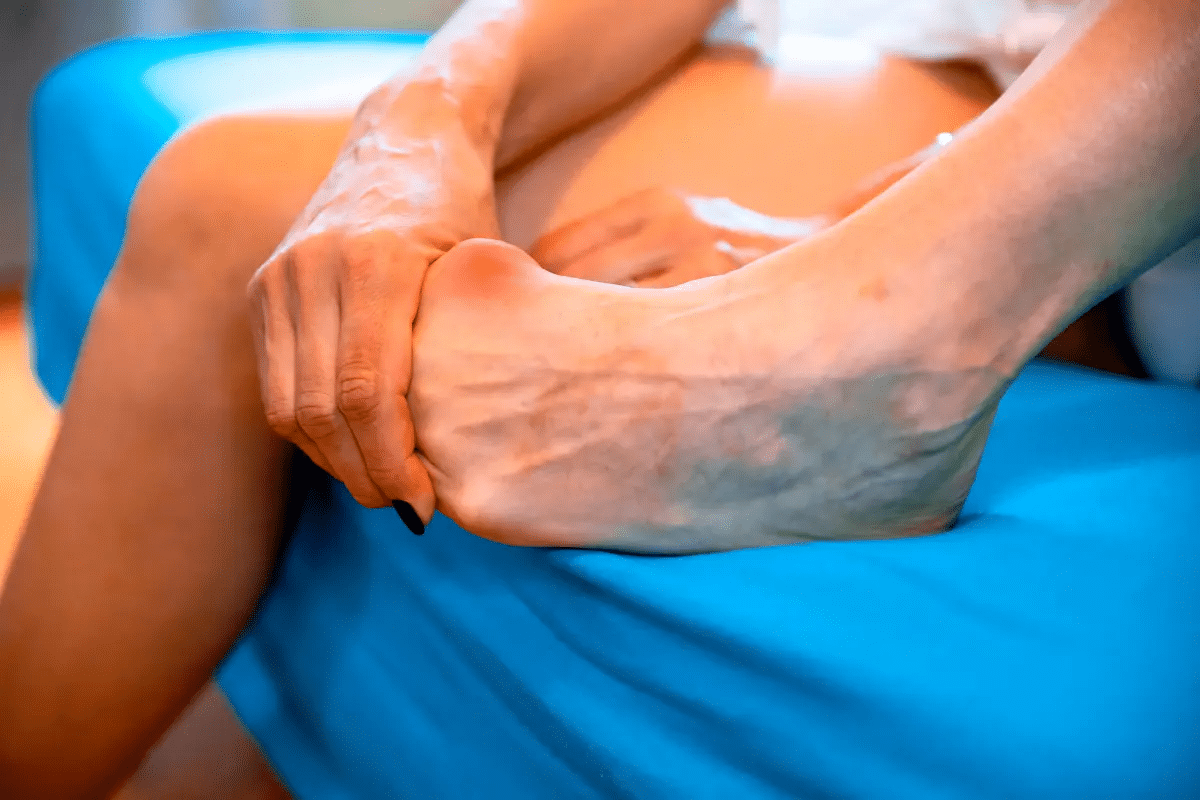
Calcium deposits in the knee, also known as chondrocalcinosis or calcium pyrophosphate deposition disease (CPPD), can really hurt your mobility. They can also cause sudden pain. This happens when calcium pyrophosphate crystals build up in the joint cartilage and around it.
It’s important to know how to treat and manage knee calcium deposits. This helps keep your joints healthy and improves your quality of life. This is very important for the millions of people with osteoarthritis worldwide.
Key Takeaways
- Calcium pyrophosphate deposition disease (CPPD) is a condition that affects joint cartilage.
- Understanding CPPD is essential for effective management.
- Treatment options are available to alleviate symptoms.
- Managing knee health is key for good mobility.
- Chondrocalcinosis is another term for calcium deposits in the knee.
What Are Calcium Deposits in Knee?
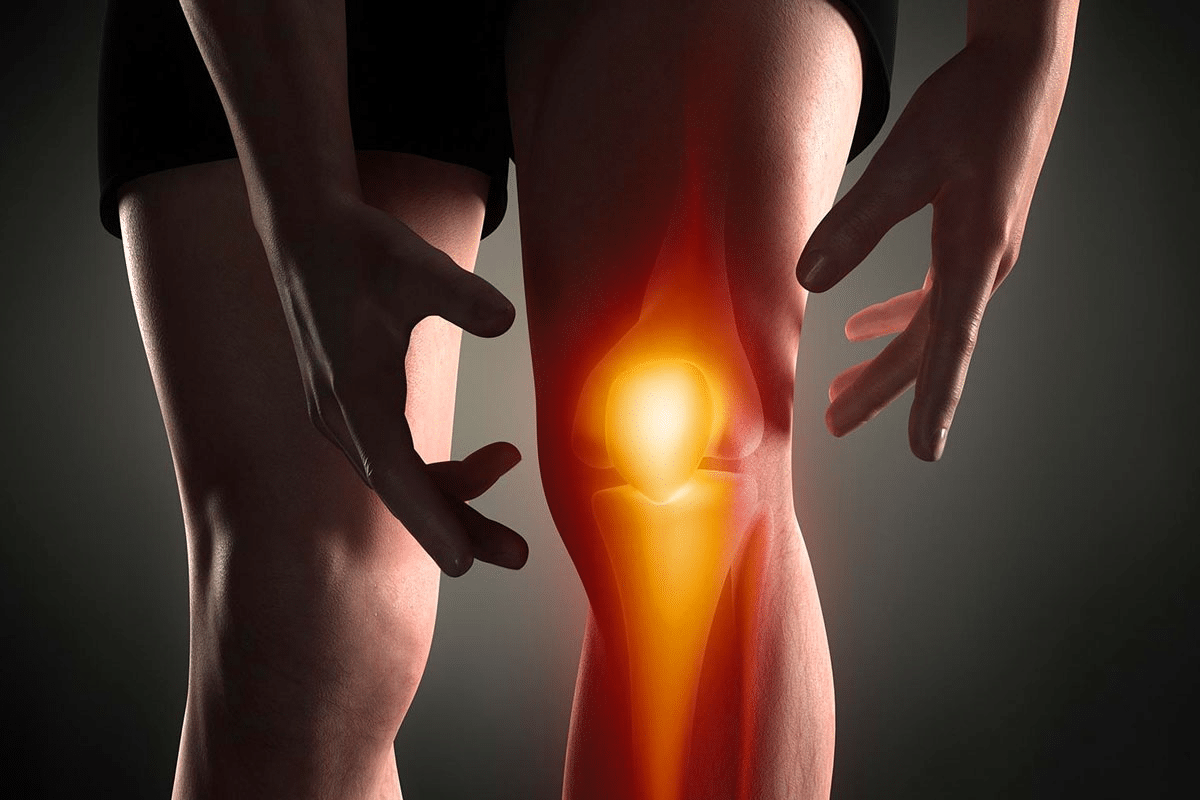
Calcium pyrophosphate deposition disease (CPPD) is a condition where calcium crystals build up in the knee cartilage. This can cause joint damage, inflammation, and a lot of pain.
Definition and Medical Terminology
Calcium deposits in the knee are linked to CPPD. This condition makes calcium pyrophosphate crystals form in the cartilage. Knowing the medical terms helps us understand its effects.
Doctors say CPPD is a big reason for knee pain and swelling.
“CPPD disease is a common condition that can mimic other forms of arthritis, making diagnosis challenging.”
How Calcium Crystals Form in Knee Joints
The process of calcium crystals forming in knee joints is complex. It involves many biochemical and biomechanical factors. Aging, joint injuries, and metabolic disorders can lead to CPPD.
Relationship to Osteoarthritis
CPPD and osteoarthritis (OA) are closely related. Research shows they often occur together, making symptoms worse and treatment harder.
|
Condition |
Characteristics |
Common Symptoms |
|---|---|---|
|
CPPD |
Accumulation of calcium pyrophosphate crystals in cartilage |
Acute pain, inflammation, joint stiffness |
|
Osteoarthritis |
Degeneration of joint cartilage and underlying bone |
Joint pain, stiffness, limited mobility |
It’s important to understand the link between CPPD and OA. This helps in creating effective treatment plans for both conditions.
Common Causes of Calcium Buildup in Joints
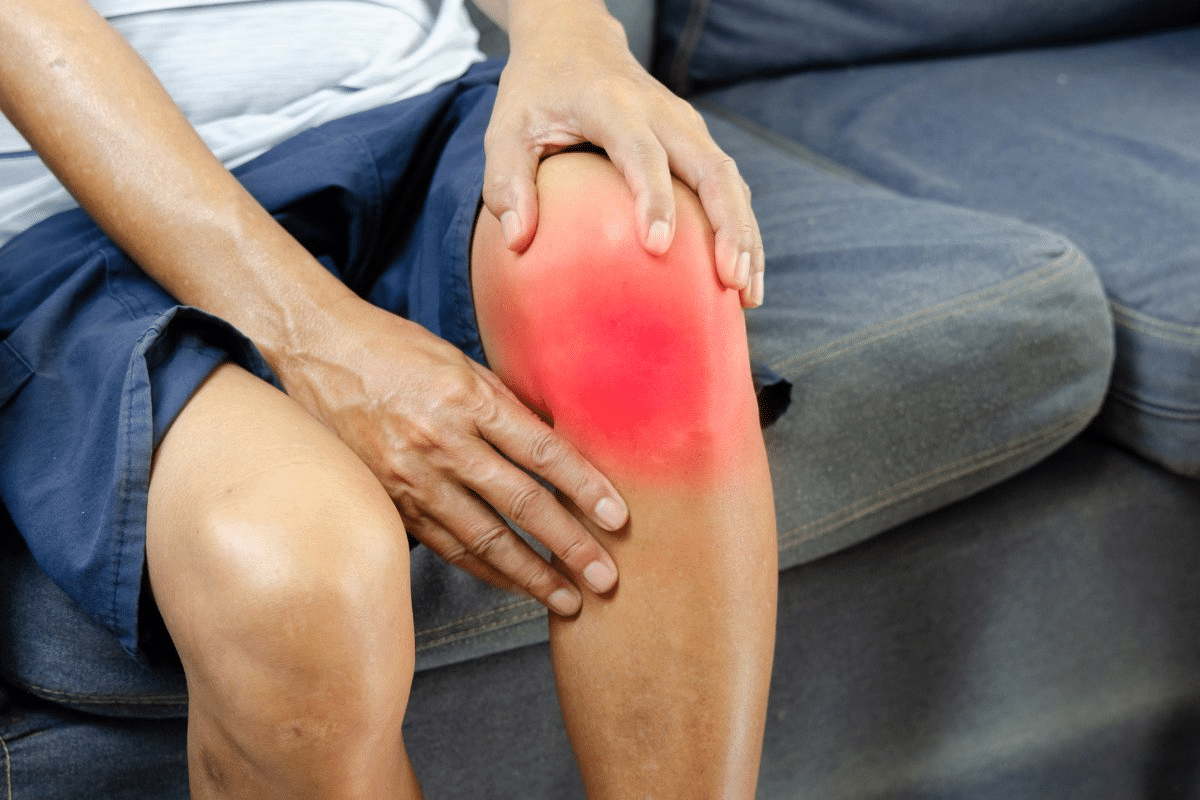
Calcium crystals in joints come from different reasons. Knowing these helps us find ways to stop and treat it.
Repetitive Stress and Microdamage
Doing the same motion over and over can hurt your joints. This is true for sports or jobs that stress the knee. It causes tiny tears and swelling, making calcium crystals more likely.
Aging and Natural Wear and Tear
Aging is a big reason for calcium buildup. As we get older, our joints lose their natural grease and cartilage. This makes them more likely to get calcium crystals.
Previous Injuries or Trauma
Old injuries or trauma can start calcium buildup. When the body heals, it might put calcium crystals in the joint.
Genetic Factors
Some people are more likely to get calcium buildup because of their genes. If your family has CPPD or similar issues, you might be at higher risk.
Knowing why calcium buildup happens helps us manage and maybe stop it from getting worse.
Recognizing Symptoms of Calcium Deposits in Knee
It’s important to know the signs of calcium deposits in the knee. This is because they can cause a lot of problems. Knowing the symptoms early can help get the right treatment.
Acute Pain and Inflammation
Acute pain is a main symptom of calcium deposits in the knee. This pain is sharp and can make everyday tasks hard. It often comes with inflammation too.
Joint Stiffness and Limited Mobility
Calcium deposits can also make the knee stiff. This stiffness limits how much you can move. It’s hard to bend or straighten the knee, affecting your movement.
Swelling and Tenderness
Swelling and tenderness are common signs of calcium deposits. The knee may feel warm and sore to the touch. It’s also sensitive to pressure.
Differentiating from Other Knee Conditions
Telling calcium deposits apart from other knee issues can be tough. It’s key to see a doctor for a correct diagnosis. Conditions like osteoarthritis or tendonitis might show similar symptoms.
Knowing these symptoms and their effects can help you get the right medical care. This might prevent more serious problems.
Diagnosis of Knee Calcium Deposits
Diagnosing calcium deposits in the knee involves several steps. These include a physical check-up and imaging tests. Getting the diagnosis right is key for the right treatment.
Physical Examination Techniques
A detailed physical exam is the first step. Doctors look for signs of inflammation, tenderness, and limited movement. They also check the joint’s stability and look for any oddities.
X-rays and Advanced Imaging
Imaging tests are essential to confirm calcium deposits. X-rays help spot calcifications in the joint. MRI or CT scans are used to see how big the deposits are and their effect on nearby tissues.
|
Diagnostic Method |
Description |
Benefits |
|---|---|---|
|
Physical Examination |
Assessment of knee inflammation and tenderness |
Non-invasive, quick assessment |
|
X-rays |
Visualization of calcifications within the joint |
Effective for detecting calcium deposits |
|
Joint Fluid Analysis |
Examination of synovial fluid for calcium crystals |
Confirms presence of CPPD |
Joint Fluid Analysis
Joint fluid analysis involves taking fluid from the knee to check for calcium crystals. This test helps confirm CPPD.
Blood Tests for Underlying Conditions
Sometimes, blood tests are done to check for other conditions. These could include metabolic disorders that might cause calcium deposits.
When to See a Doctor for Calcium in Knee Joint
Knee pain from calcium deposits can be really tough. Knowing the warning signs is key to getting help on time. Calcium in the knee can cause sharp pain, swelling, and make it hard to move.
Warning Signs and Symptoms
Look out for these signs: severe pain that doesn’t go away with rest, swelling, or redness. Also, if moving your knee feels off or you hear a grinding sound, see a doctor.
Emergency Situations
Calcium deposits can sometimes be an emergency. Sudden, severe pain or swelling that doesn’t get better needs quick medical help. Also, if your knee is warm or you have a fever, it might be infected. You need to see a doctor right away.
Preparing for Your Appointment
Get ready for your doctor’s visit. Write down your symptoms, when they started, and what makes them better or worse. Also, list any medicines you’re taking. Your doctor might check your knee, take pictures, or test the fluid in your joint to figure out what’s wrong.
|
Symptom |
Description |
Action |
|---|---|---|
|
Severe Pain |
Pain that doesn’t improve with rest |
Seek medical attention |
|
Significant Swelling |
Swelling or redness around the knee |
Consult a doctor |
|
Reduced Mobility |
Reduced range of motion or grinding sensation |
Visit a doctor |
Non-Surgical Medical Treatments for Calcium Deposits in Knee
Non-surgical treatments can help a lot if you have calcium deposits in your knee. These treatments aim to reduce inflammation and ease your symptoms. They can make you feel a lot better.
Pain Management Medications
Managing pain is key when treating calcium deposits in the knee. Doctors often suggest acetaminophen to help with pain. Sometimes, stronger pain relievers are needed.
Anti-Inflammatory Drugs
Anti-inflammatory drugs, like NSAIDs, are used to fight inflammation and pain. They work well during bad flare-ups. This helps you feel better.
Joint Aspiration Procedures
Joint aspiration removes fluid from the joint. It can help with swelling and pain. It also lets doctors check for calcium crystals in the fluid.
Corticosteroid Injections
Corticosteroid injections help reduce inflammation. They deliver medicine right to the problem area. This gives you targeted relief.
|
Treatment |
Purpose |
Benefits |
|---|---|---|
|
Pain Management Medications |
Manage pain |
Reduces discomfort, improves quality of life |
|
Anti-Inflammatory Drugs |
Reduce inflammation |
Decreases swelling, alleviates pain |
|
Joint Aspiration |
Remove excess fluid |
Reduces pressure, relieves pain |
|
Corticosteroid Injections |
Reduce inflammation |
Provides targeted relief, reduces swelling |
There are many non-surgical treatments for calcium deposits in the knee. Knowing about these options helps you choose the best care for yourself.
Surgical Interventions for Severe Calcium Accumulation in Joints
When other treatments don’t work, surgery might be needed for severe calcium buildup in the knee. This is for people with a lot of pain and trouble moving because of calcium deposits.
Arthroscopic Removal Techniques
Arthroscopic removal is a small surgery to take out calcium from the knee. It uses tiny cuts for a camera and tools to see and remove the calcium. Arthroscopy is chosen for its quick recovery and less damage to tissue compared to open surgery.
Partial and Total Knee Replacement
When calcium causes a lot of damage, knee replacement surgery might be needed. This surgery replaces the damaged parts with artificial ones. If only one part of the knee is damaged, a partial replacement is done. But if more areas are damaged, a total replacement is needed.
- Partial Knee Replacement: Suitable for localized damage.
- Total Knee Replacement: For extensive joint damage.
Candidate Selection for Surgery
Not everyone with calcium deposits needs surgery. The choice to have surgery depends on how bad the symptoms are, how much damage there is, and the patient’s health. Patients with severe symptoms that haven’t gotten better with other treatments usually get surgery.
Recovery Timeline and Rehabilitation
The time it takes to recover from surgery varies. Arthroscopic removal usually takes less time than knee replacement. Physical therapy is key to getting the knee to work and feel strong again. A good rehabilitation program is important for the best results.
- Immediate Post-Surgery: Focus on pain management and initial healing.
- Early Rehabilitation: Gradually introduce exercises to improve range of motion.
- Advanced Rehabilitation: Strengthening exercises and functional training.
Knowing about surgery options and what recovery is like helps people make better choices about their treatment.
Effective Home Remedies for Calcium Deposits on Knee
Home remedies can help manage calcium deposits in the knee. They can ease symptoms and make life better.
Hot and Cold Therapy Protocols
Hot and cold therapy is a simple way to handle pain and swelling. Hot therapy, like a warm bath or heating pad, relaxes muscles and boosts blood Can Blood Test Detect Colon Cancer?flow. Cold therapy, with an ice pack or cold compress, cuts down swelling and dulls pain.
Rest and Activity Modification
Resting your knee and changing your activities can lessen knee strain. Stay away from heavy lifting, bending, or repetitive actions to avoid irritating the deposits.
Supportive Braces and Devices
Supportive braces or devices can stabilize the knee and lessen pain. They’re great for activities that might make the problem worse.
Natural Anti-Inflammatory Approaches
Adding natural anti-inflammatory methods, like changing your diet or taking omega-3 fatty acids, can fight inflammation and aid healing.
Physical Therapy and Exercise for Knee Calcium Build Up
Managing knee calcium buildup needs a full plan that includes physical therapy and specific exercises. Physical therapy is key in making joints move better, easing pain, and boosting life quality for those with knee calcium deposits.
Range of Motion Exercises
Range of motion exercises are vital for keeping the knee joint flexible and mobile. They help cut down stiffness and boost the joint’s range of motion. Examples include gentle knee bends, straightening exercises, and circular motions with the knee.
Strengthening Protocols
It’s important to strengthen the muscles around the knee for support and stability. Strengthening protocols might include squats, lunges, and leg press. These exercises build muscle strength without overloading the knee.
Low-Impact Cardiovascular Activities
Low-impact cardio like cycling, swimming, or using an elliptical machine is good for the heart without hurting the knee. These activities are easy on the joints and can be adjusted based on fitness level.
Manual Therapy Techniques
Manual therapy, including massage and joint mobilization, can lessen pain and improve joint mobility. These methods are often paired with other physical therapy to boost their effect.
A well-planned physical therapy program can greatly help manage knee calcium buildup. Here’s a summary of what such a program includes:
|
Component |
Description |
Benefits |
|---|---|---|
|
Range of Motion Exercises |
Gentle knee bends, straightening, and circular motions |
Improved flexibility, reduced stiffness |
|
Strengthening Protocols |
Squats, lunges, leg press |
Enhanced muscle strength, joint support |
|
Low-Impact Cardiovascular Activities |
Cycling, swimming, elliptical machine |
Improved cardiovascular health, gentle on joints |
|
Manual Therapy Techniques |
Massage, joint mobilization |
Reduced pain, improved joint mobility |
Dietary and Lifestyle Changes to Manage Calcium Build Up in Joints
To manage calcium buildup, a good plan is needed. This plan should include healthy eating and lifestyle changes. It helps reduce symptoms and keeps joints healthy.
Anti-Inflammatory Diet Recommendations
An anti-inflammatory diet is key. It should include fruits, vegetables, and omega-3 fatty acids. Foods like berries, leafy greens, and fatty fish are good because they fight inflammation.
Foods That May Worsen Symptoms
Some foods can make calcium buildup symptoms worse. It’s best to limit or avoid processed foods, sugary drinks, and foods with saturated fats. They can cause inflammation.
Hydration and Joint Health
Drinking enough water is important for joint health. Water keeps joints lubricated and can prevent more calcium buildup.
Weight Management Strategies
Managing your weight is key to reduce joint strain. A healthy weight comes from eating right and exercising regularly.
By making these dietary and lifestyle changes, you can manage calcium buildup in your joints. This improves your overall quality of life.
Conclusion: Long-Term Management of Calcium Deposits in Knee
Managing calcium deposits in the knee requires a mix of medical treatments, lifestyle changes, and regular check-ups. Knowing the causes, symptoms, and treatments helps people manage their condition better. This reduces the chance of serious problems.
A good treatment plan might include pain relief medicines, anti-inflammatory drugs, and physical therapy. Sometimes, surgery is needed to remove calcium deposits or fix damaged tissue. Eating right, staying hydrated, and keeping a healthy weight are also important.
Regular visits to your healthcare provider are key to managing the condition well. This ensures the treatment plan works and makes any needed changes. By being proactive and taking a full approach, people can lessen their symptoms. They can also improve their life quality and keep their joints healthy.
FAQ
What are calcium deposits in the knee?
Calcium deposits in the knee are when calcium crystals build up in the joint. This often happens with conditions like CPPD (Calcium Pyrophosphate Deposition Disease) and osteoarthritis.
What causes calcium buildup in joints?
Calcium buildup in joints can come from many things. This includes repetitive stress, aging, past injuries, and genetics. These factors help create CPPD and calcium crystals.
What are the symptoms of calcium deposits in the knee?
Symptoms include sudden pain, inflammation, stiffness, swelling, and trouble moving. These signs can be similar to other knee issues, making it important to get a correct diagnosis.
How are calcium deposits in the knee diagnosed?
Doctors use physical exams, X-rays, and advanced imaging to diagnose. They also check the joint fluid and sometimes blood tests. This helps confirm CPPD and rule out other conditions.
What are the treatment options for calcium deposits in the knee?
Treatment options include non-surgical methods like pain meds and anti-inflammatory drugs. They also do joint aspiration and corticosteroid injections. Sometimes, surgery like arthroscopic removal or knee replacement is needed.
Can calcium deposits in the knee be managed at home?
Yes, you can manage symptoms at home. Try hot and cold therapy, rest, and activity changes. Supportive braces and natural anti-inflammatory methods can also help.
How can physical therapy help with knee calcium buildup?
Physical therapy can improve your knee’s function. It includes exercises for range of motion, strengthening, and low-impact activities. Manual therapy techniques also help.
What dietary changes can help manage calcium buildup in joints?
Eating an anti-inflammatory diet can help. Avoid foods that make symptoms worse. Stay hydrated and keep a healthy weight to manage calcium buildup.
When should I see a doctor for calcium deposits in the knee?
See a doctor if you have severe pain, swelling, or trouble moving. If symptoms get worse, seek help quickly to avoid more damage.
Are there any long-term management strategies for calcium deposits in the knee?
Yes, managing calcium deposits long-term involves lifestyle changes, physical therapy, and medical treatments. This approach can prevent further buildup.
Can knee calcium deposits lead to osteoarthritis?
Yes, calcium deposits in the knee are often linked to osteoarthritis. Managing calcium buildup is key to preventing joint damage and slowing disease progression.
How can I prevent calcium buildup in my knee?
While some risks can’t be avoided, you can reduce them. Keep a healthy weight, stay hydrated, and avoid putting too much stress on your joints.
References
https://pmc.ncbi.nlm.nih.gov/articles/PMC10040153