
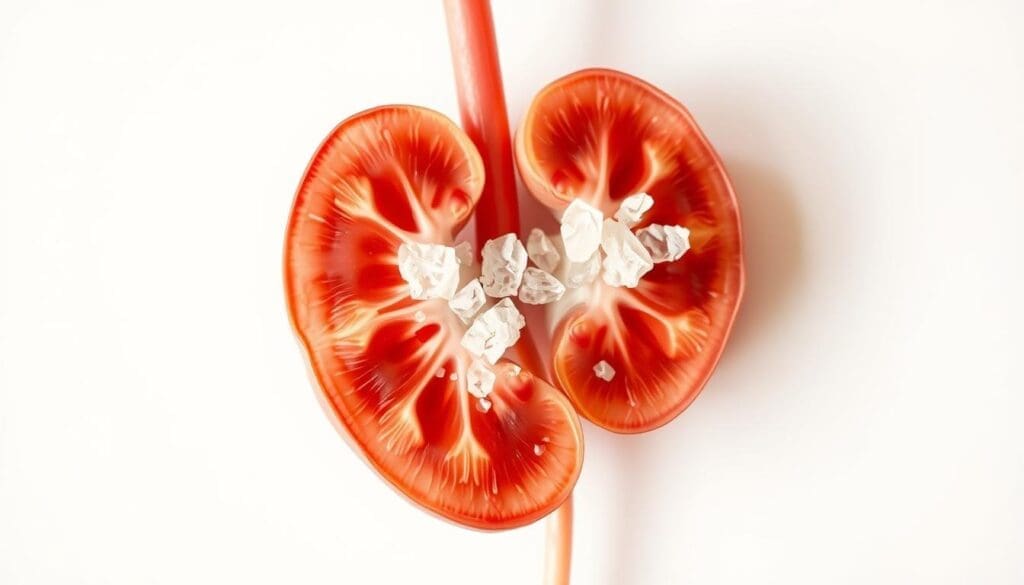
Calcium oxalate kidney stones are the most common type. Knowing how to stop them is key for those at risk. Many think calcium intake causes kidney stones. But, research shows that enough calcium actually stops stones from forming. Learn how to reducecalcium oxalate in urine through diet and lifestyle changes to prevent the formation of painful kidney stones.
Calcium works by binding to oxalate in your gut. This stops oxalate from being absorbed and then passed in your urine. This action lowers the chance of stones forming. At Liv Hospital, we offer advice based on science to help prevent stones from coming back.
Key Takeaways
- Adequate dietary calcium intake helps prevent calcium oxalate kidney stones.
- Calcium binds to oxalate in the digestive system, reducing its absorption.
- Personalized guidance can help prevent kidney stone recurrence.
- Understanding the role of calcium in kidney stone prevention is key.
- Liv Hospital offers evidence-based treatments for kidney stone prevention.
Understanding Calcium Oxalate Kidney Stones
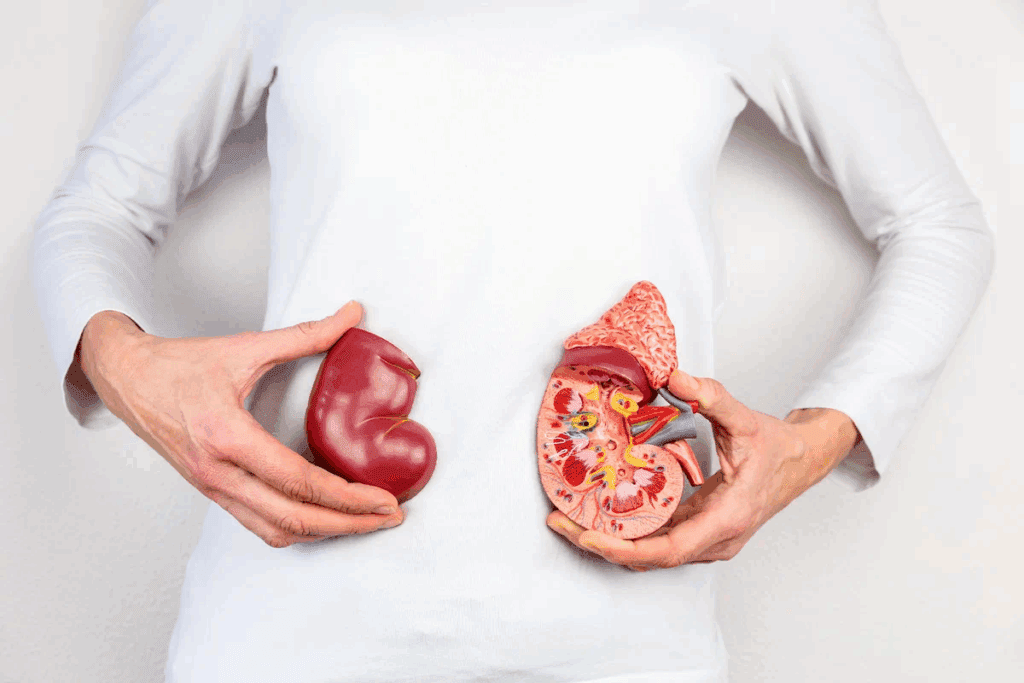
It’s important to know about calcium oxalate kidney stones to prevent and treat them. We’ll explore what these stones are, how common they are, and how they form.
What Are Calcium Oxalate Kidney Stones?
Calcium oxalate kidney stones are hard deposits made of calcium and oxalate. They form in the kidneys when there’s too much of these substances in the urine. Calcium oxalate stones are the most common, making up about 80% of all kidney stones.
Prevalence and Recurrence Rates
Kidney stones are common, with calcium oxalate stones being the most common type. People who have had a kidney stone are more likely to get another. If you don’t take steps to prevent it, the chance of getting another stone can be as high as 50% within 5-10 years.
- About 1 in 11 people in the United States will get a kidney stone at some point.
- The number of people getting kidney stones has been going up over the years.
- Getting another stone is common, so it’s important to prevent it.
The Stone Formation Process
The process of forming calcium oxalate kidney stones is complex. It starts when the urine has too much calcium and oxalate, causing them to crystallize. Several things can lead to this, including:
- Eating too many foods high in oxalate or not enough calcium.
- Not drinking enough water, which makes the urine more concentrated.
- Having certain medical conditions that affect how the body handles calcium and oxalate.
Knowing these factors can help you lower your risk of getting calcium oxalate kidney stones.
Will Calcium Cause Kidney Stones? Debunking the Myth
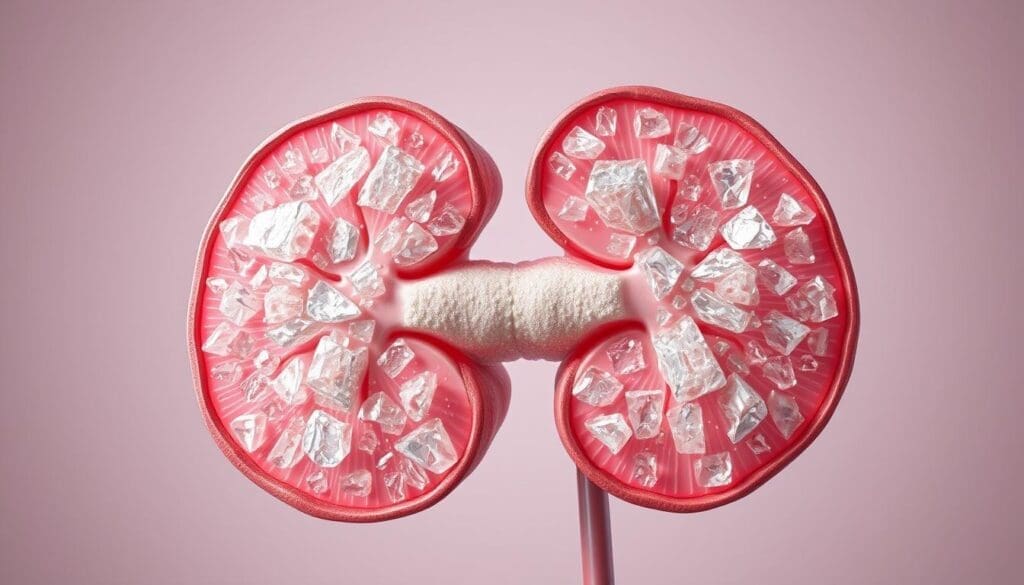
Many think calcium causes kidney stones, but it actually helps prevent them. This myth worries a lot of people. But, science shows calcium is good for our kidneys.
The Common Misconception About Calcium
Some believe calcium leads to kidney stones because it increases urine calcium. But, this overlooks how calcium works with other body substances.
Scientific Evidence on Calcium’s Protective Role
Studies show calcium helps lower kidney stone risk. People who ate 1,200 mg of calcium daily had a 51% lower stone risk than those on low-calcium diets. This proves calcium is key in preventing stones.
How Dietary Calcium Binds to Oxalate
Dietary calcium binds to oxalate in the intestines. This reduces oxalate absorption and urine excretion. So, it lowers the risk of oxalate stones in the kidneys.
The Dangers of Low-Calcium Diets
Low-calcium diets can increase kidney stone risk. Without enough calcium, more oxalate is absorbed and excreted in urine. So, it’s vital to eat enough calcium to prevent this.
Identifying Your Risk Factors for Stone Formation
Knowing your risk factors is key to avoiding calcium oxalate kidney stones. By spotting these risks, you can lower your chance of getting stones.
Genetic and Family History
Your genes and family history greatly affect your risk for kidney stones. If your family has a history of stones, you’re more likely to get them. Studies show that genes can change how your urine holds stone-forming substances.
Key genetic and family history risk factors include:
- A family history of kidney stones
- Genetic disorders such as cystinuria or hyperoxaluria
Medical Conditions That Increase Risk
Some medical conditions raise your risk of kidney stones. These conditions can change how your urine holds substances that form stones.
Medical conditions that increase the risk of kidney stones include:
- Hyperparathyroidism
- Urinary tract infections
- Gout
- Inflammatory bowel disease
Dietary Habits That Contribute to Stones
Your diet greatly affects your risk of kidney stones. Eating foods high in oxalate, sodium, and animal protein can raise your risk.
Dietary habits to limit or avoid:
- High intake of oxalate-rich foods like spinach and beets
- Excessive consumption of sodium
- High animal protein intake
Environmental and Geographical Factors
Environmental and geographical factors also play a role in your risk. Living in certain areas or being exposed to specific environments can affect your risk.
Environmental and geographical risk factors include:
- Living in hot, dry climates
- Inadequate fluid intake
By understanding and tackling these risk factors, you can lower your chance of getting kidney stones. Next, we’ll talk about recognizing symptoms and when to get medical help.
Recognizing Symptoms and When to Seek Help
Spotting kidney stone symptoms early is key to better treatment. Kidney stones can cause a variety of symptoms, from mild to severe. Knowing these signs is important for getting medical help quickly.
Early Warning Signs of Kidney Stones
The first signs of kidney stones often include severe pain in the back or side. This pain can spread to the lower abdomen or groin. It might come and go or stay constant, and you might also feel nausea and vomiting.
Symptoms Requiring Immediate Medical Attention
Some symptoms can be handled at home, but others need urgent medical care. Signs that mean you should see a doctor right away include fever and chills, which could mean an infection. Also, blood in the urine is a warning sign of bleeding from a stone.
Severe pain that doesn’t go away or is paired with vomiting is a big warning sign too.
Diagnostic Tests for Kidney Stones
If you think you might have kidney stones, getting tested is important. Tests like imaging studies like CT scans or ultrasounds can show the stones and check for blockages. Urine tests can also spot infections or other problems.
If you’re experiencing severe symptoms, get medical help right away. Early treatment can stop serious problems and help you feel better faster.
Optimizing Fluid Intake to Prevent Stones
Drinking enough water is key to avoiding kidney stones. It lowers the levels of minerals that can cause stones. This makes it harder for stones to form.
Daily Water Requirements for Stone Prevention
To stop kidney stones, drink water to make 2-3 liters of urine a day. This keeps your urine diluted, which lowers the risk of stones.
Monitoring Urine Output: Check your urine color to see if you’re drinking enough. It should be pale yellow. If it’s dark yellow or amber, you need more water.
Best Beverages for Kidney Health
Water is the top choice for staying hydrated. But other drinks can also help. Here are some good ones:
- Water: The best choice for hydration.
- Herbal teas: Can contribute to fluid intake and offer additional health benefits.
- Low-fat milk: Rich in calcium, which can help prevent oxalate stones.
Beverages to Limit or Avoid
Some drinks can raise your risk of kidney stones. It’s best to limit or avoid them:
- Sugary drinks: High in fructose, which can increase the risk of stone formation.
- Caffeine: While moderate caffeine intake is generally safe, excessive consumption can lead to dehydration.
- Colas and other dark sodas: Often high in phosphoric acid, which can increase the risk of stones.
Practical Tips to Increase Daily Hydration
It can be hard to drink more water. But there are ways to make it easier:
- Drink a glass of water as soon as you wake up.
- Carry a water bottle with you throughout the day.
- Set reminders to drink water at regular intervals.
- Infuse your water with fruits or herbs for a refreshing taste.
By following these tips, you can stay hydrated and lower your risk of kidney stones.
| Beverage | Effect on Kidney Stones | Recommendation |
| Water | Dilutes urine, reducing stone risk | Drink plenty |
| Herbal Teas | Contributes to fluid intake | Consume in moderation |
| Low-fat Milk | Rich in calcium, helps prevent oxalate stones | Include in diet |
| Sugary Drinks | Increases risk of stone formation | Limit or avoid |
Dietary Modifications That Reduce Stone Risk
Changing your diet can greatly lower the chance of getting kidney stones. A good diet helps control factors that lead to stones. We’ll look at key changes to prevent kidney stones.
Achieving Optimal Calcium Intake (1,000-1,200 mg daily)
Finding the right calcium balance is key. Eating 1,000 to 1,200 mg of calcium each day can stop stones. You can get this from food or supplements if needed.
You can find calcium in milk, yogurt, salmon with bones, and kale. Here’s how much calcium is in these foods:
| Food Source | Calcium Content (mg) |
| 1 cup milk | 300 |
| 1 cup yogurt | 450 |
| 3 oz salmon with bones | 180 |
| 1 cup cooked kale | 200 |
Managing Oxalate-Rich Foods
It’s important to watch oxalate intake to avoid stones. Foods like spinach, beets, and rhubarb are high in oxalate. Eating these foods with calcium-rich foods can lower oxalate absorption.
Reducing Sodium Consumption
Too much sodium can raise calcium in urine, increasing stone risk. Cutting sodium to under 2,300 mg a day can lower this risk.
Limiting Animal Protein
Eating too much animal protein can also raise stone risk. Cutting down on animal protein can lower stone-forming substances in urine.
By making these dietary changes, you can lower your risk of kidney stones. It’s important to eat a balanced diet and talk to a healthcare expert for advice.
Lifestyle Changes for Long-Term Prevention
To prevent kidney stones long-term, you need to make several lifestyle changes. Healthy habits in your daily life can greatly lower the risk of stones coming back.
Weight Management Strategies
Keeping a healthy weight is key to avoiding kidney stones. Being overweight is a risk factor for stones. So, it’s important to keep a healthy weight through diet and exercise.
- Eat a balanced diet rich in fruits, vegetables, and whole grains.
- Engage in regular physical activity, such as walking or jogging, for at least 30 minutes a day.
- Monitor your calorie intake to avoid excessive weight gain.
Exercise Recommendations for Kidney Health
Exercise is not just for weight control; it also boosts kidney health. Try a mix of aerobic exercises and strength training to stay healthy and lower stone risk.
| Exercise Type | Benefits for Kidney Health | Recommended Frequency |
| Aerobic Exercise | Improves cardiovascular health, enhances kidney function | At least 150 minutes/week |
| Strength Training | Builds muscle, supports overall health | 2-3 times/week |
Stress Reduction Techniques
High stress can harm your health, including your kidneys. Try stress-reducing activities like meditation, yoga, or deep breathing to help.
- Practice mindfulness meditation daily.
- Engage in yoga or tai chi to improve flexibility and reduce stress.
- Use deep breathing exercises to calm your mind and body.
Sleep Quality and Kidney Stone Prevention
Good sleep is vital for health, including preventing kidney stones. Aim for 7-8 hours of sleep per night to keep your body working well.
Creating a bedtime routine can help you sleep better. Try reading, taking a warm bath, or practicing relaxation techniques before bed.
Medical Interventions and Monitoring
When lifestyle changes aren’t enough, medical interventions can help prevent kidney stone recurrence. For some individuals, additional medical treatment is necessary to address underlying issues that contribute to stone formation.
Understanding 24-Hour Urine Analysis
A 24-hour urine analysis is a key diagnostic tool. It helps identify metabolic disorders that lead to kidney stones. This test collects urine over 24 hours to measure calcium, oxalate, and citrate levels.
Healthcare providers use this analysis to understand the causes of stone formation. They then tailor treatment plans based on these findings.
Prescription Medications for Stone Prevention
Certain prescription medications can prevent kidney stone recurrence. These include:
- Thiazide diuretics to reduce calcium excretion
- Potassium citrate to increase citrate levels and help prevent stone formation
- Allopurinol for individuals with high uric acid levels
These medications are prescribed based on diagnostic tests, like the 24-hour urine analysis.
Beneficial Supplements
Certain supplements can also help prevent kidney stone recurrence. These include:
- Magnesium supplements to help reduce oxalate absorption
- Vitamin B6, which can help reduce oxalate production
But, it’s important to talk to a healthcare provider before starting any supplements. This ensures they are safe and right for you.
Follow-up Schedule and Monitoring
Regular follow-up appointments and monitoring are key for those at risk of kidney stone recurrence. This may involve:
- Periodic 24-hour urine analyses to assess treatment effectiveness
- Adjustments to medication or supplements as needed
- Ongoing evaluation of dietary and lifestyle habits
By working closely with a healthcare provider, individuals can create a personalized plan to prevent future kidney stones.
Conclusion: Creating Your Personalized Prevention Plan
Creating a plan to prevent kidney stones is essential for long-term success. Understanding your risk factors and making the right changes in diet and lifestyle are key. Medical interventions can also play a role in reducing the risk of stones coming back.
A good kidney stone prevention plan includes diet changes, drinking enough water, and lifestyle adjustments. It’s important to work with a healthcare provider to create a plan that fits your needs and risk factors.
To prevent calcium oxalate kidney stones, you need a detailed plan. This plan should manage your intake of calcium and oxalate, keep you hydrated, and guide your lifestyle choices. By sticking to this plan, you can lower your risk of getting kidney stones.
It’s vital to keep monitoring and updating your prevention plan as needed. Regular check-ups with your healthcare provider help make sure your plan is working. They can also help adjust it if new risks come up.
FAQ
What are calcium oxalate kidney stones and how are they formed?
Calcium oxalate kidney stones happen when there’s too much calcium and oxalate in your urine. This can be due to what you eat, not drinking enough water, or certain health issues.
Will consuming calcium cause kidney stones?
No, eating enough calcium actually helps prevent stones. It stops oxalate from being absorbed in your intestines, so less of it ends up in your urine.
How much calcium should I consume daily to prevent kidney stones?
You should aim for 1,000-1,200 mg of calcium each day. This amount can help lower your risk of getting stones.
What are the symptoms of kidney stones?
Signs you might have stones include very bad pain, feeling sick, and throwing up. If you have a fever or see blood in your urine, get help right away.
How can I optimize my fluid intake to prevent kidney stones?
Drinking 2-3 liters of water a day helps. It makes your urine less concentrated, which is good for your kidneys.
Are there any specific beverages that are beneficial or harmful for kidney health?
Yes, drink water and other low-calorie, non-caffeinated drinks. Avoid sugary, caffeinated, and high-oxalate drinks.
How can I manage oxalate-rich foods to prevent kidney stones?
Know which foods are high in oxalate, like spinach and beets. Eat them in small amounts to help prevent stones.
What lifestyle changes can help prevent kidney stones?
Keeping a healthy weight, managing stress, and getting enough sleep are all good. They can help lower your risk of getting stones.
Are there any medical interventions available for preventing kidney stone recurrence?
Yes, tests like 24-hour urine analysis can find problems that lead to stones. Doctors might prescribe medicines or supplements to help prevent more stones.
How often should I have follow-up monitoring for kidney stone prevention?
How often you need check-ups depends on your risk and how well your prevention plan works. Always see your doctor regularly.
Can certain medical conditions increase the risk of developing kidney stones?
Yes, some health issues can make you more likely to get stones. It’s important to manage these conditions to prevent stones.
How can I create a personalized prevention plan for kidney stones?
To make a plan, know your risk factors, change your diet and lifestyle, and use medical help when needed. This will help you prevent stones.
References
National Center for Biotechnology Information. (2025). How to Prevent Calcium Oxalate Kidney Stones Will. Retrieved from https://www.ncbi.nlm.nih.gov/pmc/articles/PMC1455427/