The definition of a prostate refers to a small gland in the male body that surrounds the urethra and helps make seminal fluid. This gland plays a key role in both urination and sperm function.
Yes, a man can live without a prostate. However, removing it—often due to prostate cancer—can significantly change one’s life. According to Medical News Today, men can remain healthy after losing their prostate, but some may face side effects that can be temporary or long-term.
Knowing what it means to live without a prostate is vital for men with prostate problems.
Key Takeaways
- It is possible to live a healthy life without a prostate.
- Removal of the prostate can lead to significant lifestyle changes.
- Both permanent and treatable side effects can occur post-surgery.
- Understanding the role of the prostate is essential for men’s health.
- Men facing prostate issues should be aware of the possible effects of prostate removal.
The Definition of a Prostate: Understanding the Male Gland
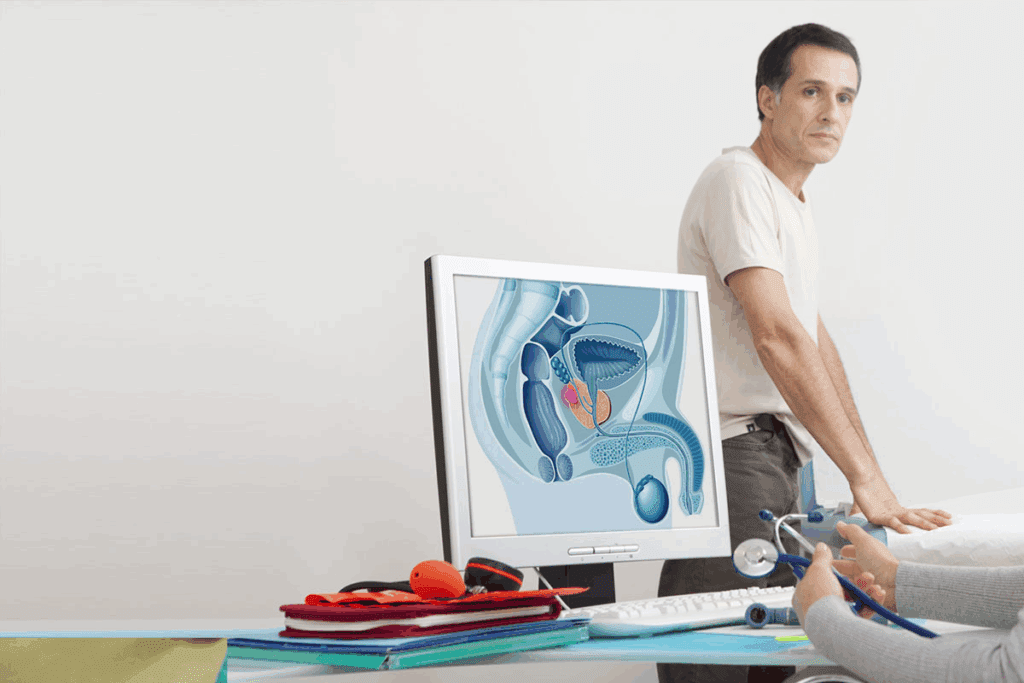
The prostate gland is key to male health. It’s a small gland that helps make semen. Knowing about the prostate is important for men’s health.
Anatomical Location and Structure
The prostate gland sits below the bladder and in front of the rectum. It wraps around the urethra, which carries urine from the bladder to the penis. It’s made of muscular and glandular tissues.
Size and Changes Throughout Life
The prostate’s size can change as a man ages. It’s usually the size of a walnut. But, it can grow bigger with age, a condition called benign prostatic hyperplasia (BPH).
| Life Stage | Typical Prostate Size | Common Issues |
| Young Adulthood | Walnut-sized | Rarely enlarged |
| Middle Age | Slightly enlarged | Possible BPH symptoms |
| Older Age | Often significantly enlarged | BPH, Prostate Cancer |
The Vital Functions of the Prostate Gland
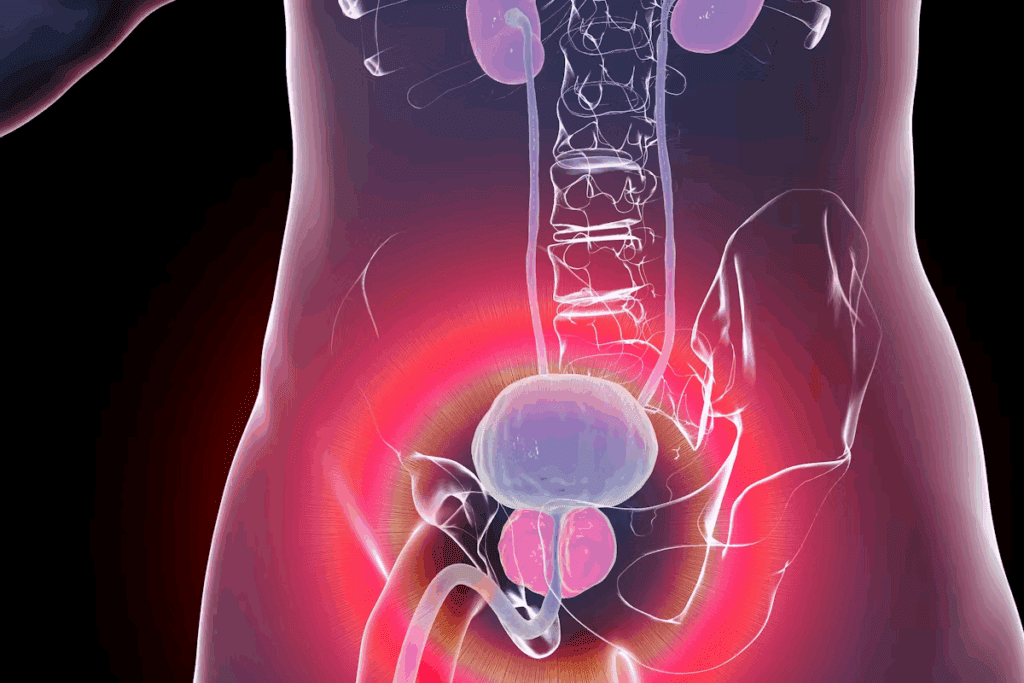
The prostate gland is key to the male reproductive system. It helps make semen and is important for both reproductive and urinary health.
Role in Reproductive Health
The prostate gland makes seminal fluid. This fluid nourishes and protects sperm during ejaculation. Without it, sperm can’t leave the body, which is vital for fertility.
Key aspects of the prostate’s role in reproductive health include:
- Production of seminal fluid
- Nourishment and protection of sperm
- Facilitating the ejaculation process
Contribution to Urinary Function
The prostate gland also affects the urinary system. It surrounds the urethra, the tube for urine and semen. Its muscular tissue helps control urine flow. Problems with the prostate can affect how you urinate.
| Urinary Function | Prostate’s Role | Potential Issues |
| Regulation of urine flow | Muscular tissue surrounding the urethra | Enlargement or obstruction |
| Urine control | Smooth muscle contraction and relaxation | Incontinence or difficulty starting urination |
Hormone Interaction and Regulation
The prostate gland is also involved in hormone regulation. It converts testosterone to dihydrotestosterone (DHT), which is important for prostate growth. Understanding this is key to managing prostate health and conditions like BPH or prostate cancer.
The prostate gland has many functions, affecting reproductive and urinary health. It produces seminal fluid, regulates urine flow, and interacts with hormones. Knowing these functions highlights the importance of prostate health and the impact of prostate-related issues.
Why Would a Prostate Need to Be Removed?
There are many reasons a man might need prostate removal surgery. Doctors consider health factors and the severity of the prostate issue before making a decision.
Prostate Cancer: The Leading Cause
Prostate cancer is a major reason for removing the prostate. Removing the prostate can cure prostate cancer and improve survival chances if the cancer is only in the prostate. Surgery, or prostatectomy, is a common treatment for this cancer.
The table below outlines the different stages of prostate cancer and the typical treatment approaches, including surgery.
| Cancer Stage | Treatment Approach | Role of Prostate Removal |
| Localized | Surgery or Active Surveillance | Prostate removal is often curative. |
| Locally Advanced | Surgery, Radiation Therapy | Prostate removal may be part of a multi-modal treatment plan. |
| Metastatic | Hormone Therapy, Chemotherapy | Prostate removal is less commonly performed. |
Benign Prostatic Hyperplasia (BPH)
BPH, or benign prostatic hyperplasia, is a non-cancerous enlargement of the prostate gland. It’s not life-threatening but can greatly affect quality of life due to urinary symptoms. In some cases, simple prostatectomy may be recommended to alleviate these symptoms.
Other Medical Conditions Requiring Removal
While prostate cancer and BPH are the most common reasons for prostate removal, other conditions may also necessitate surgery. These can include prostatitis (inflammation of the prostate) that doesn’t respond to other treatments, and in rare cases, other prostate-related issues.
Understanding the reasons for prostate removal can help men make informed decisions about their health care. It’s essential to discuss the benefits and risks with a healthcare provider.
Types of Prostate Removal Procedures
The type of prostate surgery a man gets depends on several things. This includes why the surgery is needed. Prostate removal, or prostatectomy, is a surgery that takes out part or all of the prostate gland. The choice of surgery depends on the condition, like prostate cancer, BPH, or other diseases.
Radical Prostatectomy
Radical prostatectomy removes the whole prostate gland and seminal vesicles. It’s mainly for prostate cancer. There are different ways to do it, like open surgery, laparoscopic surgery, and robot-assisted surgery. Robot-assisted radical prostatectomy is popular because it’s precise and might have fewer complications.
Transurethral Resection of the Prostate (TURP)
TURP is less invasive than radical prostatectomy and treats BPH. It removes parts of the prostate that block urine flow. The surgery goes through the urethra, without any cuts outside. TURP is effective in easing urinary symptoms from an enlarged prostate.
Simple Prostatectomy
Simple prostatectomy removes the inside part of the prostate gland. It’s for men with very large prostates or can’t have TURP. This surgery can be done with an open incision or a minimally invasive method.
| Procedure | Indications | Key Characteristics |
| Radical Prostatectomy | Prostate Cancer | Removal of entire prostate and seminal vesicles; various surgical techniques available |
| TURP | BPH, urinary obstruction | Less invasive; performed through the urethra; relieves urinary symptoms |
| Simple Prostatectomy | Large prostates, BPH | Removal of inner prostate; can be open or minimally invasive |
It’s important for men facing prostate surgery to know about the different procedures. Each has its own reasons, benefits, and risks. Talking to a healthcare provider can help choose the best surgery for each person’s needs and situation.
Immediate Physical Changes After Prostate Removal
After prostate removal surgery, men face several physical changes. These changes affect their urinary and sexual functions, among others.
Urinary Function Adjustments
Urinary function changes are a big part of the recovery. Men might struggle with urinary incontinence, which means they can’t control when they pee. This can be anything from a little leakage to not being able to hold it at all. Medical News Today says this is a common side effect.
How quickly men adjust to these changes varies. Some see improvements right away, while others take longer. Doing pelvic floor exercises, like Kegels, can help regain control over urination.
Sexual Function Impact
Prostate removal surgery can also affect a man’s sex life. Many men struggle with erectile dysfunction, or the inability to get or keep an erection. How much this affects a man depends on the surgery type and his overall health.
It’s important for men to talk to their doctors about these issues. There are treatments, like medication, that can help with erectile dysfunction.
Recovery Timeline
Recovery times after prostate removal surgery differ for everyone. Most men take a few weeks to a few months to get back to normal. It’s key to follow the post-operative instructions from the healthcare team for a smooth recovery.
During this time, men may deal with pain, discomfort, and changes in how they pee and have sex. Regular check-ups with doctors are important to track progress and address any issues.
Can Men Survive Without a Prostate?
Can men live without their prostate gland? What happens if it’s removed? The prostate gland is key to the male reproductive system. Yet, removing it doesn’t always shorten a man’s life.
Studies show that removing the prostate for cancer can actually increase life expectancy. This is compared to not treating it (Source: Medical News Today). We’ll look at how the body adjusts after prostate removal and the survival rates.
Physiological Adaptations
After a prostatectomy, the body changes to cope without the prostate. These changes affect how men urinate and have sex.
- The urethra is reattached to the bladder, allowing for continued urine flow, but with some adjustments.
- Sexual function might be affected because of the nerves and blood vessels near the prostate.
- The body finds new ways to manage urine flow and sexual function without the prostate.
Survival Rates and Statistics
Survival rates after prostate removal are good, mainly for localized prostate cancer.
Key Statistics:
- Men who have surgery for localized cancer often live longer than those who wait and watch.
- The 5-year survival rate for localized prostate cancer is almost 100%.
- Long-term survival depends on age, health, and cancer stage at diagnosis.
Knowing these stats and how the body adjusts can help men choose their treatment wisely.
Short-Term Side Effects of Prostate Removal
Prostate removal surgery can have short-term side effects that patients and doctors need to know about. Knowing these effects helps in taking good care of patients during their recovery.
Urinary Incontinence
Urinary incontinence is a common side effect after prostate removal. It can be mild or severe, even leading to complete loss of bladder control. Many studies show that incontinence is a big worry for many men after surgery.
Types of Urinary Incontinence:
- Stress Incontinence: Leakage during physical activities like coughing or lifting.
- Urge Incontinence: Sudden, intense need to urinate, followed by involuntary leakage.
- Mixed Incontinence: Combination of stress and urge incontinence.
Erectile Dysfunction
Erectile dysfunction (ED) is another common side effect. Some men may not be able to get an erection at all, while others might have a weaker one.
Nerve-sparing techniques during surgery can help reduce ED. But, the outcome depends on the patient’s age and how well they could get an erection before surgery.
Pain and Discomfort
Pain and discomfort are common after prostate removal surgery. The pain can vary, but doctors usually treat it with medicine.
| Source of Pain | Common Descriptions | Typical Management |
| Surgical Site | Aching, soreness | Pain medication |
| Catheter Use | Discomfort, irritation | Catheter care, medication |
Psychological Impact
The psychological effects of prostate removal should not be ignored. Anxiety, depression, and changes in how one sees their body can happen. It’s important to have support from doctors, family, and support groups during this time.
Knowing about these short-term side effects helps patients prepare for what they might face after surgery. With the right care and support, recovery can be smoother.
Long-Term Consequences of Living Without a Prostate
Removing the prostate gland can change men’s health in many ways. It affects how they urinate, their sex life, and their overall health.
Permanent Changes to Urinary Function
One big change after prostate removal is how men urinate. They might leak urine or even lose control. Some men get better over time, but others need to find new ways to manage their urine.
Medical News Today says that changes in urination can be big. Men might need therapy or other treatments to control their bladder again.
Sexual Health and Fertility
Prostate removal surgery can also affect sex and fertility. Many men struggle with erectile dysfunction after surgery. How well they do depends on the surgery and their health before surgery.
Also, prostate removal can make it hard to ejaculate. Men should talk to their doctor about their fertility before surgery.
Hormone-Related Effects
Removing the prostate gland doesn’t usually change hormone levels a lot. But, treatments for prostate cancer can affect hormones.
Men should know about these possible effects and talk to their doctor. This helps them make good choices about their treatment.
Life Expectancy After Prostate Removal
Knowing how long you might live after having your prostate removed is key for men facing prostate cancer treatment. Removing the prostate doesn’t always mean you’ll live shorter. In fact, some studies show it might even help you live longer if you have localized prostate cancer.
Cancer-Related Outcomes
For men with localized prostate cancer, taking out the prostate can help you live longer. Research shows that men who have this surgery often live as long as people without cancer. The main thing is when the cancer is caught and treated.
“Men with localized prostate cancer live longer with surgery,” says recent research. This shows how important it is to catch and treat cancer early.
Non-Cancer Related Outcomes
Men without cancer or with slow-growing tumors might also have their prostate removed. This is often because of conditions like Benign Prostatic Hyperplasia (BPH). In these cases, the surgery usually doesn’t affect how long you’ll live much. It’s mainly done to make life better, not to fight cancer.
But, it’s important to remember that your overall health and lifestyle also matter a lot after prostate removal. Men who are healthier and don’t have many health problems usually do better.
Factors Affecting Longevity
Several things can affect how long you might live after having your prostate removed, including:
- How old you are when you have the surgery
- Your overall health and any other health issues you have
- The stage and how aggressive the cancer is (if you have it)
- Things like your diet, exercise, and whether you smoke
By knowing these factors and making smart choices, men can improve their health after prostate removal. After any big surgery, it’s important to follow up with your doctor and make healthy lifestyle choices. This can help you stay healthy and possibly live longer.
Quality of Life Without a Prostate
Men who have their prostate removed face new challenges in daily life and relationships. The impact of prostate removal on quality of life varies. It depends on the surgery reason, type, and the man’s health.
Daily Functioning and Activities
Men may see changes in how they use the bathroom after surgery. Some might need to use pads for incontinence. They might also need to go to the bathroom more often.
A study showed most men can get back to their usual activities in a few months. But, recovery times differ, and some men may need to change their lifestyle for good.
| Activity | Pre-Surgery | Post-Surgery (Short-Term) | Post-Surgery (Long-Term) |
| Exercise | Regular exercise routine | Limited by pain and discomfort | Resumed normal exercise routine |
| Urinary Function | Normal urinary function | May experience incontinence | Improved urinary control |
| Work | Normal work schedule | May need to take time off | Resumed normal work schedule |
Relationship and Intimacy Adjustments
Prostate removal can also affect a man’s sexual health and intimacy. Erectile dysfunction is a common side effect. Couples may need to find new ways to be intimate and seek support.
Talking openly with a partner about the changes is key. Many men find it helpful to share their feelings with their partner, doctor, or counselor.
Psychological Well-being
The emotional impact of living without a prostate should not be ignored. Men may feel anxious, depressed, or face other emotional challenges. Support from healthcare, family, and friends is essential.
Some men might benefit from counseling or therapy. Staying positive and focusing on life’s other aspects can also help with emotional well-being.
Managing Life After Prostate Removal
Life after prostate removal surgery can be managed well. This includes regular medical check-ups, making lifestyle changes, and using support systems. Men need to adjust to a new life to keep their quality of life high.
Medical Follow-up Requirements
Regular medical visits are key after prostate removal. These visits help watch for cancer coming back and manage side effects. How often you need to go depends on your health and the surgery details.
Key aspects of medical follow-up include:
- PSA (Prostate-Specific Antigen) testing to monitor for cancer recurrence
- Physical examinations to assess overall health and detect any possible issues early
- Imaging tests as necessary, based on the doctor’s recommendations
| Follow-up Aspect | Description | Frequency |
| PSA Testing | Monitoring for cancer recurrence | Typically every 6-12 months |
| Physical Examination | Assessing overall health | At least annually |
| Imaging Tests | Detailed assessment as needed | As recommended by the doctor |
Lifestyle Modifications
Changing your lifestyle can greatly improve life after prostate removal. These changes help manage side effects and boost well-being.
Recommended lifestyle adjustments include:
- Dietary changes to support urinary and sexual health
- Exercise routines to improve physical strength and endurance
- Pelvic floor exercises (like Kegels) to help manage incontinence
Support Systems and Resources
Having a strong support system is essential for men after prostate removal. Support comes from healthcare professionals, family, friends, and support groups.
Utilizing support systems can provide:
- Emotional support to cope with the psychological impact
- Practical advice on managing daily life and side effects
- A sense of community and connection with others who have experienced similar challenges
By combining medical check-ups, lifestyle changes, and support, men can manage life after prostate removal well. This improves their overall quality of life.
Alternatives to Complete Prostate Removal
Men dealing with prostate issues have many treatment options. These include new and proven therapies. The choice depends on the cancer stage, health, and personal wishes.
Partial Gland Treatments
Partial gland treatments aim to target cancer in the prostate while keeping the rest intact. This method might lower the risk of side effects from full removal or radiation.
Focal therapy techniques include laser ablation, cryotherapy, and high-intensity focused ultrasound (HIFU). These are less invasive and work well for localized prostate cancer.
“Focal therapy represents a promising approach for men with localized prostate cancer, preserving urinary and sexual function.”
Radiation Therapy Options
Radiation therapy is another option instead of removing the prostate. It uses high-energy rays to kill cancer cells. There are several types, like external beam radiation therapy (EBRT) and brachytherapy.
- EBRT delivers radiation from outside the body, targeting the prostate gland.
- Brachytherapy involves placing radioactive seeds directly into the prostate.
Radiation therapy can be used alone or with other treatments. It’s good for men with localized or locally advanced prostate cancer.
Watchful Waiting and Active Surveillance
For men with low-risk prostate cancer or other issues, watchful waiting or active surveillance might be suggested. Watchful waiting means monitoring without treating the cancer.
Active surveillance is more active, with regular PSA tests, exams, and biopsies. Treatment is considered if the cancer starts to grow.
Both watchful waiting and active surveillance are for men not suited for aggressive treatments. This is due to age, health, or slow-growing cancer.
In conclusion, there are many alternatives to removing the prostate. Each option is tailored to the individual’s needs. It’s important to talk to a healthcare provider to find the best treatment.
Advancements in Prostate Surgery and Preservation
Medical technology and surgery have seen big changes. These changes have made surgeries better and helped patients keep their quality of life.
Nerve-Sparing Techniques
Nerve-sparing surgery is a big deal. It tries to keep nerves around the prostate safe. These nerves are key for bladder and sex functions. It has cut down on problems like not being able to control urine or get an erection after surgery.
Doctors use special methods to find and save these nerves. This makes recovery better and reduces long-term problems.
- Nerve-sparing prostatectomy has shown to improve erectile function recovery.
- Advanced imaging techniques help in identifying the nerves more accurately.
- Surgeons’ experience and skill play a critical role in the success of nerve-sparing techniques.
Focal Therapy Approaches
Focal therapy is a new way to fight prostate cancer. It aims to hit the cancer spot without harming the rest of the gland. This method cuts down on damage to other tissues and lowers side effect risks. High-intensity focused ultrasound (HIFU) and cryotherapy are some methods used.
This therapy is great for men with low to intermediate-risk prostate cancer. It’s a gentler option compared to surgery or radiation.
Future Directions in Treatment
The future of prostate surgery looks bright. New tech and methods are being explored. Robotics, artificial intelligence, and better imaging will improve surgery and results.
As science keeps advancing, we’ll see more personalized care. This means patients will have more choices and better recovery chances with fewer side effects.
Myths and Misconceptions About Prostate Removal
Myths about prostate removal can harm men’s health choices. These myths spread confusion and fear. They make it hard for patients to decide on treatment.
Common Misunderstandings
Many believe prostate removal ruins quality of life. But, while some men face issues like urinary incontinence or erectile dysfunction, many adapt well.
“The surgery will render me impotent and incontinent.” This is not true for all. New surgical methods, like nerve-sparing prostatectomy, lower these risks.
Scientific Facts vs. Popular Beliefs
Not all men with prostate removal face severe side effects. Outcomes depend on surgery type, health, and cancer stage.
“The key to managing life after prostate removal lies in understanding the possible outcomes and preparing for them.”
Men thinking about prostate removal should talk to their doctor. This helps them understand risks and benefits for their situation.
By clearing up these myths, men can make better choices about their prostate health.
When to Consult a Doctor About Prostate Health
Knowing when to see a doctor about prostate health is key for catching problems early. Prostate health is important for men’s health. Knowing what to look for can help avoid serious issues.
Warning Signs and Symptoms
Men should watch for signs of prostate trouble. Look out for trouble with urination, like weak flow or needing to go a lot. Seeing a doctor is important if these signs don’t go away or get worse.
- Frequent urination, even at night
- Weak or interrupted urine flow
- Pain or burning while urinating
- Blood in urine or semen
- Pain in the back, hips, or pelvis that lasts
Preventive Screenings and Examinations
Preventive tests are key for prostate health. The Prostate-Specific Antigen (PSA) test helps find cancer early. Talk to your doctor about your risk and when to get tested.
| Age Group | Recommended Screening |
| 50+ | Annual PSA test and Digital Rectal Exam (DRE) |
| High-risk individuals | Earlier and more frequent screenings |
Questions to Ask Your Healthcare Provider
Having questions ready for your doctor can help you understand your prostate health. Ask about your cancer risk, the PSA test’s benefits and risks, and what to expect during exams.
- What are my risk factors for prostate cancer?
- What are the benefits and limitations of the PSA test?
- How often should I undergo prostate screenings?
By being proactive about prostate health and knowing when to see a doctor, men can take big steps towards better health. This helps catch and treat problems early.
Conclusion: Living a Full Life Without a Prostate
Men can live a full and healthy life without a prostate. They might need to make some changes and find support. After removing the prostate, big changes happen in how they pee and have sex. But, with the right care and lifestyle changes, they can handle these changes well.
Living without a prostate means regular doctor visits and maybe changing your lifestyle. Men who have had their prostate removed should know about the long-term effects. These include lasting changes in how they pee and their sex life.
Knowing what life without a prostate gland means helps prepare for the future. With the right help and resources, men can face the challenges and enjoy life fully.
FAQ
Can a man live without his prostate?
Yes, men can survive without a prostate. The prostate is important for health but not essential for living a full life.
What is the prostate gland, and what does it do?
The prostate gland is a small gland below the bladder and in front of the rectum. It makes seminal fluid for sperm and helps with urine and hormones.
Why is prostate removal necessary?
Prostate removal, or prostatectomy, is needed for prostate cancer, BPH, or other prostate issues.
What are the different types of prostate removal procedures?
There are several prostate removal procedures. These include radical prostatectomy, TURP, and simple prostatectomy. Each has its own use and benefits.
What are the immediate physical changes after prostate removal?
Men may face changes in urine function and sex life after prostate removal. The recovery time varies based on the surgery type.
What are the short-term side effects of prostate removal?
Short-term side effects include urine leaks, erectile issues, pain, and emotional effects. These can vary in severity and last different lengths of time.
What are the long-term consequences of living without a prostate?
Living without a prostate can lead to permanent changes in urine, sex, fertility, and hormone levels. These can be managed with medical care and lifestyle changes.
How does prostate removal affect life expectancy?
Life expectancy after prostate removal depends on cancer outcomes, overall health, and other factors. Some men can live a normal life expectancy.
Can men maintain a good quality of life without a prostate?
Yes, with medical care, lifestyle changes, and support, men can live well without a prostate. This includes daily life, relationships, and mental health.
Are there alternatives to complete prostate removal?
Yes, alternatives include partial gland treatments, radiation, and watchful waiting. These may be good options for some men based on their condition.
What advancements have been made in prostate surgery and preservation?
Advances include nerve-sparing techniques and focal therapy. These aim to reduce side effects and improve results.
What are common myths and misconceptions about prostate removal?
Common myths include thinking the prostate is always needed, its removal impacts quality of life, and alternative treatments are ineffective.
When should I consult a doctor about prostate health?
Men should see a doctor for prostate health if they notice symptoms or are due for screenings. It’s also important to ask about treatment options.
Reference
- Jeldres, C. (2009). Survival after radical prostatectomy and radiotherapy for prostate cancer. PMC, National Institutes of Health. https://pmc.ncbi.nlm.nih.gov/articles/PMC2645889/