
Did you know that all bones in newborn babies have active marrow, producing new cells? This spongy tissue inside our bones is key for making blood cells. It plays a big role in our health.
As a parent, knowing about bone marrow and its role can be reassuring. The process of transplanting this vital tissue is complex. It often makes parents worry about its safety for kids.
Key Takeaways
- Bone marrow is responsible for producing blood cells in children.
- Understanding bone marrow’s role can alleviate parental concerns.
- Pediatric bone marrow transplant procedures are complex.
- Safety considerations are key in these procedures.
- Active marrow in newborns shows its importance from birth.
Understanding Pediatric Bone Marrow Transplants
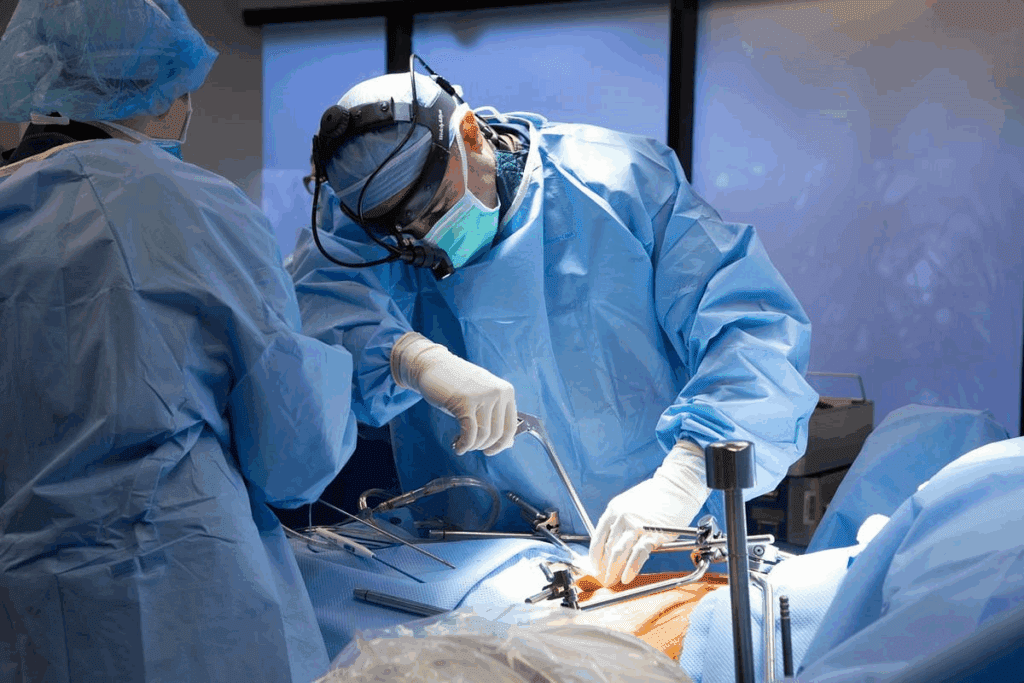
Understanding pediatric bone marrow transplants is key for families facing this tough medical path. These transplants are a complex treatment for kids with severe blood disorders or cancers.
What Is a Bone Marrow Transplant?
A bone marrow transplant replaces a child’s sick or damaged bone marrow with healthy stem cells. “Bone marrow makes all kinds of blood cells: red blood cells that carry oxygen, white blood cells that fight infections, and platelets that help blood clot.”
Why Children May Need Bone Marrow Transplants
Children may need bone marrow transplants for leukemia, lymphoma, and other blood disorders. This choice is made when other treatments have failed or are unlikely to work.
Types of Pediatric Bone Marrow Transplants
There are several types of bone marrow transplants for children, including:
| Type of Transplant | Description |
| Autologous | Uses the child’s own stem cells |
| Allogeneic | Uses stem cells from a donor |
| Syngeneic | Uses stem cells from an identical twin |
Each type has its own considerations and is chosen based on the child’s medical needs.
Bone Marrow Transplant Safety: Key Considerations for Children
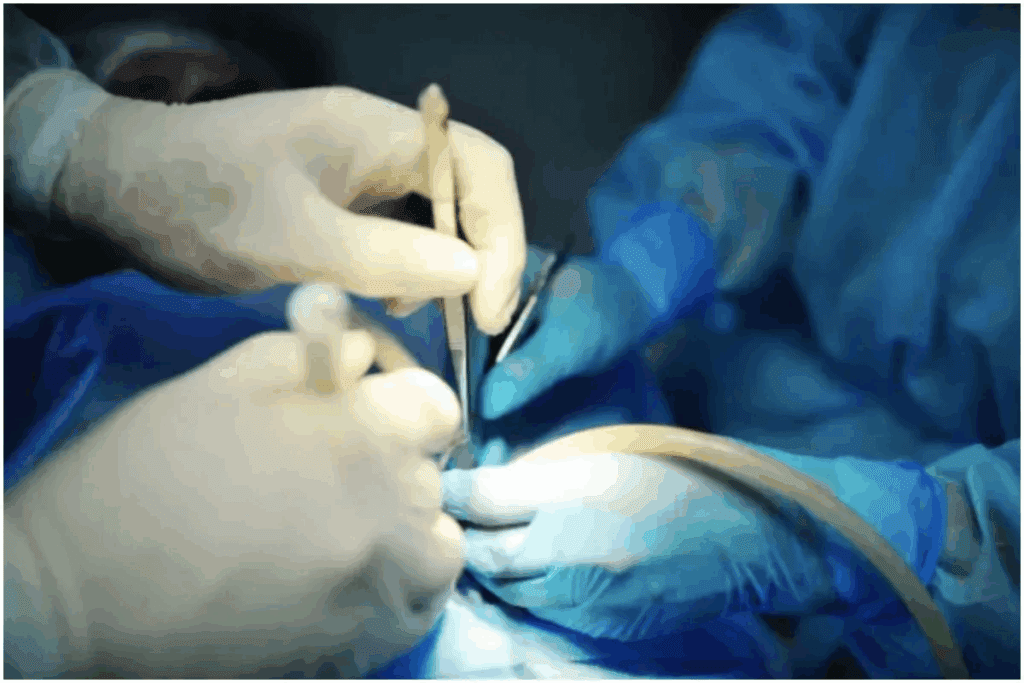
When thinking about bone marrow transplants for kids, safety is top priority. It’s important to look at many factors to get the best results for young patients.
General Safety Profile
The safety of bone marrow transplants for kids depends on several things. These include the child’s health, the type of transplant, and their overall health. Pre-transplant conditioning regimens are key to the success and safety of the procedure.
Age-Specific Safety Factors
Age is a big factor in bone marrow transplants for kids. Kids’ bodies are growing, and they react differently to transplants than adults. For example, younger kids might face higher risks of complications because their immune systems are not fully developed.
Institutional Experience and Outcomes
The team doing the transplant matters a lot for kids’ safety and success. Places with lots of experience in pediatric transplants usually have better results. This is because they have well-tested methods and a skilled team.
Knowing these important points helps parents and doctors make smart choices about bone marrow transplants for kids. This way, they can ensure the safest and best outcomes for young patients.
The Transplant Process for Kids
Parents going through bone marrow transplants for their kids need to know the process. It has many stages, from the first check-up to aftercare. Each step is important for the child’s health and recovery.
Pre-Transplant Evaluation and Preparation
The first step is a detailed check of the child’s health. Tests are done to see if they’re ready for the transplant. Preparation is key to help the child’s body handle the transplant and recovery.
Parents learn what to expect and how to care for their child before and after. They get tips on nutrition, watch for complications, and keep things clean to avoid infections.
The Procedure Itself
The transplant involves putting healthy bone marrow cells into the child’s body. It’s done through an IV, like a blood transfusion. The actual transplant is short, but getting ready and recovering takes longer.
Immediate Post-Transplant Care
After the transplant, the child is watched for any problems or GVHD. Care focuses on managing pain, preventing infections, and meeting nutritional needs. Close monitoring and follow-up care are vital to catch any issues early.
The medical team works with the family to give full care. They guide on medication, appointments, and lifestyle changes to help the child recover.
Potential Risks and Complications
Bone marrow transplants offer hope for many children. But, they come with risks and complications. It’s important for families and healthcare providers to know these to make good decisions and care for the children.
Short-Term Complications
After a bone marrow transplant, children may face serious issues. These include severe infections, bleeding, and organ damage. The treatment before the transplant, which includes chemotherapy and sometimes radiation, can cause these problems. It weakens the immune system and can harm the mouth, digestive tract, and other organs.
Graft-Versus-Host Disease (GVHD) in Children
Graft-Versus-Host Disease (GVHD) is a big problem with allogeneic bone marrow transplants. The donated marrow sees the recipient’s body as foreign and attacks it. GVHD can be acute or chronic, with acute happening within the first 100 days after the transplant. Symptoms can be mild or severe, including skin rash, liver problems, and stomach issues.
“Lymphocytes, which are made inside our marrow, enter the lymph nodes to fight infection,” highlighting the complex interaction between the immune system and transplanted marrow.
Infection Risks and Prevention
Infections are a big risk after bone marrow transplantation. This is because the treatment weakens the immune system and takes time for the new immune system to grow.
Common Infections
- Bacterial infections, which are common during the neutropenic phase
- Viral infections, like CMV reactivation
- Fungal infections, which can be very dangerous
Preventive Measures
To prevent infections, a few steps are taken:
- Prophylactic antibiotics and antifungals are used
- Monitoring for viral reactivation is done
- Isolation techniques are used to reduce exposure to pathogens
By knowing these risks and taking steps to prevent them, healthcare providers can help improve outcomes for children having bone marrow transplants.
Chemotherapy and Radiation Risks for Pediatric Patients
Chemotherapy and radiation are key parts of bone marrow transplants for kids. They help get rid of old marrow and lower cancer risk. But, these treatments can cause problems.
Conditioning Regimens for Children
The treatment plan is made just for each child. It depends on their age, disease, and health. Chemotherapy and radiation weaken the immune system. This lets new marrow grow.
Key components of conditioning regimens include:
- Chemotherapy drugs such as cyclophosphamide and busulfan
- Total body irradiation (TBI) to eliminate cancer cells and immunosuppress the patient
Immediate Side Effects
Chemotherapy and radiation can cause serious side effects right away. These include:
| Side Effect | Description |
| Nausea and Vomiting | Common side effects managed with antiemetic medications |
| Mucositis | Inflammation of the mucous membranes, potentially causing pain and difficulty eating |
| Hair Loss | Temporary hair loss due to chemotherapy and radiation |
Long-Term Concerns from Preparatory Treatments
Long-term worries include secondary cancers, organ problems, and growth issues. A study found that kids who get bone marrow transplants face higher risks. These risks include secondary cancers and organ problems.
“The late effects of therapy can be significant, and long-term follow-up is essential for the early detection and management of these complications.”
It’s important to keep an eye on kids after these treatments. This helps reduce risks and improve their chances of a good outcome.
Donor Considerations and Safety
When thinking about bone marrow transplants for kids, the donor’s safety and match are key. The transplant’s success depends a lot on the donor’s health and how well they match the recipient.
HLA Matching Importance for Safety
Human Leukocyte Antigen (HLA) matching is very important in bone marrow transplants. It checks if the donor and recipient are compatible, lowering the risk of graft-versus-host disease (GVHD). A high degree of HLA matching is linked to better results in pediatric bone marrow transplants.
“The degree of HLA matching is a critical factor in the outcome of bone marrow transplants, with a higher match associated with reduced risk of complications.”
Child Donors: Special Considerations
When kids are donors, there are extra things to think about. The health and safety of the child donor are top priorities. Special protocols are in place to ensure the safety and comfort of child donors.
| Consideration | Description |
| Age and Health | Child donors are checked for their overall health and age to make sure they can safely donate. |
| Donation Method | The way bone marrow is collected is chosen based on the child’s health and size. This is to minimize discomfort and risk. |
| Post-Donation Care | Child donors get special care after the procedure to watch their recovery and handle any issues. |
Donor Recovery Process
The recovery for bone marrow donors involves watching them closely and giving them special care. Donors are told how to handle any side effects and are checked up on to make sure they recover well.
Medical sources say bone marrow in the spine and hip has the most cells. This is something to think about when donating.
Recovery and Immune System Rebuilding
After a pediatric bone marrow transplant, the recovery phase is key. It’s all about rebuilding the immune system. This is vital for the child’s health and needs careful management to avoid problems.
Timeline for Immune Reconstitution
The time it takes for the immune system to recover varies. It can take months to a few years. Lymphocytes, a type of white blood cell, are important in this process. Keeping an eye on lymphocyte counts helps check the immune system’s health.
Special Precautions During Recovery
Children need to take special steps during recovery to avoid infections. They should stay away from crowded places and keep their hygiene up. They should also eat well. Vaccinations might be suggested to protect against certain infections.
School and Social Reintegration
Going back to school and social activities is a big step in recovery. Parents and caregivers should talk to the healthcare team about when it’s okay to start. They might start with part-time school or avoid sports to lower infection risks.
By knowing the recovery process and following precautions, kids can rebuild their immune systems. They can then go back to their normal lives after a bone marrow transplant.
Long-Term Effects and Monitoring
It’s important to understand the long-term effects of bone marrow transplants in kids. They need careful watching to catch any problems that might show up later. This could be months or even years after the transplant.
Physical Development Considerations
Bone marrow is full of nutrients like omega-3 fatty acids and vitamins A, B12, E, and K. These are key for growing strong. But, the treatment before the transplant can slow down growth. Growth hormone deficiencies might happen, so kids need to be watched closely.
Cognitive and Psychological Impacts
Going through a bone marrow transplant can really affect a child’s mind. They might feel anxious, depressed, or even get PTSD. The treatments can also mess with their thinking skills.
Ongoing Medical Surveillance
After a bone marrow transplant, kids need to see their doctors often. They watch for graft-versus-host disease (GVHD) and manage any lasting side effects. They also check if the immune system is healing right.
By keeping a close eye on these things, doctors can help reduce risks. This makes life better for kids who have had bone marrow transplants.
Success Rates and Quality of Life
Recent advances in medical tech have boosted bone marrow transplant success in kids. This is seen in the rising success rates of these surgeries.
Pediatric Transplant Success Statistics
Studies show that success rates for bone marrow transplants in kids depend on the disease. For example, kids with some types of leukemia have better survival chances after a transplant.
- Overall survival rates have improved a lot over the last ten years.
- Disease-free survival rates are also going up.
Factors Affecting Outcomes
Many things can affect how well a bone marrow transplant works in kids. These include the type of transplant, the child’s age, and any other health issues. Matching the donor and recipient is key for a good outcome.
Quality of Life After Transplant
Measuring quality of life after a transplant is complex. It looks at physical, emotional, and social health. Many kids can live active lives after a transplant, but some may face long-term challenges.
With the right care and support, kids can have a much better quality of life after a transplant.
Conclusion: Weighing the Risks and Benefits
Bone marrow transplants can save children’s lives in some cases. The process has risks, but it also has big benefits. It’s important for parents and caregivers to understand the risks and benefits to make good choices.
Thanks to new medical technology, bone marrow transplants are safer for kids now. Even so, problems like graft-versus-host disease and infections can happen. But, choosing the right donor and taking good care after the transplant can help avoid these issues.
Deciding on a bone marrow transplant should be a careful thought. Families need to think about the child’s health, the type of transplant, and the doctor’s skills. This way, they can make the best choice for their child’s treatment.
FAQ
What is bone marrow, and why is it important for children?
Bone marrow is the spongy tissue inside some bones. It makes blood cells. These cells fight infection, carry oxygen, and help blood clot. It’s key for kids’ health.
What is a pediatric bone marrow transplant, and why might a child need one?
A pediatric bone marrow transplant replaces bad bone marrow with good. Kids might get one for cancer, blood disorders, or immune issues.
How safe is a bone marrow transplant for children?
Safety depends on the child’s health, the transplant type, and the center’s experience. Bone marrow transplants are usually safe but come with risks.
What are the risks associated with chemotherapy and radiation in pediatric bone marrow transplants?
Chemotherapy and radiation can cause nausea, hair loss, and fatigue. They might also affect growth and increase cancer risk later.
How is HLA matching important for the safety of bone marrow transplants?
HLA matching lowers the risk of graft-versus-host disease (GVHD). A close match between donor and recipient improves transplant success.
What are the long-term effects of a bone marrow transplant on a child’s physical development?
Effects can include growth delays, hormonal imbalances, and fertility issues. Close medical monitoring is needed to manage these effects.
How long does it take for a child’s immune system to recover after a bone marrow transplant?
Recovery time varies but takes months to years. Kids need to avoid infections during this time.
What is the success rate for pediatric bone marrow transplants?
Success rates vary based on the condition, transplant type, and other factors. Advances in care have improved outcomes, with many kids living well after transplant.
How can parents help their child reintegrate into school and social activities after a bone marrow transplant?
Parents should work with the healthcare team to plan a gradual return. They should also watch for infection signs and offer emotional support.
What are the risks associated with being a bone marrow donor, specially for child donors?
Donating bone marrow is usually safe but carries risks like anesthesia and pain. Child donors are carefully evaluated to minimize risks.
What is graft-versus-host disease (GVHD), and how is it managed in children?
GVHD is when donor immune cells attack the recipient’s tissues. It’s managed with medications and careful monitoring. Preventive measures are also used.
What is the quality of life like for children after a bone marrow transplant?
Life quality varies but many kids return to normal activities. Ongoing care and support are key to managing long-term effects and ensuring a good quality of life.
References
Switzer G.E., Bruce J., Pastorek G., Kiefer D.M., Kobusingye H., Drexler R., et al. “Parent versus Child Donor Perceptions of the Bone Marrow Donation Experience.”