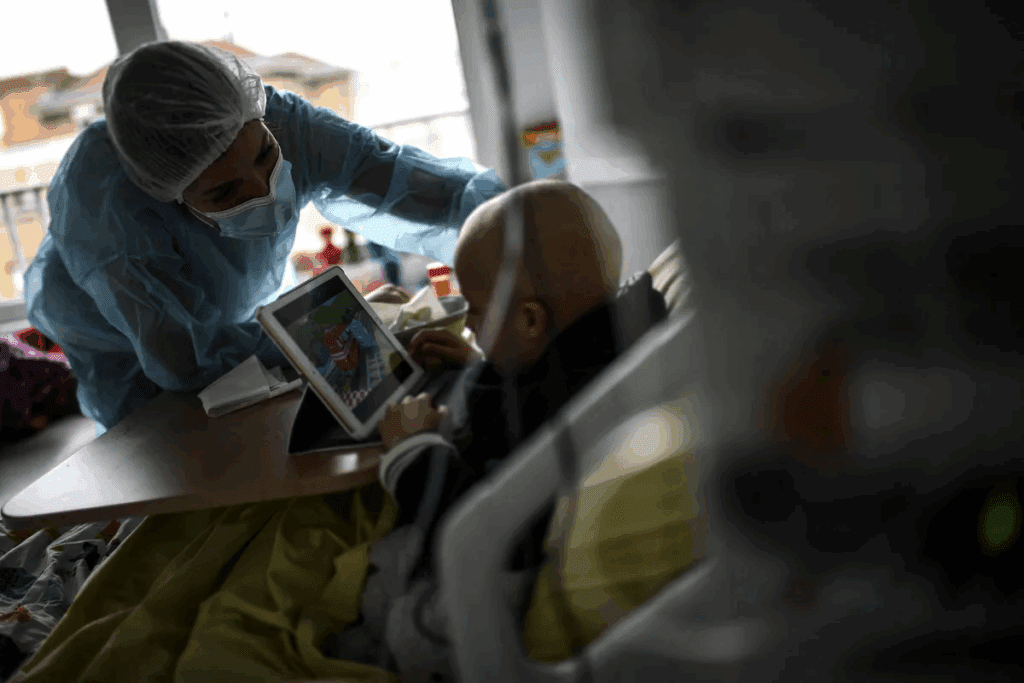
Going through chemotherapy is tough for kids and their families. Many parents worry about the pain their child might feel during treatment. Research shows that kids often face some pain, either from the treatment or related medical steps. Discussing legal precedents and explaining whether Is chemotherapy painful for kids (the infusion).
Thinking about your child in pain can be really hard for parents. But, there are ways to make their treatment less painful. Knowing how kids feel during chemo helps parents get ready for what’s ahead.
Key Takeaways
- Pain is a common experience for children undergoing chemotherapy.
- Effective pain management strategies can significantly reduce discomfort.
- Understanding the treatment process helps parents prepare their children.
- Emotional support is crucial for both children and their families.
- Healthcare providers play a vital role in managing pain and providing support.
Understanding Pediatric Chemotherapy

Pediatric chemotherapy is a key part of treating cancer in kids. It uses strong drugs to fight cancer cells. Knowing how it works and the drugs used is important for parents to help their child.
What Is Chemotherapy and How Does It Work?
Chemotherapy uses drugs to kill cancer cells or stop them from growing. In kids, it’s often used with surgery and radiation. The goal is to target cancer cells without harming healthy ones.
Chemotherapy drugs work in different ways: – Alkylating agents damage the DNA of cancer cells, preventing them from reproducing. – Antimetabolites interfere with the production of DNA and RNA, stopping cancer cells from growing. – Anthracyclines are antibiotics that damage the DNA of cancer cells, preventing them from multiplying.
How Chemotherapy Is Administered to Children
The way chemotherapy is given depends on the cancer type, the child’s health, and the drugs. Common ways include:
- Intravenous (IV) chemotherapy: Drugs are given directly into a vein.
- Oral chemotherapy: Medications are taken by mouth as pills or liquids.
- Intramuscular (IM) or subcutaneous injections: Drugs are injected into a muscle or under the skin.
Each method has its own benefits and challenges. The choice depends on the child’s needs.
Common Chemotherapy Drugs Used in Pediatric Oncology
Several chemotherapy drugs are used in pediatric oncology. These include:
- Vincristine: Used to treat various types of childhood cancers, including leukemia and lymphoma.
- Doxorubicin: An anthracycline antibiotic that is effective against a range of cancers.
- Cyclophosphamide: An alkylating agent used in the treatment of leukemia, lymphoma, and other cancers.
| Drug Name | Classification | Common Use |
| Vincristine | Vinca alkaloid | Leukemia, lymphoma |
| Doxorubicin | Anthracycline | Various childhood cancers |
| Cyclophosphamide | Alkylating agent | Leukemia, lymphoma, other cancers |
The choice of chemotherapy drugs and the method of administration are critical factors in the successful treatment of pediatric cancer.
Is Chemotherapy Painful for Kids?
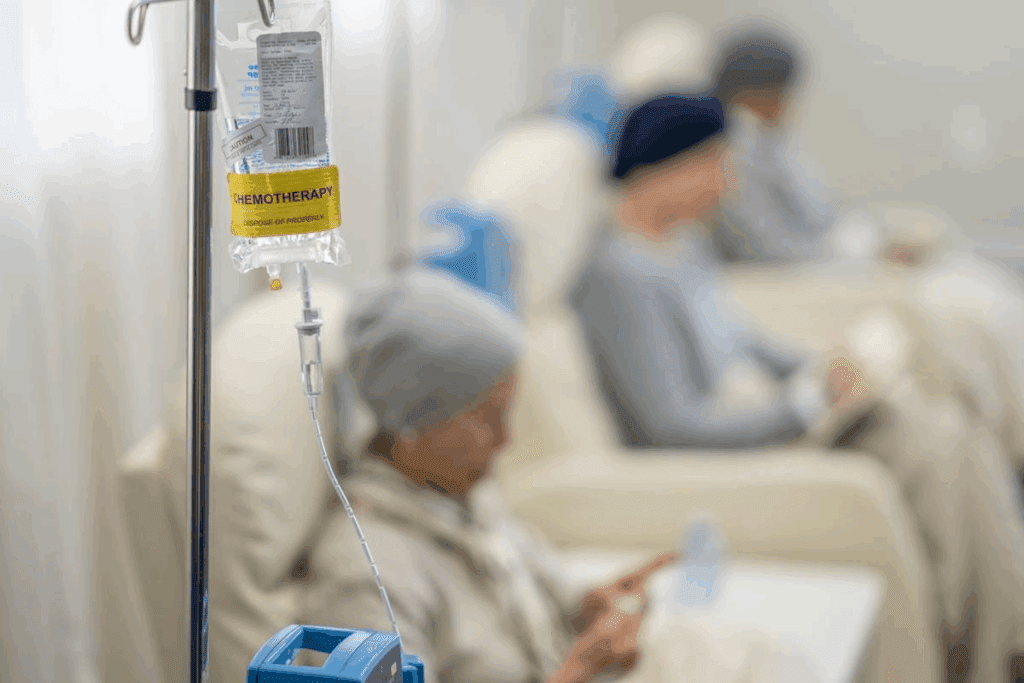
Understanding the pain kids feel during chemotherapy is key to helping them. Chemotherapy is a lifesaving treatment for many cancers in children. Yet, it can also cause a lot of discomfort and pain.
Immediate Pain During Administration
Chemotherapy can hurt right away when given to kids. This pain often comes from the injection or infusion process. Some kids might feel a stinging or burning when the drugs go through an IV or injection.
Common sources of immediate pain include:
- Needle insertion for IV placement
- Chemotherapy drug infusion
- Reactions to certain chemotherapy agents
Delayed Pain and Discomfort
Pain can also show up later after chemotherapy. This pain might come from side effects of the drugs. These can include mouth sores, headaches, and muscle pain.
Some common delayed pain experiences include:
- Mucositis and oral pain
- Headaches and migraines
- Muscle and joint pain
Variations in Pain Experience Among Children
Every child feels pain differently during chemotherapy. This depends on their age, the type of chemotherapy, and how they handle pain.
Key factors influencing pain experience:
- Age and developmental stage
- Type and dosage of chemotherapy drugs
- Individual pain perception and coping mechanisms
Types of Pain Associated with Pediatric Chemotherapy
Pediatric chemotherapy can cause different kinds of pain. Each type has its own reasons and ways to handle it. It’s important to know these to help kids feel better.
Injection and IV-Related Pain
Getting an IV or injection can hurt kids. We can make it less painful by using the right method and local anesthetics.
Topical anesthetics like EMLA cream can numb the skin before the IV. Distracting kids and giving them emotional support can also help.
Mucositis and Mouth Sores
Mucositis is when the mouth gets inflamed from chemo. It hurts a lot and makes eating and talking hard. Mouth sores are a sign of this.
To help, kids should brush their teeth well, use anesthetics or gels, and sometimes take special medicines.
Headaches and Muscle Pain
Headaches and muscle pain can also happen. These might be from the chemo itself or because of dehydration or imbalances.
We treat these with pain meds, staying hydrated, and resting. Massage or relaxation can also help.
Neuropathic Pain
Neuropathic pain is from nerve damage. It feels like burning, tingling, or shooting. It’s hard to manage.
We use special meds like gabapentin or amitriptyline for this pain. Physical therapy and acupuncture can also help.
| Type of Pain | Causes | Management Strategies |
| Injection and IV-Related Pain | IV placement, injection | Topical anesthetics, distraction techniques |
| Mucositis and Mouth Sores | Chemotherapy-induced inflammation | Good oral hygiene, topical anesthetics, protective gels |
| Headaches and Muscle Pain | Chemotherapy drugs, dehydration, electrolyte imbalances | Pain relief medications, hydration, rest, alternative therapies |
| Neuropathic Pain | Nerve damage from chemotherapy | Medications for nerve pain, physical therapy, alternative therapies |
Common Side Effects That Cause Discomfort
Chemotherapy is a key treatment for many cancers. But, it often causes uncomfortable side effects in children. It’s important to understand these side effects to help manage them and improve life quality for kids.
Nausea and Vomiting
Nausea and vomiting are common and distressing side effects of chemotherapy in kids. These symptoms can lead to dehydration, electrolyte imbalances, and malnutrition. We can manage nausea through medication, dietary changes, and other supportive care measures.
Anti-nausea medication before chemotherapy sessions can help. Encouraging kids to eat small, frequent meals and avoiding strong-smelling foods is also beneficial.
Fatigue and Weakness
Fatigue and weakness are common in children undergoing chemotherapy. This tiredness can affect daily activities and overall well-being. Ensuring adequate rest, maintaining a balanced diet, and engaging in gentle physical activities can help manage fatigue.
Parents should recognize signs of extreme fatigue and consult with the healthcare team. Adjusting the treatment plan may be necessary.
Hair Loss and Body Image Issues
Hair loss, or alopecia, is a common side effect of chemotherapy. It can significantly affect a child’s self-esteem and body image. Preparing children for hair loss and discussing ways to cope can help mitigate its emotional impact.
Some families find it helpful to cut their child’s hair short or shave their head before hair loss begins. This allows them to take control of the situation. Wigs, hats, and scarves can also help children feel more comfortable with their appearance.
Fever and Infection-Related Pain
Children undergoing chemotherapy are at a higher risk of developing infections. Fever is often a sign of infection. It’s crucial for parents to monitor their child’s temperature closely and seek medical attention if it rises.
Infection-related pain can be managed with appropriate medical care. This includes antibiotics and pain relief medications. We emphasize the importance of maintaining good hygiene practices and avoiding exposure to potential sources of infection.
Chemo Port and Central Line Discomfort in Children
Children getting chemotherapy often have chemo ports and central lines. These devices are put under the skin to make it easier to give them medicine. They help avoid many needle sticks.
Initial Placement Pain
Putting in a chemo port or central line is a small surgery. It can hurt a bit. We use sedation or local anesthesia to make it less painful for the child.
Ongoing Maintenance and Access
After it’s in, the port or line needs regular care. Each time it’s used, it can hurt a little. We use tricks like distraction and special creams to make it easier.
Complications That May Cause Pain
Chemo ports and central lines are usually safe. But, sometimes they can cause pain. This might be from infection, blood clots, or mechanical problems. We watch closely and treat quickly to keep the child comfortable.
Some common problems include:
- Infection at the site of the port or line
- Blockage or clotting of the catheter
- Mechanical problems, such as kinking or displacement of the catheter
Knowing about these issues helps parents get ready for any discomfort their child might face with chemo ports and central lines.
Medical Approaches to Managing Chemotherapy Pain
We look at how to manage chemotherapy pain in kids. It’s all about giving them the best care during treatment. Effective pain management means using a mix of strategies that fit each child’s needs.
Pain Medications and Protocols
Pain management in kids with chemotherapy often uses different medicines. The right medicine depends on the pain’s type and how bad it is, plus the child’s health.
Common pain medications include:
- Acetaminophen for mild to moderate pain
- Opioids for more severe pain, given carefully
- Adjuvant medications to boost pain relief and handle side effects
| Pain Medication | Use in Pediatric Chemotherapy | Notable Side Effects |
| Acetaminophen | Mild to moderate pain | Liver toxicity with overdose |
| Opioids (e.g., Morphine) | Moderate to severe pain | Constipation, respiratory depression |
| Adjuvant Medications | Enhance pain relief, manage neuropathic pain | Varies by medication |
Sedation Options for Procedures
Some chemotherapy procedures can hurt or scare kids. Sedation helps them relax or not feel as much during these times.
Types of sedation include:
- Conscious sedation, where the child remains awake but relaxed
- Deep sedation, where the child is nearly unconscious
Preventative Pain Management Strategies
Preventing pain is better than treating it after. This means checking the child’s pain risk and acting early to stop pain from getting worse.
By using these medical methods, doctors can make kids more comfortable during chemotherapy.
Non-Pharmacological Pain Management Techniques
Non-pharmacological pain management techniques are key in helping kids deal with chemotherapy pain. They work alongside medical treatments to offer full pain relief.
Distraction and Play Therapy
Distraction and play therapy are great for managing pain in kids. Activities like playing games, watching movies, or reading books help them focus on something else. This takes their mind off the pain.
Play therapists help kids find ways to cope with pain. They also offer emotional support during tough times.
Relaxation and Breathing Techniques
Teaching kids relaxation and breathing techniques helps them manage pain and anxiety. Methods like deep breathing, progressive muscle relaxation, and visualization are very helpful.
These techniques help kids relax. This reduces their pain perception and boosts their overall well-being.
Heat and Cold Therapy
Using heat or cold on affected areas can ease pain. Heat therapy, like a warm bath or heating pad, relaxes muscles and boosts blood flow.
Cold therapy, such as an ice pack, can reduce swelling and numb pain.
Massage and Physical Therapy
Massage therapy can lessen pain and discomfort. Gentle massage relaxes tense muscles and improves circulation.
Physical therapy helps kids stay strong and mobile during chemotherapy. This reduces pain from being inactive.
| Technique | Description | Benefits |
| Distraction and Play Therapy | Engaging in enjoyable activities to divert attention from pain | Reduces pain perception, provides emotional support |
| Relaxation and Breathing Techniques | Methods to relax and reduce anxiety | Decreases pain and anxiety, improves well-being |
| Heat and Cold Therapy | Applying heat or cold to affected areas | Relieves pain, reduces inflammation |
| Massage and Physical Therapy | Gentle massage and physical exercises | Relaxes muscles, improves circulation, maintains strength |
Emotional and Psychological Aspects of Chemo Pain
Chemotherapy’s emotional and psychological effects on kids are key to their care. It’s not just the physical side that’s tough. It’s also the emotional and mental toll. Knowing this helps us support kids better during treatment.
Anxiety and Anticipatory Pain
Anxiety is common for kids going through chemo. The fear of pain and unknowns can make it worse. Anticipatory pain is especially hard. We must help kids deal with this anxiety.
Children can sense their caregivers’ anxiety; managing family stress helps them stay calm.
Depression and Its Impact on Pain Perception
Depression can make kids more sensitive to pain during chemo. We must spot depression signs in kids and offer support.
A study in the Journal of Pediatric Oncology showed kids with cancer and psychological support managed pain better. This shows why we must tackle depression and other mental health issues in pain management.
Psychological Support Strategies
There are ways to help kids deal with chemo pain’s emotional side. These include:
- Cognitive-behavioral therapy (CBT)
- Relaxation techniques like deep breathing and visualization
- Play therapy to let kids share their feelings
- Family support and education on managing anxiety and depression
By using these strategies, we can help kids manage their pain and feel better overall.
How Parents Can Help Children Cope with Chemo Pain
When kids go through chemotherapy, managing their pain is a top concern for parents. You are more than just a caregiver; you are your child’s advocate. Learning how to support them can greatly impact their experience.
Creating a Supportive Environment
A supportive environment is key for kids with chemotherapy. It’s not just about the physical space but also the emotional one. Here are ways to make a comforting environment:
- Comforting Presence: Being there for your child can offer a lot of comfort. Simple actions like holding hands or giving hugs can make a big difference.
- Personalizing Space: Let your child make their space feel like home. This can include favorite toys or blankets.
- Creating Routines: Routines can bring a sense of normalcy and security. This can include regular times for meals and rest.
Communication Strategies About Pain
Talking about pain is crucial for managing your child’s discomfort. Here are some strategies:
- Encouraging Expression: Encourage your child to talk about their pain. Listen to what they say and validate their feelings.
- Using Pain Scales: Many hospitals use pain scales. Understanding and using these can help you communicate better with healthcare providers.
- Asking Questions: Don’t be afraid to ask your healthcare team about your child’s pain. Being informed is key to supporting them best.
Working with the Medical Team
Working with the medical team is vital for managing your child’s pain. Here are some tips:
- Reporting Pain: Keep the medical team updated on your child’s pain levels. This is important for adjusting their pain management plan.
- Understanding Treatment Options: Work with the healthcare team to understand pain management options. This includes medications and alternative therapies.
- Seeking Support: Don’t hesitate to ask for support from the medical team. They can provide valuable guidance and resources.
Self-Care for Parents of Children in Pain
Caring for a child in pain can be tough. It’s important for parents to take care of themselves. Here are some self-care strategies:
- Seeking Emotional Support: Reach out to family, friends, or support groups for emotional support. Sharing your experiences can help you feel less alone.
- Taking Breaks: It’s okay to take breaks and rest. This can help you be a more effective caregiver.
- Prioritizing Health: Make sure you’re taking care of your physical health. This includes eating well, staying hydrated, and getting enough rest.
By creating a supportive environment, communicating about pain, working with the medical team, and practicing self-care, parents can help their children cope with chemotherapy pain. Remember, you’re not alone in this journey. There are resources and support available to help you and your child.
Age-Specific Considerations for Chemo Pain
Managing chemotherapy pain in children needs a careful approach. This approach must consider their age and developmental stage. Children’s pain responses change as they grow. It’s important for healthcare providers to adjust their pain management strategies for each child.
Infants and Toddlers
Infants and toddlers face special challenges in pain management. They can’t tell us how they feel. Healthcare providers look for signs like crying and changes in vital signs to gauge pain.
Developmental considerations are critical for this age group. Their pain perception and response are shaped by their growing nervous system.
“Pain assessment in non-verbal children is a complex task,” say pediatric pain management specialists. We use special tools and scales for this age group. This ensures we accurately assess and manage their pain.
School-Age Children
School-age children can tell us about their pain. But they might not fully understand it. Effective communication is key in this age group. It helps reduce anxiety and improves pain management.
- Using simple, clear language to explain procedures and pain
- Encouraging children to express their pain and concerns
- Involving parents in the pain management process
Adolescents
Adolescents undergoing chemotherapy may feel pain differently. They understand pain causes but worry about body image and independence. Pain management strategies for adolescents should include psychological support and decision-making involvement.
“Adolescents with cancer require a pain management approach that respects their growing autonomy while providing the necessary support and guidance,” according to a leading oncology expert.
Understanding age-specific considerations for chemotherapy pain helps healthcare providers. They can create more effective pain management plans. This improves each child’s care and quality of life.
Long-Term Pain Issues After Chemotherapy
Some kids may face long-term pain after chemotherapy. This pain needs careful management. Chemotherapy is key for many childhood cancers, but it can sometimes cause ongoing pain.
Chronic Pain Syndromes
Chronic pain syndromes can be a long-term issue after chemotherapy. These syndromes cause pain that lasts longer than expected. Nerve damage from some chemotherapy agents can be a cause.
Nerve Damage and Neuropathic Pain: Some chemotherapy drugs can damage nerves, causing neuropathic pain. This pain feels like burning, tingling, or shooting. To manage this pain, a mix of treatments is needed.
Monitoring and Managing Persistent Pain
Managing long-term pain in kids who had chemotherapy needs a team effort. Healthcare providers and families work together. They check pain levels and find ways to lessen discomfort.
| Management Strategy | Description |
| Pain Assessment Tools | Using standardized tools to evaluate pain levels and characteristics. |
| Medication | Prescribing appropriate pain relief medication, adjusting as necessary. |
| Physical Therapy | Incorporating physical therapy to improve mobility and reduce pain. |
| Psychological Support | Providing psychological support to address the emotional aspects of pain. |
When to Seek Additional Help
Families should know when to ask for more help with their child’s pain. If pain makes daily life hard or lowers quality of life, it’s time to talk to doctors.
Recognizing Red Flags: Look out for signs like pain getting worse, new pain spots, or pain with other symptoms. These are signs to get more help.
Understanding long-term pain after chemotherapy is key. Working with healthcare providers helps families manage pain. This improves their child’s life quality.
Innovations in Reducing Pediatric Chemotherapy Pain
Recent years have brought new ways to manage pain in kids with chemotherapy. We’re learning more about pain in children with cancer. This knowledge is leading to new technologies and methods to help.
New Medication Delivery Systems
New ways to give medicine are helping reduce pain in kids with chemotherapy. Needle-free injectors and transdermal patches are being tested. They might make it easier and less painful than traditional methods.
Controlled-release formulations of pain meds are also being developed. They release medicine slowly, so kids don’t need to get shots as often. This can make managing pain more consistent and improve their quality of life.
Virtual Reality and Technology-Based Interventions
Virtual reality (VR) and other tech tools are showing promise in managing pain and anxiety in kids. VR can take kids’ minds off their pain. It creates immersive experiences that distract them from discomfort.
Research shows VR can be very effective during painful procedures. It might even reduce the need for medicine. VR can also help kids prepare for chemotherapy, making them less anxious about it.
Advances in Supportive Care
Supportive care is also key in reducing pain in kids with chemotherapy. Nutritional support is tailored to meet their needs. It helps ease some of the discomfort caused by treatment.
Psychological support services, like counseling, are being added to care plans. They help kids and their families deal with the emotional side of cancer treatment. This can help reduce the psychological pain they feel.
By using these new approaches, we can make chemotherapy treatment better for kids. It can make their journey less painful and more manageable.
Conclusion
Managing pain is key for kids going through chemotherapy. We need to know why they hurt and use many ways to help them feel better. This includes medical, emotional, and psychological support.
There are many ways to manage pain in kids with cancer. We can use medicines and other methods like distraction and relaxation. Helping kids through chemo is a team effort. It involves doctors, parents, and the child.
By working together, we can make kids more comfortable during treatment. Our aim is to give them the best care and support. We want every child to have a positive experience during their treatment.
FAQ
Is chemotherapy painful for children?
Chemotherapy can be painful for kids, but it’s different for everyone. Some kids might feel a lot of pain, while others might not feel much. There are ways to help make the pain less.
What types of pain are associated with pediatric chemotherapy?
Kids getting chemotherapy might feel different kinds of pain. This includes pain from shots, mouth sores, headaches, muscle aches, and nerve pain. Knowing these types helps find better ways to manage pain.
How is pain managed during chemotherapy for kids?
Managing pain in kids during chemotherapy involves several steps. Doctors use medicines and sedatives to help. They also use non-medical ways like distraction and heat therapy to help with pain.
What are the common side effects of chemotherapy that cause discomfort in children?
Chemotherapy can make kids feel sick, tired, lose their hair, and get fevers. Knowing these side effects helps find ways to make kids feel better and live better lives.
How can parents help their children cope with chemotherapy pain?
Parents are key in helping kids with chemotherapy pain. They can create a supportive space, talk about pain, work with doctors, and take care of themselves. This helps kids feel more comfortable and supported.
Are there any long-term pain issues after chemotherapy?
Some kids might have pain that lasts after chemotherapy. It’s important to watch for this and get help. This ensures kids get the care they need for ongoing pain.
What innovations are being made to reduce pediatric chemotherapy pain?
New ideas are coming to help kids with chemotherapy pain. This includes better ways to give medicine, virtual reality, and new care methods. These could make kids more comfortable during treatment.
How do chemo ports and central lines affect children?
Chemo ports and lines can be uncomfortable for kids. This is true for when they’re put in, kept in, and if there are problems. Knowing this helps parents prepare their kids for these parts of treatment.
Can non-pharmacological techniques help manage chemotherapy pain in children?
Yes, non-medical ways like distraction and relaxation can help with chemotherapy pain. These methods can work together with medicine to help kids feel better.
How does the age of a child affect their experience of chemotherapy pain?
Kids’ feelings about chemotherapy pain change with age. It’s important to understand how to help each age group. This means tailoring pain management to fit the child’s age and needs.
References
National Center for Biotechnology Information. Chemotherapy pain experiences in pediatric oncology patients. Retrieved from https://www.ncbi.nlm.nih.gov/pmc/articles/PMC10501176/
National Center for Biotechnology Information. Chemotherapy related pain experiences in children. Retrieved from https://www.ncbi.nlm.nih.gov/pmc/articles/PMC10501176/