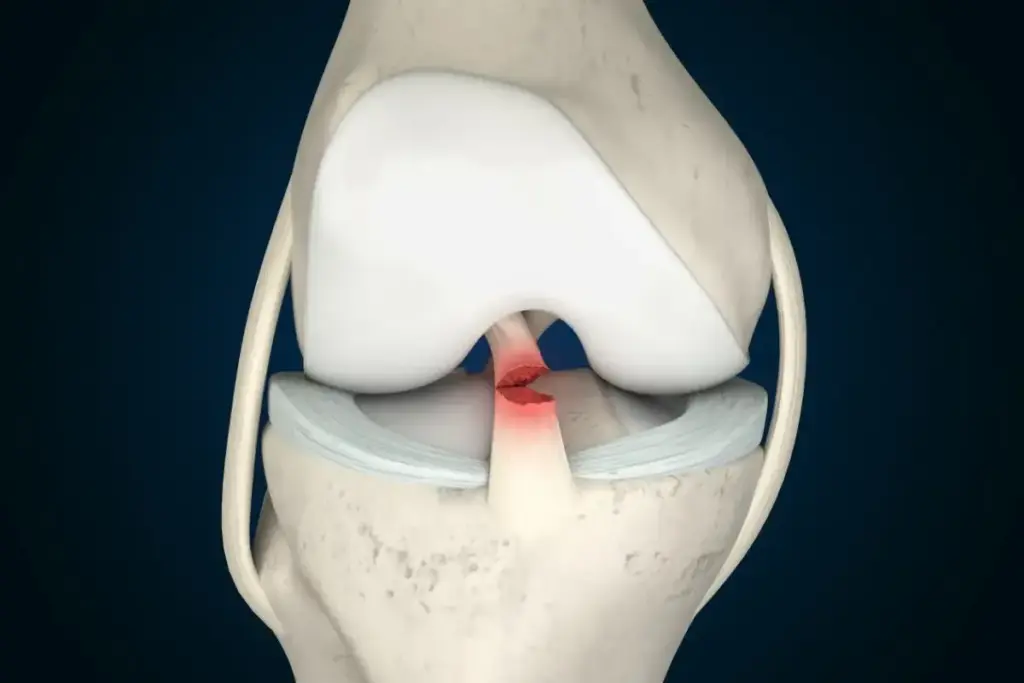
For years, doctors have wondered if a torn ACL can heal without surgery. It was once thought that the anterior cruciate ligament couldn’t heal on its own. But new studies show a different story.
A study from the University of Melbourne found that 53% of patients with ACL tears got better with just rehab. This news changes how we treat ACL injuries.
At Liv Hospital, we follow the latest research. We make sure each patient gets a treatment plan that’s just right for them.
Key Takeaways
- Recent studies indicate that some ACL injuries can heal without surgery.
- A University of Melbourne study found 53% of patients achieved ACL healing with rehabilitation alone.
- Advanced rehabilitation protocols and immobilization techniques are key for non-surgical ACL recovery.
- Personalized treatment plans are essential for effective ACL injury management.
- Liv Hospital adopts a patient-centered approach, using the latest research in treatment.
Understanding ACL Injuries and Traditional Treatment Approaches
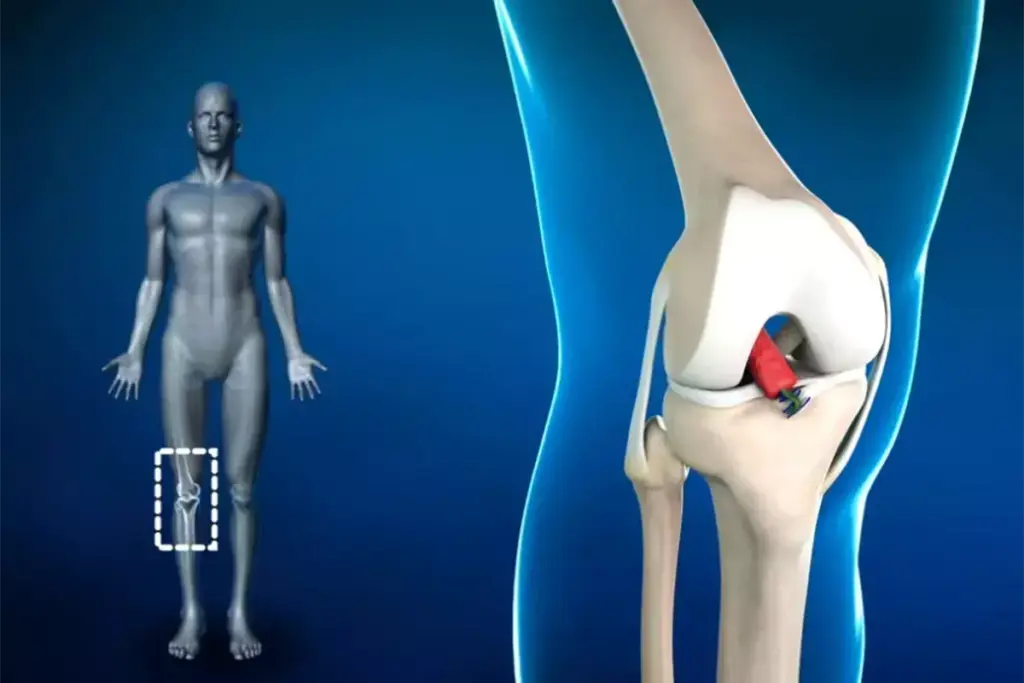
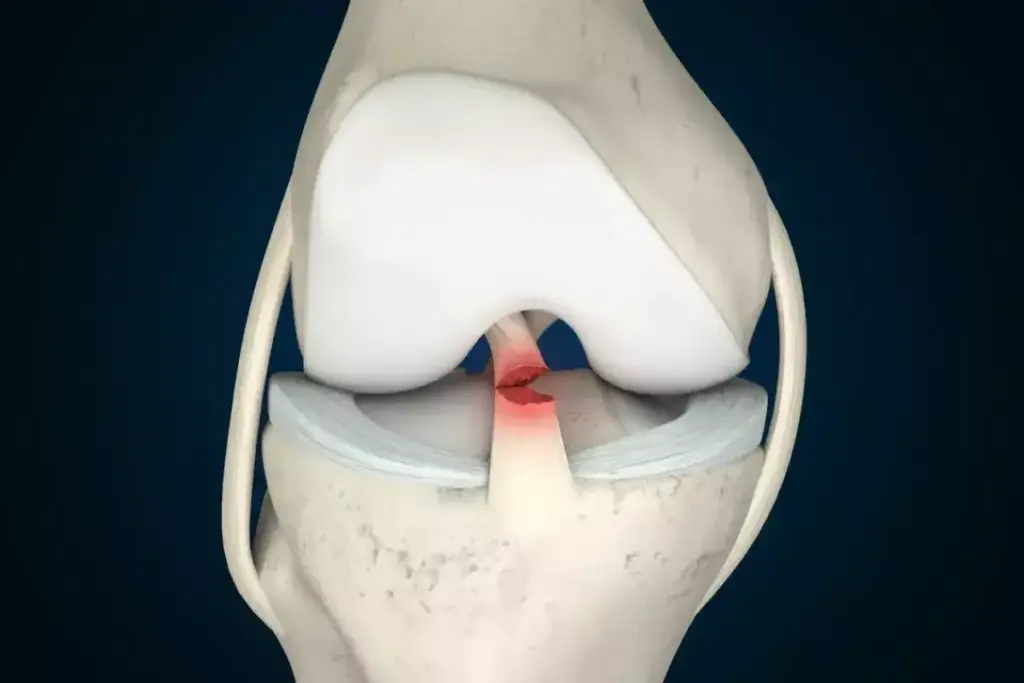
The anterior cruciate ligament (ACL) is vital for knee stability. It connects the femur to the tibia, keeping the knee stable. This ligament is a strong band of tissue.
What is the ACL and How Does It Function?
The ACL is a key ligament for knee stability. It stops the tibia from moving too far forward and controls rotation. A healthy ACL is important for knee stability, mainly during sudden stops or changes in direction.
Key functions of the ACL include:
- Providing stability to the knee joint
- Preventing excessive forward movement of the tibia
- Controlling rotation of the knee
Common Causes and Symptoms of ACL Tears
ACL injuries often happen during sports or activities with sudden stops or twists. Common causes include:
- Direct contact or collision, like being hit on the leg during a game
- Non-contact injuries, like landing awkwardly or quickly changing direction
- Overuse or repetitive stress on the knee joint
Symptoms of an ACL tear include:
- Pain, mainly when twisting or pivoting
- Swelling within the first 24 hours after the injury
- A feeling of instability or buckling of the knee
- A loud “pop” or snap at the time of injury
Sports medicine specialists say ACL injuries can lead to osteoarthritis, even with surgery. Knowing the causes and symptoms is key for early diagnosis and treatment.
Can a Torn ACL Heal On Its Own? Evidence From Recent Research
New research from top medical places shows that ACL tears can heal without surgery. Studies have found that rehab and bracing can help ACLs heal. This changes how we think about treating ACL tears.
University of Melbourne Study: 53% Healing Rate With Rehabilitation Alone
A study at the University of Melbourne found that 53% of ACL tear patients healed with rehab alone. This shows how important a good rehab plan is for ACL healing.
British Journal of Sports Medicine: 90% Healing Signs With Bracing Protocol
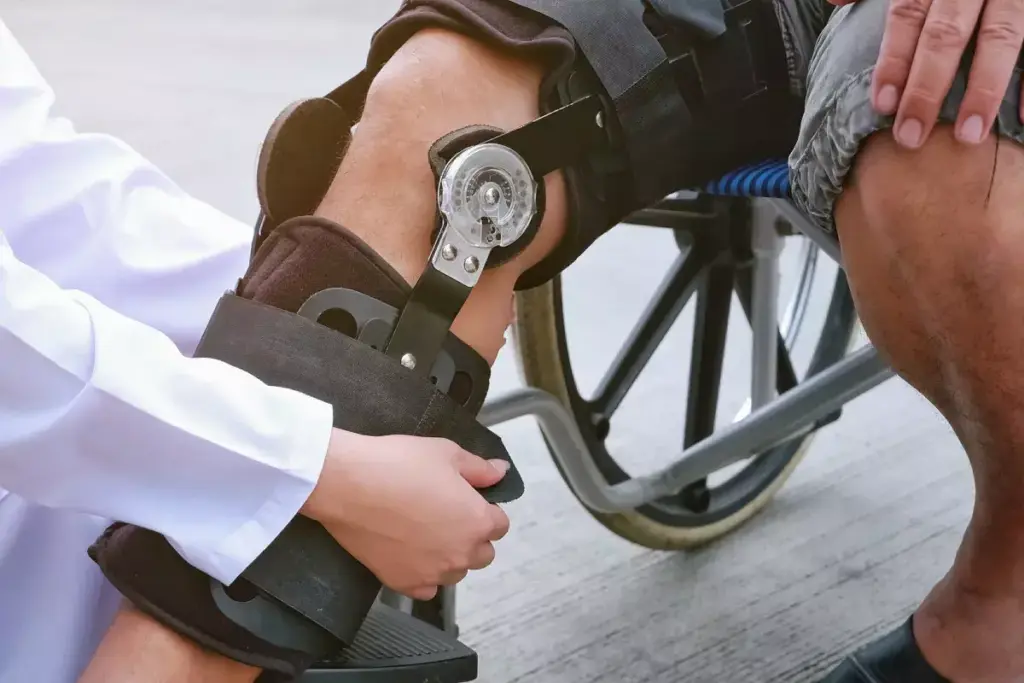
The British Journal of Sports Medicine also found something interesting. 90% of people showed ACL healing signs with a special bracing method. This shows bracing can help ACLs heal naturally.
NACOX Study: One-Third of ACL Injuries Show Natural Healing
The NACOX study showed that about one-third of ACL injuries healed naturally. This study helps us see how our bodies can fix ACLs on their own.
These studies together show that ACLs can heal without surgery for many people. Knowing what helps ACLs heal, like the tear’s size and the patient’s age, helps doctors choose the best treatment.
Factors That Determine Whether Surgery Is Necessary
Deciding if surgery is needed for an ACL injury involves looking at several key factors. Doctors consider these elements to choose the best treatment for an ACL tear.
Tear Severity and Location
The severity and where the ACL tear is located are important. Complete tears often need surgery. But, partial tears might not. The tear’s location also affects treatment choices.
Research shows ACL tears heal differently. A study by the American Academy of Orthopaedic Surgeons points out how tear details guide treatment.
Patient Age, Activity Level, and Overall Health
Age, how active you are, and your health are also key. Young, active people often need surgery to keep their knee stable. Older or less active people might choose not to have surgery and focus on rehab instead.
- Age: Younger patients tend to have better outcomes with surgical reconstruction.
- Activity Level: People who are very active or play sports that involve a lot of movement might need surgery.
- Overall Health: Those with serious health problems might not be good candidates for surgery and might choose non-surgical treatment.
Effective Rehabilitation Strategies for Non-Surgical Recovery
For those choosing not to have surgery, a good rehab plan is essential. A good rehab program helps improve knee function, strengthens muscles, and boosts knee stability.
- First, focus on reducing pain and swelling, and improving how far you can move your knee.
- Next, work on strengthening your quadriceps, hamstrings, and other muscles.
- Later, add agility drills, balance exercises, and activities specific to your sport.
Rehab plans can change based on how you respond to treatment. It’s important to work with a healthcare professional to create a rehab plan that fits your needs and goals.
Conclusion: Weighing Your Options for ACL Recovery
Choosing between surgery and non-surgical treatment for ACL injuries depends on many things. These include how bad the injury is, what the patient wants, and their lifestyle. New research has given more options for healing without surgery.
We looked at the different ACL recovery options and treatments. This includes non-surgical ways and when surgery is needed. The right choice depends on the person’s situation, the latest research, and their own health.
Knowing about ACL healing and treatment choices helps patients make better decisions. By thinking about their activity level and health, they can pick the best treatment for their injury.
FAQ
Can the ACL heal on its own without surgery?
Recent studies show that some ACL injuries can heal without surgery. Success rates vary based on the tear’s severity and the rehab approach.
What are the common causes of ACL injuries?
ACL injuries often happen during sports. This includes activities like soccer, basketball, and football. They usually occur during sudden stops, changes in direction, or direct contact.
What are the typical symptoms of an ACL tear?
ACL tears cause pain, swelling, and knee instability. These symptoms make it hard to keep playing.
How does the severity and location of the tear affect the decision for surgery?
The tear’s severity and location are key in deciding if surgery is needed. More severe tears or those closer to the top might need surgery.
Can a torn ACL heal on its own in older adults?
Age is a factor, but not the only one. Older adults might recover without surgery, depending on their health and activity level.
What rehabilitation strategies are effective for non-surgical ACL recovery?
Non-surgical recovery involves bracing, physical therapy, and exercises. These help strengthen muscles and improve knee stability.
Will a torn ACL heal itself over time?
Some ACL injuries can heal naturally over time. But, this varies based on the tear’s severity and the effectiveness of the rehab program.
Does a torn ACL always require surgery?
No, not all ACL tears need surgery. The decision depends on the tear’s severity, age, activity level, and overall health.
Can ACL tears heal on their own in athletes?
Athletes with ACL tears might not need surgery. The decision depends on the tear’s severity, the sport, and the athlete’s health.
References
National Center for Biotechnology Information. Evidence-Based Medical Insight. Retrieved from https://pubmed.ncbi.nlm.nih.gov/40190967/