
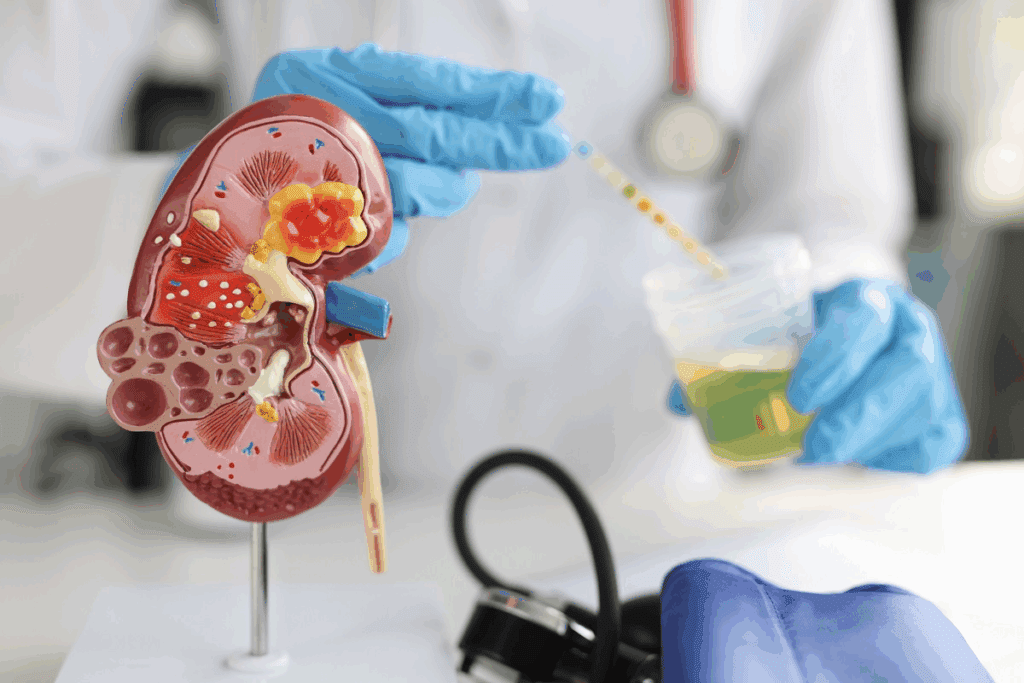
Urinary tract infections (UTIs) are a big health problem worldwide. In 2019, there were about 404.61 million cases globally. Even though they seem minor, UTIs can cause serious problems if not treated.Can a uti kill you? Learn about the risk of a urinary tract infection spreading to the kidneys (pyelonephritis) and causing sepsis.
Untreated UTIs can turn into life-threatening conditions, like sepsis. The death rate from sepsis is between 20%-40%. Doctors at Liv Hospital say it’s very important to treat UTIs quickly. A simple bladder infection can start a dangerous chain reaction that affects many organs.
It’s key to know when a UTI is really dangerous. This could save your life or someone you love. We’ll look into the risks of UTIs and why quick treatment is so important.
Key Takeaways
- UTIs are a big health issue, with millions of cases worldwide.
- Untreated UTIs can lead to severe complications, including life-threatening sepsis.
- Prompt recognition and treatment of UTIs are critical to prevent serious outcomes.
- Understanding the risks associated with UTIs can help save lives.
- Medical leaders stress the importance of timely intervention for UTIs.
Understanding Urinary Tract Infections (UTIs)
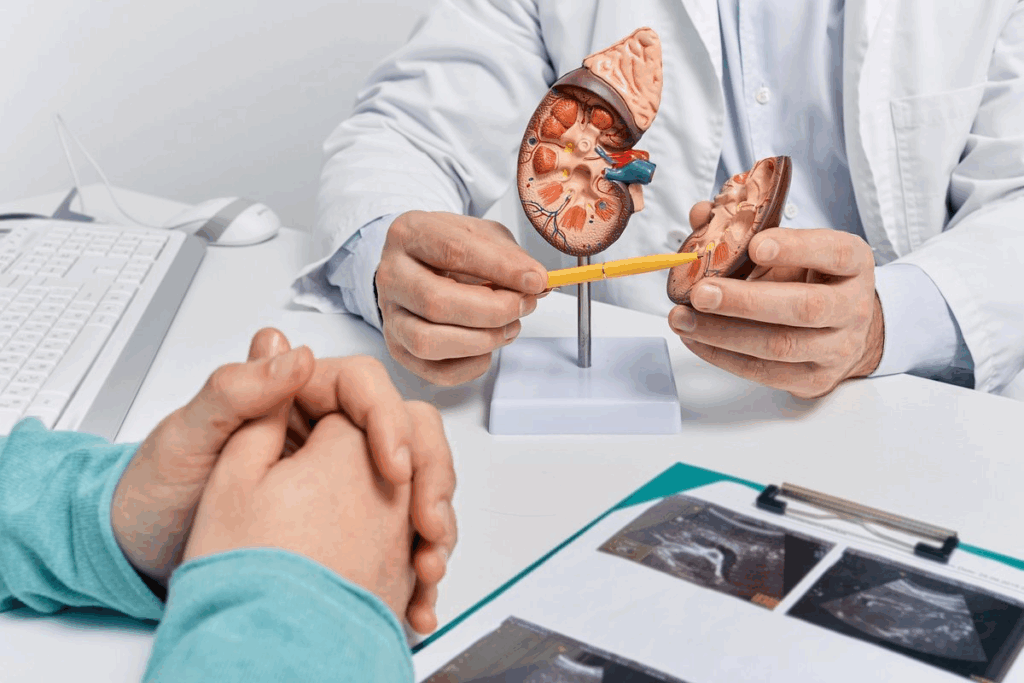
UTIs, or Urinary Tract Infections, are bacterial infections in the urinary system. This system includes the kidneys, ureters, bladder, and urethra. Bacteria entering the urinary tract can cause infections, leading to symptoms and serious complications if untreated.
What is a UTI?
A Urinary Tract Infection (UTI) is an infection in the urinary system. Most UTIs are caused by bacteria, but fungi or viruses can also cause them. The majority of UTIs are not life-threatening, but they can be very uncomfortable. If not treated, they can lead to more serious problems.
Common Symptoms of UTIs
The symptoms of a UTI vary based on the infected area. Common symptoms include:
- A burning feeling while urinating
- A strong urge to urinate, even when there’s little urine
- Cloudy or strong-smelling urine
- Pelvic pain, specially in women
- Blood in the urine
Recognizing these symptoms early is key to getting medical help quickly. This helps prevent the infection from spreading.
Types of Urinary Tract Infections
UTIs are classified by the infected area:
- Lower UTI: This includes infections of the urethra (urethritis) and bladder (cystitis).
- Upper UTI: This involves infections of the kidneys (pyelonephritis) and ureters.
Upper UTIs are more serious and can cause kidney damage if not treated quickly.
The Global Burden of UTIs

Urinary Tract Infections (UTIs) are a big problem worldwide, affecting millions. They have big effects on public health, healthcare systems, and people’s lives.
Prevalence Statistics
In 2019, there were about 404.61 million UTI cases globally. This shows how common UTIs are. It also shows we need strong public health plans to fight UTIs.
The global prevalence of UTIs varies. Some places and groups get UTIs more often. Things like healthcare, hygiene, and who you are can affect your risk.
Demographics Most Affected
UTIs hit many people, but some groups get them more. Women often get UTIs because their urethra is shorter. This makes it easier for bacteria to get into the bladder.
Older people, those with weak immune systems, and those with health issues are also at high risk. Knowing who is most at risk helps us target our efforts better.
Rising Mortality Rates
UTI deaths have gone up a lot. From 1990 to 2019, deaths from UTIs increased 2.4 times. This shows UTIs are getting worse and more dangerous.
This alarming trend means we need better healthcare, quicker help, and more education for patients. We must act to lower the risks of UTIs.
From Simple Infection to Life-Threatening Condition
UTIs are common and usually treatable. But, if ignored, they can turn into serious health threats. We’ll look at how UTIs can become severe health issues.
How UTIs Progress When Untreated
Untreated UTIs let bacteria grow fast. Untreated UTIs can cause more harm as bacteria spread. They can move from the lower to the upper urinary tract, leading to pyelonephritis, a serious kidney infection.
The risk of a UTI becoming worse depends on the bacteria, the person’s health, and any other medical conditions. Prompt treatment is key to stop the infection from spreading.
The Path of Infection: Bladder to Bloodstream
The infection can move from the bladder to the bloodstream. A bladder infection can happen when bacteria enter the bladder. If not treated, they can reach the kidneys and cause pyelonephritis.
In severe cases, bacteria can get into the bloodstream, leading to urosepsis, a dangerous condition.
Urosepsis happens when urinary tract bacteria get into the blood, causing a body-wide infection. This can lead to septic shock, a life-threatening situation. It’s important to understand this to see why quick medical help is needed.
Timeline of UTI Progression
How fast a UTI progresses varies. It depends on the bacteria’s strength, the person’s immune system, and any health issues.
- In healthy people, UTIs may take days or weeks to progress.
- Those with weak immune systems may see UTIs worsen quickly, in hours.
- Delaying treatment increases the risk of severe problems, like urosepsis.
It’s vital to recognize UTI signs and get prompt medical attention to prevent severe issues. Early action is key to avoiding serious complications.
Can a Urinary Tract Infection Kill You?
UTIs are often seen as minor, but they can be deadly. We’ll look at how serious they can be. This includes mortality rates, urosepsis, and cases where UTIs have fatal results.
Mortality Statistics
UTIs are a big health issue, with high death rates in some groups. Hospital patients with UTIs from catheters face a much higher risk of death. The death rate for infected patients can be as high as 19%, compared to 4% for those without infections.
| Patient Group | Mortality Rate |
| Infected Patients | 19% |
| Non-Infected Patients | 4% |
These numbers show how serious UTIs can be, even more so in hospitals. It’s key for doctors and patients to know these risks to prevent and treat UTIs properly.
Understanding Urosepsis
Urosepsis is a deadly condition when a UTI spreads to the blood, causing sepsis. Sepsis is a severe reaction to an infection that can damage organs. Urosepsis is dangerous because it can quickly lead to septic shock, which is very deadly.
Key signs of urosepsis include:
- High fever or hypothermia
- Rapid heart rate
- Rapid breathing rate
- Confusion or disorientation
It’s vital to quickly recognize and treat urosepsis to avoid fatal outcomes.
Case Studies of Fatal UTI Complications
There are many stories of how UTIs can be deadly. For example, a study in a medical journal told of a healthy person who died from urosepsis after ignoring a UTI. This shows how important it is to get medical help fast if you have UTI symptoms.
These cases remind us to take UTIs seriously. They are common, but can be deadly if not treated right.
High-Risk Populations for Severe UTI Complications
It’s important to know who is at higher risk for serious UTI problems. Some people are more likely to face severe complications from urinary tract infections. This is because of their age, health, and any underlying medical conditions.
Elderly Patients
Elderly people are at the highest risk for serious UTI problems. Age-related changes like less mobility and weaker immune systems play a big role. Also, older adults might have cognitive impairments that make it hard to notice and report UTI symptoms. This can lead to delayed treatment.
Immunocompromised Individuals
People with weakened immune systems, like those with HIV/AIDS or going through chemotherapy, face a higher risk. Their bodies struggle to fight off infections, making quick and effective treatment key.
Pregnant Women
Pregnant women are also at high risk for UTIs and their complications. Hormonal changes during pregnancy can up the risk of UTIs. If not treated, these infections can cause serious problems for both the mother and the baby.
Patients with Underlying Conditions
Those with underlying health issues, like diabetes or kidney disease, are also at higher risk. These conditions make it harder for the body to fight off infections. If UTIs aren’t treated quickly, they can lead to more severe outcomes.
It’s vital for healthcare providers to know these high-risk groups. This way, they can give targeted care and preventive steps. It helps reduce the risk of severe UTI complications.
Catheter-Associated UTIs and Mortality Risk
We look into the serious issue of catheter-associated UTIs and their effect on patient death in hospitals. These infections are a big worry because they raise the risk of death, mainly in those who are hospitalized.
Hospital-Acquired Infections
Hospital-acquired infections, like CAUTIs, are a big problem in healthcare. They can cause serious issues, such as sepsis and death. Even though urinary catheters are common in hospitals, they also raise the chance of getting UTIs.
Key statistics on hospital-acquired CAUTIs:
- CAUTIs make up a big part of hospital-acquired infections.
- Patients with CAUTIs face a higher risk of sepsis and death.
- The longer a catheter is in, the higher the risk of CAUTIs.
Mortality Rates in Catheterized Patients
Research shows that patients with catheter-associated UTIs face almost three times the risk of death. The death rate is much higher for those with CAUTIs than for those without.
| Patient Group | Mortality Rate |
| Patients with CAUTIs | Significantly higher |
| Patients without CAUTIs | Lower |
Prevention Strategies in Healthcare Settings
Stopping CAUTIs is key to lowering death risk in hospital patients. Hospitals can use several ways to cut down CAUTI cases.
Effective prevention strategies include:
- Only use urinary catheters when really needed.
- Make sure to insert and care for catheters correctly.
- Keep an eye on patients for UTI signs.
- Take out catheters when they’re no longer needed.
By using these methods, healthcare workers can greatly lower CAUTI risk and death rates.
Serious Complications of Untreated UTIs
Untreated urinary tract infections can cause severe problems. Bacteria can spread to other parts of the urinary system and beyond. This can lead to serious harm.
Kidney Infections (Pyelonephritis)
Pyelonephritis, or kidney infection, is a common complication. It happens when bacteria from the bladder reach the kidneys. Symptoms include severe back pain, fever, and nausea.
If not treated quickly, it can cause permanent kidney damage.
Sepsis and Septic Shock
Sepsis is a serious condition that can happen when the body overreacts to an infection. It can lead to septic shock, which is a dangerous drop in blood pressure. Prompt medical attention is critical to prevent these outcomes.
Acute and Chronic Kidney Failure
Untreated UTIs can also cause kidney failure. Acute kidney failure happens suddenly and can be treated. Chronic kidney failure is a gradual loss of function.
Kidney failure can require dialysis or a transplant. This can greatly affect a person’s quality of life.
Organ Damage
In severe cases, UTIs can damage not just the kidneys but other organs too. The infection can spread through the bloodstream and affect various systems. This can lead to conditions like endocarditis or osteomyelitis.
To illustrate the possible complications and their effects, consider the following table:
| Complication | Potential Consequences | Risk Factors |
| Kidney Infection | Permanent kidney damage, sepsis | Untreated UTI, female gender |
| Sepsis | Organ failure, death | Delayed treatment, weakened immune system |
| Kidney Failure | Dialysis, kidney transplant | Recurrent UTIs, underlying kidney disease |
| Organ Damage | Long-term health issues, disability | Untreated sepsis, pre-existing health conditions |
It’s clear that untreated UTIs can have serious and far-reaching consequences. Understanding these risks highlights the importance of seeking medical attention if symptoms persist or worsen.
Warning Signs That a UTI Has Become Dangerous
UTIs can turn into serious health problems if not treated right away. Knowing the warning signs is very important. If a UTI gets worse, it can cause life-threatening issues, making quick medical help key.
Symptoms Requiring Immediate Medical Attention
Certain symptoms mean a UTI has gotten severe and needs immediate medical help. These include:
- Severe pain in the lower abdomen or back
- High fever, chills, or rigors
- Nausea and vomiting
- Blood in the urine or semen
- Confusion or altered mental state, mainly in older adults
“If you’re experiencing any of these symptoms, it’s critical to seek medical help right away,” emphasizes the importance of prompt action. Delaying treatment can lead to serious complications, including sepsis and kidney damage.
When to Go to the Emergency Room
Knowing when to seek emergency care is vital for preventing severe outcomes. If you or someone you know is experiencing symptoms such as difficulty urinating, severe pain, or fever above 101.5°F (38.6°C), it’s time to go to the emergency room.
In cases of severe UTI symptoms, timely intervention can be the difference between recovery and serious health complications. If there’s any doubt about the severity of the symptoms, it’s always best to err on the side of caution and seek immediate medical care.
Diagnostic Procedures for Severe UTIs
When a UTI is suspected to have become severe, healthcare providers may use several diagnostic procedures. These include:
- Urinalysis to check for infection and bacteria
- Blood tests to assess the presence of infection in the bloodstream
- Imaging tests, such as ultrasound or CT scans, to evaluate the urinary tract for any abnormalities or obstructions
According to medical professionals, “Early diagnosis and treatment are critical in managing severe UTIs and preventing long-term damage.” Understanding the diagnostic procedures can help patients be better prepared for their medical evaluation.
By recognizing the warning signs of a severe UTI and understanding when to seek medical help, individuals can significantly reduce the risk of serious complications. It’s essential to take UTIs seriously and not hesitate to seek medical care when symptoms persist or worsen.
Treatment and Prevention of Severe UTI Complications
Managing UTIs starts with quick and effective treatment. It also involves making lifestyle changes to stop them from coming back. We’ll look at the treatments and ways to prevent severe UTI problems.
Antibiotic Therapies
Antibiotics are key in treating UTIs. The right antibiotic depends on the bacteria causing the infection. It also depends on the patient’s health history and current condition.
Common Antibiotics Used:
- Amoxicillin
- Ciprofloxacin
- Nitrofurantoin
- Trimethoprim/Sulfamethoxazole
| Antibiotic | Dosage | Duration |
| Amoxicillin | 500mg every 8 hours | 7-10 days |
| Ciprofloxacin | 250mg every 12 hours | 3-5 days |
| Nitrofurantoin | 100mg every 12 hours | 5-7 days |
Hospitalization Protocols
In severe UTI cases, hospital care may be needed. This is for complications like sepsis or kidney injury. Hospital care includes IV antibiotics and watching the patient closely.
Lifestyle Changes to Prevent Recurrent UTIs
To stop UTIs from coming back, making lifestyle changes is key. These include:
- Drinking plenty of water
- Urinating when needed
- Avoiding irritating feminine products
- Practicing good hygiene
Importance of Early Intervention
Acting fast is vital in avoiding UTI complications. Spotting symptoms early and getting medical help can greatly improve results.
Key Benefits of Early Intervention:
- Reduced risk of complications
- Shorter treatment duration
- Less likelihood of hospitalization
Conclusion: Taking UTIs Seriously
Urinary Tract Infections (UTIs) are a big health issue. They can cause serious problems if not treated right. We’ve talked about how UTIs can be dangerous, leading to death in some cases.
UTIs can turn into serious conditions like urosepsis if not treated quickly. It’s key to know the signs and get help early. This way, we can avoid serious problems.
It’s very important to take UTIs seriously. This means getting medical help when symptoms show up. It also means making lifestyle changes to avoid getting UTIs again. By raising awareness and working to prevent UTI complications, we can make a difference. We can help keep UTIs from becoming deadly.
FAQ
Can a urinary tract infection be fatal?
Yes, if not treated, a UTI can cause serious problems. These include urosepsis, which can be deadly.
What are the symptoms of a UTI that require immediate medical attention?
Severe pain, fever, chills, and trouble urinating need quick medical help. They show a serious infection.
Can a UTI cause kidney damage?
Yes, a UTI can lead to kidney infections if not treated. This can harm the kidneys permanently.
Are catheter-associated UTIs a significant risk factor for mortality?
Yes, UTIs linked to catheters are a big risk for death. This is true for patients in the hospital.
Can lifestyle changes help prevent recurrent UTIs?
Yes, making lifestyle changes can help stop UTIs from coming back. Drinking lots of water and good hygiene are key.
What is urosepsis, and how is it related to UTIs?
Urosepsis is a dangerous condition. It happens when a UTI spreads to the blood. It’s a serious problem from UTIs.
Can UTIs be treated with antibiotics?
Yes, antibiotics can treat UTIs. Quick treatment is important to avoid serious problems.
Are certain populations at higher risk for severe UTI complications?
Yes, some groups face a higher risk. These include the elderly, those with weak immune systems, pregnant women, and those with health issues.
Can a UTI lead to sepsis?
Yes, a UTI can turn into sepsis if not treated. Sepsis is a life-threatening condition when the infection spreads to the blood.
How can I prevent UTIs?
To prevent UTIs, practice good hygiene and drink plenty of water. Also, avoid foods that can cause infections.
Is it possible to die from a urinary tract infection?
Yes, dying from a UTI is possible. It can happen if it’s not treated or if it causes severe problems like urosepsis.
References
National Center for Biotechnology Information. (2025). Can a Urinary Tract Infection Kill You Understanding. Retrieved from https://pmc.ncbi.nlm.nih.gov/articles/PMC11087335/