Last Updated on November 25, 2025 by Ugurkan Demir

Urinary tract infections (UTIs) often cause bleeding in the urine, known as hematuria. When bacteria infect the urinary tract, it leads to inflammation and irritation. This causes red blood cells to leak into the urine, resulting in bloody discharge. Can a uti make you bleed? Understand the causes of bloody urine or discharge associated with a urinary tract infection.
This can be alarming, but it’s usually treatable. Proper treatment can manage this symptom effectively.
Experiencing hematuria with a UTI can be scary. But, it’s important to know it’s a sign of the infection’s severity. At Liv Hospital, we focus on thorough evaluation and tailored treatment for UTIs and bleeding.
Key Takeaways
- UTIs can cause bleeding in the urine, known as hematuria.
- Bacterial infection leads to inflammation and irritation in the urinary tract.
- Proper treatment can manage UTI-related bleeding.
- Comprehensive evaluation is key for addressing UTIs and hematuria.
- Liv Hospital offers personalized care for UTI patients and their symptoms.
What Is a Urinary Tract Infection?

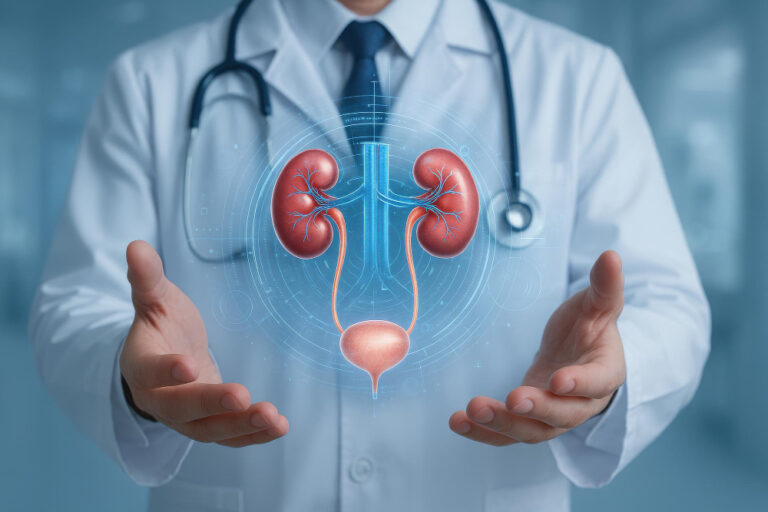
A urinary tract infection (UTI) happens when bacteria infect the urinary system. This can cause discomfort and serious problems. UTIs affect different parts of the urinary system, like the kidneys and bladder.
Common Causes of UTIs
Most UTIs come from bacteria, with Escherichia coli (E. coli) being the top cause. E. coli is in our intestines but can infect the urinary tract. Other bacteria can also cause UTIs, but E. coli is the most common.
Bacteria can get into the urinary tract through the urethra. Once inside, they can grow and cause infection. Poor hygiene, sexual activity, and some medical conditions can make it easier for bacteria to enter.
Types of Urinary Tract Infections
UTIs are classified by where they occur in the urinary tract:
- Lower UTIs affect the bladder and urethra, causing symptoms like painful urination and frequent urination.
- Upper UTIs affect the kidneys and ureters, potentially leading to more severe infections like pyelonephritis.
Risk Factors for Developing UTIs
Some people are more likely to get UTIs because of certain risk factors:
- Gender: Women are more likely to develop UTIs because their urethra is shorter, making it easier for bacteria to reach the bladder.
- Sexual Activity: Sexual intercourse can introduce bacteria into the urinary tract.
- Medical Conditions: Conditions like diabetes, kidney stones, and urinary tract abnormalities can increase the risk.
- Age: Older adults are more susceptible to UTIs due to decreased mobility and other age-related health issues.
Knowing the causes and risk factors for UTIs is key to preventing and managing them. Recognizing the signs and symptoms early can help prevent complications. Seeking medical attention is important.
Can a UTI Make You Bleed?

Urinary tract infections (UTIs) can cause many uncomfortable symptoms. One of the most worrying is blood in the urine. This is called hematuria. We will look into how UTIs and bleeding are connected, what hematuria is, its types, and how often UTIs lead to bleeding.
Understanding Hematuria
Hematuria means there’s blood in your urine. It can be a sign of a UTI or other issues. When bacteria infect the urinary tract, they can cause inflammation and irritation. This leads to bleeding, making your urine appear pink, red, or brown.
Key points about hematuria include:
- Blood in the urine can be visible or only found through tests.
- Hematuria can be a symptom of various urinary tract problems, not just UTIs.
- The presence of blood can show how severe the infection is.
Gross vs. Microscopic Hematuria
There are two types of hematuria: gross and microscopic. Gross hematuria is when you can see the blood in your urine, making it appear pink, red, or brown. Microscopic hematuria is when the blood is only found through tests, as there’s very little of it.
Prevalence of Bleeding with UTIs
Bleeding with UTIs, or hematuria, is quite common. Research shows many people with a UTI also have hematuria. The inflammation from the infection can cause bleeding, which is usually minor but can worry some people.
It’s essential to note that:
- Blood in the urine during a UTI is usually not a reason to panic but should be watched.
- Severe or ongoing bleeding might mean a more serious issue and needs a doctor’s check-up.
Why UTIs Cause Bleeding
UTIs can cause bleeding because they damage the lining of the urinary tract. This damage leads to inflammation and irritation. As a result, blood appears in the urine, known as hematuria.
Inflammation and Irritation of the Urinary Tract
UTIs cause inflammation and irritation in the urinary tract. This irritation makes the blood vessels in the tract fragile. They can leak, causing bleeding. We’ll dive deeper into how UTIs lead to hematuria.
Bacterial Damage to Urinary Tract Lining
The bacteria in UTIs, like E. coli, harm the urinary tract lining. This harm disrupts the tract’s normal function and can cause bleeding. It’s important to understand how bacteria lead to UTIs and bleeding.
The Role of E. coli in UTI-Related Bleeding
E. coli is a common UTI-causing bacteria. It sticks to the urinary tract lining, causing infection and inflammation. This irritation can lead to hematuria. We’ll look at how E. coli contributes to UTI-related bleeding.
Bleeding from UTIs usually stops once the infection is treated with antibiotics. Here’s a summary of the main factors behind UTI-related bleeding:
| Cause | Effect | Resolution |
| Bacterial infection | Inflammation and irritation | Antibiotic treatment |
| Damage to urinary tract lining | Bleeding (hematuria) | Healing after infection clearance |
| E. coli adherence | Infection and inflammation | Targeted antibiotic therapy |
Understanding why UTIs cause bleeding is key. Prompt and effective treatment is essential to stop the bleeding.
Recognizing UTI Symptoms Beyond Bleeding
Knowing all UTI symptoms is key for quick and right treatment. Bleeding is a big worry, but it’s not the only sign of a UTI.
Common UTI Symptoms
UTIs can make life hard with many symptoms. Some common ones are:
- Painful urination, often described as a burning sensation
- Frequent urination, with small amounts of urine passed
- Urgent need to urinate
- Cloudy or foul-smelling urine
- Abdominal pain or discomfort
Differences in Symptoms by UTI Location
The UTI’s location affects symptoms. For example:
- Lower UTIs (cystitis) often cause bladder-related symptoms like frequent and painful urination.
- Upper UTIs (pyelonephritis) can cause more severe symptoms, including flank pain, fever, and nausea.
We show how symptoms vary by UTI location in the table below:
| UTI Location | Common Symptoms |
| Lower UTI (Cystitis) | Painful urination, frequent urination, cloudy urine |
| Upper UTI (Pyelonephritis) | Fever, flank pain, nausea, vomiting |
When Symptoms Indicate a Serious Infection
Certain symptoms mean you need to see a doctor fast. These include:
- High fever
- Severe flank pain
- Nausea and vomiting
- Blood in the urine (hematuria)
Bloody Discharge vs. Urinary Bleeding
It’s important to know the difference between bloody discharge and urinary bleeding. This helps find the real reason for the bleeding. You need to figure out if it’s from the urinary tract or somewhere else.
Differentiating Vaginal Bleeding from Hematuria
Vaginal bleeding and hematuria (blood in the urine) are different. Vaginal bleeding usually comes from menstrual cycles or gynecological problems. Hematuria means there’s a urinary tract issue. Look at the symptoms and situation to tell them apart.
When you’re menstruating, it’s normal to wonder if your urine is bloody because of a UTI or your period. Your overall symptoms can help figure out the cause. For example, if you have pain while urinating or need to go a lot, it might be a UTI.
When Bloody Discharge Accompanies a UTI
At times, a UTI can lead to bloody discharge, which is scary but can happen. This usually happens if the infection is bad or has spread. You might also feel burning when you pee or have stomach pain.
Other Causes of Bloody Discharge
Bloody discharge can also come from other things, not just UTIs. Some possible reasons include:
- Gynecological infections or conditions
- Hormonal changes or imbalances
- Cervical or vaginal trauma
- Certain medications or medical treatments
Seeing a healthcare provider is key to finding out why you have bloody discharge. They can give you the right treatment.
Diagnosing UTIs with Bleeding
Diagnosing UTIs with bleeding needs a detailed approach. This includes several medical tests. When a patient shows signs of a UTI and bleeding, doctors must carefully check to find the cause and how far the infection has spread.
Medical Tests for UTIs
We usually start by asking for a urine sample from the patient. This sample is checked for bacteria, white blood cells, and infection signs. The test helps us find the bacteria type, which is key for choosing the right antibiotic.
Urine Culture: This test finds the bacteria causing the UTI. It uses a special medium for bacteria growth. Knowing the bacteria helps us pick the best antibiotic.
Evaluating Hematuria
Checking for blood in the urine is key in diagnosing UTIs with bleeding. We look at how much blood there is and if it’s visible or only seen under a microscope. This tells us how serious the bleeding is and what tests we need next.
- Gross Hematuria: Visible blood means a bigger bleeding issue.
- Microscopic Hematuria: Blood found only in lab tests means less bleeding.
When Additional Testing Is Necessary
Sometimes, more tests are needed to find the bleeding cause or check for complications. This might include ultrasound or CT scans to look at the urinary tract for problems like stones or tumors.
More tests are important if UTIs keep coming back, bleeding doesn’t stop, or if other symptoms are concerning. By using all these test results, we can make a treatment plan that fits the patient’s needs.
Treatment Options for UTIs with Bleeding
UTIs with bleeding need quick treatment to ease symptoms and fight the infection. The right treatment depends on the UTI’s severity, any complications, and the patient’s health.
Antibiotic Treatments
Antibiotics are key for treating UTIs, including those with bleeding. The antibiotic choice depends on the bacteria and the patient’s health history.
- Common Antibiotics: Trimethoprim/sulfamethoxazole, Nitrofurantoin, and Ciprofloxacin are often used.
- Duration of Treatment: It usually lasts 3 to 7 days, but can be longer for more complex cases.
Pain Management Strategies
It’s important to manage pain when treating UTIs with bleeding. Over-the-counter pain relievers can help reduce discomfort.
| Pain Reliever | Dose | Frequency |
| Ibuprofen | 200-400 mg | Every 4-6 hours |
| Acetaminophen | 500-1000 mg | Every 6 hours |
Home Remedies and Self-Care
Along with antibiotics, home remedies and self-care can help manage UTI symptoms.
- Hydration: Drinking lots of water helps flush out bacteria.
- Urinary Tract Soothers: Cranberry juice or supplements may help prevent UTIs.
- Heat Therapy: A heating pad on the lower abdomen can ease pain.
When Hospitalization May Be Required
In severe cases, hospitalization might be needed for UTIs with bleeding. This is true if there are signs of a serious infection or if the patient is at risk for complications.
When UTI Bleeding Indicates Serious Complications
UTIs are common, but bleeding during one can signal serious issues like kidney infections or sepsis. It’s key to know when bleeding might mean a bigger problem.
Kidney Infections (Pyelonephritis)
Kidney infections, or pyelonephritis, happen when a UTI reaches the kidneys. This can cause a lot of bleeding and is a serious issue. Symptoms include:
- Severe back or flank pain
- High fever
- Nausea and vomiting
- Painful urination
If not treated, pyelonephritis can harm your kidneys permanently. Seeking medical help quickly is vital to avoid lasting damage.
Persistent or Heavy Bleeding
Some bleeding with a UTI is normal, but heavy or ongoing bleeding is a worry. It might mean a severe infection or another health issue that needs a doctor’s check-up.
| Characteristics | Normal Bleeding | Concerning Bleeding |
| Duration | Short-term | Prolonged |
| Volume | Minimal | Heavy or increasing |
| Associated Symptoms | Mild discomfort | Severe pain, fever |
Signs of Sepsis or Systemic Infection
In severe cases, a UTI can turn into sepsis, a dangerous condition where the infection spreads to the blood. Signs of sepsis include:
- High fever or hypothermia
- Rapid heart rate
- Rapid breathing rate
- Confusion or disorientation
Sepsis is a medical emergency that needs immediate care. If you or someone you know shows these symptoms, get help right away.
“Sepsis is a life-threatening condition that arises when the body’s response to infection causes injury to its own tissues and organs.” –
Surviving Sepsis Campaign
Other Serious Conditions That May Present Similar Symptoms
Sometimes, what seems like a UTI might actually be another serious condition like kidney stones, bladder cancer, or other urological problems. Getting a detailed medical check-up is key to figuring out what’s going on.
We stress the need to see a doctor if you have unusual or severe symptoms during a UTI. Early treatment can greatly improve your chances of recovery.
Preventing UTIs and Associated Bleeding
Knowing how to prevent UTIs is key to avoiding complications like bleeding. Good hygiene, dietary changes, and lifestyle adjustments can greatly lower UTI risk.
Hygiene Practices
Good hygiene is key in preventing UTIs. Proper wiping techniques are essential; always wipe from front to back to avoid bacteria. Also, gentle cleansing of the genital area with mild soap and water helps keep bacteria in balance.
It’s wise to urinate after sex to remove bacteria from the urinary tract. This simple step can greatly lower UTI risk.
Dietary and Fluid Recommendations
Drinking lots of water is a top way to prevent UTIs. Adequate hydration helps flush bacteria out of the urinary tract. Aim for at least eight glasses of water a day.
Cranberry juice might help prevent UTIs, though evidence is mixed. Some studies suggest cranberry products can prevent bacteria from sticking to the bladder and urinary tract walls.
Lifestyle Changes to Reduce UTI Risk
Changing your lifestyle can also help prevent UTIs. Avoiding irritating feminine products and wearing breathable cotton underwear can reduce irritation and moisture in the genital area.
If you get UTIs often, consider changing birth control methods. Some types can increase UTI risk.
Preventive Medications for Recurrent UTIs
For those with frequent UTIs, preventive medications might be needed. Taking low-dose antibiotics daily or after sex can help prevent UTIs.
In some cases, vaginal estrogen therapy is recommended for postmenopausal women. It helps prevent UTIs by restoring vaginal flora and reducing bacterial colonization.
By using these preventive strategies, you can lower your risk of UTIs and related bleeding.
Conclusion: Understanding and Managing UTI-Related Bleeding
It’s important for patients to know about UTI-related bleeding. This article has covered why UTIs can cause bleeding and how to spot symptoms. We’ve also talked about the need to treat the UTI to stop the bleeding.
There are many ways to treat UTIs, like antibiotics and home remedies. Knowing about UTIs and their effects helps patients deal with their symptoms better. This way, they can get the right medical help on time.
To manage UTI-related bleeding well, a complete plan is needed. This includes staying clean, eating right, and making lifestyle changes. By doing these things, people can lower their chance of getting UTIs and bleeding. This helps keep their urinary system healthy.
FAQ
Can a urinary tract infection (UTI) cause bleeding?
Yes, UTIs can cause bleeding, known as hematuria. This happens when bacteria infect the urinary tract. It leads to inflammation and irritation, causing bleeding.
What is hematuria?
Hematuria is when blood is in the urine. It’s divided into two types. Gross hematuria is when you can see the blood. Microscopic hematuria is when it’s only seen under a microscope.
Is it normal to bleed with a bladder infection?
Bleeding can happen with a bladder infection. The infection causes inflammation and irritation. This can lead to bleeding. If you bleed, see a healthcare provider.
Can a UTI cause bloody discharge?
UTIs mainly cause blood in the urine, not discharge. But, sometimes a UTI can cause vaginal bleeding or discharge. This is more likely if the infection affects the vaginal area.
How do you differentiate between vaginal bleeding and hematuria?
Hematuria is blood in the urine. Vaginal bleeding comes from the vagina. To tell them apart, look at when it happens. Hematuria is during urination, while vaginal bleeding can happen anytime.
What are the common symptoms of a UTI beside bleeding?
Symptoms include painful urination and frequent need to urinate. You might also feel abdominal pain and have a fever. Symptoms can vary based on where the UTI is in the urinary tract.
How are UTIs with bleeding diagnosed?
Doctors use tests like urinalysis to find bacteria, blood, or other issues in the urine. More tests might be needed to find the cause of bleeding or check for complications.
Can UTIs lead to serious complications if left untreated?
Yes, untreated UTIs can cause serious problems. These include kidney infections, heavy or persistent bleeding, and signs of sepsis or infection throughout the body.
How can UTIs and associated bleeding be prevented?
To prevent UTIs and bleeding, practice good hygiene and follow dietary and fluid advice. Make lifestyle changes to lower your risk. Consider preventive medications if you get UTIs often.
When should I seek medical attention for UTI symptoms?
See a doctor if you have UTI symptoms, like bleeding, severe pain, or fever. Also, if symptoms don’t get better or get worse over time.