

Every year, over 8.6 million people in the U.S. visit hospitals for urinary tract infections. Many expect pain in the urinary area. But, they often feel dizzy or have headaches too.
Nausea, dizziness, and headaches – UTIs can trigger these systemic effects, not just urinary discomfort. Understand the “uti make you feel nauseous” connection and get expert tips for prevention and treatment.
It can be confusing when you’re dealing with these symptoms. You might wonder if feeling nauseous means the infection is spreading. Our team works fast to find out and help you.
Seeing a ausea symptom of uti early is key to avoid bigger problems like kidney issues. If you feel sick more than just needing to pee, get help right away. At Liv Hospital, we offer top care and understanding for our international patients.
We make sure you’re comfortable with our patient-centered protocols and support. We know how stomach problems and urinary issues are linked. Trusting our experts means you can get back to your life sooner.
Our hospital is dedicated to world-class care for everyone. We use advanced treatments to handle these symptoms with confidence. Your health is our main goal as we help you get better together.
Key Takeaways
- Urinary infections often cause systemic symptoms like dizziness and headaches.
- Over 8.6 million Americans seek hospital treatment for these issues annually.
- Digestive discomfort may suggest that the bacterial infection is spreading.
- Prompt medical intervention is essential to prevent serious kidney complications.
- Liv Hospital offers international medical excellence and patient-centered care.
- Identifying advanced signs early ensures more effective and timely treatment.
Understanding Urinary Tract Infections and Their Prevalence
Urinary Tract Infections (UTIs) are a big worry, mainly for women. This is because of how their bodies are made and the hormones they have. We’ll look at how common UTIs are in women and the usual signs of these infections.
The Widespread Nature of UTIs in Women
UTIs are more common in women than in men. Up to 50% of women get a UTI at some point in their lives. This shows how big of a problem UTIs are for women’s health. The female body’s urinary system is different, making it easier for bacteria to get into the bladder.
Changes in hormones during menstruation, pregnancy, and menopause also play a part. These changes can upset the balance of good bacteria in the urinary tract. This makes women more likely to get infections.
Recognizing Traditional UTI Symptoms
UTIs often cause pain when you pee and needing to pee a lot. But, if the infection spreads, it can cause other symptoms. Nausea and dizziness are examples of these symptoms, showing up as the infection gets worse.
It’s important to know the usual signs of UTIs to catch them early. Common signs include:
- Pain or burning sensation while urinating
- Frequent urination
- Urgent need to urinate
- Cloudy or strong-smelling urine
Knowing these symptoms and why UTIs are more common in women is key. It helps in managing and stopping these infections.
UTI Feeling Nauseous: Understanding the Systemic Connection

UTIs can cause a chain of symptoms, including nausea. This happens because of the body’s fight against bacteria. Bacteria like Escherichia coli (E. coli) can start an infection in the urinary tract.
This infection doesn’t always stay in one place. It can spread and affect other parts of the body.
The body’s reaction to a UTI can send out signals. These signals can make you feel nauseous and cause other symptoms. Knowing how UTIs affect the body is key to managing symptoms.
How UTIs Trigger Nausea and Systemic Symptoms
The body’s fight against UTIs is a major reason for systemic symptoms. When harmful bacteria are found, the immune system kicks in. This leads to inflammation.
This inflammation can spread beyond the urinary tract. It can affect other parts of the body. Symptoms can include:
- Nausea and vomiting
- Dizziness or lightheadedness
- Fatigue
- Fever and chills
Nausea during a UTI often means the infection is affecting the body more broadly. This can happen if the infection spreads or if the body reacts strongly to it.
The Role of E. Coli and Bacterial Invasion
E. coli is a common cause of UTIs, responsible for about 80% of uncomplicated cases. When E. coli or other harmful bacteria enter the urinary tract, they cause inflammation. This triggers a strong immune response.
This invasion can lead to the release of toxins and substances that cause inflammation. These can make you feel sick all over, including nausea. The severity of these symptoms depends on your health and the bacteria’s strength.
Knowing how bacteria like E. coli cause UTIs is important. It helps in finding the best treatments. These treatments should not only fight the infection but also manage its effects on the body.
Why UTIs Cause Nausea, Dizziness, and Other Complications
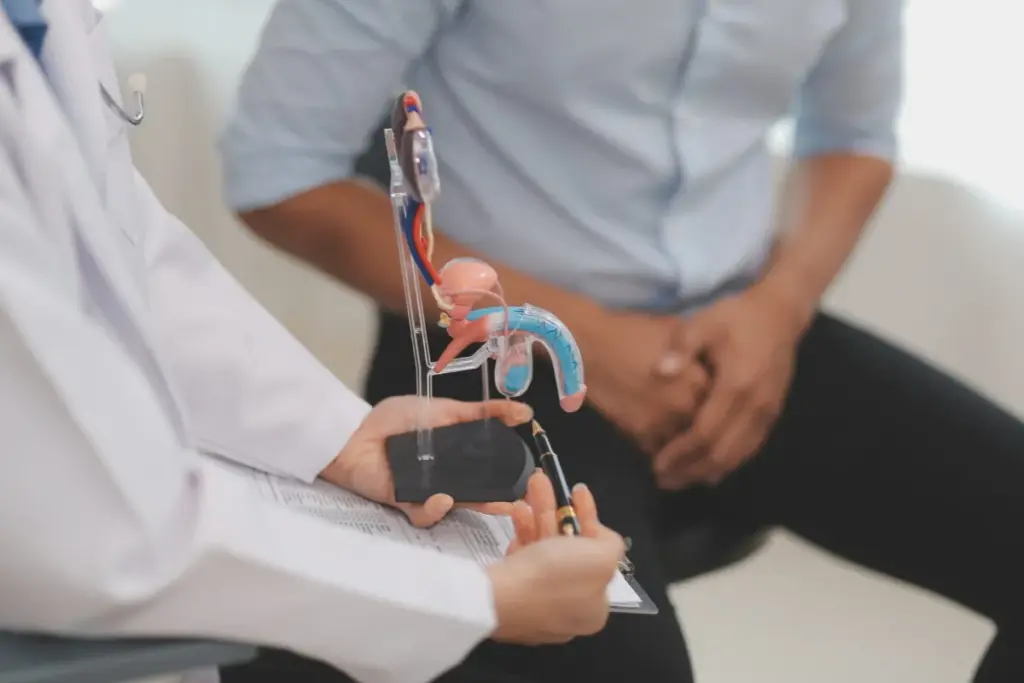
It’s important to understand why UTIs can cause nausea, dizziness, and other issues. We’ll look at the reasons behind these symptoms. This will help us manage UTIs better.
Dehydration and Blood Pressure Changes
Dehydration makes UTI symptoms worse, including nausea. When we lose more water than we drink, our blood pressure drops. This can make us feel dizzy and lightheaded.
Dehydration also makes urine more concentrated. This can irritate the bladder and urinary tract more. It’s key for people with UTIs to drink lots of water.
| Symptoms | Causes | Complications |
| Nausea | Dehydration, bacterial infection | Electrolyte imbalance |
| Dizziness | Blood pressure changes, dehydration | Falls, injuries |
| Confusion | Systemic infection, age-related factors | Misdiagnosis, delayed treatment |
Special Considerations for Elderly Patients
Elderly people often show different signs of UTIs, like dizziness and confusion. These can be mistaken for other illnesses. This can lead to late diagnosis and treatment.
Healthcare providers need to watch for these signs. They should think about UTIs when elderly patients show these symptoms.
Recognizing When UTI Symptoms Indicate Serious Progression
It’s important to know when UTI symptoms get worse. Signs like severe nausea, vomiting, high fever, and flank pain mean a serious infection. This could be pyelonephritis.
Quick action and treatment are key. They can stop complications and help patients with UTIs get better.
Conclusion
It’s important to know how urinary tract infections (UTIs) and symptoms like nausea are connected. When a UTI leads to nausea and headache, it might be a sign of something serious. We’ve looked into how UTIs can make you feel sick and why treating them quickly is key.
A UTI can make you feel really sick, causing nausea and other problems if not treated. Knowing the signs of a UTI, like nausea, is vital for getting medical help fast. If a bladder infection isn’t treated, it can make you feel even worse, showing why quick medical care is needed.
Understanding that UTIs can cause nausea and headache helps people manage their symptoms better. We stress the need to treat UTIs quickly to avoid more serious issues and to feel better.
FAQ
Can a UTI make you feel nauseated?
Yes, feeling nauseated with a UTI is common. It usually happens when the infection spreads or affects the kidneys, making you feel generally unwell.
Why do I feel dizzy and nauseous with a UTI?
Dizziness and nausea with a UTI can be due to dehydration, low blood pressure, or the body’s reaction to toxins. Watching these symptoms closely is important, as they may indicate a more serious infection.
Is nausea a common symptom of a UTI?
Nausea with a UTI is recognized but not universal. It often occurs when the infection spreads beyond the bladder, triggering a broader immune response.
Can a UTI cause nausea and dizziness?
Yes, nausea and dizziness with a UTI are common. These symptoms often appear together if you’re dehydrated or if the infection is spreading to the upper urinary tract.
Can a UTI make you feel sick and have a headache?
A UTI can make you feel sick and have a headache. This is often a sign of the body’s fight against bacteria. Inflammation and dehydration can trigger headaches and general malaise.
Can a bladder infection make you feel nauseous?
Yes, though a bladder infection is a localized UTI, the toxins from bacteria like E. coli can make you feel nauseous. Severe nausea may indicate the infection is moving toward the kidneys.
Why is my UTI causing nausea and vomiting?
Nausea and vomiting with a UTI are serious signs. They often indicate pyelonephritis (a kidney infection) or systemic involvement that needs immediate medical evaluation and treatment.
Can a UTI cause nausea and headache at the same time?
Yes, experiencing a UTI and nausea alongside a headache is common when the body is under stress from an infection. Increasing fluid intake and consulting a healthcare professional can help prevent the infection from worsening.
References
Centers for Disease Control and Prevention. Evidence-Based Medical Insight. Retrieved from https://www.cdc.gov/uti/about/index.html[5



 Departments
 Related Videos
 Our Doctors
 News
News