
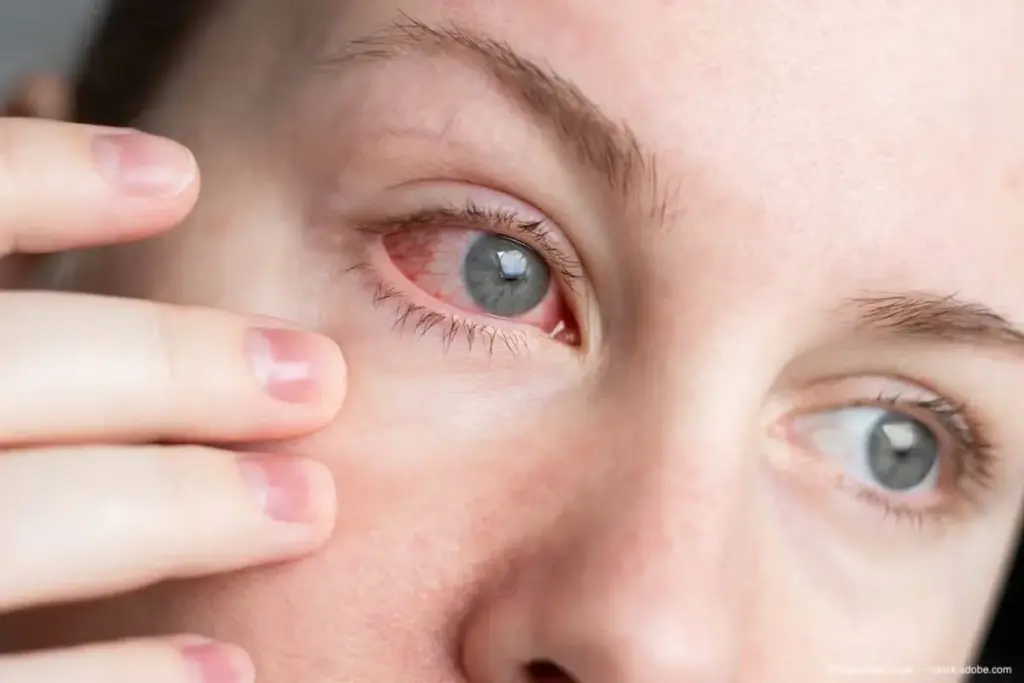
Ever had itchy, watery, and red eyes with stringy discharge? This might be allergic conjunctivitis, or allergic pink eye. It’s a noninfectious condition that makes the conjunctiva, the membrane around your eyelids, inflamed.
Exposure to allergens like pollen or pet dander can trigger this. Mast cells in the conjunctiva release chemicals like histamine. This leads to itching, redness, and discharge.
Knowing if your pink eye is allergic or infectious is key. For more on the difference, check out our guide on pink eye vs. allergies.
Key Takeaways
- Allergic conjunctivitis is a noninfectious inflammatory response affecting the conjunctiva.
- Common allergens that trigger allergic pink eye include pollen, dust mites, pet dander, and environmental irritants.
- Symptoms of allergic pink eye include intense itching, redness, and watery discharge.
- Understanding the cause of pink eye is key for the right treatment.
- Allergic pink eye is not contagious, unlike viral or bacterial conjunctivitis.
Understanding Allergic Conjunctivitis
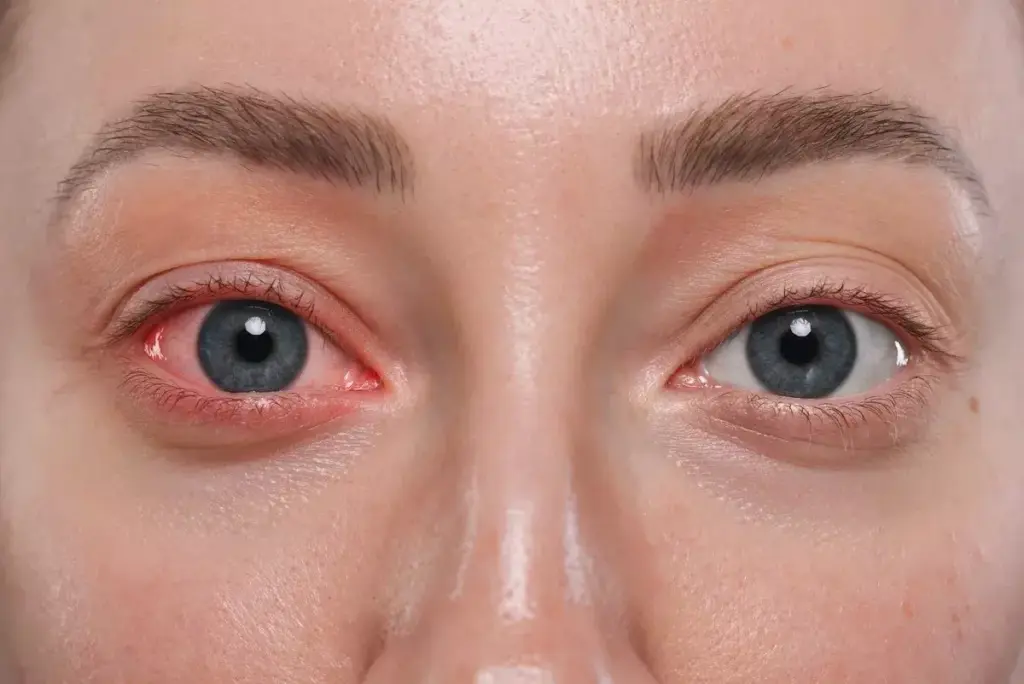
We dive into the world of allergic conjunctivitis, a common issue caused by environmental allergens. This condition, also known as allergic pink eye, happens when the thin membrane covering the eye and eyelids gets inflamed. This is due to an allergic reaction.
What is Allergic Pink Eye?
Allergic pink eye shows as inflammation of the conjunctiva. It brings symptoms like redness, itching, and discharge. Unlike other types of conjunctivitis, it’s not caused by germs but by allergens like pollen, dust mites, or pet dander.
Many wonder if can pollen cause pink eye. The answer is yes; pollen is a major allergen that can cause allergic conjunctivitis.
Allergic conjunctivitis is not contagious. It can’t spread from one person to another. The discharge is usually clear or white and stringy, unlike the thick, yellow discharge seen in bacterial infections. Knowing this helps doctors figure out what’s causing the conjunctivitis and how to treat it.
Prevalence and Impact of Ocular Allergies
Ocular allergies, including allergic conjunctivitis, affect a lot of people. About 40% of people deal with ocular allergy symptoms at least once a year. These allergies can really impact daily life and overall well-being.
By understanding what causes and symptoms of allergic conjunctivitis, people can avoid allergens and get the right treatment. This helps manage the condition, lowers the risk of complications, and improves eye health.
Symptoms of Allergy-Related Pink Eye
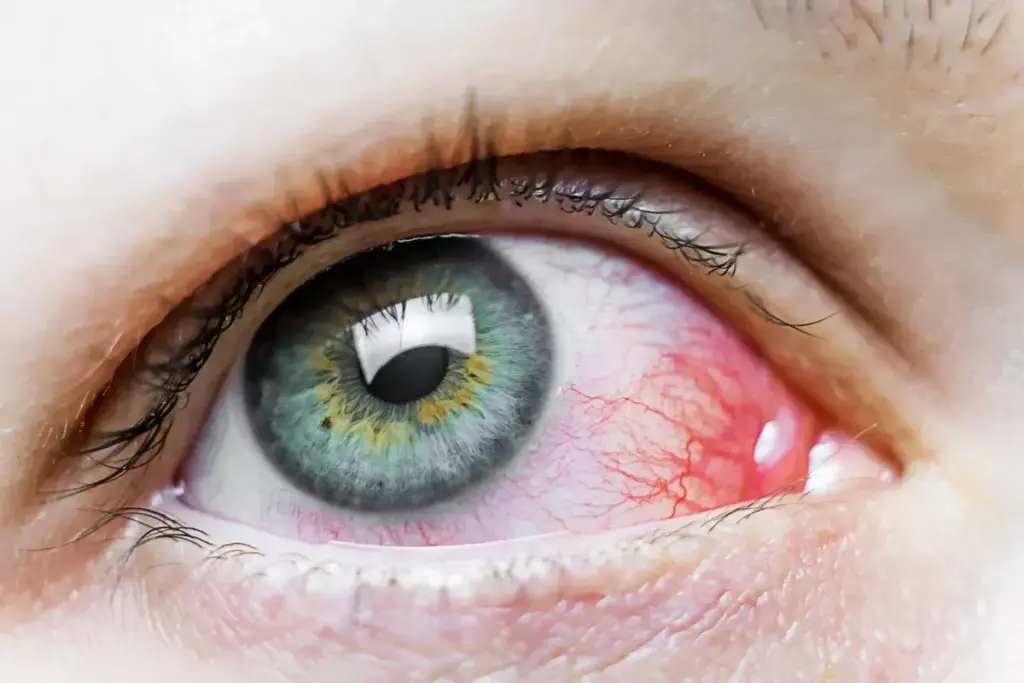
Allergy-related pink eye can cause a lot of discomfort. It makes our eyes itchy and uncomfortable.
Itchy Red Eyes with Discharge
Itchy red eyes with discharge are common signs of allergy-related pink eye. This discharge can make your eyelids stick together in the morning. Lakeside Family Optometry says symptoms include itchy or burning eyes, watery discharge, and redness.
The itchiness can be really annoying. Rubbing your eyes can make it worse. The discharge is usually watery and depends on how sensitive you are to the allergen.
Mucus in Eyes from Allergies
Some people also get mucus in their eyes from allergies. This mucus makes your eyes even more uncomfortable. It’s the body’s way of trying to get rid of the allergen.
Knowing the symptoms helps you treat allergy-related pink eye better. By recognizing these signs and taking action, you can feel better and avoid more problems.
| Symptom | Description | Common Triggers |
| Itchy Red Eyes | Eyes become red, itchy, and inflamed | Pollen, dust mites, pet dander |
| Watery Discharge | Presence of a watery discharge | Seasonal allergies, environmental allergens |
| Mucus in Eyes | Mucus production as a response to allergens | Mold spores, pollen, dust |
Can Mold Cause Conjunctivitis and Other Allergen Triggers
Conjunctivitis, or pink eye, can be caused by many allergens, with mold being a big one. When the eyes react to an allergen, it leads to symptoms like itchy eyes, redness, and discharge. Knowing what triggers it is key to managing and preventing it.
Mold Spores as Eye Irritants
Mold spores are a common allergen that irritates the eyes. When they touch the eyes, they can cause an allergic reaction. This reaction leads to symptoms like itchy eyes and discharge.
The Medical organization says allergic conjunctivitis affects both eyes. It’s a response to an allergy-causing substance. The body’s reaction to allergens like mold spores leads to symptoms.
Common Environmental Triggers
Other environmental factors can also trigger allergic conjunctivitis. These include:
- Pollen from trees, grasses, and weeds
- Dust mites
- Pet dander
- Smoke and other air pollutants
These allergens can cause symptoms ranging from mild discomfort to severe reactions. Symptoms can include runny nose and swollen eyes. It’s important to manage exposure to these triggers.
To manage and prevent allergic conjunctivitis, it’s key to identify and avoid common allergens. This can involve using air purifiers, avoiding outdoor activities during peak pollen seasons, and keeping a clean environment to reduce dust mites and mold.
By understanding the causes and taking proactive steps, individuals can lower their risk of allergy pink eye symptoms. This can help alleviate the discomfort of allergic conjunctivitis.
Conclusion: Managing and Preventing Allergic Pink Eye
Knowing what causes and shows allergic pink eye is key to handling it well. This condition can start from many things like pollen, mold, and dust. It leads to eye problems and a runny nose.
To deal with allergic pink eye, stay away from things that make you allergic. Stay inside when pollen counts are high. Use medicines like antihistamines to feel better. If your symptoms don’t go away, see a doctor.
Stopping allergic pink eye means avoiding allergens and taking care of your eyes. Clean your space often, use eye drops for allergies, and wear protective glasses. These steps can help keep your eyes safe from irritants.
Knowing that pollen and other things can cause pink eye helps you protect your eyes. This way, you can keep your eyes and overall health in good shape.
FAQ
Can allergies cause pink eye and discharge?
Yes, allergies can lead to pink eye and discharge. When you’re exposed to an allergen, your body reacts. This reaction causes inflammation and symptoms like itching, redness, and discharge.
What is the difference between allergic pink eye and infectious conjunctivitis?
Allergic pink eye is not caused by an infection. It’s a non-infectious inflammatory response. On the other hand, infectious conjunctivitis is caused by a virus or bacteria. Allergic conjunctivitis is not contagious.
Can mold spores cause conjunctivitis?
Yes, mold spores can cause allergic conjunctivitis. When mold spores touch your eyes, they can trigger an allergic reaction. This reaction leads to symptoms like itching, redness, and discharge.
Do eye allergies cause discharge?
Yes, eye allergies can cause discharge. The discharge from allergic conjunctivitis is usually clear or white and stringy. It’s often accompanied by itching, redness, and swelling.
Can pollen cause pink eye?
Yes, pollen can trigger allergic conjunctivitis, also known as pink eye. When pollen touches your eyes, it can cause an allergic reaction. This reaction leads to symptoms like itching, redness, and discharge.
How can I prevent allergic pink eye?
To prevent allergic pink eye, avoid known allergens. Use allergy eye drops or antihistamines. Also, maintain good eye hygiene. Wearing sunglasses can help reduce exposure to allergens.
Can allergies cause mucus in the eyes?
Yes, allergies can cause mucus in the eyes. The mucus from allergic conjunctivitis is usually clear or white and stringy. It’s a result of the body’s response to the allergen.
Are itchy red eyes with discharge a symptom of allergic conjunctivitis?
Yes, itchy red eyes with discharge are symptoms of allergic conjunctivitis. The discharge is often clear or white and stringy. These symptoms are usually accompanied by swelling and tearing.
References
National Center for Biotechnology Information. Evidence-Based Medical Insight. Retrieved from https://www.ncbi.nlm.nih.gov/pmc/articles/PMC7574141/