

Anaemia, including iron deficiency, is a known cause of headaches. It happens when there are fewer red blood cells. This means less oxygen gets to the brain, leading to dull and migraine-type headaches.
At Liv Hospital, we know iron deficiency anaemia is common. It happens when the blood lacks healthy red blood cells. These cells are key to carrying oxygen to the body’s tissues.
We look into how anaemia and headaches are connected. We see how less oxygen to the brain can lead to headache symptoms. Knowing this is important for those looking to ease anaemia-related headaches.
Key Takeaways
- Anaemia is a condition with a lack of healthy red blood cells.
- Less oxygen to the brain can lead to headache symptoms.
- Iron deficiency is a common cause of anaemia.
- Understanding the link between anaemia and headaches is key to relief.
- Liv Hospital offers top care for those with anaemia-related headaches.
Understanding Anaemia and Its Effects on the Body
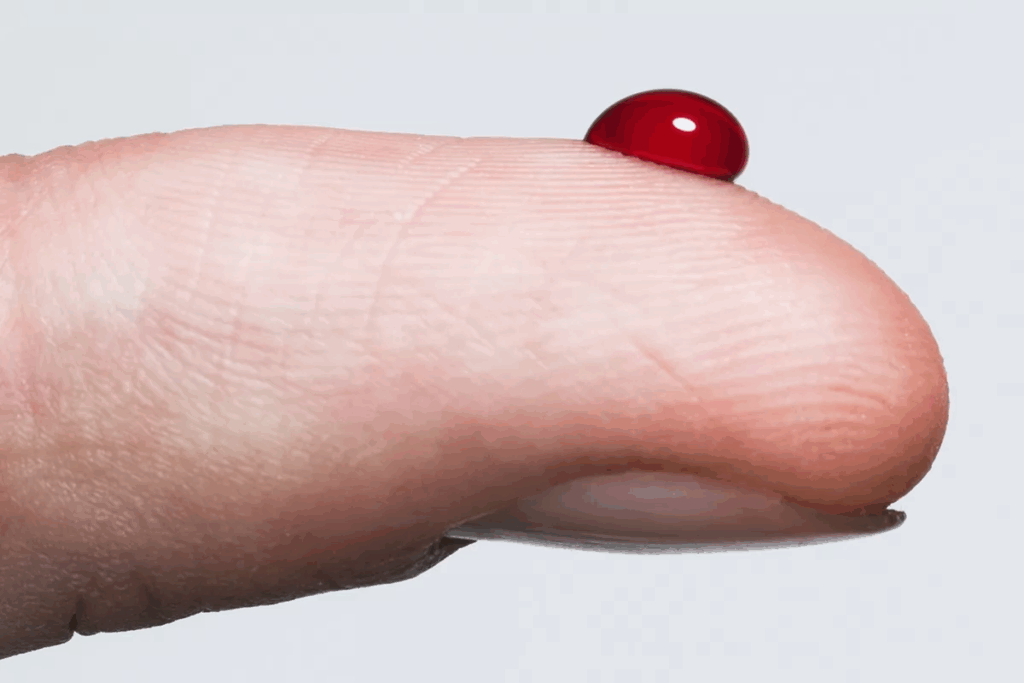
To understand how anaemia causes headaches, we first need to know what anaemia is. It’s a condition where the body lacks enough red blood cells. These cells are key to transporting oxygen.
What Is Anaemia?
Anaemia happens when the body doesn’t have enough red blood cells or they’re not good enough. This means less oxygen gets to the body’s tissues and organs.
Iron deficiency is a common cause of anaemia. Without enough iron, the body can’t make enough haemoglobin. This leads to anaemia. Other causes include vitamin deficiencies, chronic diseases, and genetic disorders.
Common Types of Anaemia
There are several types of anaemia, each with different causes:
- Iron deficiency anaemia: Caused by inadequate iron intake or chronic blood loss.
- Vitamin deficiency anaemia: Caused by a lack of vitamins such as vitamin B12 or folate.
- Anaemia of chronic disease: Associated with chronic illnesses like rheumatoid arthritis or cancer.
- Sickle cell anaemia: A genetic disorder affecting the shape of red blood cells.
How Anaemia Affects Oxygen Delivery
Anaemia makes it hard for the body to get oxygen to its tissues and organs. With fewer red blood cells or less haemoglobin, cells get less oxygen. This can cause fatigue, weakness, and headaches.
| Effect of Anaemia | Description |
| Reduced Oxygen Delivery | Less oxygen is carried to the body’s tissues and organs. |
| Increased Heart Rate | The heart works harder to compensate for the lack of oxygen. |
| Fatigue and Weakness | Common symptoms due to inadequate oxygen supply. |
Studies show that people with iron deficiency anaemia often get headaches. This is because their brains don’t get enough oxygen. Knowing the type and cause of anaemia is key to treating symptoms like headaches.
The Connection Between Oxygen Deprivation and Brain Function

It’s important to know how oxygen lack affects the brain. This helps us understand the link between anaemia and headaches. The brain is very sensitive to oxygen changes. Any disruption can cause different neurological symptoms.
How Your Brain Relies on Oxygen
The brain needs a lot of oxygen to work properly. It uses a big part of the body’s oxygen, even though it’s small. Oxygen is key to making ATP, the brain’s energy. Without enough oxygen, brain cells can’t work well.
What Happens When Oxygen Levels Drop
When oxygen levels go down, the brain can’t function well. This is because of anaemia or other issues. Fewer red blood cells mean less oxygen for the brain, causing headaches. The brain tries to make up for it by increasing blood flow, which can cause pain.
Cellular Response to Reduced Oxygen
When oxygen is low, cells try to keep energy stable. They use anaerobic metabolism, which is less efficient. This can lead to more waste, making brain function worse.
“Oxygen is essential for the proper functioning of the brain, and any disruption in oxygen supply can have significant consequences.”
| Oxygen Level | Brain Function Impact | Symptoms |
| Normal | Optimal function | None |
| Reduced | Impaired cognitive function | Dull headaches |
| Significantly Reduced | Severe impairment | Migraine-type headaches |
Can Anaemia Cause Headaches? The Scientific Evidence
Scientists have been studying whether iron deficiency anaemia leads to more headaches. They found strong evidence that there is a link between anaemia and headaches.
Research Findings on Anaemia and Headaches
Many studies show that people with iron deficiency anaemia get headaches more often. Research also found that people with migraines are more likely to have iron deficiency anaemia. This suggests that the severity of anaemia might affect how often or how severe headaches are.
A study in a well-known medical journal found that treating iron deficiency anaemia greatly reduced headaches. This supports the idea that anaemia and headaches are connected. It also shows that treating iron deficiency can help.
Statistical Correlation Between Iron Deficiency and Headache Frequency
Statistical analysis from different studies shows a strong link between iron deficiency and more headaches. These studies found that people with iron deficiency anaemia are more likely to have headaches, including migraines. The data suggests that how severe anaemia is might affect how often and how severe headaches are.
A big study with over a thousand participants found that people with iron deficiency anaemia had many more headaches than those with normal iron levels. This shows how important it is to look at anaemia as a possible cause of headaches.
Medical Consensus on the Connection
Doctors are now more sure about the link between anaemia and headaches. They are seeing how iron deficiency can play a part in headache disorders. This agreement comes from looking at all the evidence, including studies and patient data.
As we learn more about anaemia and headaches, treating iron deficiency is becoming key in managing headaches. This not only helps with symptoms but also improves health for those with anaemia-related headaches.
Types of Headaches Associated with Anaemia
Headaches linked to anaemia can be different. They might feel dull and last a long time or be like migraines. Knowing these types helps spot anaemia symptoms.
Dull, Persistent Headaches
People with anaemia often get dull, persistent headaches. These headaches feel like a steady ache on both sides of the head. They are usually not too bad, but they can make you feel tired and not well.
Migraine-Type Headaches
Migraine-type headaches are also seen in anaemia. They are very painful and usually happen on one side of the head. You might also feel sick to your stomach, throw up, and be very sensitive to light and sound.
Throbbing Pain Patterns
Throbbing pain is a sign of more serious anaemia. This pain is very bad and can get worse when you move. Scientists think it’s because of low oxygen levels in the body.
| Headache Type | Characteristics | Associated Symptoms |
| Dull, Persistent | Steady, aching pain on both sides | Fatigue, general malaise |
| Migraine-Type | Severe, throbbing pain, usually one-sided | Nausea, vomiting, sensitivity to light and sound |
| Throbbing | Debilitating, throbbing pain | Worsens with physical activity |
Iron Deficiency: The Most Common Culprit
Iron is key in preventing anaemia, a condition that can cause headaches. We’ll look at iron’s role in brain health and who’s at risk for iron deficiency.
Why Iron Is Essential for Preventing Headaches
Iron helps make haemoglobin, a protein in red blood cells that carries oxygen. Low iron means less oxygen for the body’s tissues, including the brain. This can cause headaches and other symptoms. Iron deficiency often leads to anaemia, making it important to prevent headaches.
Key functions of iron include:
- Producing haemoglobin to transport oxygen
- Supporting healthy brain function
- Maintaining energy levels
Groups Most at Risk for Iron Deficiency
Some groups face a higher risk of iron deficiency. These include:
- Women of childbearing age, due to menstrual blood loss
- Pregnant women, who have a higher demand for iron
- Individuals with gastrointestinal disorders that impair iron absorption
- Vegetarians and vegans, who may have lower iron intake due to dietary choices
These groups need to be aware of their iron levels and take preventive measures.
How Iron Levels Affect Brain Function
Iron is vital for brain function and development. Low iron can cause cognitive problems, like trouble concentrating and memory issues. It can also reduce dopamine, which may lead to headaches.
Keeping iron levels up is key to brain health and preventing headaches from anaemia. If you have persistent headaches, check your iron levels with a healthcare professional.
Women and Anaemia-Related Headaches: A Special Consideration
Women are more likely to get anaemia and headaches because of menstrual blood loss, hormonal changes, and pregnancy. Knowing these reasons is key to treating anaemia headaches in women.
Why Women Are More Susceptible to Iron Deficiency
Women often lose iron due to menstrual blood loss. This can lower their iron levels over time. They might also eat less iron than needed because of their diet. A study in Cephalalgia found a link between iron deficiency anaemia and headaches.
- Menstrual blood loss is a big reason for iron deficiency in women.
- What women eat is very important for keeping iron levels up.
- Women with heavy periods are more likely to get iron deficiency anaemia.
The Link Between Female Hormones, Iron Levels, and Migraines
Female hormones, like oestrogen, can affect iron levels and migraines. Changes in oestrogen during the menstrual cycle can mess with iron and lead to migraines. It’s important to understand this connection for better treatments.
The relationship between female hormones and iron is complex. More research is needed to understand how it affects migraines.
Pregnancy and Postpartum Anaemia Headaches
Pregnancy and after giving birth are times when women are more likely to get anaemia. The body needs more iron during pregnancy, and not getting enough can cause anaemia. After birth, women might get anaemia from blood loss during delivery.
- Pregnant women should be checked for iron deficiency anaemia.
- It’s important to give pregnant and new mothers enough iron.
- Postpartum anaemia can harm a woman’s health and needs quick treatment.
Healthcare providers can give better care to women at risk of anaemia headaches. This can greatly improve their quality of life.
How Blood Loss Contributes to Anaemia Headaches
When we lose blood, our iron levels go down, which can cause headaches. Blood loss can happen suddenly, like during surgery, or slowly, like with heavy periods or ulcers.
Understanding the Impact of Blood Loss
Blood loss is a big reason for iron deficiency anaemia. It lowers iron, which affects haemoglobin production. This means less oxygen gets to our tissues, including the brain.
Acute Blood Loss and Rapid Haemoglobin Reduction
Quick blood loss can quickly lower haemoglobin levels. This can cause headaches because our brain is sensitive to oxygen changes. Severe blood loss makes our heart work harder and blood vessels narrower, affecting brain blood flow.
Chronic Blood Loss Conditions
Slow blood loss over time can also lower iron levels. Heavy periods, ulcers, or cancer can cause this. As iron levels drop, the risk of anaemia and headaches grows.
Identifying Hidden Sources of Blood Loss
It’s hard to find where blood loss comes from, making it tough to diagnose anaemia headaches. For example, bleeding from ulcers or cancer in the gut can be hidden. It slowly lowers iron levels without clear symptoms until anaemia sets in.
Hidden Sources of Blood Loss
Hidden blood loss can come from gut lesions, cancer, or some medicines. Finding these sources requires a detailed medical check-up. Tests like endoscopy or imaging studies are often needed.
Understanding how blood loss leads to anaemia headaches helps us get the right treatment. Fixing the blood loss issue is key to managing anaemia and easing headaches.
Recognising Anaemia Headaches: Key Symptoms and Warning Signs
It’s important to know the signs of anaemia headaches to get medical help quickly. These headaches can be tricky to spot because they’re different from other headaches. Knowing the symptoms can help you know when to see a doctor.
Distinguishing Anaemia Headaches from Other Types
Anaemia headaches are usually dull and last a long time, unlike sharp or stabbing headaches. They might also make you feel very tired, dizzy, or have trouble breathing. It’s key to notice these differences for the right diagnosis.
Accompanying Symptoms to Watch For
People with anaemia might also have other symptoms. These include:
- Pale skin or pallor
- Extreme fatigue or weakness
- Shortness of breath or dizziness
- Cold hands and feet
- Rapid or irregular heartbeat
When headaches happen with these symptoms, think about anaemia. Tracking these symptoms helps doctors diagnose correctly.
When to Seek Medical Attention
If you have ongoing or severe headaches with anaemia symptoms, see a doctor. They will do blood tests to check for anaemia. Early treatment can greatly improve your life and prevent serious problems.
Don’t wait to check your health. If you’re worried about anaemia symptoms, talk to a doctor. They can offer advice and support to manage your symptoms.
Diagnosing the Connection: Tests Your Doctor May Recommend
To figure out if anaemia is causing your headaches, your doctor might suggest some tests. Getting a correct diagnosis is key to treating you right.
Blood Tests for Anaemia
Blood tests are a main way to check for anaemia. They can show if you lack iron by looking at your haemoglobin and iron levels.
Common blood tests include:
- Complete Blood Count (CBC): Checks your haemoglobin and hematocrit levels.
- Iron Studies: Looks at your serum iron, ferritin, and transferrin saturation.
- Vitamin B12 and Folate Levels: Find out if you’re low on these vitamins, which can cause anaemia.
Evaluating Headache Patterns
Your doctor will also look at your headache patterns. They want to know how often, how bad, and what they’re like. Keeping a headache diary can help track these details.
Key information to record includes:
- Date and time of headache onset
- Duration and intensity of the headache
- Any associated symptoms, like dizziness or nausea
- Potential triggers such as food, stress, or the menstrual cycle
Ruling Out Other Causes
It’s important to check if other things could be causing your headaches. Your doctor might do more tests based on your history and symptoms.
Other possible causes of headaches include:
- Tension headaches
- Migraine
- Sinusitis
- Dehydration
By looking at blood test results, your headache patterns, and ruling out other causes, your doctor can give you a clear diagnosis. Then, they can suggest the right treatment for you.
Treating Anaemia to Relieve Headaches
Treating anaemia involves several steps to help with headaches. By fixing the root causes of anaemia, we can boost health and lessen headaches.
Iron Supplements: Types and Recommendations
Iron supplements are key for treating iron deficiency anaemia. There are many types, like ferrous sulfate and iron citrate. The right one depends on how well you can take it and how bad your anaemia is. Always talk to a doctor to find the best one for you.
Key Considerations for Iron Supplements:
- Dosage: The right amount depends on your age, sex, and anaemia level.
- Type: Some iron types are easier to take than others.
- Duration: It might take months to fully replenish iron.
Dietary Changes to Boost Iron Levels
Eating more iron-rich foods is also important. Foods like red meat and beans are full of iron. Vitamin C helps your body absorb iron better, so eating foods like citrus fruits is good too.
Addressing Underlying Causes of Blood Loss
If anaemia is due to losing blood too fast, we need to find and fix the cause. This could be ulcers, cancer, or heavy periods. For heavy periods, treatments like hormones or surgery might be needed.
Monitoring Progress and Adjusting Treatment
It’s important to keep an eye on your iron levels and health. Blood tests help us see if the treatment is working. We work with you to make sure your treatment fits your needs.
By using iron supplements, changing your diet, fixing the cause of blood loss, and checking progress, we can manage anaemia well. This helps reduce headaches, too.
The Iron Balance: Avoiding Both Deficiency and Overload
Iron balance is key to our health. We need to manage it well to avoid too little or too much iron. Keeping iron levels just right helps prevent problems like anaemia and headaches.
Risks of Iron Overload from Excessive Supplementation
Iron supplements help when we’re low, but too much can be bad. It can cause too much iron in our bodies. This can harm our heart, liver, and pancreas.
The dangers of too much iron include:
- Damage to organs from iron buildup
- Higher risk of infections and chronic diseases
- Possible genetic disorders like hemochromatosis
Headaches from Iron Transfusions
Iron transfusions save lives but can also lead to too much iron. This can cause headaches and other issues.
Doctors need to watch patients closely who get iron transfusions.
Finding Your Optimal Iron Level
Finding the right iron level is a balance. We need regular blood tests and might need to change our diet or supplements.
Things to think about for the right iron level include:
- How much iron do we get from food
- If we need supplements
- Health conditions that affect iron
Medical Conditions Affecting Iron Metabolism
Some health issues can mess with iron levels. For example, hemochromatosis makes our bodies take in too much iron. We need to manage these conditions well.
Knowing how these conditions affect iron is important. It helps us stay healthy and avoid problems like headaches.
By knowing the risks and taking action, we can keep our iron levels healthy. This helps us avoid health problems.
Conclusion: Taking Control of Anaemia and Headache Symptoms
Understanding the link between anaemia and headaches helps us take charge of our health. Managing anaemia well is key to lessening headache symptoms.
Anaemia affects oxygen to the brain, causing headaches. Knowing the signs of anaemia-related headaches is vital. This knowledge leads to the right treatment. Making lifestyle changes can also help improve your quality.
To manage anaemia and headaches, we need a full plan. This includes changing our diet, taking iron supplements, and stopping blood loss. With the help of doctors, we can create a plan that works for us. This plan helps us feel better overall.
FAQ
Does being anaemic cause headaches?
Yes, anaemia can cause headaches. This is because the brain doesn’t get enough oxygen. This lack of oxygen can lead to headaches.
Are headaches a symptom of iron deficiency?
Yes, headaches can be a sign of iron deficiency. Iron is key for oxygen delivery to the brain. Low iron levels can cause headaches.
Can low iron give you a headache?
Yes, low iron levels can lead to headaches. Iron helps deliver oxygen to the brain. Without enough iron, headaches can occur.
Can anaemia cause headaches?
Yes, anaemia can cause headaches. It happens whether there are not enough red blood cells or haemoglobin. This reduces oxygen to the brain, causing headaches.
How to get rid of a low-iron headache?
To get rid of a low-iron headache, you need to fix the iron deficiency. This can be done with iron supplements, changing your diet, and stopping blood loss.
Can iron cause headaches?
Yes, too little iron can cause headaches, but too much can, too. It’s important to find the right balance of iron to avoid problems.
What are the symptoms of anaemia headaches?
Anaemia headaches can feel like dull, constant pain or like migraines. You might also feel tired, weak, and have trouble breathing.
How is anaemia diagnosed in relation to headaches?
To diagnose anaemia related to headaches, blood tests are done to check for iron levels. Doctors also look at your headache patterns. They make sure other causes aren’t behind your headaches.
Can treating anaemia relieve headaches?
Yes, treating anaemia can help with headaches. Iron supplements, diet changes, and stopping blood loss can ease headache symptoms.
How can I prevent anaemia headaches?
To prevent anaemia headaches, keep your iron levels up with a balanced diet. Also, address blood loss and watch your iron levels to avoid too little or too much.
References
- Sari, U. S., et al. (2024). Association between anaemia severity and migraine in iron deficiency anaemia patients. The Journal of Headache and Pain, 25(1), 15. https://pubmed.ncbi.nlm.nih.gov/38375703/