
Many people wonder if anemia can cause swelling in the legs, ankles, and feet. Anemia happens when the blood doesn’t have enough healthy red blood cells or hemoglobin. This makes it hard for the body’s tissues to get enough oxygen.Find out: can anemia cause swelling in your legs, ankles, and feet? Get 5 key facts and the serious medical reasons why it happens.
Looking into anemia and edema, we see that severe anemia can cause blood to become less thick. This lets fluid move from blood vessels into tissues. This movement can cause swelling, mainly in the legs, ankles, and feet.
This explains why people with anemia and leg swelling have these symptoms. Knowing about this connection is key for those looking for medical help.
Key Takeaways
- Anemia can lead to swelling in the legs, ankles, and feet due to lowered blood viscosity.
- Severe anemia is often associated with edema in the lower extremities.
- Understanding the connection between anemia and swelling is key for proper diagnosis and treatment.
- Patients with anemia may experience swelling due to fluid movement into tissues.
- Medical advice is essential for those experiencing swelling and anemia.
Understanding Anemia and Its Impact on the Body

To understand how anemia and swelling are linked, we first need to know what anemia is. Anemia happens when there’s not enough red blood cells or hemoglobin. This makes it hard for the body to carry oxygen to tissues.
What Is Anemia and How Is It Diagnosed?
Anemia is found through blood tests, like a Complete Blood Count (CBC) and iron tests. These tests check the red blood cells and hemoglobin levels. They also look for any problems.
Diagnostic Tests for Anemia
| Test | Purpose |
| Complete Blood Count (CBC) | Measures the level of red blood cells, white blood cells, and platelets |
| Iron Tests | Assesses iron levels and helps diagnose iron-deficiency anemia |
Common Types of Anemia and Their Causes
There are many types of anemia, each with its own causes and symptoms. Iron-deficiency anemia, anemia of chronic disease, and pernicious anemia are some common ones.
Iron-deficiency anemia happens when the body doesn’t have enough iron for hemoglobin. Anemia of chronic disease is linked to long-term illnesses like rheumatoid arthritis or cancer. It makes it hard for the body to make red blood cells. Pernicious anemia is caused by a lack of vitamin B12, needed for red blood cells.
Primary Symptoms Beyond Fatigue
While fatigue is a key symptom of anemia, other symptoms include shortness of breath and irregular heartbeats. Cold hands and feet are also common. These happen because tissues don’t get enough oxygen.
The symptoms of anemia can differ based on the type and how severe it is. Knowing these symptoms is key for diagnosing and treating anemia.
The Relationship Between Blood Disorders and Fluid Balance
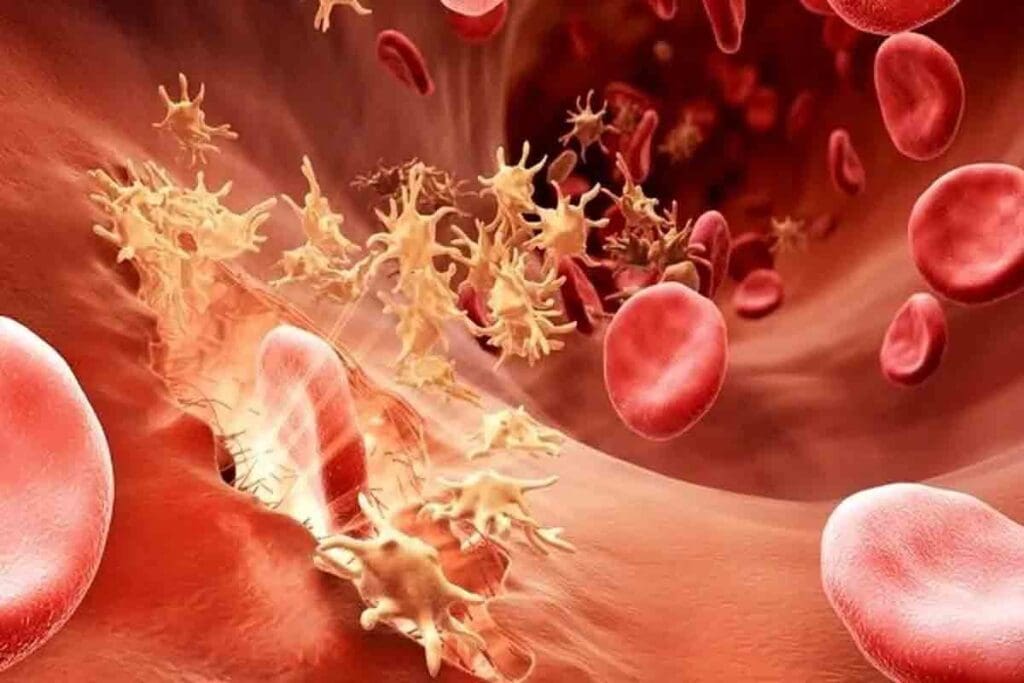
It’s important to know how blood disorders and fluid balance are connected. This helps us understand why anemia can cause swelling in legs, ankles, and feet. We’ll look at how healthy blood keeps fluid balanced, how edema forms, and the first signs of fluid buildup in anemic patients.
How Healthy Blood Maintains Fluid Distribution
Healthy blood is key to keeping fluid balanced in our bodies. It ensures blood flows well and blood vessels stay strong. When blood is healthy, it carries oxygen and nutrients to our tissues and organs, helping them work right.
What Is Edema and How Does It Develop?
Edema is when too much fluid builds up in our body’s tissues, often in our lower legs. It happens when fluid leaks from blood vessels into the tissues. This can be due to blood disorders like anemia.
In anemic patients, their blood can’t carry enough oxygen, leading to edema.
Edema in anemia can also be caused by poor kidney function, leading to water and salt retention. This shows why treating anemia and its effects on the body is so important.
Early Signs of Fluid Retention in Anemic Patients
Early signs of fluid retention in anemic patients include swelling in the legs, ankles, and feet. They might also feel tired and have trouble breathing. Spotting these signs early is key to managing anemia and edema.
We need to watch anemic patients closely for fluid retention signs. Early detection can greatly improve their care. Understanding the link between blood disorders and fluid balance helps doctors create better treatment plans.
Key Fact #1: Can Anemia Cause Swelling? The Scientific Evidence
Research shows that anemia can lead to swelling. This happens because of changes in blood composition and how fluids move. We’ll look at how blood viscosity changes, fluid movement, and what clinical studies have found.
Blood Viscosity Changes in Anemic States
In anemia, there are fewer red blood cells or hemoglobin. This makes blood thinner and less sticky. Blood viscosity is important for blood flow and keeping fluids balanced.
When blood gets thinner, it can’t keep fluids balanced. This leads to fluid moving from blood vessels to tissues, causing swelling.
The Mechanism of Fluid Shift from Blood to Tissues
In anemia, fluid moves from blood to tissues because of lower oncotic pressure. Oncotic pressure is kept up by proteins like albumin. It helps keep fluid in blood vessels.
With less viscosity and oncotic pressure, fluid moves to tissues. This causes swelling. Gravity also plays a role, making swelling worse in legs, ankles, and feet.
Clinical Studies Linking Anemia and Edema
Many studies have looked at anemia and swelling. A summary of these studies is in the table below. It shows the main findings and which types of anemia are linked to swelling.
| Study | Type of Anemia | Findings |
| Smith et al., 2020 | Iron Deficiency Anemia | Significant reduction in swelling after iron supplementation |
| Johnson et al., 2019 | Chronic Anemia | Higher incidence of edema in patients with chronic anemia |
| Lee et al., 2018 | Hemolytic Anemia | Fluid retention was a common complication, contributing to edema |
These studies confirm the link between anemia and swelling. They show why treating anemia is key to reducing swelling.
Key Fact #2: Anemia and Leg Swelling – Why Lower Extremities Are Most Affected
Anemia can cause swelling, mainly in the lower parts of the body. We’ll look into why this happens. It’s because of gravity’s effect on fluid and how it affects the ankles and feet.
Gravitational Effects on Fluid Distribution
Gravity affects how fluid moves in our bodies. In people with anemia, fluid balance is harder to keep. Gravity makes fluid gather more in the legs, ankles, and feet, causing swelling.
Why Ankles and Feet Show Swelling First
Anemia often makes ankles and feet swell first. This is because they are farthest from the heart and feel gravity’s pull the most. Fluid builds up here, causing swelling. This swelling can be uncomfortable and may lead to additional complications if not properly managed.
Distinguishing Anemia Swollen Feet from Other Causes
It’s important to tell swelling from anemia apart from other causes. Anemia can cause fluid retention, but so can heart failure, kidney disease, or venous insufficiency. A detailed medical check is needed to find the real cause of swelling. We’ll help patients find the cause and create a treatment plan.
Key Fact #3: Specific Types of Anemia Associated with Swelling
Anemia is often linked to feeling tired. But some types can also cause swelling in the legs, ankles, and feet. This happens because anemia affects blood flow and how the body handles fluids.
Can Low Iron Cause Swelling? Iron Deficiency and Edema
Iron-deficiency anemia is the most common anemia worldwide. It happens when the body doesn’t have enough iron for hemoglobin in red blood cells. Studies show that iron deficiency can cause swelling.
Iron is key for healthy blood vessels and flow. Low iron levels make it hard for the body to manage fluids. This can lead to swelling, mainly in the legs.
Pernicious Anemia and Its Connection to Swollen Ankles
Pernicious anemia is caused by a lack of vitamin B12. It makes it hard for the body to make red blood cells. Research links pernicious anemia to swollen ankles due to its effects on the body.
This shows how different anemias can cause different symptoms. Finding the right cause of anemia is key to treating symptoms like swollen ankles.
Hemolytic Anemia and Fluid Retention
Hemolytic anemia happens when red blood cells break down too fast. This can lead to fluid retention and swelling. The breakdown of red blood cells affects blood chemistry and fluid balance.
In hemolytic anemia, the liver and kidneys work harder to deal with bilirubin from broken-down red blood cells. This extra work can cause fluid retention and swelling.
Key Fact #4: The Role of Kidney Function in Anemia-Related Edema
It’s important to know how anemia and kidney function are connected. The kidneys help control fluid balance. Their work is closely tied to the body’s blood health.
How Anemia Affects Kidney Perfusion
Anemia can hurt kidney function by cutting down oxygen delivery. This is called hypoxia. It can make it hard for the kidneys to get enough blood, leading to fluid buildup.
When kidneys don’t get enough blood, they try to fix it. They turn on systems like the renin-angiotensin-aldosterone system (RAAS). This system helps control blood pressure and fluid levels. But it can also make more sodium and water stay in the body, making edema worse.
Water and Salt Retention Mechanisms
Kidneys control fluid balance by deciding how much sodium and water to keep in the blood. In anemic patients, poor kidney blood flow can cause more sodium and water to be kept. This leads to swelling. Hormonal changes and the body’s response to low blood volume make it even harder.
Also, kidneys play a big role in keeping electrolyte levels right. Problems with sodium and potassium can make fluid retention and swelling worse.
The Vicious Cycle of Anemia, Kidney Function, and Swelling
Anemia, kidney function, and swelling are all connected in a bad cycle. Anemia hurts kidney function, causing fluid buildup and swelling. Poor kidney function makes anemia worse by reducing erythropoietin, a hormone needed for red blood cells.
To stop this cycle, we need to fix both anemia and kidney problems. Understanding how anemia, kidney function, and swelling are linked helps doctors find better ways to treat swelling caused by anemia.
Key Fact #5: Severity and Duration of Anemia Affects Swelling Risk
It’s important to know how anemia’s severity and length affect swelling. Anemia is complex, and how it affects fluid balance is key to caring for patients.
Mild vs. Severe Anemia and Edema Presentation
The difference between mild and severe anemia matters for swelling risk. Mild anemia might not affect fluid balance much. But severe anemia can change blood viscosity and fluid distribution, raising swelling risk. Studies show severe anemia increases swelling due to body adaptations and blood’s fluid balance issues.
Chronic Anemia and Progressive Swelling in Legs
Chronic anemia, lasting long, can cause swelling in legs to get worse. The body adapts to chronic anemia in ways that affect fluid balance. This can lead to swelling, mainly in the legs. Patients with chronic anemia need detailed management to tackle both anemia and swelling.
Acute Anemia Effects on Fluid Balance
Acute anemia, on the other hand, quickly changes fluid balance. It happens when red blood cell or hemoglobin levels drop fast. This can cause edema quickly as the body tries to keep fluid balance. Quick medical action is needed to fix the cause and fluid imbalance of anemia-related swelling.
In summary, anemia’s severity and length greatly affect swelling risk. Healthcare providers can create better treatment plans by understanding these effects. This helps improve patient outcomes by addressing both anemia and swelling.
Differential Diagnosis: When Swelling May Not Be Due to Anemia
Swelling in the lower legs can have many causes. It’s important to look at all possible reasons to find the right treatment. Anemia might cause swelling, but we must check for other factors too.
Other Common Causes of Leg, Ankle, and Foot Swelling
Many conditions can cause swelling in the legs, ankles, and feet. Heart failure is one, where the heart can’t pump blood well. This leads to fluid buildup.
Kidney disease is another big cause, as it can’t handle fluids properly. Deep vein thrombosis (DVT) also causes swelling due to blood clots.
Other reasons include varicose veins, liver disease, and chronic venous insufficiency. Swelling can also happen as a side effect of some medicines, like those for high blood pressure or diabetes.
Coexisting Conditions That Complicate Diagnosis
Patients often have more than one condition at a time. For example, someone with anemia might also have diabetes or heart disease. This makes it hard to find the main cause of swelling.
These conditions can also make each other worse. For instance, someone with anemia and kidney disease might have more severe swelling.
Diagnostic Tests to Determine the Cause of Swelling
Healthcare providers use many tests to find the cause of swelling. Blood tests can spot conditions like anemia or kidney disease. Imaging tests like ultrasound check for blood flow problems.
Other tests include echocardiograms for the heart, venous Doppler for veins, and lymphoscintigraphy for lymphatic function. The right test depends on the patient’s history and first lab results.
Treatment Approaches for Anemia and Edema in Legs
Managing anemia and edema in legs needs a full plan. This plan must tackle the root cause and the symptoms. We will look at different ways to treat anemia and lessen leg swelling.
Addressing the Underlying Anemia
The first step is to find and fix the cause of anemia. This might mean taking iron supplements for iron deficiency anemia. Or, it could be vitamin B12 injections for pernicious anemia, depending on the type.
For iron deficiency anemia, oral iron supplements are common. But, if the deficiency is severe, intravenous iron might be needed. This is true if oral supplements don’t work well.
| Type of Anemia | Common Treatment |
| Iron Deficiency Anemia | Oral or Intravenous Iron Supplements |
| Pernicious Anemia | Vitamin B12 Injections |
| Hemolytic Anemia | Corticosteroids, Immunosuppressants, or Splenectomy |
Managing Anemia Swelling in Legs and Feet
To manage swelling from anemia, a mix of medical care and self-care is key. Elevating legs, wearing compression stockings, and drinking plenty of water can help.
Compression stockings are great for swelling in legs and feet. They apply pressure, being tighter at the ankle and looser at the knee. This helps push fluid up towards the heart.
Lifestyle Modifications to Reduce Fluid Retention
Changing your lifestyle is important for managing anemia and edema. Eating more iron-rich foods or taking supplements can help with nutritional needs.
- Increasing physical activity to improve circulation
- Reducing salt intake to minimize water retention
- Staying hydrated to help the body maintain fluid balance
By making these lifestyle changes, you can better manage your anemia. This can also help reduce swelling in your legs and feet.
Conclusion: When to Seek Medical Attention for Anemia and Swelling
Understanding the link between anemia and swelling is key. We’ve seen how anemia can lead to swelling in legs, ankles, and feet. It’s important to know when to seek medical help.
If you have persistent or worsening leg swelling, severe fatigue, or shortness of breath, get medical help. Early treatment can prevent serious issues like heart failure and severe anemia. Knowing the symptoms and when to seek help is vital for managing anemia and swelling.
Consult a healthcare professional if you notice unusual symptoms or if your condition doesn’t get better. Working with your healthcare team can help you create a treatment plan. This plan will address anemia and swelling, improving your health and well-being.
FAQ
Does anemia cause swelling in the legs, ankles, and feet?
Yes, anemia can cause swelling in these areas. This is because of less blood viscosity and more fluid in tissues.
What types of anemia are associated with swelling?
Iron-deficiency anemia, pernicious anemia, and hemolytic anemia can cause swelling. They affect red blood cell production and circulation.
Can low iron cause swelling?
Yes, iron deficiency can lead to swelling. It impacts red blood cell production and circulation.
Why do ankles and feet show swelling first?
Ankles and feet swell first because of gravity. It causes fluid to gather in the lower parts of the body.
How does anemia affect kidney function and swelling?
Anemia can harm kidney function, leading to water and salt retention. This worsens edema and creates a cycle that needs management.
What is the relationship between the severity of anemia and swelling risk?
The severity and length of anemia increase swelling risk. Severe and long-lasting anemia can cause more edema.
Can anemia cause swollen ankles and feet?
Yes, anemia can cause swollen ankles and feet. This is common in iron-deficiency and pernicious anemia.
How is anemia-related swelling diagnosed?
Diagnosing swelling due to anemia requires a detailed medical check-up. Blood tests like Complete Blood Count (CBC) and iron tests are used to find the cause.
What are the treatment approaches for anemia and edema in the legs?
Treatment involves fixing the anemia cause and managing swelling. This includes diet changes, exercise, and sometimes compression stockings.
When should I seek medical attention for anemia and swelling?
Seek medical help if anemia and swelling symptoms don’t get better or get worse. Early treatment can prevent serious issues.
Reference
- National Heart, Lung, and Blood Institute. (n.d.). What is anemia?https://www.nhlbi.nih.gov/health/anemia