
We often hear that post-surgery fatigue is common after surgery. The effects of anesthesia can make people feel tired and slow for weeks or months. But, new data show that walking can help a lot with this fatigue after surgery. Can anesthesia stay in your system for months causing fatigue? Discover amazing walking tips and powerful secrets for a perfect energy boost now.
A recent study found that walking for four months helped cancer survivors. They felt less tired, stronger, and slept better. This shows how important walking is during recovery to fight tiredness after surgery.
Key Takeaways
- Walking programs after surgery can reduce post-surgical fatigue.
- Early mobilization protocols improve recovery outcomes.
- Physical activity enhances muscle strength and sleep quality.
- Guided walking interventions are safe and effective.
- Post-surgery walking is associated with improved quality of life.
Understanding Post-Surgical Fatigue

Many people feel very tired after surgery. This is called post-surgical fatigue. It affects many people, making their recovery harder and affecting their health.
Common Symptoms of Post-Surgical Fatigue
Post-surgical fatigue shows in many ways. You might feel very tired, weak, or have less energy. How bad it is can depend on the surgery and the person.
Key symptoms to watch for include:
- Persistent fatigue not relieved by rest
- Muscle weakness or loss of stamina
- Decreased energy levels
- Difficulty concentrating or making decisions
Physiological Causes of Fatigue After Surgery
There are many reasons for post-surgical fatigue. The body’s stress response, anesthesia effects, and metabolic changes all play a part. Anesthesia can make you feel tired and confused for a while.
|
Physiological Factor |
Description |
Impact on Fatigue |
|---|---|---|
|
Surgical Stress |
The body’s response to surgical trauma |
Increased inflammation and metabolic demand |
|
Anesthesia Effects |
Lingering effects of anesthetic agents |
Contributes to tiredness and disorientation |
|
Metabolic Changes |
Alterations in energy production and utilization |
Affects energy levels and recovery |
Psychological Factors Contributing to Recovery Fatigue
Stress, anxiety, and depression can also make you feel tired after surgery. The emotional impact of surgery and the recovery process can affect your mental health and energy.
Can Anesthesia Stay in Your System for Months?
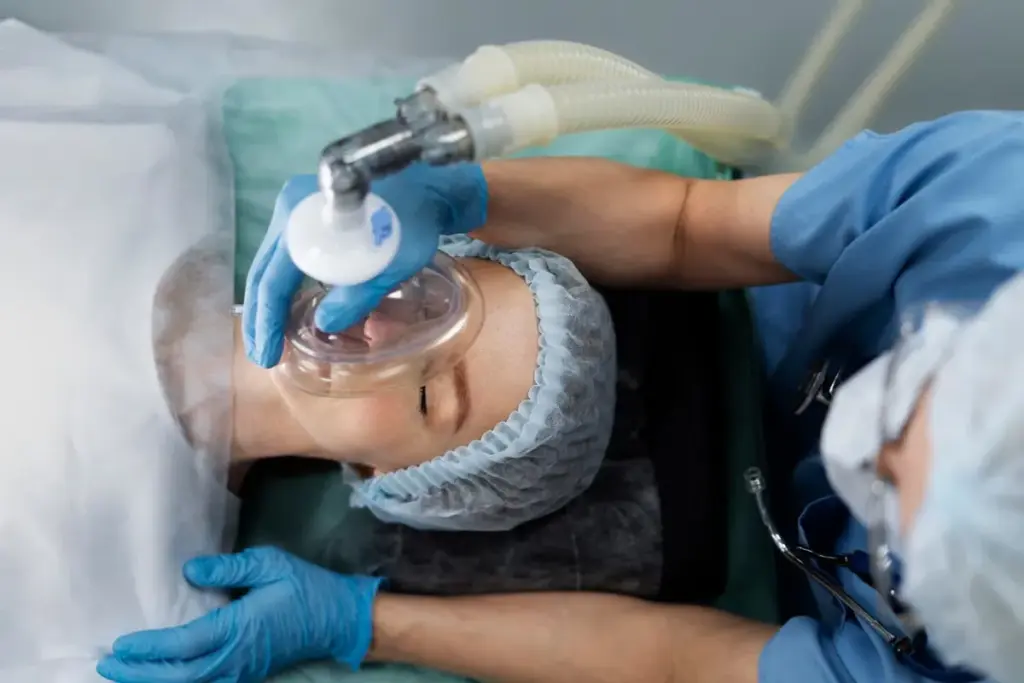
Many people worry about how long anesthesia stays in their system after surgery. Anesthesia is key for surgery, making it painless. But, how long it stays can change a lot.
How Anesthesia Affects Your Body
Anesthesia blocks pain signals to the brain. The type used—local, regional, or general—changes how it affects you. General anesthesia makes you unconscious.
Typical Clearance Times for Different Anesthetics
Clearance times for anesthesia depend on the type. Most anesthetics are made to leave the body fast. For example:
- Propofol, a common anesthetic, has a half-life of 1.5 to 31 hours. But, its effects are short.
- Isoflurane, an inhalational anesthetic, is mostly gone in a few hours. But, it might stay longer in the body.
But, how fast anesthesia is cleared can change a lot based on individual factors.
Factors That Influence Anesthesia Metabolism
Several things can change how the body breaks down anesthesia. These include:
|
Factor |
Influence on Anesthesia Metabolism |
|---|---|
|
Age |
Older adults may break down anesthesia slower because of less liver and kidney function. |
|
Liver and Kidney Function |
Bad function in these organs can slow down breaking down and getting rid of anesthesia. |
|
Genetic Factors |
Genetic differences can affect how fast some people break down certain anesthetics. |
Knowing these factors can help ease worries about anesthesia’s duration. Most people can expect it to be gone in a few days. But, everyone is different.
The Science Behind Post-Surgical Recovery
Understanding the complex processes involved in post-surgical recovery is essential. It involves inflammation, metabolic changes, and sleep issues. These factors all play a role in how we heal after surgery.
Inflammatory Response After Surgery
Surgery sets off an inflammatory response in our bodies. This is our body’s way of healing. But too much inflammation can cause problems.
Studies show that finding the right balance is important. This balance helps us recover better.
Metabolic Changes During Healing
After surgery, our body’s metabolism changes. We need more nutrients and energy to heal. This can make us tired if we don’t eat right.
Eating well is crucial for recovery. It helps our body heal without too much stress.
Sleep Disruption and Its Impact on Recovery
Sleep is vital for healing. But surgery can mess with our sleep. This can slow down recovery by weakening our immune system and making pain worse.
Improving sleep is important. It helps us heal faster and feel better.
A study found that managing pain and creating a good sleep space helps. These steps can greatly improve recovery.
How Walking Combats Post-Surgical Fatigue
Walking serves as a powerful tool to combat post-surgical fatigue. It offers many benefits for patients recovering from surgery. By walking, patients can see big improvements in their health and well-being.
Improved Circulation and Oxygen Delivery
Walking helps improve circulation and oxygen delivery to the body’s tissues. When we walk, our muscles pump blood back to the heart. This boosts oxygen to the tissues, helping them heal faster and reducing fatigue.
Studies show early walking after surgery can greatly improve patient outcomes. For example, a study on highlights its benefits.
Enhanced Metabolic Function
Walking also boosts metabolic function, which is key for recovery after surgery. Being inactive slows down our metabolism, making recovery longer. Walking speeds up our metabolism, helping our bodies process nutrients better and heal faster.
Reduced Risk of Complications
Walking after surgery also lowers the risk of complications. Long periods of bed rest can cause problems like DVT, pneumonia, and pressure sores. Walking helps avoid these issues, making recovery safer and more effective.
|
Benefits of Walking After Surgery |
Description |
|---|---|
|
Improved Circulation |
Enhanced blood flow and oxygen delivery to tissues, supporting healing and reducing fatigue. |
|
Enhanced Metabolic Function |
Stimulated metabolism supports efficient nutrient processing and healing. |
|
Reduced Risk of Complications |
Minimized risk of DVT, pneumonia, and pressure sores through regular mobilization. |
Understanding walking’s benefits after surgery helps patients take charge of their recovery. It reduces fatigue and improves health outcomes. Walking is a key part of a successful post-surgery recovery plan.
Clinical Evidence: Walking and Surgical Recovery
Research shows walking helps patients recover from surgery. We’ll look at studies that support walking’s role in improving recovery for various surgeries.
Research on Cancer Surgery Recovery
Walking after cancer surgery boosts patient outcomes.
Key findings from cancer surgery recovery studies:
- Reduced risk of deep vein thrombosis
- Improved pulmonary function
- Enhanced overall survival rates
Studies on Cardiac Surgery Patients
Evidence from Abdominal Surgery Protocols
Walking helps abdominal surgery patients recover faster and reduces complications. A study in the British Journal of Surgery found early walking boosts gut function and cuts down on ileus.
Benefits of walking after abdominal surgery:
- Faster return of bowel function
- Reduced risk of postoperative ileus
- Shorter hospital stays
When to Start Walking After Different Types of Surgery
Knowing when to start walking after surgery is key for a safe recovery. The timing varies with the surgery type. We’ll give general guidelines and stress the importance of following doctor’s advice.
Orthopedic Surgery Guidelines
Patients with orthopedic surgery, like joint replacements, should start walking early. This helps avoid blood clots and aids healing. They’re usually told to start walking within 24 to 48 hours, with help from a physical therapist or using walkers.
- Early walking reduces stiffness and improves movement.
- Start with short walks and increase distance as you can.
- Managing pain is important for comfortable walking.
Abdominal and Thoracic Surgery Recommendations
Patients after abdominal or thoracic surgery should start walking early, usually within a few days. Walking helps prevent lung problems and aids in gut recovery. But, the exact time depends on the surgery and the patient’s health.
- Begin with short, easy walks, avoiding hard activities.
- Watch for signs of trouble, like more pain or breathing issues.
- Wearing supportive clothes or binders can help during walks.
Neurological Surgery Considerations
Neurological surgery, like brain or spinal surgery, requires a cautious approach to walking. The decision to walk is based on the patient’s health and the surgeon’s advice. Once stable, patients are encouraged to move to prevent bed rest problems.
“Early walking after neurological surgery is critical for optimal recovery and to avoid complications like bed sores and muscle loss.”
In summary, while walking early is a common goal after surgery, the exact timing and method depend on the surgery and patient’s health. Always listen to your healthcare provider for the best recovery.
Creating a Safe Post-Surgery Walking Routine
Creating a safe walking routine is key after surgery. Walking helps in recovery, but it must be done safely. This avoids complications.
Starting with Appropriate Distances
Start with short walks that don’t strain your body too much. Short walks of 5-10 minutes are good to begin with. This builds endurance slowly and prevents overexertion.
Gradually Increasing Intensity
As you get better, you can make your walks more intense. You can walk for longer or more often. For example, add a minute or two each day.
Also, try walking on slight inclines or uneven paths. This helps strengthen your body and improve balance.
Monitoring Your Body’s Response
It’s important to watch how your body reacts to walking. Look out for pain, dizziness, or feeling very tired. If you notice these signs, you might need to adjust your walking routine.
If you’re unsure, always talk to your healthcare provider. They can guide you on how to safely increase your activity.
By following these tips, you can make a walking routine that helps your recovery. The goal is to support your healing, not to overdo it.
Warning Signs: When to Slow Down or Stop Walking
Knowing when to slow down or stop walking is key for a safe recovery. After surgery, your body is extra vulnerable. Paying attention to its signals can prevent problems.
Pain Indicators That Shouldn’t Be Ignored
Pain is normal after surgery, but some types are warning signs. Sharp or severe pain that doesn’t get better with rest or meds is a red flag. Also, pain that spreads to other areas or comes with numbness or tingling needs a doctor’s check-up.
Cardiovascular Warning Signs
After surgery, heart problems can happen. Look out for dizziness or lightheadedness, shortness of breath, or chest pain. If you get any of these, rest and see a doctor if they don’t go away or get worse.
When to Contact Your Healthcare Provider
Call your doctor if you see any of these signs: more pain or swelling, signs of infection like redness, warmth, or pus, or heart warning signs. They can tell you if you should keep walking or slow down.
Listening to your body’s signals and acting on them can greatly help your recovery. Knowing when to slow down or stop walking is crucial for a safe and effective healing process.
Beyond Walking: Complementary Recovery Strategies
Walking is key for healing after surgery, but other strategies help too. These methods work together to improve recovery. They focus on different parts of a patient’s health.
Nutrition for Optimal Healing
Good nutrition is vital for healing. It gives the body what it needs to mend. A diet full of proteins, vitamins, and minerals is important for recovery.
Important nutrients include:
- Protein-rich foods for tissue repair
- Vitamin C for collagen and immune health
- Zinc for wound healing and immune support
- Enough water for body functions
|
Nutrient |
Role in Recovery |
Food Sources |
|---|---|---|
|
Protein |
Tissue repair and regeneration |
Lean meats, fish, eggs, dairy |
|
Vitamin C |
Collagen synthesis, immune function |
Citrus fruits, berries, leafy greens |
|
Zinc |
Wound healing, immune support |
Red meat, poultry, seafood, fortified cereals |
Sleep Optimization Techniques
Good sleep is key for healing. It helps the body fix and grow tissues. Using sleep tips can make sleep better.
Some good tips include:
- Set a regular sleep time
- Make your sleep area comfy
- Stay away from things that keep you awake before bed
- Try relaxation methods like deep breathing or meditation
Stress Management During Recovery
Stress can slow down healing. It can even cause more problems. It’s important to manage stress well.
Ways to handle stress include:
- Mindfulness and deep breathing
- Relaxing stretches and techniques
- Being with loved ones
- Doing calm activities like reading or listening to music
Long-Term Effects of Anesthesia and How Walking Helps
It’s important to know how anesthesia affects us long-term to recover better after surgery. Anesthesia is key for surgeries but can harm our brains. Some people may face brain problems for months or years after surgery.
Cognitive Effects of Anesthesia
Anesthesia can hurt our brain’s function. It might cause memory loss, trouble focusing, and slower thinking. A study on shows this is a big concern for doctors after surgery.
“Anesthesia can deeply affect the brain, especially in older people,” a study found. “The brain effects can be big, and doctors need to think about these when planning care after surgery.”
How Physical Activity Improves Brain Function
Walking and other exercises can help our brain after anesthesia. They make our brain get more blood, grow new connections, and even make new neurons. Adding exercise to recovery can lower the chance of brain problems later.
Walking is great for our heart and brain. It helps our body send oxygen and nutrients to our brain. This keeps our brain working well.
Timeline for Anesthesia Clearance
How long anesthesia stays in our body varies. It depends on age, health, and the anesthesia type. Most clear out in a few days to a week. But, some effects can last weeks.
Patients should listen to their doctors about recovery. This includes walking and other exercises to fully heal.
Special Considerations for Different Age Groups
Recovering from surgery is different for everyone, with age playing a big role. Each age group has its own healing path because of their unique body types.
Pediatric Patients and Post-Surgery Activity
Kids need special care because their bodies are still growing. Children’s recovery is often faster than adults, but they must be watched closely. This ensures they don’t overdo it while healing.
Parents and caregivers are key in managing a child’s activity after surgery. They must balance rest with gentle movement to avoid problems.
Adult Recovery Expectations
Adults usually follow a more set recovery path. But, things like health, fitness, and chronic conditions can change how they heal.
Gradual increase in physical activity is advised, with walking being a big part of getting better. Adults should stick to a walking plan that fits their surgery and health.
Elderly Patients and Safe Mobilization
Older adults face special challenges during recovery. These include less mobility, possible brain issues, and a higher risk of problems.
Safe mobilization is key, with doctors pushing for slow, gentle activity increases. This helps avoid falls and other bad outcomes. Older patients might need extra help, like physical therapy or assistive devices.
Knowing these age-specific needs helps doctors give better care. This improves recovery for everyone, no matter their age.
Overcoming Common Barriers to Post-Surgery Walking
Walking after surgery is key to a quick recovery. But, patients often face obstacles. We’ll look at how to beat these challenges, making recovery smoother and more effective.
Managing Pain During Activity
Controlling pain is vital after surgery. It lets patients walk without pain. Your doctor should help you with a pain plan.
Pain Management Tips:
- Take pain meds as told before walking to lessen pain.
- Use canes or walkers to ease strain on sore spots.
- Begin with short walks and slowly increase distance as you can.
Addressing Fear and Anxiety
Fear and anxiety are big hurdles for post-surgery walkers. Patients worry about hurting themselves or feeling pain. It’s important to tackle these worries for a good recovery.
Strategies to Reduce Fear and Anxiety:
- Learn about your surgery and recovery to feel more at ease.
- Walk with a friend for emotional support.
- Talk to your doctor about your fears and worries.
Creating Supportive Recovery Environments
A supportive environment is crucial for recovery. It includes both physical safety and emotional support.
Creating a Supportive Environment:
- Make your home safe from tripping hazards.
- Keep important things within reach to avoid long walks.
- Surround yourself with loved ones for emotional support.
By tackling these common barriers, patients can better include walking in their recovery. This leads to better results and a quicker return to daily life.
Technology and Tools to Support Your Walking Recovery
In today’s world, many tech tools help with walking recovery after surgery. These tools make recovery easier and give valuable data to patients and doctors.
Activity Trackers and Mobile Apps
Activity trackers and mobile apps are key for tracking activity during recovery. Devices like Fitbit or Garmin track steps, distance, and heart rate. Mobile apps, such as MyFitnessPal or Strava, offer calorie tracking and fitness plans.
Some key features of these tools include:
- Step tracking and goal setting
- Heart rate monitoring
- Calorie tracking
- Personalized fitness plans
- Social sharing and community support
|
Feature |
Activity Trackers |
Mobile Apps |
|---|---|---|
|
Step Tracking |
Yes |
Yes |
|
Heart Rate Monitoring |
Yes |
Limited |
|
Calorie Tracking |
No |
Yes |
Assistive Devices for Safe Ambulation
Assistive devices are vital for safe walking during recovery. Tools like walkers, canes, and orthotics offer support and stability. This reduces the risk of falls and injuries.
A study in the Journal of Orthopaedic Trauma found assistive devices are crucial. “The right use of these devices can improve mobility and lower the risk of complications.”
“The right use of these devices can improve mobility and lower the risk of complications.”
– Journal of Orthopaedic Trauma
Telehealth Resources for Recovery Support
Telehealth resources have changed how we get support during recovery. Virtual consultations and remote monitoring let doctors track progress without in-person visits.
Telehealth offers many benefits, including:
- Convenience and accessibility
- Reduced need for hospital visits
- Continuous monitoring and support
- Personalized care plans
Using these tools and resources can greatly improve walking recovery and overall health. It’s important to talk to healthcare providers to find the best tools for your needs.
Conclusion: Embracing Walking as a Key to Post-Surgical Recovery
Walking is key in recovering after surgery. It helps patients feel better and less tired. Studies show it boosts blood flow, metabolism, and lowers the chance of problems.
We urge patients to make walking a big part of their recovery plan. It lets them help their body heal, leading to better health. Walking is easy and proven to aid in recovery.
FAQ
How long does post-surgical fatigue typically last?
Post-surgical fatigue can last from a few weeks to several months. It depends on the surgery type, your health, and any complications. Most people start feeling better in 4-6 weeks after surgery.
Can anesthesia stay in your system for months?
Most anesthetics leave the body in a few hours to days after surgery. But, some effects can last longer. Rarely, some anesthetics might stay for weeks or months.
How soon after surgery should I start walking?
When to start walking after surgery varies. It depends on the surgery and your health. For many surgeries, walking as soon as 24 hours after is recommended. It helps prevent complications and aids in recovery.
What are the benefits of walking after surgery?
Walking after surgery boosts circulation and reduces blood clot risk. It also improves metabolism and manages fatigue. Walking helps with physical and mental health during recovery.
Are there any warning signs I should watch out for while walking after surgery?
Yes, watch for severe pain, trouble breathing, chest pain, dizziness, or swelling. If you notice these, slow down or stop and call your doctor.
How can I manage pain while walking after surgery?
To manage pain, take pain meds as advised, use walkers or canes, and gradually increase walking. This helps avoid worsening pain.
Can walking after surgery help with the long-term effects of anesthesia?
Yes, walking can improve health and reduce anesthesia’s long-term effects. Regular activity boosts brain function and overall well-being.
Are there any special considerations for elderly patients when it comes to post-surgery walking?
Elderly patients need special advice and precautions. They might need assistive devices, closer health monitoring, and walking adjustments to fit their physical limitations.
What role does nutrition play in post-surgical recovery?
Nutrition is key for recovery by providing healing nutrients. A balanced diet with proteins, vitamins, and minerals supports healing and reduces fatigue.
How can technology support my walking recovery?
Technology, like activity trackers and apps, helps by tracking progress and offering guidance. It also makes it easier to talk to your healthcare provider.
References:
National Center for Biotechnology Information (NCBI). Article on postoperative outcomes. https://pmc.ncbi.nlm.nih.gov/articles/PMC12283887/
Becaris Publishing. Cost-effectiveness research article. https://becarispublishing.com/doi/10.2217/cer-2021-0258
Vanderbilt Health Discoveries. Study confirms benefits of early postoperative walking. https://discoveries.vanderbilthealth.com/2022/07/study-confirms-benefits-of-early-postoperative-walking/
National Center for Biotechnology Information (NCBI). Postoperative recovery analysis. https://pmc.ncbi.nlm.nih.gov/articles/PMC2583060/
Healthline. Walking after surgery: pain relief and recovery. https://www.healthline.com/health/pain-relief/walking-after-surgery
National Center for Biotechnology Information (NCBI). Surgical recovery outcomes. https://www.ncbi.nlm.nih.gov/pmc/articles/PMC3799039/
National Center for Biotechnology Information. Evidence-Based Medical Insight. Retrieved from https://pmc.ncbi.nlm.nih.gov/articles/PMC12283887/