

Do you hear a rhythmic thumping or whooshing sound in your ears that seems to sync with your heartbeat? If anxiety has also been affecting your mental health, there may be a stronger connection than you realize. Recent medical research reveals that stress and anxiety can both cause and significantly worsen pulsatile tinnitus, a distressing condition affecting millions of people.
Liv Hospital’s patient-centered approach recognizes the profound interconnection between psychological well-being and pulsatile tinnitus. Many people who experience tinnitus notice that stress and anxiety can significantly affect how they perceive these sounds. We will introduce the topic of pulsatile tinnitus and its connection to anxiety, highlighting the bidirectional relationship between the two.
Key Takeaways
- Recent studies have shown that anxiety can exacerbate the symptoms of pulsatile tinnitus.
- The relationship between anxiety and pulsatile tinnitus is complex and bidirectional.
- Stress and anxiety can cause heart rate increases, potentially worsening the sound or intensity of tinnitus.
- Anxiety-reducing techniques may help calm pulsatile tinnitus.
- Treatments for tinnitus, such as cognitive behavioral therapy and relaxation techniques, are often recommended to reduce anxiety as well.
For more information on the connection between anxiety and pulsatile tinnitus, visit our resource page.
What is Pulsatile Tinnitus? Symptoms and Characteristics
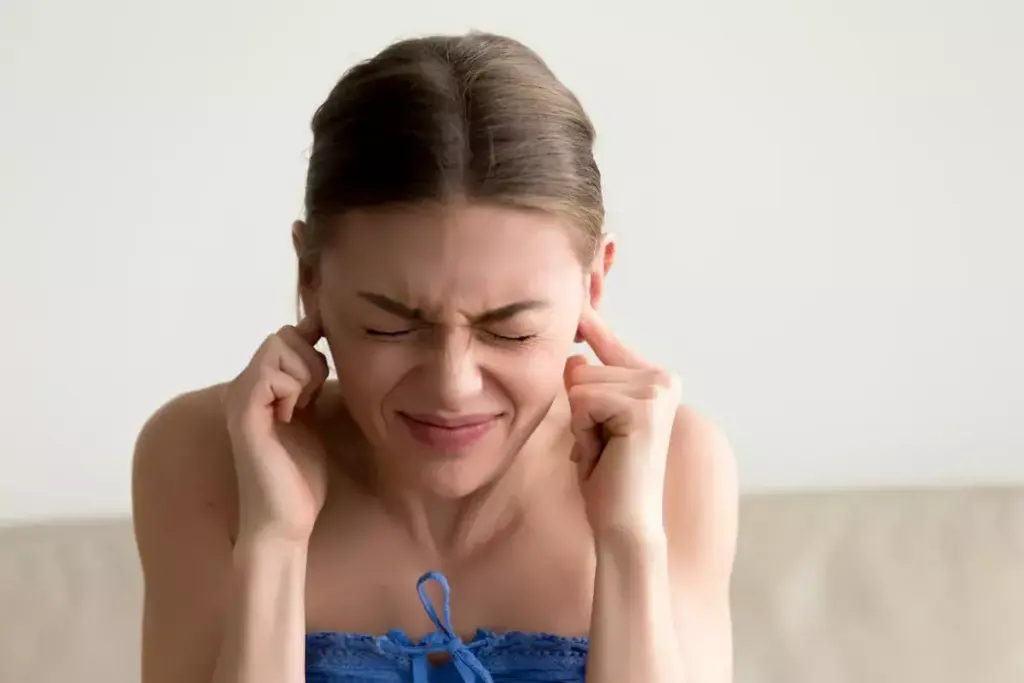
Feeling a whooshing or pulsating sound in your ears that matches your heartbeat is a sign of pulsatile tinnitus. This rare form of tinnitus makes you hear a sound that beats with your heart. It’s often described as a rhythmic pulse sound.
Distinguishing Pulsatile Tinnitus from Regular Tinnitus
Pulsatile tinnitus is different from regular tinnitus. Regular tinnitus is usually a constant ringing or buzzing. But pulsatile tinnitus sounds like your heartbeat. Knowing this difference is key for diagnosing and treating it.
Common Symptoms and Sensations
People with pulsatile tinnitus hear a whooshing, beating, or pulsating sound in their ears. This sound can change in intensity and is often in sync with their pulse. It can happen in one or both ears and can be affected by stress, anxiety, and some medical conditions.
This condition can be very distressing. It can make you feel more anxious and stressed, which can make it worse. It’s important to understand the symptoms and characteristics of pulsatile tinnitus to manage and treat it well.
Pulsatile Tinnitus Anxiety: The Bidirectional Relationship

It’s important to understand how pulsatile tinnitus and anxiety are connected. This knowledge helps in managing both conditions effectively.
Research and Statistics on the Connection
A 2018 study found a strong link between tinnitus and anxiety. It showed that 65 percent of tinnitus patients experienced stress. About 28 to 45 percent of those with pulsatile tinnitus also had anxiety symptoms.
Research shows that people with tinnitus, including pulsatile tinnitus, often feel more anxious and stressed. This can make tinnitus symptoms worse, creating a cycle of worsening symptoms.
How Stress and Anxiety Trigger Pulsatile Tinnitus
Stress and anxiety can make tinnitus symptoms, including pulsatile tinnitus, worse. The body’s stress response affects the auditory system.
When we’re stressed or anxious, our body’s “fight or flight” response kicks in. This increases heart rate and blood pressure. These changes can make pulsatile tinnitus symptoms worse, as it’s often linked to blood vessel issues.
| Condition | Percentage with Stress Symptoms | Percentage with Anxiety Symptoms |
| Tinnitus | 65% | 28-45% |
| Pulsatile Tinnitus | – | 28-45% |
A study noted, “The relationship between tinnitus and anxiety is complex, with each potentially exacerbating the other.”
Managing and Treating Anxiety-Related Pulsatile Tinnitus
## Managing and Treating Anxiety-Related Pulsatile Tinnitus
Dealing with anxiety-related pulsatile tinnitus needs a full plan. It must tackle both the physical and mental sides of the issue. This means using medicine, self-help, and changing your lifestyle.
### Physiological Mechanisms to Address
To manage anxiety-related pulsatile tinnitus well, knowing the body’s role is key. Stress and anxiety can make symptoms worse by raising heart rate and blood pressure. This makes the tinnitus sound seem louder.
- Increased heart rate and blood pressure
- Amplified perception of tinnitus sound
- Heightened state of arousal
### Medical Interventions and Therapies
There are many ways to ease symptoms of anxiety-related pulsatile tinnitus.
- Cognitive Behavioral Therapy (CBT): CBT helps manage anxiety and tinnitus. It helps change negative thoughts and behaviors that add to tinnitus distress.
- Sound Therapy: Sound therapy can cover up the tinnitus sound, making it less annoying. This includes white noise, nature sounds, or music.
- Relaxation Techniques: Deep breathing, progressive muscle relaxation, and mindfulness meditation can lower stress and anxiety.
### Self-Help Strategies and Coping Techniques
There are also self-help methods and coping techniques to consider.
- Stress Management: Doing stress-reducing activities like yoga, tai chi, or meditation can help manage anxiety.
- Lifestyle Changes: Improving sleep, cutting down on caffeine and alcohol, and being more active can also help.
- Support Groups: Being part of a support group can offer emotional support and advice from others facing similar issues.
Using these strategies daily can help manage anxiety-related pulsatile tinnitus. It can also improve your overall life quality.
For more on pulsatile tinnitus and anxiety, visit
Conclusion:
It’s important to understand how anxiety and pulsatile tinnitus are connected. We’ve seen how anxiety can make pulsatile tinnitus worse. This symptom can also make anxiety levels go up.
Knowing how stress and anxiety affect pulsatile tinnitus is a big step. People can start managing their symptoms by addressing these factors. This includes looking into medical treatments and trying self-help strategies.
Dealing with the feeling of your heartbeat in your head can be tough. But, with the right approach, you can lessen its impact. We suggest getting professional help to better manage your condition.
FAQ:
Can anxiety cause pulsatile tinnitus?
Anxiety can worsen or heighten awareness of pulsatile tinnitus but is rarely the sole underlying cause.
What is pulsatile tinnitus, and how is it different from regular tinnitus?
Pulsatile tinnitus is a rhythmic sound synchronized with the heartbeat, unlike regular tinnitus which is constant or ringing.
How does stress trigger or exacerbate pulsatile tinnitus?
Stress increases heart rate and blood pressure, which can amplify blood flow sounds near the ear.
What are the common symptoms and sensations experienced by individuals with pulsatile tinnitus?
Common sensations include hearing a heartbeat, whooshing, or pulsing sound in one or both ears.
Can stress and anxiety cause a heartbeat sensation in the ear?
Yes, stress and anxiety can increase bodily awareness and blood flow, making heartbeat sounds more noticeable.
What are the management strategies for anxiety-related pulsatile tinnitus?
Management includes stress reduction, anxiety treatment, reassurance, and medical evaluation to rule out physical causes.
Why do I feel my heartbeat in my head?
This sensation often comes from increased blood flow, heightened awareness, or vascular changes near the ears.
Can pulsatile tinnitus be a symptom of an underlying medical condition?
Yes, it can indicate vascular disorders, increased intracranial pressure, or other medical conditions requiring evaluation.
References:
National Center for Biotechnology Information. Evidence-Based Medical Insight. Retrieved from https://pmc.ncbi.nlm.nih.gov/articles/PMC4048736/



 Departments
 Related Videos
 Our Doctors
 News
News