
Can arrhythmia be cured. Learn 7 heart arrhythmia treatments that can cure irregular heartbeats.
Heart arrhythmias affect millions worldwide, causing irregular heartbeats. These can range from mild to life-threatening. At Liv Hospital, we tackle these complex conditions head-on.
Diagnosing heart arrhythmias involves several tests. These include blood tests, electrocardiogram (ECG or EKG), Holter monitor, event recorder, and echocardiogram. These tests help us find the cause of irregular heartbeats. Then, we create the best heart arrhythmia treatment plan.
New advancements in cardiac arrhythmia treatments bring hope. We are dedicated to top-notch healthcare. We also offer full support for our international patients.
Key Takeaways
- Heart arrhythmias can be diagnosed through various tests, including ECG and echocardiogram.
- Effective treatment plans are determined based on the underlying cause of irregular heartbeats.
- Liv Hospital offers cutting-edge heart arrhythmia treatments with a patient-centered approach.
- Advanced cardiac arrhythmia treatments can help manage and potentially cure irregular heartbeats.
- Comprehensive support is provided for international patients seeking treatment.
Understanding Heart Arrhythmias and Their Impact

It’s important to know about heart arrhythmias to manage them well. These irregular heartbeats come in different forms. Each has its own symptoms and effects.
Common Types of Heart Arrhythmias
There are many types of heart arrhythmias. Atrial fibrillation is one of the most common. It causes an irregular and fast heart rate.
Atrial fibrillation can make you feel weak, tired, and short of breath. Other arrhythmias, like SVT, can cause sudden episodes of fast heartbeat.
Symptoms: Beyond Heart Palpitations
Heart palpitations are just one symptom of arrhythmias. You might also feel tired, short of breath, or dizzy. It’s key to notice these signs and get medical help.
When Tiredness and Palpitations Signal a Problem
Feeling tired and having heart palpitations can mean trouble. It might show an arrhythmia that needs doctor’s care. Arrhythmias can really affect your life, not just your heart.
| Arrhythmia Type | Common Symptoms | Potential Complications |
| Atrial Fibrillation | Irregular heartbeat, palpitations, fatigue | Stroke, heart failure |
| Supraventricular Tachycardia (SVT) | Rapid heartbeat, palpitations, dizziness | Syncope, heart failure |
| Ventricular Tachycardia | Rapid heartbeat, palpitations, loss of consciousness | Cardiac arrest, sudden death |
Knowing about heart arrhythmias is key to managing them. By spotting symptoms and understanding arrhythmia types, you can get better care. This can greatly improve your life quality.
Can Arrhythmia Be Cured? The Truth About Treatment Outcomes
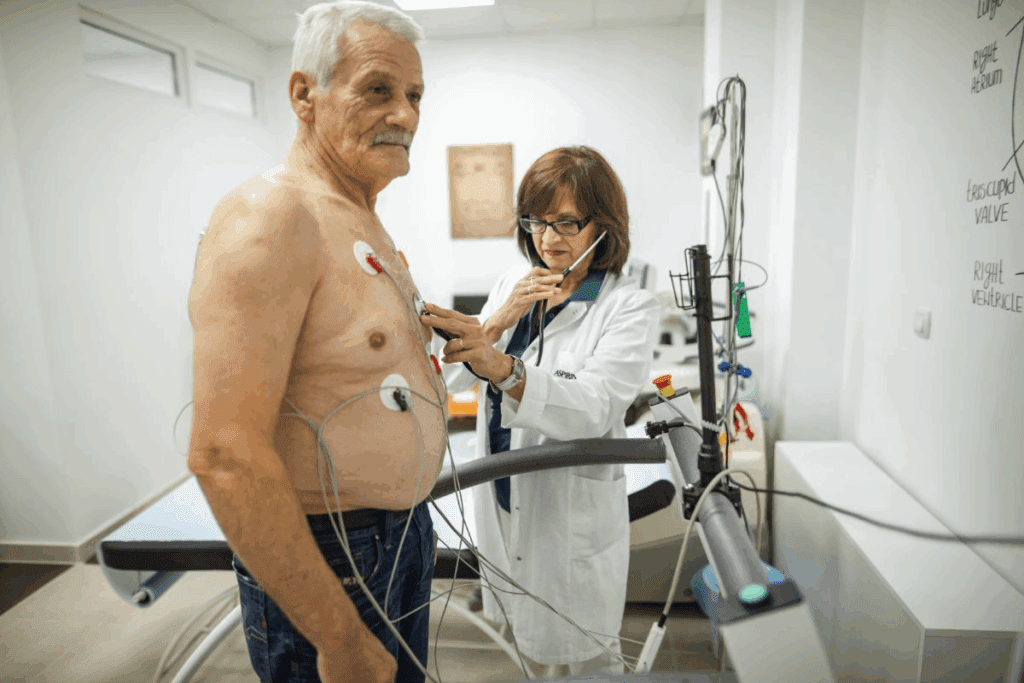
To know if arrhythmia can be cured, we need to look at treatment options and their success. Arrhythmias, or irregular heartbeats, can affect people differently. Their treatment outcomes vary a lot.
Arrhythmia treatment is not the same for everyone. The success of treatment depends on the type of arrhythmia, its cause, and the patient’s health.
Curable vs. Manageable Arrhythmias
Some arrhythmias can be cured, meaning treatment can get rid of the condition. For example, some types of supraventricular tachycardia (SVT) can be cured with catheter ablation. But, some arrhythmias are only manageable. They need ongoing treatment to control symptoms and prevent problems.
Atrial fibrillation (AFib), a common arrhythmia, is often manageable. Treatment for AFib includes medicines, cardioversion, catheter ablation, and devices like pacemakers.
Types of Lifelong Non-Deadly Arrhythmias
Some arrhythmias, though not curable, are not life-threatening. For example, many people live with atrial flutter or premature atrial contractions (PACs) without serious issues. These conditions often need monitoring and lifestyle changes to manage symptoms.
Managing lifelong arrhythmias well involves medical treatment, lifestyle changes, and regular checks. This helps prevent serious problems.
Factors That Influence Treatment Success
Several things affect how well arrhythmia treatment works. These include the type and severity of the arrhythmia, the patient’s health, and how well they respond to treatment.
The table below shows key factors that affect treatment success and their impact:
| Factor | Influence on Treatment Success |
| Type of Arrhythmia | Different arrhythmias respond differently to treatment. Some, like certain SVTs, are more likely to be cured. |
| Overall Health | Patients with fewer health problems tend to have better treatment outcomes. |
| Response to Treatment | How well a patient responds to initial treatment can greatly affect long-term success. |
By understanding these factors and tailoring treatment, healthcare providers can improve outcomes for patients with arrhythmias.
In conclusion, while some arrhythmias can be cured, others are managed with treatment and lifestyle changes. The key to successful treatment is knowing the specific type of arrhythmia and the factors that affect treatment outcomes.
Medication Therapy: Controlling Rhythm and Rate
Medication therapy is key in managing heart arrhythmias. It helps control the heart’s rate and rhythm. For those with arrhythmias, medicines are often the first treatment to fix irregular heartbeats and prevent problems.
Antiarrhythmic Medications
Antiarrhythmic medications are made to treat arrhythmias by fixing the heart’s rhythm. They change the heart’s electrical signals. There are different types of these drugs, each with its own way of working and side effects.
Classes of Antiarrhythmic Medications:
- Class I: Sodium channel blockers
- Class II: Beta blockers
- Class III: Potassium channel blockers
- Class IV: Calcium channel blockers
Beta Blockers and Calcium Channel Blockers
Beta blockers and calcium channel blockers are used to slow the heart rate in arrhythmia patients. Beta blockers reduce stress hormones’ effect on the heart. Calcium channel blockers block calcium in the heart muscles, also slowing it down.
Benefits of Beta Blockers:
- Reduce heart rate
- Lower blood pressure
- Decrease the heart’s workload
Anticoagulants for Stroke Prevention
Anticoagulants are vital for preventing strokes in patients with atrial fibrillation (AFib). These drugs stop blood clots that could cause strokes. Common ones include warfarin, dabigatran, rivaroxaban, and apixaban.
| Anticoagulant | Dosing Frequency | Monitoring Required |
| Warfarin | Daily | Yes, regular INR monitoring |
| Dabigatran | Twice daily | No |
| Rivaroxaban | Once daily | No |
| Apixaban | Twice daily | No |
Effectiveness and Limitations of Drug Therapy
Medicine is often effective in managing arrhythmias. But, it has its limits. Some may face side effects, and in some cases, it might not get rid of all symptoms. Regular monitoring and adjusting treatment plans are often needed.
Managing arrhythmias needs a full approach, including medicine, lifestyle changes, and sometimes other treatments. Working closely with healthcare providers helps patients find the best treatment plan for their condition.
Electrical Cardioversion: Resetting the Heart’s Rhythm
Electrical cardioversion is a medical procedure to fix irregular heartbeats. It’s great for those who haven’t gotten better with other treatments.
The Cardioversion Process
A controlled electric shock is used to fix the heart’s rhythm. It’s done in a hospital with sedation to make it comfortable. The shock is timed with the heart’s beat for safety and success.
Who is a Candidate for Electrical Cardioversion?
People with heart rhythm problems that meds can’t fix might get cardioversion. Doctors decide based on health, arrhythmia type, and more.
Success Rates and Recovery
How well cardioversion works depends on the heart problem and the person. It’s very effective for some issues, like atrial fibrillation.
| Arrhythmia Type | Success Rate | Recovery Time |
| Atrial Fibrillation | 70-90% | 1-2 days |
| Atrial Flutter | 80-95% | 1 day |
| Supraventricular Tachycardia (SVT) | 90-100% | Less than 1 day |
Patients are watched closely after the procedure. Most can go back to normal in a few days.
Catheter Ablation: Targeting the Source of Arrhythmias
Catheter ablation is a major breakthrough in treating arrhythmias. It offers a lasting solution. This method uses catheters to send energy to the heart, creating scars that stop abnormal signals.
Traditional Radiofrequency Ablation Techniques
Radiofrequency ablation uses heat to destroy bad heart tissue. It’s effective for many arrhythmias, like SVT and atrial flutter.
To do this, doctors thread catheters through a leg vein to the heart. They then use radiofrequency energy to make the needed lesions. Success depends on finding the right spot and the doctor’s skill.
Cryoablation for Arrhythmia Treatment
Cryoablation uses cold energy instead of heat. It’s good for sensitive heart areas because it’s more controlled and reversible.
“Cryoablation has changed how we treat arrhythmias,” says Medical Expert. “It’s safer and sometimes better than old methods.” Its precision and safety make it popular.
Recovery and Long-term Success Rates
Recovery from catheter ablation is fast. Most patients go home the same or next day. Some might feel minor pain or bruising, but serious issues are rare.
Success rates vary by arrhythmia and patient. For some, it’s a cure. For others, it helps reduce symptoms.
Research shows catheter ablation greatly improves life for arrhythmia patients. For example, a study found big symptom and well-being boosts in atrial fibrillation patients.
Pulsed Field Ablation (PFA): The Revolutionary New Treatment
PFA is a big step forward in treating arrhythmias. It uses high-energy electric pulses to fix the heart’s rhythm. This new method is changing how we manage arrhythmias.
Differences from Traditional Ablation
PFA is different from old methods that use heat or cold. It uses electric pulses instead. This makes it more precise in targeting irregular heartbeats.
Key differences include:
- Non-thermal ablation, reducing the risk of damage to surrounding tissues
- Higher precision in creating lesions
- Potential for shorter procedure times
Benefits: Precision, Safety, and Recovery Time
PFA offers many benefits, making it a safer and more effective treatment. Some key advantages are:
- Enhanced precision: PFA targets the heart tissue causing arrhythmias more accurately.
- Improved safety: It avoids heat or cold, reducing complications.
- Faster recovery: Patients may recover faster than with traditional methods.
Current Availability and Future Developments
PFA is slowly becoming more common in cardiac centers. Research and trials are ongoing to prove its safety and effectiveness.
We expect PFA to keep improving. Future developments might include:
- Broader availability in more medical centers
- Refinements in technology to improve outcomes
- Expanded indications for different types of arrhythmias
As we learn more about PFA, it’s clear it’s a big leap in treating heart arrhythmias. It offers new hope for a cure.
Implantable Devices: Pacemakers and Defibrillators
Implantable devices like pacemakers and defibrillators have changed how we manage heart arrhythmias. These devices watch and fix irregular heartbeats. They give patients a solid way to handle their heart issues.
Pacemakers for Bradyarrhythmias
Pacemakers are small devices that control the heartbeat. They send electrical impulses to make the heart muscle contract. They mainly treat bradyarrhythmias, where the heart beats too slow.
By keeping the heart rate steady, pacemakers help with symptoms like tiredness, dizziness, and short breath.
Key Features of Pacemakers:
- Adjustable rate to match the patient’s needs
- Advanced sensors to detect physical activity
- Long battery life, often lasting several years
Implantable Cardioverter Defibrillators (ICDs) for Ventricular Arrhythmias
ICDs are advanced devices that fix dangerous ventricular arrhythmias. They can send a shock to get the heart back to normal. This makes them key in preventing sudden cardiac death.
ICDs are often suggested for those who have had a cardiac arrest or are at high risk of dangerous heart rhythms.
| Device Type | Primary Use | Key Features |
| Pacemakers | Bradyarrhythmias | Rate adjustment, activity sensors, long battery life |
| ICDs | Ventricular Arrhythmias | Shock delivery, arrhythmia detection, monitoring capabilities |
Living with an Implanted Device
Having a pacemaker or ICD means making some lifestyle changes. But most people can live active, normal lives. It’s important to follow your doctor’s advice on device checks and lifestyle changes.
Understanding what your device can and can’t do is key. Regular visits to your healthcare provider are vital. They help make sure your device is working right and answer any questions you have.
We know getting an implantable device is a big step in managing heart arrhythmias. We aim to support and guide patients through their treatment journey with confidence.
Surgical Interventions for Complex Arrhythmias
For those with complex arrhythmias, surgery is a good option. It’s chosen when other treatments don’t work well.
Maze Procedure for Atrial Fibrillation
The Maze procedure treats atrial fibrillation, a common arrhythmia. It makes scar tissue in the heart to stop bad electrical signals. This helps the heart beat normally again.
Key aspects of the Maze procedure include:
- Creating precise scar tissue to direct electrical signals properly
- Restoring normal sinus rhythm in patients with atrial fibrillation
- Improving symptoms and quality of life for patients
Ventricular Reconstruction
Ventricular reconstruction fixes heart structure problems that cause arrhythmias. It’s great for those with ventricular tachycardia or heart attack scars.
The goals of ventricular reconstruction include:
- Removing scar tissue that may be causing arrhythmias
- Repairing or replacing damaged heart tissue
- Improving heart function and reducing arrhythmia episodes
When Surgery Becomes Necessary
Surgery is needed when other treatments fail or aren’t right. This depends on symptom severity, heart structure, and overall health.
Indications for surgical intervention include:
- Severe symptoms that significantly impact quality of life
- Failure of medical therapy or other treatments
- Presence of structural heart abnormalities that can be corrected surgically
Choosing surgery can be tough. But for many with complex arrhythmias, it’s a chance to control their condition. It can greatly improve their life quality.
Does Arrhythmia Go Away? Prognosis and Life Expectancy
Arrhythmia prognosis and life expectancy are big worries for patients and doctors. Knowing the possible outcomes and risks is key to managing the condition well.
Can You Die From a Heart Arrhythmia?
Not all arrhythmias are deadly, but some can lead to serious problems, like sudden cardiac death. The danger level depends on the arrhythmia type, health, and treatment success.
It’s important to remember that not all arrhythmias are the same. Some, like atrial fibrillation, are common and usually manageable. Others, like ventricular tachycardia, are more dangerous.
How Long Can You Live With Irregular Heartbeat?
Life expectancy with arrhythmias varies based on several factors. These include the arrhythmia type, overall health, and how well treatment works. Some people with arrhythmias can live long, active lives. Others may face bigger challenges.
For example, people with well-managed atrial fibrillation can often live a normal life. But those with certain ventricular arrhythmias may face a higher risk of death.
Warning Signs That Require Immediate Medical Attention
People with arrhythmias should know the warning signs that mean they need to see a doctor right away. These include severe symptoms like chest pain, shortness of breath, or fainting.
If you have any of these symptoms, get medical help right away:
- Severe chest pain or discomfort
- Shortness of breath
- Fainting or near-fainting
- Rapid or irregular heartbeat
| Arrhythmia Type | Risk Level | Life Expectancy Impact |
| Atrial Fibrillation | Moderate | Variable, depends on treatment and underlying conditions |
| Ventricular Tachycardia | High | Can be life-threatening if not treated promptly |
| Supraventricular Tachycardia | Low to Moderate | Generally manageable with treatment |
Conclusion: Finding the Right Treatment Path for Your Arrhythmia
Finding the right treatment is key to managing arrhythmias well. Treatment plans are made just for you, based on your arrhythmia’s type and how severe it is. We’ve looked at many heart arrhythmia treatment options, from medicines to surgery.
There’s no single arrhythmia cure for everyone. Instead, cardiac arrhythmia treatments aim to control symptoms, prevent problems, and improve life quality. Working with healthcare experts helps find the best treatment for you.
Medicines, electrical cardioversion, catheter ablation, or devices can help. The aim is to get your heart rhythm back to normal and lower health risks. We suggest talking to your healthcare provider to find the right treatment for you.
FAQ
What is a heart arrhythmia?
A heart arrhythmia is when your heartbeat is not normal. It can be too fast, too slow, or irregular. We use tests like electrocardiograms and Holter monitors to find arrhythmias.
Can arrhythmia be cured?
Some arrhythmias can be cured, while others can be managed. The outcome depends on the type and cause. We offer treatments like medications, cardioversion, ablation, and devices.
What are the symptoms of heart arrhythmia?
Symptoms include palpitations, tiredness, shortness of breath, dizziness, and chest pain. Some people don’t show symptoms. If you’re experiencing these, see a doctor.
How is arrhythmia treated?
Treatment depends on the arrhythmia type and severity. We might use medications or procedures like cardioversion or ablation. Sometimes, devices like pacemakers or ICDs are needed.
What is catheter ablation?
Catheter ablation is a procedure that destroys abnormal heart pathways. We use energy, like radiofrequency or cryoablation, to do this.
What is pulsed field ablation (PFA)?
Pulsed field ablation uses electric fields to ablate tissue. It’s a new technology that might be safer and more effective than traditional methods.
Can I live a normal life with an arrhythmia?
Yes, with the right treatment, many people with arrhythmias can live normally. We create a treatment plan to help manage your condition and reduce symptoms.
How long can you live with irregular heartbeat?
The prognosis varies based on the arrhythmia type, severity, and treatment success. Some arrhythmias can be life-threatening, while others may not affect life expectancy much.
Can you die from a heart arrhythmia?
Yes, some arrhythmias can be life-threatening if not treated or managed well. We take arrhythmias seriously and work to minimize risks and manage symptoms.
What are the warning signs that require immediate medical attention?
Severe chest pain, difficulty breathing, severe dizziness, or fainting are warning signs. If you experience these, seek medical help right away.
How do I find the right treatment path for my arrhythmia?
Working closely with a healthcare professional is key. We’ll help you understand your options and create a personalized plan to manage your arrhythmia.
References
National Center for Biotechnology Information. (2025). 7 Heart Arrhythmia Treatments That Can Cure Irregular. Retrieved from https://pubmed.ncbi.nlm.nih.gov/36938068/



 Departments
 Related Videos
 Our Doctors
 News
News