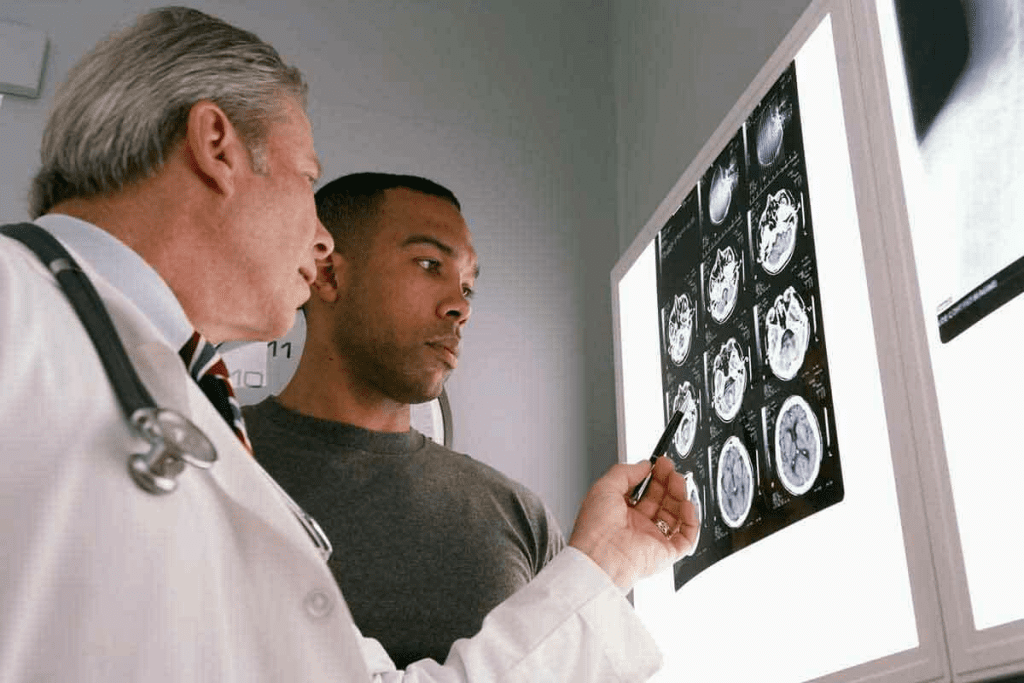
Getting a diagnosis of an inoperable brain tumor can be scary. It makes you wonder about survival and treatment choices. At Liv Hospital, we know how tough brain cancer can be. The chance of curing a tumor depends on its type, grade, and where it is.
Some tumors can be treated well, but others can’t because of their location or the risk of serious problems.
We know each patient’s case is different. Things like age and health play a big role. Our expert teams work hard to give top-notch care and support. We help patients understand their diagnosis and look at treatment choices. Can brain tumor be cured? Find the vital facts on treatment options, survival rates, and the prognosis for inoperable tumors.
Knowing about survival rates and what affects them is key. It helps answer the big question: Can a brain tumor be cured?
Key Takeaways
- The type, grade, and location of a tumor significantly influence its curability.
- Inoperable tumors pose significant challenges due to their location or potential risk.
- Patient age and overall health are critical factors in determining survival rates.
- Expert care and support are essential in navigating a brain cancer diagnosis.
- Understanding survival rates helps in making informed decisions about treatment.
Understanding Brain Tumors: Types and Classifications
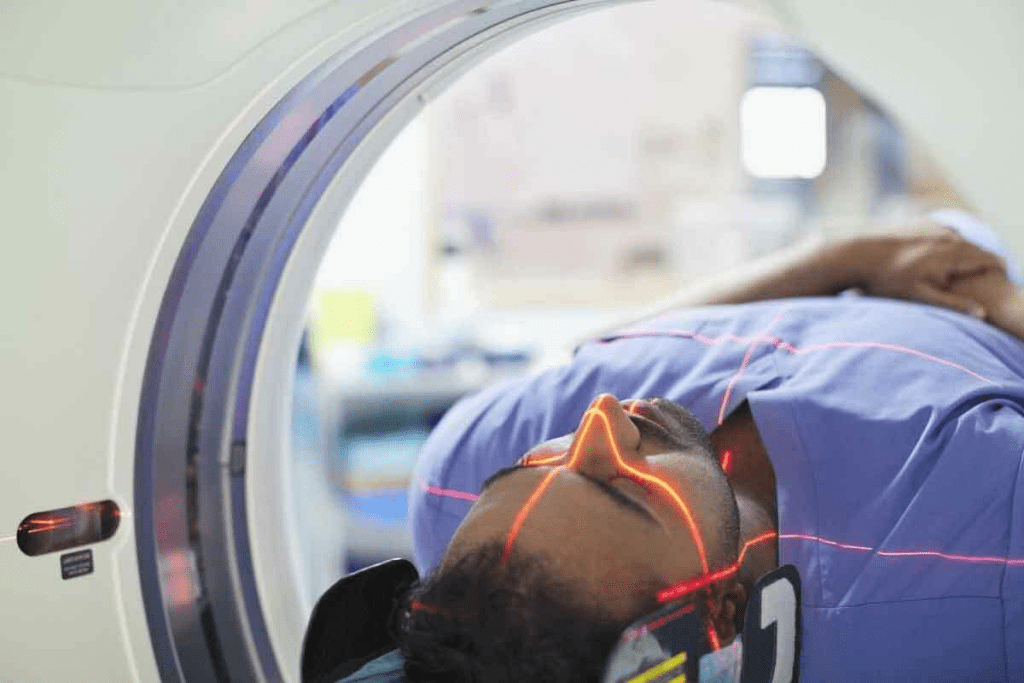
Brain tumors are complex and varied. Knowing their types and classifications is key to effective treatment. We will look at the different categories of brain tumors. This will help determine the best treatment approach.
Primary vs. Secondary Brain Tumors
Brain tumors are divided into primary and secondary types. Primary brain tumors start in the brain. Secondary brain tumors, or metastatic tumors, spread to the brain from other parts of the body. Primary tumors can be gliomas, meningiomas, or medulloblastomas, based on their cell type.
Secondary tumors are more common and often come from lung, breast, or skin cancers. Knowing if a tumor is primary or secondary is important for treatment.
Benign vs. Malignant Brain Tumors
Brain tumors can also be classified as benign or malignant. Benign brain tumors are non-cancerous and grow slowly. They may cause problems, but don’t invade brain tissue. Malignant brain tumors are cancerous, grow faster, and can invade brain tissue, making treatment harder.
WHO Grading System for Brain Tumors
The World Health Organization (WHO) grading system classifies brain tumors by aggressiveness. Grades range from I to IV, with Grade I being the least aggressive and Grade IV the most aggressive. Grade I tumors are usually benign and have a better prognosis. Grade IV tumors, like glioblastoma, are highly malignant and have a poorer prognosis.
The WHO grading system helps doctors predict tumor behavior and choose the best treatment. It considers the tumor’s histological features, like cell type, mitotic activity, and necrosis.
What Makes a Brain Tumor Inoperable?
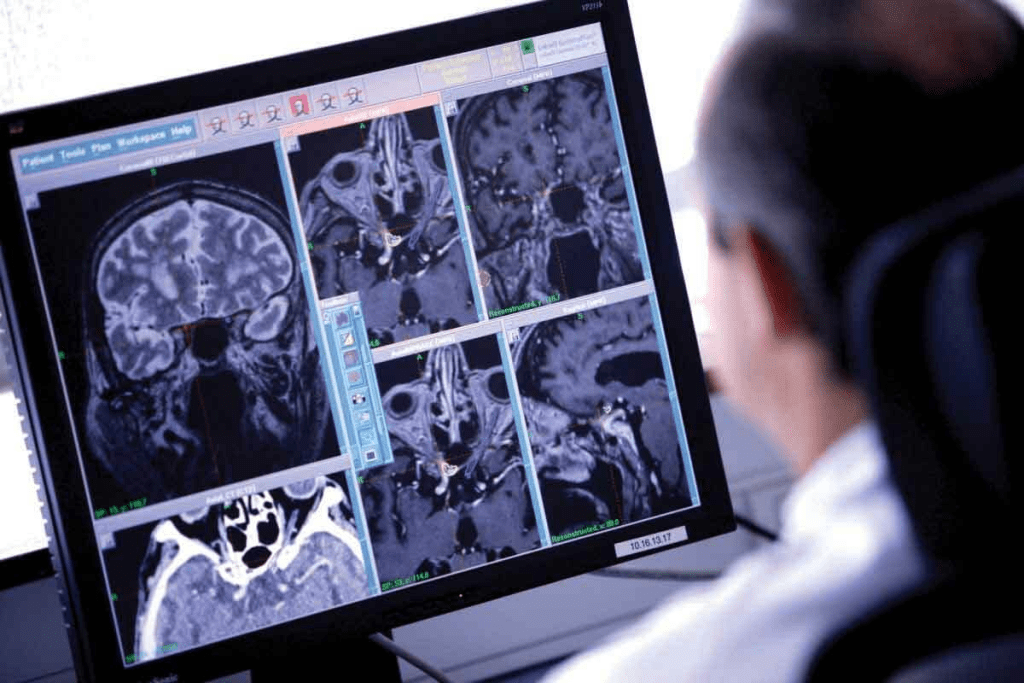
Brain tumors can be inoperable for several reasons. These include their location, size, and the patient’s health. Knowing these factors helps doctors choose the right treatment.
Critical Location Factors
The spot where a brain tumor is located is key. Tumors in critical areas of the brain are hard to operate on. For example, tumors near the brainstem, which controls breathing and heart rate, are often too risky to remove.
Tumors deeply in the brain or mixed with important structures are also hard to remove. The risk of harming healthy tissue is too high. This makes surgery not worth the risk.
Tumor Size and Infiltration
The size and spread of a brain tumor matter a lot. Big tumors or those that spread a lot are hard to remove safely. Surgery might not be possible, or it might only help a little.
Tumors that spread a lot into the brain are very hard to deal with. It’s hard to tell tumor cells from healthy ones. This can mean the tumor isn’t fully removed, leading to more growth.
Patient Health Considerations
The patient’s health is also very important. People with serious health problems or who are very sick might not be good candidates for surgery. Surgery is risky, and these patients face even more dangers.
Age and health also play a big part. Older people or those in poor health might not recover well from surgery. They might need other treatments like radiation or chemotherapy instead.
Doctors use all this information to create treatment plans that fit each patient’s needs. This way, they can get the best results possible.
Common Types of Inoperable Brain Tumors
Brain anatomy is complex, leading to some tumors being inoperable. These tumors are hard to treat because they are in key brain areas or have spread into nearby tissues.
Brainstem Gliomas
Brainstem gliomas grow in the brainstem. This area connects the brain to the spinal cord. Because of their location, these tumors are often too risky to operate on.
Deep-Seated Tumors
Deep-seated tumors are hard to reach with surgery. They are close to important brain parts, making treatment a big challenge.
Tumors Involving Critical Vascular Structures
Tumors near major blood vessels are often not operable. Surgery could harm these vital blood paths, causing serious problems.
| Tumor Type | Location | Challenges |
| Brainstem Gliomas | Brainstem | Surgical risks due to the critical location |
| Deep-Seated Tumors | Deep within the brain tissue | Difficulty in accessing the tumor surgically |
| Tumors Involving Critical Vascular Structures | Near major arteries or veins | Risk of damaging vital vascular structures |
Knowing about inoperable brain tumors helps find the right treatment. Even without surgery, treatments like radiation and chemotherapy can help manage these tumors.
Survival Rates for Different Types of Brain Tumors
The outlook for brain cancer patients changes a lot depending on the tumor type and its features. It’s key for patients and their families to understand these differences. This helps them deal with the brain cancer diagnosis and treatment.
Survival Statistics for Common Brain Cancers
Survival rates for brain tumors are often shown as the five-year survival rate. This rate shows the percentage of patients alive five years after diagnosis. For example, glioblastoma, a very aggressive brain cancer, has a five-year survival rate of about 6.8% in the U.S. On the other hand, meningioma, which is usually not cancerous, has a much better five-year survival rate. It can be over 90% depending on the tumor grade and treatment.
Other brain tumors, like astrocytomas and oligodendrogliomas, have different survival rates. These rates depend on the tumor’s grade and genetic makeup. For instance, low-grade astrocytomas usually have better survival rates than high-grade ones.
Factors That Influence Survival Rates
Several things affect the survival rates of brain cancer patients. These include:
- The type and grade of the tumor
- The tumor’s location and size
- The patient’s age and overall health
- The effectiveness of the treatment plan
Younger patients with less aggressive and removable tumors tend to do better. Also, new treatments like radiation and targeted drugs have helped many patients live longer.
How Inoperability Affects Prognosis
Inoperability, or when a tumor can’t be surgically removed, greatly affects the prognosis. Tumors in critical brain areas or deeply embedded are often inoperable. In these cases, treatments like radiation and chemotherapy are used instead.
Patients with inoperable tumors usually face a less favorable prognosis. But the outcome can vary a lot. It depends on the tumor’s specific features and how well the patient responds to treatment.
Can a Brain Tumor Be Cured? The Reality of Treatment Outcomes
The idea of curing brain tumors is complex. It involves the biology of the tumor, the treatments used, and how well patients do. We talk about a cure when we mean long-term survival without the tumor coming back.
Defining “Cure” in the Context of Brain Cancer
A “cure” in brain cancer means the tumor is gone, and the patient stays cancer-free for a long time. But what counts as a cure can change based on the tumor type, its grade, and the treatment used.
For some tumors, like benign or low-grade ones, a cure might be possible with surgery or other treatments. But high-grade or malignant tumors are harder to cure. The idea of a cure is more complex for these tumors.
Tumor Types with Higher Cure Rates
Some brain tumors are easier to cure because of their nature and how well they respond to treatment. For example:
- Benign Tumors: Tumors like meningiomas, which are usually benign, often have high cure rates after surgery.
- Low-Grade Gliomas: These tumors, though hard to treat because of where they are, might have good outcomes with the right therapy.
Knowing the exact type of brain tumor is key to understanding the cure chances and the best treatment plan.
Challenges in Curing High-Grade and Inoperable Tumors
High-grade and inoperable brain tumors are tough to cure. They grow fast and are hard to reach with surgery.
Treatment for these tumors often includes radiation and chemotherapy. These aim to slow tumor growth and ease symptoms. Even if a full cure isn’t possible, these treatments can make life better and extend it.
Life Expectancy with Inoperable Brain Tumors
Life expectancy with inoperable brain tumors is complex. It depends on the tumor type, location, and treatment response. Knowing these factors helps patients and families make better care choices.
Untreated vs. Treated Survival Timelines
Survival times differ for those with inoperable brain tumors, depending on treatment. Untreated glioblastoma, a common aggressive brain cancer, usually lasts about a month.
On the other hand, treated patients can live longer. Studies show that glioblastoma patients treated can survive 7-18 months. Treatment includes radiation, chemotherapy, and supportive care.
| Treatment Status | Median Survival Time |
| Untreated | About 1 month |
| Treated | 7-18 months |
Quality of Life Considerations
Life expectancy is key, but quality of life matters too. Treatments aim to extend life and improve the quality of life.
“The goal of treatment is not just to extend life, but to live whatever time is available with as much quality as possible.”
Managing symptoms, reducing pain, and providing psychological support are key. These efforts greatly impact a patient’s well-being and ability to cope.
Individual Variations in Survival
Survival rates vary widely among those with inoperable brain tumors. Age, overall health, and tumor characteristics all influence prognosis.
Younger, healthier patients often have better outcomes than older or sicker ones. Advances in treatments also improve survival chances for many.
We know each patient’s journey is unique. We’re dedicated to providing personalized care and support throughout treatment.
Standard Treatment Options for Inoperable Brain Tumors
When you face an inoperable brain tumor, knowing your treatment options is key. Surgery might not be possible, but other treatments can help manage symptoms and improve survival chances.
Radiation Therapy Approaches
Radiation therapy is a mainstay for treating inoperable brain tumors. It uses high-energy beams to kill cancer cells. There are several types, including:
- External Beam Radiation Therapy (EBRT) delivers radiation from outside the body.
- Stereotactic Radiosurgery (SRS), a precise form of radiation therapy that targets tumors with high doses of radiation.
- Brachytherapy, where a radioactive source is placed inside or near the tumor.
Radiation therapy can be used alone or with other treatments to boost its effectiveness.
Chemotherapy Protocols
Chemotherapy is another option for inoperable brain tumors. It uses drugs to kill cancer cells. The drugs can be taken orally or given through an IV, depending on the tumor type and grade.
Temozolomide is a common chemotherapy drug for brain tumors. It works by messing with the DNA of cancer cells, stopping them from growing.
Targeted Drug Therapies
Targeted drug therapies are a newer way to treat inoperable brain tumors. These therapies aim at specific molecules that help cancer cells grow and spread. This approach can be more precise and have fewer side effects.
For example, Bevacizumab is a targeted therapy that stops the formation of new blood vessels tumors need to grow. By targeting specific pathways, these therapies can help control tumor growth and improve patient outcomes.
In conclusion, inoperable brain tumors are tough to deal with, but there are many treatment options. Understanding radiation therapy, chemotherapy, and targeted drug therapies can help patients make informed decisions about their care.
Innovative and Emerging Treatments Offer New Hope
The field of brain tumor treatment is changing fast. New therapies are giving hope to those with inoperable brain tumors. Thanks to ongoing research, patients now have access to treatments they couldn’t get before.
Immunotherapy Advances
Immunotherapy uses the body’s immune system to fight cancer. It’s showing great promise in treating inoperable brain tumors. By focusing on cancer cells, it can shrink tumors and slow their growth. Checkpoint inhibitors and CAR-T cell therapy are two types being tested in trials.
Laser Interstitial Thermal Therapy (LITT)
LITT uses laser heat to kill tumor cells. It’s good for tumors in hard-to-reach brain spots. This method is safer than old surgeries, making it a good choice for some patients.
Tumor Treating Fields (TTF)
TTF uses electric fields to stop tumor cells from dividing. Patients wear devices on their scalp for treatment. It’s shown to slow tumor growth and can improve survival rates when used with other treatments.
Promising Clinical Trials
There are many clinical trials looking at new treatments for inoperable brain tumors. These trials help figure out if new therapies are safe and work well. Researchers are exploring combination therapies to make treatments even better.
| Treatment | Description | Benefits |
| Immunotherapy | Harnesses the immune system to fight cancer | Targets specific cancer cells, reduces tumor size |
| LITT | Minimally invasive laser heat treatment | Reduced risk of complications, effective for hard-to-reach tumors |
| TTF | Non-invasive electric fields disrupt tumor cell division | Slows tumor growth, improves survival rates in combination with other treatments |
Living with an Inoperable Brain Tumor: Physical and Emotional Challenges
Living with an inoperable brain tumor is tough. It affects both your body and mind. Patients and their families face many challenges. They must deal with the tumor’s symptoms and treatment side effects.
Managing Neurological Symptoms
Neurological symptoms can change a lot. They depend on the tumor’s size and where it is. Symptoms include headaches, seizures, weakness, and changes in thinking. It’s key to manage these symptoms well to keep a good quality of life.
There are ways to manage symptoms. Medication, physical therapy, and changing your lifestyle can help. For example, anticonvulsants control seizures, and corticosteroids reduce swelling and headaches. Physical therapy helps with strength and mobility.
| Symptom | Management Strategy |
| Seizures | Anticonvulsant medication |
| Headaches | Corticosteroids, pain management |
| Weakness | Physical therapy, occupational therapy |
Coping with Psychological Impact
The brain tumor’s psychological effects can be big. Patients might feel anxious, depressed, and worried about the future. It’s important to tackle these emotional challenges to stay well. We’ll look at ways to cope and support systems.
Counseling and therapy offer emotional support. They help patients find ways to cope. Support groups, online or in-person, connect people with similar experiences.
Support Systems and Resources
A strong support system is key for those with inoperable brain tumors. This includes family, friends, healthcare providers, and support groups. Using these resources can greatly improve a patient’s life.
Maintaining Quality of Life
Keeping a good quality of life is a big effort. It involves managing symptoms, dealing with the emotional impact, and using support systems. We’ll see how patients can live fully despite their diagnosis.
For instance, doing things you love, staying connected with others, and setting achievable goals can help. These actions help patients feel purpose and happiness.
Conclusion: Navigating the Journey with Inoperable Brain Tumors
Dealing with an inoperable brain tumor needs a lot of support and guidance. We’ve looked into the details of brain tumors, their types, and the issues with inoperable ones.
Inoperable brain tumors are tough, but new treatments and support systems offer hope. Advances in treatments like radiation, chemotherapy, and targeted drugs have made life better for many.
New treatments like immunotherapy, Laser Interstitial Thermal Therapy (LITT), and Tumor Treating Fields (TTF) are opening up new ways to fight tumors. This shows how important ongoing research and support for these patients are.
As we move forward, focusing on care that covers both physical and emotional needs is key. This approach can help improve survival rates and quality of life for those with inoperable brain tumors.
FAQ
Can you live with a brain tumor?
Yes, many people live with brain tumors. The outcome depends on the tumor type, location, and treatment. We offer support and guidance for each patient’s unique situation.
What are the survival rates for inoperable brain tumors?
Survival rates for inoperable brain tumors vary. They depend on the tumor type, grade, and location. Advances in treatment have improved outcomes for many patients.
Can brain cancer be cured?
Curing brain cancer depends on several factors. These include the tumor type, grade, and location. While some can be cured, others need ongoing management. We help determine the best treatment for each patient.
How does an inoperable brain tumor affect life expectancy?
Life expectancy with an inoperable brain tumor varies. It depends on the tumor characteristics, treatment response, and overall health. We provide personalized guidance to help patients understand their prognosis.
What are the treatment options for inoperable brain tumors?
Treatment options include radiation therapy, chemotherapy, and targeted drug therapies. New treatments like immunotherapy and TTF are also available. We help choose the most effective treatment plan for each patient.
Can you die from brain cancer?
Yes, brain cancer can be life-threatening, especially if it’s high-grade or inoperable. But with new treatments and care, many patients are living better and longer.
How do inoperable brain tumors impact quality of life?
Inoperable brain tumors can greatly affect quality of life. They cause neurological symptoms and emotional distress. We support patients to manage these effects and maintain their quality of life.
Are brain tumors curable?
Some brain tumors are curable, depending on the type, grade, and location. We help determine the best treatment and provide ongoing support.
What are the challenges associated with inoperable brain tumors?
Inoperable brain tumors pose several challenges. These include limited treatment options and impact on quality of life. We address these challenges and support patients’ unique needs.
Is brain cancer curable?
Brain cancer curability depends on several factors. These include tumor type, grade, and location. While some can be cured, others need ongoing management. We offer personalized guidance and support.
References
- Howlader, N., et al. (2025). Cancer Stat Facts: Brain and Other Nervous System Cancer. Surveillance, Epidemiology, and End Results Program, National Cancer Institute. https://seer.cancer.gov/statfacts/html/brain.html