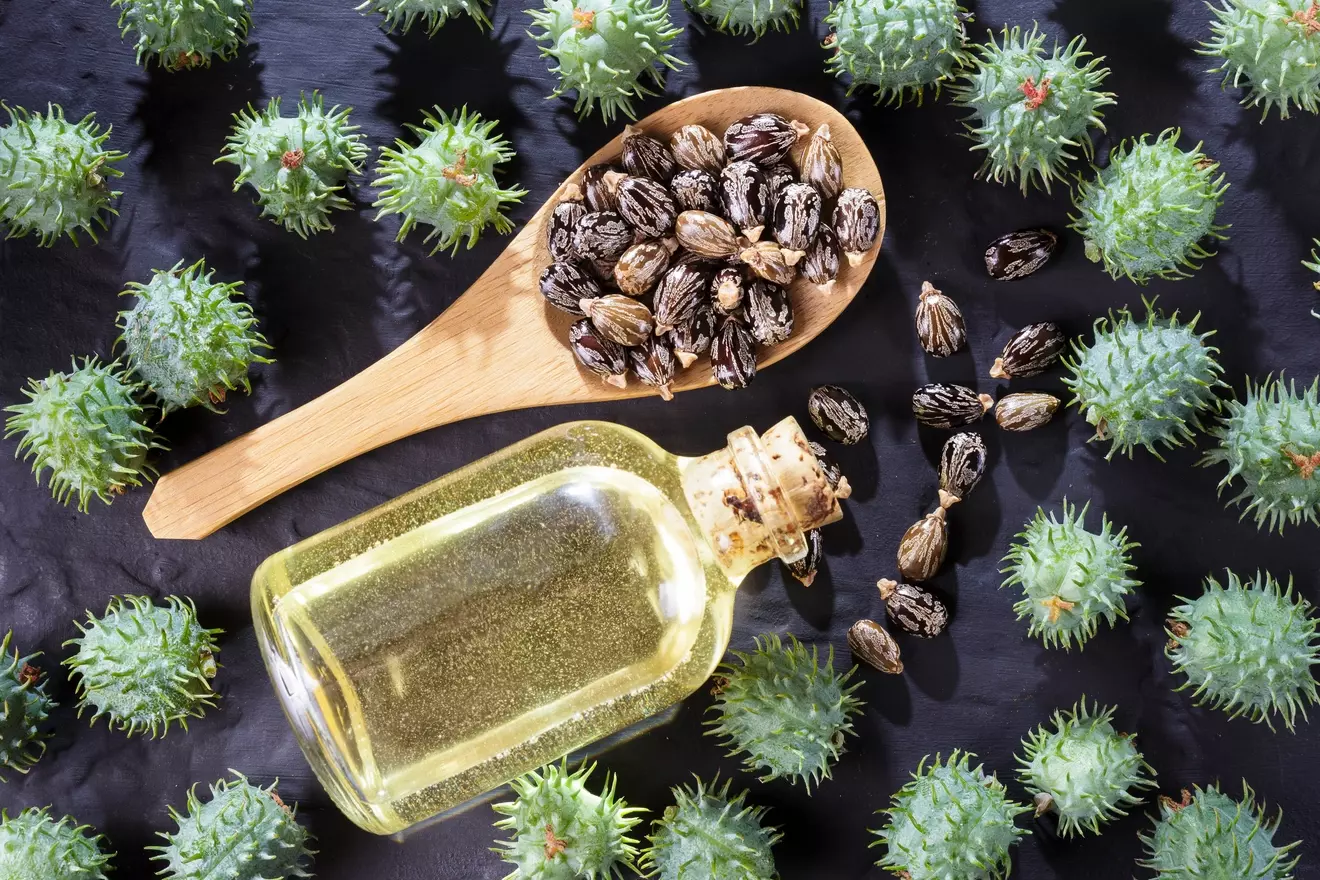
As we look into natural remedies for cancer, castor oil has caught our attention. Studies suggest that castor oil might have anti-cancer effects. At Liv Hospital, we focus on care backed by science. So, we look into the evidence and risks of using castor oil for cancer and breast lumps.
The web is full of talk about castor oil helping with cancer, like breast tumors and skin cancer. But, it’s key to know the real facts from false claims. We want to give you a fair view, using the latest research to help our patients.
Key Takeaways
- Castor oil components have shown anti-cancer activity in laboratory and animal studies.
- The use of castor oil for cancer treatment is a topic of ongoing research.
- It is essential to consult healthcare professionals before using castor oil for medical purposes.
- Liv Hospital is dedicated to providing evidence-based cancer treatment.
- Patients should be cautious of unsubstantiated claims regarding castor oil’s health benefits.
What Is Castor Oil and Its Historical Uses

Ricinus communis, the source of castor oil, has been a valuable resource in traditional medicine across various cultures. Castor oil, extracted from the seeds of this plant, has a rich history of use in medicinal and therapeutic applications.
Origin and Extraction Process from Ricinus Communis
Castor oil comes from the seeds of the Ricinus communis plant. This plant is native to Africa and the Mediterranean region. The extraction process involves cold-pressing the seeds to release the oil, which is then purified and processed for use.
The quality of castor oil can vary. This depends on the extraction method, seed quality, and processing techniques used.
Traditional Medicinal Applications Throughout History
Castor oil has been used for centuries in traditional medicine. It is known for its anti-inflammatory, antimicrobial, and laxative properties. It is applied topically to treat skin conditions and reduce inflammation. It is also ingested to stimulate digestion and relieve constipation.
| Historical Use | Description |
|---|---|
| Anti-inflammatory | Used topically to reduce inflammation and treat skin conditions |
| Laxative | Ingested to stimulate digestion and relieve constipation |
| Antimicrobial | Applied topically to prevent infection and promote wound healing |
The traditional uses of castor oil show its versatility. It has a wide range of applications in health and wellness.
The Composition of Castor Oil and Its Bioactive Compounds
Castor oil comes from the seeds of the Ricinus communis plant. It’s made up of many bioactive compounds. The main fatty acid in castor oil is ricinoleic acid.
Ricinoleic Acid and Its Possible Effects
Ricinoleic acid makes up about 85-90% of castor oil. It’s a fatty acid that might help fight inflammation and infections. It could also protect cells from damage.
Potential Mechanisms of Ricinoleic Acid:
- Modulation of inflammatory cytokines
- Interaction with G-protein coupled receptors
- Antioxidant activity
Other Compounds and Their Proposed Health Effects
Castor oil also has oleic acid, linoleic acid, and saturated fatty acids. These might help with skin health and boost the immune system. Scientists are studying these compounds to learn more about their benefits.
| Compound | Potential Health Effect |
|---|---|
| Ricinoleic Acid | Anti-inflammatory, Antimicrobial |
| Oleic Acid | Improved skin health, Anti-inflammatory |
| Linoleic Acid | Essential fatty acid, Skin health |
While castor oil and its compounds seem promising, more research is needed. We’re committed to finding out how they can help us stay healthy. We want to give you the facts to make smart choices about your health.
Laboratory Evidence: Castor Oil for Cancer Tumors
Researchers have looked into castor oil’s anti-cancer effects in labs. This is key to see if castor oil could help cancer patients.
In Vitro Studies on Cancer Cell Lines
Studies in test tubes have shown castor oil’s effects on cancer cells. Ricinoleic acid, a key part of castor oil, stops some cancer cells from growing. For example, it slows down breast cancer cells and makes them die.
These studies suggest castor oil might help fight cancer. But, lab results don’t always match real-world effects.
Animal Research on Tumor Volume Reduction
Studies on animals have also shown castor oil’s benefits. Mice with tumors got smaller when given castor oil. These studies used castor oil in different ways, like eating it or applying it to the skin.
One study found castor oil made skin cancer tumors in mice much smaller. Yet, animal studies might not perfectly match human cancer.
Anti-Proliferative and Anti-Cancer Properties
The good stuff in castor oil, ricinoleic acid, stops cancer cells from growing. It also makes them die. This could make castor oil a useful tool in fighting cancer.
To wrap up, here’s a table of the lab findings:
| Study Type | Key Findings | Potential Implications |
|---|---|---|
| In Vitro | Ricinoleic acid inhibits cancer cell growth and induces apoptosis | Potential therapeutic benefit for cancer treatment |
| Animal Research | Castor oil reduces tumor volume in mice | Possible anti-tumor effect in various cancers |
| Mechanistic Studies | Ricinoleic acid modulates cellular pathways involved in cancer progression | May contribute to castor oil’s therapeutic potency |
These early results are hopeful. But, we need more research, like clinical trials, to know for sure how castor oil works against cancer.
Castor Oil and Breast Cancer: Current Research Findings
Research is showing that castor oil might help fight breast cancer. Studies are looking into how castor oil could stop cancer cells from growing. This is important for finding new ways to treat breast cancer.
Studies on Breast Cancer Cell Lines
Studies have looked at how castor oil affects breast cancer cells. They found that ricinoleic acid in castor oil can slow down cancer cell growth. A study in the Journal of Pharmacology and Experimental Therapeutics showed it can even make cancer cells die.
Another study in the Journal of Nutrition and Cancer found that castor oil extracts can stop cancer cells from multiplying. This suggests that castor oil could be used alongside other treatments for breast cancer.
Potential Mechanisms Against Breast Cancer Cells
Castor oil might work against breast cancer in several ways. Ricinoleic acid could change how cells grow and survive. It might also cause cancer cells to die by creating oxidative stress.
Castor oil’s ability to reduce inflammation could also help. Chronic inflammation can lead to cancer. By lowering inflammation, castor oil might make it harder for tumors to grow.
The Gap Between Laboratory and Clinical Evidence
Lab studies are promising, but we need more evidence from human trials. Most research on castor oil and breast cancer has been done in labs or on animals. We need to see how it works in people to be sure it’s safe and effective.
To understand the research better, let’s look at some studies in a table:
| Study | Model Used | Key Findings |
|---|---|---|
| Journal of Pharmacology and Experimental Therapeutics | Breast cancer cell lines | Ricinoleic acid reduced cancer cell viability |
| Journal of Nutrition and Cancer | Breast cancer cell lines | Castor oil extracts showed anti-proliferative activity |
| Anticancer Research | Animal model | Castor oil treatment reduced tumor growth |
As we keep researching castor oil for breast cancer. We need more human trials to make sure it’s safe and works well.
How People Use Castor Oil Packs for Breast Lumps
Castor oil packs have been used for decades to help with health issues like breast lumps. This method involves applying a cloth soaked in castor oil to the affected area. It aims to reduce inflammation and promote healing. We will look into how people use castor oil packs for breast lumps, including traditional methods and personal experiences.
Traditional Application Methods and Protocols
The traditional way to use castor oil packs for breast lumps involves a few steps. First, a cloth is soaked in castor oil and placed on the breast. Then, heat is applied on top using a heating pad or hot water bottle. This is done several times a week.
Protocols can vary, but common advice includes:
- Applying the castor oil pack for 30-60 minutes
- Using it 3-4 times a week
- Keeping up the treatment for weeks or months
Anecdotal Reports for Fibroadenomas
Some people use castor oil packs to manage fibroadenomas, benign breast tumors. They report that these packs may reduce the size and tenderness of the lumps. Yet, these claims are based on personal experiences, not scientific proof.
It’s important to remember that while some people find castor oil packs helpful for fibroadenomas, these benefits are mostly based on personal stories. There’s no scientific backing.
Lack of Clinical Validation
Despite its popularity, there’s little clinical proof for using castor oil packs for breast lumps. Most evidence comes from personal experiences or traditional knowledge. More research is needed to confirm its effectiveness and safety.
| Aspect | Traditional Use | Clinical Validation |
|---|---|---|
| Application Method | Castor oil-soaked cloth applied to breast area with heat | Limited studies on specific application methods |
| Frequency | 3-4 times a week | No standardized frequency in clinical research |
| Efficacy for Fibroadenomas | Anecdotal reports of reduced size and tenderness | No conclusive clinical evidence |
In conclusion, while some use castor oil packs for breast lumps, there’s no strong scientific backing. More research is needed to fully understand its benefits and risks.
Topical Applications: Castor Oil and Skin Cancer Claims
Castor oil has been used on the skin for years, including claims it can treat skin cancer. It’s full of ricinoleic acid, which helps reduce inflammation. This makes it a favorite for treating many skin issues.
Common Application Methods for Skin Conditions
People apply castor oil directly to their skin. Some use castor oil packs, which involve soaking the oil in a cloth, placing it on the skin, and then using a heating pad. Others mix it with other natural ingredients and apply it to the skin.
How often and for how long people use castor oil varies. Some use it every day, while others only use it sometimes. This makes it hard to know if it really works.
Scientific Evidence Assessment
Even though many people believe in castor oil’s benefits, scientists are not convinced it fights skin cancer. Most studies on castor oil have been done in labs or on animals. There are very few studies on humans.
Some studies suggest ricinoleic acid might slow down cancer cell growth. But these results are not strong enough yet. More research is needed to confirm these findings.
Dermatologist Perspectives
Dermatologists are careful about castor oil and skin cancer claims. They see its benefits for some skin issues but say it can’t replace standard treatments for skin cancer.
They advise talking to a doctor before trying castor oil for skin cancer. They also want more research to understand its benefits and risks.
In summary, while castor oil is used for many skin problems, there’s no strong proof it works against skin cancer. Always talk to a doctor before trying it for skin cancer.
Safety Concerns: Is Castor Oil Carcinogenic?
Many people worry about the safety of castor oil because of its link to ricin. Ricin is a harmful substance found in castor beans. It’s important to know about castor oil’s makeup, legal status, and how it’s different from castor bean danger.
Ricin Content in Raw Beans vs. Processed Oil
Ricin is a toxin in castor beans, but making castor oil removes most of it. The process uses heat and chemicals to get rid of ricin. This makes castor oil safe to eat and use on the skin.
Ricin Removal During Processing:
- Heat treatment denatures ricin
- Chemical refining removes remaining traces
- Final product tested for purity
Regulatory Status and Safety Assessments
Worldwide, health agencies have checked castor oil’s safety. In the U.S., the FDA says it’s okay to use castor oil in food and cosmetics.
| Regulatory Agency | Status of Castor Oil | Use Approval |
|---|---|---|
| FDA (US) | Generally Recognized as Safe (GRAS) | Food Additive, Cosmetics |
| European Chemicals Agency (ECHA) | Approved with restrictions | Cosmetic use, Industrial applications |
Distinguishing Between Castor Oil and Castor Bean Toxicity
It’s key to know the difference between castor bean danger and castor oil safety. Castor beans have ricin, but castor oil is made safe by removing it.
In summary, castor oil is safe because it’s made from castor beans without ricin. Health agencies have given it the green light for many uses, proving it’s safe.
Potential Risks and Side Effects When Using Castor Oil
Castor oil is known for its health benefits, but it’s important to look at its risks and side effects. This is true, more so when using it for cancer and breast health. Knowing these risks helps ensure safe use.
Topical Application Reactions on Breast Tissue
Using castor oil on the breast can cause skin reactions. Some people might get mild irritation, while others could have more serious reactions. It’s key to know these possible reactions to use it safely.
- Skin Irritation: Redness, itching, or burning can happen because of ricinoleic acid in castor oil.
- Allergic Contact Dermatitis: Some might have an allergic reaction, causing more serious skin inflammation.
- Breast Tissue Sensitivity: Castor oil’s anti-inflammatory properties might affect breast tissue in unpredictable ways.
Allergic Responses and Skin Irritation
Allergic reactions to castor oil can vary from mild to severe. It’s important to watch how your skin reacts when using it.
- Mild Reactions: Slight redness or itching that goes away quickly.
- Moderate Reactions: Noticeable skin irritation that might need you to stop using it.
- Severe Reactions: Intense allergic reactions that could need medical help.
To avoid risks, do a patch test before using castor oil on big areas, like sensitive breast tissue.
Special Precautions for Cancer Patients
Cancer patients should be extra careful with castor oil. The effects of castor oil on cancer treatments are not well understood. It’s best to be cautious.
- Consult Healthcare Providers: Always talk to oncologists or healthcare providers before using castor oil, if you’re in treatment.
- Monitor Skin Reactions: Cancer patients might have more sensitive skin because of treatments like chemotherapy or radiation.
- Avoid Open Wounds: Never put castor oil on open wounds or sensitive areas that could be affected by cancer treatments.
By knowing these risks and taking the right precautions, people can make smart choices about using castor oil for their health.
Castor Oil vs. Conventional Cancer Treatments
Patients looking for cancer treatment options often wonder about castor oil. It’s sometimes used alongside traditional treatments. But, its safety and effectiveness in cancer care are not fully understood.
Complementary vs. Alternative Approaches
It’s key to know the difference between complementary and alternative cancer treatments. Complementary therapies help manage symptoms and side effects alongside traditional treatments. Alternative therapies replace traditional treatments. Castor oil can be both, depending on its use.
Complementary Use: Some use castor oil packs or topical applications to ease symptoms like pain and inflammation.
Alternative Use: Others use castor oil instead of traditional cancer treatments, which is not supported by science and can be dangerous.
Potential Interactions with Standard Therapies
Castor oil may interact with conventional cancer treatments. Its anti-inflammatory properties could affect how the body responds to treatment.
- Ricinoleic acid in castor oil might change how topical medications are absorbed.
- Castor oil’s laxative effect could affect the absorption of oral medications.
- Patients should talk to their healthcare provider before using castor oil, even more so if they’re getting chemotherapy or radiation.
What Oncologists Recommend
Oncologists usually suggest sticking with proven cancer treatments. They might see the benefits of using castor oil for symptom relief. But, they advise against using treatments without scientific evidence.
| Therapy Type | Castor Oil Use | Oncologist Recommendation |
|---|---|---|
| Conventional | Not applicable | Recommended |
| Complementary | Used alongside conventional treatments | May be considered for symptom management |
| Alternative | Used in place of conventional treatments | Not recommended |
In summary, castor oil might be helpful as a complementary therapy. But, it should not replace traditional cancer treatments. Patients should talk to their healthcare providers about safely using castor oil in their treatment plan.
Common Myths About Castor Oil’s Cancer-Fighting Properties
The internet is full of claims about castor oil’s cancer-fighting abilities. But what’s true? It’s important to know the facts, not just stories, when it comes to serious health issues like cancer.
Origins of Unsubstantiated Claims
Many say castor oil can fight cancer based on personal stories. But these stories aren’t scientific proof. We need to look at where these claims come from and why they spread online.
Some say castor oil has been used in traditional medicine for cancer. But just because it was used before doesn’t mean it works today. We must separate old practices from new science.
Critical Analysis of Popular Internet Advice
Looking at online claims about castor oil and cancer, we often find no scientific proof. Many websites and social media share untested info, which can confuse people looking for alternative treatments.
Some common claims include:
- Castor oil can shrink tumors.
- Topical application of castor oil can cure skin cancer.
- Castor oil packs can reduce cancer symptoms.
Even though these claims are everywhere, they lack strong evidence. We should be careful with such advice, even for serious diseases like cancer.
Red Flags in Natural Cancer Treatment Claims
When looking at natural cancer treatments like castor oil, watch out for these red flags:
- Making absolute cure claims without scientific evidence.
- Discouraging patients from seeking conventional medical treatment.
- Using vague or undefined terms like “boosts the immune system.”
- Relying heavily on testimonials instead of clinical data.
Knowing these red flags helps patients and their families make better choices about cancer treatment.
In conclusion, while castor oil is said to have health benefits, its role in cancer treatment is not proven by science. As we explore other treatments, it’s key to stay critical and talk to doctors before changing treatment plans.
Medical Expert Opinions on Castor Oil for Tumors
Medical experts have different views on using castor oil for tumors. They are studying its benefits and risks. This includes how it might help in treating tumors.
Position Statements from Major Cancer Institutes
Big cancer institutes have shared their thoughts on using castor oil in cancer treatment. For example, the American Cancer Society says evidence-based treatments are key. But, they also note that some people use castor oil to manage symptoms.
The National Cancer Institute also talked about it. They say there’s not much proof that castor oil works for cancer. But, they think more research is needed to know its true effects.
Research Priorities and Future Directions
Scientists are studying castor oil’s possible anti-cancer effects. Early studies look promising, but more is needed. Experts suggest focusing on finding out which parts of castor oil work best and how much to use safely.
- Looking into how ricinoleic acid stops cancer cells from growing
- Seeing if castor oil works better when used with other cancer treatments
- Checking if castor oil is safe and effective in real-world settings
Evidence-Based Recommendations
There’s not enough proof that castor oil should be the main treatment for cancer. But, doctors say it’s okay to try it if you talk to your doctor first. They want to know the good and bad sides.
Here’s what patients should do:
- Talk to a doctor before trying castor oil or any other treatment
- Keep up with the treatments your doctor says are best
- Watch for any side effects or problems with other treatments
By listening to doctors and looking at the facts, we can help patients understand castor oil’s role in cancer treatment better.
Conclusion: Navigating Claims About Castor Oil for Cancer
When looking into castor oil for cancer treatment, it’s key to know the facts from false claims. Studies have shown castor oil might help fight cancer by shrinking tumors and stopping cancer cells from growing. But, we can’t say for sure if it’s safe and works for everyone yet.
Research has explored castor oil’s effects on tumors and breast cancer. But, there’s a big difference between lab results and real-world use. We need to be careful with castor oil for cancer, knowing its good and bad sides.
If you’re thinking about using castor oil, talk to your doctor first. They can help figure out if it’s okay with your other treatments. This way, we can use castor oil safely and make sure we’re getting the best cancer care.
What is castor oil and how is it used in cancer treatment?
Castor oil comes from the seeds of the Ricinus communis plant. It has been used for centuries in traditional medicine. Some people use it as a complementary therapy for cancer, but its effectiveness is not proven.
Is castor oil effective in treating breast cancer?
Laboratory studies suggest that castor oil’s ricinoleic acid might slow down breast cancer cell growth. But, there’s no solid clinical evidence to support its use as a breast cancer treatment.
Can castor oil packs help reduce breast lumps?
Some people claim that castor oil packs help with breast lumps. Yet, there’s no scientific proof to back this up. More research is needed to see if it really works.
Is castor oil carcinogenic or can it cause cancer?
Castor oil itself is not known to cause cancer. But, it’s made from castor beans, which have ricin, a toxic substance. The oil is safe when processed correctly.
What are the possible side effects of using castor oil on the skin?
Applying castor oil on the skin can irritate or cause allergic reactions in some. Always do a patch test before using it a lot.
Can castor oil be used alongside conventional cancer treatments?
Some people use castor oil with traditional cancer treatments. But, it’s important to talk to an oncologist first. This is to avoid any bad interactions.
What do medical experts say about using castor oil for cancer?
Major cancer institutes and doctors say castor oil might have benefits. But, there’s not enough proof it works as a cancer treatment. They suggest sticking to proven treatments.
How do I use castor oil for fibroadenoma or breast lumps?
Some people put castor oil on the skin or use castor oil packs. But, there’s no set way to do it. And it’s not proven to work for fibroadenomas.
Is there any scientific evidence that castor oil can treat skin cancer?
Castor oil has anti-inflammatory effects. But, there’s not much scientific proof it helps with skin cancer. Dermatologists recommend proven treatments instead.
Are there any risks associated with using castor oil for cancer patients?
Cancer patients should be careful with castor oil. It might interact with medicines or make skin more sensitive. Always talk to a healthcare provider first.
Can castor oil cure cancer or reduce tumor size?
There’s no solid evidence that castor oil can cure cancer or shrink tumors. Lab studies show promise, but more clinical trials are needed.
What is the difference between using castor oil as a complementary versus alternative therapy?
Using castor oil as a complementary therapy means using it with traditional treatments. Using it as an alternative therapy means using it instead. Doctors usually advise against using unproven alternatives instead of proven treatments.
References
-
- Majumder, M., Debnath, S., Gajbhiye, R. L., et al. Ricinus communis L. fruit extract inhibits migration/invasion, induces apoptosis in breast cancer cells and arrests tumor progression in vivo. PMC. Retrieved from https://pmc.ncbi.nlm.nih.gov/articles/PMC6787038/ (PMC)
- Cancer Research UK. Gerson therapy. Retrieved from https://www.cancerresearchuk.org/about-cancer/treatment/complementary-alternative-therapies/individual-therapies/gerson (cancerresearchuk.org)